Medical mistrust as a construct often places the onus of blame for adverse health outcomes on individuals rather than on social structures. In this study, we aimed to determine if medical mistreatment and access to transgender care were potential determinants of medical mistrust. We used longitudinal survey data from 193 transgender women of colour living in New York City. We measured medical mistrust using the Group-Based Medical Mistrust (GBMM) scale. Additionally, we analysed and coded open-ended survey data from participants regarding their trust towards medical institutions to identify potential determinants of medical mistrust. From the quantitative analysis, we found that individuals who experienced mistreatment in healthcare and those who reported poor access to transgender care had higher GBMM scores. Qualitative findings suggested that negative experiences within the healthcare system and historical trauma were key factors contributing to mistrust in medical institutions. Addressing medical mistrust should not occur at the individual level, but rather at the structural level. Potential interventions include improving access to gender affirming care and training health professionals.
Disinvested Black communities in the US exhibit the highest levels of skepticism about the trustworthiness of medical institutions due to historical and ongoing structural racism, which the COVID-19 pandemic further exposed. Black individuals experienced a COVID-19 mortality rate 3.60 times higher than their white counterparts. This study investigates the mediating role of medical distrust between health beliefs and vaccine uptake among residents living in disinvested Black communities in New Jersey and Illinois (historically disinvested neighborhoods with large Black populations where residents have lower access to stable employment, quality education, and safe housing). Data was drawn from two randomized controlled trials aimed at increasing COVID-19 testing in disinvested Black communities. Using a multi-level understanding of medical distrust, along with the Health Belief Model (HBM), a cross-sectional analysis of baseline data from 1,159 individuals was conducted. Independent variables included demographics (e.g., gender, age, race, religion), structural factors (e.g., income, marital status), multi-level medical distrust (e.g., Kalichman COVID-19 Assessment), and HBM domains (e.g., perceived benefits, perceived barriers). The outcome variable was self-reported COVID-19 vaccination status. Results revealed that higher distrust was linked to lower vaccine uptake. Structural equation modeling demonstrated that marital status and religious affiliation moderated these relationships, while race, income, and gender had no significant effects. These findings highlight the critical need for intersectional strategies to improve vaccine acceptance in disinvested Black communities, addressing the complex influence of medical distrust. TRN (NCT04757298) and (NCT05305443) dates of registration are February 15, 2021, and March 30, 2022.
OBJECTIVE:Human immunodeficiency virus (HIV) infection is a significant public health concern, particularly among young men who have sex with men (YMSM). Preexposure prophylaxis (PrEP) is highly effective in preventing HIV infection. However, PrEP does not protect against other sexually transmitted infections. Previous studies have shown unintended consequences following PrEP initiation, including increased sexual risk behaviors. Problematic alcohol use, to which YMSM are particularly vulnerable, may also play a role in increasing sexual risk. The present study examines the prospective relationship between PrEP initiation and alcohol-related sexual behaviors among YMSM. METHOD:One hundred thirty-nine YMSM (Mage = 21.22) were enrolled in a longitudinal study examining PrEP initiation and alcohol-related sexual risk over 18 months. Participants completed a baseline assessment and follow-up assessments every 6 months. Data collection took place between 2016 and 2020. RESULTS:PrEP initiation was modeled at Time 1, Time 2, Time 3, and Time 4. Alcohol-related sexual risk behaviors were measured at Time 1 and Time 4. The trajectory of PrEP initiation was used to predict latent change in alcohol-related sexual behaviors. Consistent with our hypothesis, a combined latent change score and latent trajectory model revealed a positive association between PrEP initiation and alcohol-related sexual behaviors between baseline and 18-month follow-up. CONCLUSION:These results are consistent with research identifying a potentially high-risk period following PrEP initiation among a vulnerable group (YMSM), with implications for risk assessment and interventions targeting alcohol-related sexual behaviors among YMSM. Findings may aid in reducing adverse sexual outcomes among YMSM who initiate PrEP and ultimately contribute to the minimization of sexual health disparities among YMSM. (PsycInfo Database Record (c) 2026 APA, all rights reserved).
Background People with a history of substance use disorder who live in marginalized communities (e.g., large minoritized populations, low income, high crime rates) endure disproportionately high incarceration rates, premature death, and infectious disease incidence. Individuals released from incarceration often return to marginalized communities burdened by socially and structurally determined health inequities. Interventions grounded in critical consciousness theory may contribute to redressing health inequities because critical consciousness posits that many social problems and health conditions are rooted in structural and internalized oppression.Methods We conducted qualitative exit interviews with 37 formerly incarcerated men who had participated in research optimizing a multi-level intervention designed to empower individuals to reduce substance use and engage in community action to promote health equity. The intervention is evidence-based, grounded in critical consciousness theory, and was developed under the principles of community-based participatory research. The goal of this qualitative analysis was to hypothesize potential intervention mechanisms of change in reducing substance use, based on participants' perspectives about their experiences during the intervention.Results Overall, the intervention's group structure enabled critical dialogue to raise critical consciousness and provided social support. Four thematic areas emerged as possible mechanisms of change: Critical Reflection (the ability to assess and improve the thinking process); Personal Growth (recognizing risk-related behavior as reinforcing internalized oppression); Community Engagement (interacting with others to raise awareness and improve community conditions); and Social Support (sharing experiences with others).Conclusions Participation in this multilevel intervention seems promising for developing critical consciousness among formerly incarcerated men with histories of substance use disorder through critical dialogue, development of community projects, and mutual support. Our analysis suggests that critical reflection, personal growth, community engagement and social support can act as mechanisms of change to encourage self-care as a form of resistance to oppression.
This study reports on a qualitative thematic analysis of secondary data from group session recordings collected as part of the Community Wise Optimization Trial. Community Wise is a multilevel behavioral intervention designed to increase critical consciousness and reduce substance use among formerly incarcerated men living in predominantly Black and historically disinvested communities (BHDC). Radical healing is a process of recovering from the trauma of oppression based on identification with historically marginalized groups. The current analysis sought to examine if there is evidence of radical healing components (critical consciousness, radical hope, strength and resistance, cultural authenticity and self-knowledge, and collectivism or emotional and social support) in Community Wise's group sessions. Results revealed evidence of all radical healing components in Community Wise participants' rich narratives as they engaged in critical dialogue and explored ways to improve their communities. Given a lack of culturally relevant approaches, this study's findings provide supporting evidence for the incorporation of the radical healing framework in interventions seeking to enhance treatment outcomes and address social determinants of health in BHDC.
This intervention study uses community-based participatory research (CBPR) and longitudinal design to examine changes in COVID-19 prevention knowledge over time (3 time points) among racially minoritized participants ( n = 38). The intervention comprised critical dialogues alongside an illustration used to engage participants in conversations about socioeconomic conditions affecting acquisition of COVID-19 knowledge. Quantitative data showed that COVID-19 prevention knowledge was higher for participants who completed the intervention. Qualitative data were used to illustrate the context under which participants experienced COVID-19 pandemic, how they received COVID-19 prevention information, and how they engaged in decision-making around COVID-19 protective behaviors. Contributions to mixed method research: The combination of CBPR, repeated measures, and critical dialogues (with and art form) in intervention research.
Objective: This exploratory analysis aims to understand conditions under which cisgender Black and Latino sexual minority men (SMM) would be willing to share potentially abusive childhood sexual experiences with health care providers. Black and Latino SMM may be overrepresented among childhood sexual abuse (CSA) survivors, but some abusive experiences are appraised as consensual due to cultural pressures, leading to underreporting and a delay in identification and treatment. Prior research highlights the importance of screening for sexual abuse histories in primary care and substance use treatment settings, though studies indicate that such assessments rarely occur. Method: In-depth qualitative interviews were conducted with 61 cisgender Black and Latino SMM who reported sexual experiences in childhood that met criteria for CSA. Interviews explored men's experiences with and attitudes toward sexual history taking in diverse health care settings. Results: Most respondents felt that providers should assess sexual history and be aware of prior abuse. Barriers to disclosure included perceived provider bias and insincerity and concerns that provider characteristics (e.g., gender) might limit their ability to understand a client's experiences. Conclusions: Findings suggest that a trauma-informed approach to the assessment of sexual histories should consider that patients' current physical and mental states may be (in)directly linked to earlier, traumatic events and that intersecting identities (e.g., gender and race) could influence men's willingness to share their histories.
Protection of Participants in Community-Engaged Research by Institutional Review Boards: A Call for Action Liliane Windsor PhD, MSW, Ellen Benoit PhD, Patchareeya Kwan PhD, MPH, CHES, Kevin Tan PhD, MSW, and Al Richmond MSW Affiliation Liliane Windsor and Kevin Tan are with the School of Social Work, University of Illinois Urbana-Champaign, Urbana, IL. Ellen Benoit is with the North Jersey Community Research Initiative, Newark, NJ. Patchareeya Kwan is with the Department of Health Sciences, California State University, Northridge. Al Richmond is with Community-Campus Partnerships for Health, Raleigh, NC. CopyRightCorrespondence should be sent to Liliane Windsor, PhD, MSW, University of Illinois at Urbana-Champaign, 1010 W Nevada St, Urbana, IL 61801 (e-mail: lwindsor@illinois.edu). Reprints can be ordered at http://www.ajph.org by clicking the "Reprints" link. CONTRIBUTORS L. Windsor conceptualized the article, led the information collection, conducted the literature review, wrote the initial draft, and coordinated all aspects of the article. E. Benoit helped conceptualize the article, conducted the analysis of the discussion session, and helped edit the article. P. Kwan supported the conceptualization of the article, contributed to data collection, and developed the article's second draft. K. Tan co-led the data collection and developed the article's third draft. A. Richmond participated in the data collection and reviewed the final draft. https://doi.org/10.2105/AJPH.2024.307592 Accepted: January 14, 2024 Published Online: March 28, 2024
Background: Rates of alcohol and/or substance use (ASU) among residents of predominantly Black and marginalized communities are similar to ASU rates in White communities. Yet ASU has worse consequences in predominantly Black and marginalized communities (e.g., higher incarceration). Objective: We randomized participants to one of 16 intervention conditions using a 24 full factorial design to optimize a multilevel intervention reducing ASU among 602 formerly incarcerated men with substance-use-disorders (SUD). Candidate intervention components included (1) critical dialogue (CD; six weekly 2-hour-long group sessions vs. no CD sessions), (2) Quality of Life Wheel (QLW; six weekly 1-hour-long group sessions vs. no QLW sessions), (3) capacity building projects (CBP; six weekly 1-hour-long group sessions vs. no CBP sessions), and (4) delivery by a trained peer versus licensed facilitators. Outcome was percentage of days in which participants used alcohol, cocaine, opioid, and/or cannabis in previous 30 days. Results: Intent-to-treat analysis did not meet a priori component selection criteria due to low intervention attendance. After controlling for intervention group attendance (percentage of sessions attended), peer-delivered CD and CBP produced statistically and clinically significant main and interaction effects in ASU over 5 months. Per the multiphase optimization strategy framework, we selected peer-delivered CD and CBP for inclusion as the optimized version of the intervention with a cost of US$1,380 per 10 individuals. No adverse intervention effects occurred. Conclusion: CD and CBP were identified as the only potentially effective intervention components. Future research will examine strategies to improve attendance and test the optimized intervention against standard of care in a randomized-controlled-trial.
Background Social support and self-efficacy play a significant role in improving positive psychological well-being in marginalized older adults. However, to date, there are few studies identifying the relationships during the COVID-19 pandemic. We examined the effect of social support and self-efficacy on hopefulness in a majority Black sample of marginalized low-income older adults during the COVID-19 pandemic.Methods This study used baseline data from a clinical trial designed to increase COVID-19 testing in Essex County, NJ, United States. The dataset involved participants 50 years old or older. We conducted: 1) cross-sectional descriptive/frequency statistics to understand the sociodemographic characteristics, 2) multivariate linear regression to investigate the direct relationships between social support subscales or self-efficacy and hopefulness, and 3) mediation analyses to examine the mediating role of self-efficacy in the relationship between social support and hopefulness.Results Our findings showed that self-efficacy had a partial mediating effect on the relationship between social support and hopefulness. After adjusting for covariate variables, social support subscales (i.e., emotional/informational, tangible, affectionate, positive social interaction social support) and self-efficacy were significantly associated with hopefulness. The indirect effect of social support via self-efficacy was positive and statistically significant.Conclusion Self-efficacy mediated the relationship between social support and hopefulness in marginalized older adults aged 50 and over. Further research is needed to identify the various facets of positive psychological well-being using longitudinal data and a larger sample size.
The Newark Community Collaborative Board (NCCB) is in its fourteenth year of operation with nine successful research projects and more than six million dollars in funding. The NCCB began with a community needs assessment in Newark, New Jersey, that led to the subsequent establishment of a community collaborative board (CCB) of consumers, researchers, service providers, and residents committed to advocating for health equity through community engagement and research informed by critical thinking. This paper explores the NCCB’s history and processes that allowed conducting community-based participatory research (CBPR) to reduce inequities related to social determinants of health (SDH). This conceptual manuscript draws on data from NCCB meeting minutes and a group interview with three of the five founding members. We detail the collaborative process used to develop and assess Community Wise, a multilevel, group-based intervention designed to reduce substance use among formerly incarcerated men in Newark, funded by the National Institutes of Health. Review of documentation and interview transcripts revealed the following key ingredients for success: 1) Having a north star; 2) Functional diversity; 3) Challenges as learning opportunities; 4) Board structure and healthy relationships; and 5) Funding and resources. The NCCB has undergone multiple transformations, including a name change to the New Jersey Critical Consciousness Collaborative Board (NJ-3CB), representing its growth from being a small local board to becoming part of a network of community collaborative boards across the United States and a chapter of the global campaign against racism. These and future transitions will help sustain the collaborative journey.
Socially and medically vulnerable groups (e.g., people 65 years or older, minoritized racial groups, non-telework essential workers, and people with comorbid conditions) experience barriers to COVID-19 prevention and treatment, increased burden of disease, and increased risk of death from COVID-19. Researchers are paying increased attention to social determinants of health (SDH) in explaining inequities in COVID-19-related health outcomes and rates of vaccine uptake. The purpose of the present manuscript is to identify clinically significant predictors of COVID-19 vaccine uptake among people who were socially and medically vulnerable to SARs-CoV-2 infection. Analysis was informed by the SDH framework and included a sample of 641 baseline surveys from participants in a clinical trial designed to increase COVID-19 testing. All participants were at high risk of developing COVID-19-related complications or dying from COVID-19. Following community-based participatory research principles, a well-established community collaborative board conducted every aspect of the study. Multiple logistic regressions were conducted to examine the relationships between individual and structural factors and COVID-19 vaccine uptake. In the final time adjusted model, we found that vaccine uptake was only predicted by specific individual-level factors: being 65 years and older, living with HIV/AIDS, and having previously received a flu vaccine or a COVID-19 test. Those reporting to believe in COVID-19-conspiracy theories were less likely to get the COVID-19 vaccine. More research is needed to identify predictors of vaccine uptake among people with comorbidities that make them more vulnerable to COVID-19 complications or death.
Abstract Background Social support and self-efficacy play a significant role in improving positive psychological well-being in marginalized older adults. However, to date, there are few studies on identifying the relationships during the COVID-19 pandemic. We examined the effect of social support and self-efficacy on hopefulness in marginalized low-income older adults during the COVID-19 pandemic. Methods This study used baseline data from a clinical trial designed to increase COVID-19 testing in Essex County, NJ. The dataset involved participants aged 50 and over. We conducted: 1) cross-sectional descriptive/frequency statistics to understand the sociodemographic characteristics, 2) multivariate linear regression to investigate the direct relationships between social support subscales or self-efficacy and hopefulness, and 3) mediation analyses to examine the mediating role of self-efficacy in the relationship between social support and hopefulness. Results After adjusting for covariate variables, social support subscales (emotional/informational social support: b = 0.20, p < 0.05; tangible social support: b = 0.13, p < 0.05; affectionate social support: b = 0.17, p < 0.05; positive social interaction social support: b = 0.15, p < 0.05) and self-efficacy (b = 0.55, p < 0.001) were significantly associated with hopefulness. The indirect effect of social support via self-efficacy was positive and statistically significant (Effect = 0.14, Bootse = 0.04, BootLLCI - BootULCI = 0.06 - 0.23) Conclusion Self-efficacy mediated the relationship between social support and hopefulness in marginalized older adults aged 50 and over. Further research needs to identify the various facets of positive psychological well-being using longitudinal data and larger sample size.
Black and Latino sexual minority men (SMM) with a history of childhood sexual abuse (CSA) may be reluctant to disclose such experiences or may appraise them as consensual because of cultural norms. Anticipated stigma, medical mistrust, and concerns that providers lack training in sexuality may complicate their efforts to obtain treatment for long-term health consequences of CSA. It is important to examine the training needs of service providers working with SMM who may disclose sexual abuse. Qualitative interviews were conducted with 35 substance use disorder (SUD) treatment and allied health service providers across the New York City area. Themes included the importance of training in cultural competence, trauma-informed care, and assessment of—and counseling for—CSA. Further education in these areas can enable providers to recognize indicators of abuse in their clients’ sexual histories and to more effectively and safely respond to this information. Future studies are encouraged to test a trauma-informed approach to screening for CSA history with Black and Latino SMM who present to SUD treatment and allied health service providers. This research should consider provider perspectives in developing such an approach and will likely involve training and evaluation to ensure adequate preparedness and effective service delivery.
In this study, we report findings from a directed content analysis of service provider (SP) interpretations of early sexual experiences depicted in vignettes created from retrospective interviews with Black sexual minority men. Specifically, we explore whether SP recognize circumstances of abuse in the vignette narrators' sexual histories. Data for this analysis come from in-person qualitative interviews conducted with 35 providers working in substance abuse treatment and allied health service settings (e.g., mental health, HIV prevention and outreach) across the New York City area. The interviewees were asked to evaluate each of five vignettes depicting a range of early sexual experiences as described by the narrators [e.g., unwanted experiences with a male or female consistent with definitions of childhood sexual abuse (CSA), consensual sex with an older male or female]. Based on analysis of provider responses to the vignettes, we found that most recognized differences in age and authority as abuse indicators. Many of the providers struggled with assertions by vignette narrators that they had consented to the encounters-specifically those that could be considered abusive. Findings highlight areas to focus on in developing additional provider training, including the challenges of defining CSA, age and other factors that influence consent, and how cultural background and sexual minority status may shape men's appraisals of their experiences. (PsycInfo Database Record (c) 2023 APA, all rights reserved).
Background COVID-19 has impacted the health and social fabric of individuals and families living across the USA, and it has disproportionately affected people living in urban communities with co-morbidities, those working in high-risk settings, refusing or unable to adhere to CDC guidelines, and more. Social determinants of health (SDH), such as stigmatization, incarceration, and poverty, have been associated with increased exposure to COVID-19 and increased deaths. While vaccines and booster shots are available, it will take time to reach herd immunity, and it is unclear how long newly developed vaccines provide protection and how effective they are against emerging variants. Therefore, prevention methods recommended by the Centers for Disease and Control (CDC)—i.e., testing, hand-washing, social distancing, contact tracing, vaccination and booster shots, and quarantine—are essential to reduce the rates of COVID-19 in marginalized communities. This project will adapt and test evidence-based HIV interventions along the prevention and treatment cascade to help address COVID-19 prevention needs. Methods The study aims to (1) optimize an adaptive intervention that will increase rates of testing and adherence to New Jersey State COVID-19 recommendations (testing, social distancing, quarantine, hospitalization, contact tracing, and acceptance of COVID-19 vaccination and booster shots) among high-risk populations and (2) identify predictors of testing completion and adherence to New Jersey recommendations. This study follows Community Based Participatory Research (CBPR) principles to conduct a Sequential, Multiple Assignment Randomized Trial (SMART) with 670 COVID-19 medically/socially vulnerable people. Participants will be recruited using a variety of strategies including advertisements on social media, posting fliers in public places, street outreach, facility-based, and snowball sampling. Participants complete a baseline survey and are randomized to receive navigation services or an electronic brochure. They then complete a follow-up 7 days after baseline and are randomized again to either continue with their original assignment or switch to the other intervention or critical dialog or brief counseling. Participants then complete a 5-week post-baseline follow-up. Guided by the COVID-19 Continuum of Prevention, Care, and Treatment, the analysis will explore the factors associated with COVID-19 testing within 7 days of the intervention. Discussion This paper describes the protocol of the first study to use SMART following CBPR to adapt evidence-based HIV prevention interventions to COVID-19. The findings will inform the development of an effective and scalable adaptive intervention to increase COVID-19 testing and adherence to public health recommendations, including vaccination and booster shots, among a marginalized and difficult-to-engage population. Trial registration ClinicalTrials.gov NCT04757298 . Registered on February 17, 2021.
The COVID-19 pandemic has sped up the pace of the digital transition process in which we have been immersed.In a context of generalized lockdown, our organizations have been forced to go digital and many of the activities social workers perform must now be done remotely.As a result, e-social work, or digital social work, has gone from being an emerging specialization to a critical specialty across organizations and activities.In this article, we examine some basic scientific and methodological foundations to develop a science of social work from the perspective of critical realism, with special attention to digitalization.Establishing the scientific foundations of digital social work is a preliminary step for its development as a field of specialization.
Innovative methodological frameworks are needed in intervention science to increase efficiency, potency, and community adoption of behavioral health interventions, as it currently takes 17 years and millions of dollars to test and disseminate interventions. The multiphase optimization strategy (MOST) for developing behavioral interventions was designed to optimize efficiency, efficacy, and sustainability, while community-based participatory research (CBPR) engages community members in all research steps. Classical approaches for developing behavioral interventions include testing against control interventions in randomized controlled trials. MOST adds an optimization phase to assess performance of individual intervention components and their interactions on outcomes. This information is used to engineer interventions that meet specific optimization criteria focused on effectiveness, cost, or time. Combining CBPR and MOST facilitates development of behavioral interventions that effectively address complex health challenges, are acceptable to communities, and sustainable by maximizing resources, building community capacity and acceptance. Herein, we present a case study to illustrate the value of combining MOST and CBPR to optimize a multilevel intervention for reducing substance misuse among formerly incarcerated men, for under $250 per person. This integration merged experiential and cutting-edge scientific knowledge and methods, built community capacity, and promoted the development of efficient interventions. Integrating CBPR and MOST principles yielded a framework of intervention development/testing that is more efficient, faster, cheaper, and rigorous than traditional stage models. Combining MOST and CBPR addressed significant intervention science gaps and speeds up testing and implementation of interventions.
People who inject drugs (PWID) who migrate from Puerto Rico (PR) to New York City (NYC) are at elevated risk for hepatitis C (HCV), HIV and drug overdose. There is an urgent need to identify a sustainable path toward improving the health outcomes of this population. Peer-driven HIV/HCV prevention interventions for PWID are effective in reducing risk behaviors. Additionally, the concept of intravention-naturally occurring disease prevention activities among PWID (Friedman, 2004)-is a suitable theoretical framework to cast and bolster PWID-indigenous risk reduction norms and practices to achieve positive health outcomes. From 2017-2019, we conducted an ethnographic study in the Bronx, NYC to identify the injection risks of migrant Puerto Rican PWID, institutional barriers to risk reduction and solutions to these barriers. Study components included a longitudinal ethnography with 40 migrant PWID (e.g., baseline and exit interviews and monthly face-to-face follow-ups for 12 months), two institutional ethnographies (IEs) with 10 migrants and six service providers, and three focus groups (FGs) with another 15 migrant PWID. Data were analyzed using a grounded theory approach. In this article, we present findings from the IEs and FGs, specifically regarding a promising intravention pathway to promote health empowerment among these migrants that leverages an existing social role within their networks: the PR-indigenous ganchero. A ganchero is a vein-finding expert who is paid with drugs or cash for providing injection services. Ethnographic evidence from this study suggests that gancheros can occupy harm reduction leadership roles among migrant Puerto Rican PWID, adapting standard overdose and HIV/HCV prevention education to the specific experiences of their community. We conclude by noting the culturally appropriate risk reduction service delivery improvements needed to mitigate the health vulnerabilities of migrants and provide a roadmap for improving service delivery and identifying future research avenues.
BACKGROUND:Black men who have sex with men (MSM) are disproportionately affected by HIV compared to almost every other demographic group in the country and have worse outcomes along the care continuum. Diagnosis is a critical juncture. This study aims to explore the impact and meaning of an HIV diagnosis for Black MSM, and how this has changed over time, both for the individual's experience living with HIV as well as for Black MSM in general.METHODS:From 2017 to 2018, we conducted in-depth interviews with 16 black MSM living with HIV in New York City diagnosed between 1985 and 2016.RESULTS:Inductive analysis of the qualitative data allowed three major themes to emerge: diagnosis trauma, lack of patient -centeredness in the healthcare system, and acceptance of HIV diagnosis over time.CONCLUSIONS:This small pilot study signals that an HIV diagnosis experience possibly remains traumatic for black MSM even in the era of highly effective ART, and they often perceive a lack of patient-centeredness in the delivery of a new diagnosis. This has persisted over time. In most cases, black MSM in our sample overcame this trauma due to self-motivation, social support and seeking out and fostering trusting relationships with their HIV provider and the healthcare system.
 Eloise Dunlap合作论文数26
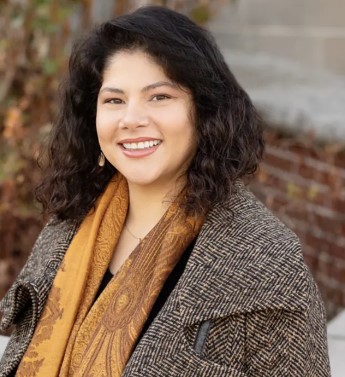 Liliane Windsor合作论文数School of Social Work, University of Illinois at Urbana-Champaign17
 Martin J Downing合作论文数9B JOHNSON合作论文数7
 Rogério Meireles Pinto合作论文数School of Social Work, University of Michigan-Ann Arbor6
 Stephanie Campos合作论文数5Doris Randolph合作论文数5Dominique Brown合作论文数4Andrew Golub合作论文数4
 Luther Elliott合作论文数4Lauren Coe合作论文数3
 Alexis Jemal合作论文数Hunter College, City University of New York3
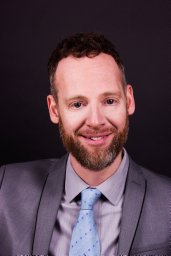 Jeffrey T. Steen合作论文数3
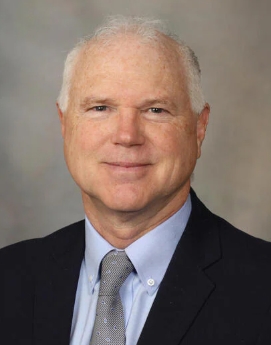 Bruce D. Johnson合作论文数Division of Preventive Cardiology, Department of Cardiovascular Medicine, Mayo Clinic;Division of Preventive, Occupational and Aerospace Medicine, Department of Internal Medicine, Mayo Clinic3
 Geoffrey Ream合作论文数School of Social Work, Adelphi University3Luisa S. Deprez合作论文数3Robert D. Leighninger合作论文数2H. Guarino合作论文数2Jennifer L Graves合作论文数2
 Adrian Rodriguez合作论文数2
 Soonhyung Kwon合作论文数Dept Psychol, Univ Illinois2Melinda McCormick合作论文数2S Deren合作论文数2
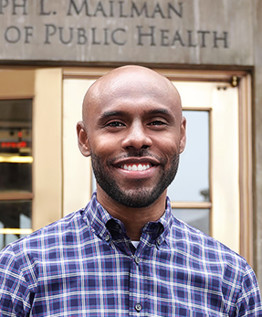 Dustin T. Duncan合作论文数Department of Epidemiology, Columbia University Mailman School of Public Health2Alejandro Garcia合作论文数2
 Teri Lassiter合作论文数2
 Matusow Harlan合作论文数National Development and Research Institutes2Jessell Lauren合作论文数National Development and Research Institutes, Inc.2Forenza Brad合作论文数2
 Andrew Rosenblum合作论文数National Development and Research Institutes2Rebecca Young合作论文数2
 Sondra J. Fogel合作论文数2Charles Guzzetta合作论文数2Philip R. Popple合作论文数2
 Camila Gelpi-Acosta合作论文数National Development and Research Institutes, Inc.2Stephen J. Sifaneck合作论文数2Wilma Peebles-Wilkins合作论文数1John B Williamson合作论文数1marguerite rosenthal合作论文数1Christopher Kuhner合作论文数1Al Richmond合作论文数1Carol A Lee合作论文数1Chris Bonastia合作论文数1Jeanna M. Campbell合作论文数1Amandeep Kaur合作论文数1Dustin Brinker合作论文数1leslie leighninger editor合作论文数1
 Nishanth Iyengar合作论文数1Michael Pass合作论文数1




