Background During the COVID-19 pandemic, we identified a gap in adequate discharge counseling for COVID-19 patients in the Emergency Department. This was due to high patient volumes and lack of patient education regarding a novel disease. Medical students were also restricted from clinical areas due to safety concerns, compromising their clinical experience. We piloted a novel program in which medical students served as virtual discharge counselors for COVID-19 patients via teleconference. We aimed to demonstrate an impact on patient care by examining the patient bounce back rate as well as assessing medical student education and experience. Methods This program was piloted in a tertiary care Emergency Department. Medical student volunteers served as virtual discharge counselors. Students were trained in discharge counseling with a standardized protocol and a discharge script. Eligible patients for virtual discharge counseling were 18 years old or greater with a diagnosis of confirmed or suspected COVID-19 and no impediment precluding them from participating in a telemedicine encounter. Counseling was provided via secure teleconference in the patient's preferred language. Counseling included diagnosis, supportive care with medication dosing, quarantine instructions, return precautions, follow up, and time to ask questions. Duration of counseling was recorded and medical students were anonymously surveyed regarding their experience. Results Over an 18-week period, 45 patients were counseled for a median of 20 min. The 72-hr ED revisit rate was 0%, versus 4.2% in similarly-matched, not counseled COVID-19 patients. 90% of medical students believed this project increased their confidence when speaking with patients while 80% indicated this was their first telemedicine experience. Conclusion Our pilot discharge program provided patients with an extensive discharge counseling experience that would not otherwise be possible in an urban ED setting and demonstrated benefit to patient care. Medical students received a safe clinical experience that improved their communication skills.
International Journal of DermatologyEarly View Correspondence A cross-sectional survey of dermatologists: assessing practice patterns in sexually transmitted infections Peter B. Chansky MD, Peter B. Chansky MD orcid.org/0000-0002-1444-7239 The Ronald O. Perelman Department of Dermatology, NYU Grossman School of Medicine, New York, NY, USASearch for more papers by this authorPayal Shah BS, Payal Shah BS The Ronald O. Perelman Department of Dermatology, NYU Grossman School of Medicine, New York, NY, USASearch for more papers by this authorDaniel Gutierrez MD, Daniel Gutierrez MD orcid.org/0000-0001-5539-6119 The Ronald O. Perelman Department of Dermatology, NYU Grossman School of Medicine, New York, NY, USASearch for more papers by this authorChristopher Kuhner BS, Christopher Kuhner BS The Ronald O. Perelman Department of Dermatology, NYU Grossman School of Medicine, New York, NY, USASearch for more papers by this authorJohn Zampella MD, Corresponding Author John Zampella MD john.zampella@nyulangone.org The Ronald O. Perelman Department of Dermatology, NYU Grossman School of Medicine, New York, NY, USASearch for more papers by this author Peter B. Chansky MD, Peter B. Chansky MD orcid.org/0000-0002-1444-7239 The Ronald O. Perelman Department of Dermatology, NYU Grossman School of Medicine, New York, NY, USASearch for more papers by this authorPayal Shah BS, Payal Shah BS The Ronald O. Perelman Department of Dermatology, NYU Grossman School of Medicine, New York, NY, USASearch for more papers by this authorDaniel Gutierrez MD, Daniel Gutierrez MD orcid.org/0000-0001-5539-6119 The Ronald O. Perelman Department of Dermatology, NYU Grossman School of Medicine, New York, NY, USASearch for more papers by this authorChristopher Kuhner BS, Christopher Kuhner BS The Ronald O. Perelman Department of Dermatology, NYU Grossman School of Medicine, New York, NY, USASearch for more papers by this authorJohn Zampella MD, Corresponding Author John Zampella MD john.zampella@nyulangone.org The Ronald O. Perelman Department of Dermatology, NYU Grossman School of Medicine, New York, NY, USASearch for more papers by this author First published: 07 April 2022 https://doi.org/10.1111/ijd.16196 Conflict of interest: None. Funding source: None. Read the full textAboutPDF ToolsRequest permissionExport citationAdd to favoritesTrack citation ShareShare Give accessShare full text accessShare full-text accessPlease review our Terms and Conditions of Use and check box below to share full-text version of article.I have read and accept the Wiley Online Library Terms and Conditions of UseShareable LinkUse the link below to share a full-text version of this article with your friends and colleagues. Learn more.Copy URL Share a linkShare onFacebookTwitterLinked InRedditWechat No abstract is available for this article. Early ViewOnline Version of Record before inclusion in an issue RelatedInformation
BACKGROUND:Black men who have sex with men (MSM) are disproportionately affected by HIV compared to almost every other demographic group in the country and have worse outcomes along the care continuum. Diagnosis is a critical juncture. This study aims to explore the impact and meaning of an HIV diagnosis for Black MSM, and how this has changed over time, both for the individual's experience living with HIV as well as for Black MSM in general.METHODS:From 2017 to 2018, we conducted in-depth interviews with 16 black MSM living with HIV in New York City diagnosed between 1985 and 2016.RESULTS:Inductive analysis of the qualitative data allowed three major themes to emerge: diagnosis trauma, lack of patient -centeredness in the healthcare system, and acceptance of HIV diagnosis over time.CONCLUSIONS:This small pilot study signals that an HIV diagnosis experience possibly remains traumatic for black MSM even in the era of highly effective ART, and they often perceive a lack of patient-centeredness in the delivery of a new diagnosis. This has persisted over time. In most cases, black MSM in our sample overcame this trauma due to self-motivation, social support and seeking out and fostering trusting relationships with their HIV provider and the healthcare system.
To understand the HIV epidemic among men who have sex with men who engage in transactional sex (MSM-TS) in Paris, France, we sought to examine the association between engagement in transactional sex and HIV risk behaviors among MSM in Paris, France. Users of a geosocial-networking application in Paris were provided an anonymous web-based survey ( N = 580), which included questions about transactional sex and behavioral risk factors for HIV along with sexually transmitted infection (STI)/HIV status. Multivariate analyses showed that engagement in transactional sex was associated with condomless receptive and insertive anal intercourse (adjusted relative risk [aRR] = 1.34, 95% confidence interval [CI] = 1.04–1.72 and aRR = 1.41, 95% CI = 1.04–1.91, respectively). MSM-TS were more likely to have engaged in substance use before or during sex (aRR = 1.35, 95% CI = 1.13–1.62), to have participated in group sex (aRR = 1.37, CI = 1.13–1.62), and to have had an STI during the last year (aRR = 1.68, 95% CI = 1.16–2.45). Transactional sex was not associated with HIV status. MSM-TS in Paris engaged in higher HIV risk behaviors, however, did not have higher rates of HIV infection. Sexual health interventions should continue to target MSM-TS; however, future studies should characterize the social, cultural, and structural factors that interact with individual behaviors to elevate HIV risk for MSM-TS.
 Dustin Brinker合作论文数2Ofole Mgbako合作论文数2
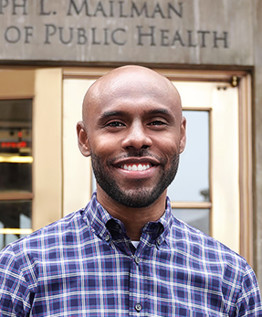 Dustin T. Duncan合作论文数Department of Epidemiology, Columbia University Mailman School of Public Health2Amber Ciardiello合作论文数1Nancy Conroy合作论文数1Sana Maheshwari合作论文数1Christopher Caspers合作论文数1Ian Wittman合作论文数1Peter B Chansky合作论文数1Stephen Stark合作论文数1V. Leybov合作论文数1
 Nishanth Iyengar合作论文数1Joshua Ross合作论文数1Payal Shah合作论文数1
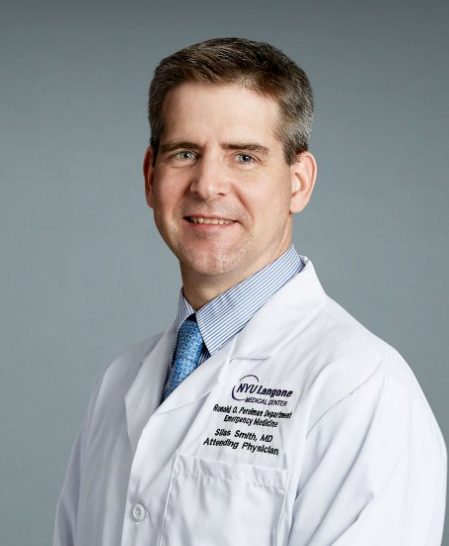 Silas W. Smith合作论文数Department of Emergency Medicine, Grossman School of Medicine, New York University1
 Park Su Hyun合作论文数Saw Swee Hock School of Public Health, National University of Singapore1
 Denton Callander合作论文数1
 H. Jonathon Rendina合作论文数CUNY Hunter Coll1
 John Zampella合作论文数Department of Dermatology, Johns Hopkins University School of Medicine1Gutierrez Daniel合作论文数1
 Adam W Carrico合作论文数Department of Psychology, University of Miami1
 Ellen Benoit合作论文数National Development and Research Institutes, Inc.1




