Policy Points Efforts to address a perceived decline of comprehensiveness in primary care are hampered by the absence of a clear and common understanding of what comprehensiveness means. This scoping review mapped two domains of comprehensiveness (breadth of care and approach to care) as well as a set of factors that enable comprehensive practice. The resulting conceptual map supports greater clarity for future use of the term comprehensiveness, facilitating more precisely targeted research, practice, and policy efforts to improve primary care systems.ContextAssociated with system efficiency and patient-perceived quality, comprehensiveness is widely recognized as foundational to high-quality primary care. However, there is concern that comprehensiveness is declining and that primary care physicians are providing a narrower range of services. Efforts to address this perceived decline are hampered by the many different and sometimes vague definitions of comprehensiveness in current use. This scoping review explored how comprehensiveness in primary care is conceptualized and defined in order to map its attributes in support of being able to more clearly and precisely define this key concept in research, practice, and policy.MethodsWe conducted a scoping review, following the methods of Arksey and O'Malley and Levac and colleagues. The search included terms for two key concepts: primary care and comprehensiveness. Developed in Ovid Medical Literature Analysis and Retrieval System Online (MEDLINE), the search was adapted for Cumulated Index in Nursing and Allied Health Literature (CINAHL) and Embase, as well as for gray literature. After a multistep review, included sources underwent detailed data extraction.FindingsA total of 360 sources were extracted; 57% were empirical studies and 65% were published between 2010 and 2022. Across these sources, we identified nine attributes of comprehensiveness in primary care. We mapped these attributes into two conceptual domains: breadth of care (services, settings, health needs and conditions, patients served, and availability) and approach to care (one-stop shop, whole-person care, referrals and coordination, and longitudinal care). Additionally, we identified three enablers of comprehensiveness, namely structures and resources, teams, and competency.ConclusionsThe conceptual map of comprehensiveness in primary care offers a valuable tool that supports clarity for future use of the term comprehensiveness. The domains and attributes we identified can be used to develop definitions and measures that are appropriate to research, practice, and policy contexts, enabling more precise efforts to improve primary care systems.
Context: Clinical Pharmacogenetics Implementation Consortium (CPIC) guidelines exist for many medications commonly prescribed prior to hospital discharge, yet there is limited data regarding the contribution of gene-x-drug interactions to hospital readmissions. Objective: The present study evaluated the relationship between prescription of CPIC medications prescribed within 30 days of hospital admission and 90-day hospital readmission from 2010-2020. Study Design and Analysis: Retrospective cohort study. Multivariable logistic regression analyzed the association between one or more gene-x-drug interactions with 90-day readmission. Population Studied: Primary care patients (N=10,104) who underwent sequencing with a 14-gene pharmacogenetic panel. Intervention/Instrument: Primary care physicians ordered a Color genetic panel that included pharmacogenetic genes reported through electronic health records. Outcome Measures: The primary endpoint was 90-day hospital readmission. The presence of at least one pharmacogenetic indicator for a medication prescribed within 30 days of hospital admission was considered a gene-x-drug interaction. Results: There were 2,211/2,354 (93.9%) admitted patients who were prescribed at least one CPIC medication. Univariate analyses indicated that the presence of at least one identified gene-x-drug interaction increased risk of 90-day readmission by more than 40% (OR=1.42, 95% confidence interval (CI) 1.09-1.84)(p=0.01). A multivariable model adjusting for age, race, sex, employment status, body mass index, and medical conditions, slightly attenuated the effect (OR=1.32, 95% CI 1.02-1.73)(p=0.04). Conclusions: Our results suggest that the presence of one or more CPIC gene-x-drug interactions increases the risk of 90-day hospital readmission, even after adjustment for demographic and clinical risk factors.
Purpose: This commentary outlines the surgical pathway for patients with cleft lip and/or palate (CLP), identifies risks associated with opioid prescribing in this patient population, and summarizes strategies to safely minimize the need for perioperative opioid prescribing. Conclusions: Patients with orofacial clefts, CLP, undergo multiple reconstructive surgeries. The long-term effects of perioperative opioid prescriptions should concern all members of the cleft and craniofacial team. The amount of surgery each patient with a CLP may face varies by patient and can begin in infancy and continue to adulthood. In this commentary, the surgical pathway for CLP is reviewed, and the opioid crisis is addressed in regard to this vulnerable patient group. Solutions for cleft and craniofacial team members from evidence-based literature are summarized to minimize the use of opioids prescribed in this patient population. Approaches to reduce opioid use after CLP surgery are holistic and multidisciplinary.
Background Comprehensiveness of primary care has been declining, and much of the blame has been placed on early-career family physicians and their practice choices. To better understand early-career family physicians’ practice choices in Canada, we sought to identify the factors that most influence their decisions about how to practice. Methods We conducted a qualitative study using framework analysis. Family physicians in their first 10 years of practice were recruited from three Canadian provinces: British Columbia, Ontario, and Nova Scotia. Interview data were coded inductively and then charted onto a matrix in which each participant’s data were summarized by code. Results Of the 63 participants that were interviewed, 24 worked solely in community-based practice, 7 worked solely in focused practice, and 32 worked in both settings. We identified four practice characteristics that were influenced (scope of practice, practice type and model, location of practice, and practice schedule and work volume) and three categories of influential factors (training, professional, and personal). Conclusions This study demonstrates the complex set of factors that influence practice choices by early-career physicians, some of which may be modifiable by policymakers (e.g., policies and regulations) while others are less so (e.g., family responsibilities). Participants described individual influences from family considerations to payment models to meeting community needs. These findings have implications for both educators and policymakers who seek to support and expand comprehensive care.
Many family medicine residency graduates indicate a desire to provide obstetric care, but a low proportion of family physicians (FPs) provide obstetric care within their practice. This suggests personal preference alone may not account for the low proportion of FPs who ultimately provide full obstetric care. If decisionmakers plan to augment the number of FPs providing obstetric care, barriers to the provision of such care must first be identified. Within this paper, we explore the perspectives of both family practice residents and early-career FPs on the factors that shaped their decision to provide obstetric care. In this qualitative study, we analyzed a subset of interview data from three Canadian provinces: British Columbia, Ontario, and Nova Scotia (n = 18 family practice residents; n = 39 early-career FPs). We used thematic analysis to analyze data relevant to obstetric care practice, applying the socio-ecological model and comparing themes across participant types, gender, and province. Participants described influences affecting their decision about providing obstetric care. Key influencing factors aligned with the levels of the socio-ecological model of public policy (i.e., liability), community (i.e., community needs), organizational (e.g., obstetric care trade-offs, working in teams, sufficient exposure in training), interpersonal practice preferences (i.e., impact on family life, negative interactions with other healthcare professionals), and individual factors (i.e., defining comprehensive care as “everything but obstetrics”). Many participants were interested in providing obstetric care within their practice but did not provide such care. Participants’ decision-making around providing or not providing obstetric care included considerations of personal preferences and outside influences. Individual-level factors alone do not account for the decrease in the type and amount of obstetric care offered by FPs. Instead, FPs’ choice to provide or not provide obstetric care is influenced by factors at higher levels of the socio-ecological model. Policymakers who want to encourage obstetric practice by FPs should implement interventions at the public policy, community, organizational, interpersonal, and individual levels.
INTRODUCTION In recent decades, there has been a global decline in offering a comprehensive scope of practice in family medicine,1–6 and a concurrent trend towards focused practice,7–13 wherein one or more specific clinical areas form a major part-time or full-time component of practice.14 Previous research suggests that this trend is in part due to perceptions that focused practice offers a desirable intellectual challenge8 and better remuneration.15 Characteristics such as the region of intended practice16 and being a male non-parent17 have also been identified as potential influences for focused practice choices. Other studies suggest that the exodus from comprehensive family medicine practice globally can be attributed to both the breadth and the overwhelming nature of its scope,7,12,18 and undesirable post-training working environments.3 However, there are few studies that have provided an in-depth examination of the diverse factors influencing the pursuit of focused practice in family medicine. To the authors’ knowledge, there is only one study to date that has broadly examined factors contributing to family physician (FP) scope of practice choices.19 That study identified personal, workplace, environment, and population elements shaping local FP-focused practice decisions in one state in the US. This current study builds upon the results of the previous study from the Canadian perspective, using interviews with both resident and independently practising FPs. There is also discussion of the international relevance of the findings. The objective of this study was to examine the factors contributing to choices of focused practice in three Canadian provinces. In Canada, medical school is graduate entry, lasts 3 to 4 years, and for family practitioners is followed by 2 years as a resident FP before certification as an independent family practitioner. Findings are presented from both resident FPs and independent family practitioners in their first decade of practice, henceforth Abstract
Background Globally the volume of total knee arthroplasty (TKA) is on the rise, reflecting aging populations, an associated increase in treatment of osteoarthritis, and a desire for improved quality of life. There is evidence that as high as 15 to 20% of patients are not satisfied with their TKA results and efforts need to be made to improve these rates. This study set out to identify what patients consider important when reflecting on TKA satisfaction, to pave the way to identifying service transformation opportunities that will enhance patient-centred care and satisfaction with this procedure. Methods Twenty-seven TKA recipients were recruited in the province of British Columbia, Canada. Semi-structured interviews were conducted about participants’ experience and satisfaction with TKA, three to four years post-surgery. Grounded theory was employed to analyze participants’ stories about what was front of mind when they reflected on satisfaction with their new knee. Results Participants described their post-TKA knee in terms its adequacy : how it felt and worked, and how it matched their pre-surgical expectations. The central element of their stories was the process of adapting, which gave rise to their perceptions of adequacy. Adapting comprises the patient experience of physically integrating and cognitively accepting their new knee. Patterns of adapting reflect the level of the new knee’s achieved adequacy and the straightforwardness of the adapting process. Discussion The conceptualization of adequacy and the process of adapting allow a patient-centred understanding of what patients experience following TKA. For participants who did not readily achieve the adequacy they had anticipated, the challenges they experienced during adapting dominated their stories. Participants’ adapting stories afford key insights into how the health care system could adjust to better support TKA patients, and improve rates of satisfaction with this procedure. Conclusions The process of adapting lends itself to system intervention in support of enhanced post-TKA outcomes and satisfaction. These interventions could include the development of a care model including long-term clinical support for patients whose knees do not achieve desired results on schedule, and collaborating with patients to set and manage reasonable expectations about how their post-TKA knee will feel and function.
Background Focused practice within family medicine may be increasing globally, but there is limited research on the factors contributing to decisions to focus practice. Aim To examine the factors influencing resident and early-career family physician choices of focused practice across three Canadian provinces. Design and setting A subset of qualitative interview data were analysed from a study across British Columbia, Ontario, and Nova Scotia, Canada. Method Included in the analysis were a total of 22 resident family physicians and 38 early-career family physicians in their first 10 years of practice who intend to or currently practise in a focused area. Comparisons were made for participant types, provinces, and the degree of focused practice, while identifying themes related to factors influencing the pursuit of focused practice. Results Three key themes were identified of factors contributing to choices of focused practice: self-preservation within the current structure of the healthcare system; support from colleagues; and training experiences in medical school and/or residency. Minor themes included: alignment of practice with skills, personal values, or ability to derive professional satisfaction; personal lived experiences; and having many attractive opportunities for focused practice. Conclusion Both groups of participants unanimously viewed focused practice as a way to circumvent the burnout or exhaustion they associated with comprehensive practice in the current structure of the healthcare system. This finding, in addition to other influential factors, was consistent across the three provinces. More research is needed to understand the implications of resident and early-career family physician choices of focused practice within the physician workforce.
BACKGROUND:Return-of-service (ROS) agreements require international medical graduates (IMGs) who accept medical residency positions in Canada to practice in specified geographic areas following completion of training. However, few studies have examined how ROS agreements influence career decisions. We examined IMG resident and early-career family physicians' perceptions of the residency matching process, ROS requirements, and how these factors shaped their early career decisions.METHODS:As part of a larger project, we conducted semi-structured qualitative interviews with early-career family physicians and family medicine residents in British Columbia, Ontario and Nova Scotia. We asked participants about their actual or intended practice characteristics (e.g., payment model, practice location) and factors shaping actual or intended practice (e.g., personal/professional influences, training experiences, policy environments). Interviews were transcribed verbatim and a thematic analysis approach was employed to identify recurring patterns and themes.RESULTS:For this study, we examined interview data from nine residents and 15 early-career physicians with ROS agreements. We identified three themes: IMGs strategically chose family medicine to increase the likelihood of obtaining a residency position; ROS agreements limited career choices; and ROS agreements delayed preferred practice choice (e.g., scope of practice and location) of an IMGs' early-career practice.CONCLUSIONS:The obligatory nature of ROS agreements influences IMG early-career choices, as they necessitate strategically tailoring practice intentions towards available residency positions. Existing analyses of IMGs' early-career practice choices neglect to distinguish between ROS and practice choices made independently of ROS requirements. Further research is needed to understand how ROS influences longer term practice patterns of IMGs in Canada.
Context: In recent years, there has been a global decline in the provision of comprehensive care by family physicians, and a shift towards focused practice, defined as part- or full-time work in a specific clinical area such as hospitalist or emergency medicine. Previous research has identified some of the factors contributing to this trend, such as focused practice being perceived as stimulating or financially lucrative, yet few studies have undertaken an in-depth exploration of the factors influencing choices of focus practice. Objective: To examine factors influencing family medicine resident and early-career physician choices of focused practice across three Canadian provinces. Study Design: Analysis of qualitative interview data collected as part of a mixed-methods study. Setting: Three Canadian provinces: British Columbia, Ontario, and Nova Scotia. Population studied: Family medicine residents and early-career family physicians (defined as first 10 years of practice). Results: Interviews were conducted with 31 residents and 63 early-career family physicians. In total, 21 (71%) residents and 38 (60%) physicians intended to, or currently practice, in a focused area. Transcripts of this focused practice sub-group were analyzed using an inductive, thematic analysis approach. Three major themes influencing focused practice choices were identified across both participant groups. The most salient theme was the interest in focused practice being motivated by a desire for self-preservation within the current health care system. Focused practice was chosen to avoid many of the negative factors associated with comprehensive family medicine practice: burnout and exhaustion; inadequate compensation, particularly in the fee-for-service payment model; and limited work-life balance. Other major themes included support from colleagues in focused practice settings, and experiences during training. Minor themes included: alignment with skills, values, or ability to feel professional satisfaction; personal lived experiences; and the presence of existing opportunities in focused practice. Conclusions: This study found a number of system-level and personal factors that appeared to influence both resident and early-career physician choices of focused areas of practice. Further work is needed to understand the impact of this shift toward focused practice on the family physician workforce, and health policy considerations.
 Thomas Siegert合作论文数Fakultät für Physik und Astronomie, Julius-Maximilians-Universitat Würzburg;Institut für Theoretische Physik und Astrophysik, Julius-Maximilians-Universitat Würzburg26
 Karen Hawkins合作论文数24Sophia Muirhead合作论文数22Chris Brantley合作论文数22James C. Matthews合作论文数Department of Animal and Food Sciences, University of Kentucky22Jamie Moesch合作论文数20Stephen Welby合作论文数20Donna Hourican合作论文数20
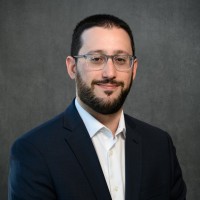 Stephen C. Phillips合作论文数Department of Political Science, Clemson University20
 John W. Walz合作论文数IEEE Computer Society18Educational Activities合作论文数16Konstantinos Karachalios合作论文数16Steven Heffner合作论文数15Mary Ward-Callan合作论文数14Cecelia Jankowski合作论文数13Laurie J Goldsmith合作论文数12Kathy Land合作论文数11David Koehler合作论文数11Deborah Cooper合作论文数11Bruno Meyer合作论文数11
 Grudniewicz Agnes合作论文数Telfer Sch Management, Univ Ottawa11
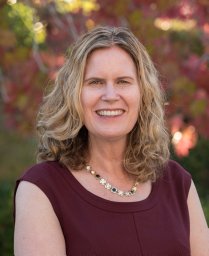 Kathleen Ann Kramer合作论文数University of San Diego11Geographic Activities合作论文数10Saifur Rahman合作论文数10
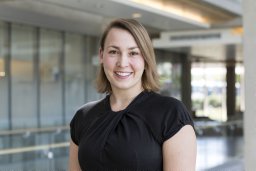 Ruth Lavergne合作论文数School of Population and Public Health, UBC Centre for Health Services and Policy Research10Ieee-Standards Association合作论文数9
 Nadine Schuurman合作论文数Canadian Institutes of Health Research New Investigator, Department of Geography, Simon Fraser University8Jeffrey Cichocki合作论文数7Kevin Lisankie合作论文数7Lori Jones合作论文数7Susan Kathy合作论文数6Peter Tuohy合作论文数6Ian Scott合作论文数Department of Family Practice, Faculty of Medicine, The University of British Columbia6David Snadden合作论文数Department of Family Practice, Faculty of Medicine, The University of British Columbia6
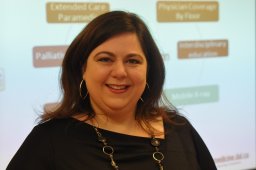 Emily G Marshall合作论文数Dalhousie University6
 Duncan Katherine R合作论文数Center for Marine Biotechnology &Scripps Institution of Oceanography, University of California San Diego;Scripps Institution of Oceanography, University of California San Diego6Dawn Melley合作论文数5Maike Luiken合作论文数5
 Goldis Mitra合作论文数5
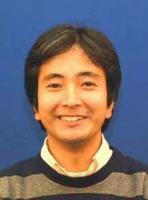 Atsufumi Hirohata合作论文数University of York5
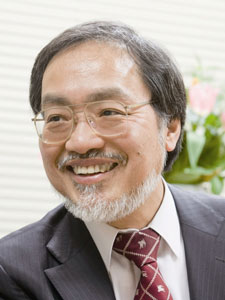 Toshio Fukuda (福田敏男)合作论文数Nagoya University;Meijo University5
 Franco Maloberti合作论文数Laboratorio di Microsistemi Integrati, University of Pavia;University of Macau5
 Dalma Novak合作论文数Pharad, LLC5Eddie Past合作论文数4Sergio Benedetto合作论文数4
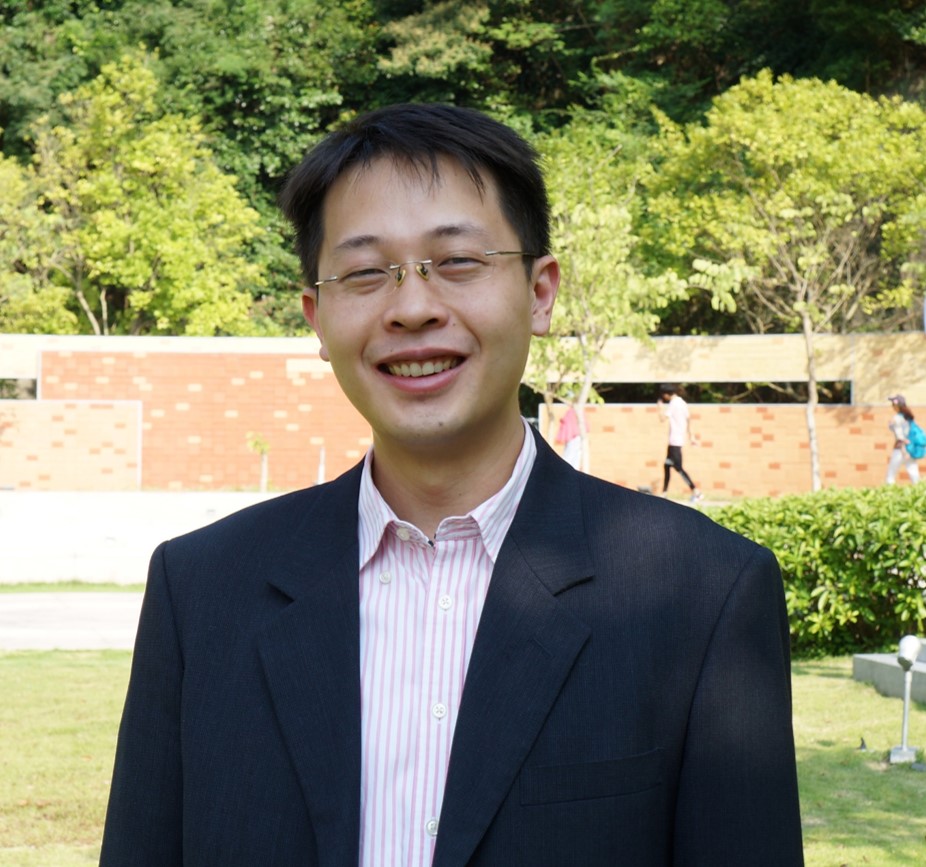 Philip W.T. Pong合作论文数Department of Electrical and Electronic Engineering, Faculty of Engineering, The University of Hong Kong4
 Stirling Bryan合作论文数School of Population and Public Health, Faculty of Medicine, The University of British Columbia;Centre for Clinical Epidemiology & Evaluation, Vancouver Coastal Health Research Institute;Michael Smith Health Research BC4
 Enrique Herrera Viedma合作论文数Department of Computer Science and Artificial Intelligence, University of Granada4
 Dan Wei (韦丹)合作论文数School of Materials Science And Engineering, Tsinghua University4




