Purpose From 2018–2019, the height of over 400 miles of southern border wall was raised to 30 feet. Our aim was to evaluate the impact of the increase in border wall height on upper-extremity injuries sustained via barrier fall. Methods A retrospective review of patients admitted with upper-extremity injuries sustained via border wall fall between January 2015 and December 2022 at a Level 1 trauma center serving the United States-Mexico border. Patients admitted between 2015–2018 were included in the preincrease group, and those admitted between 2019–2022 were included in the postincrease group. Demographic data, injury severity metrics, fracture characteristics, operative treatments, hospital charges, and lengths of stay were compared. Results In total, 110 patients were identified, with 16 preincrease and 94 postincrease. Following the barrier height increase, patients had higher injury severity scores. Radial fractures were most common pre- and postincrease and accounted for nearly one-third of all fractures. Postincrease upper-extremity trauma patients required more operative events (2.15 ± 2.10 vs 1.44 ± 0.73 preincrease). The average cost for each patient’s hospital stay also quadrupled after the increase in wall height ($397,632 ± $1,057,574 vs $98,978 ± $84,169 preincrease). Conclusions The increase in overall injury severity and costly inpatient treatment of upper-extremity injuries among patients who fell from the border following construction has placed additional stress on an already strained health care system. Level of Evidence Differential Diagnosis/Symptom Prevalence Study, IV.
OBJECTIVE:Several current and many emerging osteoarthritis (OA) treatments are intraarticular (IA) injections; however, little is known about physicians' perceptions and beliefs regarding IA injections or their considerations when deciding whether to recommend them to patients. We aimed to investigate physician-perceived benefits and drawbacks of offering IA injections.METHODS:We conducted individual interviews with orthopedic surgeons, rheumatologists, and physiatrists who treat patients with knee OA. We conducted a thematic analysis to identify factors that physicians weigh when making IA injection recommendations.RESULTS:We interviewed 18 physicians from academic and community practices. We identified the following 4 categories of themes that influenced providers' recommendations to their patients regarding injections: 1) the physician's knowledge, beliefs, and concerns, including their propensity to rely on guidelines versus clinical experience, and understanding of the efficacy and risks associated with injectables, such as possible cartilage damage; 2) the characteristics of the injectable product, such as ease or number of administrations needed; 3) the individual patient-specific factors, including OA severity, comorbidities, and patient preference for and expectations of specific IA injections; and 4) the financial and administrative factors, including insurance coverage and out-of-pocket costs.CONCLUSION:Physicians factor the uncertain efficacy of injectable treatments and the need to manage patient expectations into their decision to offer IA therapies. Some providers relied on evidence and guidelines while others were swayed more by clinical experience. High out-of-pocket costs were seen as a barrier to use. These findings may help in the delivery of IA injections for OA and in the development of injectable products.
OBJECTIVE:Intraarticular (IA) injections are used frequently for knee osteoarthritis (OA), but little is known about patients' attitudes toward these therapies. We aimed to better understand patients' perceptions of the facilitators of and barriers to IA injections for knee OA.METHODS:We conducted a qualitative, descriptive, exploratory study and held focus groups and individual interviews with participants with knee OA, including some who had and some who had not received IA injections. We conducted a thematic analysis to identify themes describing the factors that participants found influential when deciding whether to try an IA injection.RESULTS:We held 3 focus groups with 12 participants and conducted 3 individual interviews (15 participants total). We identified the following 4 themes that shaped participants' decisions to receive a specific injection: 1) the impact of OA on participants' lives; 2) participants' attitudes and concerns, including desire to avoid surgery, willingness to accept uncertain outcomes, and concerns about side effects and dependence; 3) the way participants gathered and processed information from physicians, peers, and the internet; and 4) the availability of injectable products. Participants weighed the desire to regain function and delay surgery with concerns about side effects, uncertain efficacy, and costs.CONCLUSION:Participants were concerned about the effectiveness, toxicity, availability, and cost of injectable products. They balanced disparate sources of information, uncertain outcomes, limited product availability, and other injection-related concerns with a desire to decrease pain. These findings can provide clinicians, investigators, and public health professionals with insights into challenges that patients face when making injection decisions.
Objective We examined the cost‐effectiveness of treatment strategies for concomitant meniscal tear and knee osteoarthritis (OA) involving arthroscopic partial meniscectomy surgery and physical therapy (PT). Methods We used the Osteoarthritis Policy Model, a validated Monte Carlo microsimulation, to compare three strategies, 1) PT‐only, 2) immediate surgery, and 3) PT + optional surgery, for participants whose pain persists following initial PT. We modeled a cohort with baseline meniscal tear, OA, and demographics from the Meniscal Tear in Osteoarthritis Research (MeTeOR) trial of arthroscopic partial meniscectomy versus PT. We estimated risks and costs of arthroscopic partial meniscectomy complications and accounted for heightened OA progression post surgery using published data. We estimated surgery use rates and treatment efficacies using MeTeOR data. We considered a 5‐year time horizon, discounted costs, and quality‐adjusted life‐years (QALYs) 3% per year and conducted sensitivity analyses. We report incremental cost‐effectiveness ratios. Results Relative to PT‐only, PT + optional surgery added 0.0651 QALY and $2,010 over 5 years (incremental cost‐effectiveness ratio = $30,900 per QALY). Relative to PT + optional surgery, immediate surgery added 0.0065 QALY and $3080 (incremental cost‐effectiveness ratio = $473,800 per QALY). Incremental cost‐effectiveness ratios were sensitive to optional surgery efficacy in the PT + optional surgery strategy. In the probabilistic sensitivity analysis, PT + optional surgery was cost‐effective in 51% of simulations at willingness‐to‐pay thresholds of both $50,000 per QALY and $100,000 per QALY. Conclusion First‐line arthroscopic partial meniscectomy has a prohibitively high incremental cost‐effectiveness ratio. Under base case assumptions, second‐line arthroscopic partial meniscectomy offered to participants with persistent pain following initial PT is cost‐effective at willingness‐to‐pay thresholds between $31,000 and $473,000 per QALY. Our analyses suggest that arthroscopic partial meniscectomy can be a high‐value treatment option for patients with meniscal tear and OA when performed following an initial PT course and should remain a covered treatment option.
ObjectiveTo estimate the risk of magnetic resonance imaging (MRI)–based structural changes in knee osteoarthritis (OA) among individuals with meniscal tear and knee OA, using MRIs obtained at baseline and 18 and 60 months after randomization in a randomized controlled trial of arthroscopic partial meniscectomy (APM) versus physical therapy (PT).MethodsWe used data from the Meniscal Tear in Osteoarthritis Research (METEOR) trial. MRIs were read using the MRI OA Knee Score (MOAKS). We used linear mixed‐effects models to examine the association between treatment group and continuous MOAKS summary scores, and Poisson regression to assess categorical changes in knee joint structure. Analyses assessed changes in OA between baseline and month 18 and between months 18 and 60. We performed both intention‐to‐treat and as‐treated analyses.ResultsThe analytic sample included 302 participants. For both treatment groups, more OA changes were seen during the early interval than during the later interval. ITT analysis revealed that, between baseline and month 18, APM was significantly associated with an increased risk of having a worsening cartilage surface area score, involving both any worsening across all knee joint subregions (risk ratio [RR] 1.35 [95% confidence interval (95% CI) 1.14, 1.61]) and the number of subregions damaged (RR 1.44 [95% CI 1.13, 1.85]) having a worsening effusion‐synovitis score (RR 2.62 [95% CI 1.32, 5.21]), and having ≥1 additional subregion with osteophytes (RR 1.24 [95% CI 1.02, 1.50]). Significant associations were detected between months 18 and 60 only for having any subregion with a worsening osteophyte score (RR 1.28 [95% CI 1.04, 1.58]).ConclusionThese findings suggest that the association between APM and MRI‐based structural changes in knee OA is most apparent during the initial 18 months after surgery. The reason for attenuation of this association over longer follow‐up merits further investigation.
Purpose We performed a qualitative study to understand the psychosocial factors associated with success in upper-extremity vascularized composite allotransplantation from the perspective of transplant providers. Methods We recruited 13 providers actively involved in upper-extremity vascularized composite allotransplantation. Participants included physicians, nurses, social workers, occupational therapists, and research administrators. We conducted semistructured face-to-face focus group interviews using a guide that explored providers' perceptions of qualities contributing to transplant outcome. Topics included social support networks and their influence on recovery, barriers to treatment compliance and successful posttransplant rehabilitation, and the process of setting patients' expectations. We performed a thematic analysis that produced a list of themes, subthemes, and proposed hypotheses explaining how the themes related to the study's guiding questions. Results The analysis identified numerous factors that contribute to transplant success: (1) recipients' prior experiences modify their ability to cope and adapt after transplantation, (2) behaviors and characteristics such as positivity influence candidacy and may be predictive of successful outcomes, and (3) social support is essential for improved function and compliance. The provider care team cited difficulty in predicting recipient compliance and in setting realistic expectations. Conclusions Motivated recipients with developed coping and resiliency, a positive attitude, and stable, physically-able caregivers are perceived by providers to have greater success after transplantation. Clinical Relevance Findings from this work may help providers determine optimal candidates for upper-extremity vascularized composite allotransplantation. Copyright (C) 2022 by the American Society for Surgery of the Hand. All rights reserved.
Background Early research suggests the COVID-19 pandemic worsened intimate partner violence (IPV) in the US. In particular, stay-at-home orders and social distancing kept survivors in close proximity to their abusers and restricted access to resources and care. We aimed to understand and characterize the impact of the pandemic on delivery of IPV care in Boston. Methods We conducted individual interviews with providers of IPV care and support in the Greater Boston area, including healthcare workers, social workers, lawyers, advocates, and housing specialists, who continued to work during the COVID-19 pandemic. Using thematic analysis, we identified themes describing the challenges and opportunites providers faced in caring for survivors during the pandemic. Results Analysis of 18 interviews yielded four thematic domains, encompassing 18 themes and nine sub-themes. Thematic analysis revealed that the pandemic posed an increased threat to survivors of IPV by exacerbating external stressors and leading to heightened violence. On a system level, the pandemic led to widespread uncertainty, strained resources, amplified inequities, and loss of community. On an individual level, COVID-19 restrictions limited survivors’ abilities to access resources and to be safe, and amplified pre-existing inequities, such as limited technology access. Those who did not speak English or were immigrants experienced even more difficulty accessing resources due to language and/or cultural barriers. To address these challenges, providers utilized video and telephone interactions, and stressed the importance of creativity and cooperation across different sectors of care. Conclusions While virtual care was essential in allowing providers to care for survivors, and also allowed for increased flexibility, it was not a panacea. Many survivors faced additional obstacles to care, such as language barriers, unequal access to technology, lack of childcare, and economic insecurity. Providers addressed these barriers by tailoring services and care modalities to an individual’s needs and circumstances. Going forward, some innovations of the pandemic period, such as virtual interactions and cooperation across care sectors, may be utilized in ways that attend to shifting survivor needs and access, thereby improving safe, equitable, and trauma-informed IPV care.
➢ The United States is struggling with an epidemic of opioid use both within and outside of the medical field. ➢ Pain management is a critical focus for orthopaedic practice. ➢ Recent orthopaedic research literature has focused on international perspectives on opioid use, patterns of opioid use, chronic opioid use, preoperative opioid use, and educational interventions to reduce opioid prescribing. ➢ Studies at the intersection of opioid use and orthopaedics pose methodological challenges, including quantifying opioid use, confounding by indication, and interpreting the results of nonrandomized intervention studies given secular changes in practice.
Parasites are commonly cited as one of the causes of population declines for both managed and wild bees. Epidemiological models sometimes assume that increasing the proportion of infected individuals in a group should increase transmission. However, social insects exhibit behaviors and traits which can dampen the link between parasite pressure and disease spread. Understanding patterns of parasite transmission within colonies of social bees has important implications for how to control diseases within those colonies, and potentially the broader pollinator community. We used bumble bees (Bombus impatiens Cresson) (Hymenoptera: Apidae) and western honey bees (Apis mellifera L.) (Hymenoptera: Apidae) infected with the gut parasites Crithidia bombi (Lipa & Triggiani) (Trypanosomatida: Trypanosomatidae) and Nosema ceranae (Fries et al.) (Dissociodihaplophasida: Nosematidae), respectively, to understand how the initial proportion of infected individuals impacts within-colony spread and intensity of infection of the parasites. In bumble bees, we found that higher initial parasite prevalence increased both the final prevalence and intensity of infection of C. bombi. In honey bees, higher initial prevalence increased the intensity of infection in individual bees, but not the final prevalence of N. ceranae. Measures that reduce the probability of workers bringing parasites back to the nest may have implications for how to control transmission and/or severity of infection and disease outbreaks, which could also have important consequences for controlling disease spread back into the broader bee community.
 Elena Losina合作论文数Orthopedic and Arthritis Center for Outcomes Research, Department Orthopedic Surgery, Harvard Medical School;Policy and Innovation eValuations in Orthopedic Treatments Center, Brigham and Women's Hospital;Verity Research4
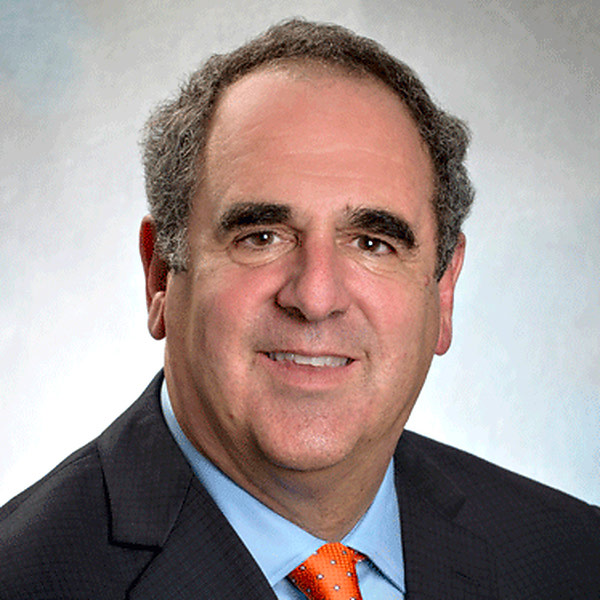 Jeffrey Neil Katz合作论文数Orthopaedic and Arthritis Center, Brigham and Women's Hospital, Harvard Medical School4
 Nora K Lenhard合作论文数Brigham & Womens Hosp3Valia P. Leifer合作论文数2
 Jeffrey N. Katz合作论文数Department of Epidemiology and Environmental Health, Harvard T.H. Chan School of Public Health, Harvard University;Brigham and Women's Hospital2
 Collins Jamie E合作论文数Brigham & Womens Hosp2Lindsey Macfarlane合作论文数2Laura N. Haines合作论文数1Swastina Shrestha合作论文数1Sejal B Shah合作论文数1Emma C Lape合作论文数1Sarah E Kinsley合作论文数1Meera Reghunathan合作论文数1
 Kaetlyn Arant合作论文数1
 Abby E. Davis合作论文数Department of Entomology, Cornell University1
 Jacquelyn L. Fitzgerald合作论文数Chicago Bot Garden, Negaunee Inst Plant Conservat Sci & Act1
 Jay Doucet合作论文数Department of Surgery, School of Medicine, University of California1
 Mario Simon Pinilla-Gallego合作论文数Dept Appl Ecol, North Carolina State Univ1
 G. Morgan Jones合作论文数1
 Lisa A. Mandl合作论文数Joan and Sanford I. Weill Department of Medicine, Weill Cornell Medicine, Cornell University1
 A David Paltiel合作论文数Health Policy and Management, Yale School of Public Health, Yale School of Medicine, Yale University1Lisa Suter合作论文数Rheumatology, Internal Medicine, Yale School of Medicine, Yale University1
 Annie Lewis-O'Connor合作论文数Emergency Services, Children's Hospital1
 Tuhina Neogi合作论文数Dept of Medicine, Chobanian & Avedisian School of Medicine, Boston University1Hinchcliff Katharine合作论文数1
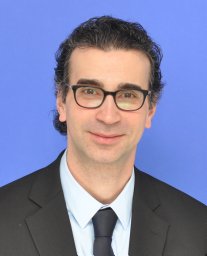 Jarraya Mohamed合作论文数1 Department of Radiology, Boston University School of Medicine1Marx Robert G合作论文数1Scott McArt合作论文数Entomology, College of Agriculture and Life Sciences, Cornell University1Ali Guermazi合作论文数1
 Robert R. Edwards合作论文数Department of Anaesthesia, Brigham and Women's Hospital;Pain Management Center, Brigham and Women’s Hospital / Harvard Medical School1Todd W. Costantini合作论文数University of California at San Diego1
 Rebecca E. Irwin (Becky Irwin)合作论文数Department of Applied Ecology, College of Agriculture and Life Sciences, North Carolina State University1Simon G. Talbot合作论文数Plastic and Reconstructive Surgical Service, Memorial Sloan-Kettering Cancer Center1Bruce A. Levy合作论文数1




