Coaching is a concept often associated with sports. The perceived benefits of coaching in the athletics realm have led to its increased appreciation in business and medicine. Coaching drives high performance by providing personalized guidance, strategic insights, and real-time feedback. Despite its established benefits in sports and business, it remains underused in medicine, particularly in plastic surgery. Drawing on evidence from other industries and specialties, this article explores the potential of coaching to enhance technical proficiency, accelerate skill acquisition, and improve patient outcomes in plastic surgery. By integrating core coaching principles, the processes used to develop and actualize a plastic surgeon's potential can move beyond traditional methods toward a structured, innovative approach that prepares surgeons to meet the demands of an evolving and increasingly complex healthcare landscape.
Vascularized Composite Allotransplantation (VCA) requires immunosuppression to prevent allosensitization and subsequent allograft rejection. This study evaluated the prevalence, characteristics, and clinical implications of donor-specific antibodies (DSA) in VCA recipients. Thirty-seven VCA recipients (median age 32.5 years) from six international centers, grafted between 2000 and 2019, were studied. They included 23 upper extremity transplantations (UETs), 13 face transplantations and one patient with simultaneous UET and face transplantation. A total of 402 pre-transplant and follow-up sera were screened for DSA using a centralized assay. Among the 31 evaluable recipients, DSA appeared in a range of time between 7 and 2740 days post-transplantation with a median time of 360 days. The cumulative incidence of de novo DSA was 26% at five years and 48% at ten years. The incidence of de novo DSA did not differ between UET and face recipients. Both preformed and de novo DSA displayed comparable disappearance kinetics. A higher incidence of chronic rejection was observed in patients with DSA when an MFI cutoff of 500 was used (46.7% vs. 17.6% in patients with and without DSA, respectively), which became significant (p = 0.02) when the cutoff was increased to 1000. In conclusion, humoral immunization is a common event following VCA. DSA positivity was associated with chronic rejection and graft vasculopathy. Further mechanistic studies are needed to confirm the role of DSA in VCA rejection.
Vascularized composite allotransplantation (VCA) enables functional reconstruction for patients with extensive tissue defects, but has obstacles such as immune rejection, lifelong immunosuppression, and systems-level barriers that limit widespread adoption. VCA has rapidly evolved through novel surgical, immunologic, and bioengineering technologies. This systematic review synthesizes the current landscape of emerging VCA technologies, identifies literature gaps, and emphasizes opportunities for future research. We conducted a systematic literature review of PubMed and Embase with supplemental manual reference review. English-language experimental studies reporting novel VCA technologies and innovations published after 2004 were included. Case reports, reviews, studies without technological innovation, and non-English publications were excluded. Seventy-two studies fit the inclusion criteria. Novel immunomodulation strategies including belatacept, phototherapy, siRNA therapeutics, and tolerance induction via regulatory T-cells show potential to reduce systemic immunosuppression, while mesenchymal stem cell approaches may increase graft tolerance. On another front, advanced surgical techniques with real-time monitoring and nerve regeneration protocols are looking to promote functional recovery. Digital innovations like 3D modeling and virtual surgical planning allow for patient-specific preoperative planning and intra-operative assistance. In parallel, machine perfusion and cryopreservation extend tolerable ischemia times and may also enable early rejection detection. Similarly, biomarkers and imaging provide early and noninvasive rejection prediction. On a bigger scale, patient selection incorporating evidence-backed psychosocial factors and communication training work to address systems-level barriers to expand access. Ongoing research to translate these innovations into clinical practice will be important in realizing the potential of VCA.
Transcriptional profiling demonstrated markedly reduced type I IFN gene expression in untreated mycosis fungoides (MF) skin lesions compared with that in healthy skin. Type I IFN expression in MF correlated with antigen -presenting cell -associated IRF5 before psoralen plus UVA therapy and epithelial ULBP2 after therapy, suggesting an enhancement of epithelial type I IFN. Immunostains confirmed reduced baseline type I IFN production in MF and increased levels after psoralen plus UVA treatment in responding patients. Effective tumor clearance was associated with increased type I IFN expression, enhanced recruitment of CD8 thorn T cells into skin lesions, and expression of genes associated with antigen -specific T -cell activation. IFNk, a keratinocyte-derived inducer of type I IFNs, was increased by psoralen plus UVA therapy and expression correlated with upregulation of other type I IFNs. In vitro, deletion of keratinocyte IFNk decreased baseline and UVA-induced expression of type I IFN and IFN response genes. In summary, we find a baseline deficit in type I IFN production in MF that is restored by psoralen plus UVA therapy and correlates with enhanced antitumor responses. This may explain why MF generally develops in sun -protected skin and suggests that drugs that increase epithelial type I IFNs, including topical MEK and EGFR inhibitors, may be effective therapies for MF.
Background:Moral injury had been discussed by health care professionals as a cause of occupational distress prior to COVID-19, but the pandemic expanded the appeal and investigation of the term. Moral injury incorporates more than the transdiagnostic symptoms of exhaustion and cynicism and goes beyond operational, demand-resource mismatches of corporatized systems. Observations:Moral injury describes the frustration, anger, and helplessness associated with existential threats to a clinician's professional identity as business interests erode their ability to put patients' needs ahead of corporate and health system obligations. We propose a framework that combines 2 moral injury definitions. An individual who experiences a betrayal by a legitimate authority has an opportunity to choose their response. Moral injury arises when a superior's actions or a system's policies and practices undermine one's professional obligations to prioritize the patient's best interest. Perceived as inescapable, the resignation or helplessness of moral injury may present with emotional exhaustion, ineffectiveness, and depersonalization, all hallmarks of burnout. Both moral injury and burnout can mediate and moderate the relationship between triggers for workplace distress and the resulting psychological, existential, and physical harm. Conclusions:Moral injury is increasingly recognized as a source of distress among health care professionals. It emerges from structural constraints on the ability of health care professionals to deliver optimal care and stand up for patients, their oaths, and their professions. A unified definition of moral injury must be integrated into the framing of clinician distress alongside burnout, recentering health care on ethical decision making rather than profit.
Vascularized composite allotransplantation (VCA) is an emerging field in transplant surgery. Despite overall positive outcomes, VCA confers risk for multiple complications related to the procedure and subsequent immunosuppression. Post-transplant lymphoproliferative disorder (PTLD) is a heterogeneous group of lymphoproliferative disorders occurring after solid organ and hematopoietic stem cell transplant. A patient with PTLD after bilateral upper extremity transplantation is presented as well as a review of all known cases of PTLD after VCA, with a focus on the unique epidemiology, presentation, and treatment in this population.
PURPOSE OF REVIEW:As one of the early hand transplant programs in the world, we are often asked to educate other programs on the lessons we have learned and on how to set up a successful hand transplantation program. RECENT FINDINGS:Two decades of global experience with vascularized composite allotransplantation (VCA) of the upper limb have demonstrated improved functional outcomes and quality of life for carefully screened patients. Despite initial reticence about VCA, over 30 patients in the USA have benefited from hand transplantation, with around 80% long-term successes. We have experience with four bilateral upper extremity patients who have undergone bilateral upper extremity allotransplants. This review article highlights our personal experience and lessons with respect to VCA team assembly, logistics, patient selection, perioperative planning, the operative procedure, and postoperative management. SUMMARY:Continual learning and critical evaluation are crucial to maintaining a successful upper extremity VCA program. This will ensure that patients who stand to benefit most from this life-enhancing procedure are identified and are others optimized to achieve the best possible outcomes.
Vascularized Composite Allotransplantation (VCA) offers a unique option to restore form and function after limb loss or facial trauma that cannot be satisfactorily accomplished through traditional prosthetics or reconstructions. Establishing a successful Upper Extremity Transplantation (UET) program requires strong leadership and a structured surgical team, and extensive interdisciplinary collaboration. We conducted a qualitative study among 12 health care professionals and patients. Informed consent was obtained per protocol, and semi-structured interviews were conducted online and recorded. Participants reported their perceptions of factors that either favored or hindered a successful outcome, including functional status before and after surgery, preparation for transplant, shared decision-making, rehabilitation, and psychosocial support. Thematic analysis revealed that it is essential to establish a team comprising various disciplines well before performing VCA procedures. Defining a common goal and choosing a defined leader is a key factor in procedural success and requires open collaboration beyond what is typical. Primary described categories are interdisciplinary collaboration and skills of the VCA team, building and leading a VCA team, pre-transplant procedures, post-transplant course, and factors to consider when establishing a program. The basic roles of team science play an outsized role in establishing a VCA program. Transplantation medicine involves various overlapping scientific and medical categories requiring health professionals to consciously work together to establish complex vertical and horizontal communication webs between teams to obtain positive outcomes. In addition to medical considerations, patient-specific factors such as transparent communication, therapy plan establishment, plan adherence, and continual follow-up are significant factors to overall success.
With health care workforces in the United States and Europe shrinking at unsustainable rates, it's vital to understand the drivers of moral injury so that solutions can be developed.
Objectives: Dermal regeneration templates (DRTs) are frequently used to treat scalp defects. The aim was to compare the time course of healing for DRTs in scalp defects with and without preoperative radiation. Methods: The authors conducted a retrospective cohort study of DRT-based scalp reconstruction at 2 academic medical centers between 2013 and 2022. Information was collected on demographic variables, comorbidities, medication use, history of radiation, and DRT outcomes. The primary outcome was DRT loss, defined as exposed calvarium or DRT detachment based on postoperative follow-up documentation. Kaplan-Meier survival analysis and multivariable Cox proportional-hazard regressions were used to compare DRT loss in irradiated and nonirradiated defects. Multivariable logistic regressions were used to compare 30-day postoperative complications (infection, hematoma, or seroma) in irradiated and nonirradiated defects. Results: In total, 158 cases were included. Twenty-eight (18%) patients had a preoperative history of radiation to the scalp. The mean follow-up time after DRT placement was 2.6 months (SD: 4.5 mo). The estimated probability of DRT survival at 2 months was 91% (95% CI: 83%–100%) in nonirradiated patients and 65% (95% CI: 48%–88%) in irradiated patients. In the 55 patients with a bony wound base, preoperative head radiation was associated with a higher likelihood of DRT loss (hazard ratio: 11). Half the irradiated defects experienced uncomplicated total wound closure using Integra Wound Matrix Dressing with or without second-stage reconstruction. Conclusions: Dermal regeneration template can offer durable coverage in nonirradiated scalp defects. Although DRT loss is more likely in irradiated scalp defects, successful DRT-based reconstruction is possible in select cases.
OBJECTIVE:To date, research and policy directives have focused on identifying individual risk factors for moral injury, with less attention to solutions for establishing nonmorally injurious cultures and practices. METHODS:Experts with academic or clinical knowledge of moral injury were recruited to a three-round e-Delphi survey exploring descriptors and characteristics of nonmorally injurious organizations. RESULTS:Forty-nine, 41, and 39 experts responded at each round. Morally "healthy," "congruent," and "centered" were endorsed as descriptors for nonmorally injurious organizations. Consensus was also obtained on 111 characteristics and behaviors relating to organizational identity (eg, just culture), behaviors and practices (eg, transparency in decision-making), and self-awareness (eg, monitoring of moral injury in workforce). CONCLUSIONS:The findings implicate the need for a strengths-oriented, solution-focused approach to addressing moral injury. The recommendations proposed warrant evaluation and operationalization within formal guidance.
As more data become available, the Banff 2007 working classification of skin-containing vascularized composite allograft (VCA) pathology is expected to evolve and develop. This report represents the Banff VCA Working Group's consensus on the first revision of the 2007 scoring system. Prior to the 2022 Banff-CanXadian Society of Transplantation Joint Meeting, 83 clinicians and/or researchers were invited to a virtual meeting to discuss whether the 2007 Banff VCA system called for a revision. Unanimously, it was determined that the vascular changes were to be included in the first revision. Subsequently, 2 international online surveys, each followed by virtual discussions, were launched. The goals were (1) to identify which changes define severe rejection, (2) to grade their importance in the evaluation of severe rejection, and (3) to identify emerging criteria to diagnose rejection. A final hybrid (in-person and virtual) discussion at the Banff/Canadian Society of Transplantation Joint Meeting finalized the terminology, the definition, a scoring system, and a reporting system of the vascular changes. This proposal represents an international consensus on this topic and establishes the first revision of the Banff 2007 working classification of skin-containing vascularized composite allograft pathology.
Vascularized composite allotransplantation (VCA) of the upper extremity is an established restorative procedure for selected patients with acquired upper limb loss. The majority of upper limb VCAs performed worldwide have been for victims of various forms of trauma. However, in the developed world, amputation following severe sepsis seems to be an increasingly common indication for referral to hand transplant programs. Unlike trauma patients with isolated limb injuries, patients with amputations as a complication of sepsis have survived through a state of global tissue hypoperfusion and multisystem organ failure with severe, enduring effects on the entire body's physiology. This article reviews the unique considerations for VCA candidacy in postsepsis patients with upper limb amputation. These insights may also be relevant to postsepsis patients undergoing other forms of transplantation or to VCA patients requiring additional future solid organ transplants.
Purpose Despite advances in surgical techniques and multimodality therapy for anal canal and rectal cancers, local recurrence and unresectable disease remain a significant challenge, often associated with poor quality of life. It is not clear how best to address this entity in the absence of large prospective randomized trials. The aim of this study was to retrospectively evaluate the outcomes and toxicities of pelvic low dose rate brachytherapy (LDR) combined with surgical resection in patients with unresectable and locally recurrent anorectal cancers. Materials and Methods Following IRB approval, patients with biopsy-proven anorectal cancers who underwent LDR during surgery for unresectable or locally recurrent anorectal cancers from 2004 to 2022 were included. Patients who had LDR for recurrent gynecological or genitourinary cancers were excluded. For all patients, the intent of surgery was complete resection of all visible disease. This was followed by LDR, either in the surgical bed for recurrent cancers or the site of microscopically positive margins for the unresectable patients. Following LDR mesh fixation with sutures, an omental flap was draped over the site of LDR to prevent seed migration and to minimize dose to organs at risk. Toxicity grading was done using the Common Terminology Criteria for Adverse Events (CTCAE) Version 5. Results Out of 29 eligible patients, 20 underwent Iodine-125 LDR, and 9 received Cesium-131 LDR with an average of 73.8 sources used per patient. The primary site was colorectal in 79.3% and anal canal in 20.7%. 27 (93.1%) of the patients had pelvic only disease at the time of LDR and surgery. 21 (72.4%) patients had at least 1 surgery prior to the implant prior to the implant, whereas 8 (27.6%) patients had no surgery prior to the implant. Brachytherapy was offered at recurrence in 23 patients (79.3%) and in 6 (20.7%) patients who were considered unresectable initially. In those with recurrences, 20 (87.0%) had LDR offered during their first recurrence and the rest were offered LDR at subsequent recurrences. Chemotherapy was offered at first recurrence in 21 (91.3%) patients. No Grade 4 or 5 toxicities were reported. The most common adverse event seen was neuralgia in 12 (41.4%) patients with 2 of those developing Grade 3 neuralgia. The rate of Grade 2 gastrointestinal fistula was 5 (17.2%) and Grade 2 urinary fistula was 3 (10.3%). All of the patients who developed fistulas were diverted at the time of surgery and LDR or before, and did not require additional invasive interventions. The 12 month and 24 month local progression free survival were 55.4% (95% CI: 34.9-71.8) and 41.7% (95% CI: 22.3 - 60.1), respectively. The 12 month and 24 month progression free survival were 38.4% (95% CI: 20.7-55.9) and 25.6% (95% CI: 10.9-43.3), respectively. The 12 month and 24 month overall survival rates were 88.7% (95% CI: 69.0-96.2) and 70.6% (95% CI: 47.7-84.9), respectively. Conclusions LDR in combination with resection of all macroscopic disease in unresectable or locally recurrent anorectal cancers is a viable treatment option. Toxicities are acceptable, with no Grade 4 or 5 adverse events in this cohort. Fistulas were managed expectantly as the patients who developed fistulas were already diverted. Furthermore, it is not clear if the fistulas developed as an adverse event of LDR or were due to local tumor progression. Progression free survival and overall survival at 12 and 24 months align with prior retrospective reports. Our study is subject to the limitations of being a retrospective study with a small sample size. However, the findings are encouraging and warrant further prospective studies to guide the management of these heterogenous and often challenging cases.
Background: High-risk patients undergoing abdominoperineal resection and pelvic exenteration may benefit from immediate flap reconstruction. However, there is currently no consensus on the ideal flap choice or patient for whom this is necessary. This study aimed to evaluate the long-term outcomes of using pedicled gracilis flaps for pelvic reconstruction and to analyze predictors of postoperative complications. Methods: This was a retrospective review of a single reconstructive surgeon's cases between January 2012 and June 2021 identifying patients who underwent perineal reconstruction secondary to oncologic resection. Preoperative and outcome variables were collected and analyzed to determine the risk of developing minor and major wound complications. Results: A total of 101 patients were included in the study with most patients (n = 88) undergoing unilateral gracilis flap reconstruction after oncologic resection. The mean follow-up period was 75 months. Of 101 patients, 8 (7.9%) developed early major complications, and an additional 13 (12.9%) developed late major complications. Minor complications developed in 33 patients (32.7%) with most cases being minor wound breakdown requiring local wound care. Most patients (n = 92, 91.1%) did not develop donor site complications. Anal cancer was significantly associated with early major complications, whereas younger age and elevated body mass index were significant predictors of developing minor wound complications. Conclusions: This study builds on our previous work that demonstrated the long-term success rate of gracilis flap reconstruction after large pelvic oncologic resections. A few patients developed donor site complications, and perineal complications were usually easily managed with local wound care, thus making the gracilis flap an attractive alternative to abdominal-based flaps. (c) 2023 Society for Surgery of the Alimentary Tract. Published by Elsevier Inc. All rights reserved.
In response to the widespread occurrence of limb loss and the transformative potential of extremity vascularized composite allotransplantation (VCA), we examine the impact of warm and cold ischemia duration on limb survival and functional recovery. Our insights into warm ischemia are largely derived from relevant literature on replantation and revascularization. Studies indicate that achieving reperfusion within 5 to 6 hours of warm ischemia is critical for limb survival, and within 3 hours for curbing significant functional deficits. For limbs preserved in static cold conditions, as is standard practice in VCA, reperfusion should be attained within 10 to 12 hours of cold ischemia. However, our analysis exposes a lack of data on extremity functional recovery following cold ischemia, particularly in humans or large animal models. This underscores a gap in the literature that could guide clinical ischemia management in VCA if addressed. We anticipate optimal functional recovery between 3 and 6 hours of cold ischemia, as supported by outcomes in rats. Prolonged ischemia times are also associated with graft rejection, posing unique challenges to VCA. Tissues exhibit diverse responses, with muscle and nerve being highly susceptible to ischemic damage, and skin acquiring heightened immunogenicity. Ischemia management emerges as a focus for future policy and research initiatives. On the horizon, exploring updated transplantation protocols, vascular shunts, stabilizing perfusion solutions, and subnormothermic machine perfusion could mitigate ischemic damage and enhance clinical outcomes in extremity VCA.
EDITORIAL article Front. Psychol., 20 April 2023Sec. Health Psychology Volume 14 - 2023 | https://doi.org/10.3389/fpsyg.2023.1186113
Context: A Moral Injury (MI) inventory (MISS-HP) has been validated for physicians and been used to demonstrate a stable burnout prevalence with increasing moral injury during the COVID-19 pandemic. However, that instrument relies on the Duke Religiosity Index, which may undercount healthcare workers, who have lower religiosity than their peers. Objective: We sought to identify burnout and moral injury across healthcare workers of all types in a large healthcare system using a more inclusive MI survey. Methods: Study Design: Cross-sectional online survey. Setting: Healthcare workers affiliated with a large academic medical center in a mid-Atlantic state. Population: All employees. Instrument: The survey screened for depression (PHQ-9), anxiety (GAD-7), burnout (CBI), and moral injury using the MISS-HP, and a novel, more inclusive inventory, the Inclusive Moral Injury Inventory (IMII). Outcomes: Prevalence of conditions based on their respective screening tools. Results: Response rate was 11.4% (n=1,945 completed surveys). Respondents primarily self-identified as white (92.3%), non-Hispanic (97.8%), and female (76.9%). They worked in rural (22.8%), suburban (71.5%), and urban (5.7%) settings, in academic (56.0%) and non-academic (44.1%) roles. Respondents included physicians (21.5%), licensed independent practitioners (8.0%), nurses (25.4%), administrators (11.1%), and support staff with (14.1%) and without (11.0%) direct patient contact. Overall, 25.4% screened positive for major depressive disorder (PHQ-9≥10); 24.8% screened positive for generalized anxiety disorder (GAD-7≥10); and 8.1% had been bothered by thoughts they would be better off dead or of hurting themselves “several days” or more frequently. CBI scores (mean±SD) were 53.2±22.7 for personal burnout, 51.4±24.6 for work-related burnout, and 36.1±26.0 for patient-related burnout. (CBI score 50-74 is moderate burnout; 75-99 is high burnout). Significant impairment from moral injury was reported by 40.6% (MISS-HP≥36). Conclusions: Our results paint a grim picture of healthcare workers’ well-being, with the average worker in this sample experiencing moderate burnout in personal and work life, about 25% having anxiety and/or depression, and many experiencing moral injury to a level of moderate or greater functional impairment. Most disturbing, nearly 1 in 12 respondents regularly had thoughts that they would be better off dead or of hurting themselves.
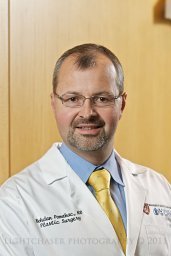 Bohdan Pomahac合作论文数Brigham and Women's Hospital, Harvard Medical School32
 Matthew Jonathan Carty合作论文数22
 Bhuvanesh Singh合作论文数Department of Surgery, Memorial Sloan-Kettering Cancer Center, New York, NY17Pribaz Julian J合作论文数16Sarah E Kinsley合作论文数12Mansher Singh合作论文数Institute Rotary Cancer Hospital, All India Institute of Medical Sciences12Ellie Maghami合作论文数11
 Inderpal S. Sarkaria合作论文数Harold C. Simmons Comprehensive Cancer Center, The University of Texas Southwestern Medical Center;Department of Cardiovascular and Thoracic Surgery, The University of Texas Southwestern Medical Center11
 Wendy Dean合作论文数10
 Pornchai O-Charoenrat合作论文数Department of Head and Neck Surgery, Royal Marsden Hospital10
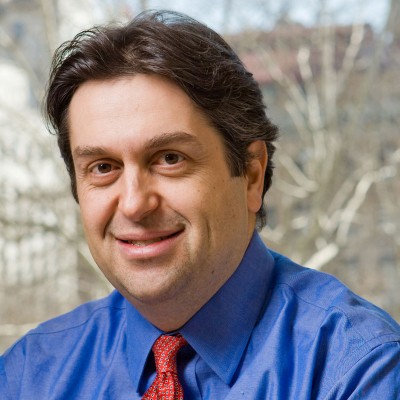 Ronald A. Ghossein合作论文数Memorial Sloan Kettering Cancer Center10Ivan Ngai合作论文数9Ericka M. Bueno合作论文数9Palmina Petruzzo合作论文数9Caterson Edward J合作论文数7Ramanathan Yegnanarayana合作论文数7
 Emmanuel Morelon合作论文数7
 Valerie W. Rusch合作论文数Department of Surgery, Memorial Sloan-Kettering Cancer Center;Weill Cornell Medical College7
 Nicholas D. Socci合作论文数Sloan Kettering Institute, Memorial Sloan Kettering Cancer Center7
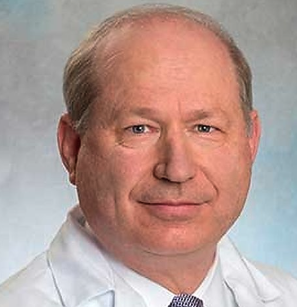 Dennis Paul Orgill合作论文数Division of Plastic Surgery, Brigham and Women's Hospital;Harvard Medical School7
 Yoshihiro Yonekawa合作论文数6Gerald Brandacher合作论文数Department of Otolaryngology-Head and Neck Surgery, School of Medicine, Johns Hopkins University6
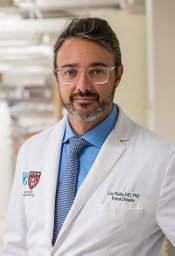 Leonardo V Riella合作论文数Harvard Med Sch, Brigham & Womens Hosp, Schuster Transplantat Res Ctr, Boston, MA 02115 USA6Jean Kanitakis合作论文数6Maria E. Dudas合作论文数6
 Agnès Viale合作论文数Marie-Josée & Henry R. Kravis Center for Molecular Oncology, Memorial Sloan Kettering Cancer Center6
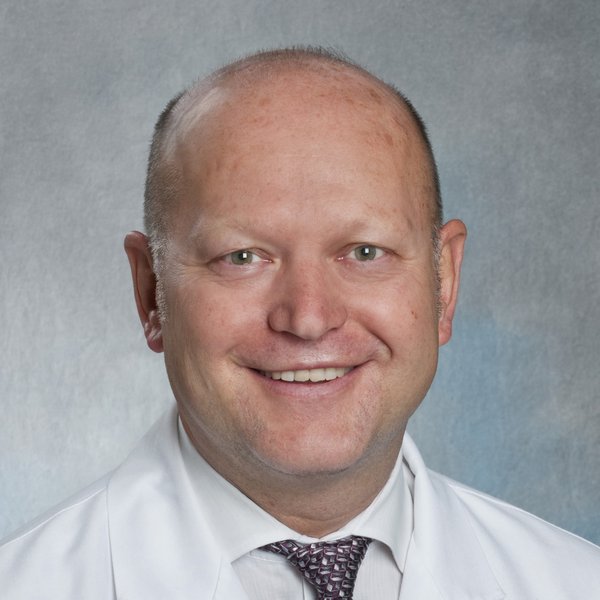 Stefan G. Tullius合作论文数Division of Transplant Surgery, Brigham and Women's Hospital;Harvard Medical School6Pabbathi G. Reddy合作论文数6Andrew J Kaufman合作论文数5
 Jatin P. Shah合作论文数David H. Koch Center for Cancer Care, Memorial Sloan Kettering Cancer Center5Sisk Geoffroy C合作论文数5
 Rachael Ann Clark合作论文数Department Dermatology, Brigham And Women's Hospital;Harvard Medical School5
 Pulivarthi H Rao合作论文数5Diane L. Carlson合作论文数5Kepal N. Patel合作论文数5Christina L. Kaufman合作论文数5Christian E. Sampson合作论文数5
 Dorota Kaminska合作论文数5Simon Kay合作论文数4Hehuan Li合作论文数4
 Mario A. Aycart合作论文数Brigham and Women's Hospital, Harvard Medical School4
 Branislav Kollar合作论文数Brigham and Women's Hospital, Harvard Medical School;University of Freiburg, University of Freiburg;University of Freiburg, University of Freiburg4
 Russell JH. Ryan合作论文数Department of Pathology, Medical School, University of Michigan4Azari Kodi合作论文数4
 Martin Kumnig合作论文数4
 Zuo Kevin J合作论文数*Faculty of Medicine &Dentistry, University of Alberta;and †Division of Physical Medicine &Centre for Neuroscience, University of Alberta;University of Alberta, University of Alberta4Dennis H. Kraus合作论文数4Ming Xu合作论文数4L. Scott Levin合作论文数4




