[9:56 AM] Emmanuel DuboisThe project introduces the new R package, rechaRge, dedicated to open-source groundwater recharge (GWR) models. The goal is to facilitate the simulation of GWR estimates for researchers, professionals, and stakeholders, for both hydrogeologists and non-hydrogeologists, by providing all the tools for state-of-art modelling and the available GWR models in a single R package. The package includes functions for data preparation (utility functions), automatic calibration, sensitivity analysis, and uncertainty analysis, all integrated directly in the R environment. A first open-source GWR model, the HydroBudget model, is also incorporated in the package. The model’s excellent performance allowed for the simulation of large datasets of spatially distributed and transient GWR in several projects in Canada, ranging from small watershed scale (few km2) to regional scale (thousands of km2). Sensitivity analysis, calibration, and uncertainty for the models were greatly facilitated by the utility functions of the package. At the region scale, GWR was simulated within a global change context with a spatial resolution of a 500 m x 500 m and a monthly time step for up to 150 years and 24 scenarios. Moreover, the rechaRge package is a collaborative effort and developers of open-source GWR modelling codes are warmly invited to publish their models in this package and take advantage of the existing functions.
The purpose of this study is to assess the efficacy and validity of using piezometric data and remotely sensed data to spatially and temporally map groundwater-related flooding, using Nouakchott, Mauritania as a case study. Despite a warm and dry climate, the city of Nouakchott in Mauritania has been experiencing constant flooding for nearly a decade, making portions of the city inhabitable and posing long-term health and socio-economic threats. During the rainy season, a combination of factors has led to the increasing frequency and duration of flooding events, including a shallow groundwater table, limitations of the domestic water system, reduced infiltration caused by rapid urbanization, and climate change. The goal of the study is to better understand and quantify the extent of flooding in the developed areas of Nouakchott, both in space and in time, and to relate this flooding to seasonal and annual fluctuations in precipitation and hydrogeological conditions. To do this, we estimate the presence of flooding from two different perspectives: (1) by analyzing the piezometric levels from a network of 23 piezometers and comparing the interpolated piezometric surfaces to the topographic elevations, and (2) by using Sentinel-2 multi-spectral satellite imagery and machine learning with in-situ training data to identify pixels that are classified as flooded. Flooded area maps are then developed using these two methods for days with available data within the period of record (since 2015 for both data sources). These results are then used to develop a time series of flooded areas for both methods, allowing for comparison and potential validation of the results with each other and with the available in-situ data and observations. Preliminary results show that the piezometric analysis was sensitive to the topographic information and underestimated the flooded area compared to the remote sensing analysis. The remote sensing analysis showed satisfactory accuracy when compared to validation data but does not provide as detailed of information on the hydrogeological dynamics as the piezometric analysis. These findings demonstrate the complementarity of using both methods in tandem. This estimation of groundwater-related flooding extents and seasonal variability was useful to better understand the relationships between the flooding dynamics and climatic factors, to identify vulnerable areas and communities, and to calibrate hydrogeological modeling. Additionally, this novel and open-source approach can produce critical data for flood risk assessment and planning in under-monitored and data-poor areas, mitigation scenario development, and urban management strategies. Next steps for the project include further linking the two methods by developing a piezometric record from the flooding information obtained from the remote sensing analysis using the temporal change in flooding extents and known topographic information.
To better understand the crystallization mechanism of phase change material, the phase field method is used for the first time in simulations of the switching dynamics of RF switches. This method allows reproducing the nucleation and growth of the crystalline phase during amorphization and crystallization of the PCM. In this work, the quenching behavior of GeTe is compared with that of GST. The presented observations are consistent with the expected crystallization behavior and kinetics of each material. This work demonstrates the interest of the phase field model in PCM RF Switches simulation and highlights the interest of using GeTe rather than GST to obtain better amorphization quality in phase change materials.
This article introduces the development of ground-signal-ground (GSG) probes for on-wafer active measurements, fabricated using femtosecond laser micromachining with a resolution between 5 and 10 mu m. The probes are made from a 100 mu m-thick Schott AF32 glass substrate bonded to a 10 mu m-thick nickel sheet, demonstrating enhanced mechanical durability and improved electrical performance. Nickel was selected for the tip contacts due to its superior mechanical hardness and electrical properties, which minimize contact resistance and extend probe lifespan. Mechanical testing showed that while glass-only probes failed at a contact force of 196 mN, nickel-glass probes withstood forces up to 667 mN. In addition, four-wire measurements confirmed low-resistance electrical contacts (0.05 Omega above 6 mN) at a single contact point. Furthermore, this work introduces a glass interposer technology based on the same substrate material as the probe tips, enabling the integration of an amplified noise source (NS) based on 55 nm SiGe BiCMOS technology on a glass interposer. This approach mitigates dielectric and transition losses.Femtosecond laser micromachining was used to precisely structure the interconnects, allowing the NS to be integrated on the same substrate as the coplanar probing tips, thereby simplifying the signal propagation path. This system achieved a tunable available excess noise ratio (ENR)(av) level of up to 29 dB in the 140-170 GHz range, with constant output impedance matching better than -12 dB across the entire frequency band. Using the same glass carrier substrate enables the possibility of integrating the GSG probe tips with the NS chip into a smart active probe for on-wafer noise measurements.
Coastal cities are facing a rise in groundwater levels induced by sea level rise, further triggering saturation excess flooding where groundwater levels reach the topographic surface or reduce the storage capacity of the soil, thus putting stress on the existing infrastructure. Lowering groundwater levels is therefore a priority for sustaining the long-term livelihood and resilience of coastal cities. This project discusses the feasibility of using tree-planting as a Nature-based solution to alleviate saturation excess flooding as a result of rising groundwater levels in coastal cities in the Global South. In environments with shallow groundwater, trees uptake groundwater by intercepting water that percolates in the unsaturated zone or reduce groundwater recharge by canopy interception of rainwater. These contributions, in turn, lower groundwater levels and increase the unsaturated zone thickness, further mitigating the risk of saturation excess flooding. A case study was conducted in Nouakchott City (Mauritania) where rising groundwater levels has led to permanent saturation excess flooding for more than a decade, making parts of the city inhabitable and posing long-term health threats. Consequently, this work presents an interdisciplinary approach using both ecohydrogeology and plant physiology to model the dewatering capacity of five local tree species. These species were selected based on their tolerance to the exceptionally challenging conditions for vegetation posed by the hot desert climate and the shallow and brackish groundwater table. Preliminary results from a 3D groundwater model indicate that a city-scale tree-planting program could induce a groundwater drawdown of up to 70 cm within a 40-year horizon. Thus, a tree-planting program is anticipated to lower the groundwater levels, thereby reducing flooding during the wet season. Tree-planting programs constitute long-term solutions, sustained by environmental factors, that complement conventional engineering solutions. The multi benefits of such Nature-based solutions, as well as the expected positive environmental, economic, and social outcomes, makes them particularly promising for alleviation of saturation excess flooding.
This paper presents two methods to improve the reliability and the melting/quench behavior of phase change materials (PCM) used in radiofrequency (RF) switches. Results show benefits of the addition of an aluminum nitride heat spreading layer and the reduction of the distance between the substrate and the PCM. The reduction of the PCM cooling time shown in simulations and the power handling improvement observed in measurements on series structures support our proposed designs of GeTe based switches with RF gaps lengths over 4 mu m, allowing the power handling going to reach 31dBm in both ON and OFF states.
Liquid thermocells are promising devices for the recovery of low-grade waste heat and its conversion into electricity. The present study proposes dispersing charged magnetic nanoparticles in liquids to improve thermoelectric conversion, due to their thermo-diffusive and magnetic properties. Core-shell cobalt ferrite@maghemite nanoparticles (NPs) of various sizes with three different kinds of coatings are tested for dispersion in EMIM TFSI (ethyl-methylimidazolium bistriflimide), an ionic liquid (IL) of high electrical conductivity. Among the tested ligands, PAC6MIM+- (1-(6-hexylphosphonate) 3-methyl imidazolium bromide) emerges as the most efficient due to its phosphonic group. This ligand leads to dispersions of aggregates of a few dozen NPs in water and a few NPs in EMIM TFSI. For improving both the viscosity and the electrical conductivity, dispersions in binary mixtures of propylene carbonate (PC), a polar medium, and EMIM-TFSI are further investigated with the sample based on NPs of around 9 nm diameter. Through a pumping and heating procedure, stable dispersions are obtained with a subsequent reduction of the size of the NP aggregates, down to 1 to 2 NPs in EMIM TFSI and a few NPs in PC and their binary mixtures. The mixture with an IL mole fraction around 0.2-0.3 and maximal electrical conductivity is a promising candidate for further thermoelectric investigations.
This paper investigates the effect of volume traps intentionally introduced into a silicon-on-insulator (SOI) substrate by inserting a layer of polysilicon beneath buried oxide. In radio frequency applications, this type of substrate, referred to as trap-rich, is known to considerably reduce the generation of harmonics resulting from the parasitic non-linear charge dynamics introduced by the substrate handler under the buried oxide. This analysis focuses on a test vehicle in the form of an integrated coplanar waveguide on two types of substrates, namely, high-resistivity SOI substrates with and without a trap-rich layer. From a modeling point of view, a simulation methodology is implemented in order to convert the 3D simulation of the coplanar waveguide into a 2D treatment that takes into account the wave propagation effect associated with the distributed nature of the transmission line. As a first step, this modeling strategy is implemented to reproduce the effect of increasing substrate resistivity on 2nd and 3rd harmonic reductions, leading to an excellent agreement with experimental data. Building on this validation of the simulation method, we have opted to simulate the non-linear response of the transmission line on the SOI trap-rich substrate by simplifying the trap distribution model. To avoid the adoption of unverified and strongly process-dependent trap distributions across the bandgap, a midgap monovalent trap density has been introduced, either acceptor or donor density. A monovalent density of acceptor traps with a concentration of 1016 cm−3 and a carrier lifetime of 0.1 ns has been shown to reproduce the experimental data very accurately with a substantial reduction in 2nd and 3rd harmonics. A detailed analysis of the displacement current waveforms explains the beneficial role of acceptor traps compared with donor traps.
This paper introduces a substrate technology that integrates an amplified noise source (NS) based on SiGe BiCMOS B55 nm technology onto a glass interposer to reduce dielectric and transition losses. Previous work has focused on the development and characterization of the NS in two distinct configurations. In a first flavor, on-wafer noise measurements yielded to an extracted excess noise ratio (ENRav) level of 37 dB in the 140-170 GHz. In an alternative approach, the NS was packaged in a split-block with a WR5.1 flange termination for connection to commercial passive probes, achieving an ENRav level of up to 25 dB in G-band (140-220 GHz) corresponding to a 12 dB ENR reduction when compared to the on-wafer measurements. To reduce dielectric losses due to the substrate, this paper proposes a third integration route based on an ultra-thin glass interposer, AF32 from Schott. This solution implements femtosecond laser micro-machining to structure the interconnects, enabling the integration of the NS chip on the same substrate used to manufacture the coplanar probing tips, with the advantage of simplifying the signal propagation path. This work has achieved a tunable ENRav level of up to 29 dB in the 140-170 GHz range, with constant output impedance matching better than -12 dB across the entire frequency band.
CNES has developed the CARS pipeline to massively produce Digital Surface Models (DSM) for remote sensing applications. DSM are computed from pairs of very high resolution satellite imagery using multi-view stereo methods. In this paper, we compute robust elevation confidence intervals with more than 90% accuracy alongside the high resolution DSM. We first estimate disparity confidence intervals using possibility distributions during the dense matching step, where most errors usually occur. Disparity confidence intervals are then processed with caution throughout every step of the pipeline to be transformed into elevation confidence intervals. Intervals accuracy is evaluated on both urban and glacier high resolution images.
We propose a method for estimating disparity confidence intervals in stereo matching problems. Confidence intervals provide complementary information to usual confidence measures. To the best of our knowledge, this is the first method creating disparity confidence intervals based on the cost volume. This method relies on possibility distributions to interpret the epistemic uncertainty of the cost volume. Our method has the benefit of having a white-box nature, differing in this respect from current state-of-the-art deep neural networks approaches. The accuracy and size of confidence intervals are validated using the Middlebury stereo datasets as well as a dataset of satellite images. This contribution is freely available on GitHub.
Understanding the fluctuations in groundwater levels in response to meteorological conditions is challenging, especially given the slow transit time associated with groundwater reservoirs and the short duration of time series for groundwater levels. Nevertheless, this knowledge is crucial for water resource management, especially given that global warming will drastically impact the hydrological dynamics in cold and humid climates. The objective of this work was to quantify how standardized indexes contribute to understanding groundwater level fluctuations in response to meteorological conditions in cold and humid climates and with short time series (10 to 23 years). The relationships between the standardized precipitation index (SPI), standardized temperature index (STI), global climate indexes, and standardized groundwater index (SGI) were analyzed. The reactivity of groundwater levels was examined between 2000 and 2022 using groundwater level measurements from 152 wells located between 46 degrees N and 52 degrees N in the province of Quebec (Canada). The results showed that the available time series were sufficient to provide new insights into the role of precipitation and temperature on groundwater fluctuations, demonstrating the usefulness of the indexes. One of the main contributions of this study was that hydrogeological systems in cold and humid climates go through an annual reset due to the prolonged freezing period. This annual reset was one of the drivers isolating year-to-year hydrogeological conditions, contributing to short -duration droughts.
This article introduces the first BiCMOS SiGe technology-based packaged noise source (NS) operating in the G-band (140-220 GHz). An amplified p-n junction diode has been packaged and biased in avalanche mode to generate excess noise ratios (ENRs(av)) of approximately 25 dB between 140 and 170 GHz at package output for an unbiased low state and a high state corresponding to a 20-mA cathode current. The two-stage amplifier is a cascode cell composed of two BiCMOS 55-nm NPN very high speed (NPNVHS) transistors with an emitter length and a width of 5.56 and 0.2 mu m, respectively. An optimal biasing results in a 8.2-mA current consumption for one cascode stage and an overall available power gain (G(av)) better than 12 dB between 140 and 180 GHz. This supports operation in a low state, where the diode is unbiased and the amplifier is biased, which constitutes a scheme that easily validates the minimum detectable signal (MDS) condition while exhibiting a 14-dB ENRav level in the beginning of G-band compared to this polarized low state. This NS shows a monitorable P-COLD and is adaptable to several noise receivers. In addition, the ENRav level flatness is better than 3 dB over the entire frequency range, and the impedance matching, better than -7.5 dB at package output, is not dependent on the NS bias condition. Noise figure (NF) extraction of a WR05-connectorized III-V amplifier [MPA04-1 from Virginia Diodes, Inc. (VDI)] was performed and compared to the ELVA ISSN-05 commercial NS measurement, showing low discrepancy. The same study was performed on-wafer for an NPNVHS transistor on BiCMOS 55-nm technology, showing a maximum discrepancy of 0.8 dB between the two measured NFs. The NF measurement accuracy of the MPA04-1 amplifier was assessed up to 220 GHz, by varying the chosen high state while keeping the low state completely unbiased. A maximum 0.5-dB variation over 12 obtained NF values is observed up to 200 GHz.
This contribution presents a concrete example of uncertainty propagation in a stereo matching pipeline. It considers the problem of matching pixels between pairs of images whose radiometry is uncertain and modeled by possibility distributions. Copulas serve as dependency models between variables and are used to propagate the imprecise models. The propagation steps are detailed in the simple case of the Sum of Absolute Difference cost function for didactic purposes. The method results in an imprecise matching cost curve. To reduce computation time, a sufficient condition for conserving possibility distributions after the propagation is also presented. Finally, results are compared with Monte Carlo simulations, indicating that the method produces envelopes capable of correctly estimating the matching cost.
Fort de son expertise en géométrie et en 3D, le Centre National d’Études Spatiales (CNES) développe de nouveaux outils open-source capitalisant une partie de son savoir-faire. Ils sont destinés à être au coeur du segment sol de la mission CO3D et à servir tout l’écosystème aval. Le traitement de ces données impose de concevoir des chaînes robustes, capables de passer à l’échelle. De ce fait, les outils 3D du CNES sont massivement parallélisables, utilisant des technologies multiprocesseurs voire multi-noeuds tout en restant agnostique au matériel utilisé. Ces logiciels proposent des interfaces simples afin de permettre également leur utilisation en dehors des chaînes de traitement opérationnelles. Ces outils sont capables de produire un Modèle Numérique de Surface (MNS) à partir de couples stéréoscopiques d’images (CARS) dont l’étape majeure repose sur la mise en correspondance (Pandora). Par la suite, ils permettent d’extraire un Modèle Numérique de Terrain (MNT) à partir du MNS produit (Bulldozer) et d’en dériver un Modèle Numérique de Hauteur (MNH). Suite à cela, des comparaisons entre tous ces modèles numériques d’élévation peuvent également être effectuées (Demcompare). Dans l’attente de l’arrivée des données CO3D, le CNES éprouve d’ores et déjà ces outils sur d’autres capteurs, dont Pléiades et plus récemment Pléiades Neo. Cet article qualifie l’amélioration de cette restitution 3D apportée par cette nouvelle génération de satellite. Les outils 3D du CNES sont sous licence libre et non contaminante (Licence Apache v2) afin de notamment permettre l’exploitation et la valorisation des données Pléiades et maintenant Pléiades Neo. Ils offrent enfin la possibilité de reproduire les résultats présentés dans cet article.
Doped GeSbTe (GST)-based phase change materials are of growing interest due to their ability to enable high-temperature data retention for embedded memory applications. This functionality is achieved through Ge enrichment and addition of dopants such as N and C in stoichiometries such as GST-225, which improve the crystallization temperature and thermal phase stability. In this study, we examine the effect of these dopants on thermal conductivity using Raman thermometry. We report the temperature-dependent thermal conductivity of the amorphous and crystalline phases of Ge-rich GeSbTe (GGST) and Ge-rich GeSbTe N-doped (GGSTN) thin films. The results reveal a surprising temperature dependence of the thermal conductivity of the crystalline phase of GGST and GGSTN, a phenomenon not typically observed for GST-based materials. Additionally, enrichment of Ge and subsequent N-doping result in reduced thermal conductivity, which can benefit the power consumption of phase change memories. From a characterization perspective, Raman thermometry has been developed as a technique for simultaneous structural and thermal characterization of GST-based materials.
Nanoparticles (NPs) of iron oxide are dispersed in mixtures of water and ionic liquid, here ethylammonium nitrate (EAN), and the NP/NP and NP/solvent interactions are studied. They are analysed via small-angle X-ray scattering and dynamic light scattering coupled to forced Rayleigh scattering, from 22 degrees C to 80 degrees C. The NPs are well-dispersed as individual objects in the whole range of compositions and temperatures thanks to sufficient repulsion due to the organization of the solvents at the interface. The surface changes from hydrophilic to hydrophobic around a proportion of 50 vol% water : 50 vol% EAN, following the evolution of the bulk mixtures, which remain heterogeneous in the whole range of compositions. Nanoparticles of iron oxide are dispersed in mixtures of water and ionic liquid, here ethylammonium nitrate, and the NP/NP and NP/solvent interactions are studied.
Research towards efficient and environmentally friendly thermoelectrics proposes silicon nanostructures as possible candidates through reduction of the phononic thermal conductivity. However, there is scarce literature about experimental measurements of the thermoelectric figure-of-merit zT on actual crystalline silicon devices. This article reports on the fabrication and full thermoelectric characterization of crystalline 60 nm thick membranes. To that end, an experiment with four types of built-in devices was designed using a silicon-on-insulator substrate to extract the Seebeck coefficient, electrical conductivity and thermal conductivity. The results show indeed a reduced thermal conductivity of 31 W m-1 K-1 for a 60 nm thick Si membrane and kappa = 18 W m-1 K-1 for a porous Si membrane. This reflects an 88% reduction in thermal conductivity compared to the bulk Si material and a 42% reduction compared to plain Si membranes. In terms of power generation, the power factor of the fabricated devices surpasses that of state-of-the-art silicon thin films at room temperature. Notably, a zT figure of merit of 0.04 is reported for a 60 nm thick phonon-engineered Si membrane, which is considerably higher than that of bulk Si(0.001) but lower than previously reported results on other types of nano-objects. Thermoelectric characterization of built-in devices designed using a silicon-on-insulator substrate to extract the Seebeck coefficient, electrical conductivity and thermal conductivity of 60 nm thick crystalline silicon membranes.
 Regine Perzynski合作论文数64
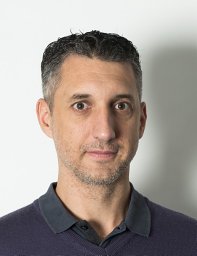 Guilhem Larrieu合作论文数Institut d'Electronique, de Microélectronique et de Nanotechnologie (IEMN),, Silicon Microelectronics Group58Jeanfrançois Robillard合作论文数Institut d’Electronique, de Microélectronique et de Nanotechnologie, UMR 8520 CNRS, Département ISEN, 41 Bd Vauban, 59046 Lille, France54
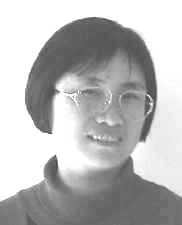 Xiaohui Tang合作论文数Lab. for Microelectron., Katholieke Univ.;c;Lab. for Microelectron., Katholieke Univ.37
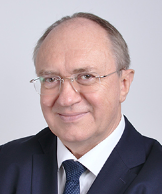 Thomas Skotnicki合作论文数STMicroelectronics;Ecole Polytechnique Federale in Lausanne36
 Nicolas Reckinger合作论文数Research Center in Micro and Nanoscopic Materials and Electronic Devices (CERMIN),, Université Catholique de Louvain34
 Stephane Monfray合作论文数STMicroelectronics32
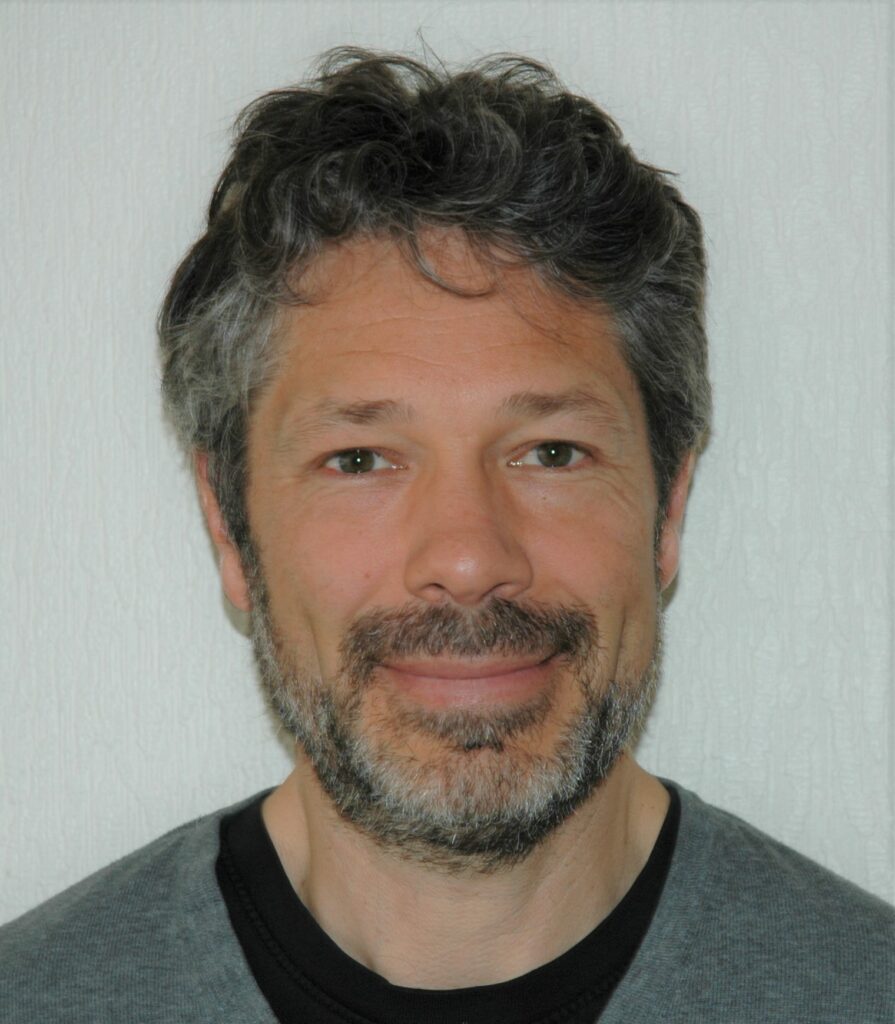 Jean-Pierre Raskin合作论文数Electrical Engineering Department, Institute of Information and Communication Technologies, Electronics and Applied Mathematics, Université Catholique de Louvain27Jacek Ratajczak合作论文数27
 Nicolas Breil合作论文数STMicroelectronics25
 Daniel Gloria合作论文数24Guillaume Meriguet合作论文数Laboratoire d’Electrochimie Physique et Analytique, Ecole Polytechnique Fédérale de Lausanne23
 Veronique Dupuis合作论文数23patrick gelard合作论文数22
 Emmanuel Chaput合作论文数Telecommunication and Network Department, INP/ENSEEIHT, Université de Toulouse;IRT Team, CNRS, Université de Toulouse22A. Łaszcz合作论文数22
 Francois Danneville合作论文数21
 André-Luc Beylot合作论文数Univ Toulouse21
 Cédric Baudoin合作论文数21
 Fabrice Arnal合作论文数20
 J. Katcki合作论文数Institute of Electron19
 Jerome Depeyrot合作论文数17
 Maciej Haras合作论文数Institut d'Electronique, de Microélectronique et de Nanotechnologie, IEMN16Peyre Véronique合作论文数16
 Frederic Gianesello合作论文数15
 Valeria Lacatena合作论文数Institut d'Electronique, de Microélectronique et de Nanotechnologie, IEMN15
 Christophe Krzeminski合作论文数Institut d'Electronique et de Microélectronique du Nord, CNRS15
 Vincent Bayot合作论文数15
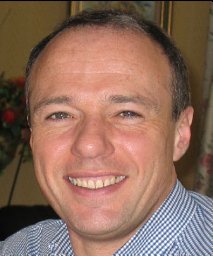 C. Gaquiere合作论文数IEMN/TIGER15
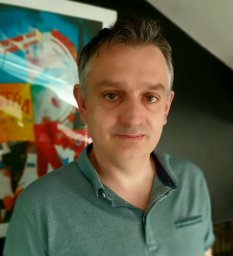 Fabrice Cousin合作论文数LLB15
 Flavie Braud合作论文数14G. Demouchy合作论文数14S. Nakamae合作论文数13Renaud Sallantin合作论文数12
 Xavier Wallart合作论文数UMR 8520, CNRS12
 E. Wandersman合作论文数Laboratoire des Liquides Ioniques12Justine Philippe合作论文数11Valerie Cabuil合作论文数10
 Sylvie Lepilliet合作论文数10Aurélie Lecestre合作论文数10
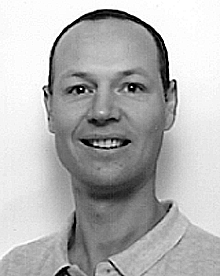 Robilliart, Etienne合作论文数9
 Andrejs Cebers合作论文数Magnētisku Mīkstu Materiālu Laboratorija, Faculty of Physics, Mathematics and Optometry, University of Latvia;Institute of Physics, University of Latvia;Institute of Physics, Latvian Academy of Sciences9Julien Fasson合作论文数ENSEEIHT/IRIT, TéSA9
 Vikram Passi合作论文数9
 Denis Flandre合作论文数Universite Catholique de Louvain9
 Riadh Dhaou合作论文数Univ Toulouse9
 Marie Larocque合作论文数8
 Arun Bhaskar合作论文数Haemodialysis Clin, Anesthesiol, Imperial Coll Healthcare NHS Trust8A. Robert合作论文数8




