The North China Plain (NCP) is a cereal production base in China. However, the understanding of how climate extremes affect cereal production during past decades in the region is limited. Based on the statistical data of climate disasters and cultivated areas during 1950-2015, the relationship between regional cereal production and four meteorological disasters was examined. The results showed that during 1950-1980, the cultivated area for cereal production increased, accounting for 80-85% of the total cultivated area, but gradually decreased in the second 30 years after 1980. Flood disaster was the greatest in intensity compared with the other three meteorological disasters; drought was the most widespread and impactful. The effects of the four disasters became more noteworthy after 1980, and the spatiotemporal trend in the NCP was similar. Flood and drought had significant effects (P < 0.01) on cereal yield with path coefficients of -0.355 and -0.344, respectively. The harvest areas declined slowly and the yield increased slightly during the 7 disaster window years, suggesting that technology advancement offset the decline in cultivated areas and increased the yield. The effect of climate extremes on cereal production could be addressed through technology improvement and the implementation of preventive measures in the NCP.
稗草是水稻田的恶性杂草之一,严重影响水稻的生长发育和产量形成.为明确CO2浓度升高条件下稗草和水稻的光合生理响应及其竞争关系变化,以吉粳88为研究对象,利用开放式CO2浓度富集系统(FACE系统)开展模拟试验.试验设置2个CO2浓度,分别为自然大气CO2浓度(400μmol·mol?1)和高CO2浓度(550μmol·mol?1),高CO2浓度环境应用FACE系统进行调控;每种CO2浓度处理中设2种种植方式,分别为清种水稻和水稻与稗草混种,稗草与水稻种植密度比为1:5,在水稻各生育期测定相应的光合生理指标并进行分析.结果表明:CO2浓度升高使水稻每穴穗数显著增加,结实率也有所提高,最终使水稻产量显著提高;稗草与水稻混种使水稻结实率显著降低,水稻千粒重显著增加,最终使水稻产量显著降低;CO2浓度升高和稗草互作使水稻千粒重显著提高,但对产量影响并不显著.CO2浓度升高使水稻干物质量显著提高,稗草使水稻干物质量显著降低;而CO2浓度升高和稗草互作对水稻干物质影响不显著.CO2浓度升高使水稻剑叶净光合速率、胞间CO2浓度及SPAD值显著升高,使水稻剑叶气孔导度和蒸腾速率显著降低,稗草显著降低了水稻剑叶净光合速率、胞间CO2浓度、气孔导度、蒸腾速率、瞬时水分利用效率及SPAD值;CO2浓度和稗草互作使水稻剑叶净光合速率先降低后升高.水稻抽穗后CO2浓度升高对水稻光合作用的影响大于稗草对水稻光合作用的影响.
Recently, several reports have suggested that the growth and grain yield of wheat are significantly influenced by high atmospheric carbon dioxide concentration (CO2) because of it photosynthesis enhancing effects. Moreover, it has been proposed that plants with large carbon sink size will benefit more from CO2 enrichment than those with small carbon sink size. However, this hypothesis is yet to be test in winter wheat plant. Therefore, the aim of this study was to examine the effect of elevated CO2 (eCO2) conditions on the quantum efficiency of photosystem II (PSII) photochemistry in large ear-type (cv. Shanhan 8675; greater ear C sink strength) and small multiple ear-type (cv. Early premium; greater vegetative C source strength) winter wheat varieties. The experiment was conducted in a free air CO2 enrichment (FACE) facility, and three de-excitation pathways of the primary reaction of PSII of flag leaf at the anthesis stage were evaluated under two CO2 concentrations (ambient [CO2], ∼415 μmol⋅mol–1, elevated [CO2], ∼550 μmol⋅mol–1) using a non-destructive technique of modulated chlorophyll fluorescence. Additionally, the grain yield of the two varieties was determined at maturity. Although elevated CO2 increased the quantum efficiency of PSII photochemistry (ΦPSII) of Shanhan 8675 (SH8675) flag leaves at the anthesis stage, the grain number per ear and 1,000-kernel weight were not significantly affected. In contrast, the ΦPSII of early premium (ZYM) flag leaves was significantly lower than that of SH8675 flag leaves at the anthesis stage, which was caused by an increase in the regulatory non-photochemical energy dissipation quantum (ΦNPQ) of PSII, suggesting that light energy absorbed by PSII in ZYM flag leaf was largely dissipated as thermal energy. The findings of our study showed that although SH8675 flag leaves exhibited higher C sink strength and quantum efficiency of PSII photochemistry at the anthesis stage, these factors alone do not ensure improved grain yield under eCO2 conditions.
This study investigated future bioenergy supply and demand from energy crops in China using the GCAM-integrated assessment model under different climate policy scenarios. The results indicated that China has rich resources of energy crops and marginal land for developing bioenergy. Under future carbon related policies, bioenergy production will considerably increase as projected by the GCAM. Current marginal land can completely meet the future bioenergy demand from energy crops by the end of this century in China. Although a high carbon tax would increase the agricultural market price, the bioenergy price does not affect the production of crop residue from which energy is generated. Also cultivated land resources would not be affected by increased competition for land from energy crops. In addition, forest areas will be preserved and greatly expand in China owing to the increased value of terrestrial carbon, and cropland will increase and expand into pasture, grasslands and other arable land. This conversion peaks in 2050 and decreases until 2090 in response to the increasing incomes and population in China. Climate policies with carbon taxes that include terrestrial carbon will likely reduce emissions from land-use changes, although land-use restrictions may lead to greater upward pressure on crop prices. Net cumulative emissions of land-use changes under two mitigation policies will be negative in 2050 and further decrease thereafter. It is important to note that energy crops and BECCS cause relatively low-cost to reduce carbon emissions. Efforts on policy designing to support cultivation of energy crops and to promote research and deployment of BECCS should be ramped up.
基于ISI-MIP的5个气候模式在4种RCP情景下模拟输出未来气候数据,筛选未来升温1.5℃和2.0℃的情景数据,依托CERES-Rice水稻模型,模拟升温1.5℃和2.0℃的背景下中国各区水稻产量变化趋势,综合分析未来气候变化特征与水稻产量之间的关系。结果表明:在1.5℃和2.0℃升温背景下,中国平均温度相对于基准时段分别升高1.19℃和1.87℃,平均降水量相对于基准时段分别增加3.07%和6.17%。1.5℃升温背景下中国水稻单产平均减幅7.49%,减产面积占水稻种植总面积的68.6%,严重减产面积占水稻种植总面积的10.3%,其中华南双季稻区单产减幅最大,而东北单季稻区单产增幅最大;2.0℃升温背景下中国水稻单产平均减幅12.02%,减产面积占水稻种植总面积的70.6%,严重减产面积占水稻种植总面积的18.7%,其中华南双季稻区单产减幅仍然最大,而西北单季稻区单产增幅最大。
Agricultural production is a crucial and fundamental aspect of a stable society in China that depends heavily on the climate situation. With the desire to achieve future sustainable development, China’s government is taking actions to adapt to climate change and to ensure food self-sufficiency. This paper assesses the scientific literature from both domestic and international journals, and the review policies released by the Chinese government, in order to investigate the adaptive actions being taken in China at the scale of the central government, and at the local administration and individual farmer level. The results demonstrate that China’s government has undertaken a multitude of adaptation programs in order to cope with vulnerability in the agricultural sector, and these include the release of stimulus policies, the support of new technological research, and investments in field facilities to strengthen the building of adaptive capacity. At the farmer household level, we found that people are spontaneously adapting to climate change on their own accord by changing the timing of cultivations, and through the selection of other crop species and cultivars. People are also securing non-land-related jobs when confronted with climate disasters. A summary is presented of the various agricultural adaptation policies and technologies. Although China has made great progress in terms of adapting to climate change, there is still more work that needs to be done. This work entails not just agricultural policy stimulation but also non-structural components, such as raising public awareness and providing adaptive skill training, etc. It can be concluded that agriculture sector could seek advantages and avoid disadvantages from adaptation activities by multiple stakeholders from different perspectives, and reduce the adverse effects of climate change. Climate adaptation strategies and actions are important and indispensable components for agricultural development in China, and more advanced technologies and ideologies are needed for a secure future.
Climate change will place agro-ecological systems and food security at serious risk. At the 21st Conference of the Parties (COP21) in Paris in December of 2015, parties to the United Nations Framework Convention on Climate Change (UNFCCC) reached a historic agreement (Paris Agreement) to combat climate change and to accelerate and intensify the actions and investments needed for a sustainable low carbon future. An initiative named the “4‰ initiative: Soils for food security and climate” was proposed by the French Minister of Agriculture, and this initiative was launched officially at the COP21 and adopted by many global organizations. The aim of this initiative was to increase carbon sequestration in soil to mitigate fossil fuel combustion emissions of greenhouse gasses. The present study found that China has high CO2 emissions but a low soil carbon pool, and indicates that 4‰ increments of the soil carbon pool will not be sufficient to offset national CO2 emissions. The current soil carbon sequestration rate would also not reach the mean level requested by the initiative. Therefore, China faces big challenges to achieve this initiative. An integrated use of straw technology may be used more widely to improve carbon sequestration, and other opportunities include improved fertilizer use efficiency and greenhouse gas mitigation through the waste management project under construction in China. This paper suggests that China may put forward the biomass treatment centered high yield and fertilizer-carbon sequestration project to enhance resilience of agro-ecosystems to climate change.
Beer is the most popular alcoholic beverage in the world by volume consumed, and yields of its main ingredient, barley, decline sharply in periods of extreme drought and heat. Although the frequency and severity of drought and heat extremes increase substantially in range of future climate scenarios by five Earth System Models, the vulnerability of beer supply to such extremes has never been assessed. We couple a process-based crop model (decision support system for agrotechnology transfer) and a global economic model (Global Trade Analysis Project model) to evaluate the effects of concurrent drought and heat extremes projected under a range of future climate scenarios. We find that these extreme events may cause substantial decreases in barley yields worldwide. Average yield losses range from 3% to 17% depending on the severity of the conditions. Decreases in the global supply of barley lead to proportionally larger decreases in barley used to make beer and ultimately result in dramatic regional decreases in beer consumption (for example, -32% in Argentina) and increases in beer prices (for example, +193% in Ireland). Although not the most concerning impact of future climate change, climate-related weather extremes may threaten the availability and economic accessibility of beer.
基于ISI-MIP推荐的5个气候模式在4个RCP情景下的模拟结果,筛选21世纪末全球升温最接近1.5℃和2.0℃的气候数据,运用作物模型DSSAT,模拟升温1.5℃和2.0℃背景下中国玉米产量相对于基准时段1985-2006年的变化,揭示了1.5℃与2.0℃升温背景下中国玉米产量变化的空间分布.结果表明:升温2.0℃背景下玉米减产风险明显高于升温1.5℃,未来升温2.0℃背景下中国玉米减产面积比升温1.5℃背景下多6.2%,升温1.5℃和2.0℃背景下中国玉米平均减产幅度分别为3.7%和11.5%;从空间分布来看,升温1.5℃与2.0℃背景下未来中国玉米产量变化在区域分布上大致相似,但未来玉米增产和减产的面积和幅度不尽相同,在北方与西南玉米种植区都有一定的增产区域,其它区域大多以减产为主,其中西北部玉米种植区减幅最大;1.5℃升温背景下北方大部分地区气候条件对玉米生长有利,2.0℃升温背景下北方地区玉米减产也不明显,说明从近期到未来一段时间内,将全球升温控制在1.5℃以内,北方地区玉米仍具有一定增产潜力.
Wheat, rice, maize, and soybean provide two-thirds of human caloric intake. Assessing the impact of global temperature increase on production of these crops is therefore critical to maintaining global food supply, but different studies have yielded different results. Here, we investigated the impacts of temperature on yields of the four crops by compiling extensive published results from four analytical methods: global grid-based and local point-based models, statistical regressions, and field-warming experiments. Results from the different methods consistently showed negative temperature impacts on crop yield at the global scale, generally underpinned by similar impacts at country and site scales. Without CO2 fertilization, effective adaptation, and genetic improvement, each degree-Celsius increase in global mean temperature would, on average, reduce global yields of wheat by 6.0%, rice by 3.2%, maize by 7.4%, and soybean by 3.1%. Results are highly heterogeneous across crops and geographical areas, with some positive impact estimates. Multi-method analyses improved the confidence in assessments of future climate impacts on global major crops and suggest crop-and region-specific adaptation strategies to ensure food security for an increasing world population.
The atmospheric carbon dioxide (CO2) concentration has been increasing rapidly since the Industrial Revolution. The responses to elevated CO2 of rice (Olyza sativa L.) growth and yield have been widely reported, but the majority of these studies investigated rice grown under traditional flooding at two contrasting CO2 levels. The effects of a range of CO2 concentrations (CO2 gradient) on the yield and its components of rice grown under non-flooded vs. flooded conditions remain unclear. Using a CO2 Gradient Tunnel (CGT), we investigated the effects of elevated CO2 (450, 500, 550 and 600 mu mol mol(-1)) on rice yield and yield components under two cultivation practices, viz. traditional flooding (TF) and non-flooded plastic film mulching (PM). Elevated CO2 increased rice yield by 25% under the TF treatment at 450-500 mu mol mol(-1), but had no effect or decreased the rice yield under the PM treatment. The number of panicles per square meter was decreased by 4-26% under progressive elevation of CO2 concentration, regardless of cultivation practice. Elevated CO2 increased the spikelet number per panicle and filled spikelet percentage under the TF treatment, but had no effect on these parameters under the PM treatment. Specifically, elevated CO2 decreased the number of degenerated spikelets on secondary rachis branches of rice grown under the TF treatment by 75%, but increased that of filled spikelets by 43%. This was the major reason for the CO2-induced increase in rice yield under the TF treatment. The 1000-grain weight and Harvest Index (HI) under the two cultivation practices was increased only when CO2 concentration was elevated to 550-600 mu mol mol(-1). The CO2 x cultivation interaction was detected for grain yield. When CO2 concentration was increased to 600 mol mol(-1), the rice yield of the PM treatment was 2% higher than the TF treatment. This study demonstrated that improved management practices are needed to maximize the benefits of non-flooded plastic film mulching cultivation in a CO2-rich world. Our results provide major implications for water management of rice production systems and global food security under future higher CO2, and potentially drier, environments. (C) 2017 Elsevier B.V. All rights reserved.
The objective of this study was to investigate the effect of elevated (550 +/- 19 mu mol mo1(-1)) [CO2] on uptake and utilization of nitrogen (N), phosphorus (P) and potassium (K) by soybean (Glycine max (L.) Merr) at the free-air carbon dioxide enrichment (FACE) experimental facility in northern China. The above-ground biomass and root biomass were significantly increased under elevated [CO2]. Elevated [CO2] significantly decreased the N concentration of the above-ground part at the beginning bloom (R1) stage, but had no effect at the beginning pod (R3), beginning seed (R5) or harvest stage. The concentration of ureide in the upper most fully-expanded leaf was not significantly affected by elevated [CO2] at any growth stage. Elevated [CO2] increased P concentration of the above-ground plant parts at the R1 and R5 stages, but did not affect P concentration at the R3 stage or at harvest. However, K concentration of the above-ground plant parts and root was not affected by elevated [CO2] at any growth stage. At harvest, elevated [CO2] significantly increased N, P and K uptake in soybean seed. Results indicate that more N, P and K fertilizers may be required to maintain the availability of these elements in the soil for soybean under future elevated [CO2] environments. 2015 Elsevier B.V. All rights reserved.
以冬小麦中麦175为供试品种,利用农田开放式CO2浓度增高(FACE)系统,研究未来大气高CO2浓度对冬小麦田间N2O排放的影响,以及施用硝化抑制剂(2-氯-6-三氯甲基吡啶)是否可以起到抑制冬小麦田间N2O的排放量升高的潜能.试验结果表明:CO2浓度升高显著提高冬小麦田间N2O的排放增幅达到67.6%,追肥灌溉后小麦田N2O排放量较大,随着冬小麦生育进程的推进N2O的排放量逐渐减少,硝化抑制剂对中麦175田间N2O排放量的影响并不明显.因此,在未来高CO2浓度环境条件下,可以通过采取相应的耕作制度和栽培技术措施等来降低冬小麦田N2O的排放量.试验结果对冬小麦田间是否选择施用2-氯-6-三氯甲基吡啶来控制N2O的排放起到一定的参考作用.
Since 2000, the phenology has advanced in some years and at some locations on the Qinghai-Tibetan Plateau, whereas it has been delayed in others. To understand the variations in spring vegetation growth in response to climate, we conducted both regional and experimental studies on the central Qinghai-Tibetan Plateau. We used the normalized difference vegetation index to identify correlations between climate and phenological greening, and found that greening correlated negatively with winter-spring time precipitation, but not with temperature. We used open top chambers to induce warming in an alpine meadow ecosystem from 2012 to 2014. Our results showed that in the early growing season, plant growth (represented by the net ecosystem CO2 exchange, NEE) was lower in the warmed plots than in the control plots. Late-season plant growth increased with warming relative to that under control conditions. These data suggest that the response of plant growth to warming is complex and non-intuitive in this system. Our results are consistent with the hypothesis that moisture limitation increases in early spring as temperature increases. The effects of moisture limitation on plant growth with increasing temperatures will have important ramifications for grazers in this system.
Biomass has been widely recognized as an important energy source with high potential to reduce greenhouse gas emissions while minimizing environmental pollution. In this study, we employ the Global Change Assessment Model to estimate the potential of agricultural and forestry residue biomass for energy production in China. Potential availability of residue biomass as an energy source was analyzed for the 21st century under different climate policy scenarios. Currently, the amount of total annual residue biomass, averaged over 2003-2007, is around 15519PJ in China, consisting of 10818PJ from agriculture residues (70%) and 4701PJ forestry residues (30%). We estimate that 12693PJ of the total biomass is available for energy production, with 66% derived from agricultural residue and 34% from forestry residue. Most of the available residue is from south central China (3347PJ), east China (2862PJ) and south-west China (2229PJ), which combined exceeds 66% of the total national biomass. Under the reference scenario without carbon tax, the potential availability of residue biomass for energy production is projected to be 3380PJ by 2050 and 4108PJ by 2095, respectively. When carbon tax is imposed, biomass availability increases substantially. For the CCS 450ppm scenario, availability of biomass increases to 9002PJ (2050) and 11524PJ (2095), respectively. For the 450ppm scenario without CCS, 9183 (2050) and 11150PJ (2095) residue biomass, respectively, is projected to be available. Moreover, the implementation of CCS will have a little impact on the supply of residue biomass after 2035. Our results suggest that residue biomass has the potential to be an important component in China's sustainable energy production portfolio. As a low carbon emission energy source, climate change policies that involve carbon tariff and CCS technology promote the use of residue biomass for energy production in a low carbon-constrained world.
Recently, the Qinghai-Tibetan Plateau has experienced significant warming. Climate warming is expected to have profound effects on plant community productivity and composition, which can drive ecosystem structure and function. To explore effects of warming on plant community productivity and composition, we conducted a warming experiment using open top chambers (OTCs) from 2012 to 2014 in alpine meadow and alpine steppe habitat on the central Qinghai-Tibetan Plateau. We measured above-ground net primary productivity (ANPP), community composition and species diversity under ambient and two levels of artificially warmed conditions across three years. Our results showed that warming significantly stimulated plant growth in the alpine meadow, but reduced growth on the alpine steppe. The increase of ANPP in alpine meadow was a result of an increase of plant height under warming. Warming-induced drought conditions were primarily responsible for the observed decrease of ANPP in an alpine steppe. Plant community composition and species diversity were not influenced by warming in alpine meadow. Alternatively, in alpine steppe, cover of graminoids and forbs significantly declined while legumes substantially increased under warming, subsequently resulting in rapid species losses. Changes in soil moisture were responsible for observed changes in graminoids and legumes in the alpine steppe. Overall, experimental results demonstrated that warming had a positive impact on plant community structure and function in alpine meadow and had a negative impact on these characteristics in an alpine steppe. This work highlights the important role of soil moisture for regulating plant productivity and community composition response to warming in the alpine steppe. In particular, the deep-rooted, drought resistant plants may increase in a warmer future in the central Qinghai-Tibetan Plateau. These changes may reduce habitat quality for the local community of grazers because many of the species that increased are also unpalatable to grazers. (C) 2016 Elsevier B.V. All rights reserved.
China has adopted a wide range of measures in the energy sector including energy conservation, renewable energy, and nuclear energy development, as well as in the field of climate change adaptation. These practical actions enabled China to achieve considerable progress and development in climate change mitigation and adaptation, which also provides strong support for China's transition to a low-carbon economy. Under the scenario of global temperature rising more than 3 degrees C in the future, implementing adaptation actions in China will require additional capital inputs, new policy guidance, and strengthened research and development of new technologies, in order to offset the negative impacts of climate change. By reinforcing policies and promoting technological advancement, China may expect its CO2 emissions to peak before 2030, or even 2025, to contribute to meeting the target of limiting global warming to 2 degrees C.
The increasing atmospheric carbon dioxide concentration, caused by fossil fuel combustion and deforestation, plays an important role in plant growth and development. Wheat, as a major staple crop, adapts to climate change by tuning its inherent molecular mechanism, which is not well understood. The present study employed the RNA-Seq method to generate transcriptome profiles of the wheat Norin 10 in response to elevated CO2 in comparison with ambient CO2. The 10 895 787 high-quality clean reads of Norin 10 were assembled de novo using Trinity (without a reference genome) resulting in a total of 18 206 candidate transcripts with significant BLAST matches. GO enrichment analysis of Norin 10 at different CO2 concentrations showed that some functional genes related to plastids, precursor metabolites, and energy, thylakoid and photosynthesis were apparently enriched at elevated CO2 (550 µmol mol−1) in contrast to that at ambient CO2 (400 µmol mol−1); these findings were further confirmed by RT-PCR analysis. The findings demonstrated the specific effects of elevated CO2 during long-term period in free air CO2 enrichment (FACE) on transcriptome response of the high yielding wheat variety, Norin 10, which has a large spike.
Fossil fuel combustion and deforestation have resulted in a rapid increase in atmospheric [CO2] since the 1950's, and it will reach about 550 p,mol mol(-1) in 2050. Field experiments were conducted at the Free-air CO2 Enrichment facility in Beijing, China. Winter wheat was grown to maturity under elevated [CO2] (550 +/- 17 mu mol mol(-1)) and ambient [CO2] (415 +/- 16 mu mol mol(-1)), with high nitrogen (N) supply (FIN, 170 kg N ha(-1)) and low nitrogen supply (LN, 100 kg N ha(-1)) for three growing seasons from 2007 to 2010. Elevated [CO2] increased wheat grain yield by 11.4% across the three years. [CO2]-induced yield enhancements were 10.8% and 11.9% under low N and high N supply, respectively. Nitrogen accumulation under elevated [CO2] was increased by 12.9% and 9.2% at the half-way anthesis and ripening stage across three years, respectively. Winter wheat had higher nitrogen demand under elevated [CO2] than ambient [CO2], and grainyield had a stronger correlation with plant N uptake after anthesis than before anthesis at high [CO2]. Our results suggest that regulating on the N application rate and time, is likely important for sustainable grain production under future CO2 climate. (C) 2015 Elsevier B.V. All rights reserved.
 Wei Xiong (熊伟)合作论文数Institute of Environment and Sustainable Development in Agriculture, Chinese Academy of Agricultural Sciences46
 Hui Ju (居辉)合作论文数Institute of Environment and Sustainable Development in Agriculture, Chinese Academy of Agricultural Sciences39
 Xue Han合作论文数25
 Xingyu Hao合作论文数22
 Liyong Xie (谢立勇)合作论文数Agronomy College of Shenyang Agricultural University18
 Yingchun Li (李迎春)合作论文数Institute of Environment and Sustainable Development in Agriculture, Chinese Academy of Agricultural Sciences17
 Qingzhu Gao (高清竹)合作论文数中国农业科学院农业环境与可持续发展研究所15
 Declan Conway合作论文数Grantham Research Institute on Climate Change and the Environment, The London School of Economics and Political Science13
 Yunfan Wan (万运帆)合作论文数Institute of Environment and Sustainable Development in Agriculture, Chinese Academy of Agricultural Sciences12
 Ping Li (李萍)合作论文数9
 Liping Guo (郭李萍)合作论文数Institute of Environment and Sustainable Development in Agriculture, Chinese Academy of Agricultural Science9
 Shu Kee Lam合作论文数Faculty of Science, The University of Melbourne;School of Agriculture, Food and Ecosystem Sciences, The University of Melbourne9Yongxiang Feng合作论文数8Yue Li合作论文数8Ji Gao合作论文数8
 Fulu Tao (陶福禄)合作论文数Institute of Geographic Sciences and Natural Resources Research, Chinese Academy of Sciences;College of Resources and Environment, University of Chinese Academy of Sciences8
 Ian Holman合作论文数Centre for Water, Environment and Development, Cranfield University8s calsamigliamendlewicz合作论文数7HeRan Wang (王贺然)合作论文数7ZhanYun Ma (马占云)合作论文数7Fang SUN (孙芳)合作论文数6Chengfeng Tong (仝乘风)合作论文数Institute of Environment and Sustainable Development in Agriculture, Chinese Academy of Agricultural Sciences6Wenfu Li (李文福)合作论文数6Richard Jones合作论文数Hadley Centre, Met Office6Wangzha Jiangcun合作论文数6
 Roger Neville Jones合作论文数CSIRO Atmospheric Research Aspendale6fatima denton合作论文数5nguyen van bo合作论文数5
 Chris Field合作论文数Department of Earth System Science, Doerr School of Sustainability, Stanford University;Freeman Spogli Institute for International Studies;Precourt Institute for Energy, Stanford University;Department of Biology, School of Humanities and Sciences, Stanford University;Woods Institute for the Environment, Stanford University5
 Fengmei Yao (姚凤梅)合作论文数College of Earth and Planetary Sciences, University of Chinese Academy of Sciences5megan clark合作论文数5
 Molly Jahn合作论文数Department of Plant and Agroecosystem Sciences, College of Agricultural and Life Sciences, University of Wisconsin-Madison;Defense Advanced Research Projects Agency, US Department of Defense5m asaduzzaman合作论文数5Leonard Nurse合作论文数5ZhiGuang Lu (卢志光)合作论文数5
 Shaohong Wu (吴绍洪)合作论文数Institute of Geographic Sciences and Natural Resources Research, Chinese Academy of Sciences;University of Chinese Academy of Sciences5
 Anil Markandya合作论文数BC3 Basque Centre for Climate Change5
 Marion D Guillou合作论文数5
 Guy Midgley合作论文数Department of Botany and Zoology, Stellenbosch University;The Open University;University of Western Australia5
 Ove Hoegh-Guldberg合作论文数School of Biological Sciences, The University of Queensland;ARC Centre for Excellence for Reef Studies;University of Copenhagen5
 Rita Sharma合作论文数Department of Plant Pathology and Genome Center, University of California, Davis5
 Masayuki Yokozawa合作论文数National Institute for Agro-Environmental Sciences5
 David Lobell合作论文数Department of Earth System Science, Doerr School of Sustainability, Stanford University5
 Jie Pan (潘婕)合作论文数Institute of Environment and Sustainable Development in Agriculture, Chinese Academy of Agricultural Sciences5
 Michael Oppenheimer合作论文数High Meadows Environmental Institute, Princeton University;Center for Policy Research on Energy and the Environment, Princeton School of Public and International Affairs, Princeton University;Department of Geosciences, Princeton School of Public and International Affairs, Princeton University5
 Yu Li (黎裕)合作论文数Institute of Crop Sciences, Chinese Academy of Agricultural Sciences5
 Kirk R. Smith合作论文数School of Public Health, University of California, Berkeley5
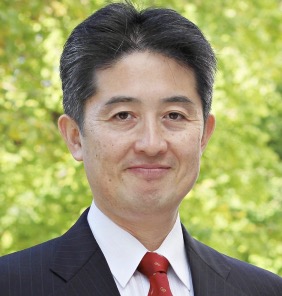 Taikan Oki (沖大幹)合作论文数Department of Civil Engineering, Graduate School of Engineering, The University of Tokyo;Human Geo-science Laboratory, The University of Tokyo5Patricia Romero-Lankao合作论文数5




