Pesticides are primarily used in agriculture to protect crops and extend their longevity. However, pesticide exposure has been linked to various acute and chronic health effects, raising significant environmental concerns. Current detection methods are often expensive and time-consuming, relying on complex instruments. Although enzyme-inhibition-based microfluidic paper-based analytical device (mPAD) platforms offer an easier alternative, they suffer from slow analyte transport and analyte adsorption issues in microchannels. Consequently, there is a need for a fast, simple, and cost-effective point-of-need platform for pesticide sensing. In this study, we present a rapid microfluidic platform for on-site pesticide residue detection. Unlike traditional mPAD platforms, our system transports pesticide samples through hollow capillary channels within seconds without adsorption of pesticides in the microchannels. While much research has focused on acetylcholinesterase inhibition on paper, this study is the first to introduce a tyrosinase inhibition-based assay on a paper platform for pesticide detection. Ziram, a representative dithiocarbamate pesticide, was detected using a colorimetric enzymatic inhibition assay. A limit of detection (LoD) of 1.5 ppm was obtained. In this study, we optimized the fast-flow device, assessed its stability and susceptibility to various interferences, and conducted real-sample tests using glove extraction to evaluate its capability in real-world settings. Spike recovery analysis revealed an extraction efficiency of 82.5% to 87.5% for leather gloves and 68.9% to 71.9% for nitrile gloves. This platform demonstrates strong selectivity against interferences, with the enzyme retaining 90% activity even after a week under the established storage protocols with room for further investigation. While primarily a proof of concept, this device shows promise as an additional tool for pesticide detection, with potential future integration into multiplexed devices.
Heavy metal contamination is an increasing global threat to human and environmental health, particularly in resource-limited areas. Traditional platforms for heavy metal detection are labor intensive and expensive and require lab facilities. While paper-based colorimetric sensors offer a simpler approach, their sensitivity limitations prevent them from meeting legislative requirements for many metals. Existing preconcentration systems, on the other hand, can achieve lower detection limits but typically focus on analyzing only one metal, making comprehensive monitoring difficult. We address these limitations by introducing a low-cost preconcentration system coupled with colorimetric analysis for the simultaneous detection of seven metal ions at low ppb levels without the need for external equipment outside a smartphone. The system achieved detection limits of 15 ppb (Ni(II)), 7 ppb (Cu(II)), 2 ppb (Fe(III)), 20 ppb (Cr(VI)), 13 ppb (Pb(II)), 26 ppb (Hg(II)), and 15 ppb (Mn(II)) with six out of seven limits of detection values falling well below EPA regulatory guidelines for drinking water. The user-friendly Fill, Fold, Photo approach eliminates complex pretreatment steps. Smartphone-based detection offers portable quantification within seconds. Employing masking strategies ensured higher selectivity for each assay on the card, while our packaging protocols enable system stability for over 4 weeks of study, facilitating mass production and deployment within a realistic time frame. To validate the sensor's performance in real-world scenarios, the sensor was tested with environmental water samples. The sensor demonstrated good recovery, ranging from 77% to 94% compared to the standard ICP-MS method. Furthermore, spike recovery analysis confirmed the sensor's accuracy, with a relative standard deviation (RSD) of less than 15%. This technology holds significant promise for future development as a convenient, portable solution for field-based monitoring of a broad spectrum of water contaminants, including pesticides, PFAS, fertilizers, and beyond.
The valorization of waste, by creating economic value while limiting environmental impact, can have an essential role in sustainable development. Particularly, polymeric waste such as biomass and plastics can be used for the production of green hydrogen as a carbon-free energy carrier through the use of nonthermal plasma powered by renewable, potentially surplus, electricity. In this study, a Streamer Dielectric-Barrier Discharge (SDBD) reactor is designed and built to extract hydrogen and carbon co-products from cellulose and low-density polyethylene (LDPE) as model feedstocks of biomass and plastic waste, respectively. Spectroscopic and electrical diagnostics, together with modeling, are used to estimate representative plasma properties, namely electron and excitation temperatures, number density, and power consumption. Cellulose and LDPE are plasma-treated for different treatment times to characterize the evolution of the hydrogen production process. Gas products are analyzed using gas chromatography to determine the mean hydrogen production rate, production efficiency, hydrogen yield, selectivity, and energy cost. The results show that the maximum hydrogen production efficiency for cellulose is 0.8 mol/kWh, which is approximately double that for LDPE. Furthermore, the energy cost of hydrogen production from cellulose is 600 kWh/kg of H2, half that of LDPE. Solid products are examined via scanning electron microscopy, revealing the distinct morphological structure of the two feedstocks treated, as well as by elemental composition analysis. The results demonstrate that SDBD plasma is effective at producing hydrogen from cellulose and LDPE at near atmospheric pressure and relatively low-temperature conditions in rapid-response and compact processes.
Widespread concern over surface water pollution has led to interest in developing easy-to-use accurate tools for citizen-based measurements that provide high spatial and temporal resolution while maintaining accuracy. Excessive anthropogenic phosphate significantly contributes to global eutrophication and necessitates regular on-site phosphate monitoring in surface waters. Traditional instrumentation for quantifying phosphate is labor-intensive, expensive, and performed in laboratories. Existing on-site testing methods relying on phosphomolybdenum blue (PMB) have limited sensitivity and stability under ambient conditions. To overcome these limitations, a novel low-cost, rapid, and user-friendly sensor for citizen-led phosphate monitoring in surface water is introduced and demonstrated with a global sampling campaign. The fast-flow microfluidic device provides user-friendly operation, achieving an environmentally relevant limit of detection (LoD) of 190 ppb, which is near the EPA-recommended maximum for phosphate. The dip-and-read operation reduces procedural steps while delivering accurate sample volume, making it well-suited for citizen-led science initiatives. This sensor exhibits high selectivity and prolonged stability for two months under ambient conditions. The sensor's performance was validated using the industry-standard UV-Vis method with 90% correlation. More than 1000 sensors were deployed in different continents, facilitating phosphate mapping in diverse water sources across multiple continents. The initiative covered much of the globe, including Thailand, Nepal, Brazil, Chile, the USA, and Germany. In some cases, phosphate levels exceeded legislative guidelines by 100-fold. Through the collaboration of citizen scientists, we analyzed regional topography and socioeconomic practices near water sources, identifying potential sources that could contribute to eutrophication in these areas.
The production of hydrogen from plastic and biomass waste via processes powered by renewable electricity can be a pivotal contributor to an effective waste management system in a circular economy. Copyrolysis of plastic and biomass waste mixtures can be economically appealing, not only by eliminating the need for waste stream separation but also by potentially synergizing hydrogen production. In this study, we present evidence of such hydrogen production synergy in plasma copyrolysis of mixtures of low-density polyethylene (LDPE) and cellulose (CE) as plastic and biomass waste models, respectively. We treated samples made of mixtures of LDPE and CE powders at five different mass ratios, ranging from 100% LDPE to 100% CE. We used non-thermal nitrogen plasma and argon plasma in a Streamer Dielectric-Barrier Discharge (SDBD) configuration under atmospheric pressure conditions. Synergistic hydrogen production was observed when nitrogen was used as the working gas, but not with argon, resulting in up to 37% greater hydrogen production compared to non-synergistic expectations. This outcome is attributed to the nitrogen-doped oxygenated carbonaceous residues from CE pyrolysis catalyzing the dehydrogenation and reforming of light alkanes resulting from the decomposition of LDPE.
Human exposure to heavy metals is a concerning global problem because of its detrimental effect on our health and ecosystem. Assessing the levels of these metals is cost-and labor-intensive and nonuser friendly because current analysis approaches typically rely on heavy instrumentations like inductively coupled plasma-mass spectrometry, which is only possible in centralized labs. Hence, simple economical detection methods are in high demand in developing countries and areas with insufficient infrastructure, professional experts, and appropriate environmental treatment. Several microfluidic paper-based analytical devices have been reported as promising alternatives to conventional testing methods for on-site heavy metal detection. Paper-based microfluidics are advantageous because of their simple fabrication, biodegradability, low cost, and ability to operate without pumps. However, typical assay times for current platforms are slow, and they typically rely on pipetting a fixed volume into the assay cards. This adds complexity in actual field scenarios. Here, we report a novel, inexpensive, and straightforward capillary-driven microfluidic device combined with paper for rapid and user-friendly detection of Ni(II), Cu(II), and Fe(III) in water. A colorimetric approach was adopted to quantify these metals. The device was able to produce a homogeneous color signal within 8 s of sample insertion. The limit of detection and limit of quantification were calculated to be 2 and 6.67 ppm for nickel, 0.3 and 1 ppm for Cu, and 1.1 and 3.67 ppm for Fe, respectively. The majority (>90%) of the collected samples showed recovery in the 80-110% range with acceptable accuracy and precision (<15% RSD) for a colorimetric device. This technique can be beneficial for rapidly assessing heavy metal exposure in drinking and surface water at drastically reduced assay time and is the first example of capillary flow-driven microfluidic devices as a transport medium for heavy metal detection.
efficient on-site detection of pesticides such as methyl parathion (MP) is crucial to ensure public health. This study introduces the first disposable electrochemically reduced graphene oxide (ErGO) modified electrode for rapid MP detection. A square wave anodic stripping voltammetry method for the detection of MP was developed using these ErGO-modified carbon screen-printed electrodes. Based on this study, graphene's high electric conductivity and unique structure enhanced the sensitivity of the electrode for MP detection. Following optimization of the pH, equilibrium period, deposition potential, and period, the methodology demonstrated high sensitivity and reproducibility. Using the enhanced experiment conditions, calibration experiments were performed with a concentration range of 0 to 150 mu g L-1 of MP. A consistent oxidation peak was observed at-0.180 V. The calibration data showed the increase in the peak height was linearly correlated to the increase in MP concentration, with a correlation coefficient of 0.9854. The sensitivity of the developed methodology was 0.0887 mu A (mu g L-1)-1, and the limit of detection was 9.06 mu g L-1. The methodology was successfully applied to multiple water samples, specifically river water, groundwater, and General Test Water, with recovery rates of 106.01% (standard deviation = 1.46%), 109.51% (standard deviation=0.44%), and 97.69% (standard deviation=1.49%), respectively.
CuBiW2O8 (CBTO), with a band gap of 1.9–2.0 eV, responds to a wide region of the electromagnetic spectrum has been demonstrated as a photocatalyst with high activity for Cr(vi) reduction.
A portable seawater desalination system would be highly desirable to solve water challenges in rural areas and disaster situations. While many reverse osmosis-based portable desalination systems are already available commercially, they are not adequate for providing reliable drinking water in remote locations due to the requirement of high-pressure pumping and repeated maintenance. We demonstrate a field-deployable desalination system with multistage electromembrane processes, composed of two-stage ion concentration polarization and one-stage electrodialysis, to convert brackish water and seawater to drinkable water. A data-driven predictive model is used to optimize the multistage configuration, and the model predictions show good agreement with the experimental results. The portable system desalinates brackish water and seawater (2.5-45 g/L) into drinkable water (defined by WHO guideline), with the energy consumptions of 0.4-4 (brackish water) and 15.6-26.6 W h/L (seawater), respectively. In addition, the process can also reduce suspended solids by at least a factor of 10 from the source water, resulting in crystal clear water (<1 NTU) even from the source water with turbidity higher than 30 NTU (i.e., cloudy seawater by the tide). We built a fully integrated prototype (controller, pumps, and battery) packaged into a portable unit (42 × 33.5 × 19 cm3, 9.25 kg, and 0.33 L/h production rate) controlled by a smartphone, tested for battery-powered field operation. The demonstrated portable desalination system is unprecedented in size, efficiency, and operational flexibility. Therefore, it could address unique water challenges in remote, resource-limited regions of the world.
Hydrogen is largely produced via natural gas reforming or electrochemical water-splitting, leaving organic solid feedstocks under-utilized. Plasma technology powered by renewable electricity can lead to the sustainable upcycling of plastic waste and production of green hydrogen. In this work, low-temperature atmospheric pressure plasma reactors based on transferred arc (transarc) and gliding arc (glidarc) discharges are designed, built, and characterized to produce hydrogen from low-density polyethylene (LDPE) as a model plastic waste. Experimental results show that hydrogen production rate and efficiency increase monotonically with increasing voltage level in both reactors, with the maximum hydrogen production of 0.33 and 0.42 mmol/g LDPE for transarc and glidarc reactors, respectively. For the transarc reactor, smaller electrode-feedstock spacing favors greater hydrogen production, whereas, for the glidarc reactor, greater hydrogen production is obtained at intermediate flow rates. The hydrogen production from LDPE is comparable despite the markedly different modes of operation between the two reactors.
Rapid detection of trace mercury (II) in water is very challenging. A novel sensor for the facile detection of mercury (II) was developed using electrochemically co-deposited gold nanofilm modified screen-printed carbon electrodes (EcoD-AuNF/SPCE). Because a monolayer of gold nanofilm is freshly co-deposited during the mercury (II) preconcentration period, no additional modification on an electrode is required prior to a test. Central composite design (CCD) and response surface methodology (RSM) were used to evaluate the effects of the critical testing parameters simultaneously (i.e., the co-deposited gold concentration of 350 μg L -1 , deposition potential of -0.75 V, and testing pH of 3.50). The response of square-wave anodic stripping voltammetry (SWASV) showed a linear relationship with the mercury (II) concentration over a range of 1 to 40 μg/L (ppb), with an LoD of 0.29 μg/L and sensitivity of 0.37 μA/ppb. Significant influences on the mercury (II) stripping peak potential, peak height, and peak shape were observed in the presence of chloride. Therefore, an optimized amount of chloride (i.e., 600 mg/L) was preemptively added to minimize the potential effect of naturally occurring chloride and to improve further the detection sensitivity (i.e., LoD of 0.16 μg/L and sensitivity of 0.55 μA/ppb). Validation testing using real-world water samples indicated reliable prediction of mercury (II) concentration could be obtained in complex media. In summary, this newly developed voltammetric approach has excellent detection performance and practical significance for potential on-site voltammetric determination of trace mercury (II) in water.
Hydrogen, due to its high energy density and sustainability potential, is considered a leading chemical energy storage alternative to fossil fuels. Given the absence of natural sources of hydrogen, hydrogen has to be procured from substances such as water, fossil fuels, biomass, or plastics. Nonthermal plasma-based hydrogen production approaches have the potential to be more energy efficient, selective, and environmentally-benign than thermochemical methods. In this study, gliding arc and transferred arc nonthermal plasma reactors have been designed, built, and characterized through the production of hydrogen from low-density polyethylene (LDPE) using nitrogen as auxiliary gas at atmospheric pressure and temperature conditions. These reactors have complementary operational characteristics, making their parallel evaluation compelling to reveal the mechanisms by which nonthermal plasma enables the extraction of hydrogen from solid feedstock. In both reactors, the dynamic characteristics of the plasma affect its interaction with the solid LDPE feedstock, and hence the production of hydrogen. Concurrently, the interaction between the hydrogen emanating from LDPE and the impinging nitrogen flow can significantly affect the plasma dynamics, affecting its stability and the gas and particulate flows throughout the reactors. Visualization of the plasma and gas flow are conducted using long-exposure photography, high-speed photography, and high-speed Schlieren imaging. Visualization results together with current and voltage signals and gas chromotography analyses are used to correlate the plasma and flow dynamics to the production of hydrogen as function of the reactors’ main operation parameters, namely inflow rate, driving voltage, and electrode-feedstock spacing. The experimental diagnostics are complemented with Computational Fluid Dynamics simulations to assess flow and thermal characteristics across the reactors. Residence time, arc stability, gliding velocity, plasma volume, and plasma-feedstock interaction area as function of the operational parameters are also determined and analyzed.
One of the challenges preventing rapid, onsite voltammetric detection of arsenic(III) is the overlapping oxidation peak of copper(II). This paper describes a novel methodology for the voltammetric detection of trace levels of arsenic(III) in the presence of high copper(II) concentrations (up to the action level of 1.3 mg L-1 set by the US EPA for drinking water). Square wave stripping voltammetry tests were performed using disposable carbon screen printed electrodes modified with gold nanostars on samples buffered with Britton-Robinson buffer. The optimized parameters for accurate codetection of arsenic(III) and copper(II) were a buffer pH of 9.5, a loading of gold nanostars of 2.39(*)10(-5) nmol per electrode, a deposition voltage of -0.8 V, and a deposition time of 180 s. Based on calibration testing, the limits of detection for arsenic(III) and copper(II) were determined to be 2.9 mu g L-1 and 42.5 mu g L-1, respectively. Furthermore, the linear ranges for arsenic and copper were 0-100 mu g L-1 and 0-250 mu g L-1 with sensitivities of 0.101 mu A (mu g L-1)(-1) and 0.121 mu A (mu g L-1)(-1), respectively. Interference testing was performed with several common ionic species, sodium bicarbonate, sodium chloride, tannic acid, iron(iii) chloride, magnesium chloride, calcium nitrate, and sodium sulfate, with only sodium bicarbonate significantly affecting the response. Validation testing in real-world samples was performed by comparison with graphite furnace atomic absorption spectroscopy. The validation testing demonstrated good accuracy and precision, expressed as percent recovery and relative standard deviation (RSD), respectively, in river water and tap water, with mean percent recoveries of 87.7% (RSD = 4.20%) and 83.2% (RSD = 10.02%), respectively. (C) 2020 Elsevier B.V. All rights reserved.
The present work reports a newly developed square wave anodic stripping voltammetry (SWASV) methodology using novel gold nanostar–modified screen-printed carbon electrodes (AuNS/SPCE) and modified Britton-Robinson buffer (mBRB) for simultaneous detection of trace cadmium(II), arsenic(III), and selenium(IV). During individual and simultaneous detection, Cd2+, As3+, and Se4+ exhibited well-separated SWASV peaks at approximately − 0.48, − 0.09, and 0.65 V, respectively (versus Ag/AgCl reference electrode), which enabled a highly selective detection of the three analytes. Electrochemical impedance spectrum tests showed a significant decrease in charge transfer resistance with the AuNS/SPCE (0.8 kΩ) compared with bare SPCE (2.4 kΩ). Cyclic voltammetry experiments showed a significant increase in electroactive surface area with electrode modification. The low charge transfer resistance and high electroactive surface area contributed to the high sensitivity for Cd2+ (0.0767 μA (0.225 μg L−1)−1), As3+ (0.2213 μA (μg L−1)−1), and Se4+ (μA (μg L−1)−1). The three analytes had linear stripping responses over the concentration range of 0 to 100 μg L−1, with the obtained LoD for Cd2+, As3+, and Se4+ of 1.6, 0.8, and 1.6 μg L−1, respectively. In comparison with individual detection, the simultaneous detection of As3+ and Se4+ showed peak height reductions of 40.8% and 42.7%, respectively. This result was associated with the possible formation of electrochemically inactive arsenic triselenide (As2Se3) during the preconcentration step. Surface water analysis resulted in average percent recoveries of 109% for Cd2+, 93% for As3+, and 92% for Se4+, indicating the proposed method is accurate and reliable for the simultaneous detection of Cd2+, As3+, and Se4+ in real water samples.
 Christopher Drew合作论文数6Connor Sullivan合作论文数University of Massachusetts Lowell5
 Dingnan Lu合作论文数Ningbo University5Pradeep Kurup合作论文数5Todd E. Alexander合作论文数4Prakash Aryal合作论文数4
 Benard Tabu合作论文数University of Massachusetts4
 John Hunter Mack合作论文数Combustion Analysis Laboratory;University of California;Combustion Analysis Laboratory, University of California4
 Charles Henry合作论文数Walter Scott,Jr College of Engineering, Colorado State University;Burst Diagnostics, LLC4
 Juan Pablo Trelles合作论文数Department of Mechanical Engineering, University of Minnesota4Walter Zukas合作论文数3thomas tiano合作论文数3
 Hsi-Wu Wong合作论文数Department of Chemical Engineering, Francis College of Engineering, University of Massachusetts Lowell3Kevin Akers合作论文数2Christopher P. Drew合作论文数2
 Mammadbaghir Baghirzade合作论文数Dept Mech Engn, Univ Massachusetts2Peng Yu合作论文数2
 Heba Morgan合作论文数1Shubhra Kanti Das合作论文数1Jason Boes合作论文数1Brandaise Martinez合作论文数1Nicole Farhadi合作论文数1Erika Colin-Ulloa合作论文数Dept Phys, Worcester Polytech Inst1
 Visal Veng合作论文数1
 Hesameddin Azimi合作论文数University of Massachusetts Lowell1
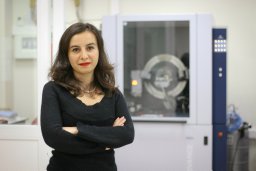 Ceren Yilmaz Akkaya合作论文数Dept Mech & Mat Engn, Worcester Polytech Inst1SungKu Kang合作论文数Virginia Polytechnic Institute and State University1
 Timothy Lawton合作论文数Department of Chemistry, Tufts University1
 Kevin Weitz合作论文数1
 Kwon Hyukjin J合作论文数1
 Yoon Junghyo合作论文数School of Mechanical Engineering, Korea University1
 Jongyoon Han合作论文数Department of Electrical Engineering and Computer Science, Massachusetts Institute of Technology1Ian D. Norris合作论文数1
 Lyubov V. Titova合作论文数Dept Phys, Worcester Polytech Inst1
 Pratap M. Rao合作论文数Department of Mechanical Engineering, Stanford University1




