Atrial fibrillation (AF) is a growing health problem that increases morbidity and mortality, and in most patients progresses to more advanced diseases over time. Recent research has examined the underlying mechanisms, risk factors, and progression of AF, leading to updated AF disease classification schemes. Although endocardial catheter ablation is effective for early-stage paroxysmal AF, it consistently achieves suboptimal outcomes in patients with advanced AF. Identification of the factors that lead to the increased risk of treatment failure in advanced AF has spurred the development and adoption of hybrid ablation therapies and collaborative heart care teams that result in higher long-term arrhythmia-free survival. Patients with non-paroxysmal AF, atrial remodeling, comorbidities, or AF otherwise deemed difficult to treat may find hybrid treatment to be the most effective option. Future research of hybrid therapies in advanced AF patient populations, including those with dual diagnoses, may provide further evidence establishing the safety and efficacy of hybrid endo-epicardial ablation as a first line treatment.
Background:Lung transplant surgery creates surgical pulmonary vein isolation (PVI) as a routine part of the procedure. However, many patients with pretransplant atrial fibrillation continue to have atrial fibrillation at 1 y. We hypothesized that the addition of electrical PVI and left atrial appendage isolation/ligation (LAL) to the lung transplant procedure restores sinus rhythm at 1 y in patients with pretransplant atrial fibrillation.Methods:We retrospectively reviewed all adult lung transplant recipients at the University of California Los Angeles from April 2006 to August 2021. All patients with pretransplant atrial fibrillation underwent concomitant PVI/LAL and were compared with lung transplant recipients without preoperative atrial fibrillation. In-hospital outcomes; 1-y survival; and the incidence of stroke, cardiac readmissions, repeat ablations, and sinus rhythm (composite endpoint) were examined at 1 y for the PVI/LAL cohort.Results:Sixty-one lung transplant recipients with pretransplant atrial fibrillation underwent concomitant PVI/LAL. No patient in the PVI/LAL cohort required cardiac-related readmission or catheter ablation for atrial fibrillation within 1 y of transplantation. Freedom from the composite endpoint of death, stroke, cardiac readmission, and repeat ablation for atrial fibrillation at 1 y was 85% (95% confidence interval, 73%-92%) for lung transplant recipients treated with PVI/LAL.Conclusions:The addition of PVI/LAI to the lung transplant operation in patients with pretransplant atrial fibrillation was safe and effective in maintaining sinus rhythm and baseline risk of stroke at 1 y.
Introduction: Atrial tachyarrhythmias in patients with pre-capillary pulmonary hypertension are often poorly tolerated leading to increased morbidity and mortality. Sinus rhythm restoration seems to improve outcomes but a direct comparison between rate and rhythm control has not been investigated. We sought to determine any difference in effectiveness between the two strategies. Methods: We performed a retrospective study in 88 patients with pulmonary arterial hypertension (PAH) or chronic thromboembolic pulmonary hypertension (CTEPH) and new-onset atrial flutter or fibrillation seen in our centre from 2005-2020. Patients were divided into 3 groups based on management strategy: rate control (n=20), rhythm control with medication only (n=24) and rhythm control with DC cardioversion (DCCV) and medication (n=44) (Table 1). Differences in WHO functional class and incremental shuttle walk test distance (ISWTD) at arrhythmia onset and after treatment were measured. Results: Sinus rhythm was successfully restored in 42/44 (95%) of patients treated with DCCV and medication compared to 13/24 (54%) treated with amiodarone only (p<0.001). Cardioverted patients reported a significant improvement in functional class compared to patients treated with rate control (p<0.001). A similar improvement in ISWTD (≥15%) was also reported (p=0.004) (Table 2). No serious complications were reported with either strategy. Conclusions: A rhythm control strategy including DCCV and medication is a safe and effective way to restore sinus rhythm in patients with PAH/CTEPH and atrial tachyarrhythmias. Restoration and maintenance of sinus rhythm led to an improvement in their functional status.
Introduction: Pulmonary vein isolation (PVI) is the cornerstone of catheter ablation for paroxysmal atrial fibrillation (AF), but the optimal ablation strategy for persistent AF (PsAF) remains controversial. Hypothesis: The purpose of this study was to investigate whether combined-energy cryoballoon (CB) PVI and radiofrequency (RF) left atrial posterior wall isolation (LAPWI) at index ablation of PsAF yields higher success than PVI alone. Methods: Patients with persistent AF (n = 186) who underwent catheter ablation between 2016 and 2019 at a single large academic medical center were retrospectively reviewed. Patients with congenital heart disease or prior left atrial ablation or surgery were excluded. Combined-energy ablation (n=92) consisted of CB antral PVI followed by RF roof and floor lines to achieve LAPWI, along with isolation inside the box as needed. The control group had PVI only (n=94) with either CB (n=57) or RF (n=37). The primary endpoint was 12-, 24-, and 36-month freedom from any documented atrial tachyarrhythmia over 30 seconds after a 90-day blanking period following catheter ablation, compared by Kaplan-Meier analysis. Secondary endpoints included AF burden, procedural parameters, and complications. Results: The primary endpoint of 12-month freedom from any atrial tachyarrhythmia was higher for the combined-energy group vs the control group (79.1% vs 58.2%, p = 0.009). This improvement was sustained at 24 months (63.0% vs 45.8%) and at 36 months (60.3% vs 43.1%) and remained significant after adjustment for clinical covariates (adjusted HR 0.45, 95% confidence interval 0.22-0.95; p = 0.03). There was no significant difference in procedure time or complication rates, however fluoroscopy time was shorter with combined-energy ablation (p<.001). Conclusions: In this single center experience, combined-energy CB-PVI and RF-LAPWI was associated with reduced AF recurrence compared to PVI with a single energy source.
BACKGROUND Recurrent ventricular tachycardia (VT) after prior endocardial catheter ablation(s) presents challenges in the setting of prior cardiac surgery where percutaneous epicardial access may not be feasible. OBJECTIVE The purpose of this study was to compare the outcomes of cryothermal vs radiofrequency ablation in direct surgical epicardial access procedures. METHODS We performed a retrospective study of consecutive surgical epicardial VT ablation cases. Surgical cases using cryothermal vs radiofrequency ablation were analyzed and outcomes were compared. RESULTS Between 2009 and 2022, 43 patients underwent either a cryothermal (n = 17) or a radiofrequency (n = 26) hybrid epicardial ablation procedure with direct surgical access. Both groups were similarly matched for age, sex, etiology of VT, and comorbidities with a high burden of refractory VT despite previous endocardial and/or percutaneous epicardial ablation procedures. The surgical access site was lateral thoracotomy (76.5%) in the cryothermal ablation group compared with lateral thoracotomy (42.3%) and subxiphoid approach (38.5%) in the radiofrequency group, with the remainder in both groups performed via median sternotomy. The ablation time was significantly shorter in those undergoing cryothermal ablation vs radiofrequency ablation (11.54 +/- 15.5 minutes vs 48.48 +/- 23.6 minutes; P , .001). There were no complications in the cryothermal ablation group compared with 6 patients with complications in the radiofrequency group. Recurrent VT episodes and all-cause mortality were similar in both groups. CONCLUSION Hybrid surgical VT ablation with cryothermal or radiofrequency energy demonstrated similar efficacy outcomes. Cryothermal ablation was more efficient and safer than radiofrequency in a surgical setting and should be considered when surgical access is required.
Continuous cardiac rhythm monitoring via cardiac implantable electronic devices finds an increased number of patients with asymptomatic atrial fibrillation. Yet, not all patients with device-detected atrial high-rate episodes are alike. Fine-tuning risk assessment may help identify those who can benefit most from anticoagulation.
Intrinsic antitachycardia pacing (iATP) is a novel, automated antitachycardia pacing (ATP) algorithm that provides individualized therapy to terminate ventricular tachycardia (VT). If the first ATP attempt is unsuccessful, the algorithm analyzes the tachycardia cycle length and the postpacing interval and adjusts the subsequent sequence to successfully terminate VT. This algorithm was effective in a single clinical study without a comparator arm. However, iATP failure has not been well-documented in the literature. This publication represents the first case series with episode analysis of iATP failure, including a demonstration of its proarrhythmic effect.
Data on the safety and efficacy of left atrial appendage occlusion (LAAO) in elderly patients are limited.This study aimed to compare the outcomes of LAAO between patients ≥80 and <80 years of age.We included patients enrolled in randomized trials and nonrandomized registries of the Watchman 2.5 device. The primary efficacy endpoint was a composite of cardiovascular/unknown death, stroke, or systemic embolism at 5 years. Secondary endpoints included cardiovascular/unknown death, stroke, systemic embolism, and major and nonprocedural bleeding. Survival analyses were performed using the Kaplan-Meier, Cox proportional hazards, and competing risk analysis methods. Interaction terms were used to compare the 2 age groups. We also estimated the average treatment effect of the device with the use of inverse probability weighting.We studied 2,258 patients, of whom 570 (25.2%) were ≥80 years old, and 1,688 (74.8%) were <80 years old. Procedural complications at 7 days were similar in both age groups. The primary endpoint occurred in 12.0% in the device group vs 13.8% in the control group (HR: 0.9; 95% CI: 0.6-1.4) among patients <80 years of age and in 25.3% vs 21.7%, respectively (HR: 1.2; 95% CI: 0.7-2.0) among patients ≥80 (interaction P = 0.48). There was no interaction between age and treatment effect for any of the secondary outcomes. The average treatment effects of LAAO (compared with warfarin) were similar in the elderly population (compared with younger patients).Despite the higher event rates, octogenarians derive similar benefits from LAAO as their younger counterparts. Age alone should not preclude LAAO in otherwise suitable candidates.
Positron emission tomography computed tomography (PET-CT) is not routinely used for premature ventricular complexes (PVCs). Whether specific clinical factors are associated with abnormal PET-CT results is not clear. The treatment courses and baseline characteristics of consecutive patients in a single center between 2012 and 2021, age > 18 years old, and who received 18F-fluorodeoxyglucose (FDG) PET-CT imaging for evaluation of PVCs were retrospectively analyzed. A total of 102 patients was included. Of these, 27 patients (26.4%) had abnormal PET-CT and 61 (59.8%) had normal imaging. Abnormal PET-CT findings were associated with non-sustained ventricular tachycardia (NSVT) (95.2% vs. 52.6%, p = 0.001), higher number of PVC morphologies (2.29 ± 0.7 vs. 1.31 ± 0.6, p < 0.001), greater PVC coupling interval dispersion (72.47 ± 66.4 ms vs. 13.42 ± 17.9 ms, p < 0.001), and greater likelihood of fast heart rate dependent PVCs (78.5% vs. 38.2%, p = 0.017). Fourteen (51.8%) patients had an abnormal PET-CT and abnormal late gadolinium enhancement (LGE). Patients with abnormal PET-CT were more frequently treated with immunosuppression (81.4% vs. 3.2%, p < .0001) than with catheter ablation (11.1% vs. 45.9%, p = 0.002) compared to the normal PET-CT group. Over a median follow-up of 862 days (IQR 134, 1407), PVC burden decreased in both groups [from 23 ± 16% to 9 ± 10% (p < 0.001) in abnormal PET-CT group and from 21 ± 15% to 7 ± 10% (p < 0.001) in normal PET-CT group]. Abnormal PET-CT findings were more commonly associated with NSVT, multiform PVCs, greater PVC coupling interval dispersion, and fast heart rate dependent PVCs. LGE was not sensitive for detecting inflammation. Immunosuppression was effective in managing PVCs with abnormal PET-CT.
BACKGROUND:The use of cardiac positron emission tomography-computed tomography (PET-CT) is increasingly used for the detection of underlying inflammation in patients with ventricular arrhythmias (ventricular tachycardia/ventricular fibrillation [VT/VF]), but the role of PET-CT remains undefined, particularly for patients who do not meet Task Force criteria for sarcoidosis. OBJECTIVE:The purpose of this study was to determine the utility of PET-CT for clinical evaluation of VT/VF in patients with nonischemic cardiomyopathy. METHODS:Consecutive patients with nonischemic cardiomyopathy and VT/VF who underwent cardiac PET-CT to detect inflammation between 2012 and 2019 were analyzed for baseline demographic characteristics, imaging results, and outcomes. Patients with known sarcoidosis or other conditions requiring immunosuppressive therapy were excluded. RESULTS:PET-CT was performed in 133 patients with mean age 56.3 ± 13.5 years and left ventricular ejection fraction 43% ± 16.1%, with evidence of myocardial inflammation detected in 32 (23.5%). Patients with myocardial inflammation were managed conservatively with medical therapy including immunosuppressive agents. Ten patients with myocardial inflammation ultimately required catheter ablation for ongoing arrhythmias. There was no significant difference in arrhythmia recurrence between PET-positive and PET-negative groups (37.5% vs 32.4%; P = .43) or in time to recurrence (P = .26), in spite of the disparate management strategies. Gadolinium-enhanced cardiac magnetic resonance imaging was performed in 96 patients (72%); however, magnetic resonance imaging did not detect 31% of cases with active inflammation that were otherwise detected on PET-CT. CONCLUSION:The use of PET-CT significantly improves the detection of underlying myocardial inflammation contributing to ventricular arrhythmias. Management of these patients with immunosuppressive medical therapy is effective for arrhythmia control and may obviate the need for invasive ablation procedures in some patients.
Background: Little data exists describing the national burden of supraventricular tachycardia (SVT) related hospitalizations on US healthcare system. The objectives of this study are to examine the temporal trends of SVT-related hospitalizations in the United States and to compare patient characteristics, outcomes, and comorbid diagnoses. Methods: Using the Nationwide Readmission Database from 2010 through 2017, we identified adult (age >17 years) SVT-related hospitalizations using International Classification of Diseases, 9 th /10th Revision, Clinical Modification codes- 427.0/I47.1 as the principal discharge diagnosis. Results: There were 192,853 adult hospitalizations for SVT from 2010 to 2017 across United States. The number of hospitalizations increased from 22,313 in 2010 to 39,216 in 2017. Mean age was 63.9 years, 56.8% females and 55.8% Medicare insured. The proportion of comorbid diagnoses in overall cohort: hypertension 66.4%, diabetes 26.9%, hyperlipidemia 42.8%, coronary artery disease 31.6%, atrial fibrillation 30.0%, cerebrovascular disease 3.4%, renal disease 18.8%, liver disease 4.2% and chronic pulmonary disease 14.7%. From 2010 to 2017, following trends were observed: mean age (63.7 years to 64.1 years), females (59.5% to 54.4%), Medicare insured (53.8% to 57.0%), hypertension (62.2% to 70.0%), diabetes (25.3% to 27.5%), hyperlipidemia (39.6% to 45.0%), coronary artery disease (28.6% to 34.8%), cerebrovascular disease (3.0% to 3.3%), renal disease (12.9% to 23.0%), liver disease (4.5% to 2.8%) and chronic pulmonary disease (13.0% to 16.4%). The overall unadjusted in-hospital mortality was 0.6% and mean length of stay was 3.0 days. The trends of mortality and length of stay changed as follows: 0.5% in 2010 to 0.6% in 2017 and 2.9 days to 3.1 days respectively. Mean hospital charges (in USD) were 40,943 and increased from 31,755 in 2010 to 47,830 in 2017. Conclusions: The number of hospitalizations for SVT have increased among US adults from 2010 to 2017. The proportion of comorbid chronic diseases, in-hospital mortality and the hospitalization charges also increased during the period of analysis.
Background Cardiac sympathetic denervation (CSD) has been used as a bailout strategy for refractory ventricular tachycardia (VT). Risk of VT recurrence in patients with scar‐related monomorphic VT referred for CSD and the extent to which CSD can modify this risk is unknown. We aimed to quantify arrhythmia recurrence risk and impact of CSD in this population. Methods and Results Adjusted competing risk time to event models were developed to adjust for risk of VT recurrence and sustained VT/implantable cardioverter–defibrillator shocks after VT ablation based on patient comorbidities at the time of VT ablation. Adjusted VT and implantable cardioverter–defibrillator shock recurrence rates were estimated for the subgroup who subsequently required CSD after ablation. The expected adjusted recurrence rates were then compared with the observed rates after CSD. Data from 381 patients with scar‐mediated monomorphic VT who underwent VT ablation were analyzed, excluding patients with polymorphic VT. Sixty eight patients underwent CSD for recurrent VT. CSD reduced the expected adjusted VT recurrence rate by 36% (expected rate of 5.61 versus observed rate of 3.58 per 100 person‐months, P=0.01) and the sustained VT/implantable cardioverter–defibrillator shock rates by 34% (expected rate of 4.34 versus observed 2.85 per 100 person‐months, P=0.03). The median number of sustained VT/implantable cardioverter–defibrillator shocks in the year before versus the year after CSD was reduced by 90% (10 versus 1, P<0.0001). Conclusions Patients referred for CSD for refractory scar‐mediated monomorphic VT are at a higher risk of VT recurrence after ablation as compared with those not requiring CSD, mostly because of their cardiac comorbidities. CSD significantly reduced both the expected risk of recurrences and VT burden.
INTRODUCTION:Optimal treatment strategies for ACHD with AF are unknown. This study sought to assess outcomes of pulmonary vein isolation (PVI) ± left atrial (LA), posterior wall isolation (PWI) for adults with congenital heart disease (ACHD), and atrial fibrillation (AF).METHODS:A retrospective review of all cryoballoon (CB) PVI ± PWI procedures at a single center over a 3-year period were performed. Clinical characteristics and outcomes for patients with and without ACHD were compared. The primary outcome was the occurrence of atrial tachyarrhythmia at 12-months postablation after a 90-day blanking period.RESULTS:Three-hundred and sixteen patients (mean: 63 ± 12 years, [63% male]) underwent CB PVI ± PWI during the study, including 31 (10%) ACHD (simple 35%, moderate 39% complex 26%; nonparoxysmal AF in 52%). ACHD was younger (51 vs. 64 years; p < .001) with a lower CHADS2 DS2 -VASc score (1.2 vs. 2.1; p = .001) but had a greater LA diameter (4.9 vs. 4.0 cm; p < .001) and a number of prior cardioversions (0.9 vs. 0.4; p < .001) versus controls. 12-month freedom from recurrent AF was similar for ACHD and controls (76% vs. 80%; p = .6) and remained nonsignificant in multivariate analysis (hazard ratio: 1.8, 95% confidence interval: 0.7-5.1; p = .22). At 12-months postablation, 75% of ACHD versus 93% of control patients were off antiarrhythmic drug therapy (p = .07).CONCLUSION:This study demonstrates younger age and lower conventional stroke risk, yet clinically advanced AF for ACHD relative to controls. CB PVI ± PWI was an effective strategy for the treatment of AF among all forms of ACHD with similar 12-month outcomes as compared to controls.
The cardiac autonomic nervous system (ANS) plays an integral role in normal cardiac physiology as well as in disease states that cause cardiac arrhythmias. The cardiac ANS, comprised of a complex neural hierarchy in a nested series of interacting feedback loops, regulates atrial electrophysiology and is itself susceptible to remodelling by atrial rhythm. In light of the challenges of treating atrial fibrillation (AF) with conventional pharmacologic and myoablative techniques, increasingly interest has begun to focus on targeting the cardiac neuraxis for AF. Strong evidence from animal models and clinical patients demonstrates that parasympathetic and sympathetic activity within this neuraxis may trigger AF, and the ANS may either induce atrial remodelling or undergo remodelling itself to serve as a substrate for AF. Multiple nexus points within the cardiac neuraxis are therapeutic targets, and neuroablative and neuromodulatory therapies for AF include ganglionated plexus ablation, epicardial botulinum toxin injection, vagal nerve (tragus) stimulation, renal denervation, stellate ganglion block/resection, baroreceptor activation therapy, and spinal cord stimulation. Pre-clinical and clinical studies on these modalities have had promising results and are reviewed here.
 Kalyanam Shivkumar合作论文数Department of Medicine, David Geffen School of Medicine, University of California;School of Engineering, University of California, Los Angeles;Department of Radiology, School of Medicine, University of California90
 Noel Gerard Boyle合作论文数David Geffen School of Medicine, UCLA Cardiac Arrhythmia Center61
 Marmar Vaseghi合作论文数University of California, Los Angeles42
 Jason Bradfield合作论文数38
 Roderick Tung合作论文数School of Medicine, The University of Chicago26Shiro Nakahara合作论文数22Ravi Mandapati合作论文数19Macias Carlos合作论文数17
 Nilesh Mathuria合作论文数16
 Ajijola Olujimi A合作论文数Cardiac Arrhythmia Ctr, Univ Calif Los Angeles15
 Houman Khakpour合作论文数14
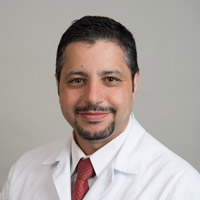 Peyman Benharash合作论文数David Geffen School of Medicine at UCLA and Greater Los Angeles Veterans Hospital14Osamu Fujimura合作论文数13
 Duc H. Do合作论文数12Yoav Michowitz合作论文数12Hayase Justin合作论文数University of California San Diego11Isaac Wiener合作论文数10Yuliya Krokhaleva合作论文数9Julie Sorg合作论文数8
 Sohail Sareh合作论文数8
 Aman Mahajan合作论文数Department of Anesthesiology and Perioperative Medicine, School of Medicine, University of Pittsburgh;Swanson School of Engineering, University of Pittsburgh;Healthier Capital;UPMC;Sensydia Corporation8David Cesario合作论文数8Yu Ricky合作论文数7
 William Toppen合作论文数7Jean Gima合作论文数7
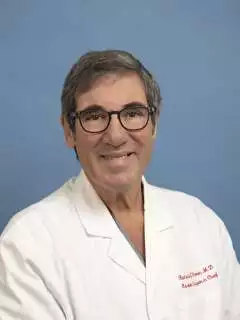 Richard J. Shemin合作论文数David Geffen School of Medicine, University of California, Los Angeles6Tara Bourke合作论文数6
 Jeffrey Gornbein合作论文数5Carlos De Diego合作论文数5Geraldine Pavez合作论文数4Nancy Satou合作论文数4Paul Frank合作论文数4Share Michael合作论文数4
 Kenneth Ellenbogen合作论文数Department of Internal Medicine, School of Medicine, Virginia Commonwealth University;Pauley Heart Center, Virginia Commonwealth University4
 Jay Soong-Jin Lee合作论文数4Nicolas Lellouche合作论文数4
 Peter Hanna合作论文数4R. Shemin合作论文数3N Satou合作论文数3Rich Nagel合作论文数3Rustin Kashani合作论文数3Aron Bender合作论文数Univ Calif Los Angeles3Heajung L. Nguyen合作论文数3
 Harikrishna Tandri合作论文数Division of Cardiovascular Medicine, Vanderbilt University Medical Center3Discepolo William合作论文数3
 Moore Jeremy P合作论文数Division of Pediatric Cardiology, UCLA Medical Center;Ahmanson, UCLA Adult Congenital Heart Disease Center;UCLA Medical Center, UCLA Adult Congenital Heart Disease Center3
 Dusi Veronica合作论文数Department of Cardiology, University of Pavia3




