This chapter explores the three sets of issues. First, relationships among different types of rights, and the sequential expansion of these rights in Latin America. Second, questions of economic rights, equity, and marginalization in the context of market-oriented economic restructuring. Third, implications for human rights of the tension between universalis! and pluralist norms and institutions in an era characterized both by increasing globalization and by the accentuation of local specificities. The tension between recognition of universal rights and respect for diversity and plurality is another reminder of the links between the local and the global and of their consequences for sovereignty. The Universal Declaration of Human Rights, adopted by the United Nations in 1948, provides the basic framework for a universalist perspective. The ideology of universal human rights would thus serve to protect potential or actual victims. The Universal Declaration was widely criticized for adopting an underlying notion of human rights that was individualistic and Western.
As many of you are aware, the American Political Science Association has recently experienced an extraordinary outpouring of frustration with the current state of the American Political Science Review, the APSA, and the profession generally. An anonymous scholar writing as "Mr. Perestroika" circulated to an extensive roster of political scientists a passionate memo asking many provocative, indeed painful, questions. Why do so many leaders of our profession not even read, much less submit, to the APSR7 Why is purchase of the APSR made mandatory for membership, thus subsidizing a journal many find unsatisfactory, instead of permitting membership without the journal or with other journals? Why do the APSA Council and APSR Editorial Board seem to be chosen essentially by their predecessors? Why does the APSR and why do other prominent professional fora seem so intensively focused on technical methods, at the expense of the great, substantive political questions that actually intrigue many APSA members, as well as broader intellectual audiences? Though some recipients may have felt uncomfortable with the anonymous authorship and the highly polemical tone of this post, nonetheless an astonishing number of scholars, from all ranks of the profession, felt impelled to announce that they, too, shared these profound dissatisfactions with the status quo. Many noted that in 1998 an APSA membership survey reportedly found that, in fact, a very large proportion of APSA members, to say nothing of scholars who have given up on APSA, were critical of the current condition of the APSR. A lively discussion ensued, in which scholars discussed whether the problems arose from the biases of APSR editors and APSA leaders, from more structural problems in the reviewing processes, or from problems in AmeriEditor's Note
 Elizabeth Jelin合作论文数Universidade Federal de Minas Gerais2s shehata合作论文数1Fred A. Lewis合作论文数1JC FOSTER合作论文数UNIV WISCONSIN PARKSIDE1Joanna C. Grant合作论文数1Philip Harris合作论文数1
 Mark Aronoff合作论文数Department of Linguistics, College of Arts and Sciences, Stony Brook University1Lowell Gustafson合作论文数1
 Paul Pierson合作论文数Department of Political Science, University of California, Berkeley1
 Stephen Skowronek合作论文数Department of Political Science, Yale University1
 Rogers M. Smith合作论文数Department of Political Science, College of Arts & Sciences, University of Pennsylvania1
 Sherrill Stroschein合作论文数Department of Political Science, Faculty of Social & Historical Sciences, University College London1
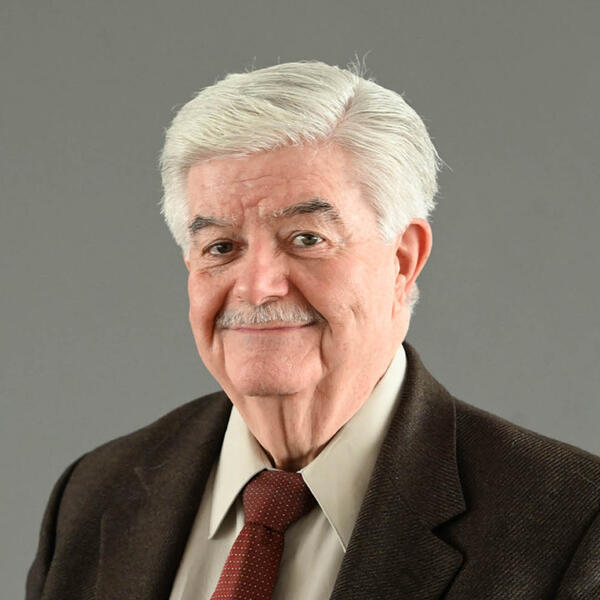 Richard K. Betts合作论文数School of International and Public Affairs, Columbia University1Tulis J J合作论文数1Gottschalk Michael E合作论文数1Simon D. W. Frost合作论文数1
 Gere diZerega合作论文数CritiTech1
 Derek Hart合作论文数ANZAC Research Institute1
 James Sowers合作论文数Dalton Cardiovascular Research Center;University of Missouri;Center for Diabetes and Cardiovascular Research;Division of Endocrinology, School of Medicine, Wayne State University1
 Han-Jung Chae合作论文数1Dave Edwards合作论文数1
 John Gerring合作论文数Department of Government, College of Liberal Arts, University of Texas at Austin1
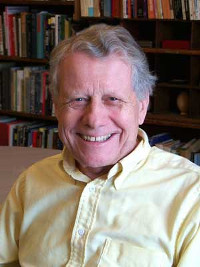 Charles Tilly合作论文数University of Michigan1Mark Mattern合作论文数1
 Tracy Lightcap合作论文数Department of Political Science;LaGrange College1
 Joel Migdal合作论文数University of Washington1Barbara Kane Schneider合作论文数1
 Thomas M. Keck合作论文数Oxford University1
 B. I. P. Barratt合作论文数AgResearch Invermay1Deborah Baumgold合作论文数1Keir A. Lieber合作论文数1G. J. Kasza合作论文数1
 Fred Eidlin合作论文数University of Guelph1
 Jennifer L. Hochschild合作论文数Department of Government, Harvard University/Department of African and African American Studies, Harvard University/Harvard Kennedy School, Harvard University1
 William H. Sewell Jr.合作论文数Department of History, Division of the Social Sciences, University of Chicago1
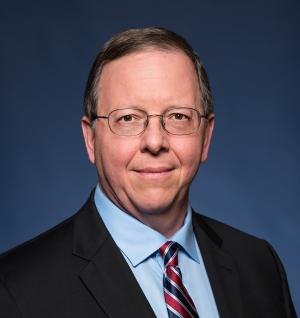 Robert Pape合作论文数Department of Political Science, The University of Chicago1Robert J Art合作论文数1
 Stephen Walt合作论文数John F. Kennedy School of Government, Harvard University1
 Ashutosh Varshney合作论文数Department of Political Science, Brown University1Linda Zerilli合作论文数1Angie C. Lin合作论文数Solid-State and Photonics Laboratory, Stanford University1
 John J. Mearsheimer合作论文数Political Science Department, University of Chicago1Robert J. Spitzer合作论文数1Raymond Duvall合作论文数University of Minnesota;University of British;University of Minnesota, University of British1
 Michael C. Desch合作论文数Department of Political Science, College of Arts and Letters, University of Notre Dame1
 James N. Kirkpatrick合作论文数Department of Bioethics & Humanities, School of Medicine, University of Washington;Department of Internal Medicine, School of Medicine, University of Washington1
 Julie Novkov合作论文数Department of Political Science;University at Albany;Department of Political Science, University at Albany1
 Irwin Shapiro合作论文数Department of Astronomy, Faculty of Arts and Sciences, Harvard University1Kenneth R. Mayer合作论文数Department of Political Science;University of Wisconsin-Madison;Department of Political Science, University of Wisconsin-Madison1




