Treatment options for metastatic castration-resistant prostate cancer (mCRPC) include androgen receptor pathway inhibitors (ARPIs), taxanes, radium-223, Lu-PSMA, poly (ADP-ribose) polymerase inhibitors, and immunotherapy in select patients. Resistance to ARPIs and hormone-based therapies has been associated with AR-ligand-binding domain mutations that can lead to promiscuous stimulation by other steroid hormones. There is a need to explore alternative targets and develop next-generation ARPIs or combination therapies that overcome this resistance. We describe the rationale and design of the randomized phase III trials OMAHA-003 (NCT06136624) and OMAHA-004 (NCT06136650), which will evaluate the efficacy and safety of opevesostat, a steroidogenesis inhibitor, versus ARPI switch in previously treated mCRPC. Results may support opevesostat as a potential new treatment option for mCRPC.Clinical trial registration: www.clinicaltrials.gov identifiers are NCT06136624 and NCT06136650.
Introduction: We aimed to evaluate the efficacy and safety of lutetium-177-PSMA-617 in patients with metastatic castration-resistant prostate cancer (mCRPC) following approval in the real-world Canadian clinical context. Methods: Data on the first 50 patients with mCRPC who were treated with lutetium-177-PSMA-617 at a single center in Quebec, Canada, were retrospectively analyzed. Patients were treated with 7.4 GBq of lutetium-177-PSMA-617 administered every six weeks for up to six cycles. Results: Median (95% confidence interval [CI]) patient age and pre-radioligand therapy prostate-specific antigen levels were 72.55 (65.92–76.77) years and 49.19 (15.61–180.65) ng/mL, respectively. Median (95% CI) time between oncologist referral for radioligand therapy and nuclear medicine consultation or first dose of lutetium-177-PSMA-617 were 12 (7.0–32.0) and 42 (28.0–54.0) days, respectively. Overall, 26.0% of patients completed six radioligand therapy cycles. Declines in prostate-specific antigen levels of 25%, 50%, and 90% were reached in 57%, 51%, and 17% of patients, after a median of two, two, and three cycles, respectively. At last followup, after a mean followup time of 8.5 months, 61% (25/41) of patients not on ongoing therapy were alive, with an estimated median overall survival of 13.0 months (95% CI 8.0–not reached). Conclusions: Real-world data show that use of lutetium-177-PSMA-617 in patients with mCRPC is feasible in a universal healthcare system, with comparable oncologic activity to that observed in the phase 3 VISION trial. The study is limited by the short followup and its retrospective nature.
OBJECTIVE:The French Society of Anesthesia and Intensive Care (SFAR), the French Society for the Study of the Liver (AFEF), and the Association for Hepato-Biliary-Pancreatic Surgery and Liver Transplantation (ACHBPT) jointly developed guidelines for the perioperative management of liver resection surgery. DESIGN:A multidisciplinary panel of French experts from the SFAR, the AFEF, and the ACHBPT was convened. All potential conflicts of interest were officially declared before initiation of the recommendation development process, which was conducted independently of any industry funding. The authors used the GRADE (Grading of Recommendations Assessment, Development and Evaluation) methodology to assess the quality of evidence in the literature. METHODS:Three areas were defined: (1) preoperative assessment; (2) optimization of intraoperative management; and (3) optimization of postoperative management. For each domain, the objective of the recommendations was to address a series of questions formulated by experts according to the PICO model ("Population, Intervention, Comparison, Outcome"). Based on these questions, an extensive bibliographic search covering the period from 2004 to 2024 was conducted using predefined keywords in accordance with PRISMA recommendations. Data quality was analysed using the GRADE method. Recommendations were formulated according to the GRADE method and subsequently submitted to all experts for voting using the GRADE grid method. RESULTS:The experts' synthesis and application of the GRADE methodology resulted in 40 recommendations addressing 14 questions. After two rounds of voting and several revisions, strong agreement was achieved for all 40 recommendations. Among these recommendations, 7 were supported by a high level of evidence (GRADE 1), 23 by a low level of evidence (GRADE 2), and 10 corresponded to expert opinions (EO). Finally, no recommendation could be formulated for four questions. (ABS). CONCLUSION:Strong expert agreement was achieved regarding recommendations aimed at optimizing perioperative management in patients undergoing liver resection.
Adrenal-derived 11-oxygenated androgens (11-oxyandrogens) emerged as potential key contributors to prostate cancer (PCa) progression by activating the androgen receptor (AR). This study investigates their clinical and mechanistic role in metastatic castration-resistant prostate cancer (mCRPC) patients initiating AR pathway inhibitors (ARPI). In a pilot study of 35 mCRPC patients initiating ARPI, serum steroids were quantified via mass spectrometry and correlated with survival. Functional assays assessed the proliferative effects of 11-oxyandrogens on CRPC cells and their inhibition by enzalutamide, supported by transcriptomic and proteomic profiling. 11-ketotestosterone (11KT) and its hydroxylated derivative, 11-hydroxytestosterone (11OHT) are the predominant potent androgens, accounting for 81
BACKGROUND AND OBJECTIVE:Prostate cancer (PCa) is hormone dependent, with UDP-glucuronosyltransferase 2B17 (UGT2B17) playing a central role in androgen inactivation. This study aimed to evaluate whether UGT2B17 expression in prostatectomy specimens can serve as a prognostic marker for lethal PCa. METHODS:A prespecified hypothesis posited that UGT2B17 expression (>25%) in primary tumors is associated with an aggressive disease phenotype, leading to metastasis, castration resistance (castration-resistant PCa [CRPC]), and mortality in men initially diagnosed with localized disease. Two high-density prostate tumor tissue microarray datasets were analyzed: the first from the Canadian Prostate Cancer Biomarker Network biobank (n = 1454) and the second from the PROCURE cohort (n = 1562). Kaplan-Meier and Cox proportional hazard ratio analyses were used to evaluate metastasis-free survival, CRPC, and PCa-specific mortality. Steroid levels were measured in plasma samples by mass spectrometry, and a linear regression model was used to evaluate variations in hormone levels based on tumoral UGT2B17 expression. KEY FINDINGS AND LIMITATIONS:UGT2B17 was associated with prognostic factors and linked to elevated levels of androsterone glucuronide (60%), the major circulating androgen-inactive metabolite, which is inactivated by UGT2B17. Kaplan-Meier and multivariable Cox analyses revealed that higher tumoral UGT2B17 is associated with an increased risk of progression to metastatic/CRPC stages and with PCa-specific mortality. CONCLUSIONS AND CLINICAL IMPLICATIONS:UGT2B17 expression influences hormone levels and identifies a subset of patients at an increased risk of progression to an incurable disease stage. Findings support the notion that enhanced UGT2B17, through increased androgen inactivation, creates a low-androgen tumor environment that drives tumor progression to a more aggressive phenotype.
Systemic Capillary Leak Syndrome (SCLS) and Cytokine Release Syndrome (CRS) have both been described as rare but severe adverse reactions induced by Programmed cell death protein 1 (PD-1) inhibitors such as pembrolizumab. We report the case of a 40-year-old woman undergoing treatment with pembrolizumab for a stage 4 cervical squamous cell carcinoma who presented with anasarca, hypotension, hemoconcentration and signs of multisystemic inflammation. After elimination of alternative causes such as nephrotic syndrome, cardiac dysfunction and cirrhosis, she was diagnosed with both pembrolizumab-induced SCLS and CRS. She was successfully treated with a multimodal treatment approach including intravenous immunoglobulins, steroids, diuretics and axitinib for SCLS as well as ruxolitinib for CRS. After several months of hospitalization, her symptoms finally improved with this treatment regimen, and she was able to attain euvolemic state and be discharged from the hospital. This case highlights certain rare and severe adverse effects of treatment with PD-1 inhibitors. Furthermore, it proposes a novel therapeutic approach for similar cases based upon probable underlying physiopathological mechanisms in SCLS and CRS.
Androgen deprivation therapy is the primary treatment for advanced prostate tumors. While initially effective, tumor progression to the therapy-resistant stage is inevitable. Paradoxically, UDP glucuronosyltransferase family 2 member B17 (UGT2B17), the key enzyme responsible for androgen catabolism in prostate tumor cells, is upregulated in therapy-resistant tumors, though its role in tumor progression remains unclear. Here, we demonstrate that UGT2B17 possesses multiple oncogenic functions independent of androgen catabolism. It modulates protein-folding pathways, allowing tumor cells to endure therapy-induced stress. UGT2B17 also regulates transcription associated with cell division and the DNA damage response, enabling unchecked cell proliferation. Targeting the newly identified UGT2B17 functions using a combination of inhibitors reduced tumor growth in therapy-resistant tumor models, highlighting a promising therapeutic strategy. Collectively, these findings reveal a mechanism by which prostate tumors exploit UGT2B17 to evade therapy and highlight its potential as a therapeutic target in advanced prostate cancer.
Weekly paclitaxel (WP) is a chemotherapeutic cornerstone in the management of patients with platinum-resistant ovarian carcinoma. Multiple WP dosing regimens have been used clinically and studied individually. However, no formal comparison of these regimens is available to provide objective guidance in clinical decision making. The primary objective of this study was to compare the cumulative dose of paclitaxel delivered using 80 mg/m2/week, administered using either a 3 weeks out of 4 (WP3) or a 4 weeks out of 4 (WP4) regimen. The secondary objective was to evaluate the clinical outcomes associated with both regimens, including efficacy and toxicity parameters. Our retrospective cohort comprised 149 patients harboring platinum-resistant ovarian cancer treated at the CHU de Québec from January 2012 to January 2023. WP3 and WP4 reached a similar cumulative dose (1353.7 vs. 1404.2 mg/m2; p = 0.29). No significant differences in the clinical outcomes were observed. The frequency of dose reduction was significantly higher for WP4 than WP3 (44.7% vs. 4.9%; p < 0.01), mainly due to treatment intolerance from toxicity (34.0% vs. 3.9%; p < 0.01). Our data suggest that a WP3 regimen delivers a similar cumulative dose to WP4, hence offering a better tolerability profile without compromising efficacy.
209 Background: The contribution of 11-oxygenated androgens to disease progression in men receiving androgen deprivation therapy (ADT) for recurrent non-metastatic prostate cancer (PCa) remains unresolved. We hypothesized that evaluating circulating levels of 11-oxygenated androgens, such as the potent androgen receptor (AR) agonist 11-ketotestosterone (11KT), could serve as a potential predictor for the onset of castration resistance (CRPC). Methods: The multi-institutional prospective PROCURE cohort involves 2,026 patients who underwent radical prostatectomy for localized PCa. In this cohort, a subset of 145 patients who received ADT therapy for recurrent disease and had available plasma samples post-surgery were included in this study. The effect of therapy on steroid levels was assessed in paired samples obtained before and after the initiation of ADT (n=50), and samples from patients under combined ADT with AR pathway inhibitors, enzalutamide (n=10) and abiraterone (n =15). 11-oxygenated androgens (n=7) and canonical steroids, such as testosterone (T) and dihydrotestosterone (DHT), were quantified by mass spectrometry. Kaplan-Meier survival analyses were used to investigate relationships of androgen levels with the occurrence of CRPC. Results: 11-oxygenated androgens remained unaffected by ADT, which stands in contrast to the observed changes in T, DHT and other steroids. In men with castrated T levels, 11KT was the most abundant androgen. Elevated 11KT was associated with a sooner time to CRPC ( P=0.023). The 10-year CRPC event-free rate was 63% vs. 84% for 11KT levels above and below the median, respectively. The initiation of enzalutamide had no impact on 11-oxygenated androgen levels, whereas abiraterone significantly reduced 11KT levels owing to the adrenal origin of its precursor. Conclusions: Our findings indicate that 11KT is a significant component of the hormonal profile predictive of an earlier onset of CRPC and inhibition of its production by the CYP17A1 inhibitor abiraterone.
You have accessJournal of UrologyBladder Cancer: Invasive V (MP53)1 May 2024MP53-03 REAL-WORLD RESPONSE TO FIRST LINE PLATINUM-BASED CHEMOTHERAPY IN LOCALLY ADVANCED OR METASTATIC UROTHELIAL CARCINOMA Sandra Kim, Josh Ma, Bernie Eigl, Nimira Alimohamed, Girish Kulkarni, Peter Chung, Jeffrey Graham, Rodney Breau, Michael Ong, Eric Levesque, Naveen Basappa, Ricardo Rendon, Jean Castilloux, Eric Winquist, Robert Siemens, Jean-Baptiste Lattouf, Som Mukherjee, Daniel Yokom, Wassim Kassouf, and Peter Black Sandra KimSandra Kim , Josh MaJosh Ma , Bernie EiglBernie Eigl , Nimira AlimohamedNimira Alimohamed , Girish KulkarniGirish Kulkarni , Peter ChungPeter Chung , Jeffrey GrahamJeffrey Graham , Rodney BreauRodney Breau , Michael OngMichael Ong , Eric LevesqueEric Levesque , Naveen BasappaNaveen Basappa , Ricardo RendonRicardo Rendon , Jean CastillouxJean Castilloux , Eric WinquistEric Winquist , Robert SiemensRobert Siemens , Jean-Baptiste LattoufJean-Baptiste Lattouf , Som MukherjeeSom Mukherjee , Daniel YokomDaniel Yokom , Wassim KassoufWassim Kassouf , and Peter BlackPeter Black View All Author Informationhttps://doi.org/10.1097/01.JU.0001008784.37684.bd.03AboutPDF ToolsAdd to favoritesDownload CitationsTrack CitationsPermissionsReprints ShareFacebookLinked InTwitterEmail Abstract INTRODUCTION AND OBJECTIVE: Contemporary real-world reports of outcomes for patients with locally advanced or metastatic (LA/mUC) urothelial carcinoma are limited. Especially with the advent of switch maintenance immunotherapy and the availability of established second and third line treatment options, it has become imperative to better characterize real-world patient outcomes after first line chemotherapy. The objective of this study was to determine real world practice patterns and outcomes after first line platinum-based chemotherapy in a large multi-centre cohort of LA/mUC. METHODS: The Canadian Bladder Cancer Information System (CBCIS) is a national prospectively maintained database across 15 academic institutions in Canada. Patients who received systemic therapy for locally advanced (cT4b or cN1-3) or metastatic urothelial carcinoma of the bladder were included between January 2015 and April 2023. Patients were included if they had to have at least one follow-up imaging after the initiation of systemic therapy. Treatment parameters and response rates were assessed. RESULTS: A total of 501 patients received first line systemic therapy for LA/mUC of whom 370 (73.9%) received platinum-based chemotherapy. Of those receiving platinum-based chemotherapy, 190 (51.4%) patients received cisplatin/gemcitabine and 172 (46.5%) patients received carboplatin/gemcitabine. Treatment was completed in 97 (26%) of 370 patients and discontinued in 140 (37.8%). Fourty-seven (33.8%) patients stopped treatment due to progression and 68 (48.9%) due to an adverse event. Of the 370 patients undergoing platinum-based chemotherapy with documented response status, complete response was observed in 4 (1.1%) patients, partial response or stable disease in 121 (32.9%) patients, and progression in 99 (26.9%) patients. Second line systemic therapy was administered to 245 (48.9%) patients who received first line systemic therapy. Switch maintenance with avelumab was used in 59 (15.9%) patients after platinum based chemotherapy. The median follow-up from the time of diagnosis was 10.4 months. CONCLUSIONS: The real-world response rates after first line platinum-based chemotherapy in this study are lower than previously reported. This study highlights the need for further research to better evaluate the true real-world effects of treatment in locally advanced and metastatic urothelial carcinoma. Source of Funding: None © 2024 by American Urological Association Education and Research, Inc.FiguresReferencesRelatedDetails Volume 211Issue 5SMay 2024Page: e863 Advertisement Copyright & Permissions© 2024 by American Urological Association Education and Research, Inc.Metrics Author Information Sandra Kim More articles by this author Josh Ma More articles by this author Bernie Eigl More articles by this author Nimira Alimohamed More articles by this author Girish Kulkarni More articles by this author Peter Chung More articles by this author Jeffrey Graham More articles by this author Rodney Breau More articles by this author Michael Ong More articles by this author Eric Levesque More articles by this author Naveen Basappa More articles by this author Ricardo Rendon More articles by this author Jean Castilloux More articles by this author Eric Winquist More articles by this author Robert Siemens More articles by this author Jean-Baptiste Lattouf More articles by this author Som Mukherjee More articles by this author Daniel Yokom More articles by this author Wassim Kassouf More articles by this author Peter Black More articles by this author Expand All Advertisement PDF downloadLoading ...
31 Background: In mCRPC, fluorodeoxyglucose (FDG) and prostate-specific membrane antigen (PSMA) PET/CT are often used in combination for selecting patients for PSMA-radioligand therapy (PSMA-RLT). Few studies have specifically assessed the prognostic value of FDG+/PSMA- lesions, which exclude patients from PSMA-RLT. Also, little is known about the significance of somatostatin receptor expression, a potential biomarker of neuroendocrine differentiation of mCRPC, which can be assessed with DOTATATE-PET/CT. 3TMPO is a prospective study in progressing mCRPC patients who were imaged with up to 3 PET tracers. Here, we report on patient’s overall survival (OS), with respect to the presence of FDG+/PSMA- and DOTATATE+ lesions. Methods: In 3TMPO (NCT04000776, protocol in PMID 34674367), all patients had 68 Ga-PSMA-617 and 18 F-FDG PET/CT scans. A 68 Ga-DOTATATE scan was ordered if an FDG+/PSMA- lesion was found. For all tracers, positivity was defined as lesion SUVpeak being 1.5x higher than liver SUVmean. Kaplan-Meier with log-rank test was used to assess the difference in OS between groups. Cox regression model was used to quantify the effect of factors predictive of OS. Results: The median [95% CI] OS of the 98 enrolled patients was 10.2 [8.5-11.8] mo. At least one FDG+/PSMA- lesion was found in 45 (45.9%) patients and their OS was shorter than that of the others: 5.6 [4.3-6.9] vs. not reached (p=0.0001). Six (16.2%) of 37 patients who underwent 68 Ga-DOTATATE-PET had ≥1 DOTATATE+ lesion and their OS was shorter than that of patients without a DOTATATE+ lesion: 3.0 [2.2-3.7] vs. 6.4 [1.6-11.1] mo. (p=0.0004). Characteristics significantly associated with worse OS were ECOG, ISUP grade, number of metastases, number of lines of therapy, presence of visceral metastases, FDG and PSMA molecular tumor volumes (MTV) (p<0.05). In a multivariate analysis adjusted for the number of metastases and of treatment lines, the presence of an FDG+/PSMA- lesion increased the risk of death (HR [95% CI]=2.4 [1.4-4.3], p=0.002), and this was also significant after adjusting for both PSMA and FDG-MTV (HR [95% CI]=2.9 [1.4-5.8], p=0.003). Conclusions: mCRPC patients harboring FDG+/PSMA- lesion(s) had a shorter OS than those who did not, and their prognosis was even poorer if they also had DOTATATE+ lesion(s). Upfront FDG/PSMA-PET followed by DOTATATE-PET might help clinicians to guide patient towards palliative care vs. further systemic therapy, including PSMA-RLT. Clinical trial information: NCT04000776 .
Just like the androgen receptor (AR), the estrogen receptor α (ERα) is expressed in the prostate and is thought to influence prostate cancer (PCa) biology. Yet the incomplete understanding of ERα functions in PCa hinders our ability to fully comprehend its clinical relevance and restricts the repurposing of estrogen-targeted therapies for the treatment of this disease. Using 2 human PCa tissue microarray cohorts, we first demonstrate that nuclear ERα expression was heterogeneous among patients, being detected in only half of the tumors. Positive nuclear ERα levels were correlated with disease recurrence, progression to metastatic PCa, and patient survival. Using in vitro and in vivo models of the normal prostate and PCa, bulk and single-cell RNA-Seq analyses revealed that estrogens partially mimicked the androgen transcriptional response and activated specific biological pathways linked to proliferation and metabolism. Bioenergetic flux assays and metabolomics confirmed the regulation of cancer metabolism by estrogens, supporting proliferation. Using cancer cell lines and patient-derived organoids, selective estrogen receptor modulators, a pure anti-estrogen, and genetic approaches impaired cancer cell proliferation and growth in an ERα-dependent manner. Overall, our study revealed that, when expressed, ERα functionally reprogrammed PCa metabolism, was associated with disease progression, and could be targeted for therapeutic purposes.
Background The SARS-CoV-2 (COVID-19) pandemic required a rapid surge of healthcare capacity to face a growing number of critically ill patients. For this reason, a support reserve of physicians, including surgeons, were required to be reassigned to offer support. Objective To realize a survey on the educational programs deployed (face-to-face or e-learning focusing on infective area, basic gestures, COVID clinical management and intensive care medicine), and their impact on behavior change (Kirkpatrick 3) of the target population of surgeons, measured on a five modalities Likert scale. Design Cross-sectional online e-survey (NCT04732858) within surgeons from the Assistance Publique - Hopitaux de Paris network, metropolitan area of Paris, France. Results Cross-sectional e-Survey: among 382 surgeons invited, 37 (9.7%) participated. The effectiveness of the educational interventions on behavior changes was rated within the highest region of the Likert scale by 15% (n = 3) and 22% (n = 6) for 'e-learning' and 'face-to-face' delivery modes, respectively. Conclusions Despite the low response rate, this survey suggests an overall low impact on behaviour change among responders affiliated to a surgical discipline.
Purpose:The contribution of 11-oxygenated androgens to the progression of lethal prostate cancer (PCa) remains unresolved. We hypothesized that evaluating circulating levels of 11-oxygenated androgens, such as the androgen receptor agonist 11-ketotestosterone (11KT), could serve as a potential predictor of the onset of castration-resistant PCa (CRPC).Materials and Methods:We used mass spectrometry to quantify 11-oxygenated androgens in postoperative plasma samples acquired from 145 patients who subsequently received androgen deprivation therapy for biochemical recurrence and achieved castrated testosterone levels. Kaplan-Meier survival analyses and multivariable Cox models were used to investigate relationships between steroids and CRPC.Results:Of 145 patients, 31 developed CRPC with a median time to CRPC of 57 months. 11-Oxygenated androgen levels were unaffected by androgen deprivation therapy, which stands in contrast to the observed changes in testosterone and other steroids. 11KT was the most abundant androgen but was not linked to clinical features. Kaplan-Meier analysis revealed that 11KT levels above the median of 273 pg/mL were associated with a shorter time to CRPC (P = .03). In multivariable analyses, this was supported with an adjusted HR of 2.17 (95% CI, 0.99-4.71; P = .05).Conclusions:11KT is a key component of the hormonal profile predictive of earlier onset of CRPC. Enhancing our understanding of the specific role of 11KT in the progression to CRPC could help optimize hormonal therapy for castration-sensitive patients with PCa and CRPC.
Intrapatient intermetastatic heterogeneity (IIH) has been demonstrated in metastatic castration-resistant prostate cancer (mCRPC) patients and is of the utmost importance for radiopharmaceutical therapy (RPT) eligibility. This study was designed to determine the prevalence of IIH and RPT eligibility in mCRPC patients through a triple-tracer PET imaging strategy. Methods: This was a multisite prospective observational study in which mCRPC patients underwent both 18F-FDG and 68Ga-prostate-specific membrane antigen (PSMA)-617 PET/CT scans. A third scan with 68Ga-DOTATATE, a potential biomarker of neuroendocrine differentiation, was performed if an 18F-FDG-positive/68Ga-PSMA-negative lesion was found. Per-tracer lesion positivity was defined as having an uptake at least 50% above that of the liver. IIH prevalence was defined as the percentage of participants having at least 2 lesions with discordant features on multitracer PET. Results: IIH was observed in 81 patients (82.7%), and at least 1 18F-FDG-positive/68Ga-PSMA-negative lesion was found in 45 patients (45.9%). Of the 37 participants who also underwent 68Ga-DOTATATE PET/CT, 6 (16.2%) had at least 1 68Ga-DOTATATE-positive lesion. In total, 12 different combinations of lesion imaging phenotypes were observed. On the basis of our prespecified criteria, 52 (53.1%) participants were determined to be eligible for PSMA RPT, but none for DOTATATE RPT. Patients with IIH had a significantly shorter median overall survival than patients without IIH (9.5 mo vs. not reached; log-rank P = 0.03; hazard ratio, 2.7; 95% CI, 1.1-6.8). Conclusion: Most mCRPC patients showed IIH, which was associated with shorter overall survival. On the basis of a triple-tracer PET approach, multiple phenotypic combinations were found. Correlation of these imaging phenotypes with genomics and treatment response will be relevant for precision medicine.
BACKGROUND & AIMS:Utility, a major principle for allocation in the context of transplantation, is questioned in patients with acute-on-chronic liver failure grade 3 (ACLF-3) who undergo liver transplantation (LT). We aimed to explore long-term outcomes of patients included in a three-centre retrospective French study published in 2017. METHOD:All patients with ACLF-3 (n = 73), as well as their transplanted matched controls with ACLF-2 (n = 145), 1 (n = 119) and no ACLF (n = 292), who participated in the Princeps study published in 2017 were included. We explored 5- and 10-year patient and graft survival rates, causes of death and their predictive factors. RESULTS:Median follow-up of patients with ACLF-3 was 7.5 years. At LT, median MELD was 40. In patients with ACLF-3, 2, 1 and no ACLF, 5-year patient survival rates were 72.6% vs. 69.7% vs. 76.4% vs. 77.0%, respectively (p = 0.31). Ten-year patient survival for ACLF-3 was 56.8% and was not different to other groups (p = 0.37). Leading causes of death in patients with ACLF-3 were infections (33.3%) and cardiovascular events (23.3%). After exclusion of early death, UCLA futility risk score, age-adjusted Charlson comorbidity index and CLIF-C ACLF score were independently associated with 10-year patient survival. Long-term graft survival rates were not different across the groups. Clinical frailty scale and WHO performance status improved over time in patients alive after 5 years. CONCLUSION:5- and 10-year patient and graft survival rates were not different in patients with ACLF-3 compared to matched controls. 5-year patient survival is higher than the 50%-70% threshold defining the utility of a liver graft. Efforts should focus on candidate selection based on comorbidities, as well as the prevention of infection and cardiovascular events. IMPACT AND IMPLICATIONS:While short-term outcomes following liver transplantation in the most severely ill patients with cirrhosis (acute-on-chronic liver failure grade 3 [ACLF-3]) are known, long-term data are limited, raising questions about the utility of graft allocation in the context of scarce medical resources. This study provides a favourable long-term update, confirming no differences in 5- and 10-year patient and graft survival following liver transplantation in patients with ACLF-3 compared to matched patients with ACLF-2, ACLF-1, and no-ACLF. The study highlights the risk of dying from infection and cardiovascular causes in the long-term and identifies scores including comorbidity evaluation, such as the age-adjusted Charlson comorbidity index, as independently associated with long-term survival. Therefore, physicians should consider the cumulative burden of comorbidities when deciding whether to transplant these patients. Additionally, after transplantation, the study encourages mitigating infectious risk with tailored immunosuppressive regimens and tightly managing cardiovascular risk over time.
PDF file 138K, Relationshio between sex-steroid hormone levels and molecular markers in SRD5A genes
 Chantal Guillemette合作论文数79
 Louis Lacombe合作论文数Centre de Recherche du CHU de Québec, Oncology Division, CHU de Québec-Université Laval37Daniel Azoulay合作论文数36
 Patrick Caron合作论文数35
 Yves Fradet合作论文数Division of Urology, Department of Surgery, Université Laval;Department of Urology, CHU de Quebec-Universite Laval25Saliba Faouzi合作论文数22
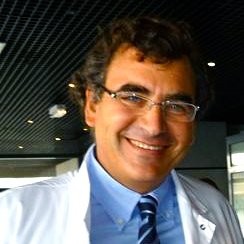 Didier Samuel合作论文数Centre Hepato-Biliaire, Hopital Paul Brousse;Université Paris-Saclay;Inserm20
 Felix Couture合作论文数20
 Isabelle Laverdiere合作论文数Ctr Rech Canc, Univ Laval18Philippe Ichai合作论文数18Cyrille Feray合作论文数16
 Fred Saad合作论文数Urology Department, University Hospital of Montreal;Department of Surgery, Université de Montréal16David Simonyan合作论文数15
 Etienne Audet-Walsh合作论文数Centre Hospitalier Universitaire de Québec (CHUQ) Research Center and, Laval University14Lyne Villeneuve合作论文数14Véronique Turcotte合作论文数13
 Philippe Compagnon合作论文数12
 Frederic Pouliot合作论文数Department of Surgery, Faculty of Medicine, Université Laval;Centre de Recherche, CHU de Québec-Université Laval Research Center, Université Laval12Judith Bellemare合作论文数11Salloum Chady合作论文数11
 Chetana Lim合作论文数11Jean Claude Merle合作论文数10
 Derek Jonker合作论文数The Ottawa Hospital;Division of Medical Oncology, University of Ottawa10Michèle Rouleau合作论文数10Hélène Hovington合作论文数10Adrien Labriet合作论文数9
 Erika Cecchin合作论文数9
 Melanie Rouleau合作论文数9Giuseppe Toffoli合作论文数9
 Francoise Botterel合作论文数8
 Mario Harvey合作论文数8Vincent Castonguay合作论文数8
 Armen G Aprikian合作论文数Gerald Bronfman Department of Oncology, Faculty of Medicine and Health Sciences, McGill University;Department of Surgery, Faculty of Medicine and Health Sciences, McGill University8Hoti Emir合作论文数8Lattouf Jean-Baptiste合作论文数Univ Montreal8Simone Chevalier合作论文数8Gilles Dhonneur合作论文数8
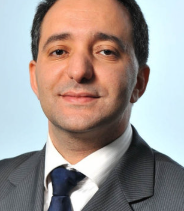 Samir Jaber合作论文数Hôpital Saint-Eloi, Centre Hospitalier Universitaire de Montpellier;Département d'anesthésie-réanimation Saint Eloi, Centre Hospitalier Universitaire de Montpellier;Université de Montpellier;French Institute of Health and Medical Research7
 Florent Artru合作论文数7D'Andrea Mario合作论文数7
 Eric Vibert合作论文数7
 Angela Buonadonna合作论文数7Michel Carmel合作论文数7
 Bernard Têtu合作论文数Laval University Cancer Research Center and Research Center of the Centre Hospitalier Universitaire (CHU) de Québec/Anatomic Pathology and Cytology Department, Hôpital du St-Sacrement, Centre Hospitalier Universitaire de Québec, Laval University7Denis Castaing合作论文数7
 Christophe Duvoux合作论文数6Simon Clariot合作论文数6Eric P Allain合作论文数6Brisson Hervé合作论文数6




