Importance As transcatheter aortic valve replacement (TAVR) is considered for younger and lower-risk populations, the durability of bioprosthetic valves is increasingly important. Limited data exist on long-term (7 years and beyond) valve durability. Objective To report 7-year valve durability outcomes for low-risk patients with symptomatic severe aortic stenosis treated with TAVR vs surgery. Design, Setting, and Participants Between March 2016 and October 2017, a total of 1000 patients were enrolled at 71 centers in the US and Canada and randomized to undergo TAVR vs surgery. The patient population for the present analysis consisted of all patients who underwent valve implantation (495 with TAVR and 453 with surgery). The last 7-year follow-up occurred in March 2025. Interventions Patients were randomized to balloon-expandable TAVR with the SAPIEN 3 valve or surgery with any commercially available valve. Main Outcomes and Measures The main outcomes of this analysis were stage 2 or 3 bioprosthetic valve dysfunction (BVD) related to structural valve deterioration (SVD), thrombosis, or endocarditis; all-cause bioprosthetic valve failure (BVF); BVF related to SVD; and aortic valve reintervention at 7 years. Analyses are presented as cumulative incidence rates with death as a competing risk. Results The mean (SD) age of the study population was 73.5 (6.0) years, and 657 participants (69.3%) were male. Of 671 patients who were still alive and enrolled in the study at 7-year follow-up, 537 (80.0%) were available for echocardiographic analysis. Cumulative incidence rates of stage 2 or 3 SVD-related BVD (7.3% vs 7.6%; hazard ratio [HR], 0.96; 95% CI, 0.59-1.57; P = .88), all-cause BVF (6.9% vs 7.5%; HR, 0.91; 95% CI, 0.55-1.49; P = .69), SVD-related BVF (3.9% vs 5.3%; HR, 0.72; 95% CI, 0.39-1.36; P = .31), and valve reintervention (6.0% vs 5.5%; HR, 1.09; 95% CI, 0.62-1.90; P = .77) were low and similar for TAVR and surgery, respectively. Stage 2 or 3 thrombosis-related BVD (subclinical and clinical) occurred more frequently with TAVR (5.2% vs 0.9%; HR, 5.52; 95% CI, 1.92-15.85; P < .001), although most events occurred within 3 years and few progressed to BVF. Rates of stage 2 or 3 endocarditis-related BVD were also low and similar (0.4% in the TAVR group vs 0.5% in the surgery group; HR, 0.85; 95% CI, 0.12-6.07; P = .87). The proportion of patients alive and free of all-cause BVF was 73.4% (331/451) with TAVR vs 74.8% (288/385) with surgery ( P = .69). Conclusions and Relevance In this ad hoc analysis of a randomized clinical trial among low-risk patients with symptomatic severe aortic stenosis randomized to TAVR or surgery, both TAVR and surgery demonstrated comparable and sustained valve durability, with low and similar rates of SVD, all-cause BVF, and reintervention through 7 years. These findings may inform discussions of valve replacement strategies. Trial Registration ClinicalTrials.gov Identifier: NCT02675114
BACKGROUND:A preservation system, the Organ Care System (OCS; TransMedics) uses normothermic pulsatile perfusion during organ transport for heart transplantation. This system has demonstrated favorable outcomes in hearts recovered from extended-criteria donors after brain death (DBD) and donors after circulatory death (DCD). METHODS:The OCS Heart Perfusion Registry collects data on US heart transplantations using the OCS, static cold storage (SCS), or thoracoabdominal normothermic regional perfusion (NRP) and donor hearts recovered from DBD or DCD donors. We analyzed donor and recipient characteristics and posttransplantation outcomes in patients transplanted with OCS donor hearts (either DBD or DCD) compared with SCS hearts, and with OCS hearts from DCD donors compared with those recovered with NRP followed by SCS. Propensity score matching was used in survival analyses to adjust for differences among recipient characteristics. RESULTS:Between 2021 and 2023, 3225 consecutive heart transplantations enrolled from 56 centers were analyzed in the Heart Perfusion Registry. The OCS was used in 854 of 3225 heart transplantations (26.4%), among which 340 (39.8%) were DBD and 514 (60.2%) were DCD donors, whereas 2174 DBD donors were recovered with SCS and another 197 DCD donors with NRP techniques. The OCS-DBD group experienced a greater number of organ offer refusals before final acceptance (13 versus 6; Wilcoxon rank sum, P<0.001) and a longer transport distance (667 miles versus 232 miles; Wilcoxon rank sum, P<0.001) compared with SCS-DBD. Survival at 12 months was similar between the 2 groups (89.9% for OCS-DBD versus 90.6% for SCS-DBD; marginal Cox model, P=0.54). Among the OCS-DCD and SCS-DBD groups, survival at 12 months was also similar (91.0% versus 92.5%, respectively; marginal Cox model, P=0.32). The OCS-DCD and NRP-DCD groups demonstrated similar survival (91.0% versus 91.7%, respectively; log rank, P=0.63), although the transport distance was longer in OCS-DCD compared with DCD with NRP followed by SCS (400 miles versus 223 miles; Wilcoxon rank sum, P<0.001). By 2023, 90% of all OCS donor management and recovery was performed with dedicated organ recovery teams. CONCLUSIONS:We demonstrate that real-world implementation of the OCS for DBD donors (using predominantly a dedicated recovery team) is associated with expanded donor criteria, longer transport distance, and excellent posttransplantation outcomes. In OCS-DCD donors, outcomes parallel those of donors recovered with NRP-DCD and compare favorably with DBD donor organs.
BACKGROUND Our remote patient monitoring program (RPM) for adult cardiac surgery patients aims to remove barriers to access, provide continuity of expert care, and increase their time-at-home. The RPM program integrates novel biosensors, an application for audiovisual visits, messaging, biometric data tracking, patient-reported outcomes, and scheduling with the aim of reducing postoperative length-of-stay (PLOS) and 30-day readmissions, while simultaneously increasing the rate of patients discharged to home. METHODS Our institutional database was utilized for this retrospective review of 1000 consecutive RPM patients who underwent coronary artery bypass, valve, and coronary artery bypass + valve, at three hospitals from July 2019 through April 2023. The study cohort was compared to 1000 propensity-matched controls from the same three hospitals (1:1, nearest neighbor matching where propensity scores were generated with RPM as the outcome measure). Patient characteristics, procedures, and outcomes are defined as per the Society of Thoracic Surgeons-Adult Cardiac Database RESULTS RPM patients experienced statistically significant shorter median PLOS [one day less, a 16.7% relative difference (p < 0.0001)] and a 33% relative reduction in 30-day readmission (7.0 ± 0.8 vs. 4.7 ± 0.7, p=0.027), while 5.6% more patients were discharged to home (97.8% vs. 92.2 and p < 0.0001) when compared to the non-RPM cohort. CONCLUSIONS Patient engagement and management with a RPM platform are feasible and associated with significantly shorter PLOS, fewer 30-day readmissions, and an increased rate of discharge to home.
Background: The Perfect Care (PC) initiative engages, educates, and enrolls adult cardiac surgery patients into a transformational program that includes an app for appointment scheduling, tracking biometric data and patient-reported outcomes, audiovisual visits, and messaging, paired with a digital health kit (consisting of a fitness tracker, scale, and sphygmomanometer). PC aims to reduce postoperative length of stay (LOS) as well as 30-day readmission and mortality. Methods: This was a retrospective review of patients who underwent coronary artery bypass (CAB), valve, or combined CAB and valve procedures at either of the 2 participating hospitals between April 2018 and March 2022. Patients who participated in the PC quality improvement initiative were compared to propensity-matched controls (1:1 matching). The evaluation focused on postoperative LOS and a novel composite measure comprising 30-day readmission and mortality. Results: Remote monitoring (PC) was associated with a shorter postoperative LOS, lower combined rate of 30-day readmission and mortality, and less variation compared to matched non-PC controls. Conclusions: Integrated improvements in postoperative remote monitoring of adult cardiac surgery patients may reduce time in the hospital and post-acute care facilities. Future prioritized efforts include the development of additional, personalized biometric monitoring devices, use of biometric data to augment risk assessment, and investigation of the value of remote monitoring on various patient risk profiles to address potential disparities in care.
Background The "Perfect Care" initiative engages, educates, and enrolls adult cardiac surgery patients into a comprehensive program that incorporates remote perioperative monitoring (RPM). This study investigated the impact of RPM on postoperative length of stay, 30-day readmission and mortality, and other outcomes. Methods This quality improvement project compared outcomes in 354 consecutive patients who underwent isolated coronary artery bypass and who were enrolled in RPM between July 2019 and March 2022 at 2 centers against outcomes in propensity-matched control patients from a pool of 1301 patients who underwent isolated coronary artery bypass from April 2018 to March 2022 without RPM. Data were extracted from The Society of Thoracic Surgeons Adult Cardiac Surgery Database, and outcomes were analyzed according to its definitions. RPM used perioperative standard practice routines, a digital health kit for remote monitoring, a smartphone application and platform, and nurse navigators. Propensity scores were generated with RPM as the outcome measure, and a 2:1 match was generated using a nearest-neighbor matching algorithm. Results Patients who underwent isolated coronary artery bypass and who were participating in RPM showed a statistically significant, 15.4% (1 day) reduction in postoperative length of stay (P < .0001) and a 44% reduction in 30-day readmission and mortality (P < .039) compared with matched control patients. Significantly more RPM participants were discharged directly home instead of to a facility (99.4% vs 92.0%; P < .0001). Conclusions The RPM platform and associated efforts to engage and monitor adult cardiac surgery patients remotely is feasible, is embraced by patients and clinicians, and transforms perioperative cardiac care by significantly improving outcomes and reducing variation.
Background:The Perfect Care (PC) initiative engages, educates, and enrolls adult cardiac surgery patients into a transformational program that includes an app for appointment scheduling, tracking biometric data and patient-reported outcomes, audiovisual visits, and messaging, paired with a digital health kit (consisting of a fitness tracker, scale, and sphygmomanometer). PC aims to reduce postoperative length of stay (LOS) as well as 30-day readmission and mortality. Methods:This was a retrospective review of patients who underwent coronary artery bypass (CAB), valve, or combined CAB and valve procedures at either of the 2 participating hospitals between April 2018 and March 2022. Patients who participated in the PC quality improvement initiative were compared to propensity-matched controls (1:1 matching). The evaluation focused on postoperative LOS and a novel composite measure comprising 30-day readmission and mortality. Results:Remote monitoring (PC) was associated with a shorter postoperative LOS, lower combined rate of 30-day readmission and mortality, and less variation compared to matched non-PC controls. Conclusions:Integrated improvements in postoperative remote monitoring of adult cardiac surgery patients may reduce time in the hospital and post-acute care facilities. Future prioritized efforts include the development of additional, personalized biometric monitoring devices, use of biometric data to augment risk assessment, and investigation of the value of remote monitoring on various patient risk profiles to address potential disparities in care.
Background: This study aims to describe the outcomes after heart transplantation using a bridge-to-bridge strategy with a sequence of extracorporeal membrane oxygenation (ECMO) support followed by temporary total artificial heart implantation (TAH-t).Methods: A retrospective, multicenter analysis of 54 patients who underwent TAH-t implantation following an ECMO for cardiogenic shock was performed (ECMO-TAH-t group). A control group of 163 patients who underwent TAH-t implantation as a direct bridge to transplantation (TAH-t group) was used to assess this strategy's impact on outcomes.Results: Fifty-four patients, averaging 47 +/- 13 year old, underwent implantation of a TAH-t after 5.3 +/- 3.4 days of ECMO perfusion for cardiogenic shock. In the ECMO-TAH-t group, 20 patients (20/54%; 37%) died after TAH-t implantation and 57 patients (57/163%; 35%) died in the TAH-t group (Gray test; P = .49). The top 3 causes of death of patients on TAH-t support were multisystem organ failure (40%), sepsis (20%), and neurologic events (20%). Overall, 32 patients (32/54%; 59%) underwent heart transplantation in the ECMO-TAH-t group compared with 106 patients (106/163%, 65%) in the TAH-t group (P = .44). No significant difference in survival was observed at 6 months, 1 year, and 3 years after heart transplant (ECMO-TAH-t group: 94%, 87%, and 80% vs 87%, 83%, and 76% in the TAH-t group, respectively). Deterioration of liver function (bilirubin, aspartate transaminase, and alanine aminotransferase levels on TAH-t) was associated with increased mortality before heart transplant in both groups.Conclusions: Sequential bridging from ECMO to TAH-t followed by heart transplantation is a viable option for a group of highly selected patients. (J Thorac Cardiovasc Surg 2023;165:1138-48)
To describe the impact of infectious adverse events (IAEs) during ventricular assist device (VAD) support on graft loss, infection, and rejection after pediatric heart transplant (HT). Pedimacs data were linked to Pediatric Heart Transplant Society (PHTS) data for patients receiving a VAD followed by HT between September 2012 and December 2016. Linked patients were categorized into IAE on VAD (group A) and no IAE on VAD (group B). Infectious adverse event locations included nondevice, device (external or internal), and sepsis. Post-HT outcomes for analysis were graft loss, infection, and rejection. Time-dependent analysis included Kaplan-Meier and multiphase parametric hazard function analysis. We linked 207 patients (age 9.4 ± 6.3 years). Post-HT follow-up was 19.4 patient-months (<8 days-4.1 years). Group A included 42 patients (20%) with 62 IAEs. Group B included 165 patients without an IAE. Group A patients were younger (7.4 ± 6.1 vs. 9.5 ± 6.3 years; p = 0.03), waited longer for HT (5.3 ± 4.1 vs. 2.9 ± 2.5 months; p = 0.0005), and were hospitalized longer post-HT (42 ± 59 vs. 23 ± 22 days; p = 0.05). VAD-related IAEs were rare (N = 11). Groups A and B had similar freedom from first post-HT infection, rejection, and graft loss (all p > 0.1). However, patients with VAD-related IAE were somewhat more likely to experience rejection (p = 0.03) and graft loss (p = 0.01). Children with an IAE on VAD who survive to HT are younger, wait longer for HT, and remain hospitalized longer than those without an IAE on VAD. Overall, IAE on VAD did not impact post-HT outcomes, but VAD-related IAE may be associated with graft loss and rejection.
Objectives: The authors review the history of two cardiac programs in Guatemala and Belize that were initiated by the late Dr. Francis Robicsek. Building upon his legacy, the aim of the rural cardiac screening program is to further extend the reach to those individuals disenfranchised from cardiac services. Methods: Complementary to the Nan Van Every Cardiology Diagnostic Network, screening stations are organized once a year at two cardiac echo stations in Guatemala and two clinics in Belize. Demographic information and medical history are collected; limited physical and diagnostic tests performed; and results are reviewed by a cardiologist and relayed to the participant. Participants with a suspected heart issue are referred to one of the cardiology and cardiac programs in Guatemala or Belize for in-depth evaluation. Education on cardiovascular diseases, signs, symptoms, and risk factors is provided, as well as healthy lifestyle habits. Results: Building upon successful cardiac programs in low resource settings lends the ability to expand the cardiovascular screening and awareness reach. Heart disease is brought to the forefront in communities where there is no previously known access and clinicians are educated to identify heart problems. Conclusion: The success of Unidad de Cirugía Cardiovascular de Guatemala (UNICAR) in Guatemala City, and the cardiology and cardiac surgical programs at Karl Heusner Memorial Hospital Authority in Belize, and the Nan Van Every Cardiology Diagnostic Network, are the cornerstones to scaling the expansion and encounter individuals who have little, if any, knowledge about cardiac diseases, signs, symptoms and prevention.
Purpose: The rapid increase of the use of extracorporeal membrane oxygenation (ECMO) as a direct bridge to heart transplantation (HT) raises concerns.The objective of this study is to describe the outcomes after HT using a bridge-to-bridge strategy with a sequence of ECMO support followed by temporary total artificial heart (t-TAH) implantation.Methods: A retrospective, multicentric analysis of 54 patients who underwent t-TAH (SynCardia) implantation following the use of an ECMO for cardiogenic shock was performed (ECMO-t-TAH group).A control group of 163 patients who underwent t-TAH implantation as a direct bridge to transplantation (t-TAH group) was used to assess the impact of this strategy.Results: Fifty-four patients, averaging 47 §13 years old underwent implantation of a t-TAH after 5.3 §3.4 days of ECMO perfusion for cardiogenic shock.In the ECMO-t-TAH group, 20 patients (20/54,37%) died after t-TAH implantation and 57 patients (57/163,35%) died in the t-TAH group (p=0.4968).Overall, 32 patients (32/54, 59%) underwent heart transplantation in the ECMO-t-TAH group, compared to 106 patients (106/163, 65%) in the t-TAH group (p=0.4449).No significant difference in survival was observed at 6 months, 1 and 3 years after heart transplant (ECMO-t-TAH group: 94%, 87%, and 80% vs. 87%, 83%, and 76% in the t-TAH group, respectively).Deterioration of liver function tests under t-TAH was associated with increased mortality before heart transplant in both groups. Conclusion:The present series suggests that sequential bridging from ECMO to t-TAH followed by heart transplantation is a viable alternative for a group of highly selected patients.
Importance:There are limited data on outcomes of transcatheter aortic valve replacement (TAVR) for bicuspid aortic stenosis in patients at low surgical risk.Objective:To compare the outcomes of TAVR with a balloon-expandable valve for bicuspid vs tricuspid aortic stenosis in patients who are at low surgical risk.Design, Setting, and Participants:Registry-based cohort study of patients undergoing TAVR at 684 US centers. Participants were enrolled in the Society of Thoracic Surgeons (STS)/American College of Cardiology Transcatheter Valve Therapies Registry from June 2015 to October 2020. Among 159 661 patients (7058 bicuspid, 152 603 tricuspid), 37 660 patients (3243 bicuspid and 34 417 tricuspid) who were at low surgical risk (defined as STS risk score <3%) were included in the analysis.Exposures:TAVR for bicuspid vs tricuspid aortic stenosis.Main Outcomes and Measures:Coprimary outcomes were 30-day and 1-year mortality and stroke. Secondary outcomes included procedural complications and valve hemodynamics.Results:Among 159 661 patients (7058 bicuspid; 152 603 tricuspid), 3168 propensity-matched pairs of patients with bicuspid and tricuspid aortic stenosis at low surgical risk were analyzed (mean age, 69 years; 69.8% men; mean [SD] STS-predicted risk of mortality, 1.7% [0.6%] for bicuspid and 1.7% [0.7%] for tricuspid). There was no significant difference between the bicuspid and tricuspid groups' rates of death at 30 days (0.9% vs 0.8%; hazard ratio [HR], 1.18 [95% CI, 0.68-2.03]; P = .55) and at 1 year (4.6% vs 6.6%; HR, 0.75 [95% CI, 0.55-1.02]; P = .06) or stroke at 30 days (1.4% vs 1.2%; HR, 1.14 [95% CI, 0.73-1.78]; P = .55) and at 1 year (2.0% vs 2.1%; HR 1.03 [95% CI, 0.69-1.53]; P = .89).There were no significant differences between the bicuspid and tricuspid groups in procedural complications, valve hemodynamics (aortic valve gradient: 13.2 mm Hg vs 13.5 mm Hg; absolute risk difference [RD], 0.3 mm Hg [95% CI, -0.9 to 0.3 mm Hg]), and moderate or severe paravalvular leak (3.4% vs 2.1%; absolute RD, 1.3% [95% CI, -0.6% to 3.2%]).Conclusions and Relevance:In this preliminary, registry-based study of propensity-matched patients at low surgical risk who had undergone TAVR for aortic stenosis, patients treated for bicuspid vs tricuspid aortic stenosis had no significant difference in mortality or stroke at 30 days or 1 year. Because of the potential for selection bias and absence of a control group treated surgically for bicuspid aortic stenosis, randomized trials are needed to adequately assess the efficacy and safety of transcatheter aortic valve replacement for bicuspid aortic stenosis in patients at low surgical risk.
BACKGROUND: We sought to assess the outcomes after heart transplantation (HT) of patients supported with a temporary total artificial heart (t-TAH) as a bridge to transplantation in high-volume centers. METHODS: A retrospective analysis of 217 consecutive patients who underwent t-TAH (SynCardia Systems, Tucson, Arizona) implantation between January 2014 and May 2019 in 6 high-volume North American centers was performed. End points included survival and adverse events after t-TAH and HT. RESULTS: The mean age of patients was 49 +/- 12 years, and heart failure etiologies were non-ischemic dilated cardiomyopathy (36%), ischemic (25%), restrictive (12%), and cardiac graft failure (9%). A total of 101 (48%) patients had Interagency Registry for Mechanically Assisted Circulatory Support patient profile 1, and 65 (31%) had Interagency Registry for Mechanically Assisted Circulatory Support patient profile 2. At the end of the study period, 138 of 217 (63.5%) patients had undergone HT, and 75 (34.5%) patients died before HT. The mean time between t-TAH implantation and HT averaged 181 +/- 179 days (range: 0- 849) and the mean follow-up after HT was 35 +/- 25 months. The overall survival in the entire cohort was 75%, 64%, and 58% at 1, 2, and 5 years, respectively. Post-transplant survival was 88%, 84%, 79%, and 74% at 6 months, 1 year, 2 years, and 5 years, respectively. Among the 32 patients (23%) who died after HT, the main causes of death were chronic allograft vasculopathy (25%), multiorgan failure (21.8%), sepsis (15.6%), and stroke (9%). CONCLUSION: In this multicenter study, almost two thirds of patients implanted with a t-TAH could be transplanted. The overall and post-transplantation survival after t-TAH was satisfactory in these critically ill patients. (C) 2020 International Society for Heart and Lung Transplantation. All rights reserved.
The objective of this report was to present our experience with transcatheter aortic valve replacement (TAVR) and endovascular aneurysm repair (EVAR) performed simultaneously in patients with severe aortic stenosis and abdominal aortic aneurysm meeting criteria for repair. This is a single-institution retrospective study. From 2015 to 2018, a total of five patients underwent simultaneous TAVR and EVAR at our institution. The primary outcome was mortality at 30 days. Secondary outcomes were length of stay, operative time, and acute kidney injury (increase in serum creatinine concentration of >0.5 mg/dL). All patients were white and most of them male (four of five patients). Age ranged from 80 to 87 years. Three of the four patients had grade 3 chronic kidney disease, and they all had hypertension. Access was percutaneous in three patients and open common femoral artery exposure in two patients. Operative time ranged between 98 and 177 minutes (mean, 124 minutes). Adjunctive endoanchor application was used in one patient with a short neck proximal to the abdominal aortic aneurysm. Average volume of contrast material used was 100 mL (range, 50-200 mL). Average length of stay was 5.2 days (range, 2-12 days). One patient developed a type II endoleak after EVAR that did not require reintervention. There were no instances of acute kidney injury. Four patients were discharged home and one was discharged to rehabilitation. Survival at 30 days was 100%. Simultaneous performance of TAVR and EVAR appears to be a safe procedure. Our small case series did not show any complications specifically related to performing both procedures at the same time. There was no 30-day mortality. Procedure time and hospital length of stay were comparable to those of either procedure done separately.
 Sotiris Stamou合作论文数13
 Kevin Lobdell合作论文数Cardiovascular Business;Perfect Care;Atrium Health13
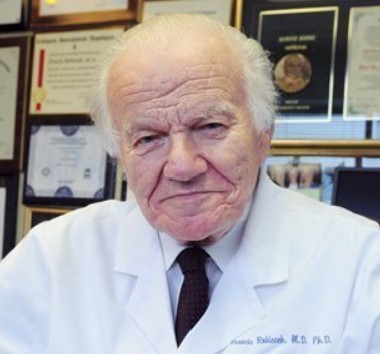 Francis Robicsek合作论文数Department of Surgery, School of Medicine, University of North Carolina at Chapel Hill;Sanger Heart & Vascular Institute11
 Marcy Nussbaum合作论文数10Robert M. Stiegel合作论文数9Mark K. Reames合作论文数9Rinaldi Michael J合作论文数7Larry T. Watts合作论文数4
 Geoffrey Rose合作论文数4
 Claudius Mahr合作论文数4
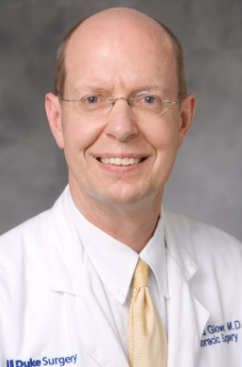 Donald D. Glower合作论文数Department of Surgery, School of Medicine, Duke University4Alfredo Trento合作论文数Cardiothoracic Surgery;Cedars-Sinai Medical Center;Cardiothoracic Surgery, Cedars-Sinai Medical Center4
 Joseph Cleveland合作论文数Department of Surgery-Cardiothoracic, School of Medicine, University of Colorado Denver4
 Ted E. Feldman合作论文数Cardiac Catheterization Laboratory, NorthShore University HealthSystem, Evanston Hospital;Northwestern University Medical School4Thomas Maxey合作论文数3John Frederick合作论文数3Shannon Crotwell合作论文数3David J Kaczorowski合作论文数3Suguru Ohira合作论文数3Haft Jonathan W合作论文数3Anyanwu Anelechi C合作论文数3Christopher T. Salerno合作论文数3Farr Maryjane合作论文数3
 Bradley LeNoir合作论文数3
 Pierre-Emmanuel Noly合作论文数3
 Robert H. Habib合作论文数Department of Anesthesiology, Medical College of Ohio3
 Mandeep R. Mehra合作论文数Heart and Vascular Center, Brigham and Women's Hospital;Carl J. and Ruth Shapiro Cardiovascular Center, Brigham and Women's Hospital;Department of Medicine, Harvard Medical School3Nasir Z Sulemanjee合作论文数3
 Jay Pal合作论文数3
 Liviu Klein合作论文数Department of Medicine, Advocate Illinois Masonic Medical Center3John R. Frederick合作论文数3
 Mani Daneshmand合作论文数Division of Cardiothoracic Surgery, Department of Surgery, Emory University School of Medicine3
 Rachel Geller MD合作论文数Carolinas Medical Center, Carolinas Heart and Vascular Institute3
 Lucian Lozonschi合作论文数3
 Jacob Niall Schroder合作论文数Department of Surgery, School of Medicine, Duke University3Gregory B. Russell合作论文数3Jerry D. Estep合作论文数2Bl Fowler合作论文数2Y. Shudo合作论文数2Sara L. Turner合作论文数2Sinan A. Simsir合作论文数2Markus Scherer合作论文数2
 Lucian Durham合作论文数2Saibal Kar合作论文数2Mariève Cossette合作论文数2
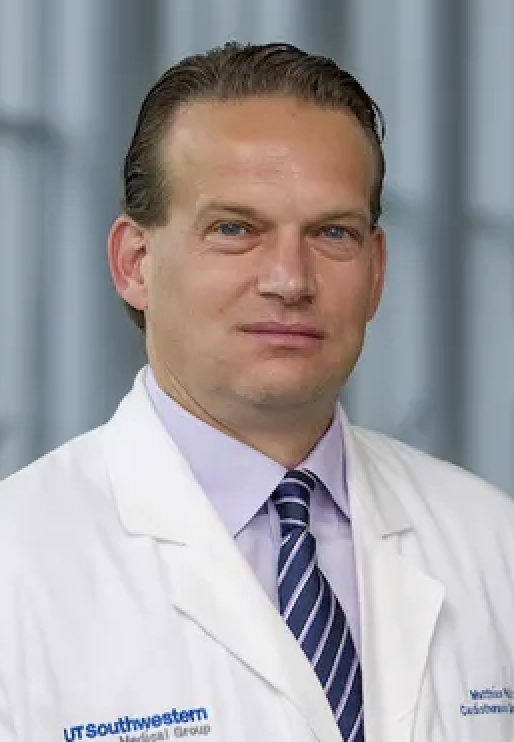 Matthias Peltz合作论文数Department of Cardiovascular & Thoracic Surgery, UT Southwestern Medical Center2Mauricio A Villavicencio合作论文数2Michel Carrier合作论文数2
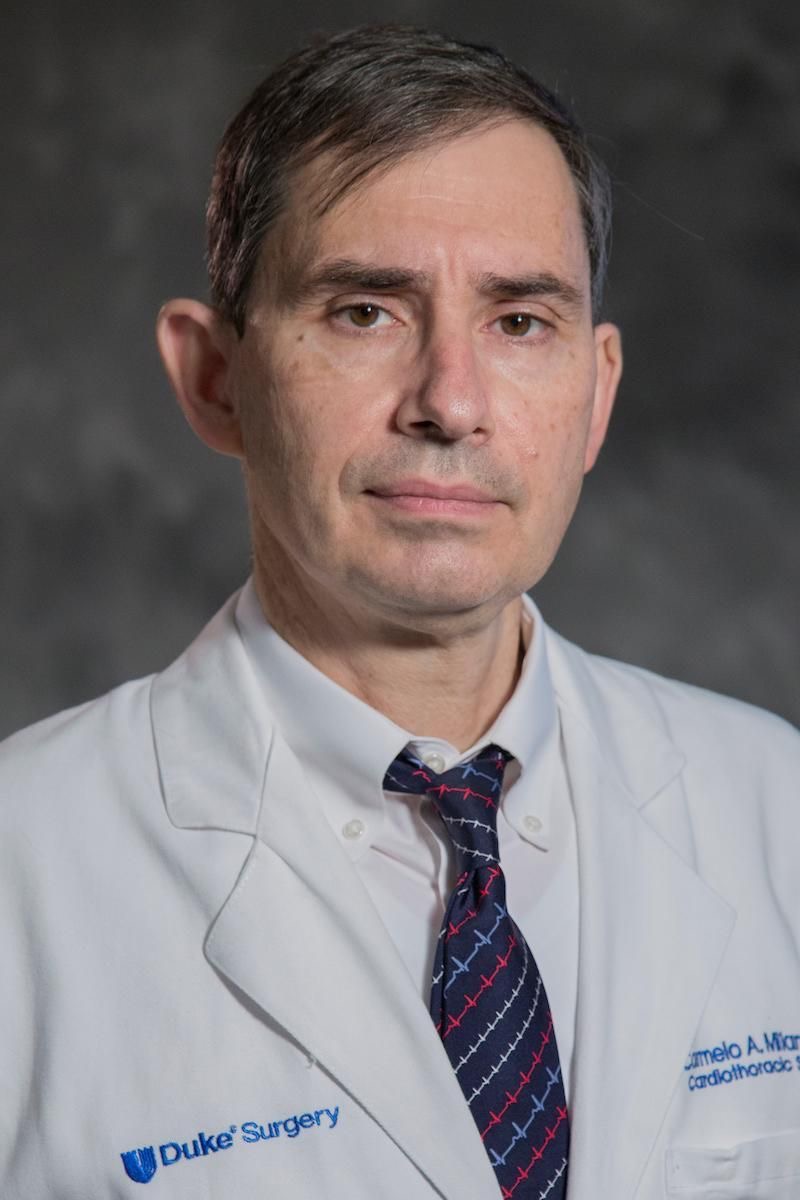 Carmelo Alessio Milano合作论文数Cardiothoracic Surgery Translational Research Laboratory, Duke University;Division of Cardiothoracic Surgery, School of Medicine, Duke University2




