Methane oxidation in terrestrial geothermal systems is an understudied process contributing to carbon cycling in extreme environments. We combined geochemical analyses, 16S rRNA gene amplicon sequencing, shotgun metagenome sequencing, and 14CH4 microcosm assays across 61 Yellowstone hot springs spanning pH 1.9–9.0 and temperatures of 28.6–92.2 °C to survey hydrothermal systems for methanotrophy. Bacterial aerobic methanotroph phylotypes were detected at multiple sites, including Verrucomicrobia (order S-BQ2-57) and Alphaproteobacteria, with the family Methylocystaceae having the highest relative abundance among bacterial methanotroph phylotypes. No known archaeal anaerobic methanotrophs were observed. Biological methane oxidation was widespread, occurring at 14 of 17 experimental sites under both ambient and air-amended conditions. Rates were highest at CH4-rich, NH3-poor sites dominated by bacterial methanotrophs, consistent with energy supply predictions integrating CH4/O2 and CH4/NH3 concentration ratios. Conversely, NH3-rich, energy-rich sites exhibited lower methane oxidation rates (MOR) and were dominated by archaeal ammonia oxidizers, primarily Candidatus Nitrosocaldus, suggesting chemical competitive inhibition of NH3 on methanotrophy. Remarkably, significant methane oxidation occurred at eight sites where no known methanotrophs were detected, including a site at 89.9 °C—well above the previously reported upper growth temperature limit for methanotrophs from continental geothermal and hydrothermal systems—pointing to uncharacterized thermophilic lineages. These results suggest that biological methane oxidation in Yellowstone hot springs is influenced by the interplay of substrate availability and energy supply. By linking energy supply calculations with microbial distributions, we identify both known methanotrophs (Verrucomicrobia, Alphaproteobacteria) and archaeal ammonia oxidizers as potential active contributors, while highlighting the potential for novel thermophilic lineages, thereby expanding the ecological and thermal boundaries of methane oxidation in extreme terrestrial ecosystems.
Microorganisms have historically been classified as obligate aerobes or anaerobes, facultative anaerobes, or microaerophiles, reflecting differences in respiratory strategies dictated by the use of oxygen and alternative electron acceptors. Recent discoveries provide evidence that a deviant strategy, the concurrent reduction of oxygen and other electron acceptors, is more widespread than previously thought. Such co-respiring bacteria employ hybrid metabolic strategies that extend models of electron acceptor use. In this review, we investigate mechanisms of co-respiration, summarize the biochemical components enabling parallel electron flow, and discuss the regulation of aerobic and anaerobic pathways under changing redox conditions. We also examine the evolutionary context of these strategies during the rise of oxygen on early Earth and outline experimental approaches needed to resolve co-respiration in individual cells.
Thermophilic archaea synthesise cellular membranes composed primarily of isoprenoid glycerol dibiphytanyl glycerol tetraethers (iGDGTs). Cells can adjust the packing of their lipids by increasing cyclopentyl ring production, thereby decreasing membrane permeability and fluidity to maintain cellular function at high temperature, acidic pH, or nutrient limitation. Archaea of the class Nitrososphaeria synthesise crenarchaeol, an iGDGT with four cyclopentyl rings and a cyclohexyl ring, the function of which is unknown. Structural modelling suggests the cyclohexyl ring may increase membrane fluidity, potentially optimising membranes for mesophilic conditions. To investigate the role of crenarchaeol in archaeal membranes in natural settings, we quantify iGDGT compositions of forty-one thermal springs in Yellowstone National Park (YNP), USA, and contextualise these within a global compilation of thermal spring iGDGTs spanning pH values of 1.1-10.1 and temperatures of 16°C-95°C. Spring pH is the strongest predictor of both crenarchaeol relative abundance and the number of cyclopentyl rings per iGDGT. Crenarchaeol relative abundance exhibits a nonlinear relationship with pH and temperature, with highest relative abundances at pH 7.4 and 46°C, decreasing above and below these values. These observations indicate that the cyclohexyl ring of crenarchaeol optimises archaeal cellular membranes for circumneutral and moderate temperature environmental conditions.
Many thermophiles that are abundant in high-temperature geothermal systems have never been cultivated and are poorly understood, including deeply branching members of the archaeal phylum Thermoproteota. Here, we describe the genome-guided cultivation of one such organism, Calditenuis ramacidaminiphagus, and show that it has evolved a heterotrophic metabolism focused on branched-chain amino acids (BCAAs). Initially, fluorescence in situ hybridization and nanoscale secondary ion mass spectrometry (FISH-nanoSIMS) showed that Cal. ramacidaminiphagus assimilated amino acids rapidly in casamino acid-amended enrichment cultures. Metagenome and metaproteome analyses showed a high abundance and expression of BCAA transporter genes, suggesting a BCAA-focused metabolism. This inference was supported by the subsequent enrichment of Cal. ramacidaminiphagus in BCAA-fed cultures, reaching 2.66×10⁶ cells/mL and 48.7% of the community, whereas it was outcompeted when polar amino acids were included. Metabolic reconstruction and metaproteomics suggest that BCAAs are channeled into the mevalonate pathway for lipid biosynthesis and fuel ATP production through the TCA cycle coupled with aerobic respiration and through production of branched-chain organic acids by overflow metabolism. Ancestral state reconstructions and phylogenetic analyses of 62 Caldarchaeales genomes revealed multiple horizontal transfers of BCAA transporters to the ancestor of the genus Calditenuis. Our study highlights the crucial role of BCAAs in the early evolution and niche of this genus, and suggests a high degree of resource partitioning even within low-diversity thermophilic communities.
Acquisition and cycling of carbon and nitrogen among members of hot spring communities are not well understood. Metagenomic analyses of 105 communities inhabiting high temperature hot springs across Yellowstone and Iceland showed a co-distribution pattern of putatively autotrophic and/or diazotrophic (nitrogen-fixing) Aquificales and Thermus populations. Targeted enrichment of autotrophic and diazotrophic populations in an Icelandic hot spring produced a co-culture of Pampinifervens (Aquificales) that encoded carbon dioxide and nitrogen fixation pathways and Thermus (Thermales). Growth experiments revealed Pampinifervens could support the fixed carbon and nitrogen demands of Thermus , enabling growth. Interestingly, growth of Thermus was enhanced in co-cultures when Pampinifervens was forced to fix both carbon and nitrogen versus just carbon (ammonia-amended cultures). Further experimentation with Thermus , when grown in isolation, showed it preferred amino acids over ammonia as a nitrogen source. These findings demonstrate the importance of metabolic interactions among populations that can dictate the co-distribution of taxa in hot springs, drive community assembly, and maintain biodiversity. Further, these results highlight the fundamental role of Aquificales in the functioning of hot spring ecosystems, particularly those limited in organic carbon and fixed nitrogen like those in Iceland and to a lesser extent Yellowstone.
Methane (CH $${}_{4}$$) is common in fluids sourced from low-temperature hydrating (serpentinizing) peridotites, but the carbon sources, rates, and mechanisms of CH $${}_{4}$$ formation are uncertain. In CH $${}_{4}$$ dissolved in groundwaters pumped from four wells of up to 400 m depth in the Samail Ophiolite, Oman, we observed $${}^{14}$$ C contents ranging from radiocarbon-dead to $$0.3038\pm 0.0015$$ fraction modern. Chemical and isotopic analyses of groundwaters and hydrocarbon gases align with microbiological data indicating that methanogens inhabiting H $${}_{2}$$-rich $$(>100 \mu \text{mol }{\text{L}}^{-1}$$), $${\text{pH}}>11$$ fluids produce the $${}^{14}$$ C-rich CH $${}_{4}$$. This “young” microbial CH $${}_{4}$$ constitutes a portion of the light hydrocarbons dissolved in the subsurface fluids, which also contain a distinct pool of relatively 13C- and 2H-enriched CH $${}_{4}$$ and C2+ alkanes that are likely abiotic and older. Our study of groundwaters accessed via wells complements prior studies, which have mostly found 14C-free, gas-phase CH4 from natural seeps in ophiolites and interpreted an abiotic source from unsaturated rocks. Most importantly, our radiocarbon data show that transport and localized conversion of atmospheric CO $${}_{2}$$ to CH $${}_{4}$$ in peridotites reacting with water at temperatures < 60 ˚C occurs at surprisingly fast rates, within the last $$10\hspace{0.17em}000$$ years.
Pyrite, the most abundant iron sulfide mineral in the Earth's crust, has traditionally been considered as a sink for iron and sulfur in the absence of oxygen. Recent research, however, has shown that anaerobic methanogenic archaea can reductively dissolve pyrite and assimilate its products as sources of iron and sulfur. This study explores whether other anaerobic bacteria, including fermentative, nitrate-, iron oxide-, fumarate-, and sulfate-respiring bacteria, can also reduce pyrite and use its dissolution products as sources of iron and sulfur. Results indicate that heterotrophic bacteria respiring fumarate or sulfate, or fermenting organic carbon, can reduce pyrite and assimilate released iron and sulfur. In contrast, nitrate- or iron oxide-respiring cells did not reduce pyrite, suggesting that microbial pyrite reduction is metabolism-specific. All strains capable of reducing pyrite could also use mackinawite as an iron and sulfur source. With the exception of fermentative Bacteroides, strains did not require direct contact with pyrite to reduce the mineral, indicating extracellular electron transfer via electron shuttles. These findings expand the known diversity of microbial groups capable of pyrite reduction and highlight the mineral's lability in various anaerobic environments, with potential implications for the biogeochemical cycles of iron, sulfur, carbon, and oxygen.
Populations of the acidophilic purple nonsulfur bacterium Rhodopila globiformis were identified in two geographically distinct thermal areas in Yellowstone National Park (Wyoming, USA), as confirmed by 16S rRNA gene sequencing and detection of characteristic methoxylated ketocarotenoids. Microcosm-based carbon uptake assays where oxygenic photosynthesis was excluded via addition of 3-(3,4-dichlorophenyl)-1,1-dimethylurea yielded a light-driven dissolved inorganic carbon (DIC) assimilation rate (7 ± 2 mg C g C-1 h-1) comparable to those of highly productive algal mats in acidic hot springs, suggesting that R. globiformis may be performing photoautotrophy at the time of the assay. Rates of acetate assimilation were more than two orders of magnitude lower than DIC assimilation and did not differ between light and dark treatments, indicating photoheterotrophic use of acetate was not occurring, though photoheterotrophic assimilation of other organic compounds cannot be excluded. The tepid (35°C) spring waters are acidic (pH = 3.7) with moderate dissolved hydrogen sulfide (0.2 mM) and abundant DIC (11 mM), an apparently rare set of conditions thought to arise from extremely shallow mixing of oxygenated meteoric water and volcanic gases. Though originally isolated and cultured photoheterotrophically, in nature, R. globiformis may grow photoautotrophically under the normal conditions of its habitat, utilizing a stable supply of DIC afforded by the injection of CO2-rich volcanic gases. To our knowledge, these are the most acidic conditions under which light-driven DIC assimilation has been observed in the domain Bacteria.IMPORTANCEPurple nonsulfur bacteria are ecologically diverse and metabolically versatile anoxygenic phototrophs; however, only a few acid-tolerant species are known. We identified populations of the purple nonsulfur bacterium Rhodopila globiformis in warm, acidic springs with moderate (~0.2 mM) concentrations of dissolved hydrogen sulfide in two thermal areas of Yellowstone National Park (Wyoming, USA). Comprehensive geochemical analyses of the spring waters illustrate that they are formed by mixing of groundwater and CO2-rich volcanic gases extremely close to the surface, relatively rare conditions that lead to characterization of R. globiformis as an endangered species. A high rate of light-driven assimilation of dissolved CO2 that rivals rates for acidophilic algae was observed, indicating that R. globiformis is responsible for a significant amount of primary production and suggesting it may primarily grow photoautotrophically in nature. These observations constitute the first insights into the physiological ecology of the most acidophilic anaerobic anoxygenic phototroph presently known.
Serpentinization, the collective set of geochemical reactions initiated by the hydration of ultramafic rock, has occurred throughout Earth history and is inferred to occur on several planets and moons in our solar system. These reactions generate highly reducing conditions that can drive organic synthesis reactions potentially conducive to the emergence of life, while concomitantly generating fluids that challenge life owing to hyperalkalinity and limited inorganic carbon (and oxidant) availability. Consequently, the serpentinite-hosted biosphere offers insights into the earliest life, the habitable limits for life, and the potential for life on other planets. However, the support of abundant microbial communities by serpentinites was only recognized ~20 years ago with the discovery of deep-sea hydrothermal vents emanating serpentinized fluids. Here, we review the microbial ecology of both marine and continental serpentinization-influenced ecosystems in conjunction with a comparison of publicly available metagenomic sequence data from these communities to provide a global perspective of serpentinite microbial ecology. Synthesis of observations across global systems reveal consistent themes in the diversity, ecology, and functioning of communities. Nevertheless, individual systems exhibit nuances due to local geology, hydrology, and input of oxidized, near-surface/seawater fluids. Further, several new (and old) questions remain including the provenance of carbon to support biomass synthesis, the physical and chemical limits of life in serpentinites, the mode and tempo of in situ evolution, and the extent that modern serpentinites serve as analogs for those on early Earth. These topics are explored from a microbial perspective to outline key knowledge-gaps for future research.
Aerobic and anaerobic organisms and their functions are spatially or temporally decoupled at scales ranging from individual cells to ecosystems and from minutes to hours. This is due to competition for energy substrates and/or biochemical incompatibility with oxygen (O2). Here we report a chemolithotrophic Aquificales bacterium, Hydrogenobacter, isolated from a circumneutral hot spring in Yellowstone National Park (YNP) capable of simultaneous aerobic and anaerobic respiration when provided with hydrogen (H2), elemental sulfur (S0), and O2. Cultivation experiments demonstrated that simultaneous aerobic and anaerobic respiration enhanced growth rates and final cell concentrations when compared to those grown aerobically or anaerobically. Consumption of O2 measured via gas chromatography and detection of transcripts for proteins involved in S0 and O2 reduction in H2/S0/O2-grown cultures confirmed co-occurring aerobic and anaerobic metabolism. This aerobic, S0-reducing metabolism is suggested to provide a competitive advantage in environments where O2 availability is low and variable. Genomic data indicating the prevalence of proteins allowing for this hybrid form of energy metabolism among bacteria and archaea suggest it to be widespread but previously overlooked due to rapid, O2-dependent abiotic oxidation of produced sulfide. These observations challenge existing paradigms of strict delineations between aerobic and anaerobic metabolism. Anaerobic and aerobic metabolisms are considered to be spatially or temporally segregated. Here, the authors provide evidence for co-occurring aerobic and anaerobic respiration in a chemolithotrophic bacterium isolated from a hot spring in Yellowstone, challenging the existing paradigm.
Seismic energy, like that released by earthquakes, can fracture rock and thereby alter subsurface fluid flow paths, release substrates from inclusions, and expose fresh mineral surfaces capable of reacting with water. However, it is unclear how such seismic-induced changes influence microbial communities. Volcanically active areas experience frequent seismic activity and thus represent ideal locations to examine the influence of seismic-induced geochemical change on subsurface microbial communities. Here, we demonstrate that energy released in an earthquake swarm in 2021 correlated with extensive temporal change in the geochemical and microbial composition of aquifer fluids sampled from ∼100 m depth in a borehole in Yellowstone National Park. Increased energy absorbed at the borehole over time was correlated with increased concentrations of hydrogen, dissolved organic carbon, and sulfide and was associated with depletion of δ13C in dissolved organic carbon, increased concentrations of cells, and increased abundances of chemolithotrophic, putative hydrogen-oxidizing Dethiobacteraceae and Desulfotomaculum bacteria. Dissipation of the earthquake swarm was associated with decreased concentrations of hydrogen, sulfide, and cells. These results suggest the subsurface biosphere dynamically responds to seismic-induced geochemical change at the level of activity and growth. Laboratory mechanical comminution of rhyolite, the primary bedrock in Yellowstone, released organic carbon and hydrogen and generated hydrogen when exposed to water. This indicates the presence of a large subsurface reservoir of organic carbon and hydrogen that can be released or generated by seismic induced bedrock fracturing. Taken together, these data indicate seismic-induced generation of chemical disequilibria can support the persistence of complex subsurface microbiomes.
Anoxic, sulfidic conditions have been prevalent since the early Proterozoic and favor aqueous iron-sulfur (FeSaq) clusters as a major fraction of the soluble, reduced iron and sulfur pool. FeSaq cluster formation and nucleation is driven by the high affinity between ferrous iron (Fe(II)) and sulfide (HS−), ultimately yielding particles that precipitate as iron sulfide minerals. FeSaq clusters were recently shown to be bioavailable sources of iron and sulfur for a variety of anaerobes, yet little is known of the factors that influence the kinetics of their formation and nucleation. Here we apply computational and spectroscopic approaches to investigate the dynamics of FeSaq nucleation, cluster growth, precipitation, and redissolution as a function of Fe(II)/HS− concentration, temperature, and pH. Experiments were conducted under excess HS− to mimic euxinic conditions common to contemporary anaerobic aquatic ecosystems and those of the Proterozoic. Density functional theory calculations reveal the key role of water oxygen-iron interactions in stabilizing small FeSaq clusters and promoting solubility. Dynamic light scattering revealed a concentration-dependent increase in the kinetics of FeSaq nucleation and cluster aggregation. Increasing temperature promoted FeSaq cluster nucleation and aggregation while also enhancing dissolution. Alkaline pH also promoted FeSaq nucleation and cluster aggregation. At 25 °C, pH 7.0, and at reactant concentrations of 30 µM, FeSaq clusters < 10 nm in diameter remained in solution for > 2 h. These results underscore the importance of temperature, pH, and reactant concentration in the kinetics of FeSaq nucleation and cluster growth that, in turn, influence their bioavailability in anaerobic ecosystems.
The Samail Ophiolite in Oman, the largest exposed body of ultramafic rocks at the Earth’s surface, produces a continuous flux of hydrogen through low-temperature water/rock reactions. In turn, the scale of the subsurface microbial biosphere is sufficient to consume much of this hydrogen, except where H 2 is delivered to surface seeps via faults. By integrating data from recent investigations into the alteration history of the peridotites, groundwater dynamics, and the serpentinite-hosted microbial communities, we identify feasible subsurface conditions for a pilot demonstration of stimulated geological hydrogen production. A simple technoeconomic analysis shows that the stimulation methods to be used must increase the rate of net hydrogen production at least 10,000-fold compared to the estimated natural rate to economically produce hydrogen from engineered water/rock reactions in the peridotite formations. It may be possible to meet this challenge within the upper 1–2 km, given the projected availability of reactive Fe(II)-bearing phases and the lower drilling costs associated with shallower operations. Achieving ≥10,000-fold increases in the H 2 production rate will require a combination of stimuli. It will likely be necessary to increase the density of fracturing in the reaction volume by at least two orders of magnitude. Then, the H 2 -production rates must also be increased by another two orders of magnitude by increasing the water/rock ratio and modifying the chemistry of the injected fluids to optimize formation of Fe(III)-bearing secondary phases. These fluid modifications must be designed to simultaneously minimize microbial consumption of H 2 within the stimulation volume. In contrast, preserving the high potentials for biological H 2 consumption in the shallow groundwaters replete with oxidants such as nitrate, sulfate and dissolved inorganic carbon will reduce the potential for any inadvertent leaks of hydrogen to the atmosphere, where it acts as an indirect greenhouse gas.
Elemental sulfur (S8 0)-oxidising Sulfolobales (Archaea) dominate high-temperature acidic hot springs (>80°C, pH <4). However, genomic analyses of S8 0-oxidising members of the Sulfolobales reveal a patchy distribution of genes encoding sulfur oxygenase reductase (SOR), an S8 0 disproportionating enzyme attributed to S8 0 oxidation. Here, we report the S8 0-dependent growth of two Sulfolobales strains previously isolated from acidic hot springs in Yellowstone National Park, one of which associated with bulk S8 0 during growth and one that did not. The genomes of each strain encoded different sulfur metabolism enzymes, with only one encoding SOR. Dialysis membrane experiments showed that direct contact is not required for S8 0 oxidation in the SOR-encoding strain. This is attributed to the generation of hydrogen sulfide (H2S) from S8 0 disproportionation that can diffuse out of the cell to solubilise bulk S8 0 to form soluble polysulfides (Sx 2-) and/or S8 0 nanoparticles that readily diffuse across dialysis membranes. The Sulfolobales strain lacking SOR required direct contact to oxidise S8 0, which could be overcome by the addition of H2S. High concentrations of S8 0 inhibited the growth of both strains. These results implicate alternative strategies to acquire and metabolise sulfur in Sulfolobales and have implications for their distribution and ecology in their hot spring habitats.
The degree of cyclization, or ring index (RI), in archaeal glycerol dibiphytanyl glycerol tetraether (GDGT) lipids was long thought to reflect homeoviscous adaptation to temperature. However, more recent experiments show that other factors (e.g., pH, growth phase, and energy flux) can also affect membrane composition. The main objective of this study was to investigate the effect of carbon and energy metabolism on membrane cyclization. To do so, we cultivated Acidianus sp. DS80, a metabolically flexible and thermoacidophilic archaeon, on different electron donor, acceptor, and carbon source combinations (S-0/Fe3+/CO2, H-2/Fe3+/CO2, H-2/S-0/CO2, or H-2/S-0/glucose). We show that differences in energy and carbon metabolism can result in over a full unit of change in RI in the thermoacidophile Acidianus sp. DS80. The patterns in RI correlated with the normalized electron transfer rate between the electron donor and acceptor and did not always align with thermodynamic predictions of energy yield. In light of this, we discuss other factors that may affect the kinetics of cellular energy metabolism: electron transfer chain (ETC) efficiency, location of ETC reaction components (cytoplasmic vs. extracellular), and the physical state of electron donors and acceptors (gas vs. solid). Furthermore, the assimilation of a more reduced form of carbon during heterotrophy appears to decrease the demand for reducing equivalents during lipid biosynthesis, resulting in lower RI. Together, these results point to the fundamental role of the cellular energy state in dictating GDGT cyclization, with those cells experiencing greater energy limitation synthesizing more cyclized GDGTs. IMPORTANCE Some archaea make unique membrane-spanning lipids with different numbers of five- or six-membered rings in the core structure, which modulate membrane fluidity and permeability. Changes in membrane core lipid composition reflect the fundamental adaptation strategies of archaea in response to stress, but multiple environmental and physiological factors may affect the needs for membrane fluidity and permeability. In this study, we tested how Acidianus sp. DS80 changed its core lipid composition when grown with different electron donor/acceptor pairs. We show that changes in energy and carbon metabolisms significantly affected the relative abundance of rings in the core lipids of DS80. These observations highlight the need to better constrain metabolic parameters, in addition to environmental factors, which may influence changes in membrane physiology in Archaea. Such consideration would be particularly important for studying archaeal lipids from habitats that experience frequent environmental fluctuations and/or where metabolically diverse archaea thrive.
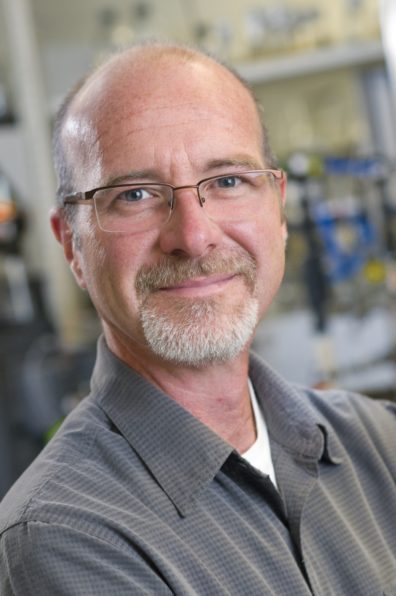 John W. Peters合作论文数Department of Chemistry and Biochemistry, Dodge Family College of Arts and Sciences, University of Oklahoma63
 Colman Daniel R合作论文数Department of Biology, University of New Mexico60
 Hamilton Trinity L合作论文数Dept Chem & Biochem, Montana State Univ35
 Alexis S. Templeton合作论文数Department of Geological Sciences, University of Colorado at Boulder24
 Melody R Lindsay合作论文数Montana State Univ, Dept Microbiol & Immunol, Bozeman, MT 59717 USA21
 Everett Shock合作论文数School of Molecular Sciences, Arizona State University;Biodesign Center for Fundamental & Applied Microbiomics, Arizona State University;School of Earth and Space Exploration, Arizona State University;Center for Fundamental and Applied Microbiomics, Biodesign Institute, Arizona State University21
 John R Spear合作论文数Department of Molecular;Cellular and Developmental Biology;, University of Colorado;Department of Molecular|Cellular and Developmental Biology, University of Colorado21
 Amenábar Maximiliano J合作论文数Fundación Científica y Cultural Biociencia20
 Poudel Saroj合作论文数Department of Computer Science, Montana State University;Department of Plant Sciences and Plant Pathology, Montana State University;Montana State University, Montana State University20
 Joan Broderick合作论文数Department of Chemistry and Biochemistry, College of Letters & Science, Montana State University15
 Mark Skidmore合作论文数School of Geographical Sciences, University of Bristol14
 Eric M. Shepard合作论文数14
 Eric E. Roden (Eric Roden)合作论文数Department of Geoscience, University of Wisconsin-Madison13
 Daniel Nothaft合作论文数Dept Geol Sci, Univ Colorado12
 Elizabeth Fones合作论文数Dept Microbiol, Univ Washington12
 Gill Geesey合作论文数Department of Microbiology and Immunology, Montana State University12Devon Payne合作论文数11
 Rachel L Spietz合作论文数Center for Biofilm Engineering, and Thermal Biology Institute, Montana State University11
 Kristopher Fecteau合作论文数11
 Bonnie K. Baxter合作论文数Department of Biomolecular Chemistry, University of Wisconsin11
 Lisa Keller合作论文数10
 Jeff Havig合作论文数School of Earth & Space Exploration, Arizona State University10
 Gerrit Jan Schut合作论文数10
 Michael Adams合作论文数Department of Biochemistry and Molecular Biology, Franklin College of Arts and Sciences, University of Georgia10Hoehler Tori M合作论文数9
 Juerg Matter合作论文数Institute for Life Sciences, University of Southampton;Southampton Marine and Maritime Institute, University of Southampton9
 Brian Bothner合作论文数Department of Biochemistry, University of Tennessee Health Sciences Center9
 Maria C. Fernandes-Martins合作论文数8
 Kaitlin R. Rempfert合作论文数Department of Geological Sciences, University of Colorado Boulder8
 McGlynn Shawn E合作论文数Tokyo Inst Technol, Earth Life Sci Inst8
 Matthew C. Posewitz合作论文数Department of Chemistry, Colorado School of Mines8
 Donald A. Bryant合作论文数Department of Biochemistry and Molecular Biology, Eberly College of Science, The Pennsylvania State University8
 Eric Dunham合作论文数NIAID, Lab Virol, Div Intramural Res, NIH, Hamilton, MT 59840 USA7
 Tamar Barkay合作论文数Cook College, Rutgers University7
 Kenneth W Sims合作论文数Department of Geology and Geophysics, Woods Hole Oceanographic Institution7
 Matthew Stott合作论文数6Eric T. Ellison合作论文数Dept Geol Sci, Univ Colorado Boulder6
 Emily A Kraus合作论文数Dept Environm Engn, Univ Colorado6
 Alysia Cox合作论文数Department of Biomedical Engineering, University of Southern California6
 Wil Leavitt合作论文数Department of Geology & Geophysics, University of Utah;Arts & Sciences Faculty, Dartmouth College6
 Andrew C. Mitchell合作论文数Center for Biofilm Engineering, Montana State University6Rachel K Lange合作论文数5Mason Munro-Ehrlich合作论文数5
 Mark Young合作论文数Earth and Planetary Science, School of GeoSciences, The University of Edinburgh5
 Wenjun Li (李文均)合作论文数School of Life Sciences, Sun Yat-sen University5
 DiSpirito Alan A合作论文数Iowa State University5
 Ann Pearson合作论文数Department of Earth and Planetary Sciences, Faculty of Arts and Sciences, Harvard University;Lab for Molecular Biogeochemistry and Organic Geochemistry, Faculty of Arts and Sciences, Harvard University5
 Ariel Anbar合作论文数Department of Chemistry & Biochemistry, Arizona State University;School of Earth and Space Exploration, Arizona State University5
 Oleg A Zadvornyy合作论文数Department of Chemistry and Biochemistry, Montana State University5




