Background:Kidney stone disease (KSD) has been linked to increased risk of adverse cardiovascular (CV) and bone events, raising the hypothesis of a shared pathogenic pathway. However, it is unclear whether these events commonly occur in the same stone-forming individual. We examined the occurrence of CV and bone events in individuals with a history of KSD and analyzed their characteristics. Methods:We analyzed three large prospective cohorts, the Health Professionals Follow-up Study (HPFS, men) and the Nurses' Health Study (NHS, women) I and II. Individuals with a self-reported diagnosis of KSD during follow-up and no previous CV or bone events at the time of KSD diagnosis were included in the study and followed until the development of a CV event (fatal or non-fatal myocardial infarction, coronary revascularization) and a bone event (fracture, osteoporosis); individuals who developed cancer or died were censored. Characteristics of stone formers experiencing only one event (CV or bone), both events, or none were compared using multinomial logistic regression models. Results:Our study included data from 14 709 individuals with KSD. In HPFS, 28.7% of the participants experienced at least one event: 17.4% a CV event, 8.5% a bone event and 2.8% both. In NHS I, 46.0% of the participants experienced at least one event: 7.3% a CV event, 32.8% a bone event and 5.9% both. In NHS II, 27.1% of the participants experienced at least one event: 2.0% a CV event, 23.9% a bone event and 1.1% both. Across cohorts, age, BMI, thiazide use, calcium and vitamin D supplementation, and prevalence of hypertension and diabetes did not identify specific high-risk subgroups. Conclusion:CV and bone events are common in KSD; however, their co-occurrence in the same stone-forming individual is relatively rare. CV disease and bone disease are unlikely to share major risk factors in individuals with KSD.
Case-control studies focused on the urinary tract microbiome, or urobiome, have consistently reported significant associations with disease. However, clinical urobiome studies have typically been small, averaging ~50 patients per study. While these sample sizes are sufficient to detect large effect sizes, they have not been able to differentiate disease phenotypes within a larger disease complex (e.g., different types of kidney stones), which have unique etiological origins. Biobanked urine specimens can help fill this void. However, since these specimens were not collected specifically for urobiome studies, they must be validated before drawing any strong conclusions. The objective of this study was to evaluate microbiome data derived from metagenomic analysis of biobanked urine specimens against the following criteria: (i) level of contaminants; (ii) retention of high-quality DNA; (iii) overgrowth of a few dominant bacteria; and (iv) preservation of sex-specific taxa. A total of 174 samples were assessed from biobanked or freshly collected specimens (N = 118 patients total), in addition to multiple positive and negative controls. While there were significant differences in diversity (alpha/beta; P < 0.001) based on whether or not samples were biobanked, these differences can largely be explained by study-specific variation. With these criteria, we find that biobanked urine specimens provide similar data to fresh specimens collected using standardized protocols and can be used for clinical urobiome studies.IMPORTANCEThe urinary tract microbiome, or urobiome, is an emerging field of study that has shown promise as an important contributor to urologic health and disease. However, since this field is relatively new, clinical studies to evaluate the urobiome in the context of urologic disease have been relatively small. The use of biobanked urine specimens would allow for much larger studies to be conducted in a relatively short period of time. However, the use of biobanked urine specimens must first be validated. In this study, we sought to evaluate the use of biobanked urine specimens through multiple metrics, compared to previous studies conducted specifically to assess the impact of the urobiome. Results of our study suggest that biobanked urine specimens produce similar data to urine samples collected under rigorously controlled conditions and can be used in casecontrol studies of urologic conditions.
Key Points Information on metabolomic profiles in kidney stone formers is limited.This article describes investigations of associations between plasma metabolomic profiles and the risk of incident, symptomatic kidney stones.Three novel metabolites had negative associations with kidney stones: β-cryptoxanthin and two forms of sphingomyelin. Background Information on metabolomic profiles in kidney stone formers is limited. To examine independent associations between plasma metabolomic profiles and the risk of incident, symptomatic kidney stones in adults, we conducted prospective nested case-control studies in two large cohorts. Methods We performed plasma metabolomics on 1758 participants, including 879 stone formers (346 from the Health Professionals Follow-Up Study [HPFS] cohort, 533 from the Nurses' Health Study [NHS] II cohort) and 879 non–stone formers (346 from HPFS, 533 from NHS II) matched for age, race, time of blood collection, fasting status, and (for NHS II) menopausal status and luteal day of menstrual cycle for premenopausal participants. Conditional logistic regression models were used to estimate the odds ratio (OR) of kidney stones adjusted for body mass index; hypertension; diabetes; thiazide use; and intake of potassium, animal protein, oxalate, dietary and supplemental calcium, caffeine, and alcohol. A plasma metabolite–based score was developed in each cohort in a conditional logistic regression model with a lasso penalty. The scores derived in the HPFS (“kidney stones metabolite score [KMS]_HPFS”) and the NHS II (“KMS_NHS”) were tested for their association with kidney stone risk in the other cohort. Results A variety of individual metabolites were associated with incident kidney stone formation at prespecified levels of metabolome-wide statistical significance. We identified three metabolites associated with kidney stones in both HPFS and NHS II cohorts: β-cryptoxanthin, sphingomyelin (d18:2/24:1, d18:1/24:2), and sphingomyelin (d18:2/24:2). The standardized KMS_HPFS yielded an OR of 1.23 (95% confidence interval, 1.05 to 1.44) for stones in the NHS II cohort. The standardized KMS_NHS was in the expected direction but did not reach statistical significance in HPFS (OR, 1.16; 95% confidence interval, 0.97 to 1.39). Conclusions The findings of specific metabolites associated with kidney stone status in two cohorts and a plasma metabolomic signature offer a novel approach to characterize stone formers.
Rationale & ObjectiveMost previous studies of the relationship between urinary factors and kidney stone risk have either assumed a linear effect of urinary parameters on kidney stone risk or implemented arbitrary thresholds suggesting biologically implausible “all-or-nothing” effects. In addition, little is known about the hierarchy of effects of urinary factors on kidney stone risk. This study evaluated the independent associations between urine chemistries and kidney stone formation and examined their magnitude and shape.Study DesignProspective cohort study.Setting & ParticipantsWe analyzed 9,045 24-hour urine collections from 6,217 participants of the Health Professionals Follow-Up Study and Nurses’ Health Studies I and II.ExposuresUrine volume and pH, and concentrations of calcium, citrate, oxalate, potassium, magnesium, uric acid, phosphorus, and sodium.OutcomeIncident symptomatic kidney stones.Analytical ApproachMultivariable logistic regression analysis incorporating restricted cubic splines to explore potentially non-linear relationships between urinary factors and the risk of forming a kidney stone. Optimal inflection point analysis was implemented for each factor and dominance analysis was performed to establish the relative importance of each urinary factor.ResultsEach urinary factor was significantly associated with stone formation except for urine pH. Higher urinary levels of calcium, oxalate, phosphorus, and sodium were associated with a higher risk of stone formation, whereas higher urine volume, uric acid, citrate, potassium, and magnesium were associated with a lower risk. The relationships were substantially linear for urine calcium, uric acid, and sodium. In contrast, the magnitudes of the relationships were modestly attenuated at levels above the inflection points for urine oxalate, citrate, volume, phosphorus, potassium, and magnesium. Dominance analysis identified three categories of factors' relative importance: higher (calcium, volume and citrate), intermediate (oxalate, potassium and magnesium) and lower (uric acid, phosphorus and sodium).LimitationsPredominantly white participants, lack of information on stone composition.ConclusionsUrine chemistries have complex relationships and differential relative associations with the risk of kidney stone formation.
ABSTRACTBackgroundMen are at higher risk of developing stones compared with women; however, recent data suggest a changing epidemiology, with women being relatively more affected than before.MethodsTo estimate the proportion of excess risk among men, we analysed data from large cohorts (Health Professionals Follow-up Study and Nurses’ Health Study I and II). Kidney stone incidence rates were computed and hazard ratios (HRs) and 95% confidence intervals (CIs) generated with age-adjusted Cox proportional regression models. Mediation analysis estimated the excess risk for men explained by risk factors, including waist circumference, high blood pressure, diabetes, use of thiazides and dietary intake. The 24-h urine composition was also examined.ResultsThe analysis included 268 553 participants, contributing 5 872 249 person-years of follow-up. A total of 10 302 incident stones were confirmed and the overall incidence rate was 271 and 159 per 100 000 person-years for men and women, respectively. The age-adjusted HR was 2.32 (95% CI 2.20, 2.45) and the risk of stones was consistently higher across categories of age (HRs ranging from 2.02 to 2.76) for men compared with women. The risk remained higher among men, but tended to decrease over time (48.1%), while it increased among women. Urine supersaturations for calcium oxalate and uric acid were higher among men, primarily because of higher oxalate (26.3%), uric acid (16.3%), phosphate (23.5%) and lower pH.ConclusionsThe risk of kidney stones is higher among men and this difference is only partly explained by lifestyle risk factors; differences in urine chemistries explain a substantial fraction of the excess risk.
Background It is not clear whether kidney stone formers have an abnormal handling of alkali and acid precursors in the gut, which might affect urine composition and ultimately stone formation. In this study, we aimed to investigate the determinants of net gastrointestinal alkali absorption and its associations with key urinary parameters in a large group of stone formers and non-stone formers.Methods Data were collected from three independent cohorts with at least one 24-hour urine collection. We explored potential determinants of net gastrointestinal alkali absorption and the association between net gastrointestinal alkali absorption, urinary parameters, and stone former status. Finally, we estimated the proportion of the association between urine parameters and stone former status explained by differences in net gastrointestinal alkali absorption.Results The analysis included 6067 participants (1102 men and 4965 women; 698 and 1804 of whom were stone formers, respectively). Average net gastrointestinal alkali absorption values were consistently lower in stone formers across the three cohorts (from -15.0 to -4.9 mEq/d). Age was directly associated with net gastrointestinal alkali absorption, whereas body mass index and net endogenous acid production were inversely associated. Net gastrointestinal alkali absorption was inversely associated with supersaturation for calcium oxalate, uric acid, and renal net acid excretion and directly associated with supersaturation for calcium phosphate, urine pH, and citrate. The odds of being a stone former was 15% (13%-17%) lower per 10 mEq/24 hours higher net gastrointestinal alkali absorption. Differences in net gastrointestinal alkali absorption explained a modest amount of the differences between stone formers and non-stone formers for supersaturation for calcium oxalate (6.3%) and a sizable amount for supersaturation for uric acid (15.2%), urine pH (38.3%), citrate (26.2%), and renal net acid excretion (63.4%).Conclusions Kidney stone formers have lower net gastrointestinal alkali absorption, and this explains differences in urine composition and the likelihood of stone formation.
Background One limitation of the use of 24-hour collection is impracticality. We analysed the performance of spot urine measurements to estimate 24-hour excretion in patients with kidney stones. Methods A total of 74 adult patients from two centres performed a 24-hour urine collection. A sample of the last micturition was sent for spot urine analysis. Twenty patients were asked to collect two additional spot urine samples, one before dinner and the other after dinner. Urinary concentrations of creatinine, calcium, oxalate, uric acid, citrate and magnesium were measured in the 24-hour and each of the spot urine samples. Four approaches were used to estimate 24-hour urinary excretion, multiplying the ratio of the spot urinary analyte to creatinine concentration by (i) measured 24-hour urinary creatinine excretion (Prediction 1), (ii) estimated 24-hour urinary creatinine excretion (Prediction 2), (iii) assumed 1-g 24-hour urinary creatinine excretion (Prediction 3) or (iv) assumed 1.5-g 24-hour urinary creatinine excretion (Prediction 4). For each parameter we computed Lin's concordance correlation coefficients (CCCs), Bland-Altman plots and 95% limits of agreement. Results The performance of estimates obtained with Prediction 1 and Prediction 2 was similar, except for citrate and uric acid, for which Prediction 2 performed worse. Both approaches performed moderately well: citrate CCC {0.82 [95% confidence interval (CI) 0.75-0.90]}, oxalate [0.66 (95% CI 0.55-0.78)], magnesium [0.66 (95% CI 0.54-0.77)], calcium [0.63 (95% CI 0.50-0.75)] and uric acid [0.52 (95% CI 0.36-0.68)]. The performance of Predictions 3 and 4 was worse. Conclusions Although spot urine samples may hold promise for clinical and population-based research, at present they have limited utility in clinical practice. Measuring or estimating 24-hour creatinine, rather than assuming a given creatinine excretion, will be necessary in future studies of spot urine samples.
Aims: Bipolar type I disorder (BD) is characterized by severe mood swings and occurs in about 1% of the population. The mechanisms underlying the disorder remain unknown. Prior studies have suggested abnormalities in brain metabolism using H-1 and P-31 magnetic resonance spectroscopy (MRS). Supporting altered metabolism, in previous studies we found T1 rho relaxation times in the cerebellum were elevated in participants with BD. In addition, T1 rho relaxation times in the basal ganglia were lower in participants with BD experiencing depressed mood. Based on these findings, this study sought to probe brain metabolism with a focus of extending these assessments to the cerebellum. Methods: This study collected data from 64 participants with Bipolar type I disorder (BD) and 42 controls. Subjects were scanned at both 3T (anatomical, functional, and T1 rho imaging data) and 7T (P-31 and 1(H) spectroscopy). Regions of interest defined by the 1H MRS data were used to explore metabolic and functional changes in the cerebellar vermis and putamen. Results: Elevated concentrations of n-Acetyl-L-aspartate (NAA), glutamate, glutathione, taurine, and creatine were found in the cerebellar vermis along with decreased intra-cellular pH. Similar trends were observed in the right putamen for glutamate, creatine, and pH. We also observed a relationship between T1 rho relaxation times and mood in the putamen. We did not observe a significant effect of medications on these measures. Limitations: The study was cross sectional in design and employed a naturalistic approach for assessing the impact of medications on the results. Conclusion: This study supports prior findings of reduced pH in mitochondrial dysfunction in BD while also showing that these differences extend to the cerebellum.
Abstract Introduction Meningiomas and schwannomas account for 45% of primary CNS tumors. Yet when surgery and radiation fail, no further treatments exist. Metabolomics has been used to discover new cancer therapies; however, to date few have used metabolomics to study meningiomas and schwannomas. Here we present initial results and lessons learned from this novel endeavor. METHODS Primary tumors were obtained from patients during surgery and immediately taken for culturing or xenograft implantation. Upon reaching >90% confluence, cultures were treated with 0gy, 3gy, 10gy, or 20gy gamma radiation, then flash frozen 6 or 72 hours post-treatment. Xenograft tumors were implanted in nude mice. MRI 4 weeks post-implantation confirmed tumor viability. Mice were then given 10gy, 20gy, or sham radiation treatment. Xenografts were harvested 72 hours post-treatment. Metabolites were measured with a ThermoISQ gas chromatography-mass spectrometer. RESULTS Eleven meningiomas and nine schwannomas were successfully cultured. Unsupervised hierarchical clustering of cultures demonstrated greater influence from tumor of origin than from radiation. Univariate analysis of schwannoma xenografts demonstrated elevated ornithine following radiation (fold change 1.62; P = 0.008). However, principal component analysis did not show significant between-group differentiation. Orthotopic meningioma xenografts did not produce sufficient tissue for metabolomics; however, subsequent subcutaneous implants have been successful (data forthcoming). CONCLUSION Standard cell cultures did not reveal significant metabolic changes following radiation; it is unclear whether this was due to culture technique or inter-tumor heterogeneity. In radiated schwannoma xenografts, elevated ornithine may implicate related pathways such as ornithine decarboxylase-mediated polyamide synthesis for DNA double-strand break repair. Compared to other ‘-omics’ studies, metabolomics requires more tissue per sample ( >10mg) and is more sensitive to environmental conditions. Thus, large sample sizes are needed to detect significant changes, and xenografts are likely superior to cell culture. Future plans include increased xenograft sample size and stable isotope tracing for pathway analysis.
OBJECTIVE:To compare dietary factors between incident symptomatic stone formers and controls, and among the incident stone formers, to determine whether dietary factors were predictive of symptomatic recurrence.PATIENTS AND METHODS:We prospectively recruited 411 local incident symptomatic kidney stone formers (medical record validated) and 384 controls who were seen at Mayo Clinic in Minnesota or Florida between January 1, 2009, and August 31, 2018. Dietary factors were based on a Viocare, Inc, food frequency questionnaire administered during a baseline in-person study visit. Logistic regression compared dietary risk factors between incident symptomatic stone formers and controls. Incident stone formers were followed up for validated symptomatic recurrence in the medical record. Cox proportional hazards models estimated risk of symptomatic recurrence with dietary factors. Analyses adjusted for fluid intake, energy intake, and nondietary risk factors.RESULTS:In fully adjusted analyses, lower dietary calcium, potassium, caffeine, phytate, and fluid intake were all associated with a higher odds of an incident symptomatic kidney stone. Among incident stone formers, 73 experienced symptomatic recurrence during a median 4.1 years of follow-up. Adjusting for body mass index, fluid intake, and energy intake, lower dietary calcium and lower potassium intake were predictive of symptomatic kidney stone recurrence. With further adjustment for nondietary risk factors, lower dietary calcium intake remained a predictor of recurrence, but lower potassium intake only remained a predictor of recurrence among those not taking thiazide diuretics or calcium supplements.CONCLUSION:Enriching diets in stone formers with foods high in calcium and potassium may help prevent recurrent symptomatic kidney stones.
Acute myeloid leukemia (AML) is maintained by self-renewing leukemic stem cells (LSCs). A fundamental problem in treating AML is that conventional therapy fails to eliminate LSCs, which can reinitiate leukemia. Heat shock transcription factor 1 (HSF1), a central regulator of the stress response, has emerged as an important target in cancer therapy. Using genetic Hsf1 deletion and a direct HSF1 small molecule inhibitor, we show that HSF1 is specifically required for the maintenance of AML, while sparing steady-state and stressed hematopoiesis. Mechanistically, deletion of Hsf1 dysregulates multifaceted genes involved in LSC stemness and suppresses mitochondrial oxidative phosphorylation through downregulation of succinate dehydrogenase C (SDHC), a direct HSF1 target. Forced expression of SDHC largely restores the Hsf1 ablation-induced AML developmental defect. Importantly, the growth and engraftment of human AML cells are suppressed by HSF1 inhibition. Our data provide a rationale for developing efficacious small molecules to specifically target HSF1 in AML.
BACKGROUND AND OBJECTIVES:Diet is an important contributor to kidney stone formation, but there are limited data regarding long-term changes in dietary factors after a kidney stone. DESIGN, SETTING, PARTICIPANTS & MEASUREMENTS:We analyzed data from three longitudinal cohorts, the Health Professionals Follow-Up Study and Nurses' Health Study I and II, comparing changes in dietary factors in participants with and without kidney stones during follow-up. The daily intake of dietary calcium, supplemental calcium, animal protein, caffeine, fructose, potassium, sodium, oxalate, phytate, vitamin D, vitamin C, sugar-sweetened beverages, fluids, net endogenous acid production, and Dietary Approaches to Stop Hypertension score were assessed by repeat food frequency questionnaires and computed as absolute differences; a difference-in-differences approach was used to account for temporal changes using data from participants without kidney stones from the same calendar period. RESULTS:Included were 184,398 participants with no history of kidney stones, 7095 of whom became confirmed stone formers. Several intakes changed significantly over time in stone formers, with some showing a relative increase up to 8 years later, including caffeine (difference in differences, 8.8 mg/d; 95% confidence interval [95% CI], 3.4 to 14.1), potassium (23.4 mg/d; 95% CI, 4.6 to 42.3), phytate (12.1 mg/d; 95% CI, 2.5 to 21.7), sodium (43.1 mg/d; 95% CI, 19.8 to 66.5), and fluids (47.1 ml/d; 95% CI, 22.7 to 71.5). Other dietary factors showed a significant decrease, such as oxalate (-7.3 mg/d; 95% CI, -11.4 to -3.2), vitamin C (-34.2 mg/d; 95% CI, -48.8 to -19.6), and vitamin D (-18.0 IU/d; 95% CI, -27.9 to -8.0). A significant reduction was observed in sugar-sweetened beverages intake of -0.5 (95% CI, -0.8 to -0.3) and -1.4 (95% CI, -1.8 to -1.0) servings per week and supplemental calcium of -105.1 (95% CI, -135.4 to -74.7) and -69.4 (95% CI, -95.4 to -43.4) mg/d for women from Nurses' Health Study I and II, respectively. Animal protein, dietary calcium, fructose intake, Dietary Approaches to Stop Hypertension score, and net endogenous acid production did not change significantly over time. CONCLUSIONS:After the first episode of a kidney stone, mild and inconsistent changes were observed concerning dietary factors associated with kidney stone formation.
Introduction The metabolomics quality assurance and quality control consortium (mQACC) evolved from the recognized need for a community-wide consensus on improving and systematizing quality assurance (QA) and quality control (QC) practices for untargeted metabolomics. Objectives In this work, we sought to identify and share the common and divergent QA and QC practices amongst mQACC members and collaborators who use liquid chromatography-mass spectrometry (LC-MS) in untargeted metabolomics. Methods All authors voluntarily participated in this collaborative research project by providing the details of and insights into the QA and QC practices used in their laboratories. This sharing was enabled via a six-page questionnaire composed of over 120 questions and comment fields which was developed as part of this work and has proved the basis for ongoing mQACC outreach. Results For QA, many laboratories reported documenting maintenance, calibration and tuning (82%); having established data storage and archival processes (71%); depositing data in public repositories (55%); having standard operating procedures (SOPs) in place for all laboratory processes (68%) and training staff on laboratory processes (55%). For QC, universal practices included using system suitability procedures (100%) and using a robust system of identification (Metabolomics Standards Initiative level 1 identification standards) for at least some of the detected compounds. Most laboratories used QC samples (>86%); used internal standards (91%); used a designated analytical acquisition template with randomized experimental samples (91%); and manually reviewed peak integration following data acquisition (86%). A minority of laboratories included technical replicates of experimental samples in their workflows (36%). Conclusions Although the 23 contributors were researchers with diverse and international backgrounds from academia, industry and government, they are not necessarily representative of the worldwide pool of practitioners due to the recruitment method for participants and its voluntary nature. However, both questionnaire and the findings presented here have already informed and led other data gathering efforts by mQACC at conferences and other outreach activities and will continue to evolve in order to guide discussions for recommendations of best practices within the community and to establish internationally agreed upon reporting standards. We very much welcome further feedback from readers of this article.
 Gary C. Curhan合作论文数Division of Renal Medicine, Brigham and Women's Hospital;Harvard Medical School76
 Pietro Manuel Ferraro合作论文数Department of Medicine, Verona University20
 John P. Forman合作论文数19
 Thomas Chi合作论文数Medicine, University of California, San Francisco16
 Marshall L. Stoller合作论文数Department of Urology, School of Medicine, University of California-San Francisco15Steinman Theodore I合作论文数12
 Dirk Hentschel合作论文数Renal Division, and Harvard Medical School, Brigham and Women's Hospital12
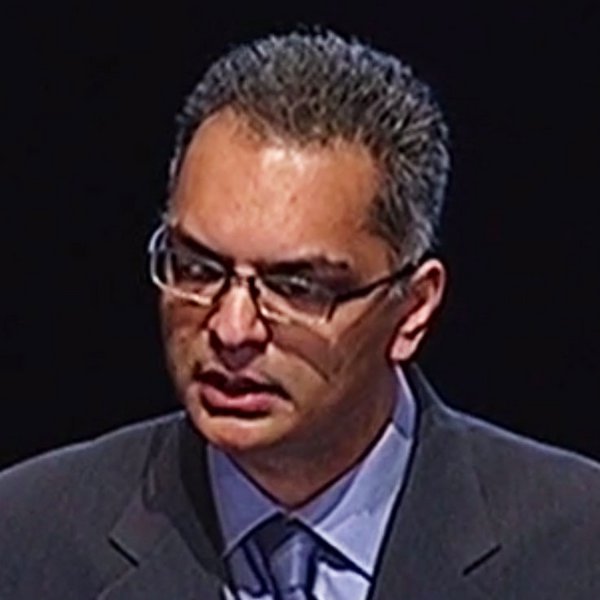 Anil K. Chandraker合作论文数Harvard Medical School;Brigham and Women's Hospital12Seifter Julian L合作论文数12Nader Najafian合作论文数12
 Wolfgang C. Winkelmayer合作论文数Baylor College of Medicine12
 John Iacomini合作论文数Transplantation Biology Research Center, Harvard Medical School12Bradley M. Denker合作论文数12
 Joseph Bonventre合作论文数Division of Renal Medicine, Brigham and Women’s Hospital;Harvard Medical School12Julie Lin合作论文数Channing Laboratory;Renal Division;Department of Medicine;Brigham and Women ' s Hospital;Medical School, Harvard;Brigham and Women ' s Hospital, Harvard Medical School12David B. Mount合作论文数12Giovanni Gambaro合作论文数12
 Mohamed Sayegh合作论文数Harvard Medical School;American University of Beirut;Brigham and Women's Hospital;Children's Hospital Boston;Brigham and Women’s Hospital;Oporto University12Kenneth B. Christopher合作论文数12
 Barry M. Brenner合作论文数Renal Division, Brigham and Women’s Hospital;Harvard Medical School12Alice M. Sheridan合作论文数12Shona Pendse合作论文数12M. P. H. Edgar合作论文数12
 John K. Tucker合作论文数National Great Rivers Research and Education Center12L. Milford合作论文数12Benjamin D. Humphreys合作论文数12
 Markus Frank合作论文数Harvard Medical School;Harvard Stem Cell Institute, Harvard University;Boston Children's Hospital;Brigham and Women's Hospital12
 David M Charytan合作论文数12Jessamyn Bagley合作论文数12
 Ajay K. Singh合作论文数Renal Division, Brigham and Women's Hospital, Harvard Medical School11Jagesh V. Shah合作论文数11D. Xueli Yuan合作论文数11Hsiao Li-Li合作论文数10
 Reza Abdi合作论文数Faculty of Humanities, University of Mohaghegh Ardabili9Jing Zhou合作论文数9D. Kambiz Zandi-Nejad合作论文数9
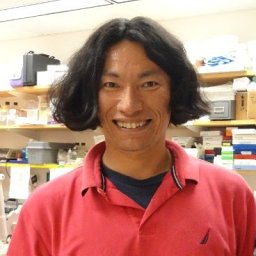 Takaharu Ichimura合作论文数Brigham and Women’s Hospital Department of Medicine Boston MA USA Boston MA USA9
 Kathryn Tinckam合作论文数Department of Laboratory Medicine and Pathobiology, Temerty Faculty of Medicine, University of Toronto8C. Magee合作论文数8Stephen T. Reeders合作论文数8Charles B. Carpenter合作论文数8Kook Han合作论文数8M. D. Won合作论文数8M. P. H. Colm合作论文数8Stephen Hsu合作论文数7
 Martin R. Pollak合作论文数Beth Israel Deaconess Medical Center,Harvard Medical School7Julie M. Paik合作论文数6
 Meir Stampfer合作论文数Department of Epidemiology, Harvard T.H. Chan School of Public Health;Department of Nutrition, Harvard T.H. Chan School of Public Health;Brigham and Women's Hospital, Harvard Medical School5Megan Prochaska合作论文数5




