Abstract A standardized, quantified assessment of furosemide responsiveness predicts acute kidney injury (AKI) in children after cardiac surgery and AKI progression in critically ill adults. The purpose of this study was to determine if response to furosemide is predictive of severe AKI in critically ill children outside of cardiac surgery. We performed a multicenter retrospective study of critically ill children. Quantification of furosemide response was based on urine flow rate (normalized for weight) measurement 0 to 6 hours after the dose. The primary outcome was presence of creatinine defined severe AKI (Kidney Disease Improving Global Outcomes stage 2 or greater) within 7 days of furosemide administration. Secondary outcomes included mortality, duration of mechanical ventilation and length of stay. A total of 110 patients were analyzed. Severe AKI occurred in 20% ( n = 22). Both 2- and 6-hour urine flow rate were significantly lower in those with severe AKI compared with no AKI ( p = 0.002 and p < 0.001). Cutoffs for 2- and 6-hour urine flow rate for prediction of severe AKI were <4 and <3 mL/kg/hour, respectively. The adjusted odds of developing severe AKI for 2-hour urine flow rate of <4 mL/kg/hour was 4.3 (95% confidence interval [CI]: 1.33–14.15; p = 0.02). The adjusted odds of developing severe AKI for 6-hour urine flow rate of <3 mL/kg/hour was 6.19 (95% CI: 1.85–20.70; p = 0.003). Urine flow rate in response to furosemide is predictive of severe AKI in critically ill children. A prospective assessment of urine flow rate in response to furosemide for predicting subsequent severe AKI is warranted.
Vitamins are essential micronutrients with key roles in many biological pathways relevant to sepsis. Some of these relevant biological mechanisms include antioxidant and anti-inflammatory effects, protein and hormone synthesis, energy generation, and regulation of gene transcription. Moreover, relative vitamin deficiencies in plasma are common during sepsis and vitamin therapy has been associated with improved outcomes in some adult and pediatric studies. High-dose intravenous vitamin C has been the vitamin therapy most extensively studied in adult patients with sepsis and septic shock. This includes three randomized control trials (RCTs) as monotherapy with a total of 219 patients showing significant reduction in organ dysfunction and lower mortality when compared to placebo, and five RCTs as a combination therapy with thiamine and hydrocortisone with a total of 1134 patients showing no difference in clinical outcomes. Likewise, the evidence for the role of other vitamins in sepsis remains mixed. In this narrative review, we present the preclinical, clinical, and safety evidence of the most studied vitamins in sepsis, including vitamin C, thiamine (i.e., vitamin B 1 ), and vitamin D. We also present the relevant evidence of the other vitamins that have been studied in sepsis and critical illness in both children and adults, including vitamins A, B 2 , B 6 , B 12 , and E. Impact Vitamins are key effectors in many biological processes relevant to sepsis. We present the preclinical, clinical, and safety evidence of the most studied vitamins in pediatric sepsis. Designing response-adaptive platform trials may help fill in knowledge gaps regarding vitamin use for critical illness and association with clinical outcomes.
1 Division of Critical Care, Ann & Robert H. Lurie Children’s Hospital of Chicago, Chicago, IL 2 Department of Pediatrics, Northwestern University Feinberg School of Medicine, Chicago, IL 3 Divisions of Critical Care and Cardiology, Ann & Robert H. Lurie Children’s Hospital of Chicago, Chicago, IL *See also p. 561. Dr. Sanchez-Pinto’s institution received money from the National Institutes of Health and the National Institute for Child Health and Human Development. Dr. Wald has disclosed that he does not have any potential conflicts of interest.
Objective: A standardized assessment of response to furosemide is predictive of acute kidney injury progression in adults, but a paucity of data exists in pediatric patients. We evaluate furosemide responsiveness in a multicenter cohort of pediatric patients after cardiac surgery. Methods: Children who underwent cardiac surgery with a Society of Thoracic Surgeons-European Association for Cardiothoracic Surgery score of 3 or greater were retrospectively identified. The first dose of furosemide after surgery was recorded, and hourly urine output for 6 hours was recorded after the index dose. Urine flow rate calculated as urine output per hour was used to predict development of acute kidney injury. Results: A total of 166 patients from 4 institutions (median age, 6.3 months; interquartile range, 0.4-27.7) were included. Acute kidney injury occurred in 54 patients (33%). Compared with those without acute kidney injury, the 2- and 6-hour urine flow rates were significantly lower in patients in whom acute kidney injury developed: 2.9 (0.9-6.5) versus 5.0 (2.5-9.0) mL/kg/h for 2-hour urine flow rate, P = .004, and 2.4 (1.2-4.0) versus 4.0 (2.3-5.9) mL/kg/h for 6-hour flow rate, P = .001. In multivariable regression analysis, 2-hour (odds ratio, 1.2, P = .002) and 6-hour (odds ratio, 1.40, P < .001) urine flow rates were independently associated with acute kidney injury development. Lower urine flow rate at both 2 and 6 hours was also independently associated with longer hospital length of stay. Conclusions: Lower urine flow rate after furosemide administration, when evaluated in a heterogeneous cohort of children from multiple institutions after pediatric cardiac surgery, was independently associated with subsequent acute kidney injury and longer length of stay. Future prospective studies are needed to validate furosemide responsiveness as a predictor of acute kidney injury.
Gunnala, Vishal; Du, Nga; Petersen, Emily; Palac, Hannah; Costello, John; Backer, Carl; Epting, Conrad; Wald, Eric
Background: Hypothalamic-pituitary-adrenal (HPA) axis dysfunction may be partially responsible for the hemodynamic instability experienced by infants after cardiopulmonary bypass (CPB). We report the full spectrum of the HPA response surrounding CPB for infant congenital cardiac surgery.Methods: We enrolled 84 infants who received 1 mg/kg of dexamethasone before initiation of CPB. Total cortisol (TC), free cortisol (FC), adrenocorticotropic hormone (ACTH), and corticosteroid-binding globulin (CBG)were measured at 3 time points: immediately before CPB (TP1), on intensive care unit arrival (TP2), and at 24 hours after surgery (TP3). A 1-mu g ACTH stimulation test was performed at each time point to evaluate adrenal responsiveness.Results: Sixty-eight infants completed all study procedures. Levels of TC, FC, CBG, and ACTH decreased significantly between the preoperative and 24-hour postoperative measurements. There were no significant associations between preoperative FC responses and clinical outcomes after adjusting for weight and Risk-Adjusted Scores for Congenital Heart Surgery. Infants with subnormal TC responses to ACTH stimulation (<9 mg/dL) at TP2 had greater fluid requirements (P<.001) and greater chest tube output (P<.001) during the first 24 hours, as well as longer length of stay (LOS) (P =.007). Except for LOS, these differences persisted for infants with subnormal stimulation tests at TP3.Conclusions: We observed a significant decline in all aspects of the HPA axis throughout the first 24 hours after infant CPB. TC and FC levels were not associated with clinical outcomes. Subnormal (Delta<9 mg/dL) TC response to cosyntropin stimulation during the postoperative period was associated with increased fluid resuscitation and greater LOS.
Introduction: Outcomes of in-hospital cardiac arrest remain disappointing. Continuous quality review (CQR) has been used to improve provider, team and systems performance during CPR. Little data exists on the incidence of individual, team and systems errors during in-hospital CPR and the influence of errors and systems-level changes on outcomes are equally unexplored. Hypothesis: CQR will identify consistent errors in three performance domains (technical, team, systems). Environmental factors and systems changes will affect code quality and outcomes. Methods: Analysis of prospectively collected data describing all ICU CPR events from September 2009-December 2014 in a tertiary care children’s hospital. Monthly quality review by a multidisciplinary team focused on three quality metrics (noise, leadership and equipment failure) and was later expanded to six metrics (communication, technical or systems errors). Results: There were 243 arrests in 193 patients, most of whom had primary cardiac (39%) or pulmonary disease (23%). Most events occurred during the day (7am-7pm); 27% occurred on a weekend or holiday. Median compression time was 5 minutes (IQR 2-15min). Event survival was 80% (70% ROSC, 10% ECMO) and 48% of hospitalizations ended in death. Excess noise (19%), leadership confusion (11%) and equipment failure (6%) were common. Quality CPR (all 3 elements) occurred 74% of the time and was not associated with event survival. Excess noise (p<0.01) and leadership confusion (p=0.02) were more common during the day. A more recent cohort (n=34) demonstrated frequent communication, systems and technical errors (15%, 21% and 21% respectively). Only 38% of arrests had all 6 quality elements. In multivariable analysis, leadership confusion was associated with ICU survival (OR 2.2; 0.66-1). Statistical process control (SPC) only showed special cause variation in single quality metrics despite multiple systems level changes. Code incidence trended down after opening a new hospital and creation of a separate cardiac ICU service (p=0.07). Conclusion: Individual, team and systems errors are common during CPR in critically ill children. CQR incorporating SPC should be used to track performance and monitor the impact of QI initiatives and systems changes.
Low cardiac output syndrome frequently complicates the post-operative care of infants and children following cardiac surgery. The onset of low cardiac output follows a predictable course in the hours following cardiopulmonary bypass, as myocardial performance declines in the face of an elevated demand for cardiac output. When demand outstrips supply, shock ensues, and early recognition and intervention can decrease mortality. Multifactorial in etiology, this article will discuss the pathophysiology of low cardiac output syndrome, including myocardial depression following bypass, altered cardiac loading conditions, and inflammation driving a hypermetabolic state. Contributions from altered neurohormonal, thyroid, and adrenal axes will also be discussed. Sources included the clinical experiences of four cardiac intensivists, supported throughout by primary sources and relevant reviews obtained through PubMed searches and from seminal textbooks in the field. This article addresses the second of eight topics comprising the special issue entitled "Pharmacologic strategies with afterload reduction in low cardiac output syndrome after pediatric cardiac surgery".
OBJECTIVE:The objective of this study was to characterize the natural history of metabolic uncoupling (type B hyperlactemia and hyperglycemia) following cardiopulmonary bypass (CPB), and to determine the impact of insulin therapy on time to lactate normalization in patients without low cardiac output.DESIGN:The design used was a retrospective cohort study.SETTING:The study was set in a pediatric cardiac intensive care unit in a tertiary-care urban children's hospital.PATIENTS:All patients were aged ≤21 years admitted between 2007 and 2013 following cardiac surgery involving CPB with empiric intraoperative corticosteroids.ELIGIBILITY CRITERIA:simultaneous hyperlactemia (≥3.5 mEq/L) and hyperglycemia (≥200 mg/dL) within 48 hours after bypass.EXCLUSION CRITERIA:Exclusion criteria were evidence of low cardiac output state, diabetes or postoperative steroid administration.INTERVENTIONS:Characteristics were compared between those treated with insulin and those who were not (controls).OUTCOME MEASURES:Outcome measures used were time from admission to onset of hyperglycemia and hyperlactemia and time to resolution. Clinical outcomes included duration of mechanical ventilation, length of stay, unplanned readmission/reoperation, hypoglycemia and death.RESULTS:Of the 1345 patients receiving CPB, 132 (9.8%) met inclusion criteria. Seventy-eight (59%) were treated with insulin, leaving 54 controls. Patient characteristics, surgical complexity and time to onset of hyperglycemia and hyperlactemia were similar between groups. The insulin group had a shorter duration of hyperglycemia. There was no significant difference between groups in time to lactate normalization, ventilator days, length of stay, readmission and reoperation rates. Hypoglycemia (<60 mg/dL) occurred in three patients.CONCLUSIONS:In children with metabolic uncoupling after CPB, insulin use did not shorten the time to lactate normalization or alter clinical outcomes. These findings suggest that type B hyperlactemia with hyperglycemia after CPB will resolve spontaneously and does not warrant specific treatment.
Type B lactic acidosis is an underrecognized clinical entity that must be distinguished from type A (hypoxic) lactic acidosis. We present the case of a 4-year-old boy with medulloblastoma who presented with lactic acidosis in the setting of septic shock. His hyperlactatemia persisted to high levels even after his hemodynamic status improved. After administration of intravenous thiamine, his lactate level rapidly normalized and remained stable. It was determined that his total parenteral nutrition was deficient in vitamins due to a national shortage. Because thiamine is an important cofactor for pyruvate dehydrogenase, he was unable to use glucose through aerobic metabolism pathways. We briefly review type A versus type B lactic acidosis in this case report.
The systemic inflammatory response syndrome is a manifestation of the host's immune response to infection. With an aim to eradicate the pathogen, the immune system is activated to encourage a state of inflammation, which is followed by a number of interactions to restore homeostasis. This balance is mediated by a complex interplay among many immune components, which at times can lead to an excessive anti-inflammatory environment, the compensatory anti-inflammatory response syndrome. Numerous cellular and chemokine mediators such as monocytes and granulocyte-macrophage colony-stimulating factor are involved in the manifestation of this syndrome and, if further dysregulated, can lead to immunoparalysis, a prolonged anti-inflammatory environment placing the host at risk for potentially life-threatening infections. Understanding these complex immune reactions may help better identify immune dysregulation during sepsis, holding important implications for the clinician when managing septic patients.
tissue drug levels. The patient was an Australian Shepherd, who tested positive for multi –drug resistant gene (mdr1) mutation, which codes for the P-glycoprotein membrane transport molecule. This gene mutation disables the active removal of toxins through the blood-brain–barrier in this breed, explaining the long recovery for this patient. SPLD was efficient to decrease the amount of ivermectin with a relatively small dialysis dose (Kt/V of 0.7%) by 29 %. The normal plasma clearance in dogs is 2% per hour. This patient was initially treated with intravenous lipid therapy, which might have decreased the extracorporeal ivermectin reduction ratio. SPLD was an effective way to decrease the plasma levels of ivermectin in this patient. The lack of fast clinical response to the decreased plasma levels can partly be explained by the mdr1 gene mutation, which decreased the patient's ability of actively removing the drug from the brain tissue.
 Carl Backer合作论文数5
 Conrad L Epting合作论文数Critical Care, Department of Pediatrics, Feinberg School of Medicine, Northwestern University3
 Zhuo Li合作论文数3
 Joseph A. Dearani合作论文数Children's Center, MayoClinic;Transplant Research Center, MayoClinic3John M. Costello合作论文数3
 William C Oliver合作论文数3
 Sheri S Crow合作论文数3
 Hannah L Palac合作论文数AbbVie Inc2
 Stuart L. Goldstein合作论文数Cincinnati Children's Hospital Medical Center2Katja Gist合作论文数2
 Rajit K Basu合作论文数Cincinnati Childrens Hosp & Med Ctr, Univ Cincinnati2
 Sanchez-Pinto L Nelson合作论文数Division of Pediatrics, Cincinnati Children's Hospital Medical Center2Webb Tennille N合作论文数2Jamie Penk合作论文数2Michael-Alice Moga合作论文数Department of Pediatrics, Cincinnati Children's Hospital Medical Center2Michael Spewak合作论文数1Eva Seligman合作论文数1Vishal Gunnala合作论文数1Mashael Alqahtani合作论文数1alexis l ramby合作论文数1Nga Du合作论文数1Eric Grossman合作论文数1Kellianne Flemming合作论文数1Emily Petersen合作论文数1Scott Weiss合作论文数1Soyang Kwon合作论文数1Kelli Krallman合作论文数1Yi Li合作论文数1
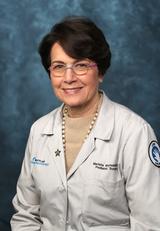 Marleta Reynolds合作论文数Department of Surgery, Feinberg School of Medicine, Northwestern University1
 Osama M Eltayeb合作论文数Department of Surgery, Feinberg School of Medicine, Northwestern University1
 Marcelo R Malakooti合作论文数Critical Care, Department of Pediatrics, Feinberg School of Medicine, Northwestern University1
 Colleen M Badke合作论文数Critical Care, Department of Pediatrics, Feinberg School of Medicine, Northwestern University1Smith Craig M合作论文数1
 Matthew J. Friedman合作论文数Department of Psychiatry, Geisel School of Medicine, Dartmouth College;National Center for Post-Traumatic Stress Disorder, U.S. Department of Veterans Affairs1Palermo Robert A合作论文数1
 Soranno Danielle E合作论文数Department of Bioengineering, University of Pennsylvania;Departments of Pediatrics and Bioengineering, University of Colorado;University of Pennsylvania, University of Colorado1Shah Sareen合作论文数1Hussain Elora合作论文数1Cooper David S合作论文数1Mark Wainwright合作论文数School of Chemical Engineering and Industrial Chemistry, University of New South Wales1
 John Brinton合作论文数Colorado School of Public Health, University of Colorado1Denise M. Goodman合作论文数1
 Mary E. Mcbride合作论文数Communications & Energy Banking Group1




