BACKGROUND:ICU patients frequently receive treatments clinicians perceive are futile which can cause conflict between clinicians, patients and families. Medical futility lacks a consensus definition, yet this ambiguous and contentious term is used in medical notes. RESEARCH QUESTION:What themes are associated with futility mentions in ICU notes? How have themes' frequencies changed over time? STUDY DESIGN/METHODS:Mixed methods study of ICU notes (e.g., H&P, progress notes) written by clinicians (e.g., physicians, nurses) for adult patients at a large hospital system from 2010 to 2020. Neural network models identified terms most associated with "futile" or "futility." Distributional semantic analysis grouped terms into themes. Regression modeling explored longitudinal changes in themes' frequencies. RESULTS:Across 2,460,169 notes for 9912 patients, the annual average count of unique notes with futility mentions was 137 per 100,000 and unchanged from 2010 to 2020. 8 themes were identified among terms most associated with the words "futile" or "futility." The most represented themes were Decision Making (annual average 18% [95% CI: 16%-19%]), Assessing, Prognosticating, and End-of-Life Outcomes (15%, 13%-16%), and Identifying Sentiments (13%, 10%-15%). Recording Code Status was the least represented theme in 2010 (4%) and increased over time (9% in 2020, P = 0.001). INTERPRETATION:Use of futility was rare and stable across a decade of ICU notes. Semantic analysis indicates clinicians use futility in heterogeneous contexts. Changes in themes' frequencies may reflect clinicians' evolving conceptions of medical futility. These findings could guide development of EHR-based interventions to address perceived futile treatments which contribute to clinicians' moral distress.
This Viewpoint offers a reminder, amid new laboratory testing for Alzheimer disease, of the primary care practitioner’s important role in functional assessment of activities of daily living.
This Viewpoint examines the use of blood-based biomarkers to test for Alzheimer disease and outlines why they should not be the first or only tool used in screening for cognitive impairment.
Rationale: Critical care societies have sought to restrict futility to describe interventions that cannot achieve their intended physiologic goal. Nevertheless, in real world clinical settings futility carries ambiguous connotations. We seek to explore how clinicians describe and conceptualize futile care in the electronic health record (EHR), and how these concepts evolve over time. Methods: We conducted a retrospective cohort analysis of notes from patients >=18 years admitted to any of 5 intensive care units (ICU) across the University of California, San Francisco (UCSF) from 2010-2020. The use of “futile” and “futility” were measured across ICU notes for each year. We then trained unsupervised neural network models on yearly ICU notes and identified the 100 terms most likely to co-occur with “futile” and “futility” which were then combined (200 terms/year). The research team conducted a reflexive thematic analysis using a constant comparative method to inductively generate and refine themes iteratively across serial meetings. Co-occurring terms were subsequently categorized by theme and themes were modeled over time using a multinomial logistic regression. Results: Annual counts of the words futile and futility were unchanged from 2010-2020 (yearly average 16/100,000 notes). We identified five themes among the words strongly associated with “futile” and “futility": 1) Diseases and Treatments (e.g., multi-vessel PCI, ulcerative colitis, artificial nutrition); 2) Shared Decision-making and Relationships (e.g., decision maker, prioritize, unhappy); 3) Code Status and Goals of Care (e.g., DNR, comfort, heroic measures); 4) Assessing and Prognosticating (e.g., beneficial, grave, incurable); and 5) Other (e.g., United healthcare, bandwidth, easiest). Predicted counts of co-occurring terms differed between themes and changed from 2010-2020 (Figure 1). The theme Code Status and Goals of Care increased (slope 0.012, p-value 0.005), whereas Diseases and Treatments (-0.004, 0.07) and Other (-0.008, 0.004) decreased during this time period. The themes Shared Decision-making and Relationships (-0.003, 0.50) and Assessing and Prognosticating (0.003, 0.50) were unchanged. Conclusions: Combining qualitative methods with artificial intelligence, we describe themes related to medical futility in ICU notes. While medical societies recommend a restricted definition of medical futility, our results suggest that clinicians use the term in more heterogeneous contexts. These findings could be used to study and develop interventions to address potentially inappropriate care, an important contributor to moral distress for ICU clinicians.
Palliative care is known to improve quality of life in advanced cancer. Natural language processing offers insights to how documentation around palliative care in relation to metastatic cancer has changed. We analyzed inpatient clinical notes using unsupervised language models that learn how words related to metastatic cancer (e.g. "mets", "metastases") and palliative care (e.g. "palliative care", "pal care") appear relationally and change over time. We included any note from adults hospitalized at the University of California, San Francisco system. The primary outcome was how similarly terms related to metastatic cancer and palliative care appeared in notes using a mathematical approach (cosine similarity). We used word2vec to model language numerically as vectors. Relational data between vectors was captured using cosine similarity. We performed linear regression to identify changes in these relationships of terms over time. As a sensitivity analysis, we performed the same analysis per year restricted only to patients with an ICD-9/10 diagnosis code for metastatic cancer. Metastatic cancer and palliative care terms appeared in similar contexts in clinical notes each year, suggesting a close relationship in documentation. However, over time, this relationship weakened, with these terms becoming less commonly used together as measured by cosine similarities. We found similar trends when we retrained models just on patients with a diagnosis code for metastatic cancer. Text in clinical notes offers unique insights into how medical providers document palliative care in patients with advanced malignancies and how these documentation practices evolve over time.
In the early 20th century, Geriatric Medicine emerged as a specialty with a focus on improving the health and quality of life of older adults. Almost since inception, geriatricians have worked in collaboration with other medical specialties and health professionals to achieve this goal. This focus on collaboration has led to innovations that are improving care for older adults across settings of care, some of which are being led by other specialties (e.g., the Geriatric Surgery Verification Program). In 2015, Geriatric Medicine began to recruit fellows through the National Resident Matching Program (NRMP), and data from the past 10 years (2015-2024) reflect stable recruitment into the field with approximately 300 fellows entering geriatrics fellowship annually. The field has been innovative in its efforts to create training pathways that support physicians to complete geriatrics fellowship, including national pilots that combine geriatrics and palliative care training and offer clinical geriatrics experiences during internal and family medicine residency training underway at the Accreditation Council for Graduate Medical Education. In research, the field has contributed to extending our collective healthspan, championed inclusion of older adults in all research, and led efforts to develop investigators who are focused on the geriatrics aspects of their research. Opportunities for geriatricians to build on the foundations they have laid include leading Age-Friendly Health Systems and artificial intelligence into healthcare implementation with a continued focus on partnering with others to achieve meaningful change in the health and well-being of others.
Outcomes 1. At the conclusion of this presentation the participant will be able to: 1. Describe best practices for symptom management in patients with end-stage renal disease and end-stage liver disease.2. Describe best practices for managing symptoms such as malignant bowel obstruction, and terminal secretions. 3. Describe pharmacotherapy strategies to control symptoms. 4. Describe best practices in dosing buprenorphine.Patients living with a serious illness frequently rely on medications to palliate their symptoms (pain and non-pain). Drug therapy at this stage of a patient's life is a balancing act – clinicians need to be knowledgeable about when, what, and how to deprescribe, and how to critically select new medications to add to the mix. This pre-conference will cover a variety of topics that will illustrate precision pharmacotherapy – referred to as “The Goldilocks Guide.”Topics will include management of challenging non-pain symptoms such as malignant bowel obstruction, nausea/vomiting, terminal secretions, fatigue and more. We will also address symptom management in end-stage renal disease and end-stage liver disease. We will discuss essential techniques of kidney supportive care focusing on several key areas. We will explore various approaches to treating fatigue, constipation, itching/pruritus in renal disease, and nausea, confusion, and ascites in liver disease. We will emphasize the importance of proper selection and dosing for medications such as opioids, gabapentin, and, dare we say, maybe even NSAIDs (in renal disease)! As a special treat, we will discuss a practical real-world approach to managing agitation in the hospice and palliative care patient. This content will focus on the thoughtful use of pharmacology to relieve the highly distressing symptoms of delirium our patients often experience. As if that weren't enough, this presentation will cover the use of buprenorphine for patients receiving palliative or hospice care. This will include candidate selection, and dosing considerations. And as a special treat, each speaker will review two recent and impactful studies on the appropriate use of pharmacotherapy in serious illness.
Introduction It is unclear how the reported deaths of Alzheimer’s disease (AD) patients treated with the monoclonal antibodies lecanemab and aducanumab compare with background mortality rates. Methods Using post-marketing safety data from the Food and Drug Administration (FDA) Adverse Events Reporting System (FAERS), we assessed whether the fatalities associated with the real-world use of these drugs exceed the expected mortality rates in both clinical trials and the general AD population for the age range of deaths in FAERS (75-84 years), with a background mortality rate of 229.3 deaths per 100,000. Results FAERS recorded 25 deaths with lecanemab and 27 with aducanumab. Without available data on the exact number of patients treated, we assumed a range of 2,000 to 10,000 patients. The mortality rate was higher for lecanemab (RR = 2.6; 95% CI: 1.4-3.8) and aducanumab (RR = 3.9; 95% CI: 1.4-6.5) compared to the background mortality rate and the pivotal trials for lecanemab (RR = 1.87; 95% CI: 1.1-2.6) and aducanumab (RR = 2.7; 95% CI: 1.7-3.7). This corresponds to 21 excess deaths for lecanemab and 41 excess deaths for aducanumab per 10,000 patients treated. Conclusion These findings suggest a 3- to 4-fold increase in mortality risk with these drugs compared to the untreated AD population and a 2- to 3-fold increase compared to the treated population of clinical trials.
13 November, 2024 Editorial Update. Based on additional information received, Research Square has changed the withdrawal status of this preprint from an author-initiated withdrawal to an editorial withdrawal. This action was taken due to a breach of our preprint terms of service, which require consent from all listed authors prior to submission.
The author has no conflicts of interest to report.
This editorial comments on the article by .
BackgroundHospice care leads to improved patient and family outcomes. Hospice use among older adults with end-stage kidney disease (ESKD) is markedly lower than among older adults with other serious illnesses, and the majority of those with ESKD who use hospice enroll in the last days of life. Here, our aim was to explore barriers to timely receipt of high-quality hospice care for older adults with ESKD.MethodsUtilizing a qualitative study design, we conducted a secondary analysis focused on hospice, a theme that we identified in our larger overarching study that involved semi-structured interviews with 20 nephrologists in the United States focused on treatment decision-making in older adults with advanced chronic kidney disease. We analyzed the interview transcripts using emergent thematic analysis to develop an understanding of barriers to high-quality hospice.ResultsWith a couple notable exceptions, nephrologists voiced general support for the concept of hospice, but few recalled patients of theirs who had received hospice. Nephrologists' interviews revealed two interrelated contributors to the lack of timely access to high-quality hospice care for seriously ill older adults with ESKD: (1) nephrologists view dialysis and hospice as mutually exclusive models of care; (2) nephrologists feel unsure who should manage hospice care for patients with ESKD. The first contributor was rooted in nephrologists' narrow vision of when to consider hospice (informed, in part, by policy barriers) and, in a couple of cases, strong discomfort with hospice. The second stemmed from nephrologists' belief that neither they nor hospice are adequately prepared to provide hospice care for ESKD.ConclusionsOur findings suggest that, in addition to Medicare policy change, nephrologists need to receive more training in primary palliative care skills including in indications for hospice, initiating conversations about hospice with patients, and collaborating with hospice clinicians to care for these vulnerable patients.
Our website uses cookies to enhance your experience. By continuing to use our site, or clicking "Continue," you are agreeing to our Cookie Policy | Continue JAMA Internal Medicine HomeNew OnlineCurrent IssueFor Authors Podcast Journals JAMA JAMA Network Open JAMA Cardiology JAMA Dermatology JAMA Health Forum JAMA Internal Medicine JAMA Neurology JAMA Oncology JAMA Ophthalmology JAMA Otolaryngology–Head & Neck Surgery JAMA Pediatrics JAMA Psychiatry JAMA Surgery Archives of Neurology & Psychiatry (1919-1959) JN Learning / CMESubscribeJobsInstitutions / LibrariansReprints & Permissions Terms of Use | Privacy Policy | Accessibility Statement 2024 American Medical Association. All Rights Reserved Search All JAMA JAMA Network Open JAMA Cardiology JAMA Dermatology JAMA Forum Archive JAMA Health Forum JAMA Internal Medicine JAMA Neurology JAMA Oncology JAMA Ophthalmology JAMA Otolaryngology–Head & Neck Surgery JAMA Pediatrics JAMA Psychiatry JAMA Surgery Archives of Neurology & Psychiatry Input Search Term Sign In Individual Sign In Sign inCreate an Account Access through your institution Sign In Purchase Options: Buy this article Rent this article Subscribe to the JAMA Internal Medicine journal
Palliative care clinicians often help facilitate coordination of care, complex serious illness, and end-of-life medical decision-making. However, the clinical and legal issues related to guardianship can complicate the decision-making process, care delivery, outcomes, and the role of the palliative care clinician. Adult patients who have a guardian have been found by a court to be unable to make some or all decisions for themselves. Providing care for patients under guardianship is where medicine overlaps with legal rights. It is crucial to be familiar with the patients' rights and the guardians' responsibilities to clarify medical decision-making processes and identify necessary authorities. This article uses an interprofessional approach to leverage the expertise of physicians, nurses, lawyers, and guardians and to guide palliative care clinicians to optimally support patients under guardianship.
BACKGROUND:A metaphor conceptualizes one, typically abstract, experience in terms of another, more concrete, experience with the goal of making it easier to understand. Although combat metaphors have been well described in some health contexts, they have not been well characterized in the setting of critical illness. RESEARCH QUESTION:How do clinicians use combat metaphors when describing critically ill patients and families in the electronic health record? STUDY DESIGN AND METHODS:We included notes written about patients aged 18 years or older admitted to ICUs within a large hospital system from 2012 through 2020. We developed a lexicon of combat words and isolated note segments that contained any combat mentions. Combat mentions were defined systematically as a metaphor or not across two coders. Among combat metaphors, we used a grounded theory approach to construct a conceptual framework around their use. RESULTS:Across 6,404 combat-related mentions, 5,970 were defined as metaphors (Cohen κ, 0.84). The most common metaphors were "bout" (26.2% of isolated segments), "combat" (18.5%), "confront" (17.8%), and "struggle" (17.5%). We present a conceptual framework highlighting how combat metaphors can present as identity ("mom is a fighter") and process constructs ("struggling to breathe"). Identity constructs usually were framed around: (1) hope, (2) internal strength, (3) contextualization of current illness based on prior experiences, or (4) a combination thereof. Process constructs were used to describe: (1) "fighting for" (eg, working toward) a goal, (2) "fighting against" an unwanted force, or (3) experiencing internal turmoil. INTERPRETATION:We provide a novel conceptual framework around the use of combat metaphors in the ICU. Further studies are needed to understand intentionality behind their use and how they impact clinician behaviors and patient and caregiver emotional responses.
BACKGROUND:Only 62.6% of fellowship-trained and American Board of Internal Medicine (ABIM)-certified geriatricians maintain their specialty certification in geriatric medicine, the lowest rate among all internal medicine subspecialties and the only subspecialty in which physicians maintain their internal medicine certification at higher rates than their specialty certification. This study aims to better understand underlying issues related to the low rate of maintaining geriatric medicine certification in order to inform geriatric workforce development strategies. METHODS:Eighteen-item online survey of internists who completed a geriatric medicine fellowship, earned initial ABIM certification in geriatric medicine between 1999 and 2009, and maintained certification in internal medicine (and/or another specialty but not geriatric medicine). Survey domains: demographics, issues related to maintaining geriatric medicine certification, professional identity, and current professional duties. RESULTS:153/723 eligible completed surveys (21.5% response). Top reasons for not maintaining geriatric medicine certification were time (56%), cost of maintenance of certification (MOC) (45%), low Medicare reimbursement for geriatricians' work (32%), and no employer requirement to maintain geriatric medicine certification (31%). Though not maintaining geriatric medicine certification, 68% reported engaging in professional activities related to geriatric medicine. Reflecting on career decisions, 56% would again complete geriatric medicine fellowship, 21% would not, and 23% were unsure. 54% considered recertifying in geriatric medicine. 49% reported flexible MOC assessment options would increase likelihood of maintaining certification. CONCLUSIONS:The value proposition of geriatric medicine certification needs strengthening. Geriatric medicine leaders must develop strategies and tactics to reduce attrition of geriatricians by enhancing the value of geriatric medicine expertise to key stakeholders.
Importance:Since 2018, a movement has emerged to define Alzheimer disease (AD) as a purely biological entity based on biomarker findings. The recent revision of the Alzheimer's Association (AA) criteria for AD furthers this direction. However, concerns about a purely biological definition of AD being applied clinically, the understanding of AD by society at large, and the translation of blood-based biomarkers into clinical practice prompt these International Working Group (IWG) updated recommendations. Objective:To consider the revised AA criteria and to offer an alternative definitional view of AD as a clinical-biological construct for clinical use. The recommendations of the 2021 IWG diagnostic criteria are updated for further elaborating at-risk and presymptomatic states. Evidence Review:PubMed was searched for articles published between July 1, 2020, and March 1, 2024, using the terms "biomarker" OR "amyloid" OR "tau" OR "neurodegeneration" OR "preclinical" OR "CSF" OR "PET" OR "plasma" AND "Alzheimer's disease." The references of relevant articles were also searched. Findings:In the new AA diagnostic criteria, AD can be defined clinically as encompassing cognitively normal people having a core 1 AD biomarker. However, recent literature shows that the majority of biomarker-positive cognitively normal individuals will not become symptomatic along a proximate timeline. In the clinical setting, disclosing a diagnosis of AD to cognitively normal people with only core 1 AD biomarkers represents the most problematic implication of a purely biological definition of the disease. Conclusions and Relevance:The ultimate aim of the field was to foster effective AD treatments, including preventing symptoms and dementia. The approach of diagnosing AD without a clinical and biological construct would be unwarranted and potentially concerning without a clear knowledge of when or whether symptoms will ever develop. It is recommended that those who are amyloid-positive only and, more generally, most biomarker-positive cognitively normal individuals, should not be labeled as having AD. Rather, they should be considered as being at risk for AD. The expansion of presymptomatic AD is viewed as a better diagnostic construct for those with a specific pattern of biomarkers, indicating that they are proximate to the expression of symptoms in the near future.
The US Food and Drug Administration (FDA) approval of monoclonal antibodies (MAB) targeting amyloid protein for treatment of Alzheimer's disease has ushered in a new era in Alzheimer's care. Disease-modifying therapies are now available to patients living with cognitive impairment and confirmed presence of brain beta-amyloid. Many geriatricians have voiced concerns and even outright disagreement with their approval and clinical use.1, 2 Many of these concerns are valid. For example, the accelerated approval of Biogen's aducanumab was a spectacular failure of regulatory science and the reduction of beta-amyloid as measured using a PET scan does not meet the regulatory standard for a surrogate sufficient for accelerated approval.2-6 But these concerns do not abrogate a key fact: two well-designed Phase 3 trials of MAB therapies lecanemab and donanemab decreased the rate of progression of cognitive and functional impairments in individuals with mild cognitive impairment (MCI) or mild stage dementia and elevated beta-amyloid. The hesitant geriatrician may question the magnitude of these drugs benefits and whether these benefits are worth their risks, but a well-informed patient may see these same data and want to pursue treatment. It is not despite but because of patients like these that we geriatricians need to be involved in every step of the appropriate use of these drugs. We have the expertise to tailor these drugs to the right individuals, the training to focus on the whole patient and family care, and the skills to manage the complexity that comes with prescribing these drugs and providing comprehensive memory care. “The hesitant geriatrician may question the magnitude of these drugs benefits and whether these benefits are worth their risks, but a well-informed patient may see these same data and want to pursue treatment. It is not despite but because of patients like these that we geriatricians need to be involved in every step of the appropriate use of these drugs.” Geriatricians are well suited to ensure that MABs are prescribed for the right patient and at the right time. This step occurs well before the drugs are infused. We should be directly involved in diagnosing the syndromes of MCI or dementia. We can frame care in the geriatric lens of function, safety, palliative care and resource utilization. Geriatricians can remove the “invisible” in the “invisible patient,” that is the informal caregiver, by valuing their perspective and wellbeing.7 We should serve as educators and consultants to other providers, community organizations, and the healthcare system from the perspective as primary care physicians and specialists. This should start now before MAB therapies are fully implemented. People receiving MAB therapies will require more care, not less. MABs are not a silver bullet. Clinical trials showed a statistically significant slowing not a halting of disease progression. To put it more simply, people on the treatment still got worse but did so more slowly. It is likely people will live longer with cognitive and functional impairments, and will need more support over a longer time period. Geriatricians have the expertise to care for these individuals over this longer period of time, including skills in assessing functional changes, safety concerns, mood disturbances, the impacts of other chronic diseases and medications, and address and re-address the goals of care. In sum, geriatricians care for the whole person. They are an essential part of “memory care” and understand disease management goes beyond just writing a prescription. The complexity, infrastructure, and knowledge needed to assure a MAB prescription is reasonable and necessary means they should be provided in the context of comprehensive memory care. This type of memory care has eight key elements: continuous monitoring and assessment, ongoing care plan, psychosocial interventions, self-management, caregiver support, medication management, treatment of related conditions, and coordination of care.8 This care encompasses the full impact of Alzheimer's from cognition, function, and mood to advanced care planning, navigating healthcare systems, and addressing the complications of dementia such as delirium and falls. An interdisciplinary team is needed to identify each of these issues and provide therapeutic options. Geriatricians have the skills to lead this team, this type of complex chronic care, and to address the issues that come with using MABs. Comprehensive memory care is more than managing symptoms and prescribing MABs. It requires expertise in multimorbidity, polypharmacy, palliative care, frailty and function, mental health and experience addressing the needs of caregivers. Memory care discussions will need to incorporate the complexity of our patients into risk–benefit discussions of MABs and the implications of potentially modifying established treatments to become eligible for use. For example, as MABs have an increased risk of cerebral hemorrhage that is worsened by anticoagulants which an individual may be on for atrial fibrillation. Additionally, genetic testing for APOE will add a necessary but time-consuming component of counseling and informed decision-making. Weighing competing risks in situations like these is the type of expertise that is embodied in geriatrics. Not only is MAB therapy expanding the needs of patients with Alzheimer's, but it may also increase the number of people seeking care. MABs will likely cause an influx of people wanting assessments and treatments. This increased demand will test the current healthcare system's abilities to diagnose and treat people effectively and efficiently. Structural and systemic changes in care models will be needed. Adding to this change is the demand for new clinics and workflows to implement these infusion therapies, along with the required screening and monitoring procedures. Giving therapy will become as complex as the disease itself. Geriatricians, with their knowledge in continuity of care and experience in working on multidisciplinary teams, are often leaders in healthcare, serving in administrative and educational roles. This dual role of provider and leader is needed now more than ever as memory care undergoes key changes to accommodate increasing demand and complexity. While there are many areas that make geriatrics perfectly suited for its role in every step of the appropriate use of these drugs, there are challenges. For example, biomarkers are becoming more essential in the diagnosis and treatment of Alzheimer's, but few geriatricians have the training needed to order or interpret them. Furthermore, there are currently far too few geriatricians directly involved in memory care clinics. We, as a field, need to be involved in more than memory care itself. We need a voice in the necessary healthcare system decision-making, infrastructure building, staff training, and patient-community education needed to implement MABs. This leadership will be needed to address the increased non-billable worktime providers will incur monitoring workflows, discussing MRIs with radiologists, talking with the emergency room, and answering phone calls from patients and families. To do this, we as geriatricians must become experts in cognition, cognitive diseases and the management of these diseases. We need to deepen our technical expertise and capacity in memory care, building this into fellowship training, board certifications and recertifications, and ongoing continuing medical education. We need a cohesive education and training program so all levels of geriatricians, from fellow to expert clinician, can become proficient in the etiologies of neurodegenerative diseases, the biomarkers to determine these, and the molecular therapies to use when appropriate. This must be standardized and shared across our field. Organizations like the American Geriatrics Society could champion and facilitate these efforts, validating what we know to be true—that memory care is synonymous with geriatrics. Memory care is evolving but the fundamentals are not. Slowed progression is a clinically meaningful success only in the context of complete, holistic, person-centered care. In the care of persons living with dementia caused by diseases such as Alzheimer's, geriatricians have always been needed. MAB therapy just added another reason. All authors contributed to the development of editorial content. All authors contributed original language and revisions to the final document. Drs. Chin and Widera have no relevant disclosures. Dr. Brangman has Advisory Board: Genetech/Roche; Eisai. Member, Alz-Net Operations Team, Alzheimer's Association. Dr. Karlawish has been a site co-investigator for clinical trials sponsored by Lilly and Biogen. No sponsor.
Our website uses cookies to enhance your experience. By continuing to use our site, or clicking "Continue," you are agreeing to our Cookie Policy | Continue JAMA HomeNew OnlineCurrent IssueFor Authors Journals JAMA JAMA Network Open JAMA Cardiology JAMA Dermatology JAMA Health Forum JAMA Internal Medicine JAMA Neurology JAMA Oncology JAMA Ophthalmology JAMA Otolaryngology–Head & Neck Surgery JAMA Pediatrics JAMA Psychiatry JAMA Surgery Archives of Neurology & Psychiatry (1919-1959) Podcasts Clinical Reviews Editors' Summary Medical News Author Interviews More JN Learning / CMESubscribeJobsInstitutions / LibrariansReprints & Permissions Terms of Use | Privacy Policy | Accessibility Statement 2023 American Medical Association. All Rights Reserved Search All JAMA JAMA Network Open JAMA Cardiology JAMA Dermatology JAMA Forum Archive JAMA Health Forum JAMA Internal Medicine JAMA Neurology JAMA Oncology JAMA Ophthalmology JAMA Otolaryngology–Head & Neck Surgery JAMA Pediatrics JAMA Psychiatry JAMA Surgery Archives of Neurology & Psychiatry Input Search Term Sign In Individual Sign In Sign inCreate an Account Access through your institution Sign In Purchase Options: Buy this article Rent this article Subscribe to the JAMA journal
 Alexander K. Smith合作论文数Department of Medicine, University of California10
 Kenneth Covinsky合作论文数Division of Geriatrics, Department of Medicine, University of California, San Francisco;Older Americans Independence Center, University of California, San Francisco9
 Lynn Flint合作论文数6Shaida Talebreza合作论文数6
 Sei Lee合作论文数The University of California San Francisco5Timothy W Farrell合作论文数4Julien Cobert合作论文数4
 Steven Pantilat合作论文数Palliative Care Leadership Center;Division of Palliative Medicine, School of Medicine, University of California4Wendy G. Anderson合作论文数4Brook A. Calton合作论文数4
 V J Periyakoil合作论文数School of Medicine, Stanford University4Irena Cenzer合作论文数Division of Geriatrics, University of California, San Francisco4Rebecca L. Sudore合作论文数4Albert Lee合作论文数3
 Shunichi Nakagawa合作论文数Adult Palliative Care Service, Columbia University Medical Center3
 Caroline Vitale合作论文数Division of Geriatric and Palliative Medicine, University of Michigan3
 Krista Lyn Harrison合作论文数3
 Craig D Blinderman合作论文数3Ana Berlin合作论文数3
 Lon Schneider合作论文数Keck School of Medicine, University of Southern California;Leonard Davis School of Gerontology, University of Southern California3Alexander Smith合作论文数University of Manchester;Aerospace Technology Institute;Independent Design Review Group, BAE Systems Marine Ltd;Newcastle University3
 Ursula K Braun合作论文数Sections of Health Services Research and Geriatrics, Houston Center for Quality of Care and Utilization Studies Michael E. DeBakey VA Medical Center3
 Paul Tatum合作论文数Curtis W. and Ann H. Long Department of Family and Community Medicine, University of Missouri3Chelsea Bowman合作论文数2Jesus Abanto合作论文数2
 Matthew Schrag合作论文数2Ramona L Rhodes合作论文数2Marisa Cruz合作论文数2Kaitlin Willham合作论文数2Kristen Vossler合作论文数2Carly Zapata合作论文数2
 Nathaniel Chin合作论文数Department of Medicine, School of Medicine and Public Health, University of Wisconsin-Madison2
 Leah J Witt合作论文数2Kanako Y. McKee合作论文数2
 Anthony E Rosen合作论文数Department of Emergency Medicine, Weill Cornell Medicine, Cornell University2
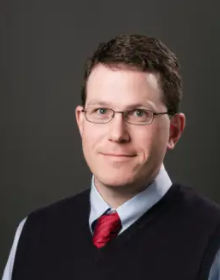 Andrew Cohen合作论文数Geriatric Medicine, Internal Medicine, Yale School of Medicine, Yale University2
 Ula Hwang合作论文数Department of Emergency Medicine, Yale University2
 Alok Kumar Dwivedi合作论文数Department of Molecular and Translational Medicine, Texas Tech University Health Sciences Center2
 Melissa W Wachterman合作论文数2Steenpass Veronika合作论文数2
 Caroline E Stephens合作论文数2
 Teneille Brown合作论文数Health Administration Responsibility Project, Inc.;Stanford Center for Biomedical Ethics Center for Integration of Research on Genetics and Ethics, Stanford Law School Stanford;Stanford Law School Stanford, CA 94305, USA;Department of Computer Science, Yale University;McDermott Will, and Emery LLP, Menlo Park CA 94025, USA;Stanford Law School Stanford, Yale University2Naik Aanand合作论文数2
 Ferrante Lauren E合作论文数2Kotwal Ashwin A合作论文数Comparative Human Development and Institute for Mind and Biology §Sociology, University of Chicago2
 Liu Shan合作论文数Department of Industrial & Systems Engineering, University of Washington2
 Mahajan Abhimanyu合作论文数Department of Neurology, Johns Hopkins University2
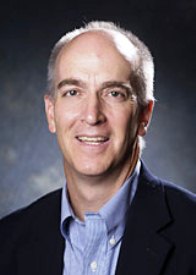 Daniel C Marson合作论文数Department of Neurology, School of Medicine, University of Alabama at Birmingham2Foley Kevin合作论文数2




