The North Equatorial Recirculation Region (NERR) in the northern tropical Atlantic functions as the region of origin of the recurring large-scale blooms of pelagic Sargassum spp. that have occurred since 2011, creating the Great Atlantic Sargassum Belt (GASB), with Sargassum rafts extending from West Africa into the Gulf of Mexico. Various nutrient sources are hypothesized to force this bloom. We tested the effects of different nutrient sources on the growth and physiology of Sargassum in controlled on-board experiments during a research expedition through the northern tropical Atlantic (including the NERR) during the summer of 2024. The nutrient sources were Amazon plume, Saharan dust addition, simulated vertical mixing (addition of nutrient-rich water collected from below the mixed layer) and control (ocean surface water) waters as treatments. Pelagic Sargassum species and genotypes exhibited distinct physiological responses when exposed to different nutrient sources. The highest growth rates were observed in the vertical mixing treatment (0.08 ± 0.02 doublings·d-1), accompanied by elevated tissue chlorophyll a, chlorophyll c, and carotenoid concentrations, as well as increased photosynthetic efficiency (Y(II)). Nitrate (∼11-15 μmol g-1·h-1) and phosphate (∼0.6 μmol g-1·h-1) uptake rates were also substantially higher in this treatment. The Amazon plume and Saharan dust treatments resulted in weak or inconsistent nutrient absorption and limited growth. Only the vertical mixing treatment led to balanced stoichiometric ratios (C:N:P), whereas these ratios indicated P deficiency for the other treatments. Multivariate analysis confirmed that deep-sea water conditions led to improved physiological responses whereas dust and control treatments produced high stress responses. Collectively, these results demonstrate that pelagic Sargassum spp. can rapidly exploit nutrients supplied from subsurface waters when they become available and suggest that subsurface nutrient reservoirs may represent an important nutrient source capable of supporting bloom development.
Biodegradable polymers such as polyhydroxyalkanoates (PHAs) have been proposed as sustainable alternatives to conventional plastics. Their environmental biodegradation is influenced by complex microbial interactions, particularly within biofilms. The presence of nanoplastics in marine environments has unknown impacts on biodegradation processes. This study investigated the effect of polystyrene nanoplastics (PS NPs) on the biodegradation extent of PHA, biofilm spatial organization, and microbial community composition over 35 days using a natural seawater inoculum from the Wadden Sea off the coast of the Netherlands. The results indicated that PS NPs do not significantly impact the biodegradation extent of PHA at the concentrations tested. The spatial organization of the biofilm revealed the presence of large PS NP aggregates, indicating that microbial biofilms may serve as a temporary ‘sink’ for NPs in the water column. Biofilms exposed to the lowest NP concentration exhibited greater microbial diversity than those at the highest concentration at 21 days. However, by the end of the experiment, no significant differences in relative microbial abundances were detected across treatments, though differences in absolute cell counts within the biofilm were observed. These findings provide new insights into how PS NPs interact with marine biofilms and influence biofilm dynamics and functionality.
Temperature holds the key towards evaluating the lifetime of plastic waste and understanding the long-term persistence of plastic in aquatic environments. Natural environmental conditions often provide less optimal temperatures for biodegradation compared to laboratory standard tests. In this study, we measured the CO2 evolution in natural seawater for 63 days on PHBV, PHBH, and NatureFlex (biodegradable cellophane) substrates at 10.0 °C, 20.0 °C and 30.0 °C. The empirical data collected was used to model polymer behavior by applying the reparametrized Arrhenius equation to obtain lifetime estimations at the tested temperatures. Our empirical data showed similar values to the estimations within the measured temperature and time ranges. This study validates the use of the Arrhenius equation approach to polymer behavior modelling for use in the marine environment and offers insights into the biodegradation rates of materials at a range of temperatures consistent with marine environments without the need to perform long-term incubation experiments.
Marine plastic pollution is a global issue, with microplastics (1 µm-5 mm) dominating the measured plastic count1,2. Although microplastics can be found throughout the oceanic water column3,4, most studies collect microplastics from surface waters (less than about 50-cm depth) using net tows5. Consequently, our understanding of the microplastics distribution across ocean depths is more limited. Here we synthesize depth-profile data from 1,885 stations collected between 2014 and 2024 to provide insights into the distribution and potential transport mechanisms of subsurface (below about 50-cm depth, which is not usually sampled by traditional practices3,6) microplastics throughout the oceanic water column. We find that the abundances of microplastics range from 10-4 to 104 particles per cubic metre. Microplastic size affects their distribution; the abundance of small microplastics (1 µm to 100 µm) decreases gradually with depth, indicating a more even distribution and longer lifespan in the water column compared with larger microplastics (100 µm to 5,000 µm) that tend to concentrate at the stratified layers. Mid-gyre accumulation zones extend into the subsurface ocean but are concentrated in the top 100 m and predominantly consist of larger microplastics. Our analysis suggests that microplastics constitute a measurable fraction of the total particulate organic carbon, increasing from 0.1% at 30 m to 5% at 2,000 m. Although our study establishes a global benchmark, our findings underscore that the lack of standardization creates substantial uncertainties, making it challenging to advance our comprehension of the distribution of microplastics and its impact on the oceanic environment.
Holopelagic Sargassum has been causing massive strandings on tropical Atlantic Ocean shorelines. Describing the microbiome associated with Sargassum and how it changes after stranding is important to identify potential microbial introductions to coastal environments, as well as sources of potential biotechnological resources. In this study, stranding simulation exploratory experiments were conducted for S. fluitans III and S. natans VIII on shipboard with minimum external influence. Samples for microbiome identification were collected just after removing healthy Sargassum from the seawater (0 hr) and after 24 and 48 hrs of stranding simulation under environmental conditions. The bacterial community was identified by sequencing 16S rRNA gene V3-V4 hypervariable regions, generating a total of 1,565 Amplicon Sequence Variants (ASVs). Of those, 588 were shared between Sargassum species and only 25 persisted throughout the stranding. Stranding also changed the dominance of Microtrichales and Rhodobacterales orders at 0 hr to Alteromonadales and Vibrionales after 24 hrs of exposure, the latter representing up to 92% of the relative abundance in the bacterial community. The increase in Vibrionales reinforces the need to monitor stranding sites for any potential pathogenic bacteria. At the functional level, phototrophs were the main group at 0 hr, shifting to chemoheterotrophs and fermentation within the first 24 hrs of Sargassum exposure to air conditions. The fermentative groups native to Sargassum use stranded biomass as substrate for growth, and therefore constitute the bacteria with higher biotechnological potential.
Plastic pollution of the ocean is a top environmental concern. Biodegradable plastics present a potential "solution" in combating the accumulation of plastic pollution, and their production is currently increasing. While these polymers will contribute to the future plastic marine debris budget, very little is known still about the behavior of biodegradable plastics in different natural environments. In this study, we molecularly profiled entire microbial communities on laboratory confirmed biodegradable polybutylene sebacate-co-terephthalate (PBSeT) and polyhydroxybutyrate (PHB) films, and non-biodegradable conventional low-density polyethylene (LDPE) films that were incubated in situ in three different coastal environments in the Mediterranean Sea. Samples from a pelagic, benthic, and eulittoral habitat were taken at five timepoints during an incubation period of 22 months. We assessed the presence of potential biodegrading bacterial and fungal taxa and contrasted them against previously published in situ disintegration data of these polymers. Scanning electron microscopy imaging complemented our molecular data. Putative plastic degraders occurred in all environments, but there was no obvious "core" of shared plastic-specific microbes. While communities varied between polymers, the habitat predominantly selected for the underlying communities. Observed disintegration patterns did not necessarily match community patterns of putative plastic degraders.
The holopelagic brown macroalgae Sargassum natans and Sargassum fluitans form essential habitats for attached and mobile fauna which contributes to a unique biodiversity in the Atlantic Ocean. However, holopelagic Sargassum natans (genotype I & VIII) and Sargassum fluitans (genotype III) have begun forming large accumulations with subsequent strandings on the western coast of Africa, the Caribbean and northern Brazil, threatening local biodiversity of coastal ecosystems and triggering economic losses. Moreover, stranded masses of holopelagic Sargassum may introduce or facilitate growth of bacteria that are not normally abundant in coastal regions where Sargassum is washing ashore. Hitherto, it is not clear how the holopelagic Sargassum microbiome varies across its growing biogeographic range and what factors drive the microbial composition. We determined the microbiome associated with holopelagic Sargassum from the Great Atlantic Sargassum Belt to coastal stranding sites in Mexico and Florida. We characterized the Sargassum microbiome via amplicon sequencing of the 16S V4 region hypervariable region of the rRNA gene. The microbial community of holopelagic Sargassum was mainly composed of photo(hetero)trophs, organic matter degraders and potentially pathogenic bacteria from the Pseudomonadaceae, Rhodobacteraceae and Vibrionaceae. Sargassum genotypes S. natans I, S. natans VIII and S. fluitans III contained similar microbial families, but relative abundances and diversity varied. LEfSE analyses further indicated biomarker genera that were indicative of Sargassum S. natans I/VIII and S. fluitans III. The holopelagic Sargassum microbiome showed biogeographic patterning with high relative abundances of Vibrio spp., but additional work is required to determine whether that represents health risks in coastal environments. Our study informs coastal management policy, where the adverse sanitary effects of stranded Sargassum might impact the health of coastal ecosystems.
Little is known about early plastic biofilm assemblage dynamics and successional changes over time. By incubating virgin microplastics along oceanic transects and comparing adhered microbial communities with those of naturally occurring plastic litter at the same locations, we constructed gene catalogues to contrast the metabolic differences between early and mature biofilm communities. Early colonization incubations were reproducibly dominated by Alteromonadaceae and harboured significantly higher proportions of genes associated with adhesion, biofilm formation, chemotaxis, hydrocarbon degradation and motility. Comparative genomic analyses among the Alteromonadaceae metagenome assembled genomes (MAGs) highlighted the importance of the mannose-sensitive hemagglutinin (MSHA) operon, recognized as a key factor for intestinal colonization, for early colonization of hydrophobic plastic surfaces. Synteny alignments of MSHA also demonstrated positive selection for mshA alleles across all MAGs, suggesting that mshA provides a competitive advantage for surface colonization and nutrient acquisition. Large-scale genomic characteristics of early colonizers varied little, despite environmental variability. Mature plastic biofilms were composed of predominantly Rhodobacteraceae and displayed significantly higher proportions of carbohydrate hydrolysis enzymes and genes for photosynthesis and secondary metabolism. Our metagenomic analyses provide insight into early biofilm formation on plastics in the ocean and how early colonizers self-assemble, compared to mature, phylogenetically and metabolically diverse biofilms.
We fully sequenced the genomes of 16 Vibrio cultivars isolated from eel larvae, plastic marine debris (PMD), the pelagic brown macroalga Sargassum, and seawater samples collected from the Caribbean and Sargasso Seas of the North Atlantic Ocean. Annotation and mapping of these 16 bacterial genome sequences to a PMD-derived Vibrio metagenome-assembled genome created for this study showcased vertebrate pathogen genes closely-related to cholera and non-cholera pathovars. Phenotype testing of cultivars confirmed rapid biofilm formation, hemolytic, and lipophospholytic activities, consistent with pathogenic potential. Our study illustrates that open ocean vibrios represent a heretofore undescribed group of microbes, some representing potential new species, possessing an amalgam of pathogenic and low nutrient acquisition genes, reflecting their pelagic habitat and the substrates and hosts they colonize.
While plastic has become omnipresent in the marine environment, knowledge of how plastic biofilm communities develop from functional metabolic and phylogenetic perspectives is nascent, although these data are central to understanding microbial ecology surrounding plastic substrates in the ocean. By incubating virgin microplastics during oceanic transects and comparing with naturally occurring plastic litter at the same locations, we constructed functional gene catalogs to contrast the metabolic differences between early and mature biofilm communities. Early colonization incubations were consistently dominated by Alteromonadaceae and harbored significantly higher proportions of genes associated with adhesion, biofilm formation, chemotaxis, defense, iron acquisition and utilization, and motility. Comparative genomic analyses with Alteromonas, Marinobacter , and Marisediminitalea metagenome assembled genomes (MAGs) spotlighted the importance of the mannose-sensitive hemagglutinin operon, adhesive genes genetically transposed from intestinal pathogens, for early colonization of hydrophobic plastic surfaces. Synteny alignments of the former operon also demonstrated apparent positive selection for mshA alleles across all MAGs. Early colonizers varied little in terms of large-scale genomic characteristics, despite the presence of latitudinal, salinity, and temperature gradients. Mature plastic biofilms, composed of predominantly Rhodobacteraceae followed by Flavobacteriaceae, that are critically important for carbon turnover in oceanic ecosystems, displayed significantly higher proportions of genes involved in oxidative phosphorylation, phosphonate metabolism, photosynthesis, secondary metabolism, and Type IV secretion. Our metagenomic analyses provide insight into early biofilm formation on virgin surfaces in the marine environment, as well as how early colonizers self-assemble, compared to mature, taxonomically, and metabolically diverse biofilms. Significance Statement Little is known about plastic biofilm assemblage dynamics and successional changes over time. Our results demonstrate that highly reproducible and predictable types of bacteria, with similar genomic characteristics, can initially colonize plastic in the marine environment across varying environmental gradients. The key gene sets involved in foundational bacterial colonization may have broad impacts for biofilm formation on plastic surfaces used in agriculture, biomedicine, environmental science, and food science. Genomic characteristics of early colonizers may metabolically underpin the origin of the ordered succession observed in marine microbial communities and be useful for predicting microbial community membership and biogeochemical processes.
At present, the distribution of plastic debris in the ocean water column remains largely unknown. Such information, however, is required to assess the exposure of marine organisms to plastic pollution as well as to calculate the ocean plastic mass balance. Here, we provide water column profiles (0–300 m water depth) of plastic (0.05–5 cm in size) concentration and key planktonic species from the eastern North Atlantic Ocean. The amount of plastic decreases rapidly in the upper few meters, from ~ 1 item/m 3 (~ 1000 µg/m 3 ) at the sea surface to values of ~ 0.001–0.01 items/m 3 (~ 0.1–10 µg/m 3 ) at 300 m depth. Ratios of plastic to plankton varied between ~ 10 –5 and 1 plastic particles per individual with highest ratios typically found in the surface waters. We further observed that pelagic ratios were generally higher in the water column below the subtropical gyre compared to those in more coastal ecosystems. Lastly, we show plastic to (non-gelatinous) plankton ratios could be as high as ~ 10 2 –10 7 plastic particles per individual when considering reported concentrations of small microplastics < 100 μm. Plastic pollution in our oceans may therefore soon exceed estimated safe concentrations for many pelagic species.
Hundreds of studies have surveyed plastic debris in surface ocean gyre and convergence zones, however, comprehensive microplastics (MPs, ≤5 mm) assessments beneath these surface accumulation areas are lacking. Using in situ high-volume filtration, Manta net and MultiNet sampling, combined with micro-Fourier-transform-infrared imaging, we discovered a high abundance (up to 244.3 pieces per cubic meter [n m-3 ]) of small microplastics (SMPs, characteristically <100 μm) from the surface to near-sea floor waters of the remote South Atlantic Subtropical Gyre. Large horizontal and vertical variations in the abundances of SMP were observed, displaying inverse vertical trends in some cases. SMP abundances in pump samples were more than two orders of magnitude higher than large microplastics (LMPs, >300 μm) concurrently collected in MultiNet samples. Higher-density polymers (e.g., alkyd resins and polyamide) comprised >65% of the total pump sample count, highlighting a discrepancy between polymer compositions from previous ocean surface-based surveys, typically dominated by buoyant polymers such as polyethylene and polypropylene. Contrary to previous reports stating LMP preferentially accumulated at density gradients, SMP with presumably slower sinking rates are much less influenced by density gradients, thus resulting in a more even vertical distribution in the water column, and potentially longer residence times. Overall, our findings suggest that SMP is a critical and largely underexplored constituent of the oceanic plastic inventory. Additionally, our data support that weak current systems contribute to the formation of SMP hotspots at depth, implying a higher encounter rate for subsurface particle feeders. Our study unveils the prevalence of plastics in the entire water column, highlighting the urgency for more quantification of the deep-ocean MP, particularly the smaller size fraction, to better understand ecosystem exposure and to predict MP fate and impacts.
Millimeter- and micrometer-sized plastics are well-documented in aquatic ecosystems, but little is known about sub-micrometer particles because conventional analytical techniques lack sufficient spatial resolution or the spectroscopic means to unambiguously identify individual nanometer-sized plastic particles. We combined the spatial resolution of atomic force microscopy with chemical information from infrared spectroscopy to detect, identify, and count nanoplastics down to 20 nm in diameter in samples from different depths in the South Atlantic Ocean. We present evidence for the presence of polyethylene terephthalate (PET) nanoplastics in different states of degradation at 5000 m. Using lab-based ageing of PET, we demonstrate that nanoplastics can form even without light or interaction with the plastisphere, and that macroscopic PET items are a plausible source of PET nanoplastics in the ocean.
Summary Species of the floating macroalga Sargassum occur in a range of marine settings, in particular the tropical North Atlantic. Recently, inundations of Sargassum washing ashore particularly in the Caribbean, have been a socio-economic and ecological concern. Since abundance records of floating Sargassum are limited, geological sediment cores could provide clues as to the causes of the accumulations and help with predicting future growth dynamics. Open-ocean Sargassum sinks as it ages with remnants observed both on the seabed and buried in sediments. Floating Sargassum provides a habitat for many microorganisms, including N2 fixing cyanobacteria. Heterocyst glycolipids (HGs) have proven to be highly specific biomarkers for heterocystous N2 fixing cyanobacteria. HGs with hexose (C6) head groups are generally associated with free-living cyanobacteria while those with pentose (C5) head groups have been found mainly in endosymbiotic species (found within diatoms). These HGs have been used to trace the cyanobacterial occurrence and activity back in the geological record. We hypothesize that past occurrence of Sargassum can be traced in the sediment record using HGs as a quasi-biomarker for Sargassum. In this study, we looked at the HG distribution in two Sargassum species collected across the tropical North Atlantic and in associated underlying surface sediments.
Biofouling causing an increase in plastic density and sinking is one of the hypotheses to account for the unexpectedly low amount of buoyant plastic debris encountered at the ocean surface. Field surveys show that polyethylene and polypropylene, the two most abundant buoyant plastics, both occur below the surface and in sediments, and experimental studies confirm that biofouling can cause both of these plastics to sink. However, studies quantifying the actual density of fouled plastics are rare, despite the fact that density will determine the transport and eventual fate of plastic in the ocean. Here we investigated the role of microbial biofilms in sinking of polyethylene microplastic and quantified the density changes natural biofouling communities cause in the coastal waters of the North Sea. Molecular data confirmed the variety of bacteria and eukaryotes (including animals and other multicellular organisms) colonizing the plastic over time. Fouling communities increased the density of plastic and caused sinking, and the plastic remained negatively buoyant even during the winter with lower growth rates. Relative surface area alone, however, did not predict whether a plastic piece sank. Due to patchy colonization, fragmentation of sinking pieces may result in smaller pieces regaining buoyancy and returning to the surface. Our results suggest that primarily multicellular organisms cause sinking of plastic pieces with surface area to volume ratios (SA:V) below 100 (generally pieces above a couple hundred micrometers in size), and that this is a "tipping point" at which microbial biofilms become the key players causing sinking of smaller pieces with higher SA:V ratios, including most fibers that are too small for larger (multicellular) organisms to colonize. (c) 2021 The Authors. Published by Elsevier Ltd. This is an open access article under the CC BY license ( http://creativecommons.org/licenses/by/4.0/ )
The Tropical Atlantic Ocean has recently been the source of enormous amounts of floating Sargassum macroalgae that have started to inundate shorelines in the Caribbean, the western coast of Africa and northern Brazil. It is still unclear, however, how the surface currents carry the Sargassum , largely restricted to the upper meter of the ocean, and whether observed surface drifter trajectories and hydrodynamical ocean models can be used to simulate its pathways. Here, we analyze a dataset of two types of surface drifters (38 in total), purposely deployed in the Tropical Atlantic Ocean in July, 2019. Twenty of the surface drifters were undrogued and reached only ∼8 cm into the water, while the other 18 were standard Surface Velocity Program (SVP) drifters that all had a drogue centered around 15 m depth. We show that the undrogued drifters separate more slowly than the drogued SVP drifters, likely because of the suppressed turbulence due to convergence in wind rows, which was stronger right at the surface than at 15 m depth. Undrogued drifters were also more likely to enter the Caribbean Sea. We also show that the novel Surface and Merged Ocean Currents (SMOC) product from the Copernicus Marine Environmental Service (CMEMS) does not clearly simulate one type of drifter better than the other, highlighting the need for further improvements in assimilated hydrodynamic models in the region, for a better understanding and forecasting of Sargassum drift in the Tropical Atlantic.
This study investigated the biogeography, the presence and diversity of potentially harmful taxa harbored, and potential interactions between and within bacterial and eukaryotic domains of life on plastic debris in the Mediterranean. Using a combination of high-throughput DNA sequencing (HTS), Causal Network Analysis, and Scanning Electron Microscopy (SEM), we show regional differences and gradients in the Mediterranean microbial communities associated with marine litter, positive causal effects between microbes including between and within domains of life, and how these might impact the marine ecosystems surrounding them. Adjacent seas within the Mediterranean region showed a gradient in the microbial communities on plastic with non-overlapping endpoints (Adriatic and Ligurian Seas). The largest predicted inter-domain effects included positive effects of a novel red-algal Plastisphere member on its potential microbiome community. Freshwater and marine samples housed a diversity of fungi including some related to disease-causing microbes. Algal species related to those responsible for Harmful Blooms (HABs) were also observed on plastic pieces including members of genera not previously reported on Plastic Marine Debris (PMD).
The plastisphere, which comprises the microbial community on plastic debris, rivals that of the built environment in spanning multiple biomes on Earth. Although human-derived debris has been entering the ocean for thousands of years, microplastics now numerically dominate marine debris and are primarily colonized by microbial and other microscopic life. The realization that this novel substrate in the marine environment can facilitate microbial dispersal and affect all aquatic ecosystems has intensified interest in the microbial ecology and evolution of this biotope. Whether a ‘core’ plastisphere community exists that is specific to plastic is currently a topic of intense investigation. This Review provides an overview of the microbial ecology of the plastisphere in the context of its diversity and function, as well as suggesting areas for further research. Plastic debris in the marine environment provides a durable substrate that can be colonized by microorganisms and supports the growth of microbial biofilms. In this Review, Amaral-Zettler and colleagues explore the microbial ecology of the plastisphere in the context of its diversity and function, as well as suggesting areas for further research.
Microplastics (MP) are defined as “any synthetic solid particle or polymeric matrix, with regular or irregular shape and with size ranging from 1 μm to 5 mm, of either primary or secondary manufacturing origin, which are insoluble in water”.
 Linda Amaral-Zettler合作论文数The Josephine Bay Paul Center for Comparative Molecular Biology and Evolution, Marine Biological Laboratory, 7 MBL Street, Woods Hole, MA 02543, USA38
 Tracy Mincer合作论文数Harriet L. Wilkes Honors College, Florida Atlantic University15
 Angeles Aguilera合作论文数10Robert J. Olson合作论文数10
 Ricardo Amils合作论文数Department of Molecular Biology, Molecular Biology Centre, Autonomous University of Madrid;Centre for Astrobiology8
 Sallie (Penny) Chisholm合作论文数Department of Biology, Massachusetts Institute of Technology8
 Virginia Souza-Egipsy合作论文数Centro de Astrobiología, Instituto Nacional de Técnica Aeroespacial5
 Kara Lavender Law合作论文数Sea Education Association4
 Shiye Zhao合作论文数East China Normal University, East China Normal University4Elena Gonzalez-Toril合作论文数4
 Helge Niemann合作论文数3
 Ryan Bos合作论文数Oceanog Inst, Florida Atlantic Univ3
 Cathleen Schlundt, nee Zindler合作论文数3
 Mitchell Sogin合作论文数Marine Biological Laboratory, The University of Chicago3Donald B. Nuzzio合作论文数3
 Erik Van Sebille合作论文数Institute for Marine and Atmospheric Research, Utrecht University;Freudenthal Institute, Utrecht University3
 Giora Proskurowski合作论文数Thermo Fisher Scientific;Raman Division, MarqMetrix;Schmidt Ocean Institute3
 Carmen Palacios合作论文数Max Planck;Institute for Marine Microbiology;Max Planck, Institute for Marine Microbiology3L. Amaral-Zettler合作论文数2J.A. Dusenberry合作论文数2Clare E. Morrall合作论文数2
 Beth Slikas合作论文数2Jeffrey M Hoffman合作论文数2
 Matthias Egger合作论文数2
 Fons de Vogel合作论文数2
 Tom Theirlynck合作论文数2
 Inara Mendonca合作论文数2
 Vincenzo Donnarumma合作论文数2
 Alejandro Abdala Asbun合作论文数Department of Marine Microbiology and Biogeochemistry (MMB),, NIOZ Royal Netherlands Institute for Sea Research2
 Marcus Eriksen合作论文数The 5 Gyres Institute;Leap Lab2
 Drishti Kaul合作论文数Microbial and Environmental Genomics Group, J. Craig Venter Institute2
 Felipe Gomez合作论文数Ctr Astrobiol CSIC INTA2Devriese Lisa合作论文数2Murphy Leslie G合作论文数2
 John B. Waterbury合作论文数Department of Biology, Woods Hole Oceanographic Institution2
 Brigitta I. van Tussenbroek合作论文数Instituto de Ciencias del Mar y Limnología, Universidad Nacional Autónoma de México2
 Amy Bower合作论文数Department of Physical Oceanography, Woods Hole Oceanographic Institution2
 Ralf Goericke合作论文数Integrative Oceanography Division, Scripps Institution of Oceanography, University of California, San Diego2
 E. Virginia Armbrust合作论文数School of Oceanography, University of Washington2
 Glen Gawarkiewicz合作论文数Woods Hole Oceanographic Institution2
 Skye Moret合作论文数2
 Shane Elipot合作论文数National Oceanography Centre, Liverpool, UK2
 Florian Meirer合作论文数Vienna University of Technology2
 Chris L Dupont合作论文数J Craig Venter Inst2
 Rick Lumpkin合作论文数Atlantic Oceanographic and Meteorological Laboratory2
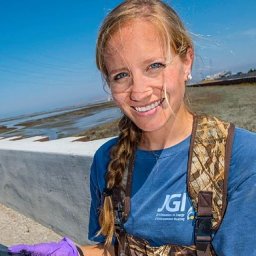 Susanna Theroux合作论文数Josephine Bay Paul Center for Comparative Molecular Biology and Evolution, Marine Biological Laboratory, Woods Hole, MA 02543, USA2
 Mary Engels合作论文数Escuela de Biología;Universidad de Costa Rica;Escuela de Biología, Universidad de Costa Rica2MA Messerli合作论文数1JCH CARTER合作论文数1




