CLINICAL VIGNETTE:A 29-year-old woman with no medical history presented after being a pedestrian struck by a motor vehicle. She sustained an APC2 pelvic ring injury, a closed olecranon fracture, and a closed proximal tibia fracture ( Fig. 1 ). Clinical evaluation is notable for significant edema and early serous fracture blister formation overlying the proximal tibia fracture. The patient is neurovascularly intact. Imaging of the tibia demonstrates an extra-articular proximal tibia fracture. The patient underwent application of anterior pelvic external fixation and knee spanning external fixator within 24 hours of arrival.
INTRODUCTION:Distal femur fractures are commonly treated with retrograde intramedullary nails or lateral locked plates. Although enthusiasm is growing for dual-implant constructs, most fractures are still treated with a single implant, though it remains unclear whether one implant type offers superior outcomes. This study compared revision surgery rates as well as clinical and radiographic outcomes between matched cohorts of distal femur fractures treated with intramedullary nails or lateral plates. METHODS:This multicenter retrospective study included adult patients with OTA/AO 33A or 33C distal femur fractures treated with isolated retrograde intramedullary nails or lateral locked plates with a minimum 3-month follow-up at 10 level-1 trauma centers. Outcomes were compared between propensity-matched nail and plate groups including all-cause revision surgery, unplanned revision surgery to promote union, revision surgery for deep surgical site infection, and modified Radiological Union Scale for Tibia scores. RESULTS:A total of 245 fractures treated with intramedullary nails were propensity score-matched 1:1 to 245 fractures treated with a single locked lateral plate. At a mean follow-up of 16 months, no significant differences were found in all-cause revision surgery (24% vs. 19%, P = 0.2), revision surgery to promote union (8.2% vs. 10%, P = 0.5), revision surgery for infection (5.7% vs. 5.7%, P > 0.9), or modified Radiological Union Scale for Tibia scores at 3 months (9 vs. 9, P = 0.6). No notable differences were observed in radiographic postoperative reduction parameters, surgical duration, follow-up duration, or qualitative clinical outcomes between the nail and plate groups. CONCLUSION:Distal femur fractures treated with retrograde intramedullary nails or lateral locked plates showed no notable differences in revision surgery rates, radiographic healing, or qualitative clinical outcomes. Surgeons should choose nails or plates based on experience, fracture type, and perceived ease of achieving a good reduction with the specific implant. LEVEL OF EVIDENCE:III.
BACKGROUND:Talus fractures are rare injuries. To date, there is limited literature on outcomes after modern operative treatment of talus fractures. Many prior studies are limited by a small number of patients, limited follow-up, and include radiographic outcomes only. The purpose of this study was to report long-term patient-reported outcomes after operative treatment of talus fractures. METHODS:This was a retrospective cohort study of patients with a talus fracture treated surgically at a level 1 trauma center between 2008 and 2018, with a minimum of 5 years of follow-up.Detailed demographic, injury, and radiographic data were collected. Attempts were made to contact all patients for long-term follow-up to collect the Foot and Ankle Ability Measure (FAAM) patient-reported outcome score. RESULTS:One hundred twenty-eight patients met inclusion criteria and were successfully contacted for follow-up. The average length of follow-up was 10.4 years. There was a 47% rate of posttraumatic arthritis. Thirty-eight patients (30%) underwent unplanned reoperation, of which 12 (9%) were a salvage procedure (fusion, arthroplasty, or amputation). Median FAAM score at a mean of 10 years was 83 (interquartile range [IQR] 58-96). For patients who did not require a salvage procedure (fusion, arthroplasty, or amputation), the median FAAM score was 85 (IQR 63-96). In contrast, those who underwent a salvage procedure had a median FAAM score of 52 (IQR 36-65), representing significantly poorer function. In univariate analysis, factors associated with lower FAAM score included open injuries, higher Injury Severity Score (ISS), and elevated body mass index (BMI). Additional negative predictors included increased time to definitive surgery, presence of a subtalar dislocation, development of subtalar arthritis, undergoing any reoperation, and salvage procedures. Fracture location, Hawkins classification, development of avascular necrosis, age, reoperations excluding salvage procedures, presence of ipsilateral foot/ankle fractures, and duration of follow-up were not independently associated with FAAM score. In multivariate analysis, only undergoing a salvage procedure and increasing BMI and ISS remained associated with poorer FAAM scores. CONCLUSION:In a large cohort of surgically treated talus fractures, long-term functional outcomes were better than anticipated, with a median FAAM score of 83 despite a 47% rate of posttraumatic arthritis and 30% reoperation rate. These results suggest that modern dual-approach surgical techniques may substantially improve patient prognosis compared with historical expectations.
OBJECTIVES:To report the outcomes of aseptic distal femur nonunion repair and to identify factors associated with recalcitrant nonunion. METHODS: DESIGN:Retrospective cohort study. SETTING:Single academic level 1 trauma center. PATIENT SELECTION CRITERIA:All skeletally mature patients undergoing repair of a presumed aseptic distal femur nonunion (AO/OTA 33A or 33C) between 2005 and 2023 were eligible for inclusion. OUTCOME MEASURES AND COMPARISONS:The primary outcome was the success of the initial nonunion repair attempt. Univariate and multivariable analysis was used to examine patient, injury, and treatment factors associated with recalcitrant nonunion. RESULTS:One hundred and two patients were included. Their average age was 56 years (SD 15) and 64 were female. Forty-seven patients had open fractures and 60 patients had high energy mechanisms. Fifty three fractures were AO/OTA type 33A, while 49 were type 33C. The rate of recalcitrant nonunion was 23%. Diagnosis of fracture-related infection (FRI) after the index nonunion repair was associated with increased risk of recalcitrant nonunion (47% with FRI vs. 18% without FRI, P = 0.021). Nonunion repair with a nail-plate combination was significantly associated with decreased risk of recalcitrant nonunion (0/27, 0%) compared with repair with plate alone (8/28, 29%), nail alone (4/10, 40%), or graft alone (9/25, 36%), P < 0.001. Looking at dual column fixation constructs as a whole (including nail + plate, plate + endosteal plate or medial strut, dual-plate), fixation with a dual column construct was again associated with a lower rate of recalcitrant nonunion (1/36, 3%) compared with nail alone (4/10, 40%), plate alone (8/28, 29%), or graft alone (9/25, 36%), P < 0.001. CONCLUSIONS:Approximately 1 in 4 patients developed a recalcitrant nonunion after attempted nonunion repair. Fixation with a dual column construct was associated with decreased risk of recalcitrant nonunion. LEVEL OF EVIDENCE:Prognostic Level III. See Instructions for Authors for a complete description of levels of evidence.
The treatment of proximal humerus fractures remains controversial. Although treatment modalities may vary, the goal of obtaining the best outcomes for patients remains the same. Most proximal humerus fractures can be treated nonsurgically but should still be managed actively. Deciding on surgical management requires a good understanding of indications and options. Indications for open reduction and internal fixation include younger or active patients with displaced two-, three-, and four-part fractures as well as fracture-dislocations with head-split patterns. Obtaining ideal outcomes requires anatomic reduction with restoration of the medial calcar as well as optimal position of implants to favor biomechanical stability. Reverse total shoulder arthroplasty is indicated for patients with severe and displaced fractures in older or low-demand patients. Obtaining the best functional outcomes depends on implant position, tuberosity healing, and early surgical intervention. Regardless of the treatment modality, these fractures can be challenging, and proper patient rehabilitation must be implemented. Future research will focus on patient selection and improving surgical techniques to maximize outcomes.
OBJECTIVES:To identify risk factors of reoperation to promote union or to address deep surgical-site infection (DSSI) in periprosthetic distal femur fractures treated with lateral distal femoral locking plates (LDFLPs). METHODS: DESIGN:Multicenter retrospective cohort study. SETTING:Ten level-I trauma centers. PATIENT SELECTION CRITERIA:Patients with Orthopaedic Trauma Association/Association of Osteosynthesis (OTA/AO) 33A or 33C periprosthetic distal femur fractures who underwent surgical fixation between January 2012 and December 2019 exclusively using LDFLPs were eligible for inclusion. Patients with pathologic fractures or with follow-up less than 3 months without an outcome event (unplanned reoperation to promote union or for deep surgical infection) before this time point were excluded. Fracture fixation constructs used medial plates, intramedullary nails, or hybrid fixation constructs were excluded from analysis. OUTCOME MEASURES AND COMPARISONS:To examine the influence of patient demographics, injury characteristics, and features of the fracture fixation construct on the occurrence of unplanned reoperation to promote union or to address a DSSI. RESULTS:There was an 8.3% rate (19/228) of unplanned reoperation to promote union. Predictive factors for the need for reoperation to promote union included increasing body mass index (odds ratio [OR] = 1.09; 95% confidence interval [CI]: 1.02-1.16; P = 0.01), increasing number of screws in the distal fracture segment (OR = 1.73; 95% CI: 1.06-2.95; P = 0.03), and decreasing proportion of proximal segment screws that are locking (OR = 0.17; 95% CI: 0.03-0.70; P = 0.02) There was a 4.8% rate (11/228) of reoperation to address DSSI. There were no statistically significant predictive factors identified as risk factors of the need for reoperation to address DSSI ( P > 0.05). CONCLUSIONS:8.3% of periprosthetic distal femur fractures treated at 10 centers with LDFLPs underwent unplanned reoperation to promote union. Increasing patient body mass index and increasing number of screws in the distal fracture segment were found to be predictive factors, whereas increased locking screws in the proximal segment were found to be protective. 4.8% of patients in this cohort underwent reoperation to address DSSI. LEVEL OF EVIDENCE:Level III. See Instructions for Authors for a complete description of levels of evidence.
OBJECTIVES:The aim of this study was to profile modified Radiographic Union Scale for Tibia (mRUST) scores over time in distal femur fractures treated with intramedullary nails and identify predictors of radiographic union timing and delayed progression. METHODS: DESIGN:Multicenter retrospective cohort study. SETTING:Ten Level I Trauma Centers. PATIENT SELECTION CRITERIA:The inclusion criteria were patients with distal femur fractures (OTA/AO 33A and 33 C) treated with intramedullary nails, with a minimum follow-up of 1 year or until radiographic union or reoperation. The exclusion criteria were fractures treated with combination nail-plate constructs, pathologic fractures, and patients younger than 18 years old. OUTCOME MEASURES AND COMPARISONS:The primary outcome was the mRUST score at 3, 6, and 12 months postoperatively. Receiver operating characteristic curve analysis identified the optimal 3-month mRUST score predicting reoperation. Multivariable models were used to identify predictors of radiographic union timing and delayed progression. RESULTS:The study included 155 fractures in 152 patients, with a mean patient age of 51 and a mean follow-up of 17 months. A 3-month mRUST score of ≤8 predicted reoperation with a PPV of 25% and a NPV of 99%. The timing of radiographic union was associated with tobacco use (1.2 months later; P = 0.04), open fracture (1.4 months later; P = 0.04), and the use of topical antibiotics (2.1 months longer; 95% CI, 0.33-3.84; P = 0.02); however, topical antibiotics were at high risk of being confounded by injury severity. Delayed progression to fracture healing, wherein the most rapid radiographic healing occurs more than 3 months postoperatively, was predicted by chronic kidney disease ( P < 0.01). CONCLUSIONS:A 3-month mRUST score >8 suggests a very high likelihood of avoiding reoperation for nonunion. Tobacco use and open fractures were associated with a longer time to radiographic union. Chronic kidney disease is associated with a delayed radiographic progression, suggesting a need for adjusted expectations and management strategies in these patients. LEVEL OF EVIDENCE:Prognostic Level III. See Instructions for Authors for a complete description of levels of evidence.
OBJECTIVE: To identify technical factors associated with nonunion after operative treatment with lateral locked plating.Design: Retrospective cohort study.Setting: Ten Level I trauma centers.Patient Selection Criteria:Adult patients with supracondylar distal femur fractures (OTA/AO type 33A or C) treated with lateral locked plating from 2010 through 2019.Outcome Measures and Comparisons:Surgery for nonunion stratified by risk for nonunion.RESULTS: The cohort included 615 patients with supracondylar distal femur fractures. The median patient age was 61 years old (interquartile range: 46 -72years) and 375 (61%) were female. Observed were nonunion rates of 2% in a low risk of nonunion group (n = 129), 4% in a medium-risk group (n = 333), and 14% in a high-risk group (n = 153). Varus malreduction with an anatomic lateral distal femoral angle greater than 84 degrees, was associated with double the odds of nonunion compared to those without such varus [odds ratio, 2.1; 95% confidence interval (CI), 1.1-4.2; P = 0.03]. Malreduction by medial translation of the articular block increased the odds of nonunion, with 30% increased odds per 4 mm of medial translation (95% CI, 1.0-1.6; P = 0.03). Working length increased the odds of nonunion in the medium risk group, with an 18% increase in nonunion per 10-mm increase in working length (95% CI, 1.0-1.4; P = 0.01). Increased proximal screw density was protective against nonunion (odds ratio, 0.71; 95% CI, 0.53-0.92; P = 0.02) but yielded lower mRUST scores with each 0.1 increase in screw density associated with a 0.4-point lower mRUST (95% CI, -0.55 to -0.15; P < 0.001). Lateral plate length and type of plate material were not associated with nonunion. (P > 0.05).CONCLUSIONS: Malreduction is a surgeon-controlled variable associated with nonunion after lateral locked plating of supracondylar distal femur fractures. Longer working lengths were associated with nonunion, suggesting that bridge plating may be less likely to succeed for longer fractures.LEVEL OF EVIDENCE: Therapeutic Level III. See Instructions for Authors for a complete description of levels of evidence.
Objectives: To identify potentially modifiable risk factors for deep surgical site infection after distal femur fracture. Design: Multicenter retrospective cohort study. Setting: Ten Level-I trauma centers. Patients/Participants: Patients with OTA/AO 33A or C distal femur fractures (n = 1107). Intervention: Surgical fixation of distal femur fracture. Main Outcome Measurement: The outcome of interest was deep surgical site infection. Results: There was a 7% rate (79/1107) of deep surgical site infection. In the multivariate analysis, predictive factors included alcohol abuse [odds ratio (OR) = 2.36; 95% confidence interval (CI), 1.17–4.46; P = 0.01], intra-articular injury (OR = 1.73; 95% CI, 1.01–3.00; P = 0.05), vascular injury (OR = 3.90; 95% CI, 1.63–8.61; P < 0.01), the use of topical antibiotics (OR = 0.50; 95% CI, 0.25–0.92; P = 0.03), and the duration of the surgery (OR = 1.15 per hour; 95% CI, 1.01–1.30; P = 0.04). There was a nonsignificant trend toward an association between infection and type III open fracture (OR = 1.73; 95% CI, 0.94–3.13; P = 0.07) and lateral approach (OR = 1.60; 95% CI, 0.95–2.69; P = 0.07). The most frequently cultured organisms were methicillin-resistant Staphylococcus aureus (22%), methicillin-sensitive Staphylococcus aureus (20%), and Enterobacter cloacae (11%). Conclusions: Seven percent of distal femur fractures developed deep surgical site infections. Alcohol abuse, intra-articular fracture, vascular injury, and increased surgical duration were risk factors, while the use of topical antibiotics was protective. Level of Evidence: Prognostic Level III. See Instructions for Authors for a complete description of levels of evidence.
Talar fractures and pantalar dislocations are usually the results of high-energy trauma. Dislocations and open injuries are managed urgently. Temporary stabilization with splinting, Kirschner wires, or external fixation may be performed until the soft tissues are ready for definitive fixation. A CT scan is critical to identify all injuries and is helpful in planning treatment including reduction of dislocations and definitive fixation. Lateral and posterior process fractures are often missed initially and require a high index of suspicion.
OBJECTIVES:To (1) report on clinical, radiographic, and functional outcomes after nail-plate fixation (NPF) of distal femur fractures and (2) compare outcomes after NPF with a propensity matched cohort of fractures treated with single precontoured lateral locking plates.DESIGN:Multicenter retrospective cohort study.SETTING:Ten Level 1 trauma centers.PATIENTS/PARTICIPANTS:Patients with OTA/AO 33A or 33C fractures.INTERVENTION:Fixation with (1) retrograde intramedullary nail combined with lateral locking plate (n = 33) or (2) single precontoured lateral locking plate alone (n = 867).MAIN OUTCOME MEASUREMENTS:The main outcomes of interest were all-cause unplanned reoperation and presence of varus collapse at final follow-up.RESULTS:One nail-plate patient underwent unplanned reoperation excluding infection and 2 underwent reoperation for infection at an average of 57 weeks after surgery. No nail-plate patients required unplanned reoperation to promote union and none exhibited varus collapse. More than 90% were ambulatory with no or minimal pain at final follow-up. In comparison, 7 of the 30 matched lateral locked plating patients underwent all-cause unplanned reoperation excluding infection (23% vs. 3%, P = 0.023), and an additional 3 lateral locked plating patients were found to have varus collapse on final radiographs (10% vs. 0%, P = 0.069).CONCLUSIONS:Despite a high proportion of high-energy, open, and comminuted fractures, no NPF patients underwent unplanned reoperation to promote union or demonstrated varus collapse. Propensity score matched analysis revealed significantly lower rates of nonunion for NPF compared with lateral locked plating alone. Larger studies are needed to identify which distal femur fracture patients would most benefit from NPF.LEVEL OF EVIDENCE:Therapeutic Level III. See Instructions for Authors for a complete description of levels of evidence.
Background: Proximal humerus fracture dislocations, excluding 2-part greater tuberosity fracture dislocations, are rare injuries. Out-comes after open reduction and internal fixation (ORIF) of these injuries have not been well described in the literature. The purpose of this study was to report the radiographic and functional outcomes of patients who underwent ORIF of a proximal humerus fracture dislocation.Methods: All skeletally mature patients who underwent ORIF of a proximal humerus fracture dislocation between 2011 and 2020 were identified. Patients with isolated greater tuberosity fracture dislocations were excluded. The primary outcome was American Shoulder and Elbow Surgeons Standardized Shoulder Assessment Form (ASES) score at a minimum of 2 years. Secondary outcomes were the development of avascular necrosis (AVN) and reoperation rate.Results: Twenty-six patients met the inclusion criteria. The mean age was 45 years (standard deviation 16), and 77% were men. Median time to reduction and surgery was 1 day (interquartile range [IQR] 1-5). There were 2 (8%) Neer 2-part fractures, 7 (27%) 3-part, and 17 (65%) 4-part fractures. Fifty-four percent (54%) involved the anatomic neck and 31% included a head-split component. Thirty-nine percent (39%) were anterior dislocations. The rate of AVN was 19%. The reoperation rate was 15%. Reoperations included removal of hardware (2), subscapularis repair (1), and manipulation under anesthesia (1). No patients went on to arthroplasty. ASES scores were available for 22 patients (84%) including 4 of 5 patients with AVN. The median ASES score at a mean of 6.0 years postoperatively was 98.3 (IQR 86.7-100, range 63.3-100) and was not different in those with or without AVN (median 98.3 vs. 92.0, P 1/4 .175). Only the presence of medial comminution and nonanatomic head shaft alignment on postoperative radiographs were associated with increased risk of AVN.Conclusion: Radiographic rates of AVN (19%) and reoperation (15%) were high in this series of patients undergoing ORIF of proximal humerus fracture dislocations. Despite this, none of the patients required arthroplasty, and patient-reported outcome scores at an average of 6 years postinjury were excellent, with a median ASES score of 98.5. ORIF should be considered as primary method of treatment in proximal humerus fracture dislocations not only in young patients but also middle-aged patients.Level of Evidence: Level IV; Case Series; Treatment Study (c) 2023 Journal of Shoulder and Elbow Surgery Board of Trustees. All rights reserved.
Introduction Morbidity and mortality benefits have been associated with prompt surgical treatment of geriatric hip fractures. The purpose of this study was to evaluate the impact of early (≤24 hr) vs delayed (>24 hr) time to operating room (TTOR) on 1) hospital length of stay and 2) total and post-operative opiate use in geriatric hip fractures. Materials and Methods This study was a retrospective review of patients ≥65 years-old at the time of admission for surgery for hip fracture at a Level II academic trauma center. Outcome measures were length of stay (LOS), oral morphine equivalents (OME) throughout hospitalization. Patients were stratified into early and delayed TTOR groups and comparisons were made between groups. Results Between the early (n = 75, 80.6%) and late (n = 18, 19.4%) groups, there were no differences in age, fracture pattern, type of treatment, preoperative opiate use, and perioperative non-oral pain management. The early group trended toward shorter total LOS (108.0 ± 67.2 hours vs 144.8 ± 103.7 hours, P = .066), but not post-operative LOS. Total OME usage was less in the early intervention group (92.5 ± 188.0 vs 230.2 ± 296.7, P = .015), in addition to reduced post-operative OME (81.3 ± 174.9 vs 213.3 ± 271.3, P = .012). There were no differences in evaluated potential delay sources such as primary language, use of surrogate decision makers, or need for advanced imaging. Discussion Surgical treatment of geriatric hip/femur fractures in ≤24 hours from presentation is achievable and may be associated with reduced total inpatient opiate use, although daily use did not differ. Conclusion Establishing institutional TTOR goals as part of an interdisciplinary hip fracture co-management clinical pathway can facilitate prompt care and contribute to recovery and less opiate use in these patients with highly morbid injuries.
OBJECTIVES:To quantify the total hospital costs associated with the treatment of lower extremity long-bone fracture aseptic and septic unhealed fracture, to determine if insurance adequately covers these costs, and to examine whether insurance type correlates with barriers to accessing care. DESIGN:Retrospective cohort study. SETTING:Academic Level II trauma center. PATIENTS:All patients undergoing operative treatment of OTA/AO classification 31, 32, 33, 41, 42, and 43 fractures between 2012 and 2020 at a single Level II trauma center with minimum of 1-year follow-up. MAIN OUTCOME MEASURES:The primary outcome was the total cost of treatment for all hospital-based episodes of care. Distance traveled from primary residence was measured as a surrogate for barriers to care. RESULTS:One hundred seventeen patients with uncomplicated fracture healing, 82 with aseptic unhealed fracture, and 44 with septic unhealed fracture were included in the final cohort. The median cost of treatment for treatment of septic unhealed fracture was $148,318 [interquartile range(IQR) 87,241-256,928], $45,230 (IQR 31,510-68,030) for treatment of aseptic unhealed fracture, and $33,991 (IQR 25,609-54,590) for uncomplicated fracture healing. The hospital made a profit on all patients with commercial insurance, but lost money on all patients with public insurance. Among patients with unhealed fracture, those with public insurance traveled 4 times further for their care compared with patients with commercial insurance (P = 0.004). CONCLUSIONS:Septic unhealed fracture of lower extremity long-bone fractures is an outsized burden on the health care system. Public insurance for both septic and aseptic unhealed fracture does not cover hospital costs. The increased distances traveled by our Medi-Cal and Medicare population may reflect the economic disincentive for local hospitals to care for publicly insured patients with unhealed fractures. LEVEL OF EVIDENCE:Economic Level V. See Instructions for Authors for a complete description of levels of evidence.
BackgroundTibial plateau fractures with an ipsilateral compartment syndrome are a clinical challenge with limited guidance regarding the best time to perform open reduction and internal fixation (ORIF) relative to fasciotomy wound closure. This study aimed to determine if the risk of fracture-related infection (FRI) differs based on the timing of tibial plateau ORIF relative to closure of ipsilateral fasciotomy wounds.MethodsA retrospective cohort study identified patients with tibial plateau fractures and an ipsilateral compartment syndrome treated with 4-compartment fasciotomy at 22 US trauma centers from 2009 to 2019. The primary outcome measure was FRI requiring operative debridement after ORIF. The ORIF timing relative to fasciotomy closure was categorized as ORIF before, at the same time as, or after fasciotomy closure. Bayesian hierarchical regression models with a neutral prior were used to determine the association between timing of ORIF and infection. The posterior probability of treatment benefit for ORIF was also determined for the three timings of ORIF relative to fasciotomy closure.ResultsOf the 729 patients who underwent ORIF of their tibial plateau fracture, 143 (19.6%) subsequently developed a FRI requiring operative treatment. Patients sustaining infections were: 21.0% of those with ORIF before (43 of 205), 15.9% at the same time as (37 of 232), and 21.6% after fasciotomy wound closure (63 of 292). ORIF at the same time as fasciotomy closure demonstrated a 91% probability of being superior to before closure (RR, 0.75; 95% CrI, 0.38 to 1.10). ORIF after fasciotomy closure had a lower likelihood (45%) of a superior outcome than before closure (RR, 1.02; 95% CrI; 0.64 to 1.39).ConclusionData from this multicenter cohort confirms previous reports of a high FRI risk in patients with a tibial plateau fracture and ipsilateral compartment syndrome. Our results suggest that ORIF at the time of fasciotomy closure has the highest probability of treatment benefit, but that infection was common with all three timings of ORIF in this difficult clinical situation.
Objectives:To identify modifiable and nonmodifiable risk factors for reoperation to promote union after distal femur fracture.Design:Multicenter retrospective cohort study.Setting:Ten Level-I trauma centers.Patients/Participants:Patients with OTA/AO 33A or C distal femur fractures (n = 1111).Intervention:Surgical fixation of distal femur fracture. Fixation constructs were classified as lateral plate, dual plate, nail, or nail plate combination.Main Outcome Measurements:The outcome of interest was unplanned reoperation to promote union.Results:There was an 11% (121/1111) rate of unplanned reoperation to promote union. In the multivariate analysis, predictive factors included body mass index [odds ratio (OR) = 1.18; 95% confidence interval (CI), 1.06-1.32; P < 0.01], intra-articular fracture (OR = 1.57; 95% CI, 1.01-2.45; P = 0.04), type III open injury (OR = 2.29; 95% CI, 1.41-3.72; P < 0.01), the presence of medial comminution (OR = 1.85; 95% CI, 1.14-3.06; P = 0.01), and medial translation on postoperative radiographs (OR = 1.23 per one 10th of condylar width; 95% CI, 1.01-1.48; P = 0.03). Construct type was not significantly predictive.Conclusions:Eleven percent of distal femur fractures underwent unplanned reoperation to promote union. Body mass index, intra-articular fracture, type III open injury, medial comminution, and medial translation on postoperative radiographs were predictive factors. Construct type was not associated with unplanned reoperation; however, this conclusion was limited by small numbers in the dual plate and nail plate groups.
Background : The utilization of reverse total shoulder arthroplasty (RTSA) for the treatment of proximal humerus fractures in the elderly is increasing. Recent results support the use of RTSA for this indication over hemiarthroplasty or open reduction internal fixation (ORIF). However there are limited data on the outcomes of RTSA for fracture or fracture sequelae as compared to RTSA for cuff tear arthropathy (CTA). We hypothesized that patients undergoing RTSA for fracture or fracture sequelae would have worse outcomes compared to patients undergoing RTSA for CTA. Methods : This was a retrospective analysis of a prospectively collected outcomes database of all patients undergoing shoulder arthroplasty at a single institution between 2008 and 2019. Patients were included if they underwent primary RTSA for a diagnosis of acute fracture, fracture nonunion or malunion, failed hemiarthroplasty or ORIF for proximal humerus fracture, or rotator cuff arthropathy. The primary outcome was American Shoulder and Elbow Surgeons (ASES) score at the most recent follow-up, with minimum 1-year follow-up. Secondary outcomes included range of motion (ROM) at most recent follow-up, patient satisfaction with surgery, and revision or reoperation rates. Analysis of variance (ANOVA) was used to compare continuous variables between the groups, while chi-square or Fisher's exact test were used to compare categorical variables. Linear regression analysis was used to perform multivariable analysis. Prosthesis survival rates were calculated using Kaplan Meier survival analysis. Significance was defined as p Results : There were 287 patients included in the final cohort, including 62 with fracture and 225 with CTA. Sex, diagnosis, increasing patient comorbidities, and diagnosis (malunion/nonunion and failed prior surgery) were associated with worse ASES scores on univariate analysis (p 0.05). Outcomes of delayed RTSA for malunion/nonunion and hemiarthroplasty/ORIF were significantly worse than those for acute fracture/CTA (p Conclusion : Treatment of acute proximal humerus fractures with RTSA leads to similar improvements in patient outcomes compared to elective treatment for CTA, but outcomes of delayed RTSA for fracture are considerably worse. These findings provide further guidance to clinicians counselling patients on treatment options and outcomes for proximal humerus fractures Level of Evidence : Level III.
AIMS:Antibiotic administration, severity of injury, and debridement are associated with surgical site infection (SSI) after internal fixation of open fractures. We sought to validate a time-dependent treatment effect of antibiotic administration.PATIENTS:Consecutive open fracture patients at a level 1 trauma center with minimum 30-day follow-up were identified from an orthopaedic registry from 2013-2017.METHODS:The primary endpoint was SSI within 90 days. A threshold time to antibiotic administration associated with SSI was ascertained by receiver-operator analysis. A Cox proportional hazards model adjusted for age, smoking, and drug use determined the treatment effect of antibiotic administration within the threshold period.RESULTS:Ten percent of 230 patients developed a SSI. There was a trend for patients who did not develop an SSI to receive antibiotics earlier than those who did develop an SSI (61 minutes, IQR 33-107 vs 83 minutes, IQR 40-186), p=0.053). Intravenous antibiotic administration after 120 minutes of presentation of an open fracture to emergency department was significantly associated with a 2.4 increased hazard of surgical site infection (p=0.036) within 90 days.CONCLUSION:Antibiotic administration greater than 120 minutes after ED presentation of an open fracture was associated with an increased risk of SSI.
Critical-sized bone defects are defined as those that will not heal spontaneously within a patient’s lifetime. Current treatment options include vascularized bone grafts, distraction osteogenesis, and the induced membrane technique. The induced membrane technique is an increasingly utilized method with favorable results including high rates of union. Tissue engineering holds promise in the treatment of large bone defects due to advancement of stem cell biology, novel biomaterials, and 3D bioprinting. In this review, we provide an overview of the current operative treatment strategies of critical-sized bone defects as well as the current state of tissue engineering for such defects.
 John Morellato合作论文数8Lucas S Marchand合作论文数8Matthew Hogue合作论文数8Adolfo Hernandez合作论文数7Murphy Walters合作论文数7Lillia Steffenson合作论文数7Omar Atassi合作论文数7
 Robert V. O'Toole合作论文数Department of Orthopaedics, School of Medicine, University of Maryland;R Adams Cowley Shock Trauma Center, University of Maryland7
 Christopher Lee合作论文数7
 Nathan O'Hara合作论文数Office of Pediatric Surgical Evaluation and Innovation, University of British Columbia7
 Sabine Mueller合作论文数Helen Diller Family Comprehensive Cancer, University of California, San Francisco;Weill Institute for Neurosciences, University of California, San Francisco;School of Medicine, University of California, San Francisco7Colby Barber合作论文数6Loren O. Black合作论文数6Stephen J. Shymon合作论文数6Thomas Mitchell合作论文数6Hunter Gillon合作论文数6
 Cynthia Burke合作论文数R Adams Cowley Shock Trauma Ctr, Univ Maryland6
 Natasha McKibben合作论文数6Sai K Devana合作论文数Department of Orthopaedic Trauma Surgery, University of California6
 Graham Dekeyser合作论文数6Ashraf N El Naga合作论文数Department of Orthopedic Surgery, University of California San Francisco6
 Dane J Brodke合作论文数Dept Orthopaed Trauma Surg, Univ Calif Los Angeles6
 Jayesh Gupta合作论文数R Adams Cowley Shock Trauma Center, University of Maryland6Trevor R Gulbrandsen合作论文数6
 Zachary M Working合作论文数6Perdue Paul合作论文数R Adams Cowley Shock Trauma Center, University of Maryland School of Medicine6Marshall James Fairres合作论文数5Sear Katherine合作论文数5Daphne A. Haas-Kogan合作论文数5Erin Felton合作论文数4Benedict Del Buono合作论文数4
 Samuel David合作论文数Department of Anatomy and Cell Biology, Faculty of Medicine and Health Sciences, McGill University4Torkildson Joseph合作论文数4Utku Kandemir合作论文数4
 Michael J. Gardner合作论文数Department of Orthopaedic Surgery, School of Medicine, Stanford University3Heather J. Fullerton合作论文数3Anu Banerjee合作论文数3Lennox Byer合作论文数2
 Malcolm DeBaun合作论文数Dept Orthopaed Surg, Duke Univ2
 Karen Gauvain合作论文数2Tamrazi Benita合作论文数2Josephine Chen合作论文数2
 Reza Firoozabadi合作论文数2
 Biljana Horn合作论文数School of Medicine, University of California San Francisco2
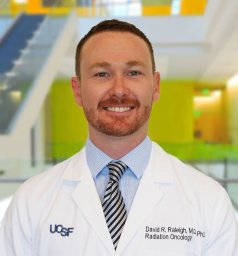 David R Raleigh合作论文数2Janine M. Lupo合作论文数2Robert E. Goldsby合作论文数2Saam Morshed合作论文数2
 Annette Molinaro合作论文数Helen Diller Family Comprehensive Cancer Center, University of California, San Francisco;Department of Neurological Surgery, School of Medicine, University of California, San Francisco;Brain Tumor Research Center, University of California, San Francisco2




