Background Reverse shoulder arthroplasty (rTSA) restores forward elevation reliably but produces variable gains in external rotation (ER), particularly in patients with posterior rotator cuff deficiency. The relative contributions of external rotation in adduction (ER1) and abduction-plane (ER2) motions, and their impact on functional recovery, remain poorly defined. This study sought to identify predictors of ER recovery following rTSA in a group of patients with preoperative ER lag signs. Methods A retrospective cohort of 55 primary rTSA patients (mean age = 69 years; 56% male) with ≥2-year follow-up was analyzed. Active and passive ER1 and ER2 were recorded with ER lag defined as passive minus active ER. Radiographs measured the lateralization and distalization shoulder angle (LSA/DSA) and pre-operative Hamada grading. Functional ER was defined as ER1 ≥30° and ER2 ≥60°. ROC analysis identified preoperative motion thresholds predictive of functional recovery. Results rTSA significantly improved forward elevation (112° to 142°) and active ER1 (20° to 44°), ER2 (53° to 69°) (p< 0.001). Mean ER lag decreased from 23° to 8° (ER1) and 31° to 15° (ER2). Functional ER1 increased from 38% to 81% and functional ER2 from 60% to 86% of subjects. Failure to achieve both functional ER1 (p=0.03) or ER2 (p=0.045) negatively affected ASES scores. Preoperative active ER1 >25°, ER2 > 40°, and ER2 lag < 25° predicted functional recovery (AUC 0.74 to 0.76). No independent correlation was found between LSA/DSA and ER function. Conclusion rTSA reliably improves ER function in patients with preexisting ER signs, but recovery depends primarily on preoperative motion and lag magnitude rather than radiographic measurements of implant geometry. Patients with active ER1 > 25°, ER2 > 40° and ER2 lag <25° can expect functional ER following rTSA alone. Patients with ER lag signs >50% of passive ER are less likely to achieve functional ER following rTSA alone. Level of Evidence Level IV; Case series; Treatment study
Introduction:Prediction of nonhome discharge after open reduction internal fixation (ORIF) of distal femur fractures may facilitate earlier discharge planning, potentially decreasing costs and improving outcomes. We aim to develop algorithms predicting nonhome discharge and time to discharge after distal femur ORIF and identify features important for model performance. Methods:This is a retrospective cohort study of adults in the American College of Surgeons National Surgical Quality Improvement Program database who underwent distal femur ORIF between 2010 and 2019. The primary outcome was nonhome discharge, and the secondary outcome was time to nonhome discharge. We developed logistic regression and machine learning models for prediction of nonhome discharge. We developed an ensemble machine learning-driven survival model to predict discharge within 3, 5, and 7 days. Results:Of the 5330 patients included, 3772 patients were discharged to either a skilled nursing facility or rehabilitation hospital after index ORIF. Of all tested models, the logistic regression algorithm was the best-performing model and well calibrated. The ensemble model predicts discharge within 3, 5, and 7 days with fair discrimination. The following features were the most important for model performance: inpatient status, American Society of Anesthesiology classification, preoperative functional status, wound status, medical comorbidities, age, body mass index, and preoperative laboratory values. Conclusion:We report a well-calibrated algorithm that accurately predicts nonhome discharge after distal femur ORIF. In addition, we report an ensemble survival algorithm predicting time to nonhome discharge. Accurate preoperative prediction of discharge destination may facilitate earlier discharge, reducing the costs and complications associated with prolonged hospitalization.
Aim: We aim to develop a machine learning (ML)-driven predictive algorithm for patient-reported dysphagia after instrumented cervical fusion. Additionally, we aim to identify features for the prediction of dysphagia and to develop a web-based risk calculator for outcome prediction. Methods: We identified consecutive adults who underwent instrumented cervical fusion at a single institution between 2013-2020. We developed regression-based and ML-based prognostic models and assessed model performance using discrimination and calibration. Additionally, we identified patient features driving the performance of the most effective model. Results: Nine hundred and forty-seven patients were included in this study. There were 62 cases of dysphagia. The gradient boosting model was well-calibrated and demonstrated the highest discrimination of all tested models. The most important features for model performance included: anterior approach, deformity, revision procedure, bipolar disorder, diabetes mellitus, depression/anxiety, male sex, and myelopathy. Conclusion: We report a ML-driven model that accurately predicts patient-reported dysphagia after instrumented cervical fusion. Prediction of dysphagia risk may inform preoperative counseling and appropriate risk stratification. Furthermore, this model may identify modifiable risk factors that may be addressed preoperatively to reduce the risk of dysphagia after cervical fusion.
OBJECTIVES:The optimal treatment of acetabulum fractures in elderly patients is unknown. The purpose of this study was to review outcomes of open reduction and internal fixation (ORIF) or acute total hip arthroplasty (aTHA) and to determine the age threshold based on treatment using a cost-effectiveness decision model. METHODS:The PubMed database was queried for clinical English language studies from 2002 to 2022 (N > 10), of acetabular fracture patients age >50 years treated with either ORIF or aTHA. Revision surgery and mortality rates were collected. Costs were obtained from the National Inpatient Sample database. Health state utilities were converted to quality-adjusted life years, and a Markov decision analysis model was constructed. Sensitivity analyses were done with regard to the quality of life and cost variables. RESULTS:Thirty studies met inclusion criteria, including 16 ORIF studies (N = 909) and 18 aTHA studies (N = 403). The ORIF cohort had a mean age of 71 years, follow-up of 3.5 years, mortality rate of 11.7%, and a conversion arthroplasty rate of 19.6%. The aTHA cohort had a mean age of 73 years, follow-up of 3.2 years, mortality rate of 10.7%, and a revision rate of 4.5%. Our model demonstrated that ORIF was a more cost-effective treatment for patients aged 67 years or younger and that aTHA was more cost-effective for patients aged 68 years and older. Sensitivity analyses demonstrated that this result was robust to small deviations in the cost of ORIF and aTHA but highly sensitive to functional outcome variables in the model. CONCLUSION:A review of 30 studies demonstrated a conversion arthroplasty rate of 19.6% for patients older than 60 years compared with a revision rate of 4.5% for patients treated with aTHA. Without considering fracture pattern or patient factors, we found that aTHA is a more cost-effective treatment than ORIF for treatment of acetabulum fractures in patients aged 68 years and older. LEVEL OF EVIDENCE:Economic Level III.
INTRODUCTION:Distal femur fractures are complex injuries that often present with multiple fragments, posing notable challenges to fixation. This study aimed to (1) use preoperative CT scans to graphically display fracture lines in intra-articular distal femur fractures and (2) identify common fracture patterns in these injuries. METHODS:All skeletally mature patients that underwent surgical fixation of Orthopaedic Trauma Association type 33C distal femur fractures between 2012 and 2022 were identified across two level 1 trauma centers (n = 63). Preoperative axial, sagittal, and coronal computed tomography scans were obtained. Fracture lines in each plane were traced out and superimposed on standardized distal femur cross-sections, generating a fracture map for each plane. Injury and fracture characteristics were summarized and compared between fracture patterns. RESULTS:On axial scans, 59 of 63 fractures contained a central intercondylar split from the intercondylar notch to the trochlea. On coronal scans, fracture lines originated at the notch and exited laterally and medially in the supracondylar region, creating a Y-shape. One-third of all fractures contained coronal fracture lines, with most involving the lateral condyle. Based on fracture line orientation and location, fractures were divided into four main fracture pattern types. Type 4 fractures (central split and medial coronal fracture line) were associated with lower average medial fracture height and a lower rate of medial metaphyseal comminution. DISCUSSION:We found that C-type distal femur fractures can present with four main fracture patterns. Most fractures contain a central sagittal intercondylar split, and a high proportion of fractures contain either medial or lateral coronal fracture lines. Fracture pattern was associated with mechanism of injury, presence of medial comminution, and medial fracture line height. Future studies should focus on clinical outcomes and surgical management of these distinct fracture patterns. LEVEL OF EVIDENCE:IV.
Background: As machine learning becomes increasingly utilized in orthopaedic clinical research, the application of machine learning methodology to cohort data from the Multicenter ACL Revision Study (MARS) presents a valuable opportunity to translate data into patient-specific insights. Purpose: To apply novel machine learning methodology to MARS cohort data to determine a predictive model of revision anterior cruciate ligament reconstruction (rACLR) graft failure and features most predictive of failure. Study Design: Cohort study; Level of evidence, 3. Methods: The authors prospectively recruited patients undergoing rACLR from the MARS cohort and obtained preoperative radiographs, surgeon-reported intraoperative findings, and 2- and 6-year follow-up data on patient-reported outcomes, additional surgeries, and graft failure. Machine learning models including logistic regression (LR), XGBoost, gradient boosting (GB), random forest (RF), and a validated ensemble algorithm (AutoPrognosis) were built to predict graft failure by 6 years postoperatively. Validated performance metrics and feature importance measures were used to evaluate model performance. Results: The cohort included 960 patients who completed 6-year follow-up, with 5.7% (n = 55) experiencing graft failure. AutoPrognosis demonstrated the highest discriminative power (model area under the receiver operating characteristic curve: AutoPrognosis, 0.703; RF, 0.618; GB, 0.660; XGBoost, 0.680; LR, 0.592), with well-calibrated scores (model Brier score: AutoPrognosis, 0.053; RF, 0.054; GB, 0.057; XGBoost, 0.058; LR, 0.111). The most important features for AutoPrognosis model performance were prior compromised femoral and tibial tunnels (placement and size) and allograft graft type used in current rACLR. Conclusion: The present study demonstrated the ability of the novel AutoPrognosis machine learning model to best predict the risk of graft failure in patients undergoing rACLR at 6 years postoperatively with moderate predictive ability. Femoral and tibial tunnel size and position in prior ACLR and allograft use in current rACLR were all risk factors for rACLR failure in the context of the AutoPrognosis model. This study describes a unique model that can be externally validated with larger data sets and contribute toward the creation of a robust rACLR bedside risk calculator in future studies. Registration: NCT00625885 (ClinicalTrials.gov identifier).
Purpose Ankle arthrodesis is a mainstay of surgical management for ankle arthritis. Accurately risk-stratifying patients who undergo ankle arthrodesis would be of great utility. There is a paucity of accurate prediction models that can be used to pre-operatively risk-stratify patients for ankle arthrodesis. We aim to develop a predictive model for major perioperative complication or readmission after ankle arthrodesis. Methods This is a retrospective cohort study of adult patients who underwent ankle arthrodesis at any non-federal California hospital between 2015 and 2017. The primary outcome is readmission within 30 days or major perioperative complication. We build logistic regression and ML models spanning different classes of modeling approaches, assessing discrimination and calibration. We also rank the contribution of the included variables to model performance for prediction of adverse outcomes. Results A total of 1084 patients met inclusion criteria for this study. There were 131 patients with major complication or readmission (12.1%). The XGBoost algorithm demonstrates the highest discrimination with an area under the receiver operating characteristic curve of 0.707 and is well-calibrated. The features most important for prediction of adverse outcomes for the XGBoost model include: diabetes, peripheral vascular disease, teaching hospital status, morbid obesity, history of musculoskeletal infection, history of hip fracture, renal failure, implant complication, history of major fracture. Conclusion We report a well-calibrated algorithm for prediction of major perioperative complications and 30-day readmission after ankle arthrodesis. This tool may help accurately risk-stratify patients and decrease likelihood of major complications.
OBJECTIVES:To identify risk factors of reoperation to promote union or to address deep surgical-site infection (DSSI) in periprosthetic distal femur fractures treated with lateral distal femoral locking plates (LDFLPs). METHODS: DESIGN:Multicenter retrospective cohort study. SETTING:Ten level-I trauma centers. PATIENT SELECTION CRITERIA:Patients with Orthopaedic Trauma Association/Association of Osteosynthesis (OTA/AO) 33A or 33C periprosthetic distal femur fractures who underwent surgical fixation between January 2012 and December 2019 exclusively using LDFLPs were eligible for inclusion. Patients with pathologic fractures or with follow-up less than 3 months without an outcome event (unplanned reoperation to promote union or for deep surgical infection) before this time point were excluded. Fracture fixation constructs used medial plates, intramedullary nails, or hybrid fixation constructs were excluded from analysis. OUTCOME MEASURES AND COMPARISONS:To examine the influence of patient demographics, injury characteristics, and features of the fracture fixation construct on the occurrence of unplanned reoperation to promote union or to address a DSSI. RESULTS:There was an 8.3% rate (19/228) of unplanned reoperation to promote union. Predictive factors for the need for reoperation to promote union included increasing body mass index (odds ratio [OR] = 1.09; 95% confidence interval [CI]: 1.02-1.16; P = 0.01), increasing number of screws in the distal fracture segment (OR = 1.73; 95% CI: 1.06-2.95; P = 0.03), and decreasing proportion of proximal segment screws that are locking (OR = 0.17; 95% CI: 0.03-0.70; P = 0.02) There was a 4.8% rate (11/228) of reoperation to address DSSI. There were no statistically significant predictive factors identified as risk factors of the need for reoperation to address DSSI ( P > 0.05). CONCLUSIONS:8.3% of periprosthetic distal femur fractures treated at 10 centers with LDFLPs underwent unplanned reoperation to promote union. Increasing patient body mass index and increasing number of screws in the distal fracture segment were found to be predictive factors, whereas increased locking screws in the proximal segment were found to be protective. 4.8% of patients in this cohort underwent reoperation to address DSSI. LEVEL OF EVIDENCE:Level III. See Instructions for Authors for a complete description of levels of evidence.
OBJECTIVES:The aim of this study was to profile modified Radiographic Union Scale for Tibia (mRUST) scores over time in distal femur fractures treated with intramedullary nails and identify predictors of radiographic union timing and delayed progression. METHODS: DESIGN:Multicenter retrospective cohort study. SETTING:Ten Level I Trauma Centers. PATIENT SELECTION CRITERIA:The inclusion criteria were patients with distal femur fractures (OTA/AO 33A and 33 C) treated with intramedullary nails, with a minimum follow-up of 1 year or until radiographic union or reoperation. The exclusion criteria were fractures treated with combination nail-plate constructs, pathologic fractures, and patients younger than 18 years old. OUTCOME MEASURES AND COMPARISONS:The primary outcome was the mRUST score at 3, 6, and 12 months postoperatively. Receiver operating characteristic curve analysis identified the optimal 3-month mRUST score predicting reoperation. Multivariable models were used to identify predictors of radiographic union timing and delayed progression. RESULTS:The study included 155 fractures in 152 patients, with a mean patient age of 51 and a mean follow-up of 17 months. A 3-month mRUST score of ≤8 predicted reoperation with a PPV of 25% and a NPV of 99%. The timing of radiographic union was associated with tobacco use (1.2 months later; P = 0.04), open fracture (1.4 months later; P = 0.04), and the use of topical antibiotics (2.1 months longer; 95% CI, 0.33-3.84; P = 0.02); however, topical antibiotics were at high risk of being confounded by injury severity. Delayed progression to fracture healing, wherein the most rapid radiographic healing occurs more than 3 months postoperatively, was predicted by chronic kidney disease ( P < 0.01). CONCLUSIONS:A 3-month mRUST score >8 suggests a very high likelihood of avoiding reoperation for nonunion. Tobacco use and open fractures were associated with a longer time to radiographic union. Chronic kidney disease is associated with a delayed radiographic progression, suggesting a need for adjusted expectations and management strategies in these patients. LEVEL OF EVIDENCE:Prognostic Level III. See Instructions for Authors for a complete description of levels of evidence.
OBJECTIVE: To identify technical factors associated with nonunion after operative treatment with lateral locked plating.Design: Retrospective cohort study.Setting: Ten Level I trauma centers.Patient Selection Criteria:Adult patients with supracondylar distal femur fractures (OTA/AO type 33A or C) treated with lateral locked plating from 2010 through 2019.Outcome Measures and Comparisons:Surgery for nonunion stratified by risk for nonunion.RESULTS: The cohort included 615 patients with supracondylar distal femur fractures. The median patient age was 61 years old (interquartile range: 46 -72years) and 375 (61%) were female. Observed were nonunion rates of 2% in a low risk of nonunion group (n = 129), 4% in a medium-risk group (n = 333), and 14% in a high-risk group (n = 153). Varus malreduction with an anatomic lateral distal femoral angle greater than 84 degrees, was associated with double the odds of nonunion compared to those without such varus [odds ratio, 2.1; 95% confidence interval (CI), 1.1-4.2; P = 0.03]. Malreduction by medial translation of the articular block increased the odds of nonunion, with 30% increased odds per 4 mm of medial translation (95% CI, 1.0-1.6; P = 0.03). Working length increased the odds of nonunion in the medium risk group, with an 18% increase in nonunion per 10-mm increase in working length (95% CI, 1.0-1.4; P = 0.01). Increased proximal screw density was protective against nonunion (odds ratio, 0.71; 95% CI, 0.53-0.92; P = 0.02) but yielded lower mRUST scores with each 0.1 increase in screw density associated with a 0.4-point lower mRUST (95% CI, -0.55 to -0.15; P < 0.001). Lateral plate length and type of plate material were not associated with nonunion. (P > 0.05).CONCLUSIONS: Malreduction is a surgeon-controlled variable associated with nonunion after lateral locked plating of supracondylar distal femur fractures. Longer working lengths were associated with nonunion, suggesting that bridge plating may be less likely to succeed for longer fractures.LEVEL OF EVIDENCE: Therapeutic Level III. See Instructions for Authors for a complete description of levels of evidence.
BACKGROUND:The management of elderly acetabular fractures is complex, with high rates of conversion total hip arthroplasty (THA) after open reduction and internal fixation (ORIF), but potentially higher rates of complications after acute THA. METHODS:The California Office of Statewide Health Planning and Development database was queried between 2010 and 2017 for all patients aged 60 years or older who sustained a closed, isolated acetabular fracture and underwent ORIF, THA, or a combination. Chi-square tests and Student t tests were used to identify demographic differences between groups. Multivariate regression was used to evaluate predictors of 30-day readmission and 90-day complications. Kaplan-Meier (KM) survival analysis and Cox proportional hazards model were used to estimate the revision surgery-free survival (revision-free survival [RFS]), with revision surgery defined as conversion THA, revision ORIF, or revision THA. RESULTS:A total of 2,184 surgically managed acetabular fractures in elderly patients were identified, with 1,637 (75.0%) undergoing ORIF and 547 (25.0%) undergoing THA with or without ORIF. Median follow-up was 295 days (interquartile range, 13 to 1720 days). 99.4% of revisions following ORIF were for conversion arthroplasty. Unadjusted KM analysis showed no difference in RFS between ORIF and THA (log-rank test P = 0.27). RFS for ORIF patients was 95.1%, 85.8%, 78.3%, and 71.4% at 6, 12, 24 and 60 months, respectively. RFS for THA patients was 91.6%, 88.9%, 87.2%, and 78.8% at 6, 12, 24 and 60 months, respectively. Roughly 50% of revisions occurred within the first year postoperatively (49% for ORIF, 52% for THA). In propensity score-matched analysis, there was no difference between RFS on KM analysis ( P = 0.22). CONCLUSIONS:No difference was observed in medium-term RFS between acute THA and ORIF for elderly acetabular fractures in California. Revision surgeries for either conversion or revision THA were relatively common in both groups, with roughly half of all revisions occurring within the first year postoperatively. LEVEL OF EVIDENCE:III.
OBJECTIVES:To assess the biomechanical differences between linked and unlinked constructs in young and osteoporotic cadavers in addition to osteoporotic sawbones. METHODS:Intraarticular distal femur fractures with comminuted metaphyseal regions were created in three young matched pair cadavers, three osteoporotic matched pair cadavers, and six osteoporotic sawbones. Precontoured distal femur locking plates were placed in addition to a standardized retrograde nail, with unitized constructs having one 4.5 mm locking screw placed distally through the nail. Nonunitized constructs had seven 4.5 mm locking screws placed through the plate around the nail, with one 5 mm distal interlock placed through the nail alone. Cadaveric specimens were subjected to axial fatigue loads between 150 and 1500 N (R Ratio = 10) with 1 Hx frequency for 10,000 cycles. Sawbones were axially loaded at 50% of the ultimate load for fatigue testing to achieve runout, with testing performed with 30 and 300 N (R Ratio = 10) loads with 1 Hz frequency for 10,000 cycles. RESULTS:In young cadavers, there was no difference in the mean cyclic displacement of the unitized constructs (1.51 ± 0.62mm) compared to the non-unitized constructs (1.34 ± 0.47mm) (Figure 4A), (p = 0.722). In osteoporotic cadavers, there was no difference in the mean cyclic displacement of the unitized constructs (2.46 ± 0.47mm) compared to the non-unitized constructs (2.91 ± 1.49mm) (p =0.639). There was statistically no significant difference in cyclic displacement between the unitized and non-unitized groups in osteoporotic sawbones(p = 0.181). CONCLUSIONS:Linked constructs did not demonstrate increased axial stiffness or decreased cyclical displacement in comparison to unlinked constructs in young cadaveric specimens, osteoporotic cadaveric specimens, or osteoporotic sawbones.
Background: Blood flow restriction training (BFRT) is a safe and potentially effective adjunctive therapeutic modality for postoperative rehabilitation related to various knee pathologies. However, there is a paucity of literature surrounding BFRT in high-performance athletes after anterior cruciate ligament reconstruction (ACLR). Purpose: To (1) compare the overall time to return to sports (RTS) in a cohort of National Collegiate Athletic Association (NCAA) Division I athletes who underwent a standardized rehabilitation program either with or without BFRT after ACLR and (2) identify a postoperative time interval for which BFRT has the maximum therapeutic benefit. Study Design: Cohort study; Level of evidence, 3. Methods: A total of 55 student-athletes who underwent ACLR between 2000 and 2023 while participating in NCAA Division I sports at a single institution were included in this study. Athletes were allocated to 1 of 2 groups based on whether they participated in a standardized postoperative rehabilitation program augmented with BFRT (BFRT group; n = 22) or completed the standardized protocol alone (non-BFRT group [control]; n = 33). Our primary outcome measure was time to RTS. The secondary outcome measure was handheld dynamometry quadriceps strength testing at various postoperative time points, converted to a limb symmetry index (LSI). Quadriceps strength was not tested between the BFRT and non-BFRT groups because of the limited amount of data on the control group. Results: The mean age at the date of surgery was 18.59 ± 1.10 years for the BFRT group and 19.45 ± 1.30 years for the non-BFRT group ( P = .011), and the mean RTS time was 409 ± 134 days from surgery for the BFRT group and 332 ± 100 days for the non-BFRT cohort ( P = .047). For the BFRT group, the mean quadriceps strength LSI increased by 0.67% (95% CI, 0.53%-0.81%) for every week of rehabilitation, and there was a significantly positive rate of change in quadriceps strength in weeks 13-16 compared with weeks 9-12 (ΔLSI, 8.22%; P < .001). Conclusion: In elite NCAA Division I athletes, a statistically significant delay was observed in RTS with BFRT compared with standardized physical therapy alone after undergoing ACLR. There also appeared to be an early window during the rehabilitation period where BFRT had a beneficial impact on quadriceps strength.
Objectives: To identify potentially modifiable risk factors for deep surgical site infection after distal femur fracture. Design: Multicenter retrospective cohort study. Setting: Ten Level-I trauma centers. Patients/Participants: Patients with OTA/AO 33A or C distal femur fractures (n = 1107). Intervention: Surgical fixation of distal femur fracture. Main Outcome Measurement: The outcome of interest was deep surgical site infection. Results: There was a 7% rate (79/1107) of deep surgical site infection. In the multivariate analysis, predictive factors included alcohol abuse [odds ratio (OR) = 2.36; 95% confidence interval (CI), 1.17–4.46; P = 0.01], intra-articular injury (OR = 1.73; 95% CI, 1.01–3.00; P = 0.05), vascular injury (OR = 3.90; 95% CI, 1.63–8.61; P < 0.01), the use of topical antibiotics (OR = 0.50; 95% CI, 0.25–0.92; P = 0.03), and the duration of the surgery (OR = 1.15 per hour; 95% CI, 1.01–1.30; P = 0.04). There was a nonsignificant trend toward an association between infection and type III open fracture (OR = 1.73; 95% CI, 0.94–3.13; P = 0.07) and lateral approach (OR = 1.60; 95% CI, 0.95–2.69; P = 0.07). The most frequently cultured organisms were methicillin-resistant Staphylococcus aureus (22%), methicillin-sensitive Staphylococcus aureus (20%), and Enterobacter cloacae (11%). Conclusions: Seven percent of distal femur fractures developed deep surgical site infections. Alcohol abuse, intra-articular fracture, vascular injury, and increased surgical duration were risk factors, while the use of topical antibiotics was protective. Level of Evidence: Prognostic Level III. See Instructions for Authors for a complete description of levels of evidence.
OBJECTIVES:To (1) report on clinical, radiographic, and functional outcomes after nail-plate fixation (NPF) of distal femur fractures and (2) compare outcomes after NPF with a propensity matched cohort of fractures treated with single precontoured lateral locking plates.DESIGN:Multicenter retrospective cohort study.SETTING:Ten Level 1 trauma centers.PATIENTS/PARTICIPANTS:Patients with OTA/AO 33A or 33C fractures.INTERVENTION:Fixation with (1) retrograde intramedullary nail combined with lateral locking plate (n = 33) or (2) single precontoured lateral locking plate alone (n = 867).MAIN OUTCOME MEASUREMENTS:The main outcomes of interest were all-cause unplanned reoperation and presence of varus collapse at final follow-up.RESULTS:One nail-plate patient underwent unplanned reoperation excluding infection and 2 underwent reoperation for infection at an average of 57 weeks after surgery. No nail-plate patients required unplanned reoperation to promote union and none exhibited varus collapse. More than 90% were ambulatory with no or minimal pain at final follow-up. In comparison, 7 of the 30 matched lateral locked plating patients underwent all-cause unplanned reoperation excluding infection (23% vs. 3%, P = 0.023), and an additional 3 lateral locked plating patients were found to have varus collapse on final radiographs (10% vs. 0%, P = 0.069).CONCLUSIONS:Despite a high proportion of high-energy, open, and comminuted fractures, no NPF patients underwent unplanned reoperation to promote union or demonstrated varus collapse. Propensity score matched analysis revealed significantly lower rates of nonunion for NPF compared with lateral locked plating alone. Larger studies are needed to identify which distal femur fracture patients would most benefit from NPF.LEVEL OF EVIDENCE:Therapeutic Level III. See Instructions for Authors for a complete description of levels of evidence.
Abstract Objectives: Implant prominence after ulnar fracture fixation may be mitigated by the use of lower profile plates. The biomechanical strength and stability of 2.7-mm and 3.5-mm locking compression plates for fixation were compared. Methods: Two fracture conditions, transverse (N = 10) and oblique (N = 10), were evaluated in an in vitro study. Half of the specimens for each condition were fixed with 2.7-mm plates and the other half with 3.5-mm plates, all fixed with conventional dynamic compression mechanisms. Specimens were loaded under ±2 Nm of cyclic axial torsion, then under 10 Nm of cyclic cantilever bending, and bending to failure. Interfragmentary motion and strain were analyzed to determine construct stability as a function of fracture pattern and plate size. Results: Interfragmentary motion was significantly larger in all constructs fixed with 2.7-mm plates, compared with 3.5-mm plates (P < 0.01). The 2.7-mm constructs with transverse fractures had the greatest motion, ranging between 5° and 10° under axial rotation and 5.0–6.0 mm under bending. Motions were the lowest for 3.5-mm constructs with oblique fractures, ranging between 3.2 and 4.2 mm under bending and 2°–3.5° for axial rotation. For oblique fractures, the bending moment at ultimate failure was 31.4 ± 3.6 Nm for the 2.7-mm constructs and 10.0 ± 1.9 Nm for 3.5-mm constructs (P < 0.01). Similarly, for transverse fractures, the bending moment was 17.9 ± 4.0 Nm for the 2.7-mm constructs and 9.7 ± 1.3 Nm for the 3.5-mm constructs (P < 0.01). Conclusions: Although 3.5-mm plates were more effective at reducing fracture motion, they were consistently associated with refracture at the distal-most screw hole under load to failure. By contrast, 2.7-mm plates plastically deformed despite excessive loads, potentially avoiding a subsequent fracture. Level of Evidence: Level V.
OBJECTIVES:To evaluate the initial complications and short-term readmissions and reoperations after open reduction internal fixation (ORIF) versus acute total hip arthroplasty (THA) for elderly acetabular fractures.DESIGN:Retrospective database review.SETTING:All hospitalizations in the National Readmissions Database and National Inpatient Sample.PATIENTS/PARTICIPANTS:Patients 60 years of age or older with closed acetabular fractures managed surgically identified from the National Readmissions Database or National Inpatient Sample between 2010 and 2019.INTERVENTION:Acute THA with or without ORIF.MAIN OUTCOME MEASUREMENTS:30-, 90-, and 180-day readmissions and reoperations and index hospitalization complications.RESULTS:An estimated 12,538 surgically managed acetabular fractures in elderly patients occurred nationally between 2010 and 2019, with 10,008 (79.8%) undergoing ORIF and 2529 (20.2%) undergoing THA. Length of stay was 1.7 days shorter ( P < 0.001) and probability of nonhome discharge was reduced (OR 0.68, P = 0.009) for THA patients than for ORIF patients. THA was associated with lower rates of pneumonia (4.6 vs. 9.1%, P < 0.001) and other respiratory complications (10.2 vs. 17.6%) when compared with ORIF. At 30 days, THA patients had higher rates of readmission (13.9 vs. 10.1%, P = 0.007), related readmission (5.4 vs. 1.2%, P < 0.001), readmission for dislocation (3.1 vs. 0.3%, P < 0.001), and reoperations (2.9 vs. 0.9%, P = 0.002). At 180 days, THA patients had higher rates of related readmission (10.1% vs. 3.9%, P < 0.001), readmission for dislocation (5.1% vs. 1.3%, P < 0.001), and readmission for SSI (3.4 vs. 0.8%, P = 0.005).CONCLUSIONS:Acute THA is associated with lower length of stay and certain index hospitalization complications, but higher rates of readmissions for related reasons and specifically for dislocation.LEVEL OF EVIDENCE:Therapeutic Level III. See Instructions for Authors for a complete description of levels of evidence.
Study Design.A retrospective, case-control study. Objective.We aim to build a risk calculator predicting major perioperative complications after anterior cervical fusion. In addition, we aim to externally validate this calculator with an institutional cohort of patients who underwent anterior cervical discectomy and fusion (ACDF). Summary of Background Data.The average age and proportion of patients with at least one comorbidity undergoing ACDF have increased in recent years. Given the increased morbidity and cost associated with perioperative complications and unplanned readmission, accurate risk stratification of patients undergoing ACDF is of great clinical utility. Methods.This is a retrospective cohort study of adults who underwent anterior cervical fusion at any nonfederal California hospital between 2015 and 2017. The primary outcome was major perioperative complication or 30-day readmission. We built standard and ensemble machine learning models for risk prediction, assessing discrimination, and calibration. The best-performing model was validated on an external cohort comprised of consecutive adult patients who underwent ACDF at our institution between 2013 and 2020. Results.A total of 23,184 patients were included in this study; there were 1886 cases of major complication or readmissions. The ensemble model was well calibrated and demonstrated an area under the receiver operating characteristic curve of 0.728. The variables most important for the ensemble model include male sex, medical comorbidities, history of complications, and teaching hospital status. The ensemble model was evaluated on the validation cohort (n=260) with an area under the receiver operating characteristic curve of 0.802. The ensemble algorithm was used to build a web-based risk calculator. Conclusion.We report derivation and external validation of an ensemble algorithm for prediction of major perioperative complications and 30-day readmission after anterior cervical fusion. This model has excellent discrimination and is well calibrated when tested on a contemporaneous external cohort of ACDF cases.
 Shah Akash A合作论文数Center for Cancer Systems Biology (CCSB) and Department of Cancer Biology, Dana-Farber Cancer Institute;Department of Genetics, Harvard Medical School;Dana-Farber Cancer Institute, Harvard Medical School20SooHoo Nelson F合作论文数18
 Changhee Lee合作论文数Department of Artificial Intelligence, Korea University18
 Alexander Upfill-Brown合作论文数Dept Orthopaed Surg, UCLA17
 Christopher Lee合作论文数16
 Dane J Brodke合作论文数Dept Orthopaed Trauma Surg, Univ Calif Los Angeles14Kelley Benjamin V合作论文数12Amador Bugarin合作论文数9Park Don Young合作论文数9
 Mihaela van der Schaar合作论文数Faculty of Mathematics, University of Cambridge;Cambridge Centre for AI in Medicine, University of Cambridge;The Alan Turing Institute;Department of Applied Mathematics and Theoretical Physics, University of Cambridge9
 Brendan Shi合作论文数8
 Elizabeth L Lord合作论文数8Jensen Andrew合作论文数8
 Erik Mayer合作论文数Department of Biosurgery and Surgical Technology, Imperial College London7Colby Barber合作论文数6Loren O. Black合作论文数6Stephen J. Shymon合作论文数6Thomas Mitchell合作论文数6Adolfo Hernandez合作论文数6Hunter Gillon合作论文数6Murphy Walters合作论文数6Lillia Steffenson合作论文数6Erika Roddy合作论文数6Omar Atassi合作论文数6
 Cynthia Burke合作论文数R Adams Cowley Shock Trauma Ctr, Univ Maryland6
 Natasha McKibben合作论文数6
 Graham Dekeyser合作论文数6Ashraf N El Naga合作论文数Department of Orthopedic Surgery, University of California San Francisco6John Morellato合作论文数6Lucas S Marchand合作论文数6Matthew Hogue合作论文数6
 Jayesh Gupta合作论文数R Adams Cowley Shock Trauma Center, University of Maryland6Trevor R Gulbrandsen合作论文数6Petrigliano Frank A合作论文数6
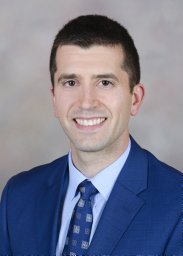 Zachary M Working合作论文数6
 Robert V. O'Toole合作论文数Department of Orthopaedics, School of Medicine, University of Maryland;R Adams Cowley Shock Trauma Center, University of Maryland6Perdue Paul合作论文数R Adams Cowley Shock Trauma Center, University of Maryland School of Medicine6
 Nathan O'Hara合作论文数Office of Pediatric Surgical Evaluation and Innovation, University of British Columbia6
 Arya Nick Shamie合作论文数University of California, Los Angeles6Marshall James Fairres合作论文数5Claire D Eliasberg合作论文数4Ayelet Dar合作论文数Department of Immunology;Weizmann Institute of Science4Gideon W Blumstein合作论文数3Carlos A Solorzano合作论文数3Michelle Hong合作论文数3
 Kristofer J Jones合作论文数3Bruno Peault合作论文数3David R. Mcallister合作论文数Los Angeles3Bailey Mooney合作论文数2




