Supplementary Figure 5. Expression of EphA2 on target cells and gating strategy for CAR-expressing NK cells
Supplementary Figure 2. HNSCC cell lines and patient samples express multiple inhibitory and activating surface ligands.
Supplementary Figure 3. Individual blockade of DNAM-1, NKG2D and CD2 modestly impairs NK cell activity against HNSCC.
Supplementary Figure 1. Memory-Like (ML) NK cells from normal donors exhibit improved ability to control HNSCC cell lines compared to conventional NK (cNK) cells.
Supplementary Figure 6. EphA2-CAR ML NK cells display enhanced functional responses against HPV positive and HPV negative HNSCC cell lines.
Natural killer (NK) cells are a promising approach for cellular cancer immunotherapy and are being investigated to treat patients with multiple myeloma (MM). We found that MM patient blood NK cell frequencies were normal with increased activating receptors and cytotoxic granules, without evidence of functional exhaustion. Despite this activated state, MM target cells were resistant to conventional NK cells by unclear mechanisms. Memory-like (ML) NK cells are generated after brief activation via the interleukin (IL)-12, IL-15, and IL-18 receptors and exhibit multiple enhanced antitumor properties. ML NK cell differentiation improved healthy donor and MM patient NK cell responses against MM target cells, in vitro and in vivo in immunodeficient murine xenograft models. Moreover, incorporating NKG2A checkpoint blockade to overcome HLA-E-induced inhibition further enhanced ML NK cell responses against MM in vitro and in vivo. Because activating receptor recognition of MM by ML NK cells was inadequate, strategies to improve this were investigated. Utilizing anti-SLAMF7 monoclonal antibody (elotuzumab) or anti-BCMA chimeric antigen receptors resulted in robust increases in ML NK cell functional responses against MM. In summary, ML differentiation enhances NK cell attack against myeloma, and combination with approaches to block inhibitory checkpoints and promote MM-specific activation are promising translational NK cell strategies for MM immunotherapy.
Supplementary Table S1. Demographic and clinical data of advanced head and neck squamous cell carcinoma patients.
Supplementary Figure 4. Cetuximab does not impair in vitro growth of HNSCC cells or cause toxicity to mice in NSG xenograft models.
Supplementary Figure 7. EphA2-CAR-ML NK cells require intracellular CAR signaling and have antigen specific enhanced response to HNSCC.
Adoptive cellular therapy (ACT) using memory-like (ML) natural killer (NK) cells, generated through overnight ex vivo activation with IL-12, IL-15, and IL-18, has shown promise for treating hematologic malignancies. We recently reported that a multifunctional fusion molecule, HCW9201, comprising IL-12, IL-15, and IL-18 domains could replace individual cytokines for priming human ML NK cell programming (“Prime” step). However, this approach does not include ex vivo expansion, thereby limiting the ability to test different doses and schedules. Here, we report the design and generation of a multifunctional fusion molecule, HCW9206, consisting of human IL-7, IL-15, and IL-21 cytokines. We observed > 300-fold expansion for HCW9201-primed human NK cells cultured for 14 days with HCW9206 and HCW9101, an IgG1 antibody, recognizing the scaffold domain of HCW9206 (“Expand” step). This expansion was dependent on both HCW9206 cytokines and interactions of the IgG1 mAb with CD16 receptors on NK cells. The resulting “Prime and Expand” ML NK cells exhibited elevated metabolic capacity, stable epigenetic IFNG promoter demethylation, enhanced antitumor activity in vitro and in vivo, and superior persistence in NSG mice. Thus, the “Prime and Expand” strategy represents a simple feeder cell-free approach to streamline manufacturing of clinical-grade ML NK cells to support multidose and off-the-shelf ACT.
Personalized cancer vaccines designed to target neoantigens represent a promising new treatment paradigm in oncology. In contrast to classical idiotype vaccines, we hypothesized that polyvalent vaccines could be engineered for the personalized treatment of follicular lymphoma (FL) using neoantigen discovery by combined whole exome sequencing (WES) and RNA sequencing (RNA-Seq). Fifty-eight tumor samples from 57 patients with FL underwent WES and RNA-Seq. Somatic and B-cell clonotype neoantigens were predicted and filtered to identify high-quality neoantigens. B-cell clonality was determined by alignment of B-cell receptor (BCR) CDR3 regions from RNA-Seq data, grouping at the protein level, and comparison to the BCR repertoire of RNA-Seq data from healthy individuals. An average of 52 somatic mutations per patient (range: 2-172) were identified, and two or more (median: 15) high-quality neoantigens were predicted for 56 of 58 samples. The predicted neoantigen peptides were composed of missense mutations (76%), indels (9%), gene fusions (3%), and BCR sequences (11%). Building off of these preclinical analyses, we initiated a pilot clinical trial using personalized neoantigen vaccination combined with PD-1 blockade in patients with relapsed or refractory FL (#NCT03121677). Synthetic long peptide (SLP) vaccines were successfully synthesized for and administered to all four patients enrolled to date. Initial results demonstrate feasibility, safety, and potential immunologic and clinical responses. Our study suggests that a genomics-driven personalized cancer vaccine strategy is feasible for patients with FL, and this may overcome prior challenges in the field.
Leukemia recurrence is the most common type of treatment failure after allogeneic hematopoietic cell transplantation (allo-HCT) for pediatric AML. We have advanced memory-like (ML) NK cells as a cellular therapy for AML. NK cells differentiated to ML NK cells after stimulation with interleukins-12, -15, and -18 display significantly enhanced anti-leukemia functionality and in vivo persistence. We performed a prospective clinical trial utilizing donor lymphocyte (DLI) and ML NK cell infusions to treat relapsed AML after allo-HCT. Here we present the complete clinical cohort as an update to the previous report (Bednarski et al. Blood 2022; n=9) with 9 additional patients treated, including 4 patients who received 2 ML NK cell infusions. Eighteen patients with a median age of 8 years were enrolled. 7 patients had 2 prior transplants. Most patients received 1 salvage therapy (range 0-4) prior to study enrollment. All patients had active disease, with a median bone marrow (BM) blast percentage of 35%. Patients received fludarabine, cytarabine, and G-CSF followed by DLI and donor ML NK cell infusions 2 weeks later. ML NK cells were successfully manufactured from all donor types. Complete responses were observed in 8 patients (44%), of whom 3 (37.5%) were MRD negative. One of 8 responders received allo-HCT as consolidative therapy. Of the other 7 patients, 1 remains disease free without additional intervention (>4 years of follow up) and 6 remained in remission for a median of 100 days after ML NK cell infusion. 1-year overall survival was 37% for the entire cohort and 71% for responders (Fig 1). After protocol amendment, 4 patients received a second ML NK cell infusion. Patient 19 remained in MRD negative remission for 5 months after second infusion without further disease directed therapy. Patients 18 and 20 were treated for CBFA2T3-GLIS2 AML. Patient 18 remained in CR for 7 weeks following second infusion. Patient 20 developed extramedullary disease 4 weeks from second infusion while maintaining low level BM MRD (0.1%). ML NK cells were well tolerated without organ toxicity, cytokine release syndrome or neurotoxicity. De novo GVHD occurred in one patient (5.6%) who received 2 ML NK and DLI infusions. NK cells expanded following infusion and comprised a substantial frequency in peripheral blood (Fig 2A). Following a second infusion, peripheral NK cells expanded further (Fig 2B). The frequency of Ki67+ NK cells in the BM was substantially increased within 14 days from infusion, indicating in vivo activation and proliferation in the AML microenvironment (Fig 3). Full correlative immunology assessments will be presented at the meeting. ML NK therapy for relapsed AML after allo-HCT is feasible, safe and demonstrates promising efficacy in the largest cohort reported to date (8 of 18 with CR). An upcoming clinical trial will explore combinatorial TCRab depleted haplo-HCT and ML NK cell infusion for relapse prevention.
Abstract Purpose: Head and neck squamous cell carcinoma (HNSCC) is an aggressive tumor with low response rates to frontline PD-1 blockade. Natural killer (NK) cells are a promising cellular therapy for T cell therapy–refractory cancers, but are frequently dysfunctional in patients with HNSCC. Strategies are needed to enhance NK cell responses against HNSCC. We hypothesized that memory-like (ML) NK cell differentiation, tumor targeting with cetuximab, and engineering with an anti-EphA2 (Erythropoietin-producing hepatocellular receptor A2) chimeric antigen receptor (CAR) enhance NK cell responses against HNSCC. Experimental Design: We generated ML NK and conventional (c)NK cells from healthy donors, then evaluated their ability to produce IFNγ, TNF, degranulate, and kill HNSCC cell lines and primary HNSCC cells, alone or in combination with cetuximab, in vitro and in vivo using xenograft models. ML and cNK cells were engineered to express anti-EphA2 CAR-CD8A-41BB-CD3z, and functional responses were assessed in vitro against HNSCC cell lines and primary HNSCC tumor cells. Results: Human ML NK cells displayed enhanced IFNγ and TNF production and both short- and long-term killing of HNSCC cell lines and primary targets, compared with cNK cells. These enhanced responses were further improved by cetuximab. Compared with controls, ML NK cells expressing anti-EphA2 CAR had increased IFNγ and cytotoxicity in response to EphA2+ cell lines and primary HNSCC targets. Conclusions: These preclinical findings demonstrate that ML differentiation alone or coupled with either cetuximab-directed targeting or EphA2 CAR engineering were effective against HNSCCs and provide the rationale for investigating these combination approaches in early phase clinical trials for patients with HNSCC.
Supplementary Fig. S7. Addition of AFM13 failed to induce apoptosis of Karpas 299 cells in the absence of NK cells.
Neoantigens are tumor-specific peptide sequences resulting from sources such as somatic DNA mutations. Upon loading onto major histocompatibility complex (MHC) molecules, they can trigger recognition by T cells. Accurate neoantigen identification is thus critical for both designing cancer vaccines and predicting response to immunotherapies. Neoantigen identification and prioritization relies on correctly predicting whether the presenting peptide sequence can successfully induce an immune response. Because most somatic mutations are single-nucleotide variants, changes between wild-type and mutated peptides are typically subtle and require cautious interpretation. A potentially underappreciated variable in neoantigen prediction pipelines is the mutation position within the peptide relative to its anchor positions for the patient's specific MHC molecules. Whereas a subset of peptide positions are presented to the T cell receptor for recognition, others are responsible for anchoring to the MHC, making these positional considerations critical for predicting T cell responses. We computationally predicted anchor positions for different peptide lengths for 328 common HLA alleles and identified unique anchoring patterns among them. Analysis of 923 tumor samples shows that 6 to 38% of neoantigen candidates are potentially misclassified and can be rescued using allele-specific knowledge of anchor positions. A subset of anchor results were orthogonally validated using protein crystallography structures. Representative anchor trends were experimentally validated using peptide-MHC stability assays and competition binding assays. By incorporating our anchor prediction results into neoantigen prediction pipelines, we hope to formalize, streamline, and improve the identification process for relevant clinical studies.
 Michelle Becker-Hapak合作论文数42
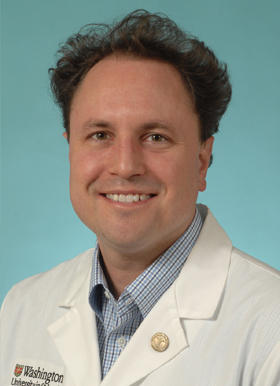 Todd A. Fehniger合作论文数Siteman Cancer Center, School of Medicine, Washington University in St. Louis;Division of Oncology, John T. Milliken Department of Medicine, School of Medicine, Washington University in St. Louis41
 Berrien-Elliott Melissa合作论文数Department of Molecular Microbiology and Immunology, Saint Louis University School of Medicine39
 Mark Anthony Foster合作论文数Department of Molecular Biology and Skaggs Institute for Chemical Biology, The Scripps Research Institute35Timothy Schappe合作论文数31Carly C Neal合作论文数29
 Pamela Wong合作论文数Div Oncol, Washington Univ26
 Nancy D. Marin合作论文数Colciencias22Patrick Pence合作论文数21Jennifer A Foltz合作论文数21Lynne Marsala合作论文数18Sweta Desai合作论文数18
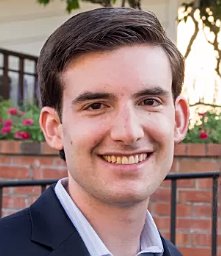 Russler-Germain David A合作论文数Department of Medicine, Washington University18Julia A. Wagner合作论文数17Jennifer Tran合作论文数16
 Amanda F. Cashen合作论文数Division of Oncology, John T. Milliken Department of Medicine, Washington University School of Medicine16Celia C Cubitt合作论文数14
 Jacobs Miriam T合作论文数Department of Pharmacology, Yale University School of Medicine13
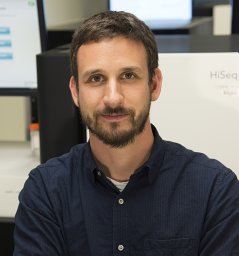 Malachi Griffith合作论文数Genome Sciences Centre, BC Cancer Agency13
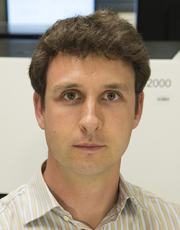 Obi L. Griffith合作论文数Divisions of Hematology & Oncology, Department of Medicine, Washington University School of Medicine in St. Louis13Alice Zhou合作论文数12
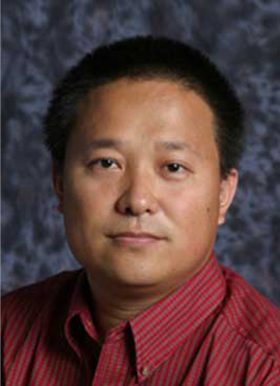 Feng Gao合作论文数Mary Culver Department of Surgery, Washington University School of Medicine in St. Louis12Samantha Kersting-Schadek合作论文数10Patrick Soon-Shiong合作论文数9Petti Allegra A合作论文数Genome Inst, Washington Univ9Lily Chang合作论文数8hing wong合作论文数8
 Nancy L. Bartlett合作论文数Divisions of Hematology & Oncology, Department of Medicine, Washington University School of Medicine in St. Louis8
 Neha Mehta-Shah合作论文数8Amy D. Rock合作论文数7Niraj Shrestha合作论文数7Matthew Mosior合作论文数7P. Rhode合作论文数7Brian T. Hess合作论文数7John Lee合作论文数7
 Pipkorn Patrik合作论文数Dept Otolaryngol Head & Neck Surg, Washington Univ7
 Puram Sidharth V合作论文数Dept Otolaryngol Head & Neck Surg, Washington Univ7
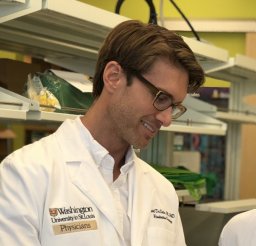 DeSelm Carl合作论文数7Egan Jack O合作论文数7
 Ryan S Jackson合作论文数7Randal C. Paniello合作论文数7
 Jason T Rich合作论文数7
 Douglas R. Adkins合作论文数Division of Oncology, John T. Milliken Department of Medicine, School of Medicine, Washington University in St. Louis7
 Brad S. Kahl合作论文数Division of Oncology, John T. Milliken Department of Medicine, Washington University School of Medicine7
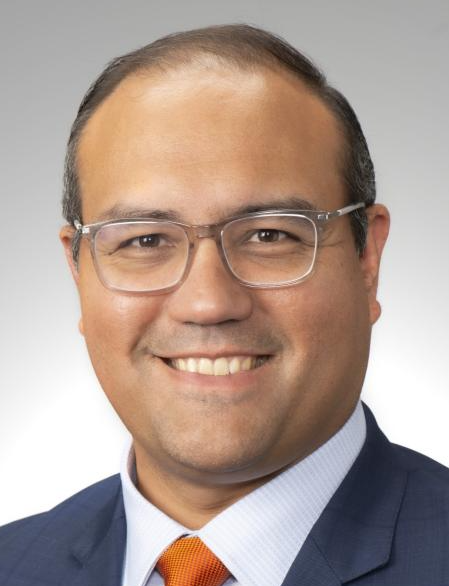 José P. Zevallos合作论文数Department of Otolaryngology-Head & Neck Surgery, School of Medicine, University of Pittsburgh;UPMC Hillman Cancer Center;University of Pittsburgh Medical Center7Christian Echeverri合作论文数6Chaz Moreno合作论文数6
 Michael J Dee合作论文数6You Lijing合作论文数6




