AIMS:Persistent atrial fibrillation (AF) patients undergoing a catheter ablation are at risk for adverse outcomes, due to comorbidities and a more advanced arrhythmia substrate. There may be barriers to catheter ablation in patients with persistent AF, compared to those with paroxysmal AF. We compared long-term outcomes after ablation in patients with paroxysmal and persistent AF. METHODS AND RESULTS:Patients undergoing de novo AF catheter ablation from April 2012 to March 2022 in Ontario, Canada, were included. The primary outcome was a composite of all-cause mortality and all-cause hospitalization. Inverse probability of treatment weighting created balanced cohorts of paroxysmal and persistent AF patients. Cox proportional hazards models estimated the effect on persistent vs. paroxysmal AF. There were 10 788 patients who underwent an ablation. Persistent AF patients accounted for 25% of the population. In our weighted cohort, patients had similar age (standardized difference 0.027), female sex [standardized difference (SD) 0.018], and medical comorbidities (Charlson comorbidity score; 0.5% in both, SD 0.018). In the weighted cohort, the primary composite outcome occurred in 5.5% in paroxysmal AF and 6.3% in persistent AF at 30 days (HR 1.15, 95% CI 0.94-1.40, P = 0.168), 19.8% vs. 19.7% at 1 year (HR 1.00, 95% CI 0.90-1.11, P = 0.971), and 34.1% vs. 35.4% at 3 years (HR 1.05, 95% CI 0.97-1.13, P = 0.269). There was no increased risk of the individual components at 30 days, 1 year, or 3 years. CONCLUSION:The risk of all-cause mortality and hospitalization outcomes in persistent and paroxysmal AF patients undergoing ablation was similar at 30 days, 1 year, and 3 years post-ablation. The impact of persistent AF on long-term outcomes (i.e. all-cause mortality) is primarily attributable to comorbid conditions.
BACKGROUND AND AIMS:Amiodarone is frequently prescribed alongside direct oral anticoagulants (DOACs) in atrial fibrillation. There are concerns regarding drug-drug interactions (DDIs) between amiodarone and DOACs. The literature is conflicting on the clinical implications of this DDI, hence we conducted a meta-analysis to compare bleeding risk among patients receiving DOACs, with and without concurrent amiodarone. METHODS AND RESULTS:A systematic search was conducted for studies published between 1 January 2009 and 26 June 2024 in MEDLINE via PubMed, Embase, and CENTRAL. Included studies compared major bleeding in patients on concurrent amiodarone and DOACs to those on DOACs without amiodarone. Event rates were used to calculate odds ratios (ORs), which were pooled with a random-effects model. Nine studies were identified, which included 124 813 patients on amiodarone/DOACs, and 314 074 on DOACs. The average age was 77.2 years in the amiodarone/DOAC group, compared to 74.4 years in the DOAC group (P = 0.21). Among DOAC patients, there was a statistically significant increase in major bleeding with concurrent amiodarone (OR 1.22, 95% confidence interval (CI) 1.03-1.44, P = 0.02, I2 = 88%). Intracranial bleeding rate was numerically higher in the amiodarone/DOAC group (1.0 vs. 0.4%), but the difference did not reach statistical significance (OR 2.20, 95% CI 0.53-9.06, P = 0.27, I2 = 100%). There were no significant differences in gastrointestinal bleeding (OR 1.10, 95% CI 0.98-1.23, P = 0.12, I2 = 62%) and all-cause mortality (OR 1.38, 95% CI 0.70-2.73, P = 0.35, I2 = 99%). CONCLUSION:Concurrent use of amiodarone and DOACs was associated with an increase in major bleeding. This should be considered when co-prescribing these medications.
PreambleRobotic magnetic navigation (RMN)-guided catheter ablation (CA) technology has been used for the treatment of cardiac arrhythmias for almost 20 years. Various studies reported that RMN allows for high catheter stability, improved lesion formation and a superior safety profile. So far, no guidelines or recommendations on RMN-guided CA have been published.PurposeThe aim of this consensus paper was to summarize knowledge and provide recommendations on management of arrhythmias using RMN-guided CA as treatment of atrial fibrillation (AF) and ventricular arrhythmias (VA).MethodologyAn expert writing group, performed a detailed review of available literature, and drawing on their own experience, drafted and voted on recommendations and summarized current knowledge and practice in the field. Recommendations on RMN-guided CA are presented in a guideline format with three levels of recommendations to serve as a reference for best practices in RMN procedures. Each recommendation is accompanied by supportive text and references. The various sections cover the practical spectrum from system and patient set-up, EP laboratory staffing, combination of RMN with fluoroscopy and mapping systems, use of automation features and ablation settings and targets, for different cardiac arrhythmias.ConclusionThis manuscript, presenting the combined experience of expert robotic users and knowledge from the available literature, offers a unique resource for providers interested in the use of RMN in the treatment of cardiac arrhythmias.
Importance:Cardiac implantable electronic device (CIED) infection is a potentially devastating complication with an estimated 12-month mortality of 15% to 30%. The association of the extent (localized or systemic) and timing of infection with all-cause mortality has not been established.Objective:To evaluate the association of the extent and timing of CIED infection with all-cause mortality.Design, Setting, and Participants:This prospective observational cohort study was conducted between December 1, 2012, and September 30, 2016, in 28 centers across Canada and the Netherlands. The study included 19 559 patients undergoing CIED procedures, 177 of whom developed an infection. Data were analyzed from April 5, 2021, to January 14, 2023.Exposures:Prospectively identified CIED infections.Main Outcomes and Measures:Time-dependent analysis of the timing (early [≤3 months] or delayed [3-12 months]) and extent (localized or systemic) of infection was performed to determine the risk of all-cause mortality associated with CIED infections.Results:Of 19 559 patients undergoing CIED procedures, 177 developed a CIED infection. The mean (SD) age was 68.7 (12.7) years, and 132 patients were male (74.6%). The cumulative incidence of infection was 0.6%, 0.7%, and 0.9% within 3, 6, and 12 months, respectively. Infection rates were highest in the first 3 months (0.21% per month), reducing significantly thereafter. Compared with patients who did not develop CIED infection, those with early localized infections were not at higher risk for all-cause mortality (no deaths at 30 days [0 of 74 patients]: adjusted hazard ratio [aHR], 0.64 [95% CI, 0.20-1.98]; P = .43). However, patients with early systemic and delayed localized infections had an approximately 3-fold increase in mortality (8.9% 30-day mortality [4 of 45 patients]: aHR, 2.88 [95% CI, 1.48-5.61]; P = .002; 8.8% 30-day mortality [3 of 34 patients]: aHR, 3.57 [95% CI, 1.33-9.57]; P = .01), increasing to a 9.3-fold risk of death for those with delayed systemic infections (21.7% 30-day mortality [5 of 23 patients]: aHR, 9.30 [95% CI, 3.82-22.65]; P < .001).Conclusions and Relevance:Findings suggest that CIED infections are most common within 3 months after the procedure. Early systemic infections and delayed localized infections are associated with increased mortality, with the highest risk for patients with delayed systemic infections. Early detection and treatment of CIED infections may be important in reducing mortality associated with this complication.
BACKGROUND:Implantable cardioverter defibrillators (ICDs) improve survival in patients at risk for cardiac arrest, but are associated with intravascular lead-related complications. The subcutaneous ICD (S-ICD), with no intravascular components, was developed to minimize lead-related complications.OBJECTIVE:To assess key ICD performance measures related to delivery of ICD therapy, including inappropriate ICD shocks (delivered in absence of life-threatening arrhythmia) and failed ICD shocks (which did not terminate ventricular arrhythmia).DESIGN:Randomized, multicenter trial. (ClinicalTrials.gov: NCT02881255).SETTING:The ATLAS trial.PATIENTS:544 eligible patients (141 female) with a primary or secondary prevention indication for an ICD who were younger than age 60 years, had a cardiogenetic phenotype, or had prespecified risk factors for lead complications were electrocardiographically screened and 503 randomly assigned to S-ICD (251 patients) or transvenous ICD (TV-ICD) (252 patients). Mean follow-up was 2.5 years (SD, 1.1). Mean age was 49.0 years (SD, 11.5).MEASUREMENTS:The primary outcome was perioperative major lead-related complications.RESULTS:There was a statistically significant reduction in perioperative, lead-related complications, which occurred in 1 patient (0.4%) with an S-ICD and in 12 patients (4.8%) with TV-ICD (-4.4%; 95% CI, -6.9 to -1.9; P = 0.001). There was a trend for more inappropriate shocks with the S-ICD (hazard ratio [HR], 2.37; 95% CI, 0.98 to 5.77), but no increase in failed appropriate ICD shocks (HR, 0.61 (0.15 to 2.57). Patients in the S-ICD group had more ICD site pain, measured on a 10-point numeric rating scale, on the day of implant (4.2 ± 2.8 vs. 2.9 ± 2.2; P < 0.001) and 1 month later (1.3 ± 1.8 vs. 0.9 ± 1.5; P = 0.035).LIMITATION:At present, the ATLAS trial is underpowered to detect differences in clinical shock outcomes; however, extended follow-up is ongoing.CONCLUSION:The S-ICD reduces perioperative, lead-related complications without significantly compromising the effectiveness of ICD shocks, but with more early postoperative pain and a trend for more inappropriate shocks.PRIMARY FUNDING SOURCE:Boston Scientific.
Abstract Background/purpose : Interventional cardiac electrophysiology (EP) is a rapidly evolving field in Canada; a nationwide registry was established in 2011 to conduct a periodic review of resource allocation. Methods The registry collects annual data on EP lab infrastructure, imaging, tools, human resources, procedural volumes, success rates, and wait times. Leading physicians from each EP lab were contacted electronically; participation was voluntary. Results All Canadian EP centres were identified (n = 30); 50 and 45 % of active centres participated in the last 2 instalments of the registry. A mean of 508 ± 270 standard and complex catheter ablation procedures were reported annually for 2015–2016 by all responding centres. The most frequently performed ablation targets atrial fibrillation (PVI) arrhythmia accounting for 36 % of all procedures (mean = 164 ± 85). The number of full time physicians ranges between 1 and 7 per centre, (mean = 4). The mean wait time to see an electrophysiologist for an initial non-urgent consult is 23 weeks. The wait time between an EP consult and ablation date is 17.8 weeks for simple ablation, and 30.1 weeks for AF ablation. On average centres have 2 (range: 1–4) rooms equipped for ablations; each centre uses the EP lab an average of 7 shifts per week. While diagnostic studies and radiofrequency ablations are performed in all centres, point-by-point cryoablation is available in 85 % centres; 38 % of the respondents use circular ablation techniques. Conclusions This initiative provides contemporary data on invasive electrophysiology lab practices. The EP registry provides activity benchmarks on national trends and practices.
BackgroundRadiation therapy (RT) is a standard cancer treatment modality, and an increasing number of patients with cardiac implantable electronic devices (CIEDs) are being referred for RT. The goals of this study were as follows: (i) to determine the incidence of CIED malfunction following RT; (ii) to characterize the various types of malfunctions that occur; and (iii) to identify risk factors associated with CIED malfunction following RT.MethodsA retrospective study of patients with CIEDs who received RT between 2007 and 2018 at 4 Canadian centres (Sunnybrook Health Sciences Centre, Kingston General Hospital, Hamilton Health Sciences Centre, and University of Ottawa Heart Institute) was conducted. Patients underwent CIED interrogation after completion of RT, to assess for late damage to the CIEDs. Data on demographics, devices, and RT were compared for the primary outcome of device malfunction.ResultsOf 1041 patients with CIEDs who received RT, 811 patients with complete data were included. Device malfunctions occurred in 32 of 811 patients (4%). The most common device malfunctions were reduced ventricular/atrial sensing (in 13 of 32 [41%]), an increase in lead threshold (in 9 of 32 [22%]), lead noise (in 5 of 32 [16%]), and electrical reset (in 2 of 32 [6%]). Higher beam energy (≥ 10 MV) was associated with malfunction (P < 0.0001). Radiation dose was not significantly different between the malfunction and non-malfunction groups (58.3 cGy vs 65 cGy, respectively, P = 0.71).ConclusionsAlthough RT-induced CIED malfunctions are rare (occurring in 4% of patients with a CIED who undergo RT), collaborative efforts between radiation oncologists and cardiac rhythm device clinics to optimize CIED monitoring are needed, to detect and manage CIED malfunctions. Malfunctions are more common in patients receiving higher–beam energy (≥10MV)RT.
BackgroundAtrioventricular nodal re-entrant tachycardia is the most common type of paroxysmal supraventricular tachycardia. We sought to assess whether important anatomic factors, such as the location of the slow pathway, proximity to the bundle of His, and coronary sinus ostium dimensions, varied with patient age, and whether these factors had an impact on procedural duration, acute success, and complications.MethodsBaseline demographic and procedural data were collected, and the maps were analyzed. Linear regression models were performed to evaluate the associations between age and these anatomic variations. Associations were also assessed, with age categorized as being ≥ 60 years or < 60 years.ResultsThe slow pathway was more commonly located in a superior location relative to the coronary sinus ostium in older patients. The location of the slow pathway moved in a superior direction by 1 mm for every increase in 2 years from the mean estimate of age. Additionally the slow pathway tended to be closer to the coronary sinus ostium in older patients, and the diameter of the ostium was larger in older patients. This resulted in longer procedure time, longer ablation times, and a greater need for long sheaths for stability.ConclusionsThe location of the slow pathway becomes more superior and closer to the coronary sinus ostium with increasing age. Additionally, the coronary sinus diameter increases with age. These factors result in longer ablation and procedural times in older patients.
BACKGROUND:The Prevention of Arrhythmia Device Infection Trial (PADIT) investigated whether intensification of perioperative prophylaxis could prevent cardiac implantable electronic device (CIED) infections. Compared with a single dose of cefazolin, the perioperative administration of cefazolin, vancomycin, bacitracin, and cephalexin did not significantly decrease the risk of infection. Our objective was to compare the microbiology of infections between study arms in PADIT. METHODS:This was a post hoc analysis. Differences between study arms in the microbiology of infections were assessed at the level of individual patients and at the level of microorganisms using the Fisher exact test. RESULTS:Overall, 209 microorganisms were reported from 177 patients. The most common microorganisms were coagulase-negative staphylococci (CoNS; 82/209 [39.2%]) and S. aureus (75/209 [35.9%]). There was a significantly lower proportion of CoNS in the incremental arm compared with the standard arm (30.1% vs 46.6%; P = .04). However, there was no significant difference between study arms in the frequency of recovery of other microorganisms. In terms of antimicrobial susceptibility, 26.5% of microorganisms were resistant to cefazolin. CoNS were more likely to be cefazolin-resistant in the incremental arm (52.2% vs 26.8%, respectively; P = .05). However, there was no difference between study arms in terms of infections in which the main pathogen was sensitive to cefazolin (77.8% vs 64.3%; P = .10) or vancomycin (90.8% vs 90.2%; P = .90). CONCLUSIONS:Intensification of the prophylaxis led to significant changes in the microbiology of infections, despite the absence of a decrease in the overall risk of infections. These findings provide important insight on the physiopathology of CIED infections. TRIAL REGISTRATION:NCT01002911.
Background Patients with persistent atrial fibrillation (AF) undergoing catheter‐based AF ablation have lower success rates than those with paroxysmal AF. We compared healthcare use and clinical outcomes between patients according to their AF subtypes. Methods and Results Consecutive patients undergoing AF ablation were prospectively identified from a population‐based registry in Ontario, Canada. Via linkage with administrative databases, we performed a retrospective analysis comparing the following outcomes between patients with persistent and paroxysmal AF: healthcare use (defined as AF‐related hospitalizations/emergency room visits), periprocedural complications, and mortality. Multivariable Poisson modeling was performed to compare the rates of AF‐related and all‐cause hospitalizations/emergency room visits in the year before versus after ablation. Between April 2012 and March 2016, there were 3768 consecutive patients who underwent first‐time AF ablation, of whom 1040 (27.6%) had persistent AF. The mean follow‐up was 1329 days. Patients with persistent AF had higher risk of AF‐related hospitalization/emergency room visits (hazard ratio [HR], 1.21; 95% CI, 1.09–1.34), mortality (HR, 1.74; 95% CI, 1.15–2.63), and periprocedural complications (odds ratio, 1.36; 95% CI, 1.02–1.75) than those with paroxysmal AF. In the overall cohort, there was a 48% reduction in the rate of AF‐related hospitalization/emergency room visits in the year after versus before ablation (rate ratio [RR], 0.52; 95% CI, 0.48–0.56). This reduction was observed for patients with paroxysmal (RR, 0.45; 95% CI, 0.41–0.50) and persistent (RR, 0.74; 95% CI, 0.63–0.87) AF. Conclusions Although patients with persistent AF had higher risk of adverse outcomes than those with paroxysmal AF, ablation was associated with a favorable reduction in downstream AF‐related healthcare use, irrespective of AF type.
A 66-year-old lady presented with shortness of breath and a Wenckebach atrioventricular (AV) conduction pattern on the ECG. The electrophysiologic study showed split-His potentials and intra-Hisian Wenckebach. The case highlights the interesting finding of Wenckebach conduction in the His bundle.
Background The relationship between health care utilization and outcomes in patients with atrial fibrillation is unknown. The objective of this study was to investigate whether cardiologists’ billing amounts in a fee‐for‐service environment are associated with better patient‐level clinical outcomes. Methods and Results A retrospective cohort study was conducted using administrative claims data of cardiologists in Ontario, Canada between April 1, 2011 and March 31, 2016. The cardiologists were stratified into quintiles based on their median billing patterns per patient over the observation period. The primary outcomes were patient‐level receipt of repeat visits, cardiac diagnostic tests, and medications ≤1 year of index date. The secondary clinical outcomes were death, emergency department visits, and all‐cause hospitalization 1‐year post‐index visit. The patient cohort comprised 182 572 patients with atrial fibrillation (median age 74 years, 58% male) from 467 cardiologists. Patients with atrial fibrillation seen by higher‐billing cardiologists were 26% more likely to have an echocardiogram (adjusted odds ratio [aOR], 1.26 [95% CI, 1.10–1.43] for quintile 5 versus 2), 28% a stress test (aOR, 1.28 [1.12–1.46] for quintile 5 versus 2), 25% continuous electrocardiographic monitoring (aOR, 1.25 [1.08–1.46] for quintile 4 versus 2), and 79% more likely to get a stress echocardiogram (aOR, 1.79 [1.32–2.42] for quintile 5 versus 2). They also had a higher rate of all‐cause hospitalization (aOR, 1.13 [1.07–1.20]). Mortality rates were similar across cardiologists billing quintiles (eg, aOR, 0.98 [0.87–1.11] for quintile 4 versus 2). Conclusions Higher‐billing cardiologists ordered more diagnostic tests per patient with atrial fibrillation but these are not associated with improvements in outcomes.
HomeCirculation: Arrhythmia and ElectrophysiologyVol. 13, No. 3Implantable Cardioverter-Defibrillator–Cybersecurity Free AccessLetterPDF/EPUBAboutView PDFView EPUBSections ToolsAdd to favoritesDownload citationsTrack citationsPermissionsDownload Articles + Supplements ShareShare onFacebookTwitterLinked InMendeleyReddit Jump toSupplemental MaterialFree AccessLetterPDF/EPUBImplantable Cardioverter-Defibrillator–Cybersecurity Bryce Alexander, MD, Victor Neira, MD, Debra Campbell, RN, Eugene Crystal, MD, Chris Simpson, MD, FRCPC, Andres Enriquez, MD, Sanoj Chacko, MD, Hoshiar Abdollah, MD, Damian Redfearn, MD and Adrian Baranchuk, MD, FRCPC Bryce AlexanderBryce Alexander Division of Cardiology, Queen's University, Kingston (B.A., V.N., D.C., C.S., A.E., S.C., H.A., D.R.), Toronto, ON, Canada. , Victor NeiraVictor Neira Division of Cardiology, Queen's University, Kingston (B.A., V.N., D.C., C.S., A.E., S.C., H.A., D.R.), Toronto, ON, Canada. , Debra CampbellDebra Campbell Division of Cardiology, Queen's University, Kingston (B.A., V.N., D.C., C.S., A.E., S.C., H.A., D.R.), Toronto, ON, Canada. , Eugene CrystalEugene Crystal Sunnybrook Research Institute (E.C.), Toronto, ON, Canada. , Chris SimpsonChris Simpson Division of Cardiology, Queen's University, Kingston (B.A., V.N., D.C., C.S., A.E., S.C., H.A., D.R.), Toronto, ON, Canada. , Andres EnriquezAndres Enriquez Division of Cardiology, Queen's University, Kingston (B.A., V.N., D.C., C.S., A.E., S.C., H.A., D.R.), Toronto, ON, Canada. , Sanoj ChackoSanoj Chacko Division of Cardiology, Queen's University, Kingston (B.A., V.N., D.C., C.S., A.E., S.C., H.A., D.R.), Toronto, ON, Canada. , Hoshiar AbdollahHoshiar Abdollah Division of Cardiology, Queen's University, Kingston (B.A., V.N., D.C., C.S., A.E., S.C., H.A., D.R.), Toronto, ON, Canada. , Damian RedfearnDamian Redfearn Division of Cardiology, Queen's University, Kingston (B.A., V.N., D.C., C.S., A.E., S.C., H.A., D.R.), Toronto, ON, Canada. and Adrian BaranchukAdrian Baranchuk Correspondence to: Adrian Baranchuk, MD, FRCPC, Cardiac Electrophysiology and Pacing, Kingston General Hospital, Queen's University, 76 Stuart St, Kingston, ON K7L 2V7, Canada. Email E-mail Address: [email protected] https://orcid.org/0000-0002-3042-6569 Originally published11 Feb 2020https://doi.org/10.1161/CIRCEP.119.008261Circulation: Arrhythmia and Electrophysiology. 2020;13:e008261Other version(s) of this articleYou are viewing the most recent version of this article. Previous versions: February 11, 2020: Ahead of Print Medical device cybersecurity has gained increasing attention in recent years.1 While many devices have been targeted, security vulnerabilities in cardiac implantable electronic devices are of particular concern as implantation of these devices is invasive and patients can be reliant upon these devices for life-sustaining therapy. The first major incident with cardiac implantable electronic devices that received wide-spread attention occurred in 2016, when Muddy Waters LLC, in conjunction with vulnerability research firm MedSec, issued a report identifying potential cybersecurity concerns in several models of St. Jude Medical's (now Abbott) pacemakers following demonstration of a crash attack and a battery drain attack.2 Replication of these attacks under experimental conditions failed to produce any clinical harm.3 The publication of this report prompted Abbott, in conjunction with the United States Food and Drug Administration, to release a firmware upgrade with enhanced cybersecurity features. As part of this release, Abbott published estimated rates of complications extrapolated from similar circumstances, which included complete loss of device function, loss of programmed device settings, and failure of the update, among others. As there had been no instances of patient harm and a small but non-negligible risk involved in the firmware upgrade, clinicians were asked to utilize a shared decision-making model when deciding whether to pursue the upgrade and to take individual factors such as pacemaker dependence and age of the device into account. Since that time, additional data have been collected on complications rates and patient attitudes toward the upgrade. Saxon et al4 analyzed a population of 10 854 patients who were offered the firmware upgrade in the United States. Of those, only 25% elected to proceed once the risks and benefits were explained. A smaller Canadian population of 155 patients demonstrated an uptake rate of only 3.9% after the risks and benefits were explained in a systematic manner endorsed by the Canadian Heart Rhythm Society.5 Complication rates were low in both populations, with 1% of patients in the United States cohort and 0.3% of patients in the Canadian cohort experiencing backup mode pacing during the installation. No cases of complete loss of device function were observed. Post hoc data reported to the Food and Drug Administration by Abbott indicated that 0.62% of devices experienced an incomplete update and remained in the back-up pacing mode with a small percentage (0.14%) of patients experiencing discomfort as a result.Since the release of the pacemaker cybersecurity firmware upgrade, the Food and Drug Administration has released a second security update concerning security vulnerabilities identified in Abbott's radiofrequency enabled implantable cardioverter-defibrillators and cardiac resynchronization therapy devices. In this case, an unauthorized user could access the device remotely using commercially available equipment and change the device settings. As before, Abbott released a firmware upgrade designed to block this vulnerability. In this case, the cybersecurity update was bundled with a separate update designed to warn patients if their device experienced premature battery depletion due to formation of lithium clusters within the battery. Physicians were advised to immediately replace any device in which this battery performance alert occurred. The Food and Drug Administration advised that while prophylactic replacement of the affected devices was not recommended, the firmware upgrade was advised for all eligible patients. Due to the bundling of the 2 upgrades, patient uptake was expected to be much higher than for the previous pacemaker firmware upgrade. To date, no cyber-attack on patients with an implantable cardioverter-defibrillator or cardiac resynchronization therapy has been reported in the literature.We collected data on firmware acceptance rates and complications of the implantable cardioverter-defibrillator/cardiac resynchronization therapy cybersecurity firmware upgrade at our large, tertiary care center in Canada. The study was approved by the local Health Sciences Research Ethics Board. The data that support the findings of this study are available from the corresponding author upon reasonable request. In contrast to the previous experience with the pacemaker firmware upgrade, we found that 85.5% of patients elected to undergo the upgrade when explained the risks and benefits in a systematic manner (Table). This explanation involved an initial letter informing patients of the advisory and stating that their device was included, followed by an in-clinic visit to review the implications of the device advisory. At our center, it was explained that the probability of this advisory impacting their health was quite low, and that there were potential complications associated with the upgrade. Patients were then given the opportunity to ask any questions they may have surrounding the events directly to their physician. Of the patients who accepted the upgrade 1.4% experienced reloading of the previous firmware version due to an incomplete upgrade. None of these devices remained in the back-up pacing mode, a theoretical risk of an incomplete upgrade that was experienced by a small number of patients who received the pacemaker cybersecurity update. An additional 19.0% of patients experienced a sudden increase of the atrial amplitude due to a failure in the auto-capture test (Acap). This required a re-run of an atrial auto-capture test at the end of the firmware upgrade, with the values returning to normal in all cases. It is likely that the high rates of patient acceptance of the implantable cardioverter-defibrillator/cardiac resynchronization therapy upgrade were due to the bundling of the cybersecurity upgrade with the battery performance alert upgrade. In this initial experience, no significant clinical harm was observed during the firmware upgrade.Table. Population Characteristics and Firmware Upgrade ComplicationsVariableValue (n=172)Age, y71.6±11.8Male sex (%)128 (74.4%)BMI, kg/m229.3±6.2Hypertension97 (56.4%)Diabetes mellitus64 (37.2%)Coronary artery disease124 (72.1%)Heart failure152 (88.4%)Prior myocardial infarction97 (56.4%)Prior TIA or stroke24 (14.0%)Device type ICD107 (62.2%) CRT-D65 (37.8%)Device indication Primary prevention90 (52.3%) Secondary prevention82 (47.7%)Device model Fortify2 (1.2%) Fortify Assura105 (61.0%) Quadra Assura41 (23.8%) Unify Assura24 (14.0%)Premature battery depletion alert felt by patient7 (4.1%)Pacemaker dependent38 (22.1%)Accept firmware upgrade—all patients147 (85.5%) Accepted firmware upgrade—pacemaker dependent34 (89.5%) Accepted firmware upgrade—non-pacemaker dependent111 (85.4%)Complications Atrial auto-capture (Acap) malfunction28 (19.0%) Reloading of previous firmware version due to incomplete upgrade2 (1.4%) Discomfort due to backup VVI pacing settings0 (0.0%) Complete loss of device settings0 (0.0%) Device remaining in back-up mode due to unsuccessful upgrade0 (0.0%) Need for external defibrillation0 (0.0%)BMI indicates body mass index; CRDT-D, cardiac resynchronization therapy; and ICD, implantable cardioverter-defibrillator.Sources of FundingThis study was conducted with an unrestricted grant from Abbott.DisclosuresDr Baranchuk received an unrestricted grant from Abbott to conduct this research. The other authors report no conflicts.FootnotesFor Sources of Funding and Disclosures, see page 278.Correspondence to: Adrian Baranchuk, MD, FRCPC, Cardiac Electrophysiology and Pacing, Kingston General Hospital, Queen's University, 76 Stuart St, Kingston, ON K7L 2V7, Canada. Email adrian.[email protected]caReferences1. Baranchuk A, Refaat MM, Patton KK, Chung MK, Krishnan K, Kutyifa V, Upadhyay G, Fisher JD, Lakkireddy DR; American College of Cardiology's Electrophysiology Section Leadership. Cybersecurity for cardiac implantable electronic devices: what should you know?J Am Coll Cardiol. 2018; 71:1284–1288. doi: 10.1016/j.jacc.2018.01.023CrossrefMedlineGoogle Scholar2. Alexander B, Haseeb S, Baranchuk A. Are implanted electronic devices hackable?Trends Cardiovasc Med. 2019; 29:476–480. doi: 10.1016/j.tcm.2018.11.011CrossrefMedlineGoogle Scholar3. Ransford B, Kramer DB, Foo Kune D, Auto de Medeiros J, Yan C, Xu W, Crawford T, Fu K. Cybersecurity and medical devices: A practical guide for cardiac electrophysiologists.Pacing Clin Electrophysiol. 2017; 40:913–917. doi: 10.1111/pace.13102CrossrefMedlineGoogle Scholar4. Saxon LA, Varma N, Epstein LM, Ganz LI, Epstein AE. Factors influencing the decision to proceed to firmware upgrades to implanted pacemakers for cybersecurity risk mitigation.Circulation. 2018; 138:1274–1276. doi: 10.1161/CIRCULATIONAHA.118.034781LinkGoogle Scholar5. Baranchuk A, Alexander B, Campbell D, Haseeb S, Redfearn D, Simpson C, Glover B. Pacemaker cybersecurity: local experience with a firmware upgrade.Circulation. 2018; 138:1272–1273. doi: 10.1161/CIRCULATIONAHA.118.035261LinkGoogle Scholar Previous Back to top Next FiguresReferencesRelatedDetailsCited By Qian X, Channels C, Gaeta S, Wish M, Matthews B, Atwater B and Kumar V (2022) Radiofrequency remote monitor software patch update without cybersecurity implantable cardioverter-defibrillator firmware update increases the risk of inappropriate implantable cardioverter-defibrillator therapies, HeartRhythm Case Reports, 10.1016/j.hrcr.2021.12.016, 8:2, (69-72), Online publication date: 1-Feb-2022. Saxon L, Varma N, Epstein L, Ganz L and Epstein A (2020) Rates of Adoption and Outcomes After Firmware Updates for Food and Drug Administration Cybersecurity Safety Advisories, Circulation: Arrhythmia and Electrophysiology, 13:8, Online publication date: 1-Aug-2020. Alexander B and Baranchuk A (2020) Cybersecurity and cardiac implantable electronic devices, Nature Reviews Cardiology, 10.1038/s41569-020-0372-1, 17:6, (315-317), Online publication date: 1-Jun-2020. March 2020Vol 13, Issue 3 Advertisement Article InformationMetrics © 2020 American Heart Association, Inc.https://doi.org/10.1161/CIRCEP.119.008261PMID: 32078370 Originally publishedFebruary 11, 2020 Keywordsdecision-makingpacemakerprobabilitylithiumattentionPDF download Advertisement SubjectsArrhythmiasCatheter Ablation and Implantable Cardioverter-DefibrillatorClinical StudiesComplicationsQuality and Outcomes
Background Action potential alternans can induce ventricular tachyarrhythmias and manifest on the surface ECG as T‐wave alternans (TWA) and QRS alternans (QRSA). We sought to evaluate microvolt QRSA in cardiomyopathy patients in relation to TWA and ventricular tachyarrhythmia outcomes. Methods and Results Prospectively enrolled cardiomyopathy patients (n=100) with prophylactic defibrillators had 12‐lead ECGs recorded during ventricular pacing from 100 to 120 beats/min. QRSA and TWA were quantified in moving 128‐beat segments using the spectral method. Segments were categorized as QRSA positive (QRSA+) and/or TWA positive (TWA+) based on ≥2 precordial leads having alternans magnitude >0 and signal:noise >3. Patients were similarly categorized based on having ≥3 consecutive segments with alternans. TWA+ and QRSA+ occurred together in 31% of patients and alone in 18% and 14% of patients, respectively. Although TWA magnitude (1.4±0.4 versus 4.7±1.0 µV, P<0.01) and proportion of TWA+ studies (16% versus 46%, P<0.01) increased with rate, QRSA did not change. QRS duration was longer in QRSA+ than QRSA‐negative patients (138±23 versus 113±26 ms, P<0.01). At 3.5 years follow‐up, appropriate defibrillator therapy or sustained ventricular tachyarrhythmia was greater in QRSA+ than QRSA‐negative patients (30% versus 8%, P=0.02) but similar in TWA+ and TWA‐negative patients. Among QRSA+ patients, the event rate was greater in those without TWA (62% versus 21%, P=0.02). Multivariable Cox analysis revealed QRSA+ (hazard ratio [HR], 4.6; 95% CI, 1.5–14; P=0.009) and QRS duration >120 ms (HR, 4.1; 95% CI, 1.3–12; P=0.014) to predict events. Conclusions Microvolt QRSA is novel phenomenon in cardiomyopathy patients that can exist without TWA and is associated with QRS prolongation. QRSA increases the risk of ventricular tachyarrhythmia 4‐fold, which merits further study as a risk stratifier.
BACKGROUND Cardiac implantable electronic device infection is a major complication that usually requires device removal. PADIT (Prevention of Arrhythmia Device Infection Trial) was a large cluster crossover trial of conventional versus incremental antibiotics. OBJECTIVES This study sought to investigate independent predictors of device infection in PADIT and develop a novel infection risk score. METHODS In brief, over 4 6-month periods, 28 centers used either conventional or incremental prophylactic antibiotic treatment in all patients. The primary outcome was hospitalization for device infection within 1 year (blinded endpoint adjudication). Multivariable logistic prediction modeling was used to identify the independent predictors and develop a risk score for device infection. The prediction models were internally validated with bootstrap methods. RESULTS Device procedures were performed in 19,603 patients, and hospitalization for infection occurred in 177 (0.90%) within 1 year of follow-up. The final prediction model identified 5 independent predictors of device infection (prior procedures [P], age [A], depressed renal function [D], immunocompromised [I], and procedure type [T]) with an optimism-corrected C-statistic of 0.704 (95% confidence interval: 0.660 to 0.744). A PADIT risk score ranging from 0 to 15 points classified patients into low (0 to 4), intermediate (5 to 6) and high (>= 7) risk groups with rates of hospitalization for infection of 0.51%, 1.42%, and 3.41%, respectively. CONCLUSIONS This study identified 5 independent predictors of device infection and developed a novel infection risk score in the largest cardiac implantable electronic device trial to date, warranting validation in an independent cohort. The 5 independent predictors in the PADIT score are readily adopted into clinical practice. (C) 2019 Published by Elsevier on behalf of the American College of Cardiology Foundation.
 Jeffrey Sean Healey合作论文数Department of Health Research Methods, Evidence, and Impact, Faculty of Health Sciences, McMaster University;Department of Medicine, Faculty of Health Sciences, McMaster University;Population Health Research Institute65
 Shurrab Mohammed合作论文数57
 David Birnie合作论文数University of Ottawa Heart Institute;School of Epidemiology and Public Health, Faculty of Medicine, University of Ottawa;Division of Cardiology, Department of Medicine, University of Ottawa46
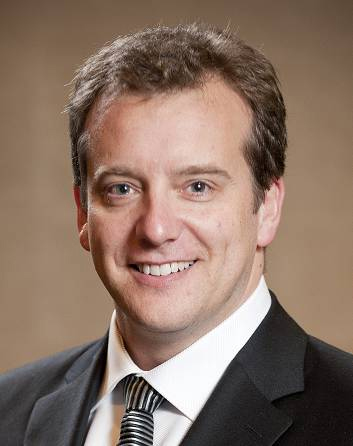 Chris Simpson合作论文数Department of Medicine, Faculty of Health Sciences, Queen's University;Ontario Health;Institute for Clinical Evaluative Sciences36
 Ilan Lashevsky合作论文数Vaughan Heart Institute;Sunnybrook Health Sciences Centre35
 Paul Dorian合作论文数Li Ka Shing Knowledge Institute, St. Michael’s Hospital, University of Toronto;Division of Clinical Pharmacology, Department of Medicine, Temerty Faculty of Medicine, University of Toronto32
 David Newman合作论文数30
 Andrew Krahn合作论文数Department of Medicine, Faculty of Medicine, University of British Columbia29
 Stuart J. Connolly合作论文数Population Health Research Institute, McMaster University;Faculty of Health Sciences, McMaster University29
 Graham Wright合作论文数Sunnybrook Research Institute;Department of Medical Biophysics, Faculty of Medicine, University of Toronto28
 Derek Vincent Exner合作论文数Department of Cardiac Sciences and Community Health Sciences, Faculty of Medicine, University of Calgary23
 Yaariv Khaykin合作论文数Faculty of Medicine, University of Toronto;Pace Cardiology;Southlake Regional Health Centre21
 Ratika Parkash合作论文数20
 Atul Verma合作论文数Institute of Medical Science, Temerty Faculty of Medicine, University of Toronto;McGill University Health Centre;Southlake Regional Health Care Centre19
 Vidal Essebag合作论文数Division of Cardiology, Department of Medicine, Faculty of Medicine and Health Sciences, McGill University19Bernard Thibault合作论文数19
 Francois Philippon合作论文数18
 Iqwal Mangat合作论文数Temerty Faculty of Medicine, University of Toronto;St. Michael’s Hospital in Toronto16Felix Ayala Paredes合作论文数16Kaoutskaia Anna合作论文数15
 Jack V. Tu合作论文数Institute for Clinical Evaluative Sciences, Sunnybrook Health Sciences Centre, University of Toronto15
 Damian P. Redfearn合作论文数Kingston General Hospital, Queen's University15Raymond Yee合作论文数15Benoit Coutu合作论文数13Ie Ovsyshcher合作论文数12
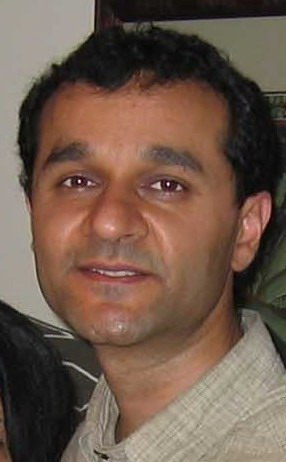 Vijay Chauhan合作论文数Department of Physiology, Temerty Faculty of Medicine, University of Toronto;Toronto General Hospital Research Institute12Nery Pablo B合作论文数12Carlos A. Morillo合作论文数12
 Mihaela Pop合作论文数Sunnybrook Health Sciences Center12Stanley Tung合作论文数12Satish Toal合作论文数11
 Douglas S. Lee合作论文数Institute of Health Policy, Management and Evaluation, University of Toronto;Peter Munk Cardiac Centre, University Health Network11Sudip Ghate合作论文数11
 Jennifer Barry合作论文数Sunnybrook Health Sciences Center11
 Laurence Sterns合作论文数10Ching Lau合作论文数Department of Medicine, University of Toronto;Sunnybrook Research Institute;Sunnybrook Health Sciences Centre10Lee Douglas S合作论文数10
 George A. Wells合作论文数School of Epidemiology and Public Health, Faculty of Medicine, University of Ottawa;Department of Medicine, University of Ottawa;Ottawa Hospital Research Institute, The Ottawa Hospital;Cardiovascular Research Methods Centre, Heart Institute, University of Ottawa10Allan C. Skanes合作论文数Division of Cardiology, University of Western Ontario10John L. Sapp合作论文数QEII Health Science Centre10Douglas Cameron合作论文数10
 Sheldon Singh合作论文数Clinical Trials Unit, Sunnybrook Health Sciences Centre9
 Kamran Ahmad合作论文数Department of Medicine, Temerty Faculty of Medicine, University of Toronto;St. Michael's Hospital;Toronto Heart Centre9
 Sultan Omar合作论文数9
 Asaf Danon合作论文数9Dennis Ko合作论文数Department of Medicine, Temerty Faculty of Medicine, University of Toronto;Sunnybrook Health Science Centre9Samuel O. Oduneye合作论文数9Amir Janmohamed合作论文数8




