In an email-based questionnaire study, we investigated chronotype, sleep, and well-being among junior/community college students with (n = 52) and without disabilities (n = 27) during remote (COVID-19–related) and subsequent in-person learning periods. Overall, we found no significant differences between students with and without disabilities either in chronotype or in sleep quality. Morningness and intermediate chronotypes were related to better sleep quality during both the remote and in-person periods. We also found that sleep quality was better during the remote period than during the in-person period. This finding was robust as we identified this both in quantitative and qualitative results. We also discovered that, surprisingly, students had little concern with the possibility of catching the COVID-19 virus. Findings on well-being during the remote and in-person periods were mixed, although we noted mainly negative experiences during the in-person period. The findings make it clear that return to “in person” was not “return to normal.”
Parasomnias are a group of sleep disorders characterized by abnormal and unpleasant motor, verbal, or behavioral events that occur during sleep or during transitions between wake and sleep states. They disrupt sleep and can have a detrimental impact on the individual experiencing them. Our goal was to identify types of parasomnias and their prevalence in the current and recent post-secondary student population and to explore their coping strategies for parasomnias they found distressing. Seventy-seven post-secondary students completed the 21-item Munich Parasomnia Screening (MUPS) frequency scale. They also rated, on a 10-point scale, how disturbing each parasomnia experienced was. Not only did 92% percent of students report at least one parasomnia, but our results also indicate that the vast majority of students experienced several parasomnias. This led us to investigate the likelihood of the co-occurrence of different parasomnias. With respect to the level of subjectively experienced distress, the most prevalent parasomnias were not always the more disturbing. Coded open-ended responses about what students do about the disturbing parasomnias indicate that grounding strategies (i.e., coping strategies that help manage distressing feelings) and physical manipulation of one’s body were the most common, although most participants indicated that in spite of distress, they do nothing to cope. In conclusion, our study found a strikingly high prevalence of parasomnias in this sample of young adults and a lack of knowledge about effective means of dealing with these. Therefore, we provide some accepted ways of dealing with these.
In our previous studies, we offered older family medicine patients testing for obstructive sleep apnea (OSA) and discovered that 80% of patients who accepted, were later diagnosed with unsuspected OSA. In the present study, we followed such patients for 3 years of usual treatment. The goals were to (1) observe whether wider testing for OSA would increase case recognition and treatment uptake; (2) identify symptom and health characteristics associated with diagnosis and treatment efficacy. 101 women and 75 men (>45 years) recruited from family medicine clinics completed questionnaires, polysomnography and consented to chart review (Time 1). Participants with OSA were offered treatment and follow-up with a sleep medicine specialist. All were re-evaluated after 3 years (Time 2). At Time 1, 93% of participants received a diagnosis of OSA. Of these, 53 initiated treatment (46 PAP therapy); at Time 2, 24 PAP users met criteria for adherence. PAP-adherent participants had worse OSA and worse reported symptoms at Time 1 than non-adherent participants. At Time 2, PAP-adherent participants improved on insomnia and daytime symptoms compared to non-adherent participants who showed no change. Adherent and non-adherent participants showed no difference in health indices at Time 1 and no change at three-year follow-up. Benefits of treatment included improvements in co-morbid insomnia and daytime functioning; however, offering wider testing for OSA to older, family medicine patients yielded a high rate of diagnosis but low treatment adoption and adherence. Therefore, a cost-effective strategy would identify and support those likely to adopt and adhere to treatment.
We explored the impacts of the remote and return-to-in-person work periods on sleep and well-being as reported by faculty (n = 22) and non-teaching staff (n = 21) with and without disabilities. Participants were recruited through college platforms and personal contacts. Our results show that contrary to expectations, the COVID-19 remote teaching/working period resulted in better sleep, as well as greater well-being, than the return-to-in-person work period. With respect to sleep, faculty members had slightly more negative outcomes than staff, most evident in heightened anxiety and work aspects. Faculty with disabilities had somewhat worse sleep and well-being during the remote period than faculty without disabilities. During the return to in-person work, both faculty and non-teaching staff reported more negative than positive sleep and well-being outcomes. In particular, during the in-person period, faculty members experienced slightly more negative sleep outcomes related to anxiety and work, while staff members experienced slightly more negative sleep outcomes related to the need to commute and lifestyle. Our findings show that there were benefits and disadvantages to both remote and in-person work periods, suggesting a hybrid work schedule should be considered in more detail, particularly as an optional reasonable accommodation for faculty and staff with disabilities. Our study highlights that training to keep faculty abreast of the latest technological innovations, ways to promote work–life balance, and steps to remedy classroom size and building ventilation to prevent the spread of disease all need urgent attention.
We conducted a general Google search and a scoping review of various types of artificial intelligence (AI) based technology – mobile, web-based, software, hardware – used by college and university students to do schoolwork. The main findings indicate that (1) there is no generally agreed upon definition of AI, and (2) there is a huge discrepancy between the popular press articles that are behind the AI hype and the scientific literature. The popular press provides an overview of the AI tools available to students with disabilities and discusses how students can use these tools. The scientific literature is primarily devoted to tool development and has poor methodology. We conclude that the potential of AI for post-secondary students with disabilities is enormous, but that informed research about these tools is scant, with a profound lack of demonstrated scalability. Research needs to address “real-world” uses of AI-based tools by post-secondary students with disabilities.
Study Objectives: In the context of the current COVID-19 pandemic situation, we address the following important questions: (1) How can patients be identified for possible OSA while sleep clinic testing is temporarily unavailable or limited? and (2) What measures can be suggested to improve sleep health until proper diagnosis and treatment become safe and available again?Methods: As a proxy for home or in-laboratory testing, validation of a symptom-based measure of OSA risk is presented, based on an ongoing larger prospective study of 156 family medicine patients with OSA (88 women, 68 men; mean age, 57 years) and 60 control participants (36 women, 24 men; mean age, 54 years) recruited from the community. Participants completed the Sleep Symptom Checklist (SSC) and a range of other self-report measures; primary care patients also underwent a polysomnographic sleep study.Results: Results showed that (1) individuals with OSA reported more symptoms on the SSC related to insomnia, daytime symptoms, sleep disorders, and psychological maladjustment than did the control group (all P <.001), and (2) their sleep-related symptoms were significantly more severe than those of the control patients. In addition, several polysomnographic indices in recently diagnosed untreated individuals with OSA were significantly correlated with SSC measured sleep disorder symptoms, and SSC scores significantly distinguished participants with OSA from control participants.Conclusions: Our findings suggest that family practitioners can effectively prescreen patients for possible OSA by inquiring about 5 items that form the SSC sleep disorders subscale. If OSA is suspected, then we can recommend a range of behavioral techniques to improve symptoms. The current pandemic causes us to reflect that the provisional targeting of symptoms and guidance regarding mitigation strategies while waiting for specialist care could serve patients well at any time.
self-ratings or by his partner in order to obtain partner evaluations of his sexual self-efficacy. The SSES-E can be used in research or in the context of sex therapy to assess cognitive changes produced by treatment. The scale may be administered at various points during therapy in order to evaluate changes in self-efficacy beliefs, assess the mediational link between cognitive and behavioral events, and provide an additional basis for judging when therapy might be appropriately ter· minated. It can also be used both as a cognitive measure of sex therapy outcome and as a prognostic variable in the study of the efficacy of sex therapy. Description
and pain; and overall sexual satisfaction for men and women. Originally developed for clinical lise and to provide standardized data for diagnosis and research (Schover, Friedman, Weiler, Heiman, & LoPiccolo, 1982), the SHF has been widely used in sex therapy clinics, in clinical studies of sex therapy outcome (Fichten, Libman, Takefman, & Brender, 1988; Schover & LoPiccolo, 1982; Trudel, Ravart, & Marte, 1993), and in longirudinal assessmenrs of the impact of chronic illness on sexuality (Schover, Fife, Sometimes I care more about my boyfriend's feelings than my own." It is important to me that I am as satisfied with a relationship as my partner is. Most women need a man in their lives. " I believe some women lead happy lives without male partners. When a man I'm with gets really sexually excited, it's no use trying to stop him from getting what he wants." Men should be able to control their sexual excitement. [ like to have a man "wrapped around my finger."* I like relationships in which both partners are equal. [ try to avoid jealousy in a relationship. Sometimes women need to make men feel jealous so they will be more appreciative. ':. I sometimes promise to have sex with a man to make sure he stays interested in me." I usually state my sexual intentions honestly and openly. I like to feel tips)' so I have an excuse to do anything with a man." I don't like getting too drunk around a man I don't know very well.
The present study set out to explore effective teaching techniques using PowerPoint for post-secondary students with disabilities by comparing their views to those of students without disabilities. 284 Canadian post-secondary social science students, 75 of whom self-reported a disability, were surveyed about what aspects of PowerPoint use helps them learn. The good news is that the results indicate many similarities between the views of students with and without disabilities. Although all students felt that having PowerPoint available online was highly desirable, for students with disabilities this was perceived as an important disability accommodation. All students preferred that PowerPoint slides be made available before class in both PowerPoint and PDF formats; however, this was particularly important to students with disabilities. All students preferred that professors walk around some of the time rather than simply stand beside the lectern, that they select slides with good contrast rather than an interesting but busy background template, that they write concepts in full sentences as opposed to key words only, and that PowerPoint images be accompanied by text rather than presenting images only. Overall, our findings show that well-designed PowerPoint slides which incorporate accessibility features (easily included by using the Accessibility Checker feature of PowerPoint) can benefit everyone. Notably, fewer than half (41%) of the students with disabilities had registered with the college to receive disability-related accommodations; therefore, it is important that PowerPoint, as used by professors, be accessible to this large segment of the population of students with disabilities. Informative slides with a clear template and good contrast, along with an engaging presentation style, are likely to benefit everyone. Our findings also show that, contrary to the fears of many educators, students are unlikely to miss class if slides are posted online. Moreover, this is equally true for academically stronger as well as weaker students.
Sleepiness is recognized as an important risk factor for risky driving and motor vehicle accidents. This study explores whether self-reported driving violations can be used as an accurate assessment of driving risk in individuals with obstructive sleep apnea (OSA). We recruited 29 participants with OSA and 29 age- and biological sex-matched controls, obtained governmental sourced driving records for all participants and administered a monotonous driving simulator task to measure driving performance. We administered the Driving Violations Inventory (DVI) to all participants a self-report measure that asks participants to record which of the official list of violations were committed. Data from DVI were compared with official driving records and with driving simulator results. Drivers with OSA did not have more registered driving violations than the control group. The overall number of self-reported violations was highly correlated with the driving simulator lateral position variable only for drivers with OSA. There were no significant associations between the number of official driving violations and simulator deviation of the lateral position for either group. Our findings indicate that the DVI is an accessible measure that could mirror some of the risk associated with impaired driving behavior in general, perhaps particularly for individuals with OSA. Crown Copyright (C) 2018 Published by Elsevier Ltd. All rights reserved.
Background: The relationship between disturbed sleep and stress is well-documented. Sleep disorders and stress are highly prevalent during the perinatal period, and both are known to contribute to a number of adverse maternal and foetal outcomes. Arginine vasopressin (AVP) is a hormone and a neuropeptide that is involved in stress response, social bonding and circadian regulation of the sleep-wake cycle. Whether the AVP system is involved in regulation of stress response and sleep quality in the context of the perinatal mental health is currently unknown. The objective of the present study was to assess the relationship between levels of cumulative and ongoing psychosocial risk, levels of disordered sleep and AVP methylation in a community sample of pregnant and postpartum women. Methods: A sample of 316 participants completed a battery of questionnaires during the second trimester of pregnancy (PN2, 12-14 weeks gestation), third trimester (PN3, 32-34 weeks gestation), and at 7-9 weeks postpartum (PP). Disordered sleep was measured using the Sleep Symptom Checklist at PN2, PN3 and PP; cumulative psychosocial risk was assessed with the Antenatal Risk Questionnaire (ANRQ) at PN2; salivary DNA was collected at the follow-up (FU, 2.9 years postpartum); and % methylation were calculated for AVP and for two of the three AVP receptor genes (AVPR1a and AVPR1b). Women were separated into high (HighPR) and low (LowPR) psychosocial risk groups, based on their scores on the ANRQ. Results: Women in the HighPR group had significantly worse sleep disturbances during PN2 (p < .001) and PN3 (p < .001), but not at PP (p = .146) than women in the LowPR group. In HighPR participants only, methylation of AVP at intron 1 negatively correlated with sleep disturbances at PN2 (r(s) = -.390, p =.001), PN3 (r(s) = -.384, p = .002) and at PP (r(s) = -.269, p = .032). There was no association between sleep disturbances and AVPR1a or AVPR1b methylation, or between sleep disturbances and any of the AVP methylation for the LowPR group. Lastly, cumulative psychosocial stress was a moderator for the relationship between AVP intron 1 methylation and disordered sleep at PN2 (p < .001, adjusted R-2 = .105), PN2 (p < .001, adjusted R-2 = .088) and PP (p = .003, adjusted R-2 = .064). Conclusions: Our results suggest that cumulative psychosocial stress exacerbates sleep disorders in pregnant women, and that salivary DNA methylation patterns of the AVP gene may be seen as a marker of biological predisposition to stress and sleep reactivity during the perinatal period. Further research is needed to establish causal links between AVP methylation, sleep and stress.
Background: The present investigation examines the role of daytime sleepiness and fatigue and how these relate to driving behaviors and risk assessment in people newly diagnosed with obstructive sleep apnea (OSA). Methods: We recruited 47 individuals, (24 female, 23 male), between the ages of 25 and 71 (mean age = 51, SD = 11.28). Of those, 24 individuals were newly diagnosed with OSA and 23 individuals were in a comparison sample with similar proportions of biological sex and ages, who tested negative for OSA. All participants completed questionnaire measures related to sleep, psychological adjustment, driving behavior, sleepiness and fatigue, immediately after their follow-up appointment. We collected data on driving violations from registered driving records for the 5 years preceding their enrolment in the study, as well as sleep-related data for all participants. Results: Results show that individuals with OSA (M = 1.08, SD = 1.38) do not commit more driving violations than control participants (M = 0.64, SD = 1.26). Although drivers with OSA indicate significantly worse scores for fatigue (M = 7.73, SD = 3.71) compared with controls (M = 4.26, SD = 3.66), there was no significant difference for sleepiness between drivers with OSA (M = 10, SD = 3.57) and Controls (M = 8, SD = 3.69). An association between driving violations and sleepiness was found for drivers with OSA - r (24) = -0.45, p < .05 - but not for Controls - r (23) = -0.22, p > .05. Conclusions: Fatigue, and sleepiness should be assessed as distinct constructs, and each should be taken into account separately in studies of driving risk. Crown Copyright (C) 2019 Published by Elsevier Ltd. All rights reserved.
Obstructive sleep apnea (OSA) common in older family medicine patients, yet hard to identify and even more challenging to treat. Little has been described about what happens to patients after a diagnosis is made and treatment is recommended. What determines which patients will adopt and persist with treatment? Consecutive older family medicine patients (n=35, M, age = 58) underwent in-laboratory polysomnography (PSG) and completed sleep-related questionnaires. Those receiving a diagnosis of OSA were followed for treatment according to usual medical practice. After two years, we enquired about what OSA treatment they had declined, initiated, maintained, or had given up. We examined their baseline responses to the Sleep Symptom Checklist (SSC) which assesses severity of sleep-related difficulty in four domains. Thirty-one patients (13 men, 18 women) received a diagnosis of OSA. All were recommended treatment, including CPAP, dental appliance, surgery, nasal sprays, etc. Only 17 patients initiated treatment. Of the 13 who initiated CPAP treatment (2 men, 14 women), 10 (all women) were still using their machines at 2-year follow-up. Fourteen participants with OSA, 8 men and 6 women, refused treatment. Reasons given were: could not afford CPAP machine, did not want to sleep with a machine, did not believe in OSA. Group comparisons show that those who persisted with CPAP treatment showed more severe sleep-related symptoms at baseline than those who refused treatment, including worse daytime functioning (p<.01), sleep disorder symptoms (p<.006), and psychological adjustment (p<.01). There were no significant differences between these two groups in severity of insomnia symptoms or of OSA as measured by the AHI or SpO2. This older family medicine sample was not typical of a sleep clinic population since they were all offered sleep testing regardless of suspected OSA. The most notable results include 1) a high presence of OSA, 2). a high proportion of women volunteering for testing, and 3) that having more severe daytime, sleep disorder, and psychological symptoms may be an important motivation for adopting and persisting with CPAP therapy. Canadian Institutes of Health Research.
Excessive daytime sleepiness and reduced cognitive functioning secondary to obstructive sleep apnea (OSA) have been identified as an important health-related risk in commercial transportation with, possibly, an increased chance of road accidents. This has resulted in a variety of policies and restrictions imposed on commercial drivers. Here we review current knowledge to assess whether available data are sufficient to guide policy decisions concerning restrictions for non-commercial drivers. The review shows that there is a lack of uniformity among different consensus conferences and guidelines as to how to deal with drivers with OSA. Clear guidelines are limited and few are evidence based. It is unclear which aspect of OSA is the most valid measure of severity (e.g., apnea–hypopnea index vs oxygen desaturation index). Traditionally, sleepiness has been invoked as a major risk factor for impaired driving. Recently, there also has been an awareness that daytime fatigue, as distinct from sleepiness, has an impact on driving behavior. However, the precise effect of fatigue on driving, as well as its role in the formulation of guidelines, remain to be evaluated. We conclude that there are at least two major difficulties for the driving recommendation process: a) there is no accurate metric quantifying severity of driving risk associated with OSA, and b) there are substantial individual differences among those with OSA, both experiential and behavioral. We present implications from this review for future research and policy formulation.
 Catherine S. Fichten合作论文数McGill University94
 Laura Creti合作论文数Department of Psychiatry, Faculty of Medicine and Health Sciences, McGill University68Sally Bailes合作论文数Department of Psychiatry, Faculty of Medicine and Health Sciences, McGill University51
 Dorrie Rizzo合作论文数University of Montreal47Rhonda Amsel合作论文数39M. Baltzan合作论文数24
 Roland Grad合作论文数Department of Family Medicine, Faculty of Medicine and Health Sciences, McGill University23
 Marc Baltzan合作论文数16William Brender合作论文数12D Tran合作论文数10Catherine Fichten合作论文数Department of Psychiatry, Faculty of Medicine and Health Sciences, McGill University10Mary Jorgensen合作论文数8A. Pavilanis合作论文数8
 Phyllis Zelkowitz合作论文数Department of Psychiatry, Faculty of Medicine and Health Sciences, McGill University7Iris Alapin合作论文数7I Kassissia合作论文数6K. Conrod合作论文数6
 Gilles Lavigne合作论文数Département de Santé Buccale, Faculté de Médecine Dentaire, Universite de Montreal5Alice Havel合作论文数5Nettie Weinstein合作论文数5Ron Schondorf合作论文数4Jillian Budd合作论文数4B Hayton合作论文数3Vicki Tagalakis合作论文数3Christine Vo合作论文数3M. Jorgensen合作论文数3
 Vicky Tagalakis合作论文数Division of Epidemiology, Biostatistics and Occupational Health, School of Population and Global Health, Faculty of Medicine and Health Sciences, McGill University3
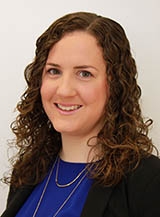 Nancy Feeley合作论文数Ingram School of Nursing, Faculty of Medicine and Health Sciences, McGill University3Baltzan Marcel A合作论文数3Gold Ian合作论文数Department of Philosophy and.3Pavilanis Alan合作论文数3J. Takefman合作论文数3
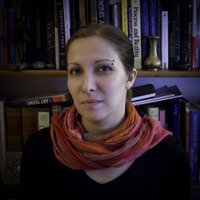 Elizaveta Solomonova合作论文数Dream and Nightmare Laboratory, University of Montreal3
 Stephanie Robins合作论文数3Ilana P. Spector合作论文数3
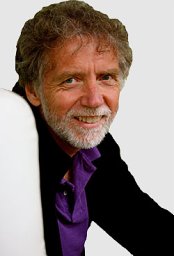 Stephane Sabourin合作论文数Départment de Psychologie, Université de Montréal3Dieu-Ly Tran合作论文数2Susie Wileman合作论文数2
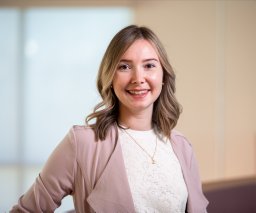 Anna L Mackinnon合作论文数Dept Psychiat & Addictol, Univ Montreal2
 Mai Nguyen合作论文数Dept Mkt, Griffith Univ2Ronald Schondorf合作论文数Department of Neurology and Neurosurgery, Faculty of Medicine and Health Sciences, McGill University2Norman Wolkove合作论文数Division of Respiratory, Department of Medicine, Faculty of Medicine and Health Sciences, McGill University2Pierre Rompré合作论文数Department of Stomatology, Université de Montréal2
 James Wright合作论文数Department of Surgery, Temerty Faculty of Medicine, University of Toronto;Institute of Health Policy, Management and Evaluation, University of Toronto;Santis Health2Jennison V. Asuncion合作论文数2Alex Lussier合作论文数1S. Rios Romenets合作论文数1




