Red blood cell (RBC) apheresis is, alongside phlebotomy, a standard treatment for iron overload in hereditary hemochromatosis (HH). We compared the serum ferritin (SF) reduction, process parameters, duration, and side effects of two apheresis systems: Spectra Optia apheresis system (Optia) and Alyx apheresis collection system (Alyx). Forty-three patients were RBC depleted with one of the two separators, Optia or Alyx. In total, 186 procedures were performed. The main diagnoses were HH (n = 20) and dysmetabolic iron overload syndrome (DIOS) (n = 21). Around two thirds of the procedures were done with Optia (n = 143) and one third with Alyx (n = 43). A mean volume of 405 and 442 mL of RBCs was withdrawn per single treatment with the Optia and Alyx, respectively. The procedure took 12 min (Optia) versus 26 min (Alyx) with a hematocrit (Hct) reduction of 5% versus 7.5% (p < 0.001). The SF reduction 3 weeks after RBC depletion was not significantly different between the two systems. The amount of anticoagulant used with the Optia was almost half of what was used with the Alyx (63 mL compared to 123 mL). There were no significant adverse events. The advantages of the Alyx include the lower cost and the easy portability. The Optia, on the other hand, has a shorter procedure time, a smaller extracorporeal volume, a lower anticoagulant consumption, a lower rate of complications, and allows a precise Hct adjustment.
Extracellular vesicles (EVs), including exosomes and microvesicles, have gained increasing attention as cell-free platforms for diagnostics and therapy across multiple medical disciplines, including otorhinolaryngology. This narrative review surveyed PubMed, Scopus, and Web of Science up to October 2025, with an emphasis on studies published within the past decade, to summarize and critically evaluate the mechanistic, diagnostic, and therapeutic roles of EVs in otorhinolaryngologic disorders. Current evidence, which is predominantly preclinical with a limited number of early-phase clinical studies, supports the potential utility of EVs in several disease contexts. In head and neck cancers, EVs show value as biomarkers for early detection, disease staging, and monitoring treatment response. In sensorineural hearing loss, EVs, particularly those derived from mesenchymal stem cells, demonstrate anti-inflammatory, antioxidant, and neuroprotective properties that support cochlear repair and neural regeneration. Similarly, EV-mediated modulation of chondrocyte function and extracellular matrix synthesis provides a preclinical foundation for cartilage and reconstructive applications. Emerging studies also suggests diagnostic and therapeutic roles for EVs in chronic rhinosinusitis and olfactory dysfunction, mainly through immune modulation and mucosal repair. Intranasal administration has shown promise as a non-invasive delivery route in experimental models, particularly for targeting neural and nasal tissues. Despite these encouraging findings, major challenges remain, including limited clinical validation, variability in EV isolation and characterisation methods, and the need for scalable, standardised production. Addressing these gaps through coordinated translational and clinical research will be critical for advancing EV-based applications in otorhinolaryngology.
ABSTRACT Human milk‐derived extracellular vesicles (HMEVs) recently gained significant attention due to their role in mother‐child communication and biomedical application potential. We here provide a systematic scoping review together with interactive figures and comprehensive overview tables summarising the current published knowledge base on HMEVs with a particular perspective on therapeutically relevant aspects, including consensus and divergence of isolation, characterisation, and investigation in preclinical models. Extraction from Embase and MEDLINE and systematic stratification yielded 113 original articles for further analysis. Key themes and emerging issues that became evident included (1) need for more systematic investigation and documentation of basic but essential aspects such as storage, processing parameters and endotoxin levels. (2) Changes of EV concentrations, composition, and potentially also biological activities with gestational age at birth, lactation stage and maternal background need to be taken into consideration to (3) define relevant donor selection criteria. For clinical translation, (4) the definition of mechanisms of action and relevant safety parameters is still lacking while imperative to define critical quality attributes. Eventually, (5) the availability of validated disease models to evaluate therapeutic potency represents a particular challenge for HMEVs since therapeutic approaches inherently focus on infant physiology which is difficult to model in rodents.
Background/Objectives: Long-term serological studies are essential to understand how repeated antigenic exposure affects the specific humoral immune response. The aim of this study was to investigate the long-term SARS-CoV-2 antibody dynamics in Austrian blood donors, as representatives of healthy adults, over a period of 36 months after the first SARS-CoV-2 infection. Methods: SARS-CoV-2 anti-N antibody levels were determined in more than 146,000 blood donations collected between 2020 and 2025. In addition, SARS-CoV-2 anti-N and anti-S antibody dynamics were examined in 204 individual blood donors at predefined points in time over a period of 36 months. Reinfections were inferred from increases in anti-N levels within an individual. Vaccination history and self-reported infection data were documented. Results: Anti-N seroprevalence was over 90% from the beginning of 2023 and remained at this level until 2025. Among the longitudinally observed participants, 97% had at least one serologically detected reinfection and 50% had two or more. While anti-N levels continued to increase over time, suggesting cumulative antigenic stimulation, anti-S concentrations and in vitro antibody functionality remained consistently high. Self-reported reinfections underestimated the actual incidence by a factor of six. Symptom profiles shifted toward mild respiratory manifestations, with significantly fewer cases of hyposmia or dysgeusia reported compared to the initial infection. Conclusions: After three years of observation, SARS-CoV-2 immunity is characterized by sustained antibody activity. The results show a transition from persistent, but inherently declining, to a repeatedly rebuilding, enhanced humoral immunity, indicating that SARS-CoV-2 has become endemic in Austria.
Spina bifida is a congenital neural tube defect that has a high risk of secondary neurological deterioration due to tethering of the spinal cord. We present the first application of human umbilical cord-derived mesenchymal stromal cell-derived extracellular vesicle (UC-MSC-EV) therapy in humans during spina bifida surgery. We discuss the application, post-operative outcome and highlight the potential of extracellular vesicle therapy in the management of spina bifida. Administration of extracellular vesicles containing therapeutically active agents has emerged as a potential new treatment modality for neurological disorders. By direct intrathecal application during surgery, UC-MSC-EVs can deliver therapeutic payloads to target cells and the extracellular environment, offering a novel approach to neuroprotection and tissue repair. A 2-year-old girl diagnosed with spina bifida presented with progressive syringomyelia as sign of secondary tethered cord syndrome with intramedullary dermoid inclusion tumour after postnatal spina bifida repair. After pre-operative assessment and multidisciplinary consultation, it was decided to proceed with spinal cord release surgery with the use of EV. During the surgical procedure, the tethered cord was released, dermoid and lipoma tissue were resected. Concurrently, UC-MSC-EVs were administered directly onto the released placode and spinal cord. Post-operative MRI demonstrated a good de-tethering effect and no medullary oedema. No adverse events were reported. The neurological deficit remained unchanged at 6 months follow-up examination. Intraoperative application of UC-MSC-EVs might be an option to ameliorate intrathecal scarring following spina bifida surgery. Whether EVs will result in significant effects for the long-term neurological outcome needs to be studied in randomised clinical trials.
At the International Society of Cell and Gene Therapy (ISCT) 2025 Annual Meeting in New Orleans, mesenchymal stromal cell-derived extracellular vesicles (MSC-EVs) received unprecedented attention, reflecting their rapid shift from experimental concept to promising therapeutic candidates. Scientists, clinicians, industry leaders, and regulators participated in focused sessions to examine the questions that will determine how, and when, these products can reach patients: What drives their therapeutic effects? How can manufacturing ensure consistent, clinically active preparations? What is required to gain regulatory confidence, and who will fund the journey? Four thematic threads emerged: (1) pinpointing the “active ingredient” in context-specific settings, (2) aligning manufacturing with critical quality attributes (CQAs) and potency assays, (3) engaging regulators as early as possible to align on mechanism-driven product definitions, and (4) ensuring sustainable funding, clear market positioning, and trial designs that satisfy both regulatory and commercial requirements. This report summarizes these discussions into actionable priorities: define context-specific mechanisms, embed potency assays into early process development and manufacturing protocols, link analytics to clinical relevance, and design development programs that unite scientific credibility with regulatory and market viability. The message from the ISCT 2025 Annual Meeting was clear: MSC-EV therapies are poised to progress from bench to bedside, but only if science, regulation, and strategy advance together.
Mechanical stabilization is crucial for bone healing, yet complex fractures, particularly osteoporotic or comminuted, remain challenging due to impaired implant osseointegration, resulting in implant loosening or non-unions. This study investigated whether co-application of small extracellular vesicles (sEVs) derived from human umbilical cord mesenchymal stromal cells (hUC-MSC-sEVs) with a low dose of recombinant human bone morphogenetic protein 2 (rhBMP-2) could enhance screw implant osseointegration. A novel small animal model was established to evaluate the effect of anatomical femur regions on screw integration. Six weeks postoperatively, bone formation and bone–implant contact were assessed by micro-computed tomography and descriptive histology. Biomechanical stability was determined using pull-out tests. Outcomes differed significantly between the proximal and distal implant locations, with no improvements in osseointegration observed in the distal region. In the proximal region, application of hUC-MSC-sEVs alone did not significantly improve osseointegration, whereas local application of 1.5 µg rhBMP-2 resulted in measurable biomechanical improvements. No additive or synergistic effects were observed when sEVs were co-administered with rhBMP-2. Descriptive histology supported these findings, demonstrating the most pronounced bone formation at the proximal site following rhBMP-2 treatment. hUC-MSC-sEVs did not enhance screw implant osseointegration and slightly reduced new bone formation. In contrast, a low dose of rhBMP-2 (1.5 µg) promoted implant integration, with no additive effect when combined with sEVs. Notably, the osteogenic effect of rhBMP-2 was observed only at the proximal femoral site, indicating that anatomical location critically influences implant osseointegration. These findings highlight the importance of considering anatomical region when evaluating osteoinductive treatments and implant materials in small animal models.
BACKGROUND AND OBJECTIVES:The coronavirus disease 2019 (COVID-19) pandemic necessitated various therapeutic approaches, including convalescent plasma (CP) administration. The administration timing of COVID-19 CP (CCP), antibody specificity and quantity were identified as crucial factors for therapeutic success. Currently, antibody durability and storage time are still under debate. The aim of this study was to evaluate the stability and in vitro functionality of severe acute respiratory syndrome coronavirus type 2 (SARS-CoV-2) antibodies in human plasma and serum after long-term storage, to provide a framework for generally applicable rules regarding the long-term storage of CCP. MATERIALS AND METHODS:Serum and plasma samples of CCP donations were investigated at the time of donation and after 2 and 3 years' storage at less than -30°C using (electro)chemiluminescence immunoassays and enzyme-linked immunosorbent assays, with the plasma undergoing multiple freezing and thawing. RESULTS:Our data reveal robust levels of SARS-CoV-2 antibodies after long-term storage. Furthermore, our findings also indicate that multiple freezing and thawing cycles do not affect the antibody levels or their neutralizing capability. CONCLUSION:As antibody stability and in vitro functionality are maintained over extended periods, even after repeated freezing and thawing, our findings support long-term storage of CCP, particularly benefiting vulnerable populations such as immunocompromised individuals. By now, donors have likely encountered various SARS-CoV-2 variants and vaccine-acquired antibodies. This antibody mix present in CCP is suggested to protect even against new variants. Our data indicate that current regulations for the storage of CCP can be extended and that CCPs could be used for therapeutic purposes after long-term storage without significant loss of antibody quantity.
At the International Society of Cell and Gene Therapy (ISCT) 2025 Annual Meeting in New Orleans, mesenchymal stromal cell-derived extracellular vesicles (MSC-EVs) received unprecedented attention, reflecting their rapid shift from experimental concept to promising therapeutic candidates. Scientists, clinicians, industry leaders and regulators participated in focused sessions to examine the questions that will determine how, and when, these products can reach patients: What drives their therapeutic effects? How can manufacturing ensure consistent, clinically active preparations? What is required to gain regulatory confidence, and who will fund the journey? Four thematic threads emerged: (i) pinpointing the "active ingredient" in context-specific settings, (ii) aligning manufacturing with critical quality attributes and potency assays, (iii) engaging regulators as early as possible to align on mechanism-driven product definitions and (iv) ensuring sustainable funding, clear market positioning and trial designs that satisfy both regulatory and commercial requirements. This report summarizes these discussions into actionable priorities: define context-specific mechanisms, embed potency assays into early process development and manufacturing protocols, link analytics to clinical relevance and design development programs that unite scientific credibility with regulatory and market viability. The message from the ISCT 2025 Annual Meeting was clear: MSC-EV therapies are poised to progress from bench to bedside, but only if science, regulation and strategy advance together.
The field of extracellular vesicles (EVs) is rapidly advancing, offering promising applications in diagnostics, therapeutics, and drug delivery. However, the translation of EV-based technologies to the clinic faces significant challenges related to heterogeneity, scalable biomanufacturing, and regulatory compliance. To address these issues, the European Innovation Council (EIC), in collaboration with the Horizon2020-funded BOW project, organized the "Extracellular Vesicle EIC Cluster Meeting," bringing together researchers, startups, and regulatory stakeholders across Europe. Discussions focused on overcoming bottlenecks in EV production, standardization, and clinical readiness. Key outcomes included the need for application-specific benchmarks, robust manufacturing pipelines, and regulatory frameworks tailored to EVs. The event emphasized the importance of interdisciplinary collaboration, coopetition, and continued EU funding to drive innovation and strengthen Europe's leadership in the EV field.
Background/Objectives: Parvovirus B19 (B19V) is a non-enveloped single-stranded DNA virus transmissible by blood transfusion, with potentially severe outcomes in immunocompromised and pregnant recipients. In this study, we investigated the B19V prevalence in 441,084 blood donations from Salzburg, Austria, collected between 2012 and 2024, focusing on changes in epidemiological dynamics before, during, and after the SARS-CoV-2 pandemic. Additionally, the B19VB19V persistence and its implications for deferral policies were assessed. Methods: Donor samples were screened for B19VB19V DNA by qPCR (2012-2024) and for SARS-CoV-2 total anti-N antibodies (2020-2024). B19VB19V prevalence rates, cycle threshold (Ct) values, and seasonal distribution were compared between pre-pandemic, pandemic, and post-pandemic phases. Follow-up testing of initially B19VB19V-positive donors was performed after a 2-year deferral period. Results: The B19VB19V positivity rate of 0.13% (2012-2019) significantly decreased to 0.02% during the SARS-CoV-2 pandemic (2020-2022). A substantial increase occurred post-pandemic, with prevalence reaching 1.47% in 2024. Significant lower Ct values were observed in the post-pandemic phase, indicating higher viral loads. Additionally, younger donors (aged 18-45 years) showed significantly lower Ct values. After a 2-year deferral, 39% of re-tested donors remained B19VB19V DNA-positive. Conclusions: B19VB19V circulation increased substantially after the SARS-CoV-2 pandemic. Our observation is consistent with international reports and is likely due to an 'immunity debt' that has been accumulated due to pandemic-related public health interventions. Targeted B19VB19V screening and strict deferral strategies may be warranted particularly during outbreak periods to protect high-risk transfusion recipients.
BACKGROUND:Extracorporeal photopheresis (ECP) is a well-established but lengthy and burdensome cell-based therapy for various diseases such as cutaneous T-cell lymphoma, graft-versus-host disease and organ rejection after transplantation. The number of mononuclear cells (MNCs) that needs to be collected to obtain a clinical response to ECP is still under debate. The purpose of this retrospective study was to determine the number of lymphocytes, monocytes and neutrophils in mononuclear cell products (MCP) by flow cytometry and the collection efficiency in the offline ECP setting. MATERIALS AND METHODS:We collected data from 10 different patients undergoing 162 ECP procedures using the Spectra Optia device for MNC collection. White blood cell (WBC) count of MCP was determined using a hematology analyzer. MNCs were analyzed for CD45 and CD14 expression by flow cytometry to exactly determine the collected lymphocyte and monocyte fractions. RESULTS:Collected MCP showed high cell yields with 55.3×10⁶/kg MNCs and 41.1×10⁶/kg lymphocytes. MCP were characterized by high MNC (81.3%) and low neutrophils (18.7%) percentage. Mean collection efficiency for WBCs and for MNCs was 23.9% and 62.0%, respectively. The MNC fraction showed a moderate to high correlation between peripheral blood cell count of patients and MCP count. DISCUSSION:This study is one of a few reports showing the monocyte-to-lymphocyte relation in MCP for ECP determined by flow cytometry. In comparison to historical data from inline ECP, the offline ECP processing one total blood volume results in considerably higher cell yields. For this reason, and to reduce the burden on patients, we propose that the offline ECP processing time can be substantially reduced.
In regenerative medicine, stromal cells are supposed to play an important role by modulating immune responses and differentiating into various tissue types. The aim of this study was to investigate the influence of heparin, frequently used as an anticoagulant in human platelet lysate (HPL)-supplemented cell cultures, on the expression of non-coding RNA species, particularly microRNAs (miRNA), which are pivotal regulators of gene expression. Through genomic analysis and quantitative RT-PCR, we assessed the differential impact of heparin on miRNA expression in various stromal cell types, derived from human bone marrow, umbilical cord and white adipose tissue. Our results demonstrate that heparin significantly alters miRNA expression, with distinct up- and downregulation patterns depending on the original tissue source of human stromal cells. Furthermore, our analyses indicate that these heparin-induced alterations in miRNA expression profiles influence critical cellular processes, including proliferation, apoptosis and differentiation. In conclusion, our study highlights that heparin not only fulfills its primary role as an efficient anticoagulant but can also modulate important regulatory pathways in stromal cells by influencing miRNA expression. This may alter cellular properties and thus influence stromal cell-based therapeutic applications in regenerative medicine.
Background/Objectives: Extracorporeal photopheresis (ECP) is a well-established and efficacious cell therapy for a range of diseases. The objective of this retrospective study was to compare the new Amicus Blue inline system with the Therakos Cellex inline system and the Spectra Optia offline system in terms of collection efficiency, mononuclear cell (MNC) yield of mononuclear cell products (MCPs), processing time and correlation between MCP cell count and peripheral blood count of patients. Methods: This retrospective study compared 127 procedures utilizing the Spectra Optia offline system, 93 procedures employing the Amicus Blue inline system, and 81 procedures applying the Therakos Cellex inline system. The MNCs were subjected to flow cytometry analysis for CD45 and CD14 expression in order to ascertain the precise composition of the collected lymphocyte and monocyte fractions. Results: The Therakos inline system demonstrated the highest MNC collection efficiency (Therakos: 74.42 ± 1.82; Optia: 65.79 ± 1.48; Amicus: 56.32 ± 2.80; p < 0.01). Regarding the content of collected MNCs (×10⁶/kg body weight), the Spectra Optia offline system was superior to the other systems (Optia: 42.69 ± 1.42; Therakos: 31.21 ± 1.66; Amicus: 27.56 ± 1.54; p < 0.01). Conclusions: This study represents the first direct comparison of the new Amicus Blue inline system with the two most commonly used ECP systems in the same patient cohort of a single center. The data show that the Amicus Blue inline system collects sufficient MNCs to perform an ECP, but it has a significantly lower CE than the other systems and a significantly lower amount of collected MNCs than the Spectra Optia offline system.
Abstract Background The aim of this study was to evaluate potential synergistic effects of a single, local application of human umbilical cord MSC-derived sEVs in combination with a low dose of recombinant human rhBMP-2 to promote the regeneration of a metaphyseal femoral defect in an osteoporotic rat model. Methods 6 weeks after induction of osteoporosis by bilateral ventral ovariectomy and administration of a special diet, a total of 64 rats underwent a distal femoral metaphyseal osteotomy using a manual Gigli wire saw. Defects were stabilized with an adapted Y-shaped mini-locking plate and were subsequently treated with alginate only, or alginate loaded with hUC-MSC-sEVs (2 × 10⁹), rhBMP-2 (1.5 µg), or a combination of sEVs and rhBMP-2 (n = 16 for each group). 6 weeks post-surgery, femora were evaluated by µCT, descriptive histology, and biomechanical testing. Results Native radiographs and µCT analysis confirmed superior bony union with callus formation after treatment with hUC-MSC-sEVs in combination with a low dose of rhBMP-2. This finding was further substantiated by histology, showing robust defect consolidation 6 weeks after treatment. Torsion testing of the explanted femora revealed increased stiffness after application of both, rhBMP-2 alone, or in combination with sEVs, whereas torque was only significantly increased after treatment with rhBMP-2 together with sEVs. Conclusion The present study demonstrates that the co-application of hUC-MSC-sEVs can improve the efficacy of rhBMP-2 to promote the regeneration of osteoporotic bone defects.
Extracellular vesicles (EVs), through their complex cargo, can reflect the state of their cell of origin and change the functions and phenotypes of other cells. These features indicate strong biomarker and therapeutic potential and have generated broad interest, as evidenced by the steady year-on-year increase in the numbers of scientific publications about EVs. Important advances have been made in EV metrology and in understanding and applying EV biology. However, hurdles remain to realising the potential of EVs in domains ranging from basic biology to clinical applications due to challenges in EV nomenclature, separation from non-vesicular extracellular particles, characterisation and functional studies. To address the challenges and opportunities in this rapidly evolving field, the International Society for Extracellular Vesicles (ISEV) updates its 'Minimal Information for Studies of Extracellular Vesicles', which was first published in 2014 and then in 2018 as MISEV2014 and MISEV2018, respectively. The goal of the current document, MISEV2023, is to provide researchers with an updated snapshot of available approaches and their advantages and limitations for production, separation and characterisation of EVs from multiple sources, including cell culture, body fluids and solid tissues. In addition to presenting the latest state of the art in basic principles of EV research, this document also covers advanced techniques and approaches that are currently expanding the boundaries of the field. MISEV2023 also includes new sections on EV release and uptake and a brief discussion of in vivo approaches to study EVs. Compiling feedback from ISEV expert task forces and more than 1000 researchers, this document conveys the current state of EV research to facilitate robust scientific discoveries and move the field forward even more rapidly.
BACKGROUND:Understanding the dynamics of SARS-CoV-2 reinfections is crucial for public health policy, vaccine development, and long-term disease management. However, data on reinfections in the general population remains scarce. OBJECTIVES:This study aimed to investigate SARS-CoV-2 antibody dynamics among Austrian blood donors, representing healthy adults, over two years following primary infection and to evaluate the reinfection risk. METHODS:117,895 blood donations were analysed for SARS-CoV-2 total anti-N levels from June 2020 to December 2023. We examined anti-N and anti-S antibody dynamics and in vitro functionality in 230 study participants at five defined times during 24 months, assessing associations with demographics, vaccination status, and reinfection awareness. RESULTS:The seroprevalence of SARS-CoV-2 infection-derived anti-N antibodies increased over time, reaching 90% by February 2023 and remaining at that level since then. According to serological screenings, we found an 88% reinfection rate, which is in contrast to participants' reports indicating a reinfection rate of 59%. Our data further reveal that about 26% of reinfections went completely unnoticed. Antibody dynamics were independent of age, sex, and ABO blood group. Interestingly, individuals with multiple reinfections reported symptoms more frequently during their primary infection. Our results further show that vaccination modestly affected reinfection risk and disease course. CONCLUSION:SARS-CoV-2 reinfections were uncommon until the end of 2021 but became common with the advent of Omicron. This study highlights the underestimation of reinfection rates in healthy adults and underscores the need for continued surveillance, which is an important support for public health policies and intervention strategies.
The International Society for Cell & Gene Therapy Scientific Signature Series event "Therapeutic Advances With Native and Engineered Human EVs" took place as part of the International Society for Cell & Gene Therapy 2022 Annual Meeting, held from May 4 to 7, 2022, in San Francisco, California, USA. This was the first signature series event on extracellular vesicles (EVs) and a timely reflection of the growing interest in EVs, including both native and engineered human EVs, for therapeutic applications. The event successfully gathered academic and industrial key opinion leaders to discuss the current state of the art in developing and understanding native and engineered EVs and applying our knowledge toward advancing EV therapeutics. Latest advancements in understanding the mechanisms by which native and engineered EVs exert their therapeutic effects against different diseases in animal models were presented, with some diseases such as psoriasis and osteoarthritis already reaching clinical testing of EVs. The discussion also covered various aspects relevant to advancing the clinical translation of EV therapies, including EV preparation, manufacturing, consistency, site(s) of action, route(s) of administration, and luminal cargo delivery of RNA and other compounds.
 Dirk Strunk合作论文数Institute of Experimental and Clinical Cell Therapy, Paracelsus Medizinische Privatuniversität42
 Katharina Götze合作论文数Klinikum rechts der Isar, III. Medizinische Klinik, Technische Universität München35
 Mario Gimona合作论文数Paracelsus Medical University34
 Sandra Laner-Plamberger合作论文数24
 Andreas Reinisch合作论文数Med Univ Graz20
 Bernd Giebel合作论文数Institute for Transfusion Medicine, University Hospital Essen15
 Gerhard Lanzer合作论文数15Christoph Grabmer合作论文数14
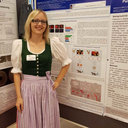 Michaela Oeller合作论文数13Werner Linkesch合作论文数13
 Sai-Kiang Lim合作论文数Institute of Molecular and Cell Biology, Agency for Science, Technology and Research12Pachler Karin合作论文数11
 Jan Lötvall合作论文数Institute of Medicine, University of Gothenburg11Christina Bartmann合作论文数10
 Wei Seong Toh合作论文数Department of Orthopaedic Surgery, Yong Loo Lin School of Medicine, National University of Singapore;Department of Biomedical Engineering, College of Design and Engineering, National University of Singapore;Life Science Institute, National University of Singapore;Faculty of Dentistry, National University of Singapore9
 M.H.M. Wauben合作论文数9
 Nicole A. Hofmann合作论文数Institute for Molecular Biology and Biochemistry, Medical University of Graz8Lorraine O’Driscoll合作论文数8
 Maurizio Muraca合作论文数Dept Womens & Childrens Hlth, Univ Padua7
 Kenneth Whitaker Witwer合作论文数Department of Otolaryngology-Head and Neck Surgery, School of Medicine, Johns Hopkins University7
 Obenauf Anna C合作论文数Inst Human Genet, Med Univ Graz7Daniel J. Weiss合作论文数7Christof Jungbauer合作论文数7
 Christian Guelly合作论文数7Thomas Lener合作论文数7Wanda Lauth合作论文数6Lisa Weidner合作论文数6
 Georg Zimmermann合作论文数6
 Irina Nazarenko合作论文数Partner Site Freiburg & German Canc Res Ctr DKFZ, German Canc Consortium DKTK6
 Katharina Schallmoser合作论文数Department of Medicine, Karl Franzens University Graz6Rienk Nieuwland合作论文数6Athanasia Warnecke合作论文数Department of Otolaryngology, Hannover Medical School6Nadja Lindlbauer合作论文数5
 Clotilde Thery合作论文数Institut Curie5Streif Doris合作论文数5
 Juan Manuel Falcón合作论文数CIC bioGUNE5
 Möller Andreas合作论文数QIMR Berghofer Medical Research Institute5
 Takahiro Ochiya (落谷孝広)合作论文数Department of Molecular and Cellular Medicine, Institute of Medical Science, Tokyo Medical University;National Cancer Center Research Institute Section for Studies on Metastasis5
 Andy Hill合作论文数Victoria University;MRC Prion Unit, Institute of Neurology, University College London5
 Cecilia Lässer合作论文数Krefting Research Centre, Sahlgrenska Academy, University of Gothenburg5
 Saara Laitinen合作论文数Department of Biochemistry;National Public Health Institute;Department of Biochemistry, National Public Health Institute5
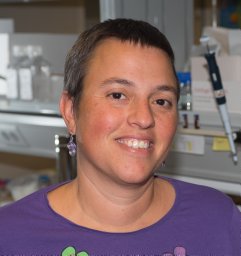 María Yáñez-Mo合作论文数Departamento de Biología Molecular, Universidad Autónoma de Madrid;Instituto de Investigación Sanitaria Princesa;GEIVEX5
 Benedetta Bussolati合作论文数Department of Molecular Biotechnology and Health Sciences, University of Torino5
 Edit Buzas合作论文数Institute of Genetics, Cell-and Immunobiology, Faculty of Medicine, Semmelweis University5
 Hernando del Portillo Obando合作论文数Barcelona Institute for Global Health;Institut d'Investigació en Ciències de la Salut Germans Trias i Pujol5
 Francesc E. Borràs合作论文数Universitat de Barcelona5Alicia Llorente合作论文数5
 Dominique P V de Kleijn合作论文数4Christina Malischnik合作论文数4




