As part of the first anniversary issue of Nature Chemical Engineering, we present a collection of opinions from 40 researchers within the field on what they think are the most exciting opportunities that lie ahead for their respective topics.
Liquid hydrogen (LH2) is considered an attractive replacement for hydrocarbon fuels, but the energy-intensive production of LH2 hinders its uptake in industry. We find that up to 57% of energy expenditure in liquefaction comes from the exothermic conversion of the ortho-hydrogen isomer into the para-hydrogen form. Our experimental results demonstrate that full (99.6% para-hydrogen) ortho-para conversion (OPC) is impractical, leading us to consider non-ideal OPC in liquefaction simulations for the first time. We highlight that the energy and environmental costs of LH2 are excessive if LH2 is used before one year after liquefaction. Through tunable OPC, we reduce energy costs by 8%-13% with 83%-95% para-hydrogen compared with full OPC while still attaining loss-less LH2 storage for 1-7 days. We demonstrate that wind-based LH2 production leads to 203 lower CO2 emissions than jet fuels, reducing the environmental impact of a London-New York flight (Boeing 787-9) by at least 92%.
Activation of the stable CO2 molecule presents the key barrier to the synthesis of value-added chemicals via heterogeneous catalysis. Catalyst-based processes have been widely studied for CO2 valorization, although their coupling with nonthermal plasma (NTP) has received comparatively little attention. The work presented herein utilizes NTP from mixtures of CO2 with N-2 or Ar over Al2O, SrFeO3-delta, and Cu-based catalysts to investigate: (1) the cleavage of CO2 to CO; (2) the plasma discharge characteristics and electrical power requirement. NTP was generated in a packed bed reactor through dielectric barrier discharge (DBD), with all bed materials increasing the number of microdischarges compared to DBD operated in the empty reactor. Gas analysis confirmed the evolution of CO and O-2 in a similar to 2:1 ratio, as expected for CO2 -> CO + 1/2 O-2, with diminishing power requirements for gas mixtures 100 vol % CO2 > 50 vol % CO2/N-2 > 50 vol % CO2/Ar. With plasma initiated at 20 degrees C, appreciable warming of the reactor was measured owing to dissipated power, reaching a steady temperature between 150 and 350 degrees C depending upon the bed material. The highest conversion of CO2 to CO was 2.5-3% over the Cu-CeO2 and SrFeO3-delta. The two materials withhold vacancies in the crystal structure, potentially interacting with the evolved oxygen to prevent recombination with CO. In contrast, both the Cu-ZnO and Cu-ZrO2 catalyzed the recombination of CO and oxygen, giving an overall CO2 conversion of just 1% or less. Relatively high CO2 splitting conversion of 2 to 2.5% was found over Al2O3 and at the lowest power input for all materials examined & horbar;a result of salience given the application of Al2O3 as a support for copper catalysts. This work demonstrates that catalysts modulate plasma to support gas-phase CO2 dissociation and participate in catalytic reactions with species generated in NTP.
The aim of this work was to investigate the combustion of biochar in a fluidised bed and determine the intrinsic kinetic parameters for combustion: pre-exponential constant Ai and activation energy Ei. When analysing the rates of reaction, Regimes I, II and III were demonstrated, with values for the activation energy of 155, 57 and 9 kJ/mol, respectively, when combustion was limited by different factors: intrinsic kinetics, intraparticle and external mass transport phenomena. These mass transport phenomena were decoupled from a set of ‘apparent’ kinetics incorporating effectiveness factors, which we used as a starting point in the determination of the intrinsic kinetic parameters. We also investigated a simple approach to model the evolution of the char structure over the course of oxidation using an empirical function, fX, fitted with an O(7) polynomial. We then reassessed the division into three combustion regimes by exploring the changes in fX and the intraparticle effectiveness factor that occurred upon increasing the combustion temperature. Overall, we demonstrate that experiments in a fluidised bed can be used to determine biochar kinetics in a simplified but trustworthy way.
The oxidation of small particles (size 200 mu m) of char from oak has been studied, by adding a small batch of them to an electrically heated bed of inert, silica sand, fluidised by mixtures of O2 2 and N2. 2 . The concentrations of CO, CO2, 2 , and O2, 2 , in the off-gases from the bed were continuously monitored, enabling the rate of combustion and also the fraction, X , of the carbon oxidised in each particle to be measured throughout combustion at different, well-controlled temperatures. The rate of oxidation declined as (1 - X ) during burnout, because the O2 2 freely contacted the carbon in these tiny particles, whose oxidation was kinetically controlled at 700 degrees C and below. In fact, these tiny char particles burned in the fluidised bed at 500-700 degrees C in Zone 1 according to S 0 (1 - X)(k5CO2 )( k 5 C O2 + k 6 ) per g of char. This matches Hurt and Calo's three-step mechanism, whereby a porous char burns at a rate controlled by two reactions, one first-order in O2, 2 , the other zeroth-order in O2. 2 . Reactions (V) and (VI) were found to be, respectively, k5 5 = 1.7 x 10³ 3 exp (-139 +/- 18 kJ mole-1/RT)- 1 /R T ) ms- 1 s- 1 and k6 6 = 1.5 exp (-92 +/- 20 kJ mole-1 / RT) T ) mole s-1 m-2.-2 . Reaction (V), between O2 2 and a surface complex containing oxygen, became faster as X increased, if the temperature exceeded 600 degrees C; catalysis by potassium was suspected as providing this extra reactive boost.
Copper-based catalysts enable the hydrogenation of CO2 to methanol (MeOH). Selective MeOH synthesis requires the interaction of copper with a metal oxide support to facilitate CO2 adsorption and hydrogenation. Here, we systematically appraise the role of ZnO, ZrO2 and CeO2 in Cu-based catalysts for low-pressure (1 bar) MeOH synthesis. During temperature-programmed desorption (TPD) of CO2, the bare ZnO, ZrO2, and CeO2 exhibited desorption events at both low (70–100 °C) and high (400–700 °C) temperatures, also observed when combining each support with copper. Investigations in a packed bed reactor showed suppressed CO by-production over Cu-ZrO2, leading to a 1.5-fold improvement as compared to Cu-ZnO. Upon Cu-CeO2, CO2 was prone to undergo reduction to CO and desorb, resulting in a MeOH yield 9 times lower than over Cu-ZrO2. Experiments aiming at intermittent operation with successive start-ups and shut-downs showed that the performance of Cu-ZrO2 catalyst remained stable, whilst Cu-ZnO deteriorated monotonically, ascribed to sintering driven by OH and H2O species. In situ infrared spectroscopy demonstrated that methanol synthesis over Cu-ZnO progresses via a single pathway with formate species, whilst parallel formate and bicarbonate pathways were demonstrated over Cu-ZrO2. Unlike Cu-ZnO, the formation of bicarbonate over Cu-ZrO2 allows surface OH species to participate in MeOH synthesis, which we link to the superior performance and stability of Cu-ZrO2.
The catalyst AgSrFeO 3 (imp), used in chemical looping epoxidation of ethylene-to-ethylene oxide (EtO), is usually synthesised via a conventional impregnation method.
The bulk of research in carbon capture involves high CO2 concentrations. This work instead describes the kinetics of CaO carbonation in mixtures with pCO(2) between 0.38 and 2.70 vol % and at temperatures between 400 and 650 degrees C. The reaction was studied in a bed of SiO2 fluidized at flow rates corresponding to U/U-mf of similar to 4. Lower concentrations of CO2 connected to the rates of mass transfer of CO2 of the same order of magnitude as the rates of carbonation, thus, were eliminated from the kinetic analysis. The introduction of steam to the gas mixture (2 vol %) increased the rates of carbonation, demonstrating a pseudocatalytic effect, yet diminishing at higher temperatures. A rate expression generally accepted in the literature for high concentration CO2 in CaO carbonation was assessed for its applicability at near-equilibrium conditions, demonstrating that the order of the rate expression changes between 0 and 1, increasing at higher temperatures. Using nonlinear regression, the experimental values were fitted to the Langmuir-Hinshelwood rate expression. The obtained parameters indicate CO2 sorption and desorption being equilibrated, with the overall capture dominated mainly by slow kinetics of chemical reactions.
Ethylene oxide (EO) is a key chemical intermediate produced almost exclusively from petrochemically derived ethylene. Currently, EO manufacturing involves epoxidation of ethylene with O-2 over Ag/Al2O3 - one of the highest CO2-emitting processes in the chemical sector (Boulamanti and Moya, 2017). The flammability hazards associated with incumbent methods and sluggish process start-ups prevent small-scale, flexible operations or alignment with intermittently available renewable resources. Presented herein is a novel process for on-demand production of bio-EO from bioethanol. Ethanol, laboratory-grade or denatured, was first dehydrated to ethylene over HZSM-5 (at 280 degrees C) or gamma-Al2O3 (at 350 degrees C) catalysts, producing ethylene and water. The ethylene stream was then selectively oxidised to EO over Ag/SrFeO3 at 270 degrees C using lattice oxygen from a solid - SrFeO3, employed to drive chemical looping epoxidation (CLE). For a configuration where the dehydration and epoxidation reactions were carried out in separate reactors, the process produced EO with 57 % selectivity at 15 % conversion of ethylene, thus exceeding the incumbent approach with pure Ag/alpha-Al2O3 and O-2. In an alternative configuration, experiments were carried out in one dehydration-epoxidation reactor layered with two catalysts: HZSM-5 and Ag/SrFeO3. The results revealed that water presence at a percentage level enhanced unselective combustion. In-situ removal of water, possible with an additional layer of a drying material between the two catalysts, proved effective in boosting the process performance, reaching selectivity to EO of 50 % at 12 % conversion of ethylene. The catalysts showed no sign of deactivation when using denatured ethanol or when performing experiments intermittently. Hence, our novel process can be kept offline without penalty, allowing for on demand production and complete alignment with renewable resources.
The hydration of CO2 suffers from kinetic inefficiencies that make its natural trapping impractically sluggish. However, CO2-fixing carbonic anhydrases (CAs) remarkably accelerate its equilibration by 6 orders of magnitude and are, therefore, "ideal" catalysts. Notably, CA has been detected in ureolytic bacteria, suggesting its potential involvement in microbially induced carbonate precipitation (MICP), yet the dynamics of the urease (Ur) and CA genes remain poorly understood. Here, through the use of the ureolytic bacteriumSporosarcina pasteurii, we investigate the differing role of Ur and CA in ureolysis, CO2 hydration, and CaCO3 precipitation with increasing CO2(g) concentrations. We show that Ur gene up-regulation coincides with an increase in [HCO3-] following the hydration of CO2 to HCO3- by CA. Hence, CA physiologically promotes buffering, which enhances solubility trapping and affects the phase of the CaCO3 mineral formed. Understanding the role of CO2 hydration on the performance of ureolysis and CaCO3 precipitation provides essential new insights, required for the development of next-generation biocatalyzed CO2 trapping technologies.
This study leverages worldwide wind data, process modelling, and life cycle assessment to reveal the potential of dynamic methanol production for atmospheric CO 2 drawdown, while handling power intermittency and minimising reliance on reserve storage.
This research concerns the combustion of a biomass char in a fluidised bed of either inert silica particles or particles of a material capable of supporting combustion using chemical looping oxygen uncoupling (CLOU). An analytical solution for combustion using CLOU was developed, accounting for the chemical reactions occurring within a mass-transfer boundary layer of a finite thickness, surrounding a char particle. The reactions considered were: (1) combustion of char with oxygen to CO and CO2, (2) homogenous reaction of CO with O-2, and (3) oxygen release from CLOU particles. The thickness of the boundary layer, gamma, was evaluated using correlation in the literature and the combustion of the char particle was modelled as a shrinking particle. Results from the model were compared with experiments performed by combusting char from birch-wood and activated carbon in a fluidised bed (i.d. 30 mm) of either particles capable of CLOU (CuO supported on mayenite) or inert silica sand. Both types of experiments were undertaken with a partial pressure of oxygen, pO(2), close to the equilibrium pressure of O-2 over CuO at 1173 K, i.e. similar to 0.016 bar of O-2. The results from the analytical model agreed with the experimental observations from both beds. In addition to the analytical solution, fuller, numerical models were developed, in which a char particle and its surroundings were discretised in 1D to solve the mass balance equations and to assess the validity of the a-sumptions made in the analytical solution. To establish the range of conditions in which the analytical solution is valid, various cases were simulated. For example, char combustion and gasification in a bed of CuO-particles fluidised by CO2-rich gas. Hence, besides the validation of the analytical solution, the results of the numerical solutions provided insight into the importance of char gasification with CO2 on the overall particle conversion in CLOU at the industrial scale.
The redox behavior of the nonstoichiometric perovskite oxide SrFeO3-δ modified with Ag, CeO2, and Ce was assessed for chemical looping air separation (CLAS) via thermogravimetric analysis and by cyclic release and uptake of O2 in a packed bed reactor. The results demonstrated that the addition of ∼15 wt % Ag at the surface of SrFeO3-δ lowers the temperature of oxygen release in N2 by ∼60 °C (i.e., from 370 °C for bare SrFeO3-δ to 310 °C) and more than triples the amount of oxygen released per CLAS cycle at 500 °C. Impregnation of SrFeO3-δ with Ag increased the concentration of oxygen vacancies at equilibrium, lowering (3 - δ) under all investigated oxygen partial pressures. The addition of CeO2 at the surface or into the bulk of SrFeO3-δ resulted in more modest changes, with a decrease in temperature for O2 release of 20-25 °C as compared to SrFeO3-δ and a moderate increase in oxygen yield per reduction cycle. The apparent kinetic parameters for reduction of SrFeO3-δ, with Ag and CeO2 additives, were determined from the CLAS experiments in a packed bed reactor, giving activation energies and pre-exponential factors of Ea,reduction = 66.3 kJ mol-1 and Areduction = 152 mol s-1 m-3 Pa-1 for SrFeO3-δ impregnated with 10.7 wt % CeO2, 75.7 kJ mol-1 and 623 molO2 s-1 m -3 Pa-1 for SrFeO3-δ mixed with 2.5 wt % CeO2 in the bulk, 29.9 kJ mol-1 and 0.88 molO2 s-1 m-3 Pa-1 for Sr0.95Ce0.05FeO3-δ, and 69.0 kJ mol-1 and 278 molO2 s-1 m-3 Pa-1 for SrFeO3-δ impregnated with 12.7 wt % Ag, respectively. Kinetics for reoxidation were much faster and were assessed for two materials with the slowest oxygen uptake, SrFeO3-δ, giving the activation energy Ea,oxidation = 177.1 kJ mol-1 and pre-exponential factor Aoxidation = 3.40 × 10¹⁰ molO2 s-1 m-3 Pa-1, and Sr0.95Ce0.05FeO3-δ, giving the activation energy Ea,oxidation = 64.0 kJ mol-1, and pre-exponential factor Aoxidation = 584 molO2 s-1 m-3 Pa-1.
Small cubes (sides <= 7 mm) of four different woods, with thermocouples inside them to constantly measure the temperature at their centre, have been pyrolysed in electrically heated beds of sand, fluidised by nitrogen. These determinations of a particle's central temperature have provided values of the effective thermal diffusivity of each wood, as well as of the resulting solid, at 5 different stages, whilst it changed from dried wood at room temperature to the char left after being pyrolysed at progressively higher temperatures up to 600 degrees C. In addition, these woods underwent endothermic decomposition, particularly whilst being heated from similar to 250 to 340 degrees C and from 380 to 460 degrees C. However, at similar to 480 to 540 degrees C, all four woods thermally decomposed exothermally and actually raised the temperature at the cube's centre above that of the fluidised bed. In addition, the times for complete pyrolysis were measured and their dependence on particle size was investigated.
A novel chemical looping (CL) process was demonstrated to produce acetaldehyde (AA) via oxidative dehydrogenation (ODH) of ethanol. Here, the ODH of ethanol takes place in the absence of a gaseous oxygen stream; instead, oxygen is supplied from a metal oxide, an active support for an ODH catalyst. The support material reduces as the reaction takes place and needs to be regenerated in air in a separate step, resulting in a CL process. Here, strontium ferrite perovskite (SrFeO3-δ) was used as the active support, with both silver and copper as the ODH catalysts. The performance of Ag/SrFeO3-δ and Cu/SrFeO3-δ was investigated in a packed bed reactor, operated at temperatures from 200 to 270 °C and a gas hourly space velocity of 9600 h-1. The CL capability to produce AA was then compared to the performance of bare SrFeO3-δ (no catalysts) and materials comprising a catalyst on an inert support, Cu or Ag on Al2O3. The Ag/Al2O3 catalyst was completely inactive in the absence of air, confirming that oxygen supplied from the support is required to oxidize ethanol to AA and water, while Cu/Al2O3 gradually got covered in coke, indicating cracking of ethanol. The bare SrFeO3-δ achieved a similar selectivity to AA as Ag/SrFeO3-δ but at a greatly reduced activity. For the best performing catalyst, Ag/SrFeO3-δ, the obtained selectivity to AA reached 92-98% at yields of up to 70%, comparable to the incumbent Veba-Chemie process for ethanol ODH, but at around 250 °C lower temperature. The CL-ODH setup was operated at high effective production times (i.e., the time spent producing AA to the time spent regenerating SrFeO3-δ). In the investigated configuration with 2 g of the CLC catalyst and 200 mL/min feed flowrate ∼5.8 vol % ethanol, only three reactors would be required for the pseudo-continuous production of AA via CL-ODH.
This research focuses on the combustion of biomass char in fluidized beds of various particulate solids, which, under the conditions of the reaction, were either inert or capable of supplying oxygen to reactions. The latter were termed oxygen carriers. The solids used were SiO2, as an inert material, and three oxygen carriers: (1) Fe2O3 prepared from a natural pyrite ore, (2) CuO supported on mayenite, and (3) SrFeO3-delta strontium ferrite perovskite. Combustion experiments were undertaken by introducing a sample of partially devolatilized biomass (commercial "biochar") to a hot bubbling bed (inner diameter of 30 mm), fluidized by a mixture of oxygen and nitrogen, then analyzing the composition of the off-gas and the burnout time of the char sample. In the temperature range investigated in this work (1023- 1168 K), CuO and SrFeO3-delta but not Fe2O3 thermally decomposed, releasing gaseous O-2 [so-called "chemical looping oxygen uncoupling" (CLOD)]. Hence, to make the combustion conditions comparable to various oxygen carriers, all experiments were performed using a fluidizing gas with a fixed partial pressure of O-2 (pO(2)) of similar to 0.015 bar. Despite the same nominal pO(2) , the occurrence of the oxygen uncoupling reaction increased the total net amount of O-2(g) available in the process, affecting external mass transfer of O-2 to the char particle and accelerating its rate of combustion. The time needed to totally combust 0.1 g of biochar particles in different beds at 1168 K followed the trend CuO < SrFeO3-delta < Fe2O3 approximate to silica sand. The difference in the performance of CuO and SrFeO3-delta was ascribed to the lower oxygen availability via CLOU in perovskite compared to copper oxide. Interestingly, combustion in the bed of Fe2O3 particles took a similar amount of time as combustion in the inert bed of SiO2, despite iron oxide playing an active role in the process. The finding is explained by Fe(2)O(3 )reacting with CO produced from incomplete char combustion, which results in the reduced oxide competing with char for O-2(g) and effectively decreasing the local pO(2).
The chemical looping epoxidation (CLE) of ethylene was performed over an Ag catalyst supported on strontium ferrite perovskite (SrFeO 3-δ ). CLE consists of a reduction step in ethylene where oxygen is transferred from the support to the Ag catalyst to form ethylene oxide (EO), and a separate regeneration step, in which the support is reoxidised in air. The effect of altering the reduction and oxidation times was investigated, analysing changes in the conversion of ethylene and selectivity to EO. Experiments were conducted at 270 °C in a packed bed of Ag(15 wt.%)/SrFeO 3-δ with a gas hourly space velocity of 9600 h −1 and a total operation time > 40 h. When the time of the reduction step was increased from 1 to 3 min, selectivity to EO only decreased by 0.4%, demonstrating that CLE can run with prolonged reduction times while maintaining high selectivity. Increased duration of the reoxidation step resulted in both selectivity and conversion increasing, but when varying the oxidation time from 10 to 15 min, the overall improvement in the performance was minimal; thus, CLE can feasibly operate at shortened oxidation times. By increasing the pressure during the oxidation step to 2.5 bar, the duration of the reoxidation step was further shortened to 5 min without impacting the CLE performance. With 1.5 min reduction and 5 min reoxidation steps, a CLE installation producing EO in a pseudo-steady manner would require 4 packed bed reactors operating in parallel. The role of Ag 2 O in the CLE process was also investigated, demonstrating that the oxide was not selective towards EO.
A novel chemical looping approach for propan-1-ol production from propylene.
Proton-Exchange Membrane-Fuel Cells (PEM-FC) are regarded as one of the prime candidates to provide emissions-free electricity for propulsion systems of aircraft. Here, a turbocharged Fuel Cell Power System (FCPS) powered with liquid H-2 (LH2) is designed and modelled to provide a primary power source in retrofitted Cessna 208 Caravan aircraft. The proposed FCPS comprises multiple PEM-FCs assembled in stacks, two single-stage turbochargers to mitigate the variation of the ambient pressure with altitude, two preheaters, two humidifiers, and two combustors. Interlinked component sub-models are constructed in MATLAB and referenced to commercially available equipment. The FCPS model is used to simulate steady-state responses in a proposed 1.5 h (similar to 350 km) mission flight, determining the overall efficiency of the FCPS at 43% and hydrogen consumption of similar to 28 kg/h. The multi-stack FCPS is modelled applying parallel fluidic and electrical architectures, analysing two power-sharing methods: equally distributed and daisy-chaining. The designed LH2-FCPS is then proposed as a power system to a retrofitted Cessna 208 Caravan, and with this example analysed for the probability of failure occurrence. The results demonstrate that the proposed "dual redundant" FCPS can reach failure rates comparable to commercial jet engines with a rate below 1.6 failures per million hours.
 Stuart Scott合作论文数Department of Engineering, University of Cambridge11
 K. Y. Kwong合作论文数University of Cambridge8
 John Dennis合作论文数Interdisciplinary Research Centre, University of Cambridge;School of Technology, University of Cambridge8
 Yaoyao Zheng (郑瑶瑶)合作论文数Department of Engineering, University of Cambridge6George J. Fulham合作论文数5
 Alexander R.P. Harrison合作论文数5Joseph C. Gebers合作论文数4
 Wenting Hu合作论文数3Allan N Hayhurst合作论文数3
 Alexandra Clarà Saracho合作论文数剑桥大学2
 S. Gabra合作论文数Dept Chem Engn & Biotechnol, Univ Cambridge2Martin S. C. Chan合作论文数2
 Donat Felix合作论文数Department of Chemical Engineering, Imperial College London2
 Rastko Jovanovic合作论文数Laboratory for Thermal Engineering and Energy;VINCA Institute of Nuclear Sciences;Laboratory for Thermal Engineering and Energy, VINCA Institute of Nuclear Sciences2Bartosz Swiatkowski合作论文数2Isaac N. Beas合作论文数1K.Y. Kwong合作论文数1J.F. Davidson合作论文数1
 James Darkwa合作论文数1Abu Farhan Bin Abu Kasim合作论文数1
 Ung Lee合作论文数1Abhishek Balkrishna合作论文数1
 John Woodley合作论文数Department of Chemical and Biochemical Engineering, Technical University of Denmark1Xianyue Wu合作论文数1
 Claire S. Adjiman合作论文数Department of Chemical Engineering, Faculty of Engineering, Imperial College London;Sargent Centre for Process Systems Engineering, Imperial College London;Institute for Molecular Science and Engineering, Imperial College London1
 Stefan Farsang合作论文数Univ Cambridge, Dept Earth Sci, Downing St, Cambridge CB2 3EQ, England1Robert Lewtak合作论文数1
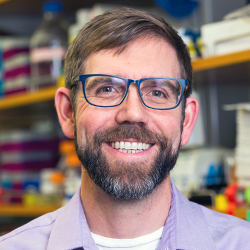 Michael Christopher Jewett合作论文数Stanford University1
 Wen Paul Liu合作论文数School of Chemical and Biomedical Engineering, College of Engineering, Nanyang Technological University1
 Maria Papathanasiou合作论文数Department of Chemical Engineering, Faculty of Engineering, Imperial College London1
 Gonzalo Guillén Gosálbez合作论文数Department of Chemistry and Applied Biosciences, ETH Zurich1
 Frédérique Battin Leclerc合作论文数Laboratoire Réactions et Génie des Procédés, Université de Lorraine1
 Xiaonan Wang (王笑楠)合作论文数Department of Chemical Engineering, Tsinghua University1
 Luis Ricardez Sandoval合作论文数Department of Chemical Engineering, University of Waterloo1
 Marta Hatzell合作论文数George W. Woodruff School of Mechanical Engineering, Georgia Institute of Technology;Circular Electro-Chemistry Lab, Georgia Institute of Technology1
 Massimo Morbidelli合作论文数Institute for Chemical and Bioengineering, ETH Zurich;ChromaCon Ltd.1
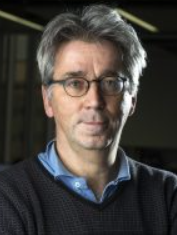 Berend Smit合作论文数School of Basic Sciences, Ecole Polytechnique Fédérale de Lausanne;Department of Chemical and Biomolecular Engineering, University of California Berkeley1
 Köpke Michael合作论文数LanzaTech NZ Ltd.1
 Matthias Wessling合作论文数Leibniz-Institut fur Interaktive Materialien, DWI;Rheinisch-Westfälische Technische Hochschule Aachen University1
 Simon Redfern合作论文数The Asian School of the Environment, College of Science, Nanyang Technological University;Jesus College, University of Cambridge1
 Clare Grey合作论文数Yusuf Hamied Department of Chemistry, University of Cambridge1
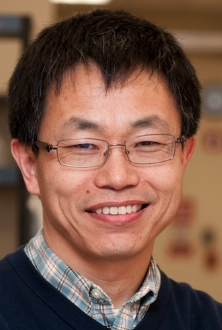 Yushan Yan (严玉山)合作论文数Department of Chemical & Biomolecular Engineering, College of Engineering, University of Delaware;W7energy LLC1
 Yayuan Liu合作论文数Department of Chemical & Biomolecular Engineering, Whiting School of Engineering, Johns Hopkins University;Department of Materials Science and Engineering, Whiting School of Engineering, Johns Hopkins University1
 Guanghui Ma (马光辉)合作论文数State Key Laboratory of Biochemical Engineering, Institute of Process Engineering, Chinese Academy of Sciences;University of Chinese Academy of Sciences1
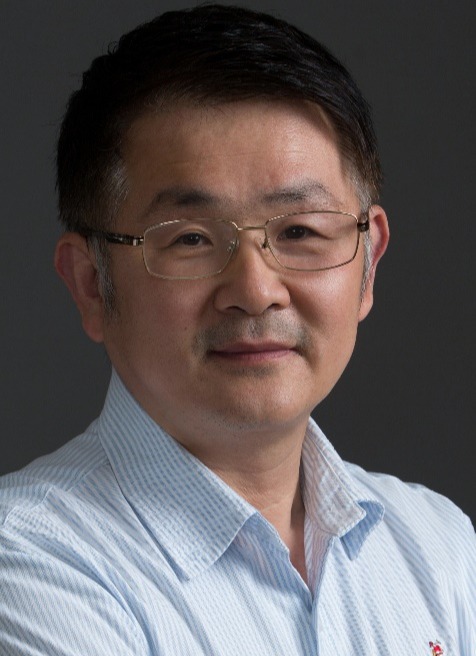 Fei Wei (魏飞)合作论文数Fluidization Iaboratory, Department of Chemical Engineering, Tsinghua University1
 Stephen Poulston合作论文数1
 Michael Gaultois合作论文数FAIRMAT1
 Kazuhiro Takanabe (髙鍋和広)合作论文数Department of Chemical System Engineering, School of Engineering, The University of Tokyo1
 Ah-Hyung Alissa Park合作论文数Samueli School of Engineering, University of California, Los Angeles1




