Decarbonized future power systems will rely on variable renewable energy (VRE). The variability and intermittence of VRE calls for cost-efficient flexibility providers, such as thermal generators, different energy storage technologies, interconnectors, and excess generation from VRE. This research decomposes the total system cost into cost of flexibility and energy, and constructs an agent-based structure for energy storage operators to price stored energy and a mechanism for all power sources to compete with each other. In the GB power system with the UK's projected VRE and energy storage capacity, the total system cost will be dominated by the cost of providing energy flexibility. Energy storage is more efficient both at reducing total system cost and carbon intensity than additional VRE, which can only reduce carbon intensity, and interconnectors, which can only reduce total system cost by exporting excess generation from VRE. Thermal generators have additional costs because of their frequent start-up and will still be cost-efficient to meet seasonal energy gaps. Excess generation from additional VRE reduces carbon intensity but raises the total system cost. To reach the minimum carbon intensity and total system cost, we recommend that the GB power system introduce an additional 25 GW of storage capacity for its projected VRE capacity and introduce mechanical storage technologies which are cost-efficient for managing short-term variability as soon as possible.
The paper describes a form of thermo-mechanical energy storage in which CO2 is liquefied during charge and adsorbed into zeolite at near-ambient conditions during discharge. Unlike some liquid-air and CO2-based systems, the exergy flows for this system are “in phase” such that potential to produce electrical work is simultaneously stored in both the adsorbent and the liquid CO2 tanks. The focus of the paper is a thermodynamic analysis to determine limits of efficiency and exergy density, but simple estimates of energy-capacity capital cost are also included in order to undertake realistic optimisation. It is shown that 13X zeolite is a near-optimal adsorbent for this application in terms of its desorption enthalpy. Nonetheless, external heat input is required during charge to attain a satisfactory round-trip efficiency. On this basis, a “generation-integrated” system is proposed, operating in conjunction with a thermal power plant. The effective round-trip efficiency for this is calculated to be in the range 50 to 58% (depending on assumed values for component parameters, and excluding electrical losses), and the estimated energy-specific cost is around 50 $/kWh. Although these figures may not be competitive relative to claims for some other thermo-mechanical storage methods, the analysis points to strategies for improvements and provides guidance for the development of similar systems.
Maintaining high CO2 uptake is critical for combined Ca-Cu looping applications, however, the long-term behaviour of combined Ca and Cu materials under repeated cycling conditions remains less understood. This study examined three materials with a fixed Cu/Ca mole ratio of 1.6 to analyse the material phase evolution and identify factors influencing CO2 uptake. The materials underwent 50 TGA cycles in two distinct looping applications: blast furnace gas (BFG) cycling (reduction-carbonation-oxidation) and flue gas cycling (carbonation-reduction-oxidation).Different preparation methods significantly affected the initial phase distribution. The multi-grain precipitate material (MGP), prepared to minimise the chemical contact between Ca and Cu, primarily contained separate CaO and CuO phases; while the multi-stage mechanically mixed materials (MM1 and MM2), in which there was extensive contact between the Ca and Cu, exhibited mixed Ca-Cu-O phases along with separate CuO. However, the initial phase distribution had little influence on the longer-term CO2 uptake with the accessibility of CaO and cycling conditions having a more significant impact. BFG cycling consistently resulted 70–100; % greater CO2 uptake than flue gas cycling, highlighting the strong influence of cycling conditions.
AbstractThis work presents the successful manufacture and characterization of bespoke carbon adsorbent microstructures such as tessellated (TES) or serpentine spiral grooved (SSG) by using 3D direct light printing. This is the first time stereolithographic printing has been used to exert precise control over specific micromixer designs to quantify the impact of channel structure on the removal of n‐butane. Activated microstructures achieved nitrogen Brunauer Emmett Teller (BET) surface areas up to 1600 m2 g−1 while maintaining uniform channel geometries. When tested with 1000 ppm n‐butane at 1 L min−1, the microstructures exceeded the equilibrium loading of commercial carbon‐packed beds by over 40%. Dynamic adsorption breakthrough testing using a constant Reynolds number (Re 80) shows that complex micromixer designs surpassed simpler geometries, with the SSG geometry achieving a 41% longer breakthrough time. Shorter mass transfer zones were observed in all the complex geometries, suggesting superior kinetics and carbon structure utilization as a result of the micromixer‐based etched grooves and interlinked channels. Furthermore, pressure drop testing demonstrates that all microstructures had half the pressure drop of commercial carbon‐packed beds. This study shows the power of leveraging 3D printing to produce optimized microstructures, providing a glimpse into the future of high‐performance gas separation.
This work investigated the possibility of simultaneous production of hydrogen/syngas and separable solid carbon in a fluidised bed by using CH4-CO2 cycles and exploring the carbon growth over solid catalytic particles of NiO/ Ca2Fe2O5/CaO. This two-stage process included i) stage I: H2-rich gas and carbon were simultaneously generated from the interaction between CH4 and NiO/Ca2Fe2O5/CaO particles; and ii) stage II: the reduced/carbondeposited particles were regenerated in CO2. Following our previous successful demonstration of the process for stable hydrogen production over cycles, this study focused on the formation of solid carbon and aimed at understanding its growth mechanism as well as demonstrating the potential of using fluidisation as a means of automatic carbon separation. By tracking the carbon growth history and the change in phases of the reacted NiO/ Ca2Fe2O5/CaO particles at temperatures from 700 to 900 degrees C, we discovered the formation of various forms of nano-structured carbon from CH4 conversion (e.g. partial oxidation, pyrolysis). These include carbon nanotubes (CNTs), carbon graphite sheets, carbon onions (CNOs), and carbon fibres. Amorphous carbon was also observed, particularly in the initial stage of CH4 conversion. Higher temperatures like 800 degrees C and 900 degrees C gave faster kinetics of CH4 conversion and more formation of solid carbon. Fe3C phase was observed on the reduced catalytic particles and could act as an intermediate phase or carbon sink for carbon growth. The results suggested that other mechanisms for carbon deposition, such as directly over Fe sites, may also exist. Fluidisation with a higher U/Umf ratio separated more carbon-rich fines from the bulk catalytic particles in the fluidised bed. Fluidising with air at 700 degrees C effectively removed amorphous carbon on the reacted catalytic particles, whilst structured carbon remained. Full separation and purification to obtain pure carbon require furthers optimisation of e.g. fluidisation parameters and material design.
An integrated calcium and chemical looping combustion using dicalcium ferrite (Ca2Fe2O5, C2F), a mixed phase from iron and calcium oxides, is proposed here to remove carbon (CO + CO2) contained in the blast furnace gas from the steel industry. C2F is particularly attractive in chemical looping hydrogen production due to its lower PO2, therefore C2F can split steam into H2. Here, the low PO2 property allows C2F to have endothermic combustions in CO and H2 combustion (Stage 1 in the carbonator). The heat of combustion is chemically stored as reduced-carbonated C2F to be utilised for sorbent regeneration (Stage 2 in the calciner), essentially pumping the heat from the carbonator to the calciner. Combustion that occurred at PCO/PCO2 of the typical BFG in which the C2F should have not been able to combust CO, suggesting an enhanced combustion phenomenon. Experiments demonstrated in a fluidised bed and a thermogravimetric analyser led to indications that rather than following reaction pathways in an order of (i) C2F is reduced into CaO and metallic Fe and (ii) the CaO is absorbed CO2 in Stage 1, C2F might directly form Fe + CaCO3 under a mixture of CO and CO2, allowing the C2F to react with BFG. Reincorporation of the reduced-carbonated oxides into C2F drives lower decarbonation temperatures compared to CaO alone, suggesting a promising route to improve energy efficiency in capturing carbon in the hard-to-decarbonise steel industry.
Previous work demonstrated Ca2Fe2O5 (C2F) can react in a blast furnace gas (BFG) with PCO/PCO2 ratio of similar to 1, despite of its reduction to CaO + Fe requiring a ratio of similar to 3. This is possible due to the interaction with carbonation and the formation of other iron containing phases. Here, the proposed calcium and chemical looping combustion using C2F was examined using process modelling in ASPEN Plus and MTDATA. The low chemical potential of oxygen in C2F allows CO/H-2 combustion to be endothermic in the lower temperature carbonator (particularly when reducing to FexO), leading to a more exothermic reaction during oxidation in the higher temperature calciner. In this scheme, the heat of BFG combustion is chemically pumped from the lower temperature carbonator to the higher temperature calciner using the looping material, reducing the energy use in the calciner by around 40 kW/mol-BFG compared to the calcium looping alone or to the calcium copper looping. The reincorporation of CaO and Fe/FexO into C2F would allow the calcination temperature to be lowered to 770 degrees C (compared with calcium looping, which requires similar to 900 degrees C), and the system can be entirely autothermal.
The manufacture of tailored carbon‐based adsorbent structures with exceptionally low‐pressure drops and improved kinetics using stereolithographic 3D printing is presented. Adsorbent structures are printed from commercial resins with square, circular, and hexagonal cross‐sectional microchannels. These structures can reduce energy use by 50–95% compared to conventional carbon‐packed beds. The activated 3D printed carbon achieves Brunauer–Emmett–Teller surface areas over 1000 m2 g−1 and shows outstanding butane adsorption capacities, over twice the capacity of a commercial carbon and a comparable capacity to phenolic‐based carbons. The structures also show excellent uptakes of cyclohexane, up to 0.62 g g−1 in a saturated feed. The introduction of complex axial geometries including spirals and chevrons enable superior adsorption kinetics and premature breakthrough of contaminants at high gas flow rates. These results demonstrate the success of intelligent manufacturing of low‐pressure drop, high‐capacity micro‐structured adsorbents, allowing for the development of gas separation technologies for applications such as greenhouse gas removal and respiratory protection.
The ion exchange of Na+ cations was used to photosensitise titanates nanotubes (Ti-NTs) with tris(2,2’-bipyridine)ruthenium(II) cations (Ru(bpy)32+); this yielded a light-sensitised Ti-NTs composite denoted as (Ru(bpy)3)Ti-NTs, exhibiting the characteristic absorption of Ru(bpy)32+ in visible light. Incident photon-to-current efficiency (IPCE) measurements and the photocatalytic reduction of methyl viologen reaction confirmed that in the photosensitisation of the (Ru(bpy)3)Ti-NTs composite, charge transfer and charge separation occur upon excitation by ultraviolet and visible light irradiation. The photocatalytic potential of titanate nanotubes was tested in the water-splitting reaction and the H2 evolution reaction using a sacrificial agent and showed photocatalytic activity under various light sources, including xenon–mercury lamp, simulated sunlight, and visible light. Notably, in the conditions of the H2 evolution reaction when (Ru(bpy)3)Ti-NTs were submitted to simulated sunlight, they exceeded the photocatalytic activity of pristine Ti-NTs and TiO2 by a factor of 3 and 3.5 times, respectively. Also, (Ru(bpy)3)Ti-NTs achieved the photocatalytic water-splitting reaction under simulated sunlight and visible light, producing, after 4 h, 199 and 282 μmol×H2×gcat−1. These results confirm the effective electron transfer of Ru(bpy)3 to titanate nanotubes. The stability of the photocatalyst was evaluated by a reuse test of four cycles of 24 h reactions without considerable loss of catalytic activity and crystallinity.
A generalised random pore model, including both gaseous diffusion and solid-state diffusion in the product layer was developed, and was successfully applied to the reduction of hematite to magnetite by CO. The initial surface rate constant, ks,0 and effective diffusivity, DS in the original model were formulated to describe the surface reaction and solid-state diffusion in the product layer. This approach is also particularly useful to determine the solid-state diffusivity during the reduction of a metal oxide, which is difficult to obtain via direct measurement. As an extension of previous work, the generalised random pore model was satisfactorily applied to the kinetic data obtained from a spouted fluidised bed reactor for the reduction of pure iron oxide with CO. Kinetic and diffusion constants, ks,0 and Ds, were derived by fitting the model to the kinetics data for temperatures up to 650 degrees C. The activation energy for ks,0 and Ds were calculated to be 35 kJ mol-1 and 100 kJ mol-1. The overall reaction kinetics were likely to be control by both surface reaction and the product layer diffusion of iron ions, Fen +. The fitted random pore model was fed into a two-phase fluidised bed model to test against experimental measurements from the spouted fluidised bed reactor. The model outlet concentration was shown to agree closely with that observed in the experiment. This validated the key assumption required for intrinsic kinetic measurements using the fluidised bed reactor, and also give credence to the applicability of the random pore model to reactions limited by solid state diffusion. (c) 2023 The Author(s). Published by Elsevier Ltd on behalf of Institution of Chemical Engineers. This is an open access article under the CC BY license (http://creative
Materials used for chemical looping can be exploited to process methane in a number of ways. Using the oxygen on the solid material leads to partial or total oxidation, whilst methane cracking to carbon on the depleted solid can produce hydrogen. Regeneration of the solid to remove the cracked carbon or restore the oxygen can produce CO, H2 or a combination if CO2 or H2O is used as the oxidant. The chemical looping material separates the conversion of methane from the addition of oxygen. Materials containing sorbents like CaO can interact with the CO2 produced to shift the equilibrium in desirable ways. These materials could be utilised to configure a cyclic process that is a linear combination of DRM, SMR, and cracking with combustive regeneration of the solid. Here, a material combining a catalyst (i.e. Ni), an oxygen carrier (i.e. Ca2Fe2O5) and CaO was investigated for con-verting methane to syngas or hydrogen-rich gas in a cyclic DRM process. In Stage 1, methane is converted to syngas or H2 in a fluidised bed of NiO/Ca2Fe2O5/CaO, where the solid is reduced/carbonated at, e.g., 700 degrees C; in Stage 2, the reduced/carbonated material is regenerated at 900 degrees C. The thermodynamics of the Ni-Ca-Fe-O system allows Ni to stay separate from Ca2Fe2O5, meaning that CaO inhibits the formation of any mixed oxide phase of Ni and Fe. A high rate of production of syngas or H2 (depending on different phases of Stage I) was found after the NiO/Ca2Fe2O5/CaO became activated. The activated NiO/Ca2Fe2O5/CaO gave high production of syngas or H2 for over 30 cycles without material deactivation. Carbon whiskers formed during CH4 processing, and did not cause deactivation.
Oxyfuel combustion, as a carbon capture method, requires oxygen to be separated from nitrogen. Currently, cryogenic air separation is used for this purpose. An alternative is to use chemical looping, where an oxygen carrier is cycled between reducing and oxidising conditions. In this paper, the feasibility of using packed bed reactors in chemical looping air separation is studied. By introducing a compressor and turbine, oxidisers can be operated at an elevated pressure and the proposed scheme can be viewed as a power-station in its own right, in addition to its more recognised application of producing oxygen for a downstream oxy-fuel combustion. For typical oxygen carriers, a single packed bed reactor is not able to meet the 0.30-0.35 oxygen molar fraction needed for an oxyfuel combustor. Therefore, multiple beds must be used in series or heat must be added radially along the bed length to increase the oxygen molar fraction in the bed.
Commercial fire escape masks (FEMs) use packed bed filters to remove gaseous and vaporous toxic components in the event of building fires. Packed bed filters incur a high pressure drop and commercial masks have no method to remove environmental (fire) or process (reaction and adsorption) heats. Here we derive a computationally efficient numeric model based on a bi-linear driving force (LDF) model to investigate the purification of gas streams in a square channelled monolith filter containing an impregnated activated carbon (AC) section to adsorb and react toxic components, and a section consisting of shape stable phase change materials (SS-PCMs) to absorb heat. The modelled test gas mixture contained an adsorbing component, cyclohexane, and a reacting component, carbon monoxide, permitting the combined effects of heat generation, heat absorption, component reaction and component adsorption to be studied for a novel filter. The biLDF model was validated against a three-dimensional model and provided excellent accuracy at significantly reduced computational time ca. 99.7%. Additionally, the bi-LDF model was used to optimise the dimensions and configuration of the filter, specifically finding an optimal channel diameter, d(ch), to wall thickness, t(w), aspect ratio of d(ch) = 1.3t(w). The optimal configuration consisted of an initial 2.0 cm long impregnated AC section followed by a 2.5 cm SS-PCM section at the outlet, providing 18 min of thermal protection whilst preventing cyclohexane vapour breakthrough for 21 min. Pt/TiO2 was confirmed to be a viable CO oxidation catalyst with a minimum weight fraction within the impregnated monolith of 2.5 wt%. The success of this work represents a step change in FEM design and more widely in air purification devices where heat absorption is important.
Previous work on calcium ferrites showed they were able to convert syngas to hydrogen via chemical looping. The mixture of iron and calcium and their oxides has different thermodynamic properties than iron oxide alone. Here, the use of methane, an abundant fuel, is investigated as the reductant in chemical looping syngas production. In contrast to syngas-fueled cycles, the looping materials became more active with cycling using methane as the fuel. When reduced by methane, the looping material often showed a significant induction period, indicating that products of reduction (in particular metallic Fe) acted as a catalyst for further reduction. The behavior in a thermogravimetric analyzer (TGA) and a fluidized bed was comparable, i.e., no degradation with cycling. The reduced C2F appeared to be easily reformed when oxidized with CO2, and there was little evidence of bulk phase segregation. The improved kinetics on cycling was likely due to the separation of metallic Fe onto the surface. Using hydrogen to partially reduce C2F promotes the catalytic pyrolysis of methane.
The effect of CO on the gasification of a Polish coal-derived char was investigated in a fluidised bed from 1123 to 1248 K. Rate expressions developed from Ergun?s mechanism or a modified three-step reaction mechanism, coupled with Cylindrical Pore Interpolation Model (CPIM) to account for the intra-particle mass transfer, were developed to predict gasification and the effect of CO. Compared to the Ergun?s rate expression, the three-step expression has an extra term for p co , making the inhibition effect of CO more pronounced. The agreement between experimental and numerical results was satisfactory for both models simulating gasification by CO 2 /N 2 . Then, when CO (1% or 3%) was intentionally introduced in the feed gas (CO 2 /N 2 ), the gasification rates significantly decreased. It was found that the model based on Ergun?s mechanism over-estimated the gasification rate, while the results from the model with the three-step mechanism agreed with the experimental data. (c) 2020 The Combustion Institute. Published by Elsevier Inc. All rights reserved.
Using chemical looping as a large-scale electricity storage mechanism, where electricity is converted and stored as chemical energy via a thermochemical reaction, is an attractive concept. It can achieve high volumetric capacity and moderate round-trip efficiency. In early schemes, a heat pump was employed to convert electricity to heat, but its operating temperature is limited and only those solid oxides capable of releasing oxygen at low temperatures (below 900 K) were feasible. Therefore, ways of using materials with a higher decomposition temperature, i.e. the commonly used materials in chemical looping systems, are investigated. Two methods are proposed: using a vacuum pump to reduce the charging pressure or an electrical heater to increase the charging temperature. Results show using a vacuum pump to be infeasible, whereas, a simplified charging cycle only comprising of an electrical heater and a recuperator is deemed optimal. This system capacity can be as high as 600-800 kWh/m3 with round-trip efficiency in the range of 40-55%.
The primary function of commercial fire escape masks (FEMs), fitted with granulated activated carbon (AC) packed bed filters, is to provide at least 15 min of respiratory protection by removing toxic gases and particulates from surrounding air in building fires. In this work, the extended functionality of heat entrapment and its impact on inhalation temperature and adsorption performance by using shape-stable phase change material whilst maintaining low pressure drop is reported for the first time. The proposed filter contained an array of monoliths where each monolith consisted of three functional sections, namely the pre-cooler, AC adsorbent section and post-cooler. The pre- and post- coolers consisted of polyethylene glycol 4000/triallyl isocyanurate and were intended to absorb environmental and process heats from the inhaled atmosphere. Numerical models were developed to describe the species and energy transport within the monolith filters and were compared against packed bed filters. The representative challenge conditions were set at an inhalation rate of 50 L min-1, trace amount of butane (1000 ppm) and inlet air temperature of 80 degrees C. The best performing filter contained nine monoliths each with density of 734 channels per square inch, and could protect the user from excessive inhalation temperatures for 22 min and butane breakthrough for approximately 14 min whilst maintaining low pressure drop of 27.4 Pa. In comparison to an equivalent mass packed bed, the monolith provided additional high temperature protection, extended butane breakthrough time by a maximum of 84% and reduced pressure drop by 25%. This work demonstrates promising opportunities to move the FEM industry forward and the possibility for the technology to be used in general industrial respirators in applications such as agriculture, chemical and pharmaceutical industries.
This research concerns the combustion of biomass char in a fluidised bed using Chemical Looping Combustion with Oxygen Uncoupling (CLOU). To evaluate the influence of the CLOU material on the rate of combustion, an analytical model has been developed, based on a simplified scenario, i.e. gaseous mass transfer external to the fuel particle was taken as a stagnant system, ignoring advective flow. The combustion of a char particle was modelled as a shrinking particle. Results from the model were compared with experiments performed by combusting char from birch-wood in a fluidised bed (i.d. 30 mm) of an active oxygen carrier (CuO supported on mayenite) or inert SiO2 sand. The experiments were undertaken with a partial pressure of oxygen, pO(2), close to the equilibrium pressure of O-2 of the Cu-based oxygen carrier. Despite the same pO(2) for both experiments, the presence of the reaction of oxygen uncoupling from the oxygen carrier resulted in a significant increase in the combustion rate of char. As a result, at 1173 K, the burn-out time of 0.1 g of char particles with the oxygen carrier was around five times faster than with SiO2. The results from the analytical model of CLOU agreed with the experimental observations despite the simplified assumption of a stagnant system, viz. a system in which the mass transfer boundary layer, delta, is infinite. This is because the char combustion in CLOU depends, in fact, on gaseous mass transfer across an effective boundary thickness, delta(e), rather than a conventional boundary thickness for the system, delta. At 1023 K when the oxygen uncoupling did not occur, the enhancement in the rate of reaction due to the presence of the CLOU particle was less significant. The model was used to investigate the apparent enhancement of the combustion rate in CLOU, and possible explanations, including improved mass transfer, are discussed.
Chemical looping can be used in a variety of forms to enable the separation of carbon dioxide emissions in a pure form suitable for sequestration or re-use, principally from combustion, reforming or the production of hydrogen. Chemical looping processes are generally second generation or novel technologies that are currently at lower levels of technological readiness than other options such as post combustion capture using amine solvents. A number are at the point where the next stage would be a demonstration plant. These processes use either a metal oxide or calcium carbonate as chemical intermediates since they are able to undergo reversible reactions with oxygen or carbon dioxide respectively. All chemical looping processes for carbon capture are high temperature processes, enabling them to be more energy efficient than low temperature processes such as amine scrubbing. With the exception of calcium looping for post-combustion capture, the capture of carbon dioxide emissions is also an inherent part of the process, rather than an additional step, downstream of the main process.
The combustion of fuel in oxygen rather than in air is one route to allow for the large-scale capture and storage of CO2. An alternative to the conventional air separation to produce oxygen, which imposes a significant energy penalty, is chemical looping air separation (CLAS). CLAS exploits the cyclic oxidation and reduction of solid oxygen materials. Here, the equilibrium partial pressure curves and the redox behavior for two potential materials (the perovskites SrFeO3-delta and SrMn0.1Fe0.9O3-delta) are derived from experiments. For the redox tests, a low dead volume micro reactor, operated as a differential packed bed, was used. This system enabled measuring the process of reduction at the 10 ms scale. Experiments were carried out between 798 and 898 K, with pO(2) varied between 0 and 0.21 atm. All perovskites showed good performance during experiments lasting 1000 cycles. Despite similar chemical composition, the measured oxygen chemical potential and reduction kinetics differed between the tested materials significantly.
 John Dennis合作论文数Interdisciplinary Research Centre, University of Cambridge;School of Technology, University of Cambridge84
 Allan N Hayhurst合作论文数17
 Christoph Müller合作论文数Department of Mechanical and Process Engineering, Eidgenössische Technische Hochschule Zürich15
 Wenting Hu合作论文数14J.F. Davidson合作论文数12
 Yaoyao Zheng (郑瑶瑶)合作论文数Department of Engineering, University of Cambridge12
 Matthew Dunstan合作论文数Centre for Science and Policy, University of Cambridge11
 Ewa J. Marek合作论文数Department of Chemical Engineering and Biotechnology, University of Cambridge11
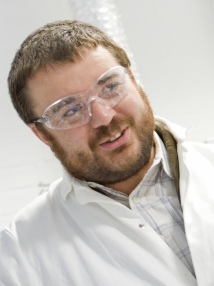 Paul Fennell合作论文数Department of Chemical Engineering, Faculty of Engineering, Imperial College London10
 Alison Smith合作论文数Department of Plant Sciences, School of Biological Sciences, University of Cambridge9
 Matthias A. Schnellmann合作论文数Department of Engineering, University of Cambridge8
 Donat Felix合作论文数Department of Chemical Engineering, Imperial College London8
 Clare Grey合作论文数Yusuf Hamied Department of Chemistry, University of Cambridge8C. D. Bohn合作论文数8S. Y. Chuang合作论文数7AN Hayhurst合作论文数6
 Mohammad Ismail合作论文数6
 Christopher M. Boyce合作论文数Department of Chemical Engineering, The Fu Foundation School of Engineering and Applied Science, Columbia University in the City of New York6
 Daniel Holland合作论文数Department of Chemical and Process Engineering, Faculty of Engineering, University of Canterbury6Made Santihayu Sukma合作论文数5J. P. E. Cleeton合作论文数5A. L. Stephenson合作论文数5
 Marco Saucedo合作论文数4Zili Zhang合作论文数Dept Chem Engn, Imperial Coll London4Martin S. C. Chan合作论文数4
 S. P. Perera合作论文数4
 Christopher Howe合作论文数Department of Biochemistry, Corpus Christi College, University of Cambridge4
 John Y.M. Chew合作论文数4Allan N. Hayhurst合作论文数4
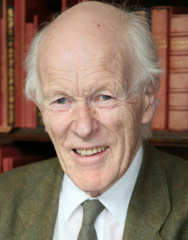 John Davidson合作论文数Department of Chemical Engineering and Biotechnology, University of Cambridge4
 David J. Lea-Smith合作论文数Department of Biochemistry, University of Cambridge4J. P. Cleeton合作论文数3T. A. Brown合作论文数3
 S. Gabra合作论文数Dept Chem Engn & Biotechnol, Univ Cambridge3D. M. Scott合作论文数3Gareth Williams合作论文数3
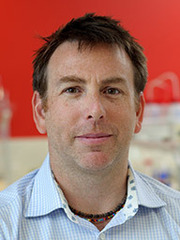 Andrew Harris合作论文数Centre for Translational Research, School of Chemical and Biomolecular Engineering, Faculty of Engineering, The University of Sydney3
 Qilei Song合作论文数Department of Chemical Engineering, Faculty of Engineering, Imperial College London3
 Andrew D. Burrows合作论文数Department of Chemistry, University of Bath3
 Michael Gaultois合作论文数FAIRMAT3J. R. Third合作论文数3Christopher D. Bohn合作论文数3
 David Reiner合作论文数Judge Business School, University of Cambridge3
 Martin Smith合作论文数Department of Chemistry, University of Oxford;University College Oxford3B Kattman合作论文数2Jin Yang Lim合作论文数2Cy Lau合作论文数2Cj Slim合作论文数2Jonathan E. Barnard合作论文数2




