Developing highly active catalysts for the decomposition of ammonia to produce hydrogen is an important goal in the context of renewable energy. Allied with this is a need for identification strategies to efficiently design novel catalysts integral to ensuring rapid progress in this research field. We investigated the efficacy of N–binding energy and periodic table interpolation to predict active bimetallic nanoparticle catalysts. Supported iron-platinum and iron-palladium were identified and experimentally shown to be more active than their monometallic analogues. Atomic resolution electron microscopy indicated that the most active catalyst (5 wt% Fe 80 Pt 20 /γ-Al 2 O 3 ) was principally formed of alloyed nanoparticles. It restructured during testing, yet no activity loss was noted at 20 h time-on-line. While these findings show that periodic table interpolation may be a viable tool for identifying active combinations of metals, the activity of the catalysts in the current work were not able to outperform the Ru/Al 2 O 3 benchmark. Further catalyst optimization or refinement of reaction descriptors may facilitate the development of catalysts with higher intrinsic activity than the current state-of-the-art catalysts. Graphical Abstract
Selectivity in the oxidation of alkylated polynuclear aromatic hydrocarbon can be specifically controlled by the choice solvent.
A series of layered birnessite (AMn4O8) catalysts containing different alkali cations (A = H+, Li+, Na+, K+, Rb+, or Cs+) was synthesized. The materials were thoroughly characterized using X-ray diffraction, X-ray fluorescence, X-ray photoelectron spectroscopy, Raman spectroscopy, specific surface area analysis, work function, thermogravimetry/differential scanning calorimetry, and transmission electron microscopy. The catalytic activity in soot combustion in different reaction modes was investigated (tight contact, loose contact, loose contact with NO addition). The activity in the oxidation of light hydrocarbons was evaluated by tests with methane and propane. The obtained results revealed that alkali-promoted manganese oxides are highly catalytically active in oxidative reactions. In soot combustion, the reaction temperature window was shifted by 195 °C, 205 °C, and 90 °C in tight, loose + NO, and loose contact conditions against uncatalyzed oxidation, respectively. The catalysts were similarly active in hydrocarbon combustion, achieving a 40% methane conversion at 600 °C and a total propane conversion at ~450 °C. It was illustrated that the difference in activity between tight and loose contacts can be successfully bridged in the presence of NO due to its facile transformation into NO2 over birnessite. The particular activity of birnessite with H+ cations paves the road for the further development of the active phase, aiming at alternative catalytic systems for efficient soot, light hydrocarbons, and volatile organic compounds removal in the conditions present in combustion engine exhaust gases.
The catalytic activity of Pd/gamma Al2O3 for N2O decomposition was found to be highly dependent on the preparation methodology and the number of reaction cycles. Chloride species on the surface of a 2.6 wt. % Pd-Al2O3 catalyst prepared by wet impregnation were identified as inhibiting the activity. Multiple reaction cycles were shown to remove these species, and a subsequent increase in activity was observed; 10.3 mol(N2O) h(-1) kg(cat)(-1) in the first use, increased to 28.7 mol(N2O) h(-1) kg(cat)(-1) on the fourth use both at 550 degrees C. Additionally, removal of physisorbed water from the support prior to metal deposition increased the thermal stability of Pd nanoparticles and increased the catalyst activity. Catalysts were subsequently prepared using a deposition technique with an increased concentration of Cl- ions resulted in increased Pd-Cl species in the final catalyst and the catalytic activity was consequently increased due to the improved control of Pd particle size.
A series of catalysts based on cryptomelane (AMn(8)O(16)) containing different alkali cations (A = H+, Na+, K+ or Rb+) were synthesized, characterized and tested for their soot and VOC combustion activity. The K-OMS material with the lowest work function and highest catalytic activity was then functionalized with 2 wt% noble metal (Ag, Au or Pt) and evaluated for its soot and VOC combustion activity. The results showed the superiority of Ag/K-OMS for soot oxidation (50% soot conversion at 440 degrees C) and that of Pt/K-OMS for hydrocarbon total oxidation (ca. 100% methane conversion at 450 degrees C and propane conversion at 350 degrees C), suggesting that both noble metals are necessary for the simultaneous removal of soot and VOCs.
In this study, active cobalt-based catalysts are reported for the solvent-free aerobic epoxidation of 1-decene as a non-noble metal, alternative to the conventionally used gold catalyst. No sacrificial reductant is applied and air is used as primary oxidant at ambient pressure. The influence of different radical initiators and the product distribution over time is investigated. Evidence for a reaction mechanism similar to the previously reported gold-catalysed aerobic epoxidation of 1-decene, is given. Furthermore, it is shown that the catalyst stability is influenced by the choice of the support.
Pd-Zn/TiO2 catalysts containing 1 wt% total metal loading, but with different Pd to Zn ratios, were prepared using a modified impregnation method and tested in the solvent-free aerobic oxidation of benzyl alcohol. The catalyst with the higher Pd content exhibited an enhanced activity for benzyl alcohol oxidation. However, the selectivity to benzaldehyde was significantly improved with increasing presence of Zn. The effect of reduction temperature on catalyst activity was investigated for the catalyst having a Pd to Zn metal molar ratio of 9:1. It was found that lower reduction temperature leads to the formation of PdZn nanoparticles with a wide particle size distribution. In contrast, smaller PdZn particles were formed upon catalyst reduction at higher temperatures. Computational studies were performed to compare the adsorption energies of benzyl alcohol and the reaction products (benzaldehyde and toluene) on PdZn surfaces to understand the oxidation mechanism and further explain the correlation between the catalyst composition and its activity. [GRAPHICS]
Gold supported on ceria-zirconia is one of the most active low temperature water-gas shift catalysts reported to date but rapid deactivation occurs under reaction conditions. In this study, ceria-titania was evaluated as an alternative catalyst support. Materials of different Ce:Ti compositions were synthesized using a sol-gel methodology and gold was supported onto these using a deposition-precipitation method. They were then investigated as catalysts for the low-temperature water-gas shift reaction. Au/Ce0.2Ti0.8O2 exhibited superior activity and stability to a highly active, previously reported gold catalyst supported on ceria-zirconia. High activity and stability was found to be related to the support comprising a high number of oxygen defect sites and a high specific surface area. These properties were conducive to forming a highly active catalyst with well-dispersed Au species.
A mixed oxide support containing Ce, Zr, and Al was synthesized using a physical grinding method and applied in the oxidative dehydrogenation of propane using CO2 as the oxidant. The activity of the support was compared with that of fully formulated catalysts containing palladium. The Pd/CeZrAlOx material exhibited long-term stability and selectivity to propene (during continuous operation for 140 h), which is not normally associated with dehydrogenation catalysts. From temperature-programmed desorption of NH3 and CO2 it was found that the catalyst possessed both acidic and basic sites. In addition, temperature-programmed reduction showed that palladium promoted both the reduction and reoxidation of the support. When the role of CO2 was investigated in the absence of gas-phase oxidant, using a temporal analysis of products (TAP) reactor, it was found that CO2 dissociates over the reduced catalyst, leading to formation of CO and selective oxygen species. It is proposed that CO2 has the dual role of regener...
Supported bimetallic nanoparticulate catalysts are an important class of heterogeneous catalysts for many reactions including selective oxidation, hydrogenation/hydrogenolysis, reforming, biomass conversion reactions, and many more. The activity, selectivity, and stability of these catalysts depend on their structural features including particle size, composition, and morphology. In this review, we present important structural features relevant to supported bimetallic catalysts focusing on Pd-based bimetallic systems and recently reported strategies to control them through different synthesis methodologies. Further, we focus on a few reactions that are relevant to environmental catalysis, i.e. CO oxidation, hydrocarbon oxidation, hydrodechlorination, and NOx decomposition, where Pd-based catalysts are often used successfully. In spite of much progress in these areas, still there is a need for more advanced catalytic technologies to address the grand challenges like environmental remediation. Some of the recent advances in the design of bimetallic catalysts were made because of the combined efforts of material scientists, spectroscopists, microscopists, catalysis chemists, and engineers through state-of-the-art characterization methodologies, mechanistic investigations, and structure-activity correlations. This review is aimed at inspiring scientists to rationally design catalysts for a green and sustainable future.
Ruthenium-ion-catalyzed oxidation (RICO) of polyaromatic hydrocarbons (PAHs) has been studied in detail using experimental and computational approaches to explore the reaction mechanism. DFT calculations show that regioselectivity in these reactions can be understood in terms of the preservation of aromaticity in the initial formation of a [3+2] metallocycle intermediate at the most-isolated double bond. We identify two competing pathways: C-C bond cleavage leading to a dialdehyde and C-H activation followed by H migration to the RuOx complex to give diketones. Experimentally, the oxidation of pyrene and phenanthrene has been carried out in monophasic and biphasic solvent systems. Our results show that diketones are the major product for both phenanthrene and pyrene substrates. These diketone products are shown to be stable under our reaction conditions so that higher oxidation products (acids and their derivatives) are assigned to the competing pathway through the dialdehyde. Experiments using 18 O-labelled water do show incorporation of oxygen from the solvents into products, but this may take place during the formation of the reactive RuO4 species rather than directly during PAH oxidation. When the oxidation of pyrene is carried out using D2 O, a kinetic isotope effect (KIE) is observed implying that water is involved in the rate-determining step leading to the diketone products.
The influence of Fe speciation on the decomposition rates of N2O over Fe–ZSM-5 catalysts prepared by Chemical Vapour Impregnation were investigated. Various weight loadings of Fe–ZSM-5 catalysts were prepared from the parent zeolite H-ZSM-5 with a Si:Al ratio of 23 or 30. The effect of Si:Al ratio and Fe weight loading was initially investigated before focussing on a single weight loading and the effects of acid washing on catalyst activity and iron speciation. UV/Vis spectroscopy, surface area analysis, XPS and ICP-OES of the acid washed catalysts indicated a reduction of ca. 60% of Fe loading when compared to the parent catalyst with a 0.4 wt% Fe loading. The TOF of N2O decomposition at 600 °C improved to 3.99 × 10³ s−1 over the acid washed catalyst which had a weight loading of 0.16%, in contrast, the parent catalyst had a TOF of 1.60 × 10³ s−1. Propane was added to the gas stream to act as a reductant and remove any inhibiting oxygen species that remain on the surface of the catalyst. Comparison of catalysts with relatively high and low Fe loadings achieved comparable levels of N2O decomposition when propane is present. When only N2O is present, low metal loading Fe–ZSM-5 catalysts are not capable of achieving high conversions due to the low proximity of active framework Fe3+ ions and extra-framework ɑ-Fe species, which limits oxygen desorption. Acid washing extracts Fe from these active sites and deposits it on the surface of the catalyst as FexOy, leading to a drop in activity. The Fe species present in the catalyst were identified using UV/Vis spectroscopy and speculate on the active species. We consider high loadings of Fe do not lead to an active catalyst when propane is present due to the formation of FexOy nanoparticles and clusters during catalyst preparation. These are inactive species which lead to a decrease in overall efficiency of the Fe ions and consequentially a lower TOF.
The reaction mechanism of ethane and ethene oxidation was studied under the OCM reaction conditions over MnxOy–Na2WO4/SiO2. The consecutive reaction of C2 components is observed to be the main route to the formation of COX under the applied reaction conditions here. The homogeneous or heterogeneous nature of these unselective reactions was investigated in more details. For this purpose, the temperature programmed surface reaction (TPSR) technique was applied. The results of these experiments indicate that the consecutive reaction of ethane is mainly occurring in the gas phase of the reactor. This point was confirmed when the activation energy of ethane both, in the presence of the catalyst and silicon carbide, as the inert surface, was shown to be at the same level. The concentration profile of the effluent obtained by simulating the reaction of C2 components using the Dooley mechanism in ChemkinPro was also in good agreement with this proposal. The reason for the low influence of the catalyst on conversion of ethane was ascribed to the film diffusion limitation that is occurring under the OCM reaction conditions applied in these studies. Finally, a set of experiments were performed with 13CH4 to study the effect of methane on the consecutive reaction of ethane in the OCM reactor.
Catalysts were prepared by impregnation-based method involving excess Cl− anion addition to the metal chloride precursors which resulted in improved mixing of metals and led to formation of highly ordered PdZn alloys responsible for high catalytic selectivity.
Cyclic carbonates are valuable chemicals for the chemical industry and thus, their efficient synthesis is essential. Commonly, cyclic carbonates are synthesised in a two-step process involving the epoxidation of an alkene and a subsequent carboxylation to the cyclic carbonate. To couple both steps into a direct oxidative carboxylation reaction would be desired from an economical view point since additional work-up procedures can be avoided. Furthermore, the efficient sequestration of CO2, a major greenhouse gas, would also be highly desirable. In this work, the oxidative carboxylation of 1-decene is investigated using supported gold catalysts for the epoxidation step and tetrabutylammonium bromide in combination with zinc bromide for the cycloaddition of carbon dioxide in the second step. The compatibility of the catalysts for both steps is explored and a detailed study of catalyst deactivation using X-ray photoelectron spectroscopy and scanning electron microscopy is reported. Promising selectivity of the 1,2-decylene carbonate is observed using a one-pot two-step approach.
DFT and experimental study of CO2 reaction with cyclic alkene epoxides to form carbonates using ammonium salts and ZnBr2 as catalyst.
Here we report the synthesis and characterisation of high surface area MgO prepared via the thermal decomposition of various magnesium precursors (MgCO3, Mg(OH)(2) and MgC2O4). Bimetallic gold-palladium nanoalloy particles were supported on these MgO materials and were tested as catalysts for the solvent-free selective aerobic oxidation of benzyl alcohol to benzaldehyde. All these catalysts were found to be active and very selective (> 97%) to the desired product (benzaldehyde). However, MgO prepared via the thermal decomposition of magnesium oxalate displayed the highest activity among all the magnesium oxide supports tested. Attempts were made to unravel the reasons for the deactivation of these catalysts using different characterisation techniques namely in situ XRD, XPS, ICP-MS, TEM, and TGA-MS. From the data obtained, it is clear that MgO undergoes phase changes from MgO to Mg(OH)(2) and MgCO3 during catalyst preparation as well as during the catalytic reaction. Besides phase changes, strong adsorption of reactants and products on the catalyst surface, during the reaction, were also observed and washing the catalyst with organic solvents did not completely remove them. The phase change and catalyst poisoning were reversed through high temperature heat treatments. However, these processes led to the sintering of the metal nanoparticles. Moreover, substantial leaching of the support material (MgO) was also observed during the reaction. These latter two processes led to the irreversible deactivation of AuPd nanoparticles supported on MgO catalyst during the solvent-free selective aerobic oxidation of alcohols. Among the three different MgO supports studied in this article, an inverse correlation between the catalytic activity and Mg leaching has been observed. This article reports a deeper understanding of the mode of deactivation observed in metal nanoparticles supported on MgO during liquid phase reactions.
Oxidation of aromatic hydrocarbons with differing numbers of fused aromatic rings (2-5), have been studied in two solvent environments (monophasic and biphasic) using ruthenium-ion-catalyzed oxidation (RICO). RICO reduces the aromaticity of the polyaromatic core of the molecule in a controlled manner by selective oxidative ring opening. Moreover, the nature of the solvent system determines the product type and distribution, for molecules with more than two aromatic rings. Competitive oxidation between substrates with different numbers of aromatic rings has been studied in detail. It was found that the rate of polyaromatic hydrocarbon oxidation increases with the number of fused aromatic rings. A similar trend was also identified for alkylated aromatic hydrocarbons. The proof-of-concept investigation provides new insight into selective oxidation chemistry for upgrading of polyaromatic molecules.
Gold (Au) on ceria-zirconia is one of the most active catalysts for the low-temperature water-gas shift reaction (LTS), a key stage of upgrading H2 reformate streams for fuel cells. However, this catalyst rapidly deactivates on-stream and the deactivation mechanism remains unclear. Using stop-start scanning transmission electron microscopy to follow the exact same area of the sample at different stages of the LTS reaction, as well as complementary X-ray photoelectron spectroscopy, we observed the activation and deactivation of the catalyst at various stages. During the heating of the catalyst to reaction temperature, we observed the formation of small Au nanoparticles (NPs; 1-2 nm) from subnanometer Au species. These NPs were then seen to agglomerate further over 48 h on-stream, and most rapidly in the first 5 h when the highest rate of deactivation was observed. These findings suggest that the primary deactivation process consists of the loss of active sites through the agglomeration and possible dewetting of Au NPs.
 Graham Hutchings合作论文数School of Chemistry, Cardiff University30
 Meenakshisundaram Sankar合作论文数Cardiff Catalysis Institute, Cardiff University17
 David Morgan合作论文数Cardiff Catalysis Institute, Cardiff University;School of Chemistry, Cardiff University17
 Stuart Taylor合作论文数School of Chemistry, Cardiff University;Cardiff Catalysis Institute, Cardiff University13
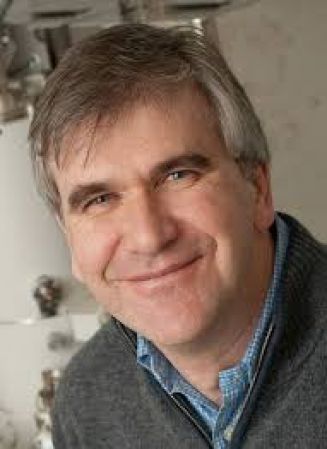 Christopher J. Kiely合作论文数Department of Materials Science and Engineering, P.C. Rossin College of Engineering and Applied Science, Lehigh University10
 Qian He (何茜)合作论文数Glasgow College, University of Electronic Science and Technology of China10
 Peter J. Miedziak合作论文数10
 Simon Kondrat合作论文数Cardiff Catalysis Inst, Cardiff Univ9
 Donald Bethell合作论文数Department of Chemistry, University of Liverpool8
 David J. Willock合作论文数Department of Chemistry, Cardiff University8
 Stanislaw E. Golunski合作论文数Cardiff Catalysis Institute, School of Chemistry, Cardiff University8Robert L. Jenkins合作论文数8James H. Carter合作论文数7
 Sultan Althahban合作论文数Department of Mechanical Engineering, Jazan University6
 Freakley Simon J合作论文数Cardiff Catalysis Inst, Cardiff Univ5
 Jennifer K Edwards合作论文数Cardiff University, University of Wales5Manuel Francisco合作论文数5
 Moataz Morad合作论文数4
 Andrzej Kotarba合作论文数4
 Samuel David Pattisson合作论文数4Sarwat Iqbal合作论文数4
 Nia Richards合作论文数Sch Chem, Cardiff Univ4
 Greg Shaw合作论文数4
 Mark Douthwaite合作论文数4
 B.M. (Bert) Weckhuysen合作论文数Faculty of Science, Utrecht University;Debye Institute for Nanomaterials Science, Utrecht University4Stan Golunski合作论文数Johnson Matthey Technology Centre4Hamed Alshammari合作论文数3Raiedhah Alsaiari合作论文数3
 Rebecca Engel合作论文数3Tomasz Jakubek合作论文数3
 Luke Aaron Parker合作论文数Netherlands Organization for Applied Scientific Research (TNO), Princetonlaan 8, 3584 CB Utrecht, Netherlands.3
 Reece Christian合作论文数School of Chemistry, Cardiff University3
 Gemma Louise Brett合作论文数3
 Nicholas F. Dummer合作论文数3Thomas E. Davies合作论文数School of Chemistry Main Building, Cardiff University3Parag R. Shah合作论文数2Mark J. Howard合作论文数2
 Camillo Hudy合作论文数2
 Bruce Gates合作论文数Department of Chemical Engineering, College of Engineering, University of California, Davis2
 Niu Liwei合作论文数2Joseph Socci合作论文数School of Engineering and Applied Science, Aston University2Li Lu合作论文数2
 Lari Giacomo M合作论文数2
 Yongwang Li (李永旺)合作论文数Institute of Coal Chemistry, Chinese Academy of Sciences2
 Avelino Corma (阿瓦利诺·考玛)合作论文数Instituto Universitario de Investigación Mixto de Tecnología Química, Universitat Politècnica de València2
 Asterios Gavriilidis合作论文数Department of Chemical Engineering, Faculty of Engineering Sciences, University College London2David C. Apperley合作论文数Department of Chemistry, University of Durham2
 Enhong Cao合作论文数Department of Chemical Engineering, University College London2
 Inaki Gandarias合作论文数2




