The selective conversion of biomass-derived 5-hydroxymethylfurfural (HMF) to 1,6-hexanediol (1,6-HDO) is a promising pathway for sustainable production of chemicals from renewable feedstock. Here, we report the catalytic performance of various supported platinum catalysts, including monometallic Pt nanoparticles on different supports (CeO2, MgO, hydrotalcite, and hydroxyapatite) and bimetallic (PtPd, PtCo, PtRu, and PtRe) nanoparticles supported on hydroxyapatite for this reaction under batch reaction conditions. Among the monometallic catalysts, Pt supported on hydroxyapatite (Pt/HAP) demonstrated the highest selectivity (30%) for 1,6-HDO at 85% HMF conversion. This superior performance is attributed to the amphoteric properties of the hydroxyapatite support. Notably, the incorporation of Ru as a second metal in the Pt nanoparticles significantly improved catalytic efficiency. The bimetallic PtRu/HAP catalyst achieved an impressive selectivity of 62% for 1,6-HDO at 85% conversion. Characterization by X-ray Photoelectron Spectroscopy (XPS) and Electron Microscopy revealed that the addition of Ru to Pt nanoparticles resulted in smaller bimetallic nanoparticle sizes compared to monometallic Pt nanoparticles, contributing to the enhanced 1,6-HDO selectivity observed for the bimetallic system. The effects of reaction temperature and pressure on 1,6-hexanediol selectivity were also studied. Additionally, the acidity and basicity of the hydroxyapatite supported catalyst were analysed using the surface Ca/P ratio as well the CO2 and NH3 TPD data. The results show that the PtRu/HAP catalyst has optimal acidic site density and least basic sites compared to the monometallic catalysts. This unique combination of acidic and basic surface properties, together with the synergistic effects of the finely dispersed smaller bimetallic PtRu nanoparticles, makes this material one of the most active catalysts for the selective hydrogenolysis of HMF to 1,6-HDO.
Direct oxidation of methane to oxygenates remains challenging in heterogeneous catalysis. In this work, direct oxidative carbonylation of low-concentration methane to acetic acid has been investigated over Rh/zeolite catalysts. Formation of acetic acid over Rh/ZSM-5 is shown to be far superior compared to a range of other Rh/ zeolite catalysts, including Rh/Z-beta, Rh/Z-Y, Rh/Mor, Rh/Fer, and Rh/SSZ-13. The importance of the 3D channel structure of ZSM-5 is emphasised by a comparison with unidirectional Rh/ZSM-23 which showed much lower production of acetic acid. Acetic acid production is found to be maximum at a SiO2/Al2O3 ratio corresponding to ZSM5-50. Isolated Rh is identified as the active site for liquid oxygenate production with 0.09 wt% Rh/ZSM5 giving the highest acetic acid production. Higher Rh loading leads to a drop in production due to the gradual formation of Rh nanoparticles. Acetic acid production is shown to be strongly pressure dependent consistent with 2nd or higher order apparent kinetics compared to apparent 1st order for C1 products. Competing direct CO oxidation to CO2 was responsible for above 85 % of the total CO2 production. These findings highlight the critical role of zeolite topology in enhancing selective methane valorisation over Rh catalysts, and provide insights into developing practical catalytic processes forlow-carbon chemical manufacturing.
The selective oxidation of methane to methanol and acetic acid represents a promising strategy for valorizing abundant natural gas into valuable chemicals. Using zeolite (ZSM-5)-supported Au nanoparticles from colloidal adsorption, deposition precipitation and wet impregnation methods, we demonstrate the selective oxidation of methane by cofeeding CH4, CO, O2 and steam in a high-pressure continuous flow reactor. Oxygenates (methanol, acetic acid and other trace chemicals.) and higher hydrocarbons (ethane) were produced in addition to carbon dioxide. The catalyst synthesis protocols showed a strong influence on the catalytic performance. Infrared spectroscopy and electron microscopy studies suggest that Au nanoparticles rather than ionic Au species are responsible for the active sites in the selective oxidation of methane.
Heterogeneous catalysts consistently suffer from the leaching of active components into the fluid phase, causing loss in activity and lifetime. Here we demonstrate, exemplified with the thermocatalytic oxidation of 1,2-propanediol, a metal stabilization mechanism arising from electrochemical coupling of half reactions between physically separated carbon-supported Au and Pd catalysts. When electrochemically coupled, polarization of each metal to an operating mixed potential occurs as a function of the Au:Pd molar ratio that, at pH 9-10, significantly reduces Pd leaching. At pH 14, where this stabilization no longer holds, we clearly show that an active redox mechanism can exist between disparate catalytic species in the liquid and solid phase, and that this leads to the cycling of Pd speciation as well as considerable enhancements in the rate of oxidation.
Abstract Direct hydrogenation of CO2 to methanol offers a route to low-carbon liquid fuels, and Pd/ZnO/TiO2 catalysts containing PdZn alloy nanoparticles have emerged as promising alternatives to conventional Cu-based systems. However, the structural evolution of PdZn phases during activation and reaction remains poorly understood. In this work, combined in situ and operando synchrotron X-ray absorption spectroscopy (XAS) and X-ray diffraction (XRD) are used to clarify the formation, stability, and catalytic relevance of β-PdZn as a function of the Pd:Zn ratio. The results show that β-PdZn formation is strongly dependent on Zn content, with the onset temperature decreasing from ∼400 °C for Pd1Zn1/TiO2 to ∼330 °C for Zn-rich formulations. While alloy crystallite sizes remain relatively small (3–7 nm), increasing Zn in combination with using less TiO2 leads to substantial growth of ZnO crystallites, reducing surface area. Operando XAS/XRD confirms that β-PdZn remains structurally stable under reaction conditions, attributed to the solvent-free synthesis method that prevents particle aggregation. Catalytic testing reveals that optimal methanol productivity correlates with moderate β-PdZn contents (4–6 wt %) and alloy nanoparticle sizes near 7 nm. Using lower Zn levels leaves residual metallic Pd, increasing methane formation, whereas excessive Zn diminishes the alloy–ZnO interface, essential for CO2 hydrogenation. These insights provide a structural basis for tailoring PdZn catalysts for efficient CO2-to-methanol conversion.
Zeolite-supported Rh catalysts have been shown to be highly effective in catalyzing the oxidative carbonylation of methane to produce acetic acid. However, most of the research reported so far employed high-pressure batch reactors with long residence times. Continuous flow reactors have been seldomly used, with the majority of earlier works focused on ambient pressure studies. In this contribution, we constructed a high-pressure continuous flow reactor with steam cofeeding to bridge the knowledge gap that exists between these two distinct approaches. The production of CH3OH, CH3COOH, and other oxygenates, using a reactant mixture of CH4, CO, O2, and steam, was observed over Rh/ZSM-5 catalysts. The primary oxygenates, CH3OH and CH3COOH, reached productivities of 45 and 102 mu mol/(gcat.center dot h), respectively. The influence of space velocity, Rh loading, Si/ Al ratio of the zeolite support, and CO partial pressure were investigated.
A series of PdZn/TiO2 catalysts prepared by chemical vapor impregnation (CVI) were tested for CO2 hydrogenation at 20 bar pressure and at temperatures of 230-270 degrees C. Changing the Pd and Zn molar ratio (Zn:Pd = 0-20) in a PdZn/TiO2 catalyst has a dramatic effect on selectivity for the CO2 hydrogenation reaction. Pd alone shows three main products: methanol, CO, and methane. Addition of small quantities of Zn results in the formation of a PdZn alloy, preventing methanation. At equimolar ratios of Pd and Zn, a 1:1 beta-PdZn alloy is formed and a reverse water gas shift catalyst is produced. Adding Zn in excess relative to the Pd loading results in the formation of ZnO on the TiO2 surface in addition to the PdZn alloy, dramatically increasing methanol selectivity from 5% at Zn:Pd = 1 to 55% for Zn:Pd = 2. Through a combination of theory and experiment, the active site for methanol synthesis is concluded to be the interface between PdZn nanoparticles and the ZnO overlayer on the TiO2, where interfacial formate can react with hydrogen dissociated by the metal nanoparticle.
Radical-mediated chlorination of ethane presents a low-carbon alternative for polyvinyl chloride (PVC) synthesis, yet selectivity toward 1,2-dichloroethane remains challenged by uncontrolled over-chlorination. Lanthanum oxychloride (LaOCl) has emerged as a promising catalyst, but its structural dynamics under Cl2-rich conditions and the origin of selectivity loss remain elusive. Here, we integrate advanced spectroscopic techniques with theoretical calculations to address this knowledge gap. Our findings unveil a sequential LaOCl → LaCl3 transformation that dictates product distribution shifting from 1,2-dichloroethane to trichloroethane. Mechanistic insights reveal that surface hydroxyl groups, generated during catalyst chlorination, promote bidentate adsorption of 1,2-dichloroethane via hydrogen-bond networks, thereby activating C─Cl over-chlorination. Additionally, by employing Al2O3-supported LaCl3 model catalysts, the size-dependent chlorophilicity of the LaCl3 species is demonstrated. The bonding of interfacial oxygen with monolayer-dispersed LaCl3 species generates empty 4f-states above the Fermi level, creating strong Lewis acid sites that stabilize Cl radicals and selectively convert chloroethane to 1,2-dichloroethane. In contrast, aggregated nanoparticles are inactive due to their inability to stabilize chlorine radical. Our findings establish important structure sensitivity in lanthanum-catalyzed chlorination and provide guiding principles for catalyst design, highlighting the importance of stabilizing metastable LaOClx species and modulating surface hydroxyl chemistry to overcome selectivity limitations.
Ceria-manganese mixed metal oxide catalysts synthesized by co-precipitation and subsequently washed with varying volumes of hot water were evaluated for effectiveness in the total oxidation of propane and naphthalene. The catalytic activity for both reactions improved with increased washing, with the sample washed with two litres of hot water showing the highest activity. Large differences in the structural and chemical properties were apparent between catalysts, with increased washing producing more crystalline material along with formation of Mn2O3 phases. Enhanced washing increased catalyst surface area, decreased concentration of surface contaminants, and increased the concentration of defect oxygen sites, all characteristics known to improve activity for VOC oxidation. This work highlights the need to carefully assess all stages of a catalyst synthesis and identifies washing as an important parameter.
Supported precious metal catalysts, containing either mono or bimetallic Au and Pt nanoparticles, anchored on a hierarchical porous UVM-7 silica structure, were prepared and evaluated for the removal of volatile organic pollutants by oxidation. The catalysts were investigated for the simultaneous total oxidation of three model compounds: propene, toluene, and CO, commonly associated with "cold start pollutants" in automotive exhausts. Only Au showed low catalytic activity, while Pt nanoparticles were active, with a greater concentration of accessible Pt nanoparticles corresponding with increased catalytic activity. Interestingly, having both metals present on the same catalyst together was preferential for producing higher activity in the total oxidation of CO, propene, and toluene. The loadings of Pt nanoparticles on the catalyst surface, as well as the synthesis method, were important controlling factors. The order of metal loading deposition was influential, depositing Au and Pt sequentially resulted in surface enrichment of the latter deposited metal, leading to enhanced catalytic performance. When Au and Pt were loaded simultaneously, alloy formation occurred, and the surface Pt enrichment was more moderate, but still maintaining better catalytic performance compared with the pure Pt catalyst.
ABSTRACT Advanced oxygen carrier plays a pivotal role in various chemical looping processes, such as CO 2 splitting. However, oxygen carriers have been restricted by deactivation and inferior oxygen transferability at low temperatures. Herein, we design an Fe–O v –Ce–triggered phase‐reversible CeO 2− x ·Fe·CaO ↔ CeO 2 ·Ca 2 Fe 2 O 5 oxygen carrier with strong electron‐donating ability, which activates CO 2 at low temperatures and promotes oxygen transformation. Results reveal that the maximum CO 2 conversion and CO yield obtained with 50 mol% CeO 2− x ·Fe·CaO are, respectively, 426% and 53.6 times higher than those of Fe·CaO at 700°C. This unique multiphase material also retains exceptional redox durability, with no obvious deactivation after 100 splitting cycles. The addition of Ce promotes the formation of the Fe–O v –Ce structure, which acts as an activator, triggers CO 2 splitting, and lowers the energy barrier of C═O dissociation. The metallic Fe plays a role in consuming O 2− lattice transformed from Fe–O v –Ce, whereas CaO acts as a structure promoter that enables phase‐reversible Fe 0 ↔ Fe 3+ looping.
The development of efficient strategies for the synthesis of levulinate esters is of significant current interest due to their potential as biofuels and fuel additives. Herein, we report a novel strategy to access levulinate esters derived from higher alcohols directly from levulinic acid through the in situ generation of lactone intermediates employing commercial heterogeneous catalysts, such as Amberlyst-15. This strategy employs a telescoped approach in which the lactonization/ring-opening reactions are combined into an operationally simple one-pot procedure. This strategy is advantageous as it employs a readily available and inexpensive catalyst and proceeds in short reaction times to produce excellent yields of higher levulinate esters with high selectivity. Furthermore, the Amberlyst-15 catalyst is fully recyclable and can be reused without loss of activity or selectivity.
Deuterated amine derivatives have emerged as valuable compounds in medicinal chemistry and materials science due to their enhanced metabolic stability and unique physicochemical properties, emphasizing the need for cost-effective and efficient deuteration catalysts; yet this topic has rarely been explored. In this work, we present an atomically dispersed Fe-P pair-site catalyst with high catalytic efficiency and regioselectivity in the deuteration of arenes and heteroarenes using D2O as the deuterated source. Remarkably, these metal-nonmetal Fe-P catalytic pairs with low Fe loading (0.15 wt %) achieve superior catalytic efficiency with a turnover frequency of 131.3 h-1, demonstrating activity up to 30 times higher than the state-of-the-art Fe nanoparticle catalyst (4.9 wt %, TOF: 4.5 h-1). Mechanistic investigations and density functional theory reveal that Fe-P pair sites play a key role in activating D2O and the substrate, enabling the regioselective deuteration of (hetero)-arenes. The investigation further demonstrates the remarkable performance of the phosphorus-doped Fe single-atom catalyst (SAC) across a diverse array of substrates, including various functional group-substituted anilines, nitrogen-containing heterocycles, phenol derivatives, and even complex drug molecules, yielding a total of 39 deuterated compounds. The scale-up synthesis of the Fe-P-C catalyst and subsequent stability tests further underscore the catalyst's potential for practical applications. This methodology introduces a promising direction for developing low-cost, non-noble metal SACs, offering significant potential for advancing the sustainable synthesis of fine chemicals.
Iron molybdate catalysts have been extensively explored for the oxidation of methanol to formaldehyde. However, low surface area catalysts are typically formed, and iron-rich phases still exist from common preparation methods, leading to lower selectivity. The use of supercritical antisolvent precipitation to form novel precursors led to catalysts with improved productivity compared to alternative precipitation techniques. Using isoconversion studies, new structure-performance relationships have been uncovered. The novel iron molybdate catalysts provided an improved formaldehyde production of 42.5 mmolCH2O gcat-1 h-1 for the best performing catalyst, whilst specific productivity was used as a descriptor to probe intrinsic properties of the catalysts. Improved performance was achieved by increased agglomerate size and by phase purity, both controlled by the precursor structure. Both properties improve the supply of oxygen to the amorphous MoOx surface phase from the reducible crystalline phase.
Deuterated amines are key building blocks for drug synthesis and the identification of metabolites of new pharmaceuticals, which drives the search for general, efficient, and widely applicable methods for the selective synthesis of such compounds. Here, we describe a multifunctional phosphorus-doped carbon-supported Fe catalyst with highly dispersed isolated metal sites that allow for tandem reductive amination-deuteration sequences. The optimal phosphorus-modified Fe-based catalyst shows excellent performance in terms of both reactivity and regioselectivity for a wide range of deuterated anilines, amines, bioactive complexes, and drugs (>50 examples). Experiments on the gram scale and on catalyst recycling show the application potential of this method. Beyond the direct applicability of the developed method, the described approach opens a perspective for the development of multifunctional single-atom catalysts in other value-adding organic syntheses.
Electric plasma activation of methane opens up the possibility to produce ethene, an important platform chemical in industry, by using sustainable resources like biogas or hydrogenated carbon dioxide and electricity from renewable energies. The ethene stream of such pyrolysis plants contains much higher concentrations of acetylene (>= 15 vol.%) compared to ethene from conventional steam cracking of naphtha (<2 vol.%). In this study, silver-palladium catalysts in various compositions supported on alumina were synthesized via a sol-immobilization technique and investigated in the selective gas-phase hydrogenation of equally concentrated acetylene-ethene mixtures under industrially relevant pressures. A molar Pd concentration of around 10 % in the PdAg alloyed nanoparticles was identified as the optimum composition for simultaneous high activity and ethene selectivity under catalysis conditions. Higher temperatures seem to be crucial for the stability of the catalysts on-stream most likely via increased desorption of active site blocking and high-boiling oligomers from acetylene. The best performing Pd10Ag90 displayed an ethene, ethane and C4+ selectivity of 65%, 4%, and 14%, respectively, at 175 degrees C while being active for more than 200 min. The performance of the catalyst was compared with catalysts synthesized via a mechanochemical and a conventional wet-impregnation procedure.
Correction for 'Adipic acid formation from cyclohexanediol using platinum and vanadium catalysts: elucidating the role of homogeneous vanadium species' by Owen Rogers et al., Catal. Sci. Technol., 2020, 10, 4210-4218, https://doi.org/10.1039/D0CY00914H
Graham Hutchings has had a remarkable and varied career in the field of catalysis, working both in industry and academia.His research has a broad scope, and he has made scholarly contributions to several catalysis-related fields and been a pioneer in a number of them.Novel approaches to catalyst preparation for both metal oxides and supported nanoparticles, selective oxidation, acetylene hydrochlorination, direct hydrogen peroxide synthesis, and his central role in the discovery, use, and understanding of gold-based catalysts are just a few examples of his notable contributions to the field.He has inspired many in the field by bringing heterogeneous catalysis to organic transformations through his extensive work and international collaborations.Graham entered the field of heterogeneous catalysis in a fairly unusual way.He was hired by ICI to work on biological chemistry projects after earning his PhD in biological chemistry at University College London on in vivo ATP production.Nevertheless, these initiatives were abandoned before he even began working there, and if he wanted to stay with the company, he had to consent to switching to projects involving heterogeneous catalysis.He spent nine years working for ICI in managerial roles in research, production, and production support in the UK before being seconded to ICI South Africa in 1981, where he eventually rose to the post of Chief Research Officer.In 1984, Graham made the decision to leave his career in industry and joined the faculty of the University of the Witwatersrand's Department of Chemistry.He rapidly started to make a name for himself in the academic community.In his early academic work, he concentrated on Fischer-Tropsch chemistry and also engaged in the use of zeolites to convert methanol to hydrocarbons, publishing many important contributions on this topic.He also continued his great interest in the selective oxidation of butane to maleic anhydride using vanadium phosphate catalysts, which originated from his days with ICI.His work focused on mechanistic understanding of these surface catalysed organic processes, and this approach continues as a central theme throughout his research.In 1987 Graham departed South Africa and joined Liverpool University's Leverhulme Center for Innovative Catalysis.His prolific scholarly publications solidified his position as a leader in his field of heterogeneous catalysis, and saw emergence of new areas of research, such as enantioselective catalysis.Graham served as Cardiff University's Head of Chemistry from 1997 to 2006, during which time he accepted the Chair of Physical Chemistry and established the department's research group in heterogeneous catalysis, the largest research group, which it still has today.Graham served as the director of the Cardiff Catalysis Institute (CCI) from its founding in 2008 until 2019.The CCI established an international reputation for catalysis research under his leadership.Graham's initial research in industry focussed on the oxidation of butane to maleic anhydride and this kick-started his interest in selective oxidation catalysis.It was in industry that he predicted that gold would be the best catalyst for the hydrochlorination of acetylene to make vinyl chloride, the monomer for the production of PVC.He subsequently showed that the prediction was correct, and this led to a gold catalyst being commercialised by Johnson Matthey for vinyl chloride production in China.He has pioneered the use of gold and gold-palladium alloys as catalysts for the selective oxidation of alcohols and the epoxidation of alkenes.Recently he has led the use of in situ production of hydrogen peroxide coupled with an oxidation catalyst such as an enzyme, to give improved catalysts for the selective oxidation of hydrocarbons to alcohols and the synthesis of oximes.He has published over 950 papers and patents and his highly cited work has greatly influenced the field of catalysis, especially the application to organic reactions.
The oxidative dehydrogenation of C3H8 to C3H6 using CO2 is an attractive alternative to nonoxidative propane dehydrogenation and facilitates the utilization of CO2. The activity of supported nanoparticles for this reaction has been extensively investigated, but the often-overlooked deleterious formation of CO via reforming reactions remains a challenge with these catalysts. In this paper, we investigate the origin of CO formation over supported nanoparticle catalysts and find that the support and metal both play a role in favoring the formation of either CO or C3H6. Reducible supports are associated with higher activity and increased CO formation, but nonreducible supports also facilitate CO formation. Supported Pt catalysts were more selective toward C3H6 than Pd analogues, but both catalysts favored coke formation. These findings highlight the need for careful catalyst design in supported nanoparticle catalysts for the oxidative dehydrogenation of propane using carbon dioxide, particularly with respect to tuning catalyst selectivity.
Electrochemical catalysis of polyols enables precise control over the cleavage of C-C and C-O bonds, facilitating high selectivity toward high-value glycolic acid. Here, we report that a hollow spheroidal bimetallic Au1Cu1 catalyst demonstrates high activity and selectivity toward glycerol, 1,2-propanediol, and ethylene glycol electrooxidation. Under the optimized conditions, glycerol conversion and glycolic acid selectivity reached 90 and 45%, respectively. The Au1Cu1 catalyst exhibits good stability after multiple cycles of electrolysis. Structural characterization and density functional theory (DFT) calculations confirmed that the hollow structure of the catalyst enhances the electrochemical surface area, with the Au1Cu1(111) facet facilitating the selective electrocatalytic conversion of glycerol to glycolic acid.
 Graham Hutchings合作论文数School of Chemistry, Cardiff University236
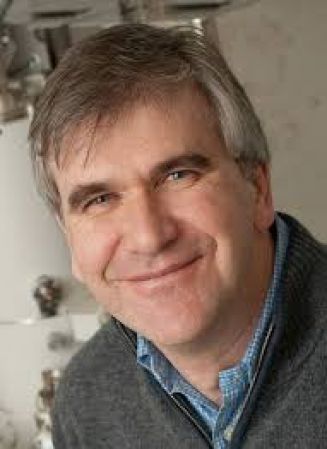 Christopher J. Kiely合作论文数Department of Materials Science and Engineering, P.C. Rossin College of Engineering and Applied Science, Lehigh University58
 Thomas E. Davies合作论文数School of Chemistry Main Building, Cardiff University56
 David J. Willock合作论文数Department of Chemistry, Cardiff University52
 David Morgan合作论文数Cardiff Catalysis Institute, Cardiff University;School of Chemistry, Cardiff University51
 Nicholas F. Dummer合作论文数49Jonathan K. Bartley合作论文数46Benjamin Solsona合作论文数44
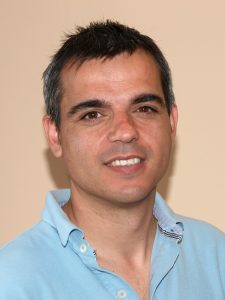 Tomas García Martínez合作论文数Instituto de Carboquímica, Spanish National Research Council40
 Albert Frederick Carley合作论文数School of Chemistry, Cardiff University37
 Nikolaos Dimitratos合作论文数Department of Industrial Chemistry "Toso Montanari", University of Bologna37
 Simon Kondrat合作论文数Cardiff Catalysis Inst, Cardiff Univ34Robert L. Jenkins合作论文数34Peter J. Miedziak合作论文数31
 Jose Antonio Lopez-Sanchez合作论文数School of Chemistry, Cardiff University27
 Qian He (何茜)合作论文数Glasgow College, University of Electronic Science and Technology of China23
 Meenakshisundaram Sankar合作论文数Cardiff Catalysis Institute, Cardiff University22Armstrong Robert D合作论文数19
 Michael M. Forde合作论文数18
 Jennifer K Edwards合作论文数Cardiff University, University of Wales18
 Mark Douthwaite合作论文数16Andrew E. Graham合作论文数16James H. Carter合作论文数15
 Freakley Simon J合作论文数Cardiff Catalysis Inst, Cardiff Univ14J.S.J. Hargreaves合作论文数Catalysis Research Laboratory, Nottingham Trent University14
 Mohd Hasbi Ab. Rahim合作论文数School of Chemistry, Cardiff University13Richard W. Joyner合作论文数Leverhulme Centre for Innovative Catalysis, University of Liverpool/Surface Science Research Centre, University of Liverpool13Ian D. Hudson合作论文数13
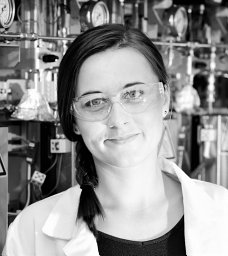 Ewa Nowicka合作论文数Institute of Physical Chemistry, Polish Academy of Sciences13Louise R. Smith合作论文数12
 Samuel David Pattisson合作论文数12
 Greg Shaw合作论文数12Smith Paul J合作论文数11
 Gemma Louise Brett合作论文数10
 Dan I. Enache合作论文数10
 Said Agouram合作论文数Department of Applied Physics, Faculty of Physics, University of Valencia10
 Ceri Hammond合作论文数School of Chemistry,Cardiff University10
 Richard Catlow合作论文数Department of Chemistry, University College London9
 Damien Murphy合作论文数Cardiff University9
 Donald Bethell合作论文数Department of Chemistry, University of Liverpool9
 Michael Bowker (Mike)合作论文数Department of Surface Chemistry, School of Chemistry, Cardiff University9Sellick David R合作论文数8
 Ali Akbar Mirzaei合作论文数Department of Chemistry, The University of Sistan & Baluchestan8
 Keith Whiston合作论文数8Stan Golunski合作论文数Johnson Matthey Technology Centre8Adam Thetford合作论文数7
 James S Hayward合作论文数7
 Neil B. McKeown合作论文数School of Chemistry, University of Edinburgh7
 Thomas Slater合作论文数School of Chemistry, Cardiff University7




