Prostate cancer (PCa), a common malignancy, is a leading cause of cancer-related deaths among men. Advances in high-throughput technologies have led to the identification of various genetic alterations, including amplifications, deletions, mutations, gene fusions, and aberrant gene expressions, associated with PCa initiation and progression. Identifying key drivers of tumor progression and their underlying signaling pathways contributes to early diagnosis and therapeutic targeting. Here, we showed that thyroid hormone receptor-interacting protein 13 (TRIP13), a member of the AAA-ATPase family is overexpressed in PCa. Additionally, we observed amplification of the TRIP13 locus in a small subset of PCa samples. Functional studies demonstrated that TRIP13 knockdown in PCa cells reduced their proliferation and invasion. Furthermore, ectopic overexpression of TRIP13 in prostate epithelial cells (RWPE-1) resulted in enhanced cell invasion. Additionally, pharmacologic inhibition of TRIP13 by the small molecule inhibitor DCZ0415 suppressed PCa cell proliferation, induced apoptosis, modulated markers of the epithelial-mesenchymal transition (EMT), and inhibited tumor growth. Overall, these findings highlight a functional role for TRIP13 in PCa progression and demonstrate its potential as a therapeutic target in TRIP13-overexpressing PCa.
PURPOSE:In the United States, African Americans (AA) have higher Pancreatic ductal adenocarcinoma (PDAC) incidence and mortality rates than Caucasian Americans (CA). This study aimed to identify distinct gene expression signatures and differentially regulated pathways in AA and CA PDACs. METHODS:Transcriptomic analyses were conducted on FFPE sections of PDACs (n = 40) from AA (9 PDACs/3 normal) and CA (31 PDACs/5 normal) tissues to evaluate the differential expression and signaling pathways within and between racial groups and to identify distinctive and common genes/pathways. RESULTS:We identified unique differentially expressed genes in both racial groups. Distinct set genes were modulated in AA and CA PDACs, compared to their respective normal tissues. Thirteen genes (seven upregulated and six downregulated) were differentially modulated in AA PDACs vs. CA PDACs. CIBERSORT analysis revealed distinct immune cell composition, with increased resting NK cells and activated mast cells, in AA PDACs, and higher CD4 memory T cells present in CA PDACs. Canonical subtype analyses indicated a more heterogenous subtype distribution in AA PDACs, whereas CA PDACs showed a predominance of classical subtypes. Using a publicly available database, we analyzed the top 25 upregulated genes (normal vs. tumor) for AA and CA racial groups and seven differentially upregulated genes in AA PDACs vs. CA PDACs comparison for associations with survival outcomes. Eight genes (CHST15, PARP15, NUDT16, SERPINB3, PADI1, H3C8, ZNF488, and LETM2) correlated with poor patient survival. CONCLUSION:These findings show distinct gene expression profiles and modulated pathways in AA and CA PDACs, supporting development of race-based therapeutic targets.
Solid-tubulocystic variant of intrahepatic cholangiocarcinoma (ST-iCCA) is newly described entity characterized by two distinct histologic growth patterns: (1) solid sheets of tumor cells with focal necrosis giving pseudopapillary appearance and (2) tubular or pseudoglandular structures containing pink, colloid-like material. Tumor cells are inhibin-positive and harbor NIPBL::NACC1 fusion gene. To date, only 28 cases of ST-iCCA have been documented. While prior molecular studies provided insights into ST-iCCA, genetic profiles of individual histologic components have not been explored. This study presents first transcriptomic analysis comparing the solid/pseudopapillary and pseudoglandular components of ST-iCCA. Two cases of histologically confirmed ST-iCCA were identified for RNA sequencing which was performed on solid/pseudopapillary component, pseudoglandular component, and normal tissue. Analysis revealed distinct gene expression profiles for each pattern. Solid/pseudopapillary component uniquely overexpressed DMRTA1, NEXMIF, PRDM6, SORCS3, and NALF, while pseudoglandular component exhibited unique overexpression of HRG, ITIH3, TAT, APOA2, CP, ALDOB, CPS1, F2, KHG1, SERPINC1, HPX, C9, ADGRF1, MUC21, SAA2, SPRR2A, SAA1, FGL1, CFHR1, and LBP. These findings establish unique gene signatures for these variants of ST-iCCA, providing potential biomarkers for differential diagnosis, prognosis and targeted therapy. The distinct genetic profiles may also uncover novel therapeutic targets to address the aggressive nature of ST-iCCA.
The high incidence and mortality rates of colorectal cancer (CRC) in Alabama African Americans (AAs) and Oklahoma American Indians (AIs) are recognized as cancer disparities, yet the underlying causes have been poorly demonstrated. Our previous study of transcriptomic profiles of CRCs of Alabama AAs, Oklahoma AIs, and white people from both states revealed molecular disparities and differentially expressed genes (DEGs) in the racial groups. By evaluating CRC whole-exome sequencing and mutational profiles, we report sets of mutated genes whose frequencies differed significantly (p<0.05) in a race-specific manner. Secondary screening with a CRC database (cBioportal database for bowel cancer) showed 42, 38, and 35 “survival-critical genes (SCGs)” (i.e., genes whose mutations/alterations are associated with significant differences in the patients’ survival rates) among the differentially mutated genes, suggesting that the mutations have a functional impact on cancer. Notable SCGs with race-pronounced variants were different from DEGs and their involved pathways included nucleotide catabolism (GDA, NT5M, XDH) and cell cycle checkpoints (CLIP1, PSMB2, PSMD3, TP53) for AAs, and extracellular matrix organization (COL4A4, LAMA1, LAMA2, NRXN1) for AIs (Benjamini-Hochberg adjusted p<0.05). Most of the SCGs with race-pronounced variants (35 SCGs out of 42 in whites, 29 of 38 AAs, and 30 of 35 AI) are under-investigated with less than ten CRC-related publications in PubMed. We considered multitudes of factors to select gene(s) for further validation, such as (i) statistical significance, (ii) being a SCG, (iii) type of variant/mutation (variants occurring in open reading frame may be prioritized with an assumption of direct effects on the protein function, compared with likely indirect effects of intron variants), (iv) amount and quality of existing work, and (v) available resources, then proceeded to validate the SCGs with race-pronounced variants. Among the candidate genes, ANGEL2 with Alabama African American-pronounced variant is involved in 3'-UTR-mediated mRNA stabilization and negative regulation of mitotic cell cycle. ANGEL2 expression increases in rat colon tumor (IHC) and in human CRCs in TCGA (vs normal; <0.0001), implicating a role in regulating CRC development. Cancer-influencing genes with minority race-pronounced variants have evaded discovery by being diluted in all-inclusive tumor data analysis. The inclusion of these SCGs with race-pronounced variants in the clinical CRC next-generation sequencing panels and the development of targeting drugs will serve as refinements for precision medicine to overcome racial disparities in health outcomes of CRC. Hiroshi Y. Yamada, Madhusmita Rout, Chao Xu, Gary Sanghera, Surya Singh, Venkateshwar Madka, Farrukh Afaq, Katherine T. Morris, Dharambir K. Sanghera, Upender Manne, Chinthalapally V. Rao. Mutational disparities in colorectal cancers of White Americans, Alabama African Americans, and Oklahoma American Indians revealed ANGEL2 as an African American CRC proneness candidate gene [abstract]. In: Proceedings of the American Association for Cancer Research Annual Meeting 2025; Part 1 (Regular Abstracts); 2025 Apr 25-30; Chicago, IL. Philadelphia (PA): AACR; Cancer Res 2025;85(8_Suppl_1):Abstract nr 4958.
Abstract Background: Pancreatic ductal adenocarcinoma (PDAC) is a lethal disease that has a 5-yearrelative survival rate of less than 9%. It is the fourth leading cause of cancer-associated mortality,and is projected to become the second leading cause of cancer-related deaths by 2030. Since most(~80%) PDACs are diagnosed at late stages (metastasized), there is an urgent need to identifymolecular determinants that regulate PDAC progression and serve as candidates for therapeutictargeting. Prolyl 4-hydroxylase subunit alpha 1 (P4HA1) is the major isoform overexpressed inmost cancers, including PDAC. In PDAC, high expression of P4HA1 is associated with tumorprogression and poor clinical outcomes. Thus, we investigated if targeting P4HA1 in PDAC witha small molecule inhibitor; diethyl-pythiDC, had an inhibitory effect on cell proliferation, tumorprogression/growth, and metastasis. Methods: To demonstrate the therapeutic efficacy of diethyl-pythiDC, we performed MTT, colonyformation, wound healing, Transwell, and western blot assays in various PDAC cell lines. Tumorgrowth and metastasis was evaluated with xenografts in NOD/SCID/IL2γ receptor-null (NSG)mice. Additionally, expression of P4HA1 in human PDAC and in adjacent normal pancreatictissues was assessed. Results: In human PDACs, there was elevated expression of P4HA1 protein relative to adjacentnormal pancreatic tissues. Treatment of various PDAC cells (S2VP10, MIA PaCa2, BxPC-3, andPANC-1) with diethyl-pythiDC reduced cell proliferation and colony formation, and inducedG2/M cell cycle arrest. Diethyl-pythiDC reduced migration and invasion of PDAC cells bymodulating epithelial-mesenchymal transition (EMT) markers (N-cadherin, E-cadherin, andvimentin). In addition, diethyl-pythiDC reduced the expression of argonaute-2 (AGO2), acomponent of microRNA biogenesis implicated in tumorigenesis, and its downstream target,matrix metalloproteinase (MMP1). In preclinical animal models of PDAC, diethyl-pythiDCreduced tumor growth and metastasis. Furthermore, in xenograft tumors, diethyl-pythiDCtreatment reduced the expression of AGO2, MMP1, and the proliferative marker, PCNA, andmodulated proteins of the EMT. Conclusions: Treatment with diethyl-pythiDC reduces PDAC progression by decreasing cellproliferation, arresting cells in the G2/M phase, downregulating AGO2/MMP1 expression, andmodulating the EMT. These findings suggest that targeting P4HA1 by diethyl-pythiDC could be aviable strategy to improve treatment for PDACs, particularly those expressing high levels ofP4HA1. They also provide a basis to conduct clinical trials to assess the utility of targeting P4HA1by diethyl-pythiDC. Citation Format: Farrukh Afaq, Mohd Khushman, Prachi Bajpai, Sameer Al Diffalha, Dennis Otali, Sooryanarayana Varambally, Upender Manne. Targeting prolyl 4-hydroxylase subunit alpha 1 with a small molecule inhibitor, diethyl-pythiDC, reduces pancreatic ductal adenocarcinoma growth and metastasis [abstract]. In: Proceedings of the American Association for Cancer Research Annual Meeting 2024; Part 1 (Regular Abstracts); 2024 Apr 5-10; San Diego, CA. Philadelphia (PA): AACR; Cancer Res 2024;84(6_Suppl):Abstract nr 5973.
Abstract Introduction: In the US, there are racial disparities in PDAC incidence and mortality, higher among blacks than whites. In addition to socioeconomic status, lifestyles, and age, genetics also contributes to these disparities. Thus, we conducted transcriptomic analyses (RNA-seq) of PDAC samples collected from African American (AA) and Caucasian (CA) patients to identify race/ethnicity-specific gene expression profiles and their related pathways to find determinants that contribute to the aggressive phenotypes of PDACs. This study is relevant to the UAB catchment area, since about 30% of patients with PDAC are AAs. Methodology: Histologically confirmed PDACs (n=40) from AA (9 PDAC and 3 matching normal tissues) and CA (31 PDAC and 5 matching normal tissues) were included in this study. FFPE sections of PDACs and their corresponding normal tissues were macro-dissected for RNA isolation. Whole transcriptomic sequencing was performed with a NextSeq 500/550 platform. Trimmed reads were mapped to a human reference genome (hg38) using HISAT, and gene level read count data were obtained using HTSeq. Differential expression analysis was performed using the DESeq2 bioconductor package. ClusterProfiler/DOSE R packages were used for gene ontology and KEGG pathway enrichment analyses. Genes with log 2-fold change of ≥1 and adjusted P-value <0.05 were considered as differentially expressed. Results: Among the top upregulated genes altered in only AA PDACs, compared to their normal tissues, were RNF144B, TESPA1, KLHL17, H2AX, MDGA1, CDK20, PHLDA3, SLC6A16, PARVG, GATD3, NUDT16, RENBP, RTL8C, C1QTNF1, HLA−DRB5, PARP15, PPP1R16B, RASGRP2, and CHST15. Of note, targeting CHST15, by an RNA oligonucleotide, STNM01 in Phase I/IIa trial on unresectable PDAC patients showed improved overall survival. Additionally, inhibition of KLHL17, an upstream activator of Ras/MAPK, could be a candidate target in PDAC. The KEGG pathways altered in AA PDACs, were glycerophospholipid metabolism; bile secretion; retinol metabolism; regulation of lipolysis in adipocytes; and pantothenate and CoA biosynthesis. In CAs, the top upregulated genes in PDACs, compared to their normal tissues, were PPY, UGT1A10, GPR20, SDR16C5, KLK7, MYBPC1, ITLN1, PADI1, CLCA1, UGT1A9, and SERPINB3.The KEGG pathways altered in CA PDACs, were cellular senescence; AGE−RAGE signaling pathway in diabetic complication; PD−L1 and PD−1 checkpoint pathway; and central carbon metabolism. There were 13 genes differentially modulated in AA PDACs as compared to CA PDACs. The 6 down-regulated were USP17L1, C2CD4D, MMP13, DCUN1D5, and 2 genes without annotations (ENSG00000276345 and ENSG00000280966); the 7 up-regulated genes were SEMA4A, LETM2, HMOX1, OTUB2, MEDAG, VEGFD, and HBA1. Immunohistochemical validation of these markers is in progress. Conclusions: Findings of this study showed distinct gene expression profiles and differentially modulated pathways in AA and CA PDAC patients. These results will aid in identifying aggressive phenotypes and new targets for developing race/ethnicity-based therapeutic interventions. Citation Format: Prachi Bajpai, Ravi Paluri, Sameer Al Diffalha, Darshan S. Chandrashekar, Farrukh Afaq, Ryan Bash, C. Ryan Miller, Sooryanarayana Varambally, Moh’d Khushman, Upender Manne. Differential gene expression to delineate racial disparities in the molecular landscape of pancreatic ductal adenocarcinoma [abstract]. In: Proceedings of the AACR Special Conference in Cancer Research: Pancreatic Cancer; 2023 Sep 27-30; Boston, Massachusetts. Philadelphia (PA): AACR; Cancer Res 2024;84(2 Suppl):Abstract nr A006.
Abstract Background- Pancreatic cancer (PanCa) is one of the most aggressive forms of cancer and its incidence rate is continuously increasing every year. It is expected that by 2030, PanCa will become the 2nd leading cause of cancer related deaths in the United States due to the lack of understanding of the complexity of disease, early diagnostic methods, and extremely poor survival. Despite great advancements in biomedical research, there are very limited modalities available for the early detection of PanCa and its treatment. Thus, understanding of disease biology and identification of newer diagnostic and therapeutic modalities are high priority research in the field. Our group has identified Thyroid Receptor Interacting Protein -13 (TRIP13) as an oncogenic protein which contributes to early events of PanCa. Methodology- High dimensional omics and structural elucidation of TRIP13 was conducted using publicly available databases like Consurf, Phosphosite, GTEx and GEPIA2. Molecular biology techniques were applied to cross validate all our bioinformatics data. qPCR, immunoblotting and IHC analysis was performed in progressive PDAC cell lines and human tissues to decipher the expression level of TRIP13 in various pathological staging including functional enrichment analysis using Linkdomics. Results- The structural elucidation analysis revealed that most of the functionally exposed residues, phosphorylation and ubiquitylation sites situated at AAA domain of TRIP13. As compared to normal, TRIP13 is significantly over expressed in pancreatic tumor samples. Pathological staging 2 and 1 (early stages) showed relatively higher expression of TRIP13 as compared advanced stage. Of the total 7 isoforms of TRIP13, only one isoform (TRIP13-001) has shown the over expression in pancreatic tumor samples and shown association with poor survival. In correlation studies, TRIP13 has shown positive association with other pancreatic cancer biomarkers (CEACAM5, S100A4, MUC1, MSLN, CA125). The functional enrichment analyses suggest that TRIP13 is involved in important patho-physiological pathways like DNA repair, viral carcinogenesis, cellular senescence, and cell cycle. Our wet lab experiments also support our computational biology observation. Conclusion- This integrated computational biology study suggests a potential role of TRIP13 in pancreatic cancer progression via modulation of important oncological pathways. Wet lab experimentations also validated the involvement of TRIP13 in pancreatic cancer progression. TRIP13 expression may be associated with patient prognosis. Thus, its inhibitory small molecules can be useful for boosting pancreatic cancer therapies in clinical settings. Key words- TRIP13, Pancreatic cancer, Early events of cancer, Integrative Biology, Transcriptomics, Computational biology Citation Format: Swati Dhasmana, Anupam Dhasmana, Stella Rios, Iris A. Perez, Sheema Khan, Farrukh Afaq, Upender Manne, Murali M. Yallapu, Subhash C. Chauhan. TRIP13 augments pancreatic cancer progression- An integrated systems biology study [abstract]. In: Proceedings of the American Association for Cancer Research Annual Meeting 2024; Part 1 (Regular Abstracts); 2024 Apr 5-10; San Diego, CA. Philadelphia (PA): AACR; Cancer Res 2024;84(6_Suppl):Abstract nr 6220.
The bromodomain and extraterminal (BET) family of proteins show altered expression across various cancers. The members of the bromodomain (BRD) family contain epigenetic reader domains that bind to acetylated lysine residues in both histone and non-histone proteins. Since BRD proteins are involved in cancer initiation and progression, therapeutic targeting of these proteins has recently been an area of interest. In experimental settings, JQ1, a commonly used BRD inhibitor, is the first known inhibitor to target BRD-containing protein 4 (BRD4), a ubiquitously expressed BRD and extraterminal family protein. BRD4 is necessary for a normal cell cycle, and its aberrant expression activates pro-inflammatory cytokines, leading to tumor initiation and progression. Various BRD4 inhibitors have been developed recently and tested in preclinical settings and are now in clinical trials. However, as with many targeted therapies, BRD inhibitor treatment can lead to resistance to treatment. Here, we investigated the kinases up-regulated on JQ1 treatment that may serve as target for combination therapy along with BRD inhibitors. To identify kinase targets, we performed a comparative analysis of gene expression data using RNA from BRD inhibitor-treated cells or BRD-modulated cells and identified overexpression of several kinases, including FYN, NEK9, and ADCK5. We further validated, by immunoblotting, the overexpression of FYN tyrosine kinase; NEK9 serine/threonine kinase and ADCK5, an atypical kinase, to confirm their overexpression after BRD inhibitor treatment. Importantly, our studies show that targeting FYN or NEK9 along with BRD inhibitor effectively reduces proliferation of cancer cells. Therefore, our research emphasizes a potential approach of utilizing inhibitors targeting some of the overexpressed kinases in conjunction with BRD inhibitors to enhance therapeutic effectiveness.
Thyroid hormone receptor-interacting protein 13 (TRIP13) is involved in cancer progression, but its role in pancreatic ductal adenocarcinoma (PDAC) is unknown. Thus, we assessed the expression, functional role, and mechanism of action of TRIP13 in PDAC. We further examined the efficacy of TRIP13 inhibitor, DCZ0415, alone or in combination with gemcitabine on malignant phenotypes, tumor progression, and immune response. We found that TRIP13 was overexpressed in human PDACs relative to corresponding normal pancreatic tissues. TRIP13 knockdown or treatment of PDAC cells with DCZ0415 reduced proliferation and colony formation, and induced G2/M cell cycle arrest and apoptosis. Additionally, TRIP13 knockdown or targeting with DCZ0415 reduced the migration and invasion of PDAC cells by increasing E-cadherin and decreasing N-cadherin and vimentin. Pharmacologic targeting or silencing of TRIP13 also resulted in reduce expression of FGFR4 and STAT3 phosphorylation, and downregulation of the Wnt/β-catenin pathway. In immunocompromised mouse models of PDAC, knockdown of TRIP13 or treatment with DCZ0415 reduced tumor growth and metastasis. In an immunocompetent syngeneic PDAC model, DCZ0415 treatment enhanced the immune response by lowering expression of PD1/PDL1, increasing granzyme B/perforin expression, and facilitating infiltration of CD3/CD4 T-cells. Further, DCZ0415 potentiated the anti-metastatic and anti-tumorigenic activities of gemcitabine by reducing proliferation and angiogenesis and by inducing apoptosis and the immune response. These preclinical findings show that TRIP13 is involved in PDAC progression and targeting of TRIP13 augments the anticancer effect of gemcitabine.
Abstract Purpose: In the United States, colorectal cancer (CRC) is the second leading cause of cancer mortality. Metastatic CRC (mCRC) refractory to traditional chemotherapy is managed with regorafenib, a multiple-kinase inhibitor. However, patients show only a modest improvement in overall survival but experience high drug toxicity, adverse side effects, and poor tolerability. Thus, to reduce regorafenib-induced toxicity and to enhance antitumor activity, we combined it with a hybrid/dual JAK/HDAC small-molecule inhibitor (JAK/HDACi) to leverage the advantages of both JAK and HDAC inhibition in a single agent. With syngeneic mice, the efficacy and impact on immunomodulation of this drug combination was assessed. Methods: To assess effects of the agents, C57BL/6 immunocompetent mice were injected with MC38 murine CRC cells and treated with regorafenib (6mg/kg body wt) or JAK/HDACi (30mg/kg body wt), and their combination every third day for 21 days. Upon completion of the experiment, the tumors were harvested and processed for RNA and protein expression profiles. The effect of drug treatment on immune response was analyzed by nCounter Gene Expression assays (NanoString Technologies). Cytokines were measured in serum using the MesoScale Discovery mouse V-Plex Proinflammatory Panel kit. For pharmacokinetic studies, plasma samples were assayed from C57BL/6 treated with drugs after 1, 7, 21, and 48 hrs of treatment. Results: The combination treatment significantly reduced tumor growth (volume and weight),relative to the vehicle control or single treatments. Gene expression showed higher CD45 abundance score in the combination treatment. This is an exciting observation, as CD45 has phosphatase activity and dephosphorylates key targets of the drugs used in the study. Additionally, after treatment with the combination, there was higher expression of Gzmb and Gzme and lower expression of Cx3cr1, indicating enhanced immuno modulation relative to regorafenib alone. We confirmed these findings by immunoprofiling of tumors. Higher CD45 staining, noted in tumors of mice treated with the combination, corroborated the gene expression results. Pronounced CD8 T lymphocytes infiltration was observed in combination, compared to regorafenib alone. Reduction of proinflammatory cytokine, TNF-α was noted in the combination group. This is an interesting observation as CD45 negatively regulates TNF, and combination treated mice had highest number of CD45 positive cells. Pharmacokinetic studies showed that the bioavailability of regorafenib was elevated after combination treatment relative to single-agent treatment. Conclusions: Relative to the single agents, the combination of regorafenib with JAK/HDACi was more effective, with an elevated antitumor immune response and with sustained inhibition of tumor growth. A clinical trial to evaluate this combination for the treatment of mCRCs is warranted. Citation Format: Prachi Bajpai, Farrukh Afaq, Sameer Al Diffalha, Sumit Agarwal, Hyung Gyoon Kim, Dennis Otali, Sooryanarayana Varambally, Ashish Manne, Ravi Paluri, Moh’d Khushman, Upender Manne. Regorafenib antitumor immune response is enhanced by a novel drug combination in CRC syngeneic model [abstract]. In: Proceedings of the American Association for Cancer Research Annual Meeting 2024; Part 1 (Regular Abstracts); 2024 Apr 5-10; San Diego, CA. Philadelphia (PA): AACR; Cancer Res 2024;84(6_Suppl):Abstract nr 585.
Abstract Background Treatment with regorafenib, a multiple-kinase inhibitor, to manage metastatic colorectal cancers (mCRCs) shows a modest improvement in overall survival but is associated with severe toxicities. Thus, to reduce regorafenib-induced toxicity, we used regorafenib at low concentration along with a dual JAK/HDAC small-molecule inhibitor (JAK/HDACi) to leverage the advantages of both JAK and HDAC inhibition to enhance antitumor activity. The therapeutic efficacy and safety of the combination treatment was evaluated with CRC models. Methods The cytotoxicity of JAK/HDACi, regorafenib, and their combination were tested with normal colonic and CRC cells exhibiting various genetic backgrounds. Kinomic, ATAC-seq, RNA-seq, cell cycle, and apoptosis analyses were performed to evaluate the cellular functions/molecular alterations affected by the combination. Efficacy of the combination was assessed using patient-derived xenograft (PDX) and experimental metastasis models of CRC. To evaluate the interplay between tumor, its microenvironment, and modulation of immune response, MC38 syngeneic mice were utilized. Results The combination therapy decreased cell viability; phosphorylation of JAKs, STAT3, EGFR, and other key kinases; and inhibited deacetylation of histone H3K9, H4K8, and alpha tubulin proteins. It induced cell cycle arrest at G0-G1 phase and apoptosis of CRC cells. Whole transcriptomic analysis showed that combination treatment modulated molecules involved in apoptosis, extracellular matrix-receptor interaction, and focal adhesion pathways. It synergistically reduces PDX tumor growth and experimental metastasis, and, in a syngeneic mouse model, the treatment enhances the antitumor immune response as evidenced by higher infiltration of CD45 and cytotoxic cells. Pharmacokinetic studies showed that combination increased the bioavailability of regorafenib. Conclusions The combination treatment was more effective than with regorafenib or JAK/HDACi alone, and had minimal toxicity. A clinical trial to evaluate this combination for treatment of mCRCs is warranted.
PDF file - 43K, Supplementary table 1. Description of antibodies used in this study. Supplementary table 2. Description of primers used in this study.
Purpose: Although there is an established role for microbiome dysbiosis in the pathobiology of colorectal cancer (CRC), CRC patients of various race/ethnicities demonstrate distinct clinical behaviors. Thus, we investigated microbiome dysbiosis in Egyptian, African American (AA), and European American (EA) CRC patients. Patients and methods: CRCs and their corresponding normal tissues from Egyptian (n = 17) patients of the Alexandria University Hospital, Egypt, and tissues from AA (n = 18) and EA (n = 19) patients at the University of Alabama at Birmingham were collected. DNA was isolated from frozen tissues, and the microbiome composition was analyzed by 16S rRNA sequencing. Differential microbial abundance, diversity, and metabolic pathways were identified using linear discriminant analysis (LDA) effect size analyses. Additionally, we compared these profiles with our previously published microbiome data derived from Kenyan CRC patients. Results: Differential microbiome analysis of CRCs across all racial/ethnic groups showed dysbiosis. There were high abundances of Herbaspirillum and Staphylococcus in CRCs of Egyptians, Leptotrichia in CRCs of AAs, Flexspiria and Streptococcus in CRCs of EAs, and Akkermansia muciniphila and Prevotella nigrescens in CRCs of Kenyans (LDA score >4, adj. p-value <0.05). Functional analyses showed distinct microbial metabolic pathways in CRCs compared to normal tissues within the racial/ethnic groups. Egyptian CRCs, compared to normal tissues, showed lower l-methionine biosynthesis and higher galactose degradation pathways. Conclusions: Our findings showed altered mucosa-associated microbiome profiles of CRCs and their metabolic pathways across racial/ethnic groups. These findings provide a basis for future studies to link racial/ethnic microbiome differences with distinct clinical behaviors in CRC.
Abstract Introduction: Colorectal cancer (CRC) is the third leading cause of cancer-associated deaths in United States. Despite advances in therapeutic modalities, the overall survival rate for metastatic CRC remains poor. Therefore, there is an urgent need to identify potential drug targets, which are associated with CRC progression and metastasis. One such target is Basic leucine zipper and W2 domains 2 (BZW2), also known as translation initiation regulator eIF5-mimic protein 1 (5MP1), a member of the basic-region leucine zipper (bZIP) superfamily of transcription factors. BZW2 is upregulated in some human cancers; however, its function in CRC malignancy is unknown. Thus, the role of BZW2 in CRC is studied. Methods: To address BZW2 role in CRC progression and metastasis, (1) we compared the RNA expression of BZW2 in human CRCs with their matched normal tissues (controls), (2) assessed the protein expression of BZW2 in primary CRCs and in CRCs which metastasized to liver, (3) as CRC is a molecularly heterogeneous disease, we conducted in vitro experiments, in CRC cell lines with various molecular alterations [P53, KRAS, BRAF, EGFR, or microsatellite stable/microsatellite instable (MSS/MSI) status], such as colony and spheroid formation to evaluate role of BZW2 on cell proliferation, (4) RNA-seq experiments with BZW2 knockdown (shRNA) to identify its downstream targets, and (5) to evaluate BZW2 role in CRC progression and metastasis, using BZW2 knockdown cells in in vivo models of NOD/SCID/IL2γ-receptor null (NSG) mice to assess tumor growth and the extent of metastasis. Results: Our results demonstrated that BZW2 is upregulated in CRC tissues, at RNA and protein levels, as compared to their matched controls. A higher expression was also noted in CRC liver metastatic lesions compared to matched controls. Immunohistochemical results, on invasive CRC tissues further confirmed the findings of high expression of BZW2 in human CRCs. Our in vitro results with BZW2 knockdown in CRC cells (HCT116, SW480, and HT29 cells) showed reduced colony and spheroid formation. RNA-seq results comparing the expression in BZW2 knockdown cells with their controls, demonstrated key genes were modulated upon BZW2 knockdown, including those for P4HA1 and the long non-coding RNAs (lncRNAs), MALAT1 and NEAT1. Our in vivo experiments with SW480 xenografts showed smaller tumors in BZW2 knockdown as compared to those of controls. Knockdown of BZW2 in HT-29 luciferase-tagged cells, reduced metastasis in NSG mice, potentiating the fact that decreasing BZW2 would affect metastasis. Conclusions: The results provide an evidence that BZW2 functions as an oncogene in CRC, regardless of their status of P53, KRAS, BRAF, EGFR, and MSS/MSI. Therefore, BZW2 may be an effective target for blocking CRC progression, and development of small molecule inhibitors of BZW2 could serve as potential therapeutic agents for CRC. Citation Format: Prachi Bajpai, Sumit Agarwal, Farrukh Afaq, Michael Behring, Hyung-Gyoon Kim, Darshan Shimoga Chandrashekar, Shajan Peter, Sameer Al Diffalha, Moh’d Khushman, Andreas Seeber, Sooryanarayana Varambally, Upender Manne. BZW2 a potential target to inhibit colorectal cancer growth and metastasis [abstract]. In: Proceedings of the American Association for Cancer Research Annual Meeting 2023; Part 1 (Regular and Invited Abstracts); 2023 Apr 14-19; Orlando, FL. Philadelphia (PA): AACR; Cancer Res 2023;83(7_Suppl):Abstract nr 1297.
PDF file - 1105K, Supplemental Figure S1: Effect of Erb-041 treatment on UVB-induced skin tumorigenesis in SKH-1 hairless mice. Supplemental Figure S2: Bar diagram showing effect of Erb-041 on UVB-mediated alteration in inflammation and EMT regulatory proteins. Supplemental Figure S3: Alterations in AKT and WNT signaling proteins in UVB-induced SCCs in vehicle or Erb-041 treated mice.
Pancreatic cancer (PanCa) is one of the most aggressive forms of cancer and its incidence rate is continuously increasing every year. It is expected that by 2030, PanCa will become the 2nd leading cause of cancer-related deaths in the United States due to the lack of early diagnosis and extremely poor survival. Despite great advancements in biomedical research, there are very limited early diagnostic modalities available for the early detection of PanCa. Thus, understanding of disease biology and identification of newer diagnostic and therapeutic modalities are high priority. Herein, we have utilized high dimensional omics data along with some wet laboratory experiments to decipher the expression level of hormone receptor interactor 13 (TRIP13) in various pathological staging including functional enrichment analysis. The functional enrichment analyses specifically suggest that TRIP13 and its related oncogenic network genes are involved in very important patho-physiological pathways. These analyses are supported by qPCR, immunoblotting and IHC analysis. Based on our study we proposed TRIP13 as a novel molecular target for PanCa diagnosis and therapeutic interventions. Overall, we have demonstrated a crucial role of TRIP13 in pathogenic events and progression of PanCa through applied integrated computational biology approaches.
 Hasan Mukhtar合作论文数Department of Dermatology, School of Medicine and Public Health, University of Wisconsin-Madison;School of Veterinary Medicine, University of Wisconsin-Madison93
 Naghma Khan合作论文数Department of Dermatology, University of Wisconsin-Madison36
 Vaqar Adhami合作论文数Department of Ophthalmology and Visual Sciences, School of Medicine and Public Health, University of Wisconsin-Madison35Deeba N. Syed合作论文数Medical Sciences Center, University of Wisconsin32
 Craig A. Elmets合作论文数Department of Dermatology, School of Medicine, University of Alabama at Birmingham27
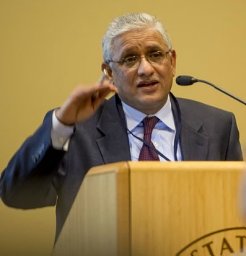 Upender Manne合作论文数the Comprehensive Cancer Center, University of Alabama at Birmingham27
 Nihal Ahmad合作论文数Department of Dermatology, The School of Medicine and Public Health, University of Wisconsin-Madison23
 Mohammad Athar合作论文数School of Dentistry, The University of Alabama at Birmingham;School of Public Health, The University of Alabama at Birmingham;General Clinical Research Center, The University of Alabama at Birmingham;Department of Dermatology, School of Medicine, The University of Alabama at Birmingham;Nephrology Research & Training Center, The University of Alabama at Birmingham;O'Neal Comprehensive Cancer Center, School of Medicine, The University of Alabama at Birmingham23Prachi Bajpai合作论文数Cardiovascular Toxicology Division, Indian Institute of Toxicology Research (IITR),22
 Sameer Al Diffalha合作论文数Department of Pathology, University of Alabama at Birmingham21
 Harish Chandra Pal合作论文数Pharmacology Division, Indian Institute of Integrative Medicine (CSIR),21Sooryanarayana Varambally合作论文数21Sami Sarfaraz合作论文数21
 Mohd Khushman合作论文数University of South Alabama, Mitchell Cancer Institute16Hyung-Gyoon Kim合作论文数16
 Sumit Agarwal合作论文数Dept Pathol, Univ Alabama Birmingham13
 Mohammad Saleem合作论文数Department of Urology Molecular, University of Minnesota Twin Cities13
 Ritesh Kumar Srivastava合作论文数Dept Dermatol, Univ Alabama Birmingham12
 Darshan Shimoga Chandrashekar合作论文数Institute of Bioinformatics and Applied Biotechnology (IBAB), Biotech Park, Electronic City, Bangalore - 560100, Karnataka state, India12Shajan Peter合作论文数Division of Gastroenterology and Hepatology, University of Alabama12
 Zhiping Weng (翁志萍)合作论文数Department of Genomics and Computational Biology, UMass Chan Medical School;Rgenta Therapeutics Inc.9
 Mohammad A. A. Zaid合作论文数Department of Dermatology;University of Wisconsin;Department of Dermatology, University of Wisconsin9Michael Behring合作论文数8
 Changzhao Li合作论文数8
 Imtiaz A. Siddiqui合作论文数Department of Dermatology, University of Wisconsin8Arshi Malik合作论文数8Ross L. Pearlman合作论文数7Amr Elkholy合作论文数7Arumugam Aadithya合作论文数7
 Sandeep Chaudhary合作论文数Hunter College, City University of New York7
 Andreas Seeber合作论文数6
 Yewseok Suh合作论文数6
 Qamar Rahman合作论文数6A Malik合作论文数5Mee-Hyang Kweon合作论文数5
 Sarang Talwelkar合作论文数Department of Dermatology, University of Alabama at Birmingham5
 Jung-Mi Yun合作论文数Department of Chemistry, Sahmyook University5P Abidi合作论文数5Naghma Hadi合作论文数5Ravi Paluri合作论文数4C Ryan Miller合作论文数4Amith Varambally合作论文数4Fatima H Khusro合作论文数4
 Mary Katherine Montes de Oca合作论文数Med Ctr, Duke Univ4
 Moammir Hasan Aziz合作论文数Department of Biochemistry, Hamdard University4
 Rajesh Singh合作论文数Department of Microbiology, Biochemistry and Immunology, Morehouse School of Medicine4Jeremy J. Johnson合作论文数3
 Vijayasaradhi Setaluri合作论文数Department of Dermatology, School of Medicine and Public Health, University of Wisconsin-Madison3
 Sanjay Gupta合作论文数The James and Eillen Dicke Urology Research Laboratory, Department of Urology, School of Medicine, Case Western Reserve University3




