Background: Surveillance for hepatocellular carcinoma (HCC) is recommended in patients with cirrhosis, but the effectiveness of a surveillance program in clinical practice has yet to be established. Aims: To evaluate the effectiveness of a surveillance program with ultrasound and alpha-fetoprotein (AFP) to detect early HCCs. Methods: Four hundred and forty-six patients with Child A/B cirrhosis were prospectively enrolled between January 2004 and September 2006 and followed until July 2010. HCC surveillance using ultrasound and AFP was conducted per the treating hepatologist, although the standard was every 6 to 12 months. HCC was diagnosed using American Association for the Study of Liver Disease (AASLD) guidelines and early HCC defined by Barcelona Clinic Liver Cancer (BCLC) staging. Performance characteristics were determined for surveillance using AFP, ultrasound, or the combination. Results: After a median follow-up of 3.5 years, 41 patients developed HCCs, of whom 30 (73.2%) had early HCCs. The annual incidence of HCC was 2.8%, with cumulative 3- and 5-year incidence rates of 5.7% and 9.1%, respectively. Surveillance ultrasound and AFP had sensitivities of 44% and 66% and specificities of 92% and 91%, respectively, for the detection of HCCs. Sensitivity significantly improved to 90%, with minimal loss in specificity (83%) when these tests were used in combination. Conclusions: When used as a surveillance program in a real-world clinical setting, combination of ultrasound and AFP is the most effective strategy to detect HCC at an early stage. Impact: Our results differ from the guidelines of the AASLD. Cancer Epidemiol Biomarkers Prev; 21(5); 793–9. ©2012 AACR.
Background: Wilson disease patients present with any of several neurologic phenotypes, and their treated outcomes vary widely. Our goal was to determine whether presenting clinical features of neurologic Wilson disease (WD) predict longer term neurologic outcomes in patients receiving anticopper treatment.Methods: Patients enrolled in four WD treatment trials received a standardized neurologic examination at trial enrollment and then at pre-specified intervals following anticopper therapy, initially with tetrathiomolybdate or trientine and then with zinc. The examination scored patients' motor signs, including tremor, rigidity, dystonia, dyarthria, and gait. The Total Score was obtained by summing these subscores. Eighty-six patients were included in our analysis, with a mean follow-up of 34.7 months. Retrospectively, the analysis compared scaled and unscaled sign subscores at enrollment and follow-up with change in the Total Score, using a generalized estimating equations approach.Results: In the primary analysis, improvement in the Total Score was best predicted by sign subscores for tremor (beta -0.7, p = 0.006), gait abnormalities (beta -3.7, p < 0.001), and speech (beta = -1.3, p = 0.05). Dystonia (beta = 1.8, p < 0.001) and facial expression (beta = 1.9, p = 0.03) were associated with worsening Total Score. Of the motor signs followed individually, dystonia proved most resistant to treatment.Conclusions: This is the first large-scale prospectively acquired study assessing prognostic significance of specific neurologic signs in WD. Our data support the historical observations that tremor is a favorable prognostic sign while dystonia is relatively refractory to treatment in WD. (C) 2011 Elsevier Ltd. All rights reserved.
The results of a double-blind trial of tetrathiomolybdate therapy and standard of care, versus placebo and standard of care treatment, in primary biliary cirrhosis patients are presented. Baseline studies of liver function, various safety variables, ceruloplasmin, a liver biopsy for histologic analysis, and for various cytokine analyses were carried out. Patients were observed every 4 months for up to 2 years of treatment by a hepatologist for clinical evaluation and repeat of all the baseline studies except liver biopsy, which was repeated at 2 years. The primary end points were improvement in 2 liver function tests and in 1 inflammatory cytokine. Fifteen placebo patients were followed for an average of 13 months, and 13 tetrathiomolybdate patients were followed for an average of 14 months. The predefined primary end points for efficacy were met. Tetrathiomolybdate was well tolerated. Because tetrathiomolybdate has been shown in numerous animal studies to inhibit autoimmune and inflammatory processes, and because primary biliary cirrhosis is an autoimmune attack on bile ducts, these positive findings on efficacy of tetrathiomolybdate therapy in primary biliary cirrhosis fit with the animal studies and suggest the need for a longer clinical trial to examine transplant-free survival. (Translational Research 2010; 155:123-130)
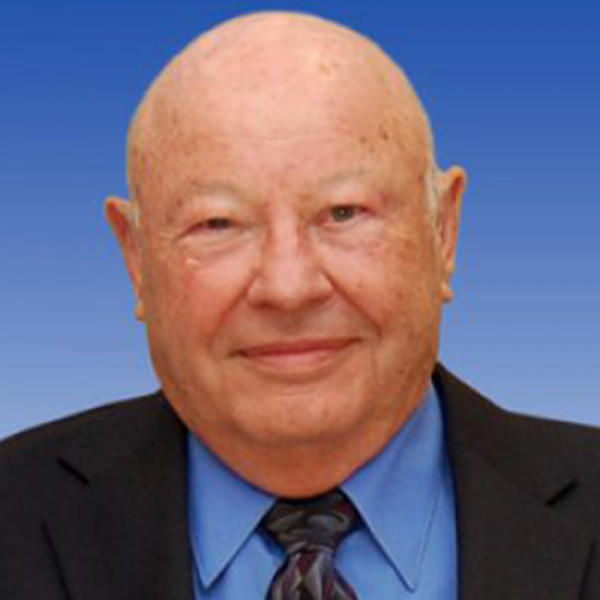 George J. Brewer合作论文数Department of Human Genetics, Medical School, University of Michigan;Department of Internal Medicine, Medical School, University of Michigan9
 Anna Członkowska合作论文数8
 Karl Heinz Weiss合作论文数Salem Medical Center8M Schilsky合作论文数6
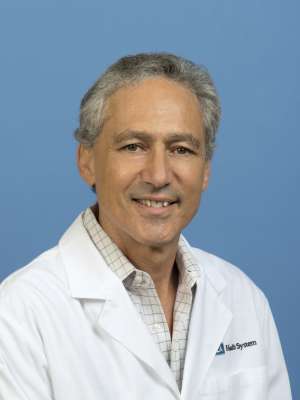 Jeff M. Bronstein合作论文数Brain Research Institute, University of California, Los Angeles6
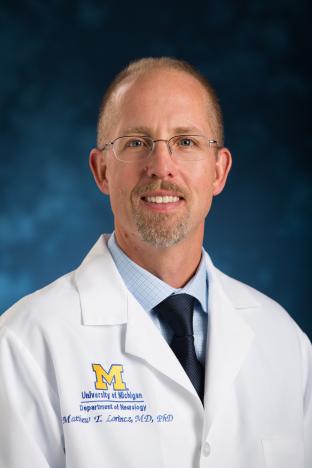 Matthew Lorincz合作论文数Department of Neurology, Medical School, University of Michigan;Sports Neurology Clinic6
 John Fink合作论文数Department of Neurology, Medical School, University of Michigan-Ann Arbor6
 Peter Ferenci合作论文数University of Vienna6Robert Dick合作论文数6Martha Carlson合作论文数5
 Aftab Ala合作论文数5Kluin K J合作论文数5
 Peter Hedera合作论文数Department of Neurology, Vanderbilt University5Julia Sitterly合作论文数5
 Valentina Medici合作论文数Davis School of Medicine, UC5
 David J Nicholl合作论文数Department of Neurology, City Hospital5
 Danny Bega合作论文数The Ken & Ruth Davee Department of Neurology, Feinberg School of Medicine, Northwestern University4Sandahl Thomas Damgaard合作论文数4Roberta Tankanow合作论文数3
 Anna Lok (駱淑芳)合作论文数Department of Internal Medicine, Medical School, University of Michigan3
 Robert John Fontana合作论文数Department of Internal Medicine, University of Michigan Medical School3
 Jorge Marrero合作论文数UT Southwestern Medical Center3Paolo Moretti合作论文数3Sonia Valero合作论文数2
 Hari Sree Conjeevaram合作论文数Division of Gastroenterology and Hepatology, Department of Internal Medicine, Medical School, University of Michigan-Ann Arbor2
 Amit Singal合作论文数Division of Digestive & Liver Diseases, Department of Internal Medicine, UT Southwestern Medical Center;Division of Digestive and Liver Diseases, University of Texas Southwestern;Parkland Health2
 D'Antiga Lorenzo合作论文数Hosp Papa Giovanni XXIII, Paediat Hepatol Gastroenterol & Transplantat2
 Grace Li-Chun Su合作论文数Department of Medicine, University of Michigan2
 William Lee合作论文数Division of Digestive and Liver Diseases, Department of Internal Medicine, University of Texas Southwestern Medical Center2
 Regino gonzalez-peralta合作论文数2
 Ulrich M. Lauer合作论文数Das Klinikum, Universität Tübingen;Gene and RNA Therapy Center, The University Hospital, University of Tübingen2Bernard Bénichou合作论文数2Jean-Philippe Combal合作论文数2Sherry Fu合作论文数2Edward D. Harris合作论文数1Anna Czlonkowska合作论文数1
 Joel K. Greenson合作论文数Department of Pathology, Medical School, University of Michigan1
 Praveen Dayalu合作论文数Department of Neurology, Medical School, University of Michigan1
 James F Burke合作论文数Department of Neurology, The Ohio State University;Addiction Research Center, University of Michigan;Department of Neurology, University of Michigan1
 William D Chey合作论文数Division of Gastroenterology & Hepatology, University of Michigan Medicine;University of Michigan1
 Bin Nan合作论文数Department of Biostatistics, School of Public Health, University of Michigan-Ann Arbor1
 Michael Schilsky合作论文数Digestive Diseases, Internal Medicine, Yale School of Medicine, Yale University1Hou Guoqing合作论文数Department of Pediatrics.1
 Volk Michael L合作论文数Division of Gastroenterology and Transplantation Institute, Loma Linda University1W. Wright合作论文数1P. Moretti合作论文数1




