The study aims at investigating the implications related to the introduction, in the Italian clinical practice, of glycated albumin (GA), as innovative glycemic control marker, for patients with type 2 diabetes assuming oral antiglycemic treatment (insulin-naïve), in addition to the traditional monitoring instruments (HbA1c/fasting plasma glucose). A Health Technology Assessment was conducted, considering the Italian NHS perspective. Data were gathered using specific questionnaires (completed by 14 Italian professionals) and systematically searching medical literature, for the assessment of EUnetHTA dimensions. Literature review stated that the introduction of GA could: i) reflect shorter-term control of plasma glucose level, being helpful in patients with hemoglobinopathy; ii) be a predictor of the relative risk in the development of diabetes complications; iii) increase the number of patient achieving therapeutic success after 3 months of therapy (97.0% vs 71.6%). The perceptions of the professionals (considering a 7-item Likert scale, ranging from -3 to +3) crystallized literature evidence, declaring a better safety (0.11 vs 0.65) and effectiveness (0.53 vs 1.80) profile, in adding GA to the traditional instruments. From an economic point of view, GA introduction would lead to fewer patients requiring a therapy switch (-89.44%), with an economic advantage of -1.06% (12 months). The cost-effectiveness analysis demonstrated that the innovative pathway would be the preferable technology (CEV: 225.53 vs 237.74). Low-level perceptions resulted with regard to equity aspects (0.13 vs 0.72), due to GA limited accessibility, whereas it would improve both patients (1.33 vs 2.17) and caregivers (0.83 vs 1.50) quality of life. While GA, in the short time, requires training courses and equipment update, in the long run, there would contain the above drawbacks, showing GA organizational benefits (0.01 vs 0.30). The study showed the strategic relevance of GA, in the improvement of diabetic patient clinical pathway, freeing-up NHS resources.
OBJECTIVE: Alternative sites to the liver for islet transplantation have been studied for a long time. Intramuscular islet transplantation appears to be an alternative site to the liver because of the ease of access. First islet autotransplantations were reported in patients after total pancreatectomies. The transplanted islets showed a proper revascularization and their function was observed for up to 2 years after the implant. However, only a few cases of autotransplantation and no allotransplantation have been performed. The aim of this study was to verify the feasibility of islet allotransplantation into muscles. PATIENTS AND METHODS: In four patients affected by type 1 diabetes mellitus in which liver islet allotransplantation was contraindicated, human islets were transplanted into patients' arm muscle with local anesthesia. RESULTS: The surgery was minimally invasive, without complications. In one patient a moderate local inflammatory reaction was observed at the site of the implant, which resolved spontaneously within 4 days. Islet graft function was observed after transplantation in all patients, but it progressively disappeared in 3 out 4 patients within a short time. CONCLUSIONS: In this first ever-reported intramuscular pancreatic islet allotransplantation, the procedure appears feasible but new strategies must be envisaged to significantly improve islet engraftment and the long-term graft function.
Subcutaneous insulin absorption is one of the key factors affecting glycemic control in patients with diabetes mellitus under insulin therapy. Insulin-induced subcutaneous lipohypertrophy has been reported to impair insulin regular absorption and hence glycemic control. So far, lipohypertrophy diagnosis has only been clinical. This study aims at evaluating the possible role of ultrasound scan in the assessment of subcutaneous lipohypertrophy in patients affected by type 1 diabetes mellitus.
Glutamate is the major excitatory neurotransmitter of the central nervous system (CNS) and may induce cytotoxicity through persistent activation of glutamate receptors and oxidative stress. Its extracellular concentration is maintained under physiological concentrations by high affinity glutamate transporters of the SoLute Carrier 1 family (SLC1). Glutamate is also present in islet of Langerhans, where it is secreted by the alpha-cells together with glucagon and acts as signalling molecule to modulate hormone secretion. Nevertheless, our knowledge regarding the effects of glutamate on islet cells' physiology is still incomplete. The aim of this work was to investigate whether glutamate also affect islet cells viability and hormone secretion.
Transglutaminase 2 (TG2 or TGM2) is a multi-functional enzyme which catalyzes transamidation reactions or acts as a G-protein in intracellular signalling. Tgm2-/- Mice lacking TG2 activity are glucose intolerant and show impairment of insulin secretion, suggesting an important physiological role for TG2 in the pancreatic beta cell. We have previously described a TGM2 heterozygous missense mutation ((c.998A>G, p.N333S) in a 14 year-old patient with insulin-treated diabetes and in his diabetic father. The aim of this study was to further investigate the role of TG2 in early-onset type 2 diabetes. We analysed the TGM2 gene in 205 patients with clinically defined Maturity Onset Diabetes of the Young (MODY) or early-onset type 2 diabetes. We found two novel heterozygous mutations (c.989T>G, p.M330R; c.992T>A, p.I331N), which were not detected in 300 normoglycemic controls. All mutations were in residues which are located close to the catalytic site and impaired transamidating activity in vitro. Gene expression of TGM family genes and localization of TG2 in normal human pancreas indicated that TG2 is the only transglutaminase significantly expressed in human pancreatic islet cells. We conclude that reduced TG2 activity can contribute to disorders of glucose metabolism possibly via an impairment of insulin secretion.
A portion of transplanted islets is lost during engraftment as a result of stressful events, involving hypoxia and production of proinflammatory molecules by islets. Two of these molecules (monocyte chemoattractant protein-1, CCL2/MCP-1 and tissue factor, TF) are directly correlated with reduced graft function. We evaluated which factors reduce islet proinflammatory conditions. In particular the effects of different culture media supplemented with proteins or antioxidant agents on CCL2/MCP-1 and TF human islet release were evaluated. We observed that human islets after culture in final wash culture medium (FW) significantly decreased CCL2/MCP-1 release and TF production compared with CMRL and M199. These effects were independent from the type of protein added to the media (human serum, human albumin, fetal calf serum). Glutathione in FW further decreased CCL2/MCP-1 in a dose-dependent manner. Culture conditions can modulate the proinflammatory state of islets, and could be used in clinical islet transplantation to reduce inflammation during engraftment.
The immunosuppressive activity of rapamycin (RAPA) and its efficacy as an anti-rejection agent in organ transplantation have been ascribed principally to its anti-proliferative effects on T cells, while the activity on monocytes is partially unknown. In vitro, RAPA reduced monocyte survival by inducing a caspase-independent cell death. RAPA-induced monocyte cell death (RAPA-CD) was impeded by activation of granulocyte macrophage-colony stimulating factor family receptors or toll-like receptor 4, and by exposure to inflammatory cytokines. In vivo, in patients who received RAPA monotherapy as part of pre-conditioning for islet transplantation, RAPA affected survival of myeloid lineage cells. In the peripheral blood, CD33(+) and CD14(+) cells decreased, whereas lymphocytes appeared unaffected. In the bone marrow, myeloid precursors such as CD15(+) and CD15(+)/CD16(+) were selectively and significantly decreased, but no major cytotoxic effects were observed. The RAPA-CD suggests a dependence of monocytes on mammalian target of RAPA pathways for nutrient usage, and this feature implies that RAPA could be selectively useful as a treatment to reduce monocytes or myeloid cells in conditions where these cells negatively affect patient, suggesting a potential anti-inflammatory action of this drug.
 Carlo Socci合作论文数54G Pozza合作论文数50Paola Maffi合作论文数48Antonio Secchi合作论文数47Emma Di Carlo合作论文数Department of Medicine and Sciences of Aging, G. d’Annunzio University of Chieti-Pescara, Via L. Polacchi 11, 66100, Chieti Italy39Alberto M. Davalli合作论文数Department of Internal Medicine, San Raffaele Scientific Institute33Rita Nano合作论文数24
 Franco Folli合作论文数Dipartimento di Scienze della Salute, Universita’ degli Studi di Milano;Department of Medicine, Health Science Center at San Antonio, University of Texas;Departamento de Clinica Medica, Obesity Comorbidities Research Center, University of Campinas24V Dicarlo合作论文数19
 Lorenzo Piemonti合作论文数18Antonio E Pontiroli合作论文数18Mv Taglietti合作论文数14Luca Falqui合作论文数14Paolo Fiorina合作论文数13
 Carla Perego合作论文数University of Ztirich;Insitute of Physiology;Insitute of Physiology, University of Ztirich13
 Luca Antonio Aldrighetti合作论文数12Paola Magistretti合作论文数12
 Cesare Berra合作论文数IRCCS MultiMedica11massimo freschi合作论文数10E. S. Di Cairano合作论文数10
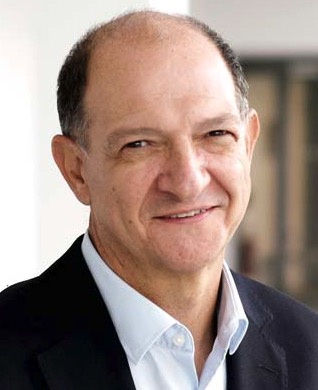 Ezio Bonifacio合作论文数Center for Regenerative Therapies Dresden, Technische Universität Dresden;Faculty of Medicine, Technische Universität Dresden;Dresden Genome Center Next Generation Sequencing Competence Center10F De Taddeo合作论文数9Gavazzi Francesca合作论文数9
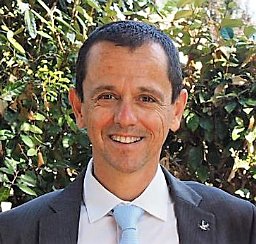 Angelo Davalli合作论文数INAIL Prosthesis Centre9
 Simona Braghi合作论文数8
 Simona Marzorati合作论文数8A. Del Maschio合作论文数8S. Moretti合作论文数7
 Camillo Ricordi合作论文数Division of Cellular Transplantation, DeWitt Daughtry Family Department of Surgery, Miller School of Medicine, University of Miami7Raffaella Melzi合作论文数7Lucia Perego合作论文数7Barbara Antonioli合作论文数7
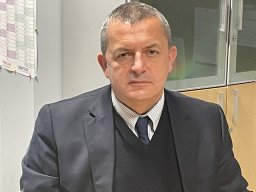 Massimo Venturini合作论文数SIMG Area Farmaco;Sezione di Pistoia;SIMG Area Farmaco|Sezione di Pistoia7Massimo Federici合作论文数Department of Systems Medicine, University of Rome Tor Vergata6
 Giovanna Finzi合作论文数Department of Electronics for Automation, University of Brescia6
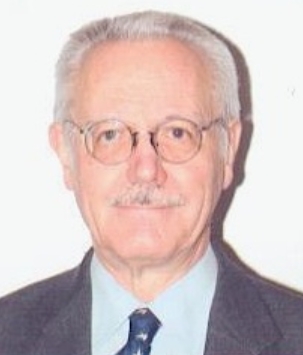 Carlo Capella合作论文数Department of Surgical and Morphological Sciences, University of Insubria6E Regalia合作论文数5S La Rosa合作论文数5Carlo Fedeli合作论文数5E Bosi合作论文数5E Angeli合作论文数Department of Radiology, Humanitas Gavazzeni5
 Giorgio Sesti合作论文数Dipartimento Di Medicina Clinica E Molecolare, Università degli Studi Sapienza di Roma5
 Andrea Vignali合作论文数5C Gremizzi合作论文数5O Zammarchi合作论文数4R Lauro合作论文数4
 Pasquale de nittis合作论文数4
 Giorgio Ferrari合作论文数Polytechnic University of Milan,Department of Electronics, Information and Bioengineering4Gianpaolo Zerbini合作论文数4




