BACKGROUND AND PURPOSE: Rescue therapies are increasingly used in the setting of endovascular therapy for large-vessel occlusion strokes. Among these, cangrelor, a new P2Y12 inhibitor, offers promising pharmacologic properties to join the reperfusion strategies in acute stroke. We assessed the safety and efficacy profiles of cangrelor combined with endovascular therapy in patients with large-vessel-occlusion stroke. MATERIALS AND METHODS: We performed a retrospective patient data analysis in the ongoing prospective multicenter observational Endovascular Treatment in Ischemic Stroke Registry in France from July 2018 to December 2020 and conducted a systematic review and meta-analysis using several data bases. Indications for cangrelor administration were rescue strategy in case of refractory intracranial occlusion with or without intracranial rescue stent placement, and cervical carotid artery stent placement in case of cervical occlusion (tandem occlusion or isolated cervical carotid occlusion). RESULTS: In the clinical registry, 44 patients were included (median initial NIHSS score, 12; prior intravenous thrombolysis, 29.5%). Intracranial stent placement was performed in 54.5% (n = 24/44), and cervical stent placement, in 27.3% (n = 12/44). Adjunctive aspirin and heparin were administered in 75% (n = 33/44) and 40.9% (n = 18/44), respectively. Rates of symptomatic intracerebral hemorrhage, parenchymal hematoma, and 90-day mortality were 9.5% (n = 4/42), 9.5% (n = 4/42), and 24.4% (n = 10/41). Favorable outcome (90-day mRS, 0–2) was reached in 51.2% (n = 21/41), and successful reperfusion, in 90.9% (n = 40/44). The literature search identified 6 studies involving a total of 171 subjects. In the meta-analysis, including our series data, symptomatic intracerebral hemorrhage occurred in 8.6% of patients (95% CI, 5.0%–14.3%) and favorable outcome was reached in 47.6% of patients (95% CI, 27.4%–68.7%). The 90-day mortality rate was 22.6% (95% CI, 13.6%–35.2%). Day 1 artery patency was observed in 89.7% (95% CI, 81.4%–94.6%). CONCLUSIONS: Cangrelor offers promising safety and efficacy profiles, especially considering the complex endovascular reperfusion procedures in which it is usually applied. Further large prospective data are required to confirm these findings.
Les inhibiteurs de checkpoint ont montré leur efficacité dans le traitement de divers cancers tels que le mélanome, le cancer pulmonaire à petites cellules, le carcinome rénal, etc. Par leur capacité à modifier l’homéostasie immunitaire, de nombreux effets secondaires auto-immuns y sont associés. Tous les types d’atteintes du système nerveux périphérique ou central ont été décrits et notamment de la jonction neuromusculaire. Nous rapportons ici un cas de myasthénie associée à une myosite sous nivolumab. Les myasthénies sous inhibiteurs de checkpoint apparaissent précocement à l’initiation du traitement (1–3 doses). L’atteinte n’est guère différente d’une myasthénie généralisée classique et comporte une fatigabilité intéressant préférentiellement les muscles axiaux, oculomoteurs, bulbaires et/ou respiratoires. Des anticorps anti-récepteurs de l’acétylcholine sont retrouvés dans la majorité des cas. Une association avec une myosite et/ou une myocardite est fréquente et doit être recherchée. Le traitement associe l’arrêt de l’immunothérapie, des anti-cholinestérasiques seuls, mais dont la réponse variable fait fréquemment recourir à une corticothérapie et parfois associée à un traitement par immunoglobulines intraveineuses ou plasmaphérèses ou autre immunosuppresseur. Le taux de mortalité reste élevé.
Le diagnostic étiologique des encéphalites chez les voyageurs est compliqué, particulièrement quand ils reviennent de zones où certains vecteurs, animaux réservoirs et pathogènes sont endémiques. Cependant, ces patients peuvent tout aussi bien être exposés à des pathogènes usuels de leur pays de résidence habituel, ou avoir été infectés avant leur voyage. Des données solides sont nécessaires pour prioriser les investigations étiologiques de première intention, chez des voyageurs de retour en France et présentant une encéphalite présumée infectieuse. Nous décrivons les patients de retour de voyage inclus dans la cohorte ENCEIF, cohorte prospective multicentrique des encéphalites prises en charge en France de 2016 à 2019. Les patients ont été inclus de façon prospective selon la définition de l'International Encephalitis Consortium (2013). Les informations démographiques, cliniques et diagnostiques ont été recueillies de façon standardisée, ainsi que les étiologies identifiées, les destinations de voyage et les expositions à risque. Les voyageurs étaient définis par un séjour hors de France dans les 6 mois précédant l'encéphalite, ou qui étaient résidents d'un autre pays mais pris en charge lors d'un séjour en France. Au 16 octobre 2019, 69/476 (15 %) des patients inclus dans la cohorte correspondaient à cette définition de voyageurs. Ils avaient visité, ou résidaient en Europe (n = 34), Afrique (n = 20), Asie (n = 5), Moyen-Orient (n = 4), Amérique du Nord (n = 4), Amérique du Sud (n = 1), et Pacifique Sud (n = 1) ; 18/69 (26 %) avaient séjourné en zone tropicale. Les étiologies des encéphalites des voyageurs étaient principalement attribuées à HSV (13 %), tuberculose (9 %), mais 13 (19 %) présentaient une arbovirose (West Nile, Encéphalite Japonaise, Tick-borne Encephalitis, Chikungunya, Toscana et Zika). Les arbovirus concernaient 20 % des encéphalites au décours d'un séjour en Europe. À leur sortie d'hôpital, 66 % avaient des séquelles mineures ou pas de séquelles, selon l'évaluation par le Glasgow Outcome Scale. Aucun décès n'a été rapporté. Quatre patients ont rapporté avoir été mordus par un carnivore au cours de leur séjour mais aucun n'a présenté de rage ou autre infection zoonotique. Dans notre cohorte, les arboviroses représentent la première cause d'encéphalite chez les voyageurs (13 %), devant HSV (13 %) et la tuberculose (9 %). Le diagnostic d'arbovirose devrait être évoqué et recherché en première ligne chez les voyageurs, y compris au retour d'Europe. Cependant les étiologies usuelles ne doivent pas être oubliées. Dans notre cohorte, peu de patients ont été exposés à des animaux pendant leur voyage, ce qui ne permet pas d'évaluer la pertinence de ce potentiel facteur de risque.
Background and Purpose— Acute stroke patients with a large ischemic core may still benefit from mechanical thrombectomy (MT), but the predictors of clinical outcome are not well known after MT. We investigated the clinical and imaging factors associated with good outcome and mortality at 90 days in acute stroke patients with a large baseline ischemic core treated with MT. Methods— Data from the multicentric prospective ETIS (Endovascular Treatment in Ischemic Stroke) registry of consecutive acute ischemic stroke patients treated with MT from January 1, 2012, to August 31, 2016, were retrospectively analyzed. Baseline large ischemic core was defined as diffusion-weighted imaging (DWI)–Alberta Stroke Program Early CT Score of ⩽5. The degree of disability was assessed by the modified Rankin Scale at 90 days. Outcomes included good outcome (modified Rankin Scale score of ⩽2), and mortality (modified Rankin Scale score of 6). Results— Among 216 patients with DWI-Alberta Stroke Program Early CT Score of ⩽5 (median DWI volume 77 mL, interquartile range 52–120 mL) treated with MT, good outcome was achieved in 55 (25.4%) patients and 75 (34.7%) died at 90 days. Hemorrhagic transformation was detected in 40 (18.5%) patients within 24 hours post-MT. Older age (adjusted odds ratio [OR] for every 10 years, 0.62; 95% CI, 0.48–0.80; P<0.001) and increased DWI lesional volume (adjusted OR, 0.98; 95% CI, 0.97–0.99; P<0.001) were associated with a lower chance of achieving a good outcome, while successful recanalization (modified Thrombolysis in Cerebral Infarction [mTICI] grades of ⩽2b) predicted good outcome (adjusted OR, 4.56; 95% CI, 1.79–11.62; P=0.001). Successful recanalization (OR, 0.46; 95% CI, 0.22–0.97; P=0.042), increased DWI lesional volume (OR, 1.02; 95% CI, 1.01–1.03; P<0.001), age (OR for every 10 years, 1.72; 95% CI, 1.31–2.26; P<0.001), and diabetes mellitus (OR, 3.23; 95% CI, 1.34–7.8; P=0.009) were independent predictors of 90-day mortality. Conclusions— Successful recanalization and baseline DWI lesional volume are the strongest predictors of outcome in stroke patients with a large ischemic core.
Background and purposePatients with a history of brain radiotherapy can experience acute stroke‐like syndromes related to the delayed effects of brain radiation, including stroke‐like migraine attacks after radiation therapy syndrome, peri‐ictal pseudoprogression and acute late‐onset encephalopathy after radiation therapy syndrome. The aim of this study was to collect evidence on the long‐term outcome and treatment of these conditions, whose knowledge is undermined by their rarity and fragmented description.MethodsCases were collected, both prospectively and retrospectively, amongst six neuro‐oncology departments. Inclusion criteria were as follows: (i) history of brain radiotherapy (completed at least 6 months before the acute episode); (ii) new onset of acute/subacute neurological symptoms; (iii) exclusion of all etiologies unrelated to brain irradiation. A review of current literature on stroke‐like syndromes was performed to corroborate our findings.ResultsThirty‐two patients with acute neurological conditions attributed to the delayed effects of radiation were identified, including 26 patients with stroke‐like syndromes. Patients with stroke‐like syndromes commonly presented with a mosaic of symptoms, including focal deficits (77%), encephalopathy (50%), seizures (35%) and headache (35%). Seventy‐three percent of them had acute consistent magnetic resonance imaging alterations. Treatment included high‐dose steroids in 65% of cases. Twenty‐two patients recovered completely (85%). Sixteen patients (62%) experienced relapses (median follow‐up 3.5 years). A literature review identified 87 additional stroke‐like cases with similar characteristics.ConclusionsStroke‐like events related to brain irradiation may be associated with permanent sequelae. Steroids are often administered on empirical grounds, as they are thought to accelerate recovery. Relapses are common, highlighting the need to elaborate adequate prevention strategies.
Introduction. - Urinary catheterization and acute urinary retention increase the risk of urinary tract infection (UTI). Our study aimed to investigate the incidence of UTI following acute stroke at our stroke center (SC) and to assess urinary catheter-care practices among French SCs. Methods. - Stroke patients hospitalized within 24 h of stroke onset were prospectively enrolled between May and September 2013. Neurological deficit level was assessed on admission using the US National Institutes of Health Stroke Scale (NIHSS). Patients were followed-up until discharge. Indwelling urinary catheterization (IUC) was the only technique authorized during the study. An electronic survey was also conducted among French SCs to assess their practices regarding urinary catheterization in acute stroke patients. Results. - A total of 212 patients were included, with 45 (21.2%) receiving indwelling urinary catheters. The overall estimated incidence of UTI was 14.2%, and 18% among patients receiving IUC. On univariate analysis, IUC was significantly associated with older age, longer hospital stays and higher NIHSS scores. Of the 30 SCs that responded to our survey, 19 (63.3%) declared using IUC when urinary catheterization was needed. The main argument given to justify its use was that it was departmental policy to adopt this technique. Also, 27 participants (90%) stated that conducting a study to assess the impact of urinary catheterization techniques on UTI rates in acute stroke patients would be relevant. Discussion. - Our results are in accord with previously reported data and confirm the high burden of UTI among acute stroke subjects. However, no association was found between IUC and UTI on univariate analysis due to a lack of statistical power. Also, our survey showed high heterogeneity in catheter-use practices among French SCs, but offered no data to help determine the best urinary catheterization technique. Conclusion. - Urinary catheterization is common after acute stroke and a well-known risk factor of UTI. However, as high heterogeneity in catheter-use practices is found among French SCs, randomized studies comparing the efficacy of urinary catheterization techniques in terms of UTI prevention in acute stroke patients are now warranted. (C) 2018 Elsevier Masson SAS. All rights reserved.
La myélite transverse aiguë est une inflammation de la moelle épinière qui reconnaît des causes infectieuses, auto-immunes, vasculaires, métaboliques, toxiques ou paranéoplasiques. Parmi les causes auto-immunes on distingue les maladies démyélinisantes du système nerveux central (SNC), comme la neuromyelite optique (NMO), et les maladies auto-immunes systémiques, comme le lupus érythémateux systémique (LES) et le syndrome de Sjögren. Nous présentons un cas de neuromyélite optique associée à un LES. Patiente de 49 ans qui consulte pour sensation de faiblesse et engourdissement des membres inférieurs avec trouble de la marche, vomissements itératifs et hoquet depuis une semaine. Épisode fébrile trois semaines avant. L’examen clinique révèle une tétraparésie spastique prédominante à droite avec un syndrome pyramidal, un niveau lésionnel C6–C7, une hypoesthésie au membre inférieur droit. Pas de trouble sphinctérien ni visuel. L’IRM médullaire montre une myélite étendue de C3–C4 à C6–C7 d’allure inflammatoire. À l’IRM cérébrale : atteinte de l’area postrema, hypersignaux FLAIR non spécifiques. Le bilan biologique montre une lymphopénie avec anémie et thrombopénie modérées, FAN très positifs, anticorps anti-Ribosome P positifs, anti-DNA négatif, un C3 consommé et un test de Coombs positif sans stigmate d’hémolyse. L’étude du liquide céphalo-rachidien montre une hyperprotéinorachie à 0,57 g/L, 3 éléments/mm3 et l’absence de BOC. Sur le plan étiologique, le bilan infectieux est revenu négatif : sérologies HSV 1-2, VZV, HTLV 1-2, EBV, CMV, VIH, VHB, VHC et PCR HSV 1, HSV 2, HTLV1, HHV6 dans l’LCR. Pas de signe biologique ou radiologique de sarcoïdose ; marqueurs tumoraux négatifs et scanner TAP normal. Cuprémie, vitamine B12, folates et homocystéinémie normales. Le dosage des anticorps anti-aquaporine-4 (anti-AQP4) est revenu positif dans le sang. Compte tenu de l’extension de la myélite transverse, l’absence de BOC dans le LCR et la positivité des anticorps anti-AQP4 dans le sang, on pose le diagnostic de neuromyélite optique (sans atteinte ophtalmique) dans un contexte de LES. Un traitement par bolus de méthylprédnisolone est débuté en urgence avec amélioration clinique rapide, sans nécessité d’échange plasmatique. Devant la présence d’une maladie lupique associée, introduction d’un traitement immunosuppresseur par bolus de cyclophosphamide et poursuite du traitement corticoïde à 1 mg/kg/j per os avec décroissance progressive. L’évolution est marquée par une amélioration du déficit moteur et de la marche mais persistance d’une ataxie proprioceptive. La NMO est une maladie inflammatoire démyélinisante rare du SNC qui se caractérise par l’association d’une névrite optique et d’une myélite transverse aiguë. Sa physiopathologie est liée à la production d’autoanticorps dirigés contre l’aquaporine-4, qui représentent un biomarqueur spécifique de la maladie. La NMO peut s’associer à une autre pathologie auto-immune ; certaines maladies systémiques comme le LES ou le syndrome de Sjögren peuvent se manifester par un épisode de myélite aiguë. Jusqu’à présent, la présence d’une myélite transverse aiguë chez un patient avec une maladie auto-immune systémique a été considérée comme une manifestation neurologique de la maladie auto-immune sous-jacente. Les résultats de plusieurs études montrent que la positivité des anticorps anti-AQP4 est spécifique de la NMO aussi chez les patients ayant une maladie auto-immune systémique. La spécificité des anticorps anti-AQP4 permet donc de faire la distinction entre les patients ayant une NMO coexistante à la maladie systémique et les patients présentant une manifestation neurologique directement liée à la maladie auto-immune systémique. La présence d’anticorps anti-AQP4 est associée à un mauvais pronostic et à un risque élevé de récidive. À ce jour, il n’existe pas d’étude randomisée permettant de déterminer la meilleure attitude thérapeutique chez les patients avec NMO dans un contexte de maladie auto-immune associée. Toutefois, le pronostic péjoratif de la NMO suggère la nécessité de choisir une stratégie thérapeutique agressive. Chez les patients présentant une maladie auto-immune systémique la positivité des anticorps anti-AQP4 permet de différentier les poussées d’NMO des autres manifestations neurologiques liées à la maladie sous-jacente. Le pronostic péjoratif de la NMO impose un traitement immunosuppresseur agressif pour contrôler l’activité de la maladie et prévenir les récidives.
Les paranodopathies sont caractérisées par le dysfonctionnement des régions paranodales (adjacentes aux nœuds de Ranvier) sur les fibres myélinisées. Elles peuvent concerner le système nerveux central et/ou périphérique. La paranodopathie à anticorps anti-neurofascine (NF) 155 s’exprime typiquement par une polyradiculoneuropathie inflammatoire démyélinisante chronique (PIDC) à prédominance distale, particulièrement ataxiante et parfois associée à un tremblement postural. Des signes évocateurs d’une atteinte centrale peuvent également être rapportés. Le diagnostic est soutenu par l’existence d’une hyperprotéinorachie marquée, une atteinte démyélinisante sévère à l’électroneuromyogramme (ENMG), d’éventuelles anomalies sur les IRM cérébrale et rachidienne et surtout par la présence dans le sérum d’anticorps anti-neurofascine (NF) 155 de sous-type IgG4. Les immunoglobulines intraveineuses et échanges plasmatiques peuvent être transitoirement efficaces. En cas de résistance à ces thérapeutiques, une réponse peut être obtenue sous rituximab. Nous rapportons le cas d’un homme de 52 ans souffrant d’une PIDC secondairement associée à une dysarthrie pseudo-bulbaire et un syndrome dysexécutif en rapport avec une paranodopathie à anticorps anti-NF155, et décrivons les principales caractéristiques de cette entité.
La paraparésie spastique tropicale ou myélopathie associée au virus HTLV-1 (TSP-HAM) est une pathologie associée à l’infection par le virus HTLV-1. Elle fait partie du spectre neurologique des manifestations présumées dysimmunitaires associées à l’infection par ce virus. Elle se traduit par une paraparésie lentement progressive, des troubles vésico-sphinctériens, des signes sensitifs inconstants. L’aspect IRM est fréquemment celui d’une atrophie médullaire dorsale, tandis qu’à l’étage encéphalique des hypersignaux sus-tentoriels aspécifiques ont été souvent décrits. Nous rapportons le cas d’une patiente de 39 ans présentant une paraparésie spastique progressive associée à une leuco-encéphalopathie extensive dans le cadre d’une TSP/HAM, confirmée par la positivité des PCR HTLV-1 dans le sang et le LCS. Les aspects diagnostiques, radiologiques et thérapeutiques de cette pathologie seront décrits.
Background Cognitive decline is a debilitating manifestation of disease progression in Parkinson's disease. We aimed to develop a clinical–genetic score to predict global cognitive impairment in patients with the disease. Methods In this longitudinal analysis, we built a prediction algorithm for global cognitive impairment (defined as Mini Mental State Examination [MMSE] ≤25) using data from nine cohorts of patients with Parkinson's disease from North America and Europe assessed between 1986 and 2016. Candidate predictors of cognitive decline were selected through a backward eliminated Cox's proportional hazards analysis using the Akaike's information criterion. These were used to compute the multivariable predictor on the basis of data from six cohorts included in a discovery population. Independent replication was attained in patients from a further three independent longitudinal cohorts. The predictive score was rebuilt and retested in 10 000 training and test sets randomly generated from the entire study population. Findings 3200 patients with Parkinson's disease who were longitudinally assessed with 27 022 study visits between 1986 and 2016 in nine cohorts from North America and Europe were assessed for eligibility. 235 patients with MMSE ≤25 at baseline and 135 whose first study visit occurred more than 12 years from disease onset were excluded. The discovery population comprised 1350 patients (after further exclusion of 334 with missing covariates) from six longitudinal cohorts with 5165 longitudinal visits over 12·8 years (median 2·8, IQR 1·6–4·6). Age at onset, baseline MMSE, years of education, motor exam score, sex, depression, and β-glucocerebrosidase (GBA) mutation status were included in the prediction model. The replication population comprised 1132 patients (further excluding 14 patients with missing covariates) from three longitudinal cohorts with 19 127 follow-up visits over 8·6 years (median 6·5, IQR 4·1–7·2). The cognitive risk score predicted cognitive impairment within 10 years of disease onset with an area under the curve (AUC) of more than 0·85 in both the discovery (95% CI 0·82–0·90) and replication (95% CI 0·78–0·91) populations. Patients scoring in the highest quartile for cognitive risk score had an increased hazard for global cognitive impairment compared with those in the lowest quartile (hazard ratio 18·4 [95% CI 9·4–36·1]). Dementia or disabling cognitive impairment was predicted with an AUC of 0·88 (95% CI 0·79–0·94) and a negative predictive value of 0·92 (95% 0·88–0·95) at the predefined cutoff of 0·196. Performance was stable in 10 000 randomly resampled subsets. Interpretation Our predictive algorithm provides a potential test for future cognitive health or impairment in patients with Parkinson's disease. This model could improve trials of cognitive interventions and inform on prognosis. Funding National Institutes of Health, US Department of Defense.
La leucoencéphalopathie multifocale progressive (LEMP) est une maladie opportuniste à la mortalité élevée. Elle est due à une infection du système nerveux central par le virus JC en cas de lymphopénie. Il n’existe pas de médicament spécifique ayant fait la preuve de son efficacité, mais plusieurs traitements sont actuellement à l’étude. Nous rapportons le cas d’une patiente en post-autogreffe pour maladie de Hodgkin, dont la LEMP s’est révélé initialement par une lésion thalamique isolée. Un protocole de traitement par interleukine-7 (CYT107) a été débuté quatre mois après le début des symptômes. L’évolution clinique et radiologique a été favorable, ce qui confirme la piste thérapeutique intéressante de l’interleukine-7 dans cette maladie. De précédents cas de LEMP traités par interleukine-7 ont été rapportés dans la littérature et sont exposés.
BACKGROUND AND PURPOSE:The impact of intravenous recombinant tissue plasminogen activator (IV-rtPA) in patients with acute ischaemic stroke (AIS) but no arterial occlusion is currently a matter of debate. This study aimed to assess functional outcome of such patients with respect to IV-rtPA use.METHODS:A retrospective case-control analysis was performed comparing the outcome of AIS patients without arterial occlusion with or without IV-rtPA use. Patients were selected from prospective consecutive observational registries of five European university hospitals. The primary study outcome was excellent outcome at 3 months after stroke, as defined by a modified Rankin Scale (mRS) 0-1.RESULTS:A total of 488 patients without arterial occlusion documented by angiography were included in the present study; 300 received IV-rtPA and 188 did not. No between-group difference was found for excellent outcome before and after adjustment for baseline characteristics (adjusted odds ratio for no IV-rtPA use 0.79, 95% confidence interval 0.51-1.24, P = 0.31). Similar results were found for favourable outcome (defined as a 90-day mRS of 0-2) whereas a higher rate of early neurological improvement was found in IV-rtPA-treated patients (adjusted odds ratio 1.99; 95% confidence interval 1.29-3.07, P = 0.002). Sensitivity analyses yielded similar results.CONCLUSIONS:Our study suggests that AIS patients without visible arterial occlusion treated with IV-rtPA may have no better outcome at 3 months than those untreated. However, only a randomized controlled trial would provide a definitive answer about the impact of rtPA in acute stroke patients without occlusion. Until then, these patients should be treated by rtPA as recommended.
BACKGROUND AND PURPOSE: Mechanical thrombectomy with stent retrievers is now the standard therapy for selected patients with ischemic stroke. The technique of A Direct Aspiration, First Pass Technique for the Endovascular Treatment of Stroke (ADAPT) appears promising with a high rate of recanalization. We compared ADAPT versus stent retrievers (the Solitaire device) for efficacy and safety as a front-line endovascular procedure. MATERIALS AND METHODS: We analyzed 243 consecutive patients with large intracranial artery occlusions of the anterior circulation, treated within 6 hours with mechanical thrombectomy by either ADAPT or the Solitaire stent. Th primary outcome was complete recanalization (modified TICI ≥ 2b); secondary outcomes included complication rates and procedural and clinical outcomes. RESULTS: From November 2012 to June 2014, 119 patients were treated with stent retriever (Solitaire FR) and 124 by using the ADAPT with Penumbra reperfusion catheters. The median baseline NIHSS score was the same for both groups (Solitaire, 17 [interquartile range, 11–21] versus ADAPT, 17 [interquartile range, 12–21]). Time from groin puncture to recanalization (Solitaire, 50 minutes [range, 25–80 minutes] versus ADAPT, 45 minutes [range, 27–70 minutes], P = .42) did not differ significantly. However, compared with the Solitaire group, patients treated with ADAPT achieved higher final recanalization rates (82.3% versus 68.9%; adjusted relative risk, 1.18; 95% CI, 1.02–1.37; P = .022), though differences in clinical outcomes between the cohorts were not significant. Use of an adjunctive device was more frequent in the ADAPT group (45.2% versus 13.5%, P < .0001). The rate of embolization in new territories or symptomatic hemorrhage did not differ significantly between the 2 groups. CONCLUSIONS: Front-line ADAPT achieved higher recanalization rates than the Solitaire device. Further randomized controlled trials are warranted to define the best strategy for mechanical thrombectomy.
Posterior reversible encephalopathy syndrome (PRES) is a serious neurological condition encountered in various medical fields. Pathophysiological factor(s) common to PRES cases of apparently unrelated etiologies are yet to be found. Based on the hypothesis that hypomagnesemia might participate in the cascade leading to PRES, our study sought to verify whether hypomagnesemia is frequently associated with PRES regardless of etiology. From a retrospective study of a cohort of 57 patients presenting with PRES of different etiologies, presented here are the findings of 19 patients with available serum magnesium levels (SMLs) during PRES. In the acute phase of PRES, hypomagnesemia was present in all 19 patients in spite of differences in etiology (including immunosuppressive drugs, hypertensive encephalopathy, eclampsia, systemic lupus erythematosus, iatrogenic etiology and unknown). SMLs were within normal ranges prior to PRES and below normal ranges during the first 48h of PRES, with a significant decrease in SMLs during the acute phase. In this retrospective study, constant hypomagnesemia was observed during the acute phase of PRES regardless of its etiology. These results now require larger studies to assess the particular importance of acute hypomagnesemia in PRES and especially the possible need to treat PRES with magnesium sulfate.
Un homme de 45ans, séropositif pour le VIH mais en apparence non immunodéprimée, fut adressé en urgence pour un déficit neurologique focal transitoire à bascule associé à des céphalées. L’IRM encéphalique normale conduisit à l’hypothèse d’un syndrome HaNDL, confirmé par la ponction lombaire qui objectiva une méningite lymphocytaire hypoglycorachique. Le bilan infectieux mit en évidence une réplication à EBV et HHV-8 dans le LCR, dont la cytologie permis de conclure à un lymphome primitif des séreuses révélé par une infiltration exclusivement méningée.
Parkinsonism may include atypical clinical manifestations, which are warning signs for the clinicians and motivate further investigations to identify an etiology other than idiopathic Parkinson's disease. The dismemberment of pathological entities, the advances of morphological and functional imaging of the brain, and new insights into molecular biology have successively led to more precise clinical phenotype and mechanisms. Except for etiologies with specific treatment, such as Wilson's disease or Parkinsonism secondary to a lesion of basal ganglia, or the discontinuation of a culprit drug, the treatment of Parkinsonian syndrome is mainly based on a multidisciplinary approach, involving occupational therapist, physiotherapist, speech therapist, psychologist and social worker. L-Dopa may be tried but it is less effective in atypical Parkinsonian syndrome than in Parkinson's disease. Formal diagnosis, only achievable post-mortem, is not available during the lifetime of the patient. Although some additional tests provide undeniable assistance, the clinical approach remains an essential and critical step to avoid costly and unnecessary investigations.
 Vidailhet Marie合作论文数Hôpital Salpêtrière, Université Pierre Marie Curie Paris 6;Assistance Publique- Hopitaux De Paris17
 Jean Marc Trocello合作论文数14
 Bertrand Lapergue合作论文数Faculty of Medicine and Dentistry, University of Alberta11Graveleau P合作论文数8Evrard Serge合作论文数7Olivier Bletry合作论文数7Mikael Mazighi合作论文数5S. Sangla合作论文数5
 Georges Rodesch合作论文数Hôpital Foch5
 jean-pierre Decroix合作论文数5E. Apartis合作论文数5M. Tchikviladzé合作论文数4JS Vidal合作论文数4M. Tir合作论文数4Guedin Pierre合作论文数4Auliac S合作论文数4Wang Adrien合作论文数4Roze E合作论文数4
 Jean-Pierre Bleton合作论文数4
 Fernando Pico合作论文数Department of Neurology, Versailles Mignot Hospital4
 Stéphane Lehéricy合作论文数Department of Neuroradiology, Pitié-Salpêtrière Hospital, Sorbonne University;Centre for Neuroimaging Research, Institut du Cerveau et de la Moelle épinière;Centre de NeuroImagerie de Recherche, Pitié-Salpêtrière Hospital4Christine Delmaire合作论文数4
 David Grabli合作论文数4h redjem合作论文数3Sabine Meunier合作论文数3Blanchet A合作论文数3
 Oguzhan Coskun合作论文数3
 Mangone Graziella合作论文数'Sapienza' University, Tor 'Vergata' University3
 Michel Piotin合作论文数3
 Olivier Rascol合作论文数Toulouse University;Toulouse Clinical Investigation Center;Department of Clinical Pharmacology, Toulouse University Hospital3
 Alexis Brice合作论文数Institut du Cerveau, Hôpital Pitié-Salpêtrière à Paris;Institut Hospitalo-Universitaire-A-ICM à l’Hôpital Pitié-Salpêtrière à Paris3A.M. Piette合作论文数3Jeanemmanuel Kahn合作论文数3
 Raphael Blanc合作论文数Basecamp Vascular3M.C. Meyohas合作论文数3Valerie Mesnage合作论文数3
 Julien Labreuche合作论文数CHRU de Lille3
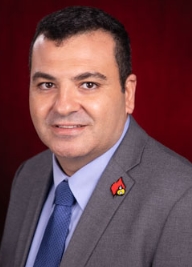 Ayman S El-Baz合作论文数Department of Bioengineering, J.B. Speed School of Engineering, University of Louisville;Department of Psychiatry & Behavioral Sciences, School of Medicine, University of Louisville3
 Pascal Derkinderen合作论文数3Stephan Klebe合作论文数Department of Neurology;Universitat Kiel;Department of Neurology, Universitat Kiel3F. Ackermann合作论文数2G Gallouedec合作论文数2F. Durif合作论文数2J. C. Corvol合作论文数2
 Alexis Elbaz合作论文数2Adrien Wang合作论文数2S. Wuttke合作论文数2J Gravisse合作论文数2Pei-Chen Lee合作论文数Dept Psychiat, Taipei City Hosp2




