The striking variety of macroscopic morphologies displayed by bacterial colonies depends on microscopic environmental and behavioural details in a manner that is currently not well understood. A surprising example is sibling inhibition, whereby isogenic bacterial colonies spreading in soft agar hydrogels tend to avoid each other and form sharp demarcation lines when growing nearby. Here we investigate this effect with the common pathogen Pseudomonas aeruginosa, by combining quantitative density measurements with a minimal biophysical model. Our results show that the phenomenon does not depend on gel compression, lethal inhibition or quorum sensing-dependent cell communication. Instead, colony separation is driven by localised nutrient depletion through a dynamic feedback between growth and motility. The model, which is calibrated using experimental data, captures key observations including the dependence of inhibition strength on the initial nutrient concentration. This work establishes nutrient availability and non-lethal motility inhibition as central factors underlying sibling inhibition, providing a generalisable framework for microbial spatial dynamics with implications for understanding bacterial interactions in tissues, soils and engineered microbiomes.
Quantum metrology and cryptography can be combined in a distributed and/or remote sensing setting, where distant end-users with limited quantum capabilities can employ quantum states, transmitted by a quantum-powerful provider via a quantum network, to perform quantum-enhanced parameter estimation in a private fashion. Previous works on the subject have been limited by restricted assumptions on the capabilities of a potential eavesdropper and the use of abort-based protocols that prevent a simple practical realization. Here we introduce, theoretically analyze, and experimentally demonstrate single- and two-way protocols for distributed sensing combining several unique and desirable features: (i) a safety-threshold mechanism that allows the protocol to proceed in low-noise cases and quantifying the potential tampering with respect to the ideal estimation procedure, effectively paving the way for wide-spread practical realizations; (ii) equivalence of entanglement-based and mutually-unbiased-bases-based formulations; (iii) robustness against collective attacks via a LOCC-de-Finetti theorem, for the first time to our knowledge. Finally, we demonstrate our protocols in a photonic-based implementation, observing that the possibility of guaranteeing a safety threshold may come at a significant price in terms of the estimation bias, potentially overestimating the effect of tampering in practical settings.
We discuss and experimentally demonstrate the role of quantum coherence in a sequence of two measurements collected at different times using weak measurements. For this purpose, we have realized a weak-sequential measurement protocol with photonic qubits, where the first measurement is carried out as a positive operator-valued measure, whereas the second one is a projective operation. We determine the quasiprobability distributions associated to this procedure using both the commensurate and the Margenau-Hill quasiprobabilities. By tuning the weak measurements, we obtain a quasidistribution that may or may not exhibit negative parts, depending on the suitability of a contextual model for describing the experiment. Our results show how quasidistributions may find application in inspecting quantum monitoring, when part of the initial quantum coherence needs to be preserved.
This study investigates the behavior of a biocompatible polyoxazoline (PO) polymer in water. POs are of interest for biological applications due to their biocompatibility and thermoresponsive behavior, making them ideal polymers for developing smart materials. This study focuses on PAmOx, a macromolecule that has recently been used to develop nanoscale tools for water remediation. However, despite the significant interest in the applications of PAmOx, its behavior in water and its thermal response remain to be thoroughly characterized. To address such a gap, we present a combined computational and experimental study of PAmOx's properties in aqueous solution. UV-Vis experimental results reveal a distinct transition temperature of 40 degrees C, which is consistent with the thermoresponsive nature of numerous POs. Above this temperature, significant macromolecular aggregation occurs. Computational results demonstrate that, while temperature has no impact on hydration at the single-chain level in water, an increase in temperature promotes aggregation by enhancing hydrophobic effects. Crucially, during aggregation, interchain hydrogen bonds replace polymer-water interactions, thereby stabilizing the aggregate by maintaining an almost constant number of hydrogen bonds per monomer.
The Gram-negative bacterium Acinetobacter baumannii is one of the most resilient multidrug-resistant pathogens in hospitals. Among Gram-negative bacteria, it is particularly resistant to dehydration (anhydrobiosis), and this feature allows A. baumannii to persist in hospital environments for long periods, subjected to unfavorable conditions. We leverage the combination of mu-Raman spectroscopy and atomic force microscopy (AFM) to investigate the anhydrobiotic mechanisms in A. baumannii cells by monitoring the membrane (both inner and outer membranes) properties of four A. baumannii strains during a 16-week dehydration period and in response to temperature excursions. We noted that the membranes of A. baumannii remained intact during the dehydration period despite undergoing a liquid-crystal-to-gel-phase transition, accompanied by changes in the mechanical properties of the membrane. This was evident from the AFM images, which showed the morphology of the bacterial cells alongside modifications of their superficial mechanical properties, and from the alteration in the intensity ratio of mu-Raman features linked to the CH3 and CH2 symmetric stretching modes. Furthermore, employing a universal power law revealed a significant correlation between this ratio and bacterial fitness across all tested strains. Additionally, we subjected dry A. baumannii to a temperature-dependent experiment, the results of which supported the correlation between the Raman ratio and culturability, demonstrating that the phase transition becomes irreversible when A. baumannii cells undergo different temperature cycles. Besides the relevance to the present study, we argue that mu-Raman can be used as a powerful nondestructive tool to assess the health status of bacterial cells based on membrane properties with a relatively high throughput.
The skin, being the largest organ of the human body, serves as the primary barrier against external insults, including UV radiation, pollutants, and microbial pathogens. However, prolonged exposure to these environmental stressors can lead to the generation of reactive oxygen species (ROS), causing oxidative stress, inflammation, and ultimately, skin aging and diseases. Antioxidants play a crucial role in neutralizing ROS and preserving skin health by preventing oxidative damage. In recent years, nanotechnology has emerged as a powerful tool for enhancing the delivery of an-tioxidants onto the skin. In particular, liposomal formulations have offered unique advantages such as improved stability, controlled release, and enhanced penetration through the skin barrier. This has led to a surge in research focused on developing liposomal-based antioxidant delivery systems tailored for skin health applications. Through a comprehensive analysis of the literature from the 2019-2024 period, this review provides an overview of emerging trends in the use of liposomal delivery systems developed for antioxidants aimed at improving skin health. It explores the latest advancements in liposomal formulation strategies, vesicles characterization and their applications in delivering antioxidants to combat oxidative stress-induced skin damage and other associated skin pathologies.
Certification of genuine quantum steering is crucial for the verification of an untrusted node in quantum networks. Yadin, Fadel and Gessner (YFG) have shown how a violation of the Cramer-Rao bound hints the presence of quantum steering in the probe state. We recently extended the YFG method to the noisy and non-asymptotic regime. However, in such a scenario, the prior distribution encoding our prior information on the target parameter plays a fundamental role; therefore a prior distribution as reliable as possible is highly recommended. In this work we investigate the role of prior information in the parameter estimation and the certification of quantum steering via a quantum optics experiment with polarization encoding.
We show how quantum coherence governs the quasiprobability statistics of outcome pairs, consecutively recorded at two distinct times, using weak measurements. In doing this, we have realised weak-sequential measurement with photonic qubits, where the first measurement is carried out by a positive operator-valued measure, whereas the second one is a projective operation. We determine the quasiprobability distributions associated to this procedure, based on both the commensurate and the Margenau-Hill approach, by establishing a link between these descriptions. Our results find application to quantum monitoring aimed at implementing or stabilising task without completely loosing the initial quantum coherence.
The introduction of quantum methods in spectroscopy can provide enhanced performance and technical advantages in the management of noise. We investigate the application of quantum illumination in a pump and probe experiment. Thermal lensing in a suspension of gold nanorods is explored using a classical beam as the pump and the emission from parametric downconversion as the probe. We obtain an insightful description of the behavior of the suspension under pumping with a method known to provide good noise rejection. Our findings are a further step toward investigating the effects of quantum light in complex plasmonic media.
Quantum steering captures the ability of one party, Alice, to control through quantum correlations the state at a distant location, Bob, with superior ability than allowed by a local hidden state model. Verifying the presence of quantum steering has implications for the certification of quantum channels, and its connection to the metrological power of the quantum state has been recently proved. This link is established by means of the violation of a Cram\'er-Rao bound holding for non-steerable states: its direct assessment would then require operation in the asymptotic regime of a large number of repetitions. Here, we extend previous work to account explicitly for the use of a limited number of resources, and put this modified approach to test in a quantum optics experiment. The imperfections in the apparatus demand an adaptation of the original test in the multiparameter setting. Our results provide guidelines to apply such a metrological approach to the validation of quantum channels.
We extend a metrology-assisted protocol to certify steering, explicitly accounting for experimental imperfections, in a limited resource scenario. Our results provide guidelines to apply such a metrological approach to the validation of quantum channels.
Bioactive trigonelline is one of the important components of coffee, contributing to its characteristic undue bitterness. In this report we looked at the structure of an aqueous solution of trigonelline by means of Neutron Diffraction with Isotopic Substitution (NDIS). This experimental approach has been coupled with a Monte Carlo simulation to get an atom-level description of the solution. The rationale behind the present study is to investigate the solvent-solute and the solute-solute interactions; these have implications relevant also to other bioactive molecules and, in addition, can provide basic information on the extraction efficiency and on the solubility of important molecules in coffee. Results indicate a limited short-ranged involvement of the solute trigonelline with the water solvent and a not negligible clustering of trigonelline molecules. The investigated solution contains both positively charged and zwitterionic trigonelline, along with Cl− and H+, with this latter ion involved in hydronium ion formation. Here it is found that the observed structures are compatible with a Zundel-like cation, thus contributing to the still on-going debate on the presence of either Zundel or Eigen complexes in acidic solution. The role of a Zundel-like cation, along with its interaction with the chloride ion, might be related to the extraction and solubility of important molecules in coffee, in order to define the best water composition resulting in the best coffee.
The skin, being the largest organ of the human body, serves as the primary barrier against external insults, including UV radiation, pollutants, and microbial pathogens. However, prolonged exposure to these environmental stressors can lead to the generation of reactive oxygen species (ROS), causing oxidative stress, inflammation, and ultimately, skin aging and diseases. Antioxidants play a crucial role in neutralizing ROS and preserving skin health by preventing oxidative damage. In recent years, nanotechnology has emerged as a powerful tool for enhancing the delivery of antioxidants onto the skin. In particular, liposomal formulations have offered unique advantages such as improved stability, controlled release, and enhanced penetration through the skin barrier. This has led to a surge in research focused on developing liposomal-based antioxidant delivery systems tailored for skin health applications. Through a comprehensive analysis of the literature from the 2019–2024 period, this review provides an overview of emerging trends in the use of liposomal delivery systems developed for antioxidants aimed at improving skin health. It explores the latest advancements in liposomal formulation strategies, vesicle characterization, and their applications in delivering antioxidants to combat oxidative stress-induced skin damage and other associated skin pathologies. A comparison of various delivery systems is conducted for the most common antioxidants. Finally, a brief analysis of lipid nanovesicles used in the cosmeceutical industry is provided.
The issue of the interaction of carbohydrates with a peptide β-turn is tackled by investigating at the atomic scale the interaction of glucose and trehalose with an aqueous solution of Glycyl-L-prolyl-glycinamide·HCl. The study, performed by neutron diffraction with isotopic substitution augmented by Monte Carlo simulation analysis, evidences clear differences between the two systems. Indeed, while trehalose confines water within the hydration shell of the solute, glucose enters this shell, in competition with water molecules. As a result, the structure of β-turns in aqueous solution is stretched in presence of glucose as co-solute. This observations may be the key to distinguish the protection mechanism against drought from that against osmotic pressure.
We present an experimental investigation of the single-particle dynamics of hydrogen in liquid water and ice subject to static electric field using deep inelastic neutron scattering. The nuclear mean kinetic energy, < E-K >, of hydrogen in liquid water at room temperature does not show sensible changes when an electric field of magnitude 10(5) V/m is turned on. On the contrary, the value of < E-K > in ice at 263K and subject to the same electric field is found to be substantially lower than the reference value for ice Ih at the similar temperature of 271K and without electric field. This is true both if the electric field is kept on or not while the sample cools from 300K to 263K. Concurrent diffraction measurements performed on ice subjected to an electric field show no sizeable structural changes with respect to the expected powder-averaged ice-Ih diffraction pattern. Copyright (C) 2021 EPLA
The tripeptide Glycyl-L-prolyl-glycinamide HCl (GPG-NH2) is chosen as a model system to investigate beta-turns formation in aqueous solutions and the role of trehalose in preserving this motif in drought conditions. In this first study relatively dilute solutions are investigated. Neutron diffraction experiments show the presence of both direct and water mediated beta-turns, the latter ones increasing in number when trehalose is added to the aqueous solution. The structure of the ternary (GPG-NH2/water/trehalose) solution demonstrates that trehalose confines water close to the beta-turns, possibly preserving their hydration when water runs low, without directly interacting with GPG-NH2 via Hydrogen bonds. Further experiments at lower water content are needed to confirm this finding. (C) 2021 Elsevier B.V. All rights reserved.
The hydrogen bonding of water and water/salt mixtures around the proline-based tripeptide model glycyl-l-prolyl-glycinamide·HCl (GPG-NH2) is investigated here by multi-wavelength UV resonance Raman spectroscopy (UVRR) to clarify the role of ion–peptide interactions in affecting the conformational stability of this peptide. The unique sensitivity and selectivity of the UVRR technique allow us to efficiently probe the hydrogen bond interaction between water molecules and proline residues in different solvation conditions, along with its influence on trans to cis isomerism in the hydrated tripeptide. The spectroscopic data suggest a relevant role played by the cations in altering the solvation shell at the carbonyl site of proline., while the fluoride and chloride anions were found to promote the establishment of the strongest interactions on the C=O site of proline. This latter effect is reflected in the greater stabilization of the trans conformers of the tripeptide in the presence of these specific ions. The molecular view provided by UVRR experiments was complemented by the results of circular dichroism (CD) measurements that show a strong structural stabilizing effect on the β-turn motif of GPG-NH2 observed in the presence of KF as a co-solute.
This work reviewed the state of the art concerning solar cookers and dryers used in food processing. The general description of solar cookers and dryers was presented, with a specific attention to the equipment where the cooking takes place with the contribution of the direct sunlight. Some insight about the history of design and development of devices that use solar light to process food were provided. The possibility to store the heat produced by solar light using Phase Change Materials was analyzed. Moreover, some "case-studies" were revised and discussed, in which solar light is efficiently used to dry or cook food, focusing on the quality of the food in terms of nutraceuticals content. The analyzed literature points out the necessity for further research about the effects produced by direct solar rays on different foods. The reliable data on this aspect will allow assessment of the quality of food transformation by solar cookers and dryers, adding a strong incentive to the development of such devices, up to now primarily motivated by energy-saving and environmental issues.
The hydration of acesulfame-K and aspartame is investigated by neutron diffraction with isotopic substitution, implemented with Monte Carlo analysis. Results confirm, as found for natural sugars, that the strength of the hydrogen bonds made by these sweeteners in their direct or water mediated interaction with the receptor plays a key role in determining the intensity of the sweet taste. Moreover it is evident that the enhancement of the sweet taste by orders of magnitude, as in the case of artificial sweeteners, is obtained by tailoring the molecular structure such that it can accommodate a large number of water molecules in its hydration shell, while offering to the solvent a broad hydrophobic region.
 Maria Antonietta Ricci合作论文数76
 Alan Soper合作论文数Rutherford Appleton Laboratory32
 A. Botti合作论文数IFF-Forschungszentrum Jülich22Rosaria Mancinelli合作论文数19
 Silvia Imberti合作论文数Dipartimento di Fisica G. Occhialini, Università degli Studi di Milano-Bicocca17M. A. Ricci合作论文数14
 Michael Di Gioacchino合作论文数Corresponding author.13
 Marco Barbieri合作论文数Dipartimento di Scienze, Università degli Studi Roma Tre12
 I. Gianani合作论文数12
 McLain Sylvia E合作论文数Dept Biochem, Univ Oxford11Giorgio Careri合作论文数11Tecla Gasperi合作论文数11
 Giuseppe Consolini合作论文数Istituto di Fisica dello Spazio Interplanetario10s e pagnotta合作论文数9
 Daniela Tofani合作论文数Dipartimento di Ingegneria Meccanica e Industriale, Università ‘Roma Tre’9
 A. Pietropaolo合作论文数Centro NAST and CNISM, Università degli Studi di Roma Tor Vergata8
 Ludovica Ruggiero合作论文数7Marco Sbroscia合作论文数Dept Phys, Sapienza Univ Rome7R. Senesi合作论文数6
 Emanuele Roccia合作论文数Sapienza University of Rome6
 Roberta Angelini合作论文数5
 A. Carl Leopold合作论文数Boyce Thompson Institute, Cornell University5
 Valeria Cimini合作论文数5Armida Sodo合作论文数5
 Barbara Ruzicka合作论文数4Sara E. Pagnotta合作论文数4Mylenne Manrique合作论文数3Gabriele Bizzarri合作论文数3
 Valentina Nigro合作论文数3
 Luca Mancino合作论文数Ctr Theoret Atom Mol & Opt Phys, Queens Univ Belfast3
 V. Berardi合作论文数INFN Sezione di Bari and Politecnico di Bari3Chiara Battocchio合作论文数3
 Giovanni Capellini合作论文数Dipartimento di Scienze, Università Roma Tre3
 Livia Bove合作论文数IMPMC, Universite Paris 63
 Carla Andreani合作论文数3
 Iole Venditti合作论文数Department of Chemistry;University of Rome;Department of Chemistry, University of Rome3Davide Flammini合作论文数3
 Barbara Capone合作论文数University Chemical Laboratory, Cambridge, United Kingdom3
 Monica Bertoldo合作论文数3Kevin Stokely合作论文数3giorgio careri合作论文数3
 Giorgio Schiro合作论文数Department of Physical and Astronomical Sciences, University of Palermo3A Cupane合作论文数2G Lelong合作论文数2E. Scoppola合作论文数2Luca Stefanuto合作论文数2A. Sodo合作论文数2
 Pietro Corsi合作论文数Dipartimento Sci, Univ Roma Tre2
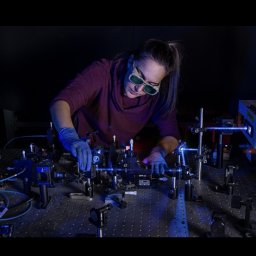 Sara Catalini合作论文数European Laboratory for Non-Linear Spectroscopy, Università di Firenze2




