This study examined the effects of acute tobacco smoking on cerebral oxygenation and autonomic function in 28 male, habitual smokers of shorter young smokers (YSM) or longer middle-aged smokers (MSM) smoking history. Following baseline testing, participants undertook a smoking protocol involving the consumption of two cigarettes within 15 min. Measures of cerebral oxygenation and autonomic function were collected before, during, and 0 min, 30 min, 1 h, and 4 h post-smoking. Tissue saturation index (TSI) for MSM was greater than YSM during cigarette consumption ( p < 0.05). Moreover, MSM observed significant within-group changes for TSI during and post-cigarette consumption ( p < 0.05). Further, MSM observed an increase in low frequency (LF) band from 30 min to 1 h post-consumption, followed by a decline, whereas elevations above MSM were observed in YSM at 4 h ( p < 0.05). Both MSM and YSM showed a decrease in high-frequency (HF) band post-cigarette, while increased LF/HF ratio post-consumption was observed in YSM. A decline in the standard deviation of RR intervals, post-cigarette consumption was evident in MSM ( p < 0.05). Moreover, the root mean square of RR interval in both groups similarly decreased following cigarette consumption ( p < 0.05). Acute smoking affects heart rate variability, suggestive of vagal withdrawal, and maybe indicate an effect of smoking history. Additionally, prolonged smoking history alters cerebral microcirculatory responses to acute tobacco exposure in MSM.
AIM:The aim of this study was to evaluate the effect of aerobic exercise on perceptual and cerebro-spinal responses to graded electrocutaneous stimuli.METHODS:The design comprised 2 x 30 min of cycling exercise at 30% and 70% of peak oxygen consumption (VO2 peak) on separate occasions in a counter-balanced order in 10 healthy participants. Assessment of nociceptive withdrawal reflex threshold (NWR-T), pain threshold (PT), and somatosensory evoked potentials (SEPs) to graded electrocutaneous stimuli were performed before and after exercise. Perceptual magnitude ratings and SEPs were compared at 30%PT, 60%PT, 100%PT before (Pre), 5 min after (Post1), and 15 min after (Post2) aerobic exercise.RESULTS:There was no difference in the NWR-T and the PT following exercise at 30% and 70% of VO2 peak. ANOVA for the perceptual response within pooled electrocutaneous stimuli show a significant main effect for time (F2,18=5.41, P=0.01) but no difference for exercise intensity (F1,9=0.02, P=0.88). Within-subject contrasts reveal trend differences between 30%PT and 100%PT for Pre-Post1 (P=0.09) and Pre-Post2 (P=0.02). ANOVA for the SEPs peak-to-peak signal amplitude (N1-P1) show significant main effect for time (F2,18=4.04, P=0.04) but no difference for exercise intensity (F1,9=1.83, P=0.21). Pairwise comparisons for time reveal differences between Pre-Post1 (P=0.06) and Pre-Post2 (P=0.01). There was a significant interaction for SEPs N1-P1 between exercise intensity and stimulus intensity (F2,18=3.56, P=0.05).CONCLUSION:These results indicate that aerobic exercise did not increase the electrocutaneous threshold for pain and the NWR-T. Aerobic exercise attenuated perceptual responses to innocuous stimuli and SEPs N1-P1 response to noxious stimuli.
This study examined the effect of exercise-induced dehydration by similar to 4% body mass loss on 5-km cycling time trial (TT) performance and neuromuscular drive, independent of hyperthermia. 7 active males were dehydrated on 2 occasions, separated by 7 d. Participants remained dehydrated (DEH, -3.8 +/- 0.5%) or were rehydrated (REH, 0.2 +/- 0.6%) over 2 h before completing the TT at 18-25 degrees C, 20-30% relative humidity. Neuromuscular function was determined before dehydration and immediately prior the TT. The TT started at the same core temperature (DEH, 37.3 +/- 0.3 degrees C; REH, 37.0 +/- 0.2 degrees C (P > 0.05). Neither TT performance (DEH, 7.31 +/- 1.5 min; REH, 7.10 +/- 1.3 min (P > 0.05)) or % voluntary activation were affected by dehydration (DEH, 88.7 +/- 6.4 %; REH, 90.6 +/- 6.1 % (P > 0.05)). Quadriceps peak torque was significantly elevated in both trials prior to the TT (P < 0.05), while a 19 % increase in the rate of potentiated peak twitch torque development (P < 0.05) was observed in the DEH trial only. All other neuromuscular measures were similar between trials. Short duration TT performance and neuromuscular function are not reduced by dehydration, independent of hyperthermia.
This study examined the effects of post‐exercise cooling on recovery of neuromuscular, physiological, and cerebral hemodynamic responses after intermittent‐sprint exercise in the heat. Nine participants underwent three post‐exercise recovery trials, including a control (CONT), mixed‐method cooling (MIX), and cold‐water immersion (10 °C; CWI). Voluntary force and activation were assessed simultaneously with cerebral oxygenation (near‐infrared spectroscopy) pre‐ and post‐exercise, post‐intervention, and 1‐h and 24‐h post‐exercise. Measures of heart rate, core temperature, skin temperature, muscle damage, and inflammation were also collected. Both cooling interventions reduced heart rate, core, and skin temperature post‐intervention (P < 0.05). CWI hastened the recovery of voluntary force by 12.7 ± 11.7% (mean ± SD) and 16.3 ± 10.5% 1‐h post‐exercise compared to MIX and CONT, respectively (P < 0.01). Voluntary force remained elevated by 16.1 ± 20.5% 24‐h post‐exercise after CWI compared to CONT (P < 0.05). Central activation was increased post‐intervention and 1‐h post‐exercise with CWI compared to CONT (P < 0.05), without differences between conditions 24‐h post‐exercise (P > 0.05). CWI reduced cerebral oxygenation compared to MIX and CONT post‐intervention (P < 0.01). Furthermore, cooling interventions reduced cortisol 1‐h post‐exercise (P < 0.01), although only CWI blunted creatine kinase 24‐h post‐exercise compared to CONT (P < 0.05). Accordingly, improvements in neuromuscular recovery after post‐exercise cooling appear to be disassociated with cerebral oxygenation, rather reflecting reductions in thermoregulatory demands to sustain force production.
The study of human fatigue stretches back centuries and remains a significant part of medical and social discourse. In the exercise sciences fatigue is routinely related to the ability to produce muscle force or to the recovery from force decrements. However, the study of fatigue has by virtue of the experimental paradigm excluded the subjective sense a person attributes to an event or experience, thus reducing our overall understanding of the fatigue process. Modern studies report the causes of fatigue as either central or peripheral in origin. Although useful, this dichotomy can also exclude the individual subjective assessment. Furthermore, adhering dogmatically to set parameters is likely limiting the advancement of our understanding. A more realistic paradigm would permit the individual to use the sensory cues to adjust the effort along with the fatigue process rather than rely purely on feedback mechanisms. Therefore, bringing feedforward mechanisms of the brain into fatigue research perhaps represents the next phase in the unravelling of the fatigue process.
# DON'T FORGET THE GUT—IT IS AN IMPORTANT ATHLETIC ORGAN! {#article-title-2} to the editor: It was with great interest that we read the Journal of Applied Physiology Viewpoint on the 2-h marathon barrier ([3][1]). We would argue that, alongside having a superlative Vo2max, lactate threshold,
Objective To examine the neuromuscular responses to 60 minutes of self-paced high-intensity exercise punctuated with 6 × 1-minute “all-out” sprints at 10-minute intervals in moderate (19.8°C, SEM 0.3) and warm (33.2, SEM 0.1), humid (∼64% relative humidity) conditions with either complete hydration (CH) or without hydration (NF). Design Seven subjects (mean age 20.6 years (SE 1.1), mass 73.8 kg (SE 4.5), peak power 288 W (SE 11.3)) performed the time trial on four separate occasions, which were differentiated by ambient temperature and fluid ingestion. For each sprint interval, distance, power output and electromyographic (EMG) data from the rectus femoris and vastus lateralis muscles were recorded. Results The NF trials resulted in a reduction in body mass for the moderate and warm conditions of 1.7% and 2.1%, respectively. Final rectal temperatures were not different among conditions (∼38.7°C). Total body sweating was higher in the warm condition (19.1–21.3 ml/kg per hour) compared with the moderate condition (16.1–16.5 ml/kg per hour; p<0.05). Neither fluid ingestion nor ambient temperature altered total distance cycled for any of the trials (range 30.1–32.6 km). The normalised integrated EMG (as percentage of maximal voluntary contraction) when compared with the first sprint increased from sprint three for the rectus femoris muscle in both no and complete hydration but decreased for the vastus lateralis muscle. The mean percentile frequency shift increased for both the vastus lateralis and rectus femoris muscles in both no and complete hydration. Conclusions These results suggest that the integrity of the neuromuscular system is adjusted according to hydration status and ambient temperatures during intense self-paced cycling.
AIM:The reduction in cerebral oxygenation (Cox) is associated with the cessation of exercise during constant work rate and incremental tests to exhaustion. Yet in exercises of this nature, ecological validity is limited due to work rate being either fully or partly dictated by the protocol, and it is unknown whether cerebral deoxygenation also occurs during self-paced exercise. Here, we investigated the cerebral haemodynamics during a 5-km running time trial in trained runners. METHODS:Rating of perceived exertion (RPE) and surface electromyogram (EMG) of lower limb muscles were recorded every 0.5 km. Changes in Cox (prefrontal lobe) were monitored via near-infrared spectroscopy through concentration changes in oxy- and deoxyhaemoglobin (Delta[O(2)Hb], Delta[HHb]). Changes in total Hb were calculated (Delta[THb] = Delta[O(2)Hb] + Delta[HHb]) and used as an index of change in regional blood volume. RESULTS:During the trial, RPE increased from 6.6 +/- 0.6 to 19.1 +/- 0.7 indicating maximal exertion. Cox rose from baseline to 2.5 km ( upward arrowDelta[O(2)Hb], upward arrowDelta[HHb], upward arrowDelta[THb]), remained constant between 2.5 and 4.5 km, and fell from 4.5 to 5 km ( downward arrowDelta[O(2)Hb], upward arrowDelta[HHb], <-->Delta[THb]). Interestingly, the drop in Cox at the end of the trial coincided with a final end spurt in treadmill speed and concomitant increase in skeletal muscle recruitment (as revealed by higher lower limb EMG). CONCLUSION:Results confirm the large tolerance for change in Cox during exercise at sea level, yet further indicate that, in conditions of self-selected work rate, cerebral deoxygenation remains within a range that does not hinder strenuous exercise performance.
We compared knee extensor twitch contractile properties (TP) between nine young women (YW, 20-30 years) and 10 elderly women (63-78 years) and examined changes associated with resistance training in addition to measurement reproducibility. Data were obtained on two occasions 3 weeks apart after which subjects performed bilateral leg extension and bilateral leg curl exercises 3 days/week for 10 weeks. TP demonstrated moderate to good reproducibility in both age groups with Pearson's r and the intra-class correlation coefficient ranging from 0.67 to 0.85 (P < 0.05) and the technical error of the measurement ranging from 4.2% to 7.8%. Pre-training, peak twitch torque, rate of torque development, and the rate of relaxation were 24-32% greater for the YW than EW (P < 0.05). Time to peak torque, half-relaxation time, and contraction duration were not significantly different between age groups. Post-training, changes of 2.6-6.1% were observed in TP; however, these changes were not significant in either group. These data suggest the presence of an age-associated slowing in the rate of muscle contraction. Furthermore, the lack of change in TP in both groups suggests resistance training failed to alter contractile function. However, these findings are discussed in relation to measurement reproducibility and the meaningfulness of the data obtained.
The Journal of PhysiologyVolume 585, Issue 3 p. 919-921 Free to Read Arterial oxygenation, central motor output and exercise performance in humans T. D. Noakes, T. D. Noakes Human Biology, Sports Science Institute ofSouth Africa, University of Cape TownBoundary Road, NewlandsCape Town, South AfricaEmail: [email protected]Search for more papers by this authorF. E. Marino, F. E. Marino School of Human MovementCharles Sturt UniversityPanorama AveBathurst, NSW, 2795, AustraliaEmail: [email protected]Search for more papers by this author T. D. Noakes, T. D. Noakes Human Biology, Sports Science Institute ofSouth Africa, University of Cape TownBoundary Road, NewlandsCape Town, South AfricaEmail: [email protected]Search for more papers by this authorF. E. Marino, F. E. Marino School of Human MovementCharles Sturt UniversityPanorama AveBathurst, NSW, 2795, AustraliaEmail: [email protected]Search for more papers by this author First published: 14 December 2007 https://doi.org/10.1113/jphysiol.2007.145110Citations: 33Read the full textAboutPDF ToolsRequest permissionExport citationAdd to favoritesTrack citation ShareShare Give accessShare full text accessShare full-text accessPlease review our Terms and Conditions of Use and check box below to share full-text version of article.I have read and accept the Wiley Online Library Terms and Conditions of UseShareable LinkUse the link below to share a full-text version of this article with your friends and colleagues. Learn more.Copy URL Citing Literature Volume585, Issue3December 2007Pages 919-921 RelatedInformation
Objective: The primary objective of this study was to investigate the influence of nutritive interventions on acute hormonal responses to a single bout of resistance exercise in untrained young men. Specifically, the aim was to determine whether the acute hormonal milieu conducive to enhancing skeletal muscle hypertrophic adaptation to resistance training could be created. The potential role of cortisol in inhibiting training-induced muscle growth is of particular interest, as is whether exercise-induced cortisol release can be attenuated by nutritive interventions.Methods: After a 4-h fast, 32 subjects performed a single bout of resistance exercise (similar to 60 min), during which they consumed a 6% carbohydrate (CHO) solution, a 6-g essential amino acid (EAA) mixture, a combined CHO + EAA supplement, or a placebo beverage. Blood samples were collected every 15 min throughout the exercise bout, immediately after exercise, and 15 and 30 min after exercise for analysis of total testosterone, cortisol, growth hormone, insulin, and glucose.Results: No significant change in glucose or insulin was observed for placebo. CHO and CHO + EAA ingestion resulted in significantly (P < 0.001) increased glucose and insulin concentrations above baseline, whereas EAA resulted in significant postexercise increases (P < 0.05) in insulin only. Placebo exhibited a significant increase in cortisol within 30 min (P < 0.01), with a peak increase of 105% (P < 0.001) immediately after exercise, and cortisol remained 54% above baseline at 30 min after exercise (P < 0.05). Conversely, the treatment groups displayed no significant change in cortisol during the exercise bout, with CHO and CHO + EAA finishing 27% (P < 0.01) and 23% (P < 0.05), respectively, below baseline at 30 min after exercise. No between-group differences in exercise-induced growth hormone or testosterone concentrations after nutritive intervention were present.Conclusion: These data indicate that CHO and/or EAA ingestion during a single bout,of resistance exercise suppresses the exercise-induced cortisol response, in addition to stimulating insulin release.. We conclude that the exercise-induced hormonal profile can be influenced by nutritive interventions toward a profile more favorable for anabolism. (c) 2006 Elsevier Inc. All rights reserved.
AIM:To determine if greater normalized torque during maximal effort lengthening actions in elderly women compared with young women is related to age-associated adjustments in neural activation and/or contractile function. METHODS:The right knee extensors of 14 young women (21-30 years) and 12 elderly women (65-78 years) were assessed for isometric, shortening and lengthening peak torque, electromyography (EMG) activity, and isometric twitch contractile properties. Knee extensor contractile tissue volume was determined using magnetic resonance imaging. RESULTS:Normalized torque was determined as peak torque per unit of knee extensor contractile tissue volume. Normalized torque during the isometric and shortening actions was similar between age groups (P > 0.05); however, lengthening normalized torque was significantly higher for the elderly women (P < 0.05). In the young women, a significant relationship existed between normalized torque and EMG for all muscle actions (P < 0.05), while no association was found between normalized torque and temporal twitch characteristics for any muscle action (P > 0.05). In the elderly women, a significant relationship existed between normalized torque and EMG for the isometric and shortening muscle actions (P < 0.05), but not for lengthening normalized torque and EMG (P > 0.05). Furthermore, no association existed between isometric and shortening normalized torque, and temporal twitch characteristics in the elderly women (P > 0.05); however, a significant relationship existed between lengthening normalized torque, and the rate of relaxation and contraction duration (P < 0.05). CONCLUSIONS:The greater capacity to develop lengthening peak torque relative to contractile tissue volume in the elderly women appeared to be associated with age-related adjustments in the temporal twitch characteristics rather than neural activation.
A number of physiological events including the level of contractile activity, nutrient status, and hormonal action influence the magnitude of exercise-induced skeletal muscle growth. However, it is not the independent action of a single mechanism, but the complex interaction between events that enhance the long-term adaptations to resistance training. The purpose of the present investigation was to examine the influence of liquid carbohydrate (CHO) and essential amino acid (EAA) ingestion during resistance exercise and modification of the immediate hormonal response on myofibrillar protein degradation as assessed by 3-methylhistidine (3-MH) excretion. After a 4-hour fast, 32 untrained young men (18-29 years) performed a single bout of resistance exercise (complete body; 3 setsx10 repetitions at 75% of 1-repetition maximum; 1-minute rest between sets), during which they consumed a 6% CHO (n=8) solution, a 6-g EAA (n=8) mixture, a combined CHO+EAA (n=8) supplement, or placebo (PLA; n=8) beverage. Resistance exercise performed in conjunction with CHO and CHO+EAA ingestion resulted in significantly elevated (P<.001) glucose and insulin concentrations above baseline, whereas EAA ingestion only increased the postexercise insulin response (P<.05). Time matched at 60 minutes, the PLA group exhibited a peak cortisol increase of 105% (P<.001) with no significant change in glucose or insulin concentrations. Conversely, the CHO and CHO+EAA groups displayed a decrease in cortisol levels of 11% and 7%, respectively. Coinciding with these hormonal response patterns were significant differences in myofibrillar protein degradation. Ingestion of the EAA and CHO treatments attenuated 3-MH excretion 48 hours after the exercise bout. Moreover, this response was synergistically potentiated when the 2 treatments were combined, with CHO+EAA ingestion resulting in a 27% reduction (P<.01) in 3-MH excretion. In contrast, the PLA group displayed a 56% increase (P<.01) in 3-MH excretion. These data demonstrate that not only does CHO and EAA ingestion during the exercise bout suppress exercise-induced cortisol release; the stimulatory effect of resistance exercise on myofibrillar protein degradation can be attenuated, most dramatically when the treatments are combined (CHO+EAA). Through an "anticatabolic effect," this altered balance may better favor the conservation of myofibrillar protein.
This study examined the effect of whole body hyperthermia on the voluntary activation of exercised and non-exercised skeletal muscle performing a series of lengthening and shortening contractions. Thirteen subjects exercised on a cycle ergometer at 60% of maximal oxygen consumption until voluntary exhaustion in ambient conditions of approximately 40 degrees C and 60% relative humidity. Before and immediately following the cycle protocol, subjects performed a series of 25 continuous isokinetic shortening and lengthening maximal voluntary contractions (MVCs) of the leg extensors and forearm flexors. Voluntary activation for shortening and lengthening contractions for the forearm and leg was assessed prior to and following the 25 MVCs by superimposing a paired electrical stimulus to the femoral nerve and the biceps brachii during additional MVCs. Exercise to exhaustion increased rectal temperature to 39.35+/-0.50 degrees C. Voluntary activation remained unchanged following the prehyperthermia endurance set of shortening and lengthening maximal contractions in both the forearm flexors and leg extensors. Similarly, voluntary activation remained at prehyperthermic levels for the single MVCs immediately following the cycle trial. However, by the time of completion of the posthyperthermia endurance contractions, voluntary activation had declined significantly by 5.87+/-7.56 and 8.46+/-9.26% in the shortening and lengthening phases, respectively, for the leg extensors but not for the forearm flexors. These results indicate that the central nervous system (CNS) reduces voluntary drive to skeletal muscle performing both shortening and lengthening contractions following exercise-induced hyperthermia. The reductions in voluntary activation were only observed following a series of dynamic movements, indicating that the CNS allows for initial and brief 're-activation' of skeletal muscle following exercise-induced hyperthermia.
The purpose of this study was to examine the running performances and associated thermoregulatory responses of African and Caucasian runners in cool and warm conditions. On two separate occasions, 12 (n = 6 African, n = 6 Caucasian) well-trained men ran on a motorized treadmill at 70% of peak treadmill running velocity for 30 min followed by an 8-km self-paced performance run (PR) in cool (15 degrees C) or warm (35 degrees C) humid (60% relative humidity) conditions. Time to complete the PR in the cool condition was not different between groups ( approximately 27 min) but was significantly longer in warm conditions for Caucasian (33.0 +/- 1.6 min) vs. African (29.7 +/- 2.3 min, P < 0.01) runners. Rectal temperatures were not different between groups but were higher during warm compared with cool conditions. During the 8-km PR, sweat rates for Africans (25.3 +/- 2.3 ml/min) were lower compared with Caucasians (32.2 +/- 4.1 ml/min; P < 0.01). Relative rates of heat production were less for Africans than Caucasians in the heat. The finding that African runners ran faster only in the heat despite similar thermoregulatory responses as Caucasian runners suggests that the larger Caucasians reduce their running speed to ensure an optimal rate of heat storage without developing dangerous hyperthermia. According to this model, the superior running performance in the heat of these African runners can be partly attributed to their smaller size and hence their capacity to run faster in the heat while storing heat at the same rate as heavier Caucasian runners.
Although evidence exists that a critical limiting temperature during exercise leads to premature fatigue secondary to a reduced central nervous system (CNS) drive to skeletal muscle, other thermoregulatory models may provide alternative explanations for limitations to exercise and heat stress in humans. This paper considers a number of mammalian species and their thermoregulatory strategies which deal with physical work and survival in hot environments. The critical limiting temperature hypothesis as the cause of premature fatigue is discussed in relation to the evidence for a CNS down-regulation of skeletal muscle drive. However, recent studies suggest that exercise duration or the point of fatigue is determined by a mechanism of anticipatory regulation for the avoidance of catastrophe. Evidence is offered that premature fatigue in the heat is not limited by a critical limiting temperature per se, but rather the rate at which core temperature rises so that the organism can anticipate the point of termination and avoid a catastrophic outcome.
The purpose of this study was to investigate muscle pain intensity rating using a 10-point category-ratio pain intensity scale during self-paced cycling exercise within three trials. Eleven subjects (age 21.4 ± 2.6 years; VO2 peak 3.3 ± 0.9 L·min(-1)) performed a 60-min cycling trial on three occasions. During each trial subjects cycled at the utmost work intensity for 60-min. To simulate competitive training, 1-min maximal effort sprints were performed every 10-mins into the trial. Ambient temperature and relative humidity were set at 33 ± 0.7 (o)C and 63 ± 2.0%, respectively. During exercise, subjects ranked the muscle pain intensity at 5 min intervals and following each sprint effort. Simple main effects revealed that muscle pain intensity ratings were significantly lower in trial 3 compared with trial 1 at the 50 min [F = 4.5(2 30); p = 0.015, eta(2) = 0.05], 55 min [F = 4.89(2, 30); p = 0.011; eta(2) = 0.05], and 60 min [F = 3.6(2, 30); p = 0.034; eta(2) = 0.04] time interval. Repeated measures ANOVA revealed a significant increase in the mean distance cycled amongst the trials (p < 0001). These results indicate an attenuation in muscle pain intensity rating with endurance exercise training when performed over three trials. The reduced pain intensity rating may be due to adjustments in cadence and gear selection amongst the trials. Key PointsMuscle pain intensity rating was significantly reduced with three repeated cycling endurance trials.Attenuation in muscle pain intensity rating appeared at 50, 55, 60 mins into exercise within the third trial.The attenuation in muscle pain intensity with training is apparent despite an increase in cycling distance performance.The decline in muscle pain rating and increased cycling performance may be associated with adjustment in cadence and gear selection amongst the endurance trails.
The purpose of this study was to investigate the effect of active pre-warming combined with three regimens of fluid ingestion: (1) fluid replacement equal to sweat rate (FF), (2) fluid replacement equal to half the sweat rate (HF), and (3) no fluid replacement (NF). Eight males cycled to voluntary fatigue at 70% of peak power output (PPO) in 31.3±0.4°C, 63.3±1.2% relative humidity in a randomised fashion in either of FF, HF or NF conditions. For each trial the time to fatigue test was preceded by 2×20min active pre-warming periods where subjects also cycled at 70% PPO. Subjects commenced each exercise period with identical rectal temperatures (Tre). The rate of increase in Tre for each condition during the first 20min of active pre-warming was not different. However, the rate of increase in Tre was significantly reduced in the second active pre-warming period for all fluid conditions but no differences between conditions were noted. During the fatigue test, the rate of increase in Tre for FF was 0.29°Ch−1 and 0.58°Ch−1 for HF but were not significantly different. The rate of increase in Tre for the NF trial was 0.92°Ch−1 and was significantly higher compared to the FF trial. Overall mean skin temperatures and mean body temperatures were higher for NF compared to FF and HF. The rate of heat storage during the fatigue test was similar for FF (80.1±11.7Wm−2) and HF (73.0±13.7Wm−2) conditions but increased to 155.8±31.2Wm−2 (P<0.05) in the NF trial. The results indicate that fluid ingestion equal to sweat rate has no added benefit over fluid ingestion equal to half the sweat rate in determining time to fatigue over 40min of sub-maximal exercise in warm humid conditions. Fluid restriction accelerates the rate of increase in Tre after 40min of exercise, thereby reducing the time to fatigue. The data support the model that anticipation of impending thermal limits reduces efferent command to working skeletal muscle ensuring cellular preservation.
 Derek Kay合作论文数13
 Jack Cannon合作论文数School of Human Movement Studies, Charles Sturt University10Kyle M Tarpenning合作论文数8
 Tim Noakes合作论文数Department of Applied Design, Cape Peninsula University of Technology4
 Peter S. Micalos合作论文数School of Human Movement Studies, Charles Sturt University4
 Stephen P. Bird合作论文数School of Human Movement Studies, Charles Sturt University3Duffield Rob合作论文数2
 Eric J. Drinkwater合作论文数School of Human Movement Studies, Charles Sturt University2
 François Billaut合作论文数Département de Kinésiologie, Faculté de Médecine, Université Laval;Institut Universitaire de Cardiologie et de Pneumologie de Québec, Université Laval;Nordiq Canada2N Serwach合作论文数2Y Kano合作论文数1T. P. Olson合作论文数1M. J. Patterson合作论文数1Y. Morioka合作论文数1H. Okada合作论文数1W. H. Joumaa合作论文数1A. Laymon合作论文数1M. J. White合作论文数1A. G. Edwards合作论文数1F. C. Nunes合作论文数1B. A. Parker合作论文数1G. Wilson合作论文数1
 Valdir Braga合作论文数1
 Carl J. Ade合作论文数1marc portus合作论文数1Sc Dennis合作论文数1chin leong lim合作论文数1ZIPHELELE MBAMBO合作论文数1Tegan E. Kastelein合作论文数1Rachel C. Drew合作论文数1T Seifert合作论文数1
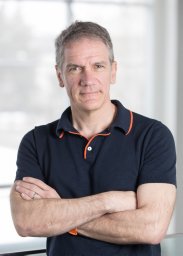 John Holash合作论文数Human Performance Lab, Univ Calgary1peter g martin合作论文数1Stéphane Delliaux合作论文数INRAE, Aix Marseille Univ1
 Hein A M Daanen合作论文数Faculty of Behavioural and Movement Sciences, Vrije Universiteit Amsterdam1
 Denis O'Donnell合作论文数Department of Biomedical and Molecular Sciences, Faculty of Health Sciences, Queen's University;Respiratory Investigation Unit, Department of Medicine, School of Medicine, Faculty of Health Sciences, Queen's University1
 Andrew M Jones合作论文数Department of Sport and Health Sciences, University of Exeter1
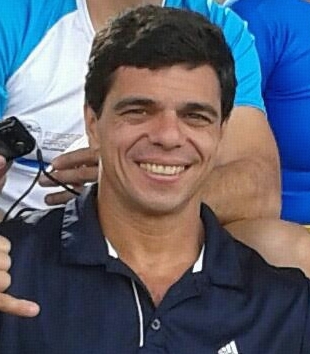 Herbert Gustavo Simões合作论文数Universidade Católica de Brasília1
 Dennis Taaffe合作论文数School of Medical and Health Sciences, Edith Cowan University1
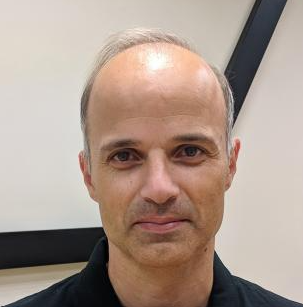 Andreas Flouris合作论文数Department of Physical Education & Sport Science, University of Thessaly;FAME Lab1
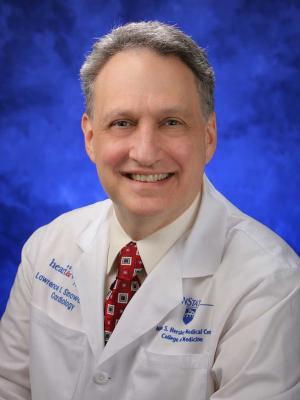 Lawrence I. Sinoway合作论文数Penn State Health;Division of Cardiology, Department of Medicine, Penn State College of Medicine, The Pennsylvania State University1
 Jordan A. Guenette合作论文数Division of Respiratory Medicine, The University of British Columbia1
 Roy Shephard合作论文数Faculty of Kinesiology and Physical Education, University of Toronto1
 Geoffrey M Minett合作论文数Sch Exercise & Nutr Sci, Queensland Univ Technol1
 Jerzy A. Zoladz合作论文数Faculty of Rehabilitation, University School of Physical Education Kraków1
 Bruno Grassi合作论文数Department of Medicine, University of Udine1
 Blair T. Johnson合作论文数Department of Psychological Sciences, College of Liberal Arts and Sciences, University of Connecticut1
 Zhou Zhichao合作论文数Erasmus University Rotterdam, University Medical Center Rotterdam1
 Chad D Markert合作论文数1




