Aging is accompanied by progressive physiological declines in body functions. However, the molecular mechanisms of aging remain poorly understood in decapod crustaceans, a diverse group of invertebrates. We investigated age-related differences in the hemolymph proteomes of marbled crayfish using label-free protein quantification (LC-MS/MS), applying a significance threshold of p < 0.05 and a fold change >2 to elucidate molecular mechanisms underpinning aging. Two groups including young (n = 6) and old (n = 7) crayfish were used. Results showed a downregulation of superoxide dismutase in the hemolymph of older individuals. At the same time, glutathione peroxidase and transketolase were upregulated, which may reflect age-dependent changes in oxidative stress regulation and potential compensatory responses. Aging crayfish exhibited changes in levels of the ProPO system and phagocytosis-related proteins that suggest a possible shift from melanization to phagocytosis in the aging immune system. Additionally, the lower levels of some other immune-related proteins in the old individuals may be consistent with a decline in the crayfish immune system with age. Proteins associated with wound healing and regeneration were higher in young individuals, which may suggest an age-based decline in regenerative capacity. Cytoskeletal and extracellular matrix proteins were upregulated in older crayfish, which could potentially influence immune cell functions. Age-related alterations in the quantities of vitellogenins, hemocyanins, and metabolic enzymes maybe associated with changes in reproductive investment, respiratory capacity, and energy metabolism. Together, these findings highlight the complex molecular basis by which aging reshapes the hemolymph composition and alters immune system characteristics in an invertebrate, revealing molecular signatures that may represent aging mechanisms. Data are available via ProteomeXchange with identifier PXD065434.
Tumor-associated macrophages (TAMs) are major regulators of the tumor immune microenvironment and are frequently associated with poor clinical outcomes. Although TAMs often acquire immunosuppressive phenotypes in established tumors, they retain substantial plasticity and can be reprogrammed toward immunostimulatory states. The molecular mechanisms controlling these transitions remain incompletely defined. MNK1 and MNK2 both phosphorylate the translation initiation factor eIF4E, but their relative contributions to macrophage biology are unclear. Here we show that Mknk1 and Mknk2 are enriched in distinct TAM subsets and exert non-redundant control of eIF4E phosphorylation, establishing divergent translational and proteomic programs that shape macrophage function. Silencing of Mknk2 in TAMs enhanced adaptive immune responses, suppressed tumor growth and reprogrammed TAMs toward an angiostatic, anti-metastatic phenotype, whereas modulation of Mknk1 had minimal effects on tumor progression. These findings identify MNK2 as a dominant regulator of TAM-mediated immunosuppression and suggest MNK2 inhibition as a strategy to reprogram the tumor immune microenvironment toward anti-tumor immunity.
Abstract BRCA-deficient high-grade serous ovarian cancer is characterized by profound genomic instability and elevated replication-associated DNA damage, rendering these tumors initially sensitive to platinum-based chemotherapy and PARP inhibition. However, despite this vulnerability, most patients ultimately develop resistance, underscoring the need for therapeutic strategies that extend beyond DNA repair–targeted mechanisms. Here, we introduce the MTDH–SND1 complex as a complementary therapeutic target that may expose additional stress vulnerabilities in ovarian cancer cells. We show that pharmacological disruption of the MTDH–SND1 interaction using C26-A6 increases susceptibility to ferroptosis-associated stress, an iron-dependent form of regulated cell death and that BRCA-deficient models are particularly more sensitive to this perturbation. Notably, when combined with PARP inhibition, MTDH–SND1 disruption is associated with increased MHC class I expression in tumor cells, suggesting enhanced tumor visibility to the immune system. Together, these findings support a combination strategy that couples DNA repair disruption with metabolic and immunogenic remodeling in BRCA-deficient ovarian cancer.
Allergy, characterised by antibody responses of the IgE isotype, is a major health concern. The set of monoclonal human IgE used for studying the molecular mechanisms of allergies is limited. Single-cell sequencing offers opportunities to establish novel antibodies for researching, diagnosis, and treatment of allergies. We describe and exploit a pipeline for generating recombinant IgE directly from the immune repertoires of allergic subjects. It uses single-cell sequencing of IgM– B cells of bone marrow and peripheral blood in an allergen-agnostic manner, combined with high-throughput transcriptome sequencing to identify clonotypes populating the IgE repertoire. Immunochemical and immunoprecipitation analyses are used to deconvolute the specificity of identified antibodies. High-affinity antibodies were raised against four grass pollen allergens, antibodies that illustrated aspects of the development of allergen-specific humoral immunity. The pipeline provides a streamlined approach for the development and characterisation of native allergen-specific antibodies as they occur in allergy and during allergy desensitisation. Identification by single cell sequencing, NGS and specificity deconvolution and definition of allergen-specific human IgE from allergic subjects’ immune repertoire.
Metastatic disease is the main cause of breast cancer (BC)-related deaths, but prediction of metastases remains challenging especially in the large and diverse group with estrogen receptor (ER)-positive, human epidermal growth factor receptor 2 (HER2)-negative tumors. Molecular tumor features beyond currently used markers could provide important information for stratifying metastatic risk. To allow for the discovery of new subtypes and molecular tumor features associated with metastatic spread, i.e., both lymph node and distant metastases, we here leverage advances in proteomic profiling of tumors. We developed a protocol for proteome and phosphoproteome analysis using label-free data independent acquisition (DIA) liquid chromatography tandem mass spectrometry (LC–MS/MS) and integrated the generated data with parallel transcriptome data for the profiling of 182 ER-positive, HER2-negative primary BC tumors from the SCAN-B cohort. A total of 13,571 protein groups, 7107 phosphopeptides and 13,085 expressed genes were quantified in at least 70
Environmental differences between artificial and natural habitats can influence crustacean physiology and health. In this study, we compared the hemolymph proteomes of cultured and wild crayfish to elucidate habitat-specific physiological adaptations. Proteomic analysis revealed pronounced differences in proteins related to energy metabolism, immunity, detoxification, growth, regeneration, respiration, and reproduction. The studied wild crayfish exhibited higher abundances of key glycolytic enzymes, suggesting elevated energetic demands for physical activity, while the concurrent increase in hemocyanin abundance is consistent with a possible adaptation to lower oxygen availability in the studied natural habitat. Also, evidence shows different modes of immune system activation and function in the hemolymph of wild compared to cultured crayfish, which may indicate different loads of pathogens in those two environments. In contrast, the studied cultured crayfish profile reflects adaptation to nutritionally rich, formulated diets and higher capacities for detoxifying diet-borne xenobiotics, as well as enhanced growth, regeneration, and reproduction. Overall, our results demonstrate that the composition of crayfish hemolymph proteins is strongly influenced by the rearing environment at cellular and molecular levels. These findings offer valuable insights for improving crayfish health and growth management under sustainable aquaculture systems. Data are available via ProteomeXchange with identifier PXD074479.
Temperature, a key environmental stressor, can induce changes at the molecular levels in the body of living beings, which are necessary for adaptation and survival under altered conditions. We investigated the effects of acute cold (3 °C) and heat (32 °C) shocks on hemolymph protein profiles in marbled crayfish. Results showed that cold shock induced a metabolic shift toward glucose production by increasing enzymes for breaking down glycogen and upregulating enzymes related to glycolysis, such as glycogen phosphorylase, glyceraldehyde-3-phosphate dehydrogenase, enolase, and L-lactate dehydrogenase in the hemolymph of crayfish. The upregulation of proteins such as filamin-A, alpha-actinin, and tubulin beta may indicate that immune cells in the hemolymph strengthen their survival during cold stress through reinforcement of the cytoskeletal rigidity. Shifts in the abundance of immunity-related proteins such as masquerade-like and β-1,3-glucan-binding proteins suggest that the immune system of decapods can adapt to thermal stresses via remodeling the extracellular matrix and pattern recognition receptors, ultimately modulating host defense strategies by shifting between phagocytosis and melanization. Furthermore, the regulation of reproduction-associated proteins indicates that thermal shock may affect the capacity for reproduction. These findings offer insight into how decapods cope with thermal stresses and may support strategies to protect them in farmed environments, especially under climate change. Data are available via ProteomeXchange with identifier PXD065043.
Ovarian malignancy is the most lethal gynecologic tumor, with an 80% relapse rate and 47% five-year survival. Epithelial ovarian cancer (EOC), the most common form, comprises five major histotypes with distinct clinicopathological characteristics, yet treatment still relies largely on cytoreductive surgery and platinum-based chemotherapy. Phosphoproteomics enables the mapping of protein phosphorylation, a key hallmark of cellular signaling. This study aimed to define phosphoproteomic-based ovarian cancer subgroups and assess their relationships with pathway activation patterns, patient prognosis, and therapeutic relevance. We analyzed the phosphoproteome of four major EOC histotypes from 180 patients. Dysregulated phosphosites critical for carcinogenesis were identified, including NUCKS1:S181, WWTR1:S89, and SRRM2:T1880. Kinase activity revealed histotype-specific CDK1/2 signatures linked to EOC-related signaling pathways. Prognostic phosphosites displayed stage- and histotype-dependent patterns. Collectively, these findings elucidate signaling cascades driving disease progression and identify potential therapeutic targets in early and advanced EOC, supporting future efforts toward the development of histotype-specific treatment strategies.
Epithelial ovarian cancer (EOC) is the most lethal gynecologic malignancy, yet clinical tools for diagnosis, prognosis, and treatment remain limited, and molecular profiling of histotypes is lacking. Here, we leverage proteomic data to further stratify four main EOC histotypes, borderline (BL) and benign (B) tumors, and identify candidate prognostic and diagnostic biomarkers. Using proteomic data from 300 patient samples, we identified differentially abundant proteins (DAPs) such as SNCG, S100A1, VWA2, AGR2, CTH, and SPINK1 and biomarker panels to stratify the tissues. Enrichment of biological processes profiled histotypes and involvement of DAPs. Survival analysis identified candidate biomarkers predicting overall- and disease-specific survival with histotype-specificity. Of these, GLYR1, RPL12, GDPGP1, and POLR2M were associated with favorable outcomes, while SDF4, PPP3CC, EIF2AK2, and STX6 were linked to unfavorable outcomes. Collectively, these findings provide histotype-specific attributes for known and EOC biomarkers that may serve as clinical tools for EOC diagnosis and treatment decisions.
Metastatic disease is the main cause of breast cancer-related deaths. Given advances in the molecular profiling of tumors, we here aimed at integrating proteome, phosphoproteome and transcriptome data for the profiling of primary tumors to allow for discovery of new subtypes and features predicting lymph node and distant metastases in breast cancer (BC). We analyzed a total of 182 estrogen-receptor (ER) positive, human epidermal growth factor receptor 2 (HER2) negative BC samples using label-free Data Independent Acquisition (DIA) liquid chromatography tandem mass spectrometry (LC-MS/MS), quantifying a total of 13571 protein groups, 7107 phosphopeptides and 13085 expressed genes in at least 70% of the samples. Unsupervised consensus cluster analyses permitted the identification of potential subtypes with differential immune infiltration pattern and survival. Immune deconvolution data was combined with multiomics factor analysis, providing unique insight into different markers for lymph node and distant metastases. In summary, we further developed a protocol for parallel acquisition of matched proteomics, phosphoproteomics and transcriptomics data, resulting in the most comprehensive dataset of its kind and allowing for unique insights into metastatic processes in ER-positive/HER2-negative BC. ### Competing Interest Statement The authors have declared no competing interest. ### Funding Statement The study was supported by the Erling Persson Foundation and the European Union's Horizon 2020 research and innovation programme under the Marie Skłodowska-Curie grant agreement No. 754299 (EU-H2020-MSCA-COFUND-754299-CanFaster). ### Author Declarations I confirm all relevant ethical guidelines have been followed, and any necessary IRB and/or ethics committee approvals have been obtained. Yes The details of the IRB/oversight body that provided approval or exemption for the research described are given below: Included patients were enrolled in the Sweden Cancerome Analysis Network - Breast (SCAN-B) study (ClinicalTrials.gov ID [NCT02306096][1]) (PMID:25722745,29341157) approved by the Regional Ethical Review Board in Lund, Sweden (registration numbers 2009/658, 2010/383, 2012/58, 2013/459, 2014/521, 2015/277, 2016/541, 2016/742, 2016/944, 2018/267 and the Swedish Ethical Review Authority (registration numbers 2019-01252, 2024-02040-02). I confirm that all necessary patient/participant consent has been obtained and the appropriate institutional forms have been archived, and that any patient/participant/sample identifiers included were not known to anyone (e.g., hospital staff, patients or participants themselves) outside the research group so cannot be used to identify individuals. Yes I understand that all clinical trials and any other prospective interventional studies must be registered with an ICMJE-approved registry, such as ClinicalTrials.gov. I confirm that any such study reported in the manuscript has been registered and the trial registration ID is provided (note: if posting a prospective study registered retrospectively, please provide a statement in the trial ID field explaining why the study was not registered in advance). Yes I have followed all appropriate research reporting guidelines, such as any relevant EQUATOR Network research reporting checklist(s) and other pertinent material, if applicable. Yes The generated mass spectrometry proteomics and phosphoproteomics data have been deposited on the ProteomeXchange Consortium via the PRIDE partner repository with the dataset identifier PXD059920. [1]: /lookup/external-ref?link_type=CLINTRIALGOV&access_num=NCT02306096&atom=%2Fmedrxiv%2Fearly%2F2025%2F01%2F23%2F2025.01.22.25320944.atom
The biochemical composition and functions of non-sexual organs in male and female must be adjusted to support the distinct reproductive purposes of their sexual organs. The gastrointestinal (GI) tract is the primary site for the digestion and absorption of nutrients, as well as the metabolism of orally administered drugs. We utilized an in-depth proteomics approach to determine the molecular basis of sex-based differences in the zebrafish GI tract. Results indicated higher potential of female zebrafish for digestion and absorption of dietary nutrients by lower levels of proteins involved in GI motility, and increased levels of digestive enzymes and reduced levels of intestinal epithelial barrier proteins. While several proteins involved in metabolism of carbohydrates were found at higher levels in males, multiple protein and lipid metabolism proteins were higher in females. Furthermore, the GI tract of males contained lower levels of immune-related proteins and higher levels of anti-aging proteins. Several proteins responsible for drug metabolism, antioxidation and detoxification of xenobiotics showed significantly different quantities between GI tract of male and female zebrafish, suggesting unequal abilities of the two sexes to process these substances. The results of the present study provide molecular knowledge that can aid development of sex-based diet formulation, drug design and therapeutic approaches for the GI tract in future studies. Data are available via ProteomeXchange with identifier PXD054273.
The liver is a central metabolic hub, performing vital functions such as bile production, protein, carbohydrate, lipid and drug metabolism, detoxification of xenobiotics, and the synthesis of essential biomolecules for reproduction, and also shows regenerative capability. Several of these functions can be affected by sexual dimorphisms with important consequences. In this study we used high-throughput proteomics to identify and quantify proteins involved in sexual dimorphism of the zebrafish liver, as a model for preclinical human research. Additionally, we conducted an extensive literature review to explore potential effects of sex-biased protein abundances on liver regeneration capacity and hepatic diseases. The results showed wide-spread sex-specific differences in proteins involved in carbohydrate, protein, and lipid metabolism. Female livers exhibited higher levels of proteins involved in protein synthesis, while male liver protein abundances were higher in energy-producing biochemical pathways, such as the TCA, β-oxidation, and glycolysis. Furthermore, significant sex differences were observed in proteins related to drug metabolism, which should be considered in toxicological and pharmacological research. Some potential links between sex-biased quantities of some key hepatic proteins and the susceptibility of males to liver diseases, as well as the higher hepatic regenerative capacity in females, were suggested. These findings offer a foundation for future targeted research to facilitate the development of sex-specific therapeutic approaches for liver disorders and regenerative medicine. Data are available via ProteomeXchange with identifier PXD061886.
Inferring the cell-type composition of bulk samples can provide biological insight. While bulk transcriptomics data has been extensively used for this purpose, the use of proteomics data has remained unexplored until recently. This study evaluates computational approaches for estimating immune cell composition using bulk sample proteomics data. Leveraging defined immune cell populations and simulated mixtures, we assess the impact of preprocessing methods and software tools on cell deconvolution outcomes. Our findings demonstrate the feasibility of using proteomics data for cell-type deconvolution, with Pearson correlations for estimated proportions in simulated sample mixtures above 0.9 when employing optimal missing value imputation and reference matrix generation parameters. We further provide an R package, proteoDeconv, to facilitate the preprocessing of proteomics data for deconvolution and parsing of results. This study highlights the feasibility of using proteomics for analyzing cell-type composition in biological samples.
Mitochondrial DNA (mtDNA) is compacted into dynamic structures called mitochondrial nucleoids (mt-nucleoids), with the mitochondrial transcription factor A (TFAM) as the core packaging protein. We generated bacterial artificial chromosome (BAC) transgenic mice expressing FLAG-tagged TFAM protein (Tfam-FLAGBAC mice) to investigate the mt-nucleoid composition in vivo. Importantly, we show that the TFAM-FLAG protein is functional and complements the absence of the wild-type TFAM protein in homozygous Tfam knockout mice. We performed immunoprecipitation experiments from different mouse tissues and identified 12 proteins as core mt-nucleoid components by proteomics analysis. Among these, eight proteins correspond to mtDNA replication and transcription factors, while the other four are involved in the mitoribosome assembly. In addition, we used the Tfam-FLAGBAC mice to identify ten proteins that may stabilize TFAM-FLAG upon depletion of the mitochondrial RNA polymerase despite the absence of mtDNA and induction of the LONP1 protease. Finally, we evaluated the changes in mt-nucleoids caused by very high levels of TFAM unraveling nine interactors that could counteract the high TFAM levels to maintain active mtDNA transcription. Altogether, we demonstrate that the Tfam-FLAGBAC mice are a valuable tool for investigating the mt-nucleoid composition in vivo.
High-grade serous ovarian cancer (HGSOC) is the most prevalent and aggressive subtype of ovarian cancer. The combination of late-stage diagnosis and the tendency to exhibit resistance to existing treatments highlights a critical gap in effective therapeutic options. There is thus a need for novel strategies for targeting HGSOC, particularly in its advanced stages. To address this gap, we developed a comprehensive atlas profiling both the proteome and phosphoproteome levels across a panel of nine ovarian cancer cell lines from different subtypes. Subsequent differential expression analysis between the KURAMOCHI and the other cell lines, followed by phosphosite analyses, proposed the MTDH protein as a potential target. Further functional analyses of MTDH and the interacting protein SND1 with RNA silencing, as well as targeting their interaction, revealed that disrupting this interaction leads to the dysregulation of several pathways associated with cancer progression and invasion. In particular, interference with the MTDH-SND1 complex was associated with enrichment of ferroptosis-related pathways. Moreover, combining C26A6 treatment with ferroptosis inducers produced enhanced inhibitory effects in ovarian cancer cells, suggesting a possible strategy for targeting cancer cell vulnerabilities in HGSOC, which warrants further investigation beyond in vitro models.
Biochemical differences between sexes can also be seen in non-sexual organs and may affect organ functions and susceptibility to diseases. It has been shown that there are sex-biased visual perceptions and impairments. Abundance differences of eye proteins could provide explanations for some of these. Exploration of the ocular proteome was performed to find sex-based protein abundance differences in zebrafish Danio rerio. A label-free protein quantification workflow using high-resolution mass spectrometry was employed to find proteins with significant differences between the sexes. In total, 3740 unique master proteins were identified and quantified, and 49 proteins showed significant abundance differences between the eyes of male and female zebrafish. Those proteins belong to lipoproteins, immune system, blood coagulation, antioxidants, iron and heme-binding proteins, ion channels, pumps and exchangers, neuronal and photoreceptor proteins, and the cytoskeleton. An extensive literature review provided clues for the possible links between the sex-biased level of proteins and visual perception and impairments. In conclusion, sexual dimorphism at the protein level was discovered for the first time in the eye of zebrafish and should be accounted for in ophthalmological studies. Data are available via ProteomeXchange with identifier PXD033338.
Plasma proteomics offers high potential for biomarker discovery, as plasma is collected through a minimally invasive procedure and constitutes the most complex human-derived proteome. However, the wide dynamic range poses a significant challenge. Here, we propose a semi-automated method based on the use of multiple single chain variable fragment antibodies, each enriching for peptides found in up to a few hundred proteins. This approach allows for the analysis of a complementary fraction compared to full proteome analysis. Proteins from pooled plasma were extracted and digested before testing the performance of 29 different antibodies with the aim of reproducibly maximizing peptide enrichment. Our results demonstrate the enrichment of 3662 peptides not detected in neat plasma or negative controls. Moreover, most antibodies were able to enrich for at least 155 peptides across different levels of abundance in plasma. To further reduce analysis time, a combination of antibodies was used in a multiplexed setting. Repeated sample analyses showed low coefficients of variation, and the method is flexible in terms of affinity binders. It does not impose drastic increases in instrument time, thus showing excellent potential for usage in large scale discovery projects.
In mammals, the leucine-rich pentatricopeptide repeat protein (LRPPRC) and the stem-loop interacting RNA-binding protein (SLIRP) form a complex in the mitochondrial matrix that is required throughout the life cycle of most mitochondrial mRNAs. Although pathogenic mutations in the LRPPRC and SLIRP genes cause devastating human mitochondrial diseases, the in vivo function of the corresponding proteins is incompletely understood. We show here that loss of SLIRP in mice causes a decrease of complex I levels whereas other OXPHOS complexes are unaffected. We generated knock-in mice to study the in vivo interdependency of SLIRP and LRPPRC by mutating specific amino acids necessary for protein complex formation. When protein complex formation is disrupted, LRPPRC is partially degraded and SLIRP disappears. Livers from Lrpprc knock-in mice had impaired mitochondrial translation except for a marked increase in the synthesis of ATP8. Furthermore, the introduction of a heteroplasmic pathogenic mtDNA mutation (m.C5024T of the tRNAAla gene) into Slirp knockout mice causes an additive effect on mitochondrial translation leading to embryonic lethality and reduced growth of mouse embryonic fibroblasts. To summarize, we report that the LRPPRC/SLIRP protein complex is critical for maintaining normal complex I levels and that it also coordinates mitochondrial translation in a tissue-specific manner.
There are limited molecular data and few biomarkers available for studies of field-grown plants, especially for plants grown during extremely long days. In this study we present quantitative proteomics data from 3 years of field trials on potato, conducted in northern and southern Sweden and analyze over 3000 proteins per year of the study and complement the proteomic analysis with metabolomic and transcriptomic analyses. Small but consistent differences linked to the longer days (an average of four more hours of light per day) in northern Sweden (20 h light/day) compared to southern Sweden can be observed, with a high correlation between the mRNA determined by RNA-seq and protein abundances. The majority of the proteins with differential abundances between northern and southern Sweden could be divided into three groups: metabolic enzymes (especially GABA metabolism), proteins involved in redox metabolism, and hydrolytic enzymes. The observed differences in metabolic enzyme abundances corresponded well with untargeted metabolite data determined by GC and LC mass-spectrometry. We also analyzed differences in protein abundance between potato varieties that performed relatively well in northern Sweden in terms of yield with those that performed relatively less well. This comparison indicates that the proteins with higher abundance in the high-yield quotient group are more anabolic in their character, whereas the proteins with lower abundance are more catabolic. Our results create a base of information about potato “field-omics” for improved understanding of physiological and molecular processes in field-grown plants, and our data indicate that the potato plant is not generally stressed by extremely long days.
 Peter James合作论文数Department of Immunotechnology, Faculty of Engineering, Lund University27
 Erik Andreasson合作论文数Department of Plant Protection Biology, Swedish University of Agricultural Sciences18
 Svante Resjö合作论文数Department of Cell and Molecular Biology, Lund University16
 Valentina Siino合作论文数Department of Immunotechnology, Lund University14Sandin Marianne合作论文数14
 Jakob Willforss合作论文数Medicon Village13Sven Påhlman合作论文数10Torbjörn Backman合作论文数9Javanshir Esfandyari合作论文数9
 Angela Martinez-Monleon合作论文数Department of Laboratory Medicine, Sahlgrenska Academy at University of Gothenburg9
 Susanne Fransson合作论文数9
 Jenny Karlsson合作论文数9
 von Stedingk Kristoffer合作论文数Lund University, Skåne University Hospital9
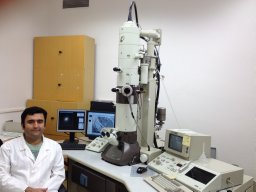 Hamid Niksirat合作论文数Research Institute of Fish Culture and Hydrobiology, University of South Bohemia in České Budĕjovice9
 Noemie Braekeveldt合作论文数Merus N.V.9
 David Gisselsson Nord合作论文数Faculty of Medicine, Lund University;Division of Clinical Genetics, Lund University;Lund University Cancer Centre9Tommy Martinsson合作论文数University of Gothenburg, Sahlgrenska University Hospital/East9
 David Lindgren合作论文数Linkoping University;Division of Automatic;Linkoping University, Linkoping University9Siv Beckman合作论文数9
 Jan Koster合作论文数Amsterdam UMC9
 Malin Lindstedt合作论文数Department of Immunotechnology;Lund University;Department of Immunotechnology, Lund University9
 Ingrid Øra合作论文数9
 Rosa Noguera Salva合作论文数Department of Pathology, Medical School, University of Valencia9Jari Häkkinen合作论文数Department of Theoretical Physics, Lund University9Anna Börjesson合作论文数9Ana P. Berbegall合作论文数9Daniel Bexell合作论文数9Håkan Axelson合作论文数9
 Karin Hansson合作论文数Dept. of Comput. & Syst. Sci., R. Inst. of Art & Stockholm Univ.;c;Dept. of Comput. & Syst. Sci., R. Inst. of Art & Stockholm Univ.8Teleman Johan合作论文数8Morten Krogh合作论文数8
 Erik Alexandersson合作论文数8
 Aakash Chawade合作论文数Department of Plant Breeding, Swedish University of Agricultural Sciences;Phenoyard AB7
 Johan Malmström合作论文数Biognosys AG7Kristofer Wårell合作论文数7Peter Rådström合作论文数Lund Institute of Technology, Lund University7
 Renato Ivan de Avila合作论文数Department of Immunotechnology, Lund University6
 Ali Ashfaq合作论文数6
 Martin Eisenacher合作论文数Interdisciplinary Centre for Clinical Research (IZKF) Muenster, Westfälische Wilhelms University Muenster6
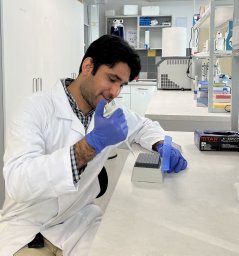 Kifayatullah Mengal合作论文数Sch Life Sci & Engn, Southwest Univ Sci & Technol5
 Kazi Julhash U合作论文数Dept Lab Med, Lund Univ5
 Paolo Cifani合作论文数5Lenman Marit合作论文数5
 Christian Stephan合作论文数5
 Helmut E. Meyer合作论文数Medizinisches Proteom-Center, Ruhr-Universität Bochum, D-44780 Bochum, Germany5Lennart Greiff合作论文数5
 Eric Deutsch合作论文数Moritz Lab, Institute for Systems Biology5
 Mats Ohlin合作论文数Department of Immunotechnology, Lund University5




