ABSTRACT French serradella ( Ornithopus sativus Brot.) is an annual pasture legume typically grown on acidic soils, but its potential for production in low‐rainfall, neutral to alkaline sandy soils of southern Australia is poorly documented. A series of experiments across low‐rainfall mixed‐farming regions assessed the adaptive advantages of French serradella relative to other annual pasture legumes grown in crop‐pasture rotations. Measurements included above‐ground dry matter (DM) production, groundcover, seed yield, nitrogen fixation, herbage quality, and suitability for dry sowing. French serradella showed strong adaptation to deep sandy soils across a pH range of 5.5 to 7.8, achieving groundcover, forage quality and nitrogen fixation rates comparable with most improved annual pasture legumes. Its resistance to powdery mildew limited the extent of this disease in pasture mixtures containing annual medics. Across landscape positions, French serradella dominated the dunes, showing a preference for light‐textured, deep sands with a neutral pH, in contrast to annual medics ( Medicago spp.) that dominated the alkaline, finer‐textured mid‐slopes and swales. Serradella's deeper rooting system and responsiveness to late‐season rainfall allowed longer persistence in the season than shallow‐rooted annual Medicago species. Serradella and a strand medic cv Seraph (sown as mixed pastures) regenerated from soil seed banks following grain cropping, highlighting the persistence and significance of these species in ley farming systems. Dry sowing of serradella pods was most effective in soils where compatible rhizobia were already established from prior lupin cultivation and when sowing coincided closely with rainfall events, indicating higher rhizobia survival. Our findings indicate that French serradella can be a complementary or an alternative pasture species to subterranean clover and medics, particularly in sandy and low‐rainfall mixed farming systems, depending on soil constraints. However, further work is required to refine inoculation strategies, pasture mixtures and grazing management and to evaluate the reliability of responses under variable environments.
This is a tribute to a truly inspirational plant biologist, Prof. John A. Raven, FRS, FRSE (25th June 1941– 23rd May 2024), who died at the age of 82. He was a leader in the field of evolution and physiology of algae and land plants. His research touched on many areas including photosynthesis, ion transport, carbon utilisation, mineral use, such as silicon, iron and molybdenum, the evolution of phytoplankton, the evolution of root systems, the impact of global change, especially on the acidification of the oceans, carbon gain and water use in early land plants, and ways of detecting extraterrestrial photosynthesis. Beginning his research career in the Botany School, University of Cambridge, John studied ion uptake in a giant algal cell. This was at the time of great strides brought about by Peter Mitchell (1920–1992) in elucidating the role of energy generation in mitochondria and chloroplasts and the coupling of ion transport systems to energy generation. With Enid MacRobbie and Andrew Smith, John pioneered early work on the involvement of ion transport in the growth and metabolism of plant cells.On leaving Cambridge John took up a lectureship at the University of Dundee in 1971, where he was still attached upon his death. His primary focus over the years, with one of us (Paul Falkowski), was on phytoplankton, the photosynthetic microalgae of the oceans. Still, his publication list of 5 books and over 600 scientific papers spans a very broad range. The many highly cited papers (see Table 1) attest to an outstanding innovator, who influenced a multitude of students and coworkers and a very wide readership worldwide. At the personal level, John Raven was a wonderful human being; he had an extraordinary memory, dredging up facts and little-known scientific papers, like a scientific magician, but at the same time making humorous jokes and involving his colleagues in fun and sympathetic appreciation.
The growing market of agricultural biologicals as alternatives to synthetic crop chemicals is driven by their ability to improve soil health, reduce carbon footprints, enhance crop yield and quality, and help counter declining protein levels in cereal crops linked to climate change and soil degradation. Ergothioneine (EGT), an amino acid with recognized nutraceutical and micronutrient properties, has gained popularity for its anti-inflammatory and antimicrobial properties on human health. While plants and humans cannot biosynthesize EGT, its production by Streptomyces coelicolor presents as a promising bio-stimulant to support overall plant and human health. Our study investigates the potential for S. coelicolor M145 to enhance EGT levels in spring wheat (Triticum aestivum). Results confirmed successful EGT extraction from bacterial cell extracts and plant tissues. The bacterial cells grown in nutrient rich media showed significant levels of EGT post day 7 of incubation, with an average of 0.32 μM of EGT, while bacteria growing in the limiting nutrient condition produced an average of 0.27 μM EGT. In parallel, wheat plants inoculated with S. coelicolor and extracted for EGT on day 10 post incubation, showed higher shoot EGT content (0.1168 ± 0.071 μM) in bacteria treated plants. Additionally, a fluorescent confocal microscopy staining and imaging protocol showed bacterial colonization on T. aestivum and its potential as a root endophyte. Following root inoculation, S. coelicolor was observed to inhabit roots, shoots, and internodes of T. aestivum, suggesting its potential endophytic lifestyle on host plants. Our data showed that S. coelicolor-associated wheat plants produce EGT in planta. Overall, our findings establish a direct link between soil and human health through rhizosphere colonization by S. coelicolor and in planta production of EGT, suggesting an alternate route to enhance protein concentration in crop plants.
Background The association between plants and soil microbes is critical for both soil and plant health. Studies have shown that introducing beneficial microbial inoculants can shape the soil microbiome community for plant health. Among these microbes, mycorrhizal fungi play a well-documented role in enhancing nutrient uptake in plants. Ergothioneine (ERGO), a compound well-known for its anti-inflammatory and antioxidant properties, has been linked to increased longevity in various model systems and its significance for human health. However, neither animals nor plants contain ERGO biosynthetic pathways, which are limited to fungi, including and some species of bacteria, including Actinomyceota, Cyanobacteria, and Methylobacteria. Though the leading dietary sources of ERGO for humans are fungi in the form of mushrooms or fermented foods, biofortification of crops by promoting the production and uptake of ERGO from microbial sources in the soil has promise for enhancing nutritional quality and public health outcomes. Results This study explores the of interaction between soil ERGO application and arbuscular mycorrhizal fungi (AMF) in plant-symbiotic relationships to increase the ERGO content in the staple crop wheat ( Triticum aestivum ). We investigate how ERGO supplementation, both alone and in combination with AMF, influences the wheat root and soil microbiome in a greenhouse experiments. Our data shows that plants can take up ERGO in absence of AMF fungi. In addition, treatment with pure ERGO and ERGO in combination with AMF altered microbial diversity and community structure in both the rhizosphere and rhizoplane regions of wheat roots. Conclusions Overall, our work reveals that plants can readily take up ERGO from soil, both with and without AMF presence, highlighting a broader role of ERGO in connecting soil health to human health, a connection that warrants further investigation. ### Competing Interest Statement The authors have declared no competing interest. USDA FFAR
Industrial hemp ( Cannabis sativa L.) is a versatile crop with applications in fiber, seeds, and medicine. Recent legalization has renewed interest in industrial hemp in the United States, particularly in fiber production, which has a critical role in carbon (C) sequestration and various industries, including textiles and construction. A 2‐year field experiment (2022–2023) was conducted at Rodale Institute—Pocono Organic Center, Blakeslee, PA, evaluating the performance of four hemp varieties (MS 77, Futura 75, Santhica 27, and Han NE) under regenerative organic systems. Seed rates were considered as 73 kg ha −1 for Santhica 27 and Futura 75, 135 kg ha −1 for MS 77, and 270 kg ha −1 for Han NE, targeting a plant population of 2.47 million plant ha −1 across varieties. Data on canopy cover, plant height, yields (biomass, stem, leaf, and flower), and cannabinoids were collected to assess the effects of variety and environmental conditions on growth and yield. Root samples from 2023 were also analyzed for arbuscular mycorrhizal fungi (AMF) colonization. Han NE demonstrated the highest growth, yields, and canopy cover, followed by MS 77, with more favorable growing conditions in 2023. Additionally, AMF colonization was consistent across varieties, reporting a higher colonization in MS 77 (45.37%), suggesting enhanced nutrient uptake and stress tolerance. Based on the results, Han NE and MS 77 are promising hemp varieties for fiber production in this region. Further research is required to explore the impact of mycorrhizal colonization on hemp production under varying nutrient conditions for sustainable production.
Rotational grazing and cover crops are conservation practices known to improve soil health, particularly soil organic carbon (SOC) and aggregate stability. Combining both practices may enhance these benefits more than either alone. With grazing lands covering 41% of U.S. agricultural land, adopting such methods could significantly impact the soil carbon cycle. A study near Koshkonong, Missouri, examined the effects of regenerative organic grazing with Bubalus bubalis (Linnaeus) on SOC, carbon sequestration, aggregate stability, and soil resistance. The 1620-hectare ranch tested four treatments: rotational grazing with cover crops (RGCC), grazing on native grasses (RGNCC), cover crops without grazing (NGCC), and orchards without cover crops or grazing (NGNCC). Cover crops were seeded twice yearly with diverse species. After three years, SOC increased most in NGNCC (28%), followed by RGCC (13%), NGCC (7%), and RGNCC (4%). Annual carbon gains in surface soils were highest in NGNCC (0.99 Mg ha−1 yr−1). Across all depths, NGCC led (4.88 Mg ha−1 yr−1). Aggregate stability was greatest in non-grazed systems, particularly in fine aggregates, and declined with soil disturbance. Overall, low-disturbance systems like orchards and no-grazing cover crop plots enhanced soil structure and carbon storage. Strategic management is key to improving soil function and ecosystem resilience.
In this paper we review the membrane transport processes that are involved in the transfer of mineral nutrients and organic carbon between the symbiotic partners in mycorrhizas. In particular, we reassess the prevailing hypothesis that transfer in vesicular-arbuscular (VA) mycorrhizas occurs simultaneously and bidirectionally across the same interface and that arbuscules are the main sites of transfer. Using cytochemical techniques, we and our collaborators have reexamined the distribution of ATPases in the arbuscular and intercellular hyphal interfaces in VA mycorrhizas formed between roots ofAllium cepa (onion) and the fungus Glomus intraradices. The results showed that H +-ATPases have different localisation on plant and fungal membranes in arbuscular and hyphal interfaces (Gianinazzi-Pearson et al. 1991). While some arbuscular interfaces had H+-ATPase activity on both fungal and plant membranes, in most cases the fungal membrane lacked this activity. In contrast, the plasma membranes of intercellular hyphae always had H + -ATPase and the adjacent root cells did not. This suggests that the different interfaces in a VA mycorrhiza may have different functions. We propose that passive loss of P from the arbuscules is associated with active uptake by the energised (ATPase-bearing) plant membrane and that passive loss of carbohydrate from the root cells is followed by active uptake by the intercellular hyphae. If this model is correct, then variations in "mycorrhizal efficiency" (i.e. the extent to which mycorrhizal plants grow better than non-mycorrhizal controls) might be determined by differences in the numbers of active arbuscules as a proportion of the total fungal biomass within the root. As a first step towards investigating this possibility, we have developed methods for measuring the surface areas of arbuscular and hyphal interfaces in different fungus-host combinations, Glomus spp./ Allium porrum (leek). We have also measured fluxes of P from fungus to plant and have been able to partition these between the arbuscular and total (arbuscular plus hyphal) interfaces. The implications of this work, and suggestions for future investigations of the molecular mechanisms involved in nutrient transfer in mycorrhizas, are discussed
Ectomycorrhizal (ECM) fungi are pivotal in acquiring phosphorus (P) in nutrient-deficient soils, especially beyond the rhizosphere. However, the extent to which ECM community structure and function affect the utilization of various P-containing substrates in forest soils is not fully understood. This study explored the influence of different P substrates — calcium orthophosphate, phosphate-saturated goethite, fluorapatite, and wheat bran—on the release of plant-available P using hyphal in-growth mesh bags. Our results show that these substrates released comparable amounts of plant-available P to the Pinaceae hosts. A significant correlation was observed between the relative abundance of Tylospora (Atheliaceae) and Hourangia (Boletaceae), and their extracellular enzyme activities involved in P acquisition and trivalent iron reduction. This correlation was particularly evident in fungal taxa characterized by long/medium-distance hyphal exploration types. These findings underscore the ECM fungi's distinct preferences for different P-containing substrates, emphasizing the importance of recognizing these preferences to enhance forest management in low P environments.
The research interests of John Albert Raven, who died on 23 May 2024 aged 82, extended in scale from plant cell biochemistry and physiology through whole-plant physiology and ecophysiology to plant ecology and evolution of aquatic and terrestrial plants and even astrobiology. He collected and collated an enormous amount of information for which he had a powerful memory. He collaborated widely with scientists world-wide and helped many researchers strengthen their careers. John Raven’s achievements deserve to be fondly remembered. The present contribution largely focuses on his early research career, during which he collaborated with the present author, and highlights later influential activities and contributions that relate to plant-soil interactions, and his unique personality as a researcher.
Most insects harbour influential, yet non-essential heritable microbes in their hemocoel. Communities of these symbionts exhibit low diversity. But their frequent multi-species nature raises intriguing questions on roles for symbiont-symbiont synergies in host adaptation, and on the stability of the symbiont communities, themselves. In this study, we build on knowledge of species-defined symbiont community structure across US populations of the pea aphid, Acyrthosiphon pisum. Through extensive symbiont genotyping, we show that pea aphids' microbiomes can be more precisely defined at the symbiont strain level, with strain variability shaping five out of nine previously reported co-infection trends. Field data provide a mixture of evidence for synergistic fitness effects and symbiont hitchhiking, revealing causes and consequences of these co-infection trends. To test whether within-host metabolic interactions predict common versus rare strain-defined communities, we leveraged the high relatedness of our dominant, community-defined symbiont strains vs. 12 pea aphid-derived Gammaproteobacteria with sequenced genomes. Genomic inference, using metabolic complementarity indices, revealed high potential for cooperation among one pair of symbionts-Serratia symbiotica and Rickettsiella viridis. Applying the expansion network algorithm, through additional use of pea aphid and obligate Buchnera symbiont genomes, Serratia and Rickettsiella emerged as the only symbiont community requiring both parties to expand holobiont metabolism. Through their joint expansion of the biotin biosynthesis pathway, these symbionts may span missing gaps, creating a multi-party mutualism within their nutrient-limited, phloem-feeding hosts. Recent, complementary gene inactivation, within the biotin pathways of Serratia and Rickettsiella, raises further questions on the origins of mutualisms and host-symbiont interdependencies.
James Carnegy was an influential merchant and public figure in early 19th century Penang. His life and career have been largely overlooked, and much new information is presented here. The illegitimate son of a minor Scottish landowner, Carnegy had a short career in Britain’s Royal Navy, and then in the 1780s became a successful private trader in India. He moved to Penang around 1802 as a trader and shipowner. This article traces voyages of his vessels, as well as his extensive financial dealings and his interactions with the British East India Company (EIC) authorities in Penang. Carnegy’s success grew out of his earlier trading activities, professional contacts with other private traders, and positive interactions with EIC officials and local residents. The article shows in some detail the activities of a merchant in early nineteenth-century Penang.
Societal Impact StatementEvidence has emerged that the antioxidant ergothioneine may be important in preventing many inflammatory diseases in humans. However, ergothioneine is not produced by humans or plants and is only made by fungi and some bacteria in soils. As such, humans get ergothioneine from eating fungi (mushrooms) or plants that take it up from the soil. In this study, we found that growing plants with beneficial fungi called arbuscular mycorrhizal fungi increased the amount of ergothioneine in plant tissues. This suggests that promoting agricultural practices that maintain healthy populations of beneficial soil fungi may improve the nutritional quality of crops.Summary The amino acid ergothioneine (ERGO) has recently gained attention as an antioxidant that benefits human health. ERGO is produced by fungi and mycobacteria in soils and is acquired only from diet. The mechanism by which ERGO is transferred from soil to plant is unknown. Recent work has shown that tillage reduces the amount of ERGO in crops. As tillage also reduces arbuscular mycorrhizal fungi (AMF) populations, we examined the relationship between AMF and plant ERGO uptake. We grew asparagus, black beans, wheat, and oats with a variety of single and mixed species AMF inocula and compared ERGO levels of these plants to plants that were uninoculated. Mycorrhizal inoculation enhanced ERGO content across all plants. There was a positive correlation between AMF colonization level and plant ERGO content. AMF appear to be important mediators of plant ERGO uptake. Future research is needed to identify the mechanism that leads to higher ERGO in plants colonized by AMF in order to promote farming practices that enhance AMF populations and increase crop ERGO concentration in field settings.
At the end of the seventeenth century, the trade monopoly of the English East India Company was increasingly under threat, both in England and overseas. This article describes voyages to India and the East Indies between 1688 and 1699 by ships commanded by Richard Etherington. Firstly, he commanded a ship chartered by the East India Company for a voyage to India, the outcome of which was shipwreck. After events in England that significantly affected the East India Company's future, he commanded a ship chartered by private merchants, voyaging to Borneo and then, rather unusually, on to Timor. English and Dutch archival sources have been put together to illustrate Etherington's voyages in relation to the various issues that influenced English trade, and also the small world of maritime and mercantile activities in the region at the time.
Microbial inoculants containing arbuscular mycorrhizal (AM) fungi are potential tools in increasing the sustainability of our food production systems. Given the demand for sustainable agriculture, the production of such inoculants has potential economic value and has resulted in a variety of commercial inoculants currently being advertised. However, their use is limited by inconsistent product efficacy and lack of consumer confidence. Here, we propose a framework that can be used to assess the quality and reliability of AM inoculants. First, we set out a range of basic quality criteria which are required to achieve reliable inoculants. This is followed by a standardized bioassay which can be used to test inoculum viability and efficacy under controlled conditions. Implementation of these measurements would contribute to the adoption of AM inoculants by producers with the potential to increase sustainability in food production systems.
Insects harbor a variety of maternally inherited bacterial symbionts. As such, variation in symbiont presence/absence, in the combinations of harbored symbionts, and in the genotypes of harbored symbiont species provide heritable genetic variation of potential use in the insects’ adaptive repertoires. Understanding the natural importance of symbionts is challenging but studying their dynamics over time can help to elucidate the potential for such symbiont-driven insect adaptation. Toward this end, we studied the seasonal dynamics of six maternally transferred bacterial symbiont species in the multivoltine pea aphid (Acyrthosiphon pisum). Our sampling focused on six alfalfa fields in southeastern Pennsylvania, and spanned 14 timepoints within the 2012 growing season, in addition to two overwintering periods. To test and generate hypotheses on the natural relevance of these non-essential symbionts, we examined whether symbiont dynamics correlated with any of ten measured environmental variables from the 2012 growing season, including some of known importance in the lab. We found that five symbionts changed prevalence across one or both overwintering periods, and that the same five species underwent such frequency shifts across the 2012 growing season. Intriguingly, the frequencies of these dynamic symbionts showed robust correlations with a subset of our measured environmental variables. Several of these trends supported the natural relevance of lab-discovered symbiont roles, including anti-pathogen defense. For a seventh symbiont—Hamiltonella defensa—studied previously across the same study periods, we tested whether a reported correlation between prevalence and temperature stemmed not from thermally varying host-level fitness effects, but from selection on co-infecting symbionts or on aphid-encoded alleles associated with this bacterium. In general, such “hitchhiking” effects were not evident during times with strongly correlated Hamiltonella and temperature shifts. However, we did identify at least one time period in which Hamiltonella spread was likely driven by selection on a co-infecting symbiont—Rickettsiella viridis. Recognizing the broader potential for such hitchhiking, we explored selection on co-infecting symbionts as a possible driver behind the dynamics of the remaining six species. Out of twelve examined instances of symbiont dynamics unfolding across 2-week periods or overwintering spans, we found eight in which the focal symbiont underwent parallel frequency shifts under single infection and one or more co-infection contexts. This supported the idea that phenotypic variation created by the presence/absence of individual symbionts is a direct target for selection, and that symbiont effects can be robust under co-habitation with other symbionts. Contrastingly, in two cases, we found that selection may target phenotypes emerging from symbiont co-infections, with specific species combinations driving overall trends for the focal dynamic symbionts, without correlated change under single infection. Finally, in three cases—including the one described above for Hamiltonella—our data suggested that incidental co-infection with a (dis)favored symbiont could lead to large frequency shifts for “passenger” symbionts, conferring no apparent cost or benefit. Such hitchhiking has rarely been studied in heritable symbiont systems. We propose that it is more common than appreciated, given the widespread nature of maternally inherited bacteria, and the frequency of multi-species symbiotic communities across insects.
Abstract:There has been extensive trade between Borneo and the outside world for at least 1000 years but there are considerable problems in establishing the precise locations of the major polities that were involved in this trade. One of them, Tanjungpura (with spelling variations), appears in Chinese, Javanese, Malay, and Portuguese records until the end of the 16th century CE and then disappears. The popular view is that it lay on the Pawan river and that Sukadana is its successor, but some maps show Tanjungpura in northerly locations in Borneo or in the south. This issue now deserves attention, particularly because a recently published oral history mentions more than one Tanjungpura in Borneo. This article reviews references to Tanjungpura in early records, to address the question in the title, and wider occurrences of the name in the Indonesian archipelago.
Facultative, heritable endosymbionts are found at intermediate prevalence within most insect species, playing frequent roles in their hosts’ defence against environmental pressures. Focusing on Hamiltonella defensa , a common bacterial endosymbiont of aphids, we tested the hypothesis that such pressures impose seasonal balancing selection, shaping a widespread infection polymorphism. In our studied pea aphid ( Acyrthosiphon pisum ) population, Hamiltonella frequencies ranged from 23.2% to 68.1% across a six‐month longitudinal survey. Rapid spikes and declines were often consistent across fields, and we estimated that selection coefficients for Hamiltonella ‐infected aphids changed sign within this field season. Prior laboratory research suggested antiparasitoid defence as the major Hamiltonella benefit, and costs under parasitoid absence. While a prior field study suggested these forces can sometimes act as counter‐weights in a regime of seasonal balancing selection, our present survey showed no significant relationship between parasitoid wasps and Hamiltonella prevalence. Field cage experiments provided some explanation: parasitoids drove modest ~10% boosts to Hamiltonella frequencies that would be hard to detect under less controlled conditions. They also showed that Hamiltonella was not always costly under parasitoid exclusion, contradicting another prediction. Instead, our longitudinal survey – and two overwintering studies – showed temperature to be the strongest predictor of Hamiltonella prevalence. Matching some prior lab discoveries, this suggested that thermally sensitive costs and benefits, unrelated to parasitism, can shape Hamiltonella dynamics. These results add to a growing body of evidence for rapid, seasonal adaptation in multivoltine organisms, suggesting that such adaptation can be mediated through the diverse impacts of heritable bacterial endosymbionts.
Sally Smith (1941–2019) was a world leader in the study of arbuscular mycorrhizal symbioses between plants and soil fungi that allow a wide range of plants to grow in soils low in nutrients, especially phosphate (Fig. 1). Her work has been relevant to both plant ecology and agricultural productivity. Sally obtained a tenurable position at the University of Adelaide after many years’ employment on short-term contracts. She rapidly developed a large and active group that researched at scales ranging from advanced microscopy through molecular biology and physiology to plant ecology. Sally established long-standing international collaborations and was awarded many honours. She was a keen cook and gardener, and became an avid birdwatcher, travelling the world with her husband Andrew in pursuit of their hobby. Fig. 1. Sally on her election to the Australian Academy of Science, 2001. Photographer unknown. Reproduced with the permission of the Australian Academy of Science.
William Scott, a relative of James Scott, lived in Penang between 1795 and 1798 and between 1800 and 1805. His handwritten diaries have been transcribed by Marcus Langdon and published in JMBRAS (2019). Two pages missing from the copy used by Langdon are transcribed here from another copy. They cover Scott's first departure in 1798 and the eventful voyage to Cape Town in a frigate of the Royal Navy commanded by Samuel Hood Linzee. William Scott's unpublished papers include detailed logs that describe this and other voyages. Events on the voyage to Cape Town are described here and Linzee's life before his premature death after a highly successful naval career is summarised. Also summarised are the maritime career of Robert Scott, William's brother and a commander of private trading vessels, and the later death by piracy of another ship's commander, Hugh Drysdale, with whom William travelled in a voyage from Calcutta to Penang. William's later life in Scotland is also summarised.
 Se Smith合作论文数93
 Sally Smith合作论文数School of Agriculture, Food and Wine, University of Adelaide52
 Yongguan Zhu (朱永官)合作论文数Research Center for Eco-Environmental Sciences, Chinese Academy of Sciences30
 Robert Reid合作论文数Department of Ecology and Evolutionary Biology, School of Biological Sciences, The University of Adelaide29
 John Albert Raven合作论文数University of Dundee17
 Timothy R. Cavagnaro合作论文数School of Agriculture, Food and Wine, Faculty of Sciences, The University of Adelaide15Na Walker合作论文数13
 Iver Jakobsen合作论文数Department of Plant and Environmental Sciences, University of Copenhage13Sarah M Ayling合作论文数10
 Mark Tester合作论文数Center of Excellence for Sustainable Food Security, Biological and Environmental Science and Engineering Division, King Abdullah University of Science and Technology;Center for Desert Agriculture, King Abdullah University of Science and Technology;The Salt Lab, King Abdullah University of Science and Technology9S. Dickson合作论文数9
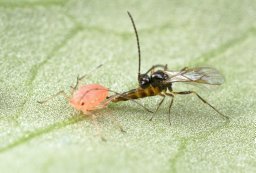 Kerry M Oliver合作论文数University of Georgia8N. A. Walker合作论文数8Evelina Facelli合作论文数8
 Jacob A Russell合作论文数Departments of * Entomology;Ecology and Evolutionary Biology;University of Arizona;Departments of * Entomology, University of Arizona8Huiying Li合作论文数6
 Baodong Chen (陈保冬)合作论文数State Key Laboratory of Urban and Regional Ecology, Research Center for Eco-Environmental Sciences, Chinese Academy of Sciences;University of Chinese Academy of Sciences6Melvin Henriksen合作论文数6Nicholas D J合作论文数5
 Watts-Williams Stephanie J合作论文数School of Biological Sciences, Monash University5
 Tetsuro Mimura (三村徹郎)合作论文数Division of Biomolecular Organization, Department of Biology, Graduate School of Science & Faculty of Science, Kobe University5
 Petra Marschner合作论文数School of Agriculture Food and Wine, The University of Adelaide5
 Susan J. Barker合作论文数School of Plant Biology, The University of Western Australia5
 Jose M Facelli合作论文数School of Biological Sciences, Faculty of Sciences, Engineering and Technology, University of Adelaide5
 Daniel Schachtman合作论文数Department of Agronomy and Horticulture, University of Nebraska‒Lincoln;Institute of Agriculture and Natural Resources, University of Nebraska‒Lincoln;Center for Biotechnology, University of Nebraska‒Lincoln;Center for Plant Science Innovation, University of Nebraska‒Lincoln5AB Hope合作论文数4Jonah Joffe合作论文数4
 Airong Li (李爱荣)合作论文数Kunming Institute of Botany, Chinese Academy of Sciences4
 David Vaughan合作论文数British Antarctic Survey4Manjarrez Maria合作论文数4Stonor Rebecca N合作论文数4Christophersen H M合作论文数4
 Wenju Liu (刘文菊)合作论文数College of Resources & Environment Sciences, Hebei Agricultural University4Ling-Ling Gao (高玲玲)合作论文数4Sandy Dickson合作论文数4Peter S. Friedmann合作论文数4Helle M. Christophersen合作论文数4Garry M. Rosewarne合作论文数international maize and wheat improvement center4Eileen S. Scott合作论文数4
 Kaiyun Guan (管开云)合作论文数Xinjiang Institute of Ecology and Geography, Chinese Academy of Sciences4
 Mary Jane Beilby合作论文数4LJ DOWELL合作论文数3Hl Shapiro合作论文数3Mg Pitman合作论文数3C. Pickard合作论文数3
 Damon Davies合作论文数Univ Edinburgh, Sch GeoSci, Edinburgh EH8 9XP, Midlothian, Scotland3
 Alex Mark Brisbourne合作论文数British Antarctic Survey3
 David A. Robinson合作论文数UK Centre for Ecology & Hydrology3
 John E. Hall合作论文数Department of Physiology and Biophysics, University of Mississippi Medical Center;Mississippi Center for Obesity Research, University of Mississippi Medical Center3




