Multidrug resistance remains a major obstacle in cancer therapy and is driven by hyperactive efflux transporters and dysregulated signaling pathways. In this study, text mining and network analyses were performed to identify key genes associated with breast cancer drug resistance. Critical regulatory nodes were identified using the Boykov-Kolmogorov algorithm applied to a directed protein–protein interaction network. Molecular docking and molecular dynamics simulations were subsequently conducted to screen FDA-approved drugs for potential interactions with these targets. Cytotoxicity, migration, apoptosis, efflux activity, and relative gene expression assays were performed in drug-resistant and parental breast and gastric cancer cell lines to experimentally evaluate drug effects. ESR1, PPARD, and NFKB1 were identified as essential cut nodes sustaining MDR network connectivity. Drug repurposing analyses predicted celecoxib, desloratadine, and dutasteride as ligands targeting these proteins. Experimental validation demonstrated that the triple-drug combination significantly increased mitoxantrone sensitivity (P < 0.001) in multidrug-resistant breast cancer cells. This effect was accompanied by marked inhibition of drug efflux, including significant suppression of BCRP activity (P < 0.05) and up to a 20-fold reduction in BCRP gene expression (P < 0.001), while more limited effects were observed on MDR1 expression in gastric cells. Collectively, the combination treatment restored chemotherapy responsiveness, reduced cell migration, and promoted apoptosis. Overall, this study suggests that integrating network-based analysis with drug repurposing may provide a useful framework for identifying potential multidrug strategies against drug resistance. These findings offer a computational basis for further experimental validation and potential development of anti-resistance therapeutic approaches.
Multiple sclerosis (MS) is a chronic autoimmune disorder of the CNS, characterized by inflammation, demyelination, and progressive neurodegeneration. Disease progression involves four key interconnected stages: the activation of immune cells in peripheral lymph regions, the migration of autoreactive cells across the blood-brain barrier, demyelination, and an often incomplete remyelination response. Despite such significant therapeutic advances, major challenges remain in early diagnosis, patient stratification, and personalized intervention. Artificial intelligence has emerged as a powerful tool to address these challenges by integrating complex, multimodal data sets and uncovering patterns. This review provided a comprehensive overview of MS pathogenesis and evaluated current and emerging therapeutic strategies. Recent advances in applying AI-driven approaches to MS diagnosis, including MRI-based lesion detection, disease-activity prediction, and support for individualized prognosis, were also investigated. Additionally, generative and predictive computational frameworks that enable rapid drug development, repositioning, therapeutic target identification, and the rational design of new molecules with optimized safety and efficacy profiles in MS were reviewed. Finally, current limitations, ethical considerations, and barriers to clinical translation are discussed, emphasizing the need for high-quality datasets, standardized evaluation, and robust validation strategies. Synthesizing the emerging evidence, the current review highlights how AI-enabled methodologies are reshaping MS research, connecting molecular insights with clinical decision-making and opening new perspectives for more accurate diagnosis, deeper mechanistic understanding, and personalized therapeutic development.
Abstract One of the most frequently used methods in computational drug design is quantitative structure-activity relationship (QSAR). The main purpose of QSAR modeling is to estimate the relationship between chemical structures and biological activity in a group of molecules. In this method, molecules that have the greatest impact and the least side effects can be identified and extracted among huge numbers of molecular compounds. The molecular descriptors play a crucial role in QSAR design, and contain the physical, chemical, and geometric information. This information is called a feature that acts as an input to the QSAR model. Today, with the design of various applications to calculate molecular descriptors, the information obtained for each chemical structure is rising day by day which could lead to serious problems such as redundancy and over fitting. To solve this problem, researchers have used various techniques such as feature selection to improve the results of the model. The important point is that if the features are not properly selected, the QSAR model will fail. Up to now, different algorithms have been proposed to select the descriptors, which there are two main categories, supervised and unsupervised. The main purpose of this paper is to review feature selection methods in QSAR studies.
Diabetes mellitus is a global health challenge characterized by chronic hyperglycemia. α-Glucosidase inhibitors, like acarbose, are pivotal in managing postprandial blood glucose levels but are often associated with gastrointestinal side effects. This study aimed to rationally design and synthesize a library of 2-((6-amino-5,7-diaryl-[1,2,4]triazolo[1,5-a]pyrimidin-2-yl)thio)-N-arylacetamide derivatives (15a-15ae) as potent and selective α-glucosidase inhibitors. All 31 target compounds exhibited inhibitory activity (IC50 ranging from 7.09 μM to 245.57 μM) under assay conditions where the reference drug, acarbose, exhibited an IC50 value of 750.67 μM. The most potent compound, 15o (IC50 = 7.09 ± 0.2 μM), demonstrated approximately 106-fold higher potency than acarbose under the identical assay conditions. Kinetic analysis indicated that 15o acted as a competitive inhibitor (Kᵢ = 6.9 μM). Moreover, this compound did not show α-amylase inhibitory activity and cytotoxicity at concentration of 100 μM, showing preliminary indications of favorable safety and selectivity. Spectroscopic studies (CD, fluorescence) and computational analyses (model performance and augmentation, docking, and MD simulations) confirmed the strong binding affinity and stabilization of compound 15o within the enzyme's active site. In vivo evaluation in a diabetic rat model demonstrated that 15o (30 mg/kg BW) significantly reduced fasting blood glucose, improved glucose tolerance in OGTT, reduced HbA1c levels to near-normal ranges, and restored hepatic and pancreatic histology, with effects better than those observed with acarbose in this model. Compound 15o also exhibited acceptable acute toxicity profiles. These findings introduced compound 15o as a promising lead candidate for further structural development of anti-diabetic agents.
AIMS:This study aims to develop a receptor-dependent 4D-QSAR model to overcome key limitations of traditional QSAR, including its dependency on molecular alignment and poor performance with small datasets, by integrating ligand - target interaction information. MATERIALS & METHODS:Angiogenesis-related receptors, including VEGFR2, FGFR1-4, EGFR, PDGFR, RET, and HGFR (MET) were chosen based on the biological relevance in cancer. Ligand datasets with known IC₅₀ values were extracted from PubChem. One hundred docked conformers per ligand were generated using AutoDock. Protein - ligand interaction fingerprints were computed and encoded as 4D-descriptors. After evaluation via multiple classification algorithms, Random Forest was selected for model construction. RESULTS:The results shown that the proposed model outperformed traditional 2D-QSAR approaches across all targets. Accuracy exceeded 70% in most datasets, including those with fewer than 30 compounds. Besides, the model performance was significantly improved via using all conformers versus using a single best pose. The model demonstrated robust predictive power across varying receptor classes under consistent assay conditions. CONCLUSIONS:The proposed receptor-dependent 4D-QSAR model provides enhanced accuracy and generalizability for small, diverse datasets. Its integration of LTI-derived descriptors makes it a valuable tool for early-stage lead optimization and supports rational multi-target drug design in oncology.
Accurate prediction of drug-target interactions (DTIs) is critical for accelerating drug repositioning and reducing the cost of pharmaceutical development. Most existing studies frame DTI prediction as a binary task and often neglect the pharmacological action types and the quality of non-interaction data. This study introduces a multi-class classification framework that categorizes interactions into activators, inhibitors, and non-action classes. A novel zero-interaction selection algorithm is proposed, based on weighted drug-drug and protein-protein similarity scores, to improve dataset diversity and reliability. Drug and protein features were extracted from DrugBank, PubChem, and UniProt, and various feature selection and dimensionality reduction techniques-including decision tree, random forest importance scores, principal component analysis (PCA), Autoencoders, and Permutation importance-were evaluated to identify the most informative features for classification. We also compare concatenation-based and convolution-based feature integration strategies and systematically evaluate a range of classifiers, including both feature-based and graph-based models, with special attention to ensemble learning approaches. The concatenation method consistently outperforms convolution, and Histogram-based Gradient Boosting (HGB) achieves the best predictive overall accuracy with an average of 87.90% on the external test set. Meanwhile, HeteroGNN demonstrates more balanced class-wise performance, particularly for underrepresented classes. This work provides a scalable and interpretable framework for computational drug repositioning, supporting faster and more cost-effective identification of therapeutic candidates.
Background:The cellular mesenchymal-epithelial transition (c-Met) receptor, a member of the receptor tyrosine kinase family, is a novel therapeutic target for treating many cancers, including stomach cancer. Overexpression of c-Met and/or high levels of hepatocyte growth factor (HGF) correlate with poor prognosis. Statins, as LDL-lowering agents, are exploited to obtain anti-cancer effects via a wide range of pleiotropic effects. Objectives:The present study aimed to discover the most effective statin as a c-Met signaling inhibitor through computational and experimental approaches. Methods:Two main computational approaches, i.e., machine learning (ML) model and molecular dynamics (MDs) simulation, were followed by cytotoxicity, flow cytometric analysis, and western blot assay on AGS and MKN-45 gastric cancer cells. Results:The machine learning section was founded on developing tree-based classification algorithms to predict the biological activities of the proposed statin structures as c-Met receptor inhibitors. In the second step, molecular docking and MD simulation were utilized to estimate the biomolecular interactions. The proposed classification models reveal that all structures have more than 200 nM biological activities. Machine learning led the experiment to find fluvastatin and pitavastatin as the two compounds with the highest inhibitory effects. In cell-based assays, both tested statins exhibited cytotoxicity and induced apoptosis, accompanied by sub-G1 accumulation in gastric cancer cells. However, no significant reduction in c-Met phosphorylation was observed by western blot. Conclusions:No relation between the statins' inhibitory effect and the c-Met pathway on cancerous cells could be reported.
α-Glucosidase inhibitors are widely used in the management of type 2 diabetes mellitus (T2DM) by delaying carbohydrate digestion and reducing postprandial blood glucose levels. However, current drugs suffer from limited efficacy and gastrointestinal side effects, highlighting the need for novel inhibitors with improved potency and selectivity. In this study, a novel series of 5,7-diaryl-[1,2,4]triazolo[1,5-a]pyrimidin-6-amines 9a-9t was designed and prepared through an efficient, straightforward synthetic route. Subsequently, they were evaluated for their α-glucosidase inhibitory activity, with compound 9s exhibiting the most potent inhibition (IC50 = 24.32 ± 0.18 µM), outperforming acarbose by over 30-fold. Enzyme kinetics revealed a competitive inhibition mode, and selectivity assays confirmed minimal α-amylase inhibition. Spectroscopic analyses (CD and fluorescence) demonstrated significant conformational changes in α-glucosidase upon ligand binding, suggesting structural stabilization and reduced flexibility. Molecular docking and 200-ns MD simulations confirmed persistent hydrophobic and halogen-bond interactions, particularly with residues Phe303, Arg315, and Gln182. Additionally, a BERT-based deep learning model with SMILES augmentation accurately predicted the biological activity of synthesized compounds, validating our computational pipeline. These findings highlight [1,2,4]triazolo[1,5-a]pyrimidines as promising scaffolds for the development of selective and potent α-glucosidase inhibitors.
α-Glucosidase is a key enzyme responsible for controlling the blood glucose, making a pivotal target in the treatment of type 2 diabetes mellitus. Present work introduces1,2,4triazolo[1,5-a]pyridine as a novel, potent scaffold for α-glucosidase inhibition. A diverse scope of targeted compounds was prepared through an efficient, straightforward synthetic protocol. A series of compounds (15a-15v) were synthesized using a simple and efficient protocol, all showing notable inhibitory activity. Among them, compound 15j exhibited the best inhibition potency (IC₅₀ = 6.60 ± 0.09 µM), acting as a competitive and selective α-glucosidase inhibitor with no effect on α-amylase. Moreover, comprehensive computational studies were performed to validate the in vitro results and provide insight into compounds' binding interactions within the α-glucosidase's active site. The machine learning model, trained with the Estate fingerprint, achieved an AUC score of 0.65, demonstrating its utility in predicting α-glucosidase inhibition. Random Forest was identified as the most suitable model, and the dataset with the highest R² value was selected for further feature selection and model improvement. Molecular docking studies demonstrated that compound 15j had a strong binding affinity toward α-glucosidase, with a docking score of - 10.04 kcal/mol, and formed several remarkable interactions, particularly three key hydrogen bonds with TYR158, GLN353, and GLU411, contributing to its high inhibitory efficacy. The results of the molecular dynamics simulation demonstrated that the 15j-α-glucosidase complex exhibits high stability and effectively maintains its binding without causing significant structural changes in the enzyme, confirming the stable interaction and selective inhibition of this compound at the enzyme's active site.
Diabetes remains one of the critical health issues worldwide, and its prevalence is gaining motion due to prevailing factors such as obesity and a sedentary lifestyle. Traditional herbal medications and natural products, particularly enzyme inhibitors, such as alpha-glucosidase, serve as promising alternatives. This study attempted to identify potent alpha-glucosidase inhibitors by including data augmentation in deep-learning modeling. To achieve the aim, various data augmentation techniques were generated from diverse SMILES strings and augmented deep learning model performances through improved data variability. Fine-tuning of pre-trained models from the Hugging Face repository was performed, and among all, it was shown that the performance of PC10M-450k was the best recall. Further applications consider the model identified as PC10M-450 K. With this model, it was identified actaeaepoxide 3-O-xyloside from Black Cohosh was a potential inhibitor. Further molecular docking and MD simulations presented this compound to interact stably with the enzyme and possess a high inhibition probability when compared to acarbose. The results of insilico drug discovery displayed that actaeaepoxide 3-O-xyloside is pointed out to be a potential candidate for diabetes therapy. In conclusion, the role of augmentation techniques and pre-trained models was also emphasized in the presented investigation to accelerate drug discovery toward more effective therapeutic solutions.
Tumor cell survival depends on the presence of oxygen and nutrients provided by existing blood vessels, particularly when cancer is in its early stage. Along with tumor growth in the vicinity of blood vessels, malignant cells require more nutrients; hence, capillary sprouting occurs from parental vessels, a process known as angiogenesis. Although multiple cellular pathways have been identified, controlling them with one single biomolecule as a multi-target inhibitor could be an attractive strategy for reducing medication side effects. Three critical pathways in angiogenesis have been identified, which are activated by the vascular endothelial growth factor receptor (VEGFR), fibroblast growth factor receptor (FGFR), and epidermal growth factor receptor (EGFR). This study aimed to develop a methodology to discover multi-target inhibitors among over 2000 FDA-approved drugs. Hence, a novel ensemble approach was employed, comprising classification and regression models. First, three different deep autoencoder classifications were generated for each target individually. The top 100 trained models were selected for the high-throughput virtual screening step. After that, all identified molecules with a probability of more than 0.9 in more than 70% of the models were removed to ensure accurate consideration in the regression step. Since the ultimate aim of virtual screening is to discover molecules with the highest success rate in the pharmaceutical industry, various aspects of the molecules in different assays were considered by integrating ten different regression models. In conclusion, this paper contributes to pharmaceutical sciences by introducing eleven diverse scaffolds and eight approved drugs that can potentially be used as inhibitors of angiogenesis receptors, including VEGFR, FGFR, and EGFR. Considering three target receptors simultaneously is another central concept and contribution used. This concept could increase the chance of success, while reducing the possibility of resistance to these agents.
A series of coumarin-chalcone-1,2,3-triazoles were designed and synthesized as potential antidiabetic agents targeting α-glucosidase. Among them, compound 20q exhibited exceptional inhibitory potency (IC50 = 0.50 ± 0.04 µM), significantly outperforming acarbose (IC50 = 750.08 ± 1.52 µM). Kinetic analyses confirmed a competitive inhibition mechanism, and computational studies-including deep-learning prediction, molecular docking, and molecular dynamics simulations-revealed strong and stable interactions of 20q with the enzyme active site, supporting its efficacy. This compound showed no cytotoxicity and α-amylase inhibition even at high concentrations, indicating its favorable safety profile with high selectivity. CD and fluorescence studies demonstrated that its binding induced a more ordered enzyme conformation (increased α-helix, reduced β-sheet/coil) through static, electrostatic interactions. In vivo assessments with compound 20q showed no acute toxicity at doses up to 1000 mg kg-1 and a dose-dependent antihyperglycemic effect, restoring fasting blood glucose and HbA1c levels to near-normal values, and improving liver and pancreas histopathology at 8 mg kg-1 BW, outperforming acarbose at a comparable dose. These comprehensive findings identify compound 20q as a highly potent, selective, and safe α-glucosidase inhibitor with significant potential for further development as an antidiabetic agent.
One of the cost-effective alternative methods to find new inhibitors has been the repositioning approach of existing drugs. The advantage of computational drug repositioning method is saving time and cost to remove the pre-clinical step and accelerate the drug discovery process. Hence, an ensemble computational-experimental approach, consisting of three steps, a machine learning model, simulation of drug-target interaction and experimental characterization, was developed. The machine learning type used here was a different tree classification method, which is one of the best randomize machine learning model to identify potential inhibitors from weak inhibitors. This model was trained more than one-hundred times, and forty top trained models were extracted for the drug repositioning step. The machine learning step aimed to discover the approved drugs with the highest possible success rate in the experimental step. Therefore, among all the identified molecules with more than 0.9 probability in more than 70% of the models, nine compounds, were selected. Besides, out of the nine chosen drugs, seven compounds have been confirmed to inhibit EGF in the published articles since 2019. Hence, two identified compounds, in addition to gefitinib, as a positive control, five weak-inhibitors and one neutral, were considered via molecular docking study. Finally, the eight proposed drugs, including gefitinib, were investigated using MTT assay and In-Cell ELISA to characterize the drugs' effect on A431 cell growth and EGF-signaling. From our experiments, we could conclude that salicylic acid and piperazine could play an EGF-inhibitor role like gefitinib.
One of the critical aspects of structure-based drug design is to choose important druggable binding sites in the protein’s crystallography structures. As experimental processes are costly and time-consuming, computational drug design using machine learning algorithms is recommended. Over recent years, deep learning methods have been utilized in a wide variety of research applications such as binding site prediction. In this study, a new combination of attention blocks in the 3D U-Net model based on semantic segmentation methods is used to improve localization of pocket prediction. The attention blocks are tuned to find which point and channel of features should be emphasized along spatial and channel axes. Our model’s performance is evaluated through extensive experiments on several datasets from different sources, and the results are compared to the most recent deep learning-based models. The results indicate the proposed attention model can predict binding sites accurately, i.e. the overlap of the predicted pocket using the proposed method with the true binding site shows statistically significant improvement when compared to other state-of-the-art models. The attention blocks may help the model focus on the target structure by suppressing features in irrelevant regions.
Artificial intelligence talks about modeling intelligent behavior through a computer with the least human involvement. Drug repositioning techniques based on artificial intelligence accelerate the research process and decrease the cost of experimental studies. Dysregulation of fibroblast growth factor (FGF) receptors as the tyrosine kinase family of receptors plays a vital role in a wide range of malignancies. Because of their functional significance, they were considered promising drug targets for the therapy of various cancers. This review has summarized small molecules capable of inhibiting FGF receptors that progressed using artificial intelligence and repositioning drugs examined in clinical trials associated with cancer therapy. This review is based on a literature search in PubMed, Web of Science, Scopus EMBASE, and Google Scholar databases to gather the necessary information in each chapter by employing keywords like artificial intelligence, computational drug design, drug repositioning, and FGF receptor inhibitors. To achieve this goal, a spacious literature review of human studies in these fields-published over the last 20 decades-was performed. According to published reports, nonselective FGF receptor inhibitors can be used for cancer management, and multitarget kinase inhibitors are the first drug class approved due to more advanced clinical studies. For example, AZD4547 and BGJ398 are gradually entering the consumption cycle and are good options as combined treatments. Artificial intelligence and drug repositioning methods can help preselect suitable drug targets more successfully for future inhibition of carcinogenicity.
Introduction: In our current era, the prevalence of cancer and its associated mortality rates have become a pressing concern. As such, finding effective methods for treating cancer has become a matter of significant importance. Abnormal angiogenesis is one of the common characteristics of different types of cancer. So far, the inhibition of vascular endothelial growth factor receptor 2 signaling pathway has received much attention due to its pro-angiogenic role. Therefore, finding reliable computational models to identify inhibitors can be effective in reducing time and cost. The purpose of this study was to use the support vector machine method to classify compounds into two inhibitory and non-inhibitory groups. Methods: In order to implement the machine learning model, the ligands studied in this research were extracted from the https://www.bindingdb.org database and after passing the necessary pre-processing, some filter-based and embedded feature selection methods were used. After extracting the descriptors from the data, using the feature selection algorithm based on correlation, the dimensions of the data have been reduced in order to avoid overfitting the model. The classification task utilized a support vector machine model, employing various kernels such as Radial Basis Function (RBF), Polynomial, Sigmoid, and Linear. Results: The implementation of the support vector machine model with the RBF kernel along with the feature selection method based on correlation has resulted in a higher accuracy of 82.4% (P=0.008) compared to other feature selection methods used in this study. Conclusion: Observations indicate that the correlation-based feature selection method is more accurate than other methods used in this study.
Angiogenesis, a crucial process in tumor growth, is widely recognized as a key factor in cancer progression. The vascular endothelial growth factor (VEGF) signaling pathway is important for its pivotal role in promoting angiogenesis. The primary objective of this study was to identify a powerful classifier for distinguishing compounds as active or inactive inhibitors of VEGF receptors. To build the machine learning model, compounds were sourced from the BindingDB database. A variety of common feature selection techniques, including both filter-based and wrapper-based methods, were applied to reduce dimensionality, subsequently, overfitting problem. Robust and accurate tree-based classifiers were employed in the classification procedure. Application of the extra-tree classifier using the MultiSURF* feature selection method provided a model with superior accuracy (83.7%) compared with other feature selection techniques. High-throughput molecular docking followed by an accurate docking and comprehensive analysis of the results was performed to provide the best possible inhibitors of these receptors. Comprehensive analysis of the docking results revealed successful prediction of molecules with VEGFR1 and VEGFR2 inhibitory activity. These results emphasized that the performance of the extra-tree model, coupled with MultiSURF* feature selection, surpassed other methods in identifying chemical compounds targeting specific VEGF receptors. Extracting Input data of machine learning step. Applying a variety of common feature selection techniques. Employing Tree-based classifiers in the classification procedure. Extracting over 900,000 drug-like compounds. Finding more probable small molecules, as potential inhibitors for VEGFRs via the proposed ML algorithm. Exploiting the interactions of the proposed compounds with VEGFRs. The results revealed that the applied ligand-based and structure-based screening strategy was highly efficient in predicting molecules with VEGFR1, VEGFR2, and VEGFR3 inhibitory activity.
The high rate of cancer worldwide and the heavy costs imposed on governments and humanity have always motivated researchers to develop point-of-care (POC) biosensors for easy diagnosis and monitoring of cancer treatment. Herein, we report on a label-free impedimetric biosensor based on Ti3C2Tx MXene and imprinted ortho-phenylenediamine (o-PD) for the detection of carcinoembryonic antigen (CEA), a biomarker for various cancers surveillance, especially colorectal cancer (CRC). Accordingly, MXene was drop-casted on the surface of a disposable silver electrode to increase the sensitivity and create high-energy nanoareas on the surface, which are usable for protein immobilization and detection. A self-assembled monolayer (SAM) was exploited for oriented CEA immobilization on the MXene-modified electrode. The monomer-protein interaction and successful protein removal were confirmed by molecular docking and atomic force microscopy (AFM) investigations to evaluate the quality of the fabricated molecularly imprinted polymer (MIP). Also, the role of MXene in increasing the electrical field inside the nanoareas was simulated using COMSOL Multiphysics software. A suitable limit of detection (9.41 ng/mL), an appropriate linear range of detection (10 to 100 ng/mL) in human serum, and a short detection time (10 min) resulted from the use of SAM/MIP next to MXene. This biosensor presented outstanding repeatability (97.60%) and reproducibility (98.61%). Moreover, acceptable accuracy (between 93.04 and 116.04%) in clinical serum samples was obtained compared with immunoassay results, indicating the high potential of our biosensor for real sample analysis. This biomimetic and disposable sensor provides a cost-effective method for facile and POC monitoring of cancer patients during treatment.
One of the critical aspects of structure-based drug design is to choose important druggable binding sites in the protein's crystallography structures. As experimental processes are costly and time-consuming, computational drug design using machine learning algorithms is recommended. Over recent years, deep learning methods have been utilized in a wide variety of research applications such as binding site prediction. In this study, a new combination of attention blocks in the 3D U-Net model based on semantic segmentation methods is used to improve localization of pocket prediction. The attention blocks are tuned to find which point and channel of features should be emphasized along spatial and channel axes. Our model's performance is evaluated through extensive experiments on several datasets from different sources, and the results are compared to the most recent deep learning-based models. The results indicate the proposed attention model (Att-UNet) can predict binding sites accurately, i.e. the overlap of the predicted pocket using the proposed method with the true binding site shows statistically significant improvement when compared to other state-of-the-art models. The attention blocks may help the model focus on the target structure by suppressing features in irrelevant regions.
Background: Nowadays, with the increasing prevalence of cancer mortality, finding the best cancer inhibitors is vital. Angiogenesis, which refers to the formation of new blood vessels from existing ones, undergoes abnormal changes in the physiological process of solid tumors. Vascular endothelial growth factor receptor (VEGFR) plays a crucial role in angiogenesis. Hence, one of the suggestions in cancer treatment has been inhibiting VEGFR signaling to prevent angiogenesis. The computational approach as an in vitro alternative method is crucial to reduce time and cost. This study aimed to use classification algorithm to separate potent inhibitors from inactive ones. Materials and Methods: In order to apply the machine learning model, biological compounds were extracted from the BindingDB database. Due to the large number of molecular features, the classification model was susceptible to overfitting. To address this issue, a correlation-based feature selection algorithm was proposed as a means of feature reduction. Subsequently, for the classification step, a support vector machine model that utilizes both linear and non-linear kernels was employed. Results: The implementation of the support vector machine model with the radial basis function kernel, along with the correlation-based feature selection method, resulted in a higher accuracy (81.8%, P value = 0.008) compared to other feature selection methods used in this study. Finally, two structures were introduced with the highest binding affinity to inhibit the second VEGFR. Conclusion: According to the results, the correlation-based feature selection method is more accurate than other methods.
 Afshin Fassihi合作论文数Department of Medicinal Chemistry, School of Pharmacy and Pharmaceutical Chemistry, Isfahan University of Medical Sciences13
 Alireza Mehridehnavi合作论文数Department of Biomedical Engineering, School of Medicine, Isfahan University of Medical Sciences13
 Horacio Emilio Pérez Sánchez合作论文数Department of Computer Science, Universidad Católica San Antonio de Murcia9
 Mohammadreza Torabi合作论文数7
 Sardari Soroush合作论文数Department of Medical Biotechnology, Pasteur Institute of Iran7
 Somayeh Mojtabavi合作论文数Dept Pharmaceut Biotechnol, Univ Tehran Med Sci5
 Mohammad Ali Faramarzi合作论文数Department of Pharmaceutical Biotechnology, Faculty of Pharmacy, Tehran University of Medical Sciences, Tehran 14174, Iran5
 Ozan Gulcan合作论文数4
 Fariba Peytam合作论文数Inst Pharmaceut Sci TIPS, Univ Tehran Med Sci4
 Maryam Norouzbahari合作论文数4
 Maliheh Barazandeh合作论文数Faculty of Pharmacy and Pharmaceutical Sciences Research Center, Tehran University of Medical Sciences4
 Alireza Foroumadi合作论文数Department of Medicinal Chemistry, Faculty of Pharmacy, Tehran University of Medical Sciences;Pharmaceutical Sciences Research Center, Tehran University of Medical Sciences4
 Loghman Firoozpour合作论文数Pharmaceutical Sciences Research Center, Tehran University of Medical Sciences4F. Nazem合作论文数4
 Roya Arian合作论文数Sch Adv Technol Med, Isfahan Univ Med Sci3
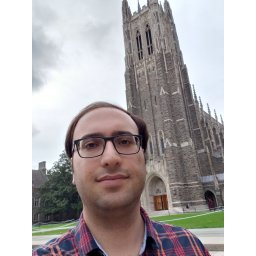 Reza Rasti合作论文数Department of Biomedical Engineering, Medical Image and Signal Processing Research Center, School of Advanced Technologies in Medicine, Isfahan University of Medical Sciences, Isfahan, Iran3
 Setayesh Yasami合作论文数2Fahimeh Motamedi合作论文数2
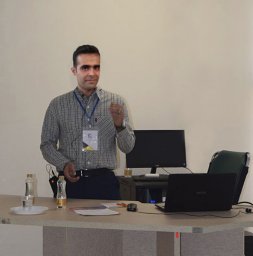 Alireza Sanati合作论文数Biosensor Res Ctr, Isfahan Univ Med Sci2
 Alfonso Perez-Garrido合作论文数Struct Bioinformat & High Performance Comp Res Gr, UCAM Univ Catolica Murcia2
 Vaseghi Golnaz合作论文数School of Pharmacy and Pharmaceutical Sciences, Isfahan University of Medical Sciences2Farzaneh Shayegh合作论文数Digital signal Processing Lab, Isfahan university of Technology;c;Digital signal Processing Lab, Isfahan university of Technology2
 Mahnaz Azarnia合作论文数School of Sciences, Tarbiat Moalem University2
 Ghasemian Fatemeh合作论文数Biology Faculty, Kharazmi University;Alzahra Educational and Remedial Center, Guilan University of Medical Sciences;Kharazmi University, Guilan University of Medical Sciences2
 Laleh Shariati合作论文数Cellular and Molecular Research Center, Shahrekord University of Medical Sciences2Vahid Sheibani合作论文数2
 Majid Golkar合作论文数Molecular Parasitology Laboratory, Pasteur Institute of Iran2e nasiri合作论文数1Alireza mehri Mehri-Dehnavi合作论文数1Justin de Vries合作论文数1
 Marzieh Mokhtari合作论文数1Marjan Pourhadi合作论文数1Julia Strauss合作论文数1Mohammad Mahdavi合作论文数1Yao Lu合作论文数1Houri Sadri合作论文数1Houda Shafique合作论文数1Myles McLean合作论文数1
 Sarvenaz Salahi合作论文数Cell Science Research Center, Royan Institute for Stem Cell Biology and Technology1
 Faezeh Sadat Hosseini合作论文数Dept Med Chem, Univ Tehran Med Sci1
 Parvin Zarei合作论文数Department of Bioinformatics, Isfahan University of Medical Sciences1
 Amirali Hariri合作论文数Pharmaceut Biotechnol, Isfahan Univ Med Sci1
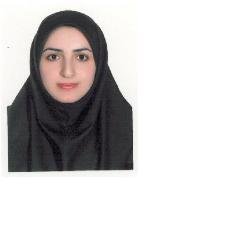 masoumeh ahmadi jalali moghadam合作论文数Cellular and Molecular Research Center, Guilan University of Medical Sciences1
 Yasaman Esmaeili合作论文数Isfahan University of Medical Sciences1
 Sripadh Guptha Yedire合作论文数Department of Bioengineering, McGill University1
 Imman I Hosseini合作论文数Dept Bioengn, McGill Univ1
 Jorge Pena-Garcia合作论文数1
 Carolina del Real Mata合作论文数1
 Tamer AbdelFatah合作论文数Dept Bioengn, McGill Univ1




