BACKGROUND Both serious athletes and patients attempting to maintain or improve their health through exercise are at risk of a number of conditions that are not frequently mentioned during medical training. Most of these are related to overuse. OBJECTIVE The aim of this article is to improve general practitioners' knowledge of a specific group of exercise-related conditions that occur in the anterior aspect of the lower limb below the knee, commonly referred to as the shin region. DISCUSSION Many having been previously grouped under the relatively meaningless term 'shin splints', these conditions include, among others, bone stress reactions and fractures and chronic exertional compartment syndromes. Some resolve with rest and a gradual return to activity, whereas others are difficult to treat conservatively and might benefit from early referral.
BACKGROUND Exercise was once viewed as having a deleterious effect on joint pain and function in those with rheumatic diseases. Positive evidence, both related to exercises at specific joints and for exercise in the management of comorbidities and for general illness prevention, is now well established. OBJECTIVE The aim of this article is to provide an update on the role of therapeutic exercise at individual joints and the utility of general exercise programs in the management of comorbidities and prevention of chronic disease in those with rheumatic disease. DISCUSSION Major international rheumatology bodies now recommend multiple forms of exercise as part of the non-pharmacological management of both osteoarthritis and the more classically inflammatory rheumatic disorders.
Study Design. Multiround wiki-based Delphi expert panel survey. Objective. To provide proof of concept for an alternative method for creating sets of nationally-agreed point-of-care clinical indicators, and obtain consensus among end-user groups on "appropriate care" for the assessment, diagnosis, acute, and ongoing care of people with low back pain (LBP). Summary of Background Data. The provision of inappropri ate and low value care for LBP is a significant healthcare and societal burden. Vague clinical practice guideline (CPG) recom mendations can be difficult to apply and measure in real world clinical practice, and a likely barrier to "appropriate care." Methods. Draft "appropriate care" clinical indicators for LBP were derived from CPG recommendations published between 2011 and 2017. Included CPGs were independently appraised by two reviewers using the Appraisal of Guidelines for Research and Evaluation instrument. Headed by a Clinical Champion, a 20-member Expert Panel reviewed and commented on the draft indicators over a three-round modified e-Delphi process using a collaborative online wiki. At the conclusion of each review round, the research team and the Clinical Champion synthesized and responded to experts' comments and incorporated feedback into the next iteration of the draft indicators. Results. From seven CPGs and six qualitative meta-syntheses, 299 recommendations and themes were used to draft 42 "appropriateness" indicators. In total, 17 experts reviewed these indicators over 18 months. A final set of 27 indicators compris ing screening and diagnostic processes (n = 8), assessment (n = 3), acute (n = 5), and ongoing care (n = 9), and two which crossed the acute-ongoing care continuum. Most indicators were geared toward recommended care (n = 21, 78%), with the remainder focused on care to be avoided. Conclusion. These 27 LBP clinical indicators can be used by healthcare consumers, clinicians, researchers, policy makers/ funders, and insurers to guide and monitor the provision of "appropriate care" for LBP.
Background Most general practices will have patients who have more than a passing interest in fitness and exercise. These range from the elite athlete to the recreational enthusiast. These patients are highly motivated, but treating them can be challenging. Objective The aims of this article are to increase awareness of the management of a number of overuse injuries frequently seen in athletes, to assist in understanding the mindset of the athlete in relation to his or her injuries and to indicate the importance of a confident approach to these problems and a multidisciplinary management plan in facilitating a successful outcome. Discussion Athletes generally have dynamic personalities and high standards for themselves and others. Complete rest can be anathema to them. Fortunately, in cases of tendinopathy, a structured exercise program is an important component of management. A proactive approach, often with the assistance of a physiotherapist, is likely to improve outcomes.
The COVID-19 pandemic has restricted the physical activity of the population, but maintaining exercise could reduce the risk of contracting the infection itself and mitigate the effects of quarantine.
Patient-centered care is widely advocated in rheumatology. This involves collaboration among patients, caregivers, and health professionals and is particularly important in chronic rheumatic conditions because the disease and treatment can impair patients' health and well-being. Qualitative research can systematically generate insights about people's experiences, beliefs, and attitudes, which patients may not always express in clinical settings. These insights can address complex and challenging areas in rheumatology, such as treatment adherence and transition to adult healthcare services. Despite this, qualitative research comprises 1% of studies published in top-tier rheumatology journals. A better understanding about the effect and role, methods, and rigor of qualitative research is needed. This overview highlights the recent contributions of qualitative research in rheumatology, summarizes the common approaches and methods used, and outlines the key principles to guide appraisal of qualitative studies.
Objectives: To examine the epidemiology of bone stress injuries in an elite sports institute. Design: Retrospective cohort study at the Australian Institute of Sport. Methods: A retrospective analysis of the clinical records contained within the Australian Institute of Sport Athlete Management System electronic database was performed. Records with Orchard Sports Injury Classification System codes relating to bone stress injuries and stress fractures were reviewed and descriptive statistics relating to sport, site of injury, athlete age, sex and activity were analysed. Results: In the three-year period January 2014-2017, 11,942 injuries were recorded across 48 sports. 181 bone stress injuries (0.15% of all injuries) were recorded across 16 sports. BSIs in the foot and lumbar spine were the most common accounting for 30% and 23% of all the reported BSIs respectively. Gymnasts had a high frequency of lumbar spine stress injuries (n = 24, 51%) and rowers had a high frequency of rib stress injuries (n=22, 88%). The most common location for stress injuries, equally distributed across a variety of sports, were in the foot (n = 54, 30%). Female athletes recorded more BSIs than males. Conclusion: Across a three-year period, 0.15% of injuries were related to bone stress injuries. Almost double the cases were recorded in female athletes. Sport specific injury sites were observed in the dataset. Crown Copyright (C) 2019 Published by Elsevier Ltd on behalf of Sports Medicine Australia. All rights reserved.
OBJECTIVE:Nonadherence to disease-modifying antirheumatic drugs (DMARDS) in rheumatoid arthritis (RA) and spondyloarthritis (SpA) results in increased disease activity and symptoms and poorer quality of life. We aimed to describe patients' attitudes and experiences of DMARDs in RA and SpA to inform strategies to improve medication adherence.METHODS:Databases (MEDLINE, Embase, PsycINFO, and CINAHL) were searched to January 2016. Thematic synthesis was used to analyze the findings.RESULTS:From 56 studies involving 1,383 adult patients (RA [n = 1,149], SpA [n = 191], not specified [n = 43]), we identified 6 themes (with subthemes): intensifying disease identity (severity of sudden pharmacotherapy, signifying deteriorating health, daunting lifelong therapy), distressing uncertainties and consequences (poisoning the body, doubting efficacy, conflicting and confusing advice, prognostic uncertainty with changing treatment regimens), powerful social influences (swayed by others' experiences, partnering with physicians, maintaining roles, confidence in comprehensive and ongoing care, valuing peer support), privilege and right of access to biologic agents (expensive medications must be better, right to receive a biologic agent, fearing dispossession), maintaining control (complete ownership of decision, taking extreme risks, minimizing lifestyle intrusion), and negotiating treatment expectations (miraculous recovery, mediocre benefit, reaching the end of the line).CONCLUSION:Patients perceive DMARDs as strong medications with alarming side effects that intensify their disease identity. Trust and confidence in medical care, positive experiences with DMARDS among other patients, and an expectation that medications will help maintain participation in life can motivate patients to use DMARDs. Creating a supportive environment for patients to voice their concerns may improve treatment satisfaction, adherence, and health outcomes.
It is the position of Sports Dietitians Australia (SDA) that adolescent athletes have unique nutritional requirements as a consequence of undertaking daily training and competition in addition to the demands of growth and development. As such, SDA established an expert multidisciplinary panel to undertake an independent review of the relevant scientific evidence and consulted with its professional members to develop sports nutrition recommendations for active and competitive adolescent athletes. The position of SDA is that dietary education and recommendations for these adolescent athletes should reinforce eating for long term health. More specifically, the adolescent athlete should be encouraged to moderate eating patterns to reflect daily exercise demands and provide a regular spread of high quality carbohydrate and protein sources over the day, especially in the period immediately after training. SDA recommends that consideration also be given to the dietary calcium, Vitamin D and iron intake of adolescent athletes due to the elevated risk of deficiency of these nutrients. To maintain optimal hydration, adolescent athletes should have access to fluids that are clean, cool and supplied in sufficient quantities before, during and after participation in sport. Finally, it is the position of SDA that nutrient needs should be met by core foods rather than supplements, as the recommendation of dietary supplements to developing athletes over-emphasizes their ability to manipulate performance in comparison with other training and dietary strategies.
PURPOSE Iron deficiency is prevalent in distance runners and may impair endurance performance. The current practice of oral supplementation is slow and often not well tolerated. The aim of this study was to assess the efficacy of intravenous (IV) iron supplementation (ferric carboxymaltose) compared with oral supplementation (ferrous sulfate) on iron status, hemoglobin mass (Hbmass), and physiological indices of running performance in distance runners. METHODS Twenty-seven highly trained distance runners with low (LOW) (ferritin <35 μg·L(-1) and transferrin saturation <20%, or ferritin <15 μg·L(-1)) or suboptimal (SUB) iron status (ferritin <65 μg·L(-1)) were supplemented with either IV iron (Ferinject®) or oral (ORAL) supplements (Ferrogradumet) for 6 wk. Iron status and Hbmass were assessed before supplementation and at 1, 2, 4, 6, and 8 wk in the four groups (IV LOW, IV SUB, ORAL LOW, and ORAL SUB). In addition, athletes completed a treadmill running test for running economy, lactate threshold, and V˙O2max before and after supplementation. RESULTS Both forms of supplementation substantially increased ferritin levels in all four groups. IV supplementation resulted in higher ferritin in both IV groups compared with both ORAL groups from week 1 onward. Hemoglobin concentration did not change substantially in any group. Hbmass increased in IV LOW (mean = +4.9%, 90% confidence interval [CI] = 1.1%-8.9%) and was accompanied by an increase in V˙O2max (mean = +3.3%, 90% CI = 0.4%-6.3%) and run time to exhaustion (mean = +9.3%, 90% CI = 0.9%-18.3%. CONCLUSIONS IV supplementation can effectively increase iron stores in iron-deficient runners within 6 wk and, if Hbmass is compromised, may enhance endurance capacity by facilitating erythropoiesis. Hbmass appears a more sensitive tool for measuring changes in whole body hemoglobin than hemoglobin concentration and may be useful in the diagnosis and follow-up for iron deficiency.
The aim of the study was to determine if topical Arnica is effective in reducing pain, indicators of inflammation and muscle damage, and in turn improve performance in well-trained males experiencing delayed onset muscle soreness (DOMS). Twenty well-trained males matched by maximal oxygen uptake (V̇O2 Max) completed a double-blind, randomised placebo-controlled trial. Topical Arnica was applied to the skin superficial to the quadriceps and gastrocnemius muscles immediately after a downhill running protocol designed to induce DOMS. Topical Arnica was reapplied every 4 waking hours for the duration of the study. Performance measures (peak torque, countermovement and squat jump), pain assessments (visual analogue scale (VAS) and muscle tenderness) and blood analysis (interleukin-1 beta, interleukin-6, tumour necrosis factor-alpha, C-reactive protein, myoglobin and creatine kinase) were assessed at seven time points over five days (pre-, post-, 4, 24, 48, 72 and 96 hours after the downhill run). Participants in the topical Arnica group reported less pain as assessed through muscle tenderness and VAS 72 hours post-exercise. The application of topical Arnica did not affect any performance assessments or markers of muscle damage or inflammation. Topical Arnica used immediately after intense eccentric exercise and for the following 96 hours did not have an effect on performance or blood markers. It did however demonstrate the possibility of providing pain relief three days post-eccentric exercise.
Objectives: The aim of the study was to determine if Panax notoginseng is effective in reducing pain, indicators of inflammation and muscle damage, and in turn improve performance in well trained males who underwent a bout of eccentric exercise designed to induce delayed onset muscle soreness (DOMS).Design: A double blind randomised placebo controlled trial.Setting: Twenty well trained male volunteers, matched by maximum aerobic capacity were randomly assigned to consume a regime of 4000 mg of P. notoginseng capsules or an indistinguishable placebo before and after a downhill treadmill running episode designed to induce DOMS.Main outcome measures: Performance measures (Kin-Com, counter movement and squat jump), pain assessments (visual analogue scale (VAS), algometer) and blood analyses (interleukin-1, interleukin-6 (IL-6), tumour necrosis factor-alpha (TNF-alpha), C-reactive protein, myoglobin, creatine kinase) were assessed at 7 time points over 5 days (pre, post, 4, 24, 48, 72 and 96h after the downhill run).Results: The placebo group demonstrated a significant decrease in squat jump performance immediately post the downhill run, with a mean change +/- 95% confidence interval (CI) of 0.8 cm (-3.53 to 1.93). The placebo group also experienced increased pain in the quadriceps 96 h after the downhill run, with a mean VAS change +/- 95% CI of -0.32 cm (-0.34 to 0.98).The serum concentration of IL-6 and TNF-alpha were significantly lower in the placebo group 24h after the downhill run. Mean IL-6 change +/- 95% CI of 0.50 pg/mL (-1.59 to 0.59), and mean TNF-alpha change +/- 95% CI was 0.98 pg/mL (-2.04 to 0.09). No other significant differences were identified between the groups for any other outcome measure.Conclusion: Considering all data from this study, P. notoginseng did not convincingly have an effect on performance, muscular pain or assessed blood markers in well-trained males after an intense bout of eccentric exercise that induced DOMS. (C) 2012 Elsevier Ltd. All rights reserved.
You might find this additional info useful...This article cites€16 articles, 5 of which you can access for free at: http://jap.physiology.org/content/87/3/1035.full#ref-list-1This article has been cited by€15 other HighWire-hosted articles: http://jap.physiology.org/content/87/3/1035#cited-by Updated information and services including high resolution figures, can be found at: http://jap.physiology.org/content/87/3/1035.fullAdditional material and information about Journal of Applied Physiology can be found at: http://www.the-aps.org/publications/japplThis information is current as of June 3, 2013.
Haemoglobin mass in a female endurance athlete was measured via carbon monoxide rebreathing upon diagnosis of iron-deficiency anemia (haemoglobin concentration = 8.8 g/dL, ferritin = 9.9 ng/mL) and regularly during treatment thereafter. Haemoglobin mass increased by 49% in the 2 wk following an intramuscular iron injection and continued to increase with oral iron supplementation for 15 wk. The presented case illustrates that haemoglobin mass is readily responsive to iron supplementation in a severely iron-deficient anemic athlete and that changes can be tracked efficiently using the CO-rebreathing method.
We compared the amount of exercise undertaken by medical students, clinicians, and sport scientists with the National Australian Physical Activity (NAPA) Guidelines. A second aim was to compare attitudes to exercise counselling as preventive medicine between university- and clinic-based professionals. The research setting was a university medical school and a sports science sports medicine centre. A 20-item questionnaire was completed by 216 individuals (131 medical students, 43 clinicians and 37 sports scientists). Self-reported physical activity habits, exercise counselling practices and attitudes towards preventive medicine were assessed. The physical activity undertaken by most respondents (70%) met NAPA Guidelines. General practitioners had significantly lower compliance rates with NAPA Guidelines than other professionals. More than half of clinicians and medical students (54%) were less active now compared with levels of activity undertaken prior to graduate training. Most physicians (68%) reported they sometimes discuss physical activity with patients. In contrast, the majority of non-medically qualified respondents (60%) said they never discuss physical activity with their doctor. Most respondents (70%) had positive attitudes to exercise counselling. Sports scientists and respondents who were highly active in childhood had more positive attitudes to exercise counselling than others. Health professionals in this study were more active than the general population, however healthy exercise habits tend to deteriorate after the commencement of medical training. Despite the important role of doctors in health promotion, the degree of exercise counselling to patients is low. Key pointsThe rate of exercise counselling by doctors to patients is lowSports physicians and scientists have substantially more positive attitudes to exercise counselling than clinicians and medical studentsMedical schools have a responsibility to promote physical activity of students and improve training in exercise counselling.
 David Pyne合作论文数Research Institute for Sport and Excercise, University of Canberra5
 Peter A Fricker合作论文数4Kate Pumpa合作论文数National Institute of Sport Studies, University of Canberra3Shona Papalia合作论文数3
 Philo U Saunders合作论文数3
 Alan Bensoussan合作论文数National Institute of Complementary Medicine, University of Western Sydney3Gregory R. Cox合作论文数2
 Laura Garvican-Lewis合作论文数2Ruth Fazakerley合作论文数2
 Ayano Kelly合作论文数Childrens Hosp Westmead2Joanna McCormack合作论文数2Daniel Sumpton合作论文数Concord Repatriat Gen Hosp, Univ Sydney2Kathleen Tymms合作论文数Medical School, College of Health and Medicine, The Australian National University2
 Allison Tong合作论文数School of Public Health, Faculty of Medicine and Health, The University of Sydney2
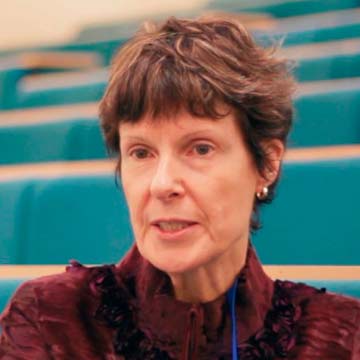 Louise Burke合作论文数Mary Mackillop Institute for Health Research, Australian Catholic University2
 Cyril Mamotte合作论文数School of Biomedical Sciences, Curtin University2
 Susan Sawyer合作论文数Department of Paediatrics, School of Medicine, The University of Melbourne;Centre for Adolescent Health, Royal Children's Hospital Melbourne2
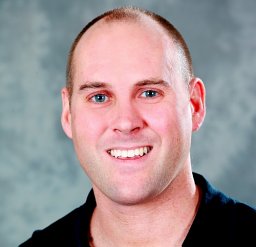 Leveritt Michael D合作论文数Sch Human Movement Studies, Univ Queensland2
 Matthew Hislop合作论文数2
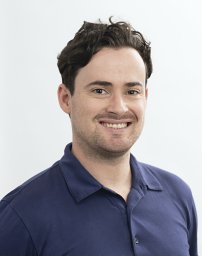 Tunnicliffe David J合作论文数Sydney School of Public Health, The University of Sydney;Centre for Kidney Research, The Children's Hospital at Westmead;Sydney School of Public Health, The University of Sydney2Marino Nello合作论文数2Logan Ruth合作论文数2Shaw Gregory合作论文数2
 Vidgen Helen Anna合作论文数School of Exercise and Nutrition Sciences, Queensland University of Technology2
 Star Anita合作论文数2
 Greg Lovell合作论文数2
 Christopher J. Gore合作论文数2Frank M. Van Bockxmeer合作论文数2
 Ben Desbrow合作论文数Griffith Univ2Michael Sagiv合作论文数1P A Fricker合作论文数1Moran Sagiv合作论文数1Nara Yumi Hashimoto合作论文数1Kal Fried合作论文数1Debra Kay合作论文数1
 Petrina p Casey合作论文数1John Brooling合作论文数1Roger R Taylor合作论文数1Chandima Perera合作论文数1
 Judith Anson合作论文数1Chris Needs合作论文数1Eliza Milliken合作论文数1Bev Anderson合作论文数1Chris J. Gore合作论文数1Roya Dabestani合作论文数1Andrew Dwyer合作论文数1Anne Keogh合作论文数1
 Charlotte J Molloy合作论文数Australian Inst Hlth Innovat, Macquarie Univ1
 Helen Slater合作论文数1




