Metallic dampers are widely used in seismic design due to their cost-effectiveness and stable energy dissipation. However, they often suffer from limited energy dissipation under minor excitations, high material consumption, and restricted deformation capacity. To address these issues, this study proposes a novel stage-wise energy dissipation metallic damper—the Lead-U-shaped Damper (LUD). It combines a linkage mechanism, a lead block (Energy Dissipation Element I), and a U-shaped ring (Element II), enabling flexible installation. Through a synergistic mechanism, the lead block yields under minor deformations, while the U-shaped ring dissipates energy under large displacements, providing dual seismic defense lines. The mechanical and energy dissipation properties of the LUD were investigated via theoretical analysis, tests, and finite element (FE) simulations. Results show that the LUD is easy to fabricate and assemble, exhibits stable and plump hysteresis loops, and offers excellent energy dissipation. The Abaqus-based FE model was validated effectively. Parametric studies indicate that increasing the lead block’s width and length, the U-ring’s width and thickness, and reducing its radius enhance energy dissipation. Notably, U-ring thickness is highly influential—a unit increase improves cumulative energy dissipation by 17.19%. In structural applications, LUD dampers contributed over 50% of total energy dissipation, significantly reducing seismic input to primary members. As a result, top displacement and inter-story drift in the controlled structure were effectively mitigated.
In the analysis of systems incorporating inerters, their physical mass is often neglected. In this study, the physical mass of the inerter device, as well as any intentionally introduced mass elements within the inerter system, are referred to as the auxiliary mass, and their influence on the performance of passive tuned inerter devices is examined. The inerter has attracted considerable attention in the earthquake engineering community due to its excellent feature as a mass amplifier device. A tuned inerter device is typically realized by combining an inerter with a spring and a dashpot. Alternatively, an inerter can be integrated into classical tuned mass damper systems, resulting in tuned inerter devices that incorporate auxiliary mass elements. Despite its significance, the role of the auxiliary mass element in tuned inerter devices has received limited attention in the literature. This study aims to fill this gap by examining how the auxiliary mass element impacts the overall effectiveness of these devices. Results reveal that the dynamic performance of tuned inerter devices with an auxiliary mass is strongly influenced by the connection point of the inerter element, whether to the lower or upper storey. In this paper, this phenomenon is investigated systematically in both SDOF and MDOF structures. Shake table experiments using harmonic motion input validate these findings, highlighting the critical role of the auxiliary mass element in the performance of tuned inerter devices. Furthermore, simulations on MDOF structures indicate that the tuned inerter damper, regardless of the presence of an auxiliary mass, outperforms the tuned viscous mass damper at higher modes due to its ability to maintain damping effectiveness at higher frequencies.
To investigate the influence of oblique SV-wave incidence on the dynamic response and seismic resilience of subway stations, the viscoelastic artificial boundary combined with the equivalent nodal force method was used to implement the oblique SV-wave input, and a 3D soil-structure interaction finite element model was developed. The results indicate that when subjected to oblique SV-wave incidence at small angles, the subway station structure is dominated by shear deformation. Then, the rocking response gradually rises as the angle increases. At the near-critical-angle incidence, both the rocking angle and inter-story drift ratio increase sharply, resulting in exacerbated structural damage and a degradation of lateral stiffness. Time-history analyses were conducted using 11 ground-motion records, and seismic resilience was assessed through Monte Carlo simulation. Compared with vertical incidence, the results show that oblique incidence at the near-critical angle significantly degrades the structure’s seismic resilience. Its resilience rating drops significantly. Repair costs and repair time are much higher than the values at vertical incidence. The structure’s functional recoverability was substantially reduced. The rating for the casualty index decreased sharply, exposing serious safety hazards. These results indicate that resilience assessments derived from vertical incidence cause the seismic resilience of subway stations to be overestimated.
Current research on dual-objective optimization designs aimed at the targeted dual-control of displacement and acceleration remains limited. This study investigates a single-degree-of-freedom (SDOF) structure with an inerter isolation system. The inerter isolation system comprises a tuned viscous mass damper (TVMD) and a rubber bearing connected in parallel, termed the TVMD-rubber isolation system (TRIS). Through comparative analysis with conventional isolation systems, a dual-objective performance control framework is proposed to simultaneously optimize the isolation displacement mitigation ratio and the absolute floor acceleration mitigation ratio. The relationship between TVMD design parameters and the dual control objectives is analyzed, revealing that for prescribed displacement and acceleration mitigation demands, minimizing the stiffness ratio of the inerter system enables the targeted control of both responses. On this basis, a multi-objective optimization approach is proposed for the inerter isolation system that incorporates targeted dual-control of displacement and acceleration responses. Numerical case studies confirm the efficacy of the proposed approach, showing that optimized inerter isolation system parameters achieve statistically targeted control of both isolation displacement and absolute floor acceleration under white noise excitation and selected ground motion. Furthermore, the effectiveness of this targeted control is proven to remain robust even when accounting for the nonlinearity of the superstructure.
In earthquake engineering, soil-foundation-structure interaction (SFSI) is a crucial phenomenon that must be investigated. This paper presents a new spatial coupling model capable of computing SFSI while considering the foundation uplift phenomenon. The proposed model can calculate the variations in the horizontal, rocking, and torsional impedance of the foundation during the occurrence of foundation uplift. To validate the proposed model, the changes in the impedances of the foundation, considering foundation uplift, are calculated using both the proposed model and the thin-layered method. The results demonstrate that the proposed model for the impedance of the foundation during the uplift procedure achieves sufficient accuracy. Additionally, the dynamic response of a tower considering the foundation uplift phenomenon under earthquake excitation is analyzed. A comparative analysis reveals a significant difference in structural responses between the proposed model and the sway-rocking model under the influence of foundation uplift.
In this study, the influences of the spatial incidence angles of P-waves and soil nonlinearity on the soil-structure interaction system are investigated. A finite element model of the SSI system is developed using the equivalent nodal force method, viscoelastic artificial boundary, and the revised Davidenkov model to analyze the dynamic responses of a rectangular foundation and its associated structure. The results indicate that the rectangular foundation predominantly exhibits sway responses to spatially oblique incidence P-waves, with a negligible torsion response. Compared with vertically incident P-waves, spatially oblique incident P-waves significantly increase the maximum sway and torsional angles of structural floors. Furthermore, soil nonlinearity increases the sway angle of the foundation and intensifies the maximum torsional and sway responses of the floors. Therefore, soil nonlinearity and the spatial incidence angles of P-waves need to be considered in structural seismic hazard assessments.
The buckling phenomenon and deformation distribution of the laminated rubber bearing, taking into account the crack effect, are predicted by the period structure assumption and transfer matrix method (TMM). A concentrated flexural spring is utilized to simulate the local flexural stiffness deterioration that arises from the crack. The solutions of the individual rubber layer derived from Haringx’s column theory are formulated in the development of the crack model, and the inside steel shim is modeled as a rigid body whose transfer relation is then combined with that of the rubber layer. The resulting total transfer matrix, along with the boundary conditions, is applied to determine the horizontal stiffness and critical buckling load of the bearing with a single, or multiple cracks. Experimental data demonstrates the validity of the proposed analytical model. The results show that for a single crack, the least decrease in critical buckling load occurs when the crack is vertically centered along the height of the bearing; when the crack is closer to the top or bottom of the bearing, the critical buckling load may reduce by about half for a high level of deterioration. Two or multiple cracks make the critical buckling load decreased rapidly, especially for cracks in different rubber layers; nevertheless, not only the nearer these cracks approach the bearing center but also the much closer these cracks are together, the less the critical buckling load decreases.
This study established a numerical model for soil-structure interaction (SSI) to examine the effects of the spatial incidence angle of SV waves and soil nonlinearity, utilizing viscoelastic artificial boundaries (VAB) and equivalent nodal force (ENF) method. Both the foundation's and superstructure's torsion and rocking responses were then analyzed. The findings indicate that subjected to spatially oblique incident SV waves, the rectangular foundation primarily has the rocking response while the torsional response is negligible. Furthermore, the maximum torsional and rocking angles about the x-axis at each frame floor are significantly enlarged by comparison with the perpendicular incident case. Moreover, the soil nonlinearity could increase the foundation's rocking angle and enlarge the maximum torsion and rocking responses of the structure's floors. Consequently, structural seismic damage assessment requires considering both the soil nonlinearity and incident seismic wave angles.
Background: Sepsis-induced acute liver injury (ALI) is a major contributor to mortality in septic patients. Exploring the pathogenesis and developing effective treatment strategies for sepsis-induced ALI is critical for improving patient outcomes. Dachengqi decoction (DCQD), which is a classic Chinese herbal medicine, has been shown to possess potent anti-inflammatory properties. However, the protective effects and underlying mechanisms of DCQD against sepsis-induced ALI remain unclear. This study aimed to investigate the protective effect of DCQD on sepsis-induced ALI and elucidate the involvement of the TGF-1(3/Smad3 pathways. Methods: A septic mouse model was established using caecal ligation and puncture (CLP) to evaluate the protective effect of DCQD on sepsis-induced ALI in vivo. An in vitro cellular inflammation model was established using LPS-stimulated LO2 cells to further investigate the underlying mechanism. Results: DCQD (2.5, 5.0, and 10.0 g/kg body weight) was administered twice daily for 2 days and exerted a dosedependent protective effect against sepsis-induced ALI. DCQD treatment significantly inhibited inappropriate inflammatory responses and oxidative stress in liver tissue. Moreover, DCQD maintained liver homeostasis by inhibiting hepatocyte apoptosis and improving sepsis-induced liver damage. In vivo and in vitro studies indicated that the TGF-(31/Smad3 signalling pathway played an important role in sepsis-induced ALI, and DCQD treatment significantly inhibited the activation of this pathway. Conclusions: DCQD can effectively suppress excessive inflammatory responses and oxidative stress, leading to a substantial reduction in hepatocyte apoptosis in sepsis-induced ALI.
Asphalt modification with inorganic whiskers is a novel and green method to improve the performance of asphalt pavement, but it is still limited by the high costs and uneven dispersion of whiskers. In this study, an innovative asphalt modifier that can in-situ generate whiskers in hot mix asphalt (HMA) was developed by the alkali activation method using waste dolomite dust as raw material. The morphology and distribution of the alkali-activated waste dolomite dust (AWD) whiskers were examined by scanning electron microscopy and fluorescence microscopy, and the effects of AWD curing time, processing mode and dosage on the rheological and adhesion properties of the modified asphalt binder were evaluated. The results indicate that AWD can spontaneously form whiskers in the asphalt matrix under the flowing temperature of HMA, and the optimal performance enhancement effect on asphalt binder is achieved when the AWD curing time is 1 day, and its dosage is 5
Objectives:The study aims to evaluate the efficacy and safety of thoracic radiotherapy in epidermal growth factor receptor (EGFR) tyrosine kinase inhibitor (TKI)-treated patients with stage IV non-small-cell lung cancer (NSCLC). Methods:Patients with non-oligometastatic NSCLC harboring EGFR mutations were recruited. All patients received the first-generation TKI treatment with or without radiotherapy. The irradiated sites included primary and/or metastatic lesions. Of all the patients who underwent thoracic radiotherapy, some received radiotherapy before EGFR-TKI resistance, others received radiotherapy after progressive disease. Results:No statistically significant difference was observed in progression-free survival (PFS) (median 14.7 versus 11.2 months, p = 0.075) or overall survival (OS) (median 29.6 versus 40.6 months, p = 0.116) between patients treated with EGFR-TKIs alone and those with additional radiotherapy to any sites. However, EGFR inhibitors with thoracic radiation significantly improved OS (median 47.0 versus 31.0 months, p < 0.001) but not PFS (median 13.9 versus 11.9 months, p = 0.124). Moreover, longer PFS (median 18.3 versus 8.5 months, p < 0.001) was achieved in the preemptive thoracic radiation cohort than in the delayed thoracic radiation cohort. However, OS was similar between the two cohorts (median 40.6 versus 52.6 months, p = 0.124). The lower incidence rate of grade 1-2 pneumonitis occurred in preemptive radiation cohort (29.8% versus 75.8%, p < 0.001). Conclusion:Non-oligometastatic NSCLC patients with EGFR mutations benefited from thoracic radiotherapy while using EGFR inhibitors. Preemptive thoracic radiotherapy could be a competitive first-line therapeutic option due to superior PFS and favorable safety.
Background Doctors have always been overwhelmed by tumor drug resistance because it is a major challenge in the clinical treatment of tumors. Cellular senescence has a strong relationship with the development of tumor drug resistance. Herein, we aimed to explore new regulatory factors involved in the aging process of colorectal cancer (CRC) cells and assess the effect of cellular senescence on CRC drug resistance. Methods Genes associated with cellular senescence for anticipating regulatory factors were first used, and the regulatory molecules of survival significance were then identified based on the results of public database analysis. The effects of E2F translation factor 1 (E2F1) on CRC cell viability, invasion, migration, and cellular senescence processes were assessed through 3-(4,5)-dimethylthiahiazo(-z-y1)-3,5-di-phenytetrazoliumromide (MTT), 5-Ethynyl-2'-deoxyuridine (EdU), Transwell, scar repairining, β-galactosidase staining, and cell immunofluorescence assays, respectively. Overexpression or silencing plasmids were used for transfecting HCT116 or OXA-HCT116 to assess the effect of E2F1 on the senescence process and drug resistance in CRC cells. Results On combining the database analysis results with those of our studies, we found that E2F1 was a critical regulator of cellular senescence in CRC. In the in vitro experiments, the E2F1 overexpression significantly stimulated the proliferation, invasion, and migration of CRC cells and even reduced oxaliplatin-induced senescence, further enhancing their resistance to oxaliplatin. Conversely, the tumorigenesis of colorectal cancer was repressed after the suppression of E2F1. Furthermore, CRC cells, which were otherwise resistant to oxaliplatin, also showed senescent phenotypes. Conclusions Our results suggest that E2F1 suppresses the aging of CRC cells and tumor cells develop resistance to oxaliplatin through high E2F1 expression. Moreover, E2F1 may act as a possible target for oxaliplatin resistance studies.
Colorectal cancer (CRC) is the most prevalent cancer of the digestive tract. Herba Patriniae (also known as Bai Jiang Cao, HP) have been widely used to manage diarrhea, ulcerative colitis, and several cancers, including CRC. Nonetheless, the molecular mechanisms underlying the pharmacological action of HP on CRC remain unclear. This study investigated the underlying mechanisms of HP against CRC using network pharmacology analysis and in vitro and in vivo experiments. The results revealed nine bioactive compounds of HP. Furthermore, 3460 CRCrelated targets of the identified active compounds were predicted from the Gene Expression Omnibus (GEO) database. Furthermore, 65 common targets were identified through the intersection of two related targets. Moreover, ten hub genes, including CDK4, CDK2, CDK1, CCND1, CCNB1, CCNA2, MYC, E2F1, CHEK1, and CDKN1A were identified through the topological analysis. Meanwhile, the GO and KEGG pathway analysis revealed that the core target genes were majorly enriched in the p53 and HIF-1 signaling pathways. Moreover, HP promoted apoptosis and suppressed cell proliferation by activating the p53 signaling pathway in a dosedependent manner, while a similar effect was observed for Isovitexin (the primary component of HP). Overall, this study provides valuable insights into the underlying mechanisms of HP and its component Isovitexin against CRC, providing a theoretical foundation for additional experimental verification of its clinical application.
以采石场废弃的白云石粉部分代替乳化沥青胶结料中的水泥,在改善胶结料性能、降低生产成本的同时为中国的尾矿问题提供新的解决途经。本研究选取中裂和慢裂两类阳离子乳化剂进行乳化沥青的制备和性能测定。而后采用废弃白云石粉部分替代乳化沥青胶结料中水泥,通过黏聚力试验和抗压抗折试验对胶结料的宏观力学性能进行分析,确定白云石粉在胶结料体系中的最佳掺量。通过微观表征对白云石粉的增强机制进行了分析。实验结果表明,白云石粉末可以有效提升乳化沥青胶结料的抗压和抗折强度。添加白云石的水泥乳化沥青胶结料内部会发生去白云石化反应。添加适量的白云石粉有利于促进硅酸钙的水化,改善浆体孔结构,从而有效提升胶结料的宏观强度。
The dolomite dust-emulsified asphalt composite with excellent mechanical properties was successfully prepared using alkali activation. The effects of different alkali concentrations and emulsified asphalt contents on the mechanical properties of the materials were studied. The mechanical properties and microstructure of the composites were analyzed using compressive strength tests, bending strength tests, and SEM characterization. The experimental results show that the specimens have excellent mechanical properties: the 7-day compressive strength can reach 76.67 MPa, and the bending strength is about twice that of silicate-based geopolymer-emulsified asphalt composite. With an increase in emulsified asphalt content, the compressive strength of the samples decreases, while the bending strength increases first and then decreases. When the emulsified asphalt content is 1%, the bending strength of the sample is up to 28.81 MPa, which is 25% higher than that of the sample without emulsified asphalt. This indicates that an appropriate emulsified asphalt content can play a toughening role in the system, providing a new idea for designing high-toughness alkali-activated materials.
BACKGROUND:The incidence of colorectal cancer and cancer death rate are increasing every year, and the affected population is becoming younger. Traditional Chinese medicine therapy has a unique effect in prolonging survival time and improving the prognosis of patients with colorectal cancer. Oridonin has been reported to have anti-cancer effects in a variety of tumors, but the exact mechanism remains to be investigated.METHODS:Cell Counting Kit-8 assay (CCK8) and 5-Ethynyl-2'-deoxyuridine (EdU) staining assay, Tranwell, and Wound healing assays were performed to measure cell proliferation, invasion, and migration capacities, respectively. The protein and mRNA expression levels of various molecules were reflected by Western blot and Reverse Transcription quantitative Polymerase Chain Reaction (qRT-PCR). Transcription Factor 4 (TCF4) and its target genes were analyzed by Position Weight Matrices (PWMs) software and the Gene Expression Omnibus (GEO) database. Immunofluorescence (IF) was performed to visualize the expression and position of Endoplasmic Reticulum (ER) stress biomarkers. The morphology of the ER was demonstrated by the ER tracker-red. Reactive Oxygen Species (ROS) levels were measured using a flow cytometer (FCM) or fluorescent staining. Calcium ion (Ca2+) concentration was quantified by Fluo-3 AM staining. Athymic nude mice were modeled with subcutaneous xenografts.RESULTS:Oridonin inhibited the proliferation, invasion, and migration of colorectal cancer, and this effect was weakened in a concentration-dependent manner by ER stress inhibitors. In addition, oridonin-induced colorectal tumor cells showed increased expression of ER stress biomarkers, loose morphology of ER, increased vesicles, and irregular shape. TCF4 was identified as a regulator of ER stress by PWMs software and GEO survival analysis. In vitro and in vivo experiments confirmed that TCF4 inhibited ER stress, reduced ROS production, and maintained Ca2+ homeostasis. In addition, oridonin also activated TP53 and inhibited TCF4 transactivation, further exacerbating the elevated ROS levels and calcium ion release in tumor cells and inhibiting tumorigenesis in colorectal cancer cells in vivo.CONCLUSIONS:Oridonin upregulated TP53, inhibited TCF4 transactivation, and induced ER stress dysregulation in tumor cells, promoting colorectal cancer cell death. Therefore, TCF4 may be one of the important nodes for tumor cells to regulate ER stress and maintain protein synthesis homeostasis. And the inhibition of the TP53/TCF4 axis plays a key role in the anti-cancer effects of oridonin.
以采石场废弃白云岩粉为前驱体,成功制备了具有优异机械性能的白云岩碱激发净浆,研究了不同养护温度对其抗压强度、断裂韧性和断裂能的影响,探究了养护温度的微观影响机制.结果表明:废弃白云岩粉可在碱激发剂的作用下发生去白云石化反应和离子交联反应,形成具有优异力学性能的白云岩碱激发净浆;白云岩碱激发净浆的抗压强度和断裂韧性在养护温度为150℃时达到最大,而其断裂能随养护温度变化较小;在不同养护温度下,白云岩碱激发净浆内部不同发育形态的碳酸钙晶须是其抗压强度和断裂韧性变化的主要影响因素.
基础隔震技术是一种利用减、隔震装置将结构与基准面解耦来降低主体结构地震作用的控制技术,近几十年来在诸多重要工程中取得了成功应用.结合我国相关规范新引入极罕遇地震作用的研究背景,介绍了近年来国内外橡胶隔震支座和摩擦摆支座的理论与试验研究成果,重点探讨了复杂环境条件下隔震支座的性能演变规律与相应的性能提升方法,进而分析了被动自适应隔震系统与组合隔震系统的研究动态,并总结了研究存在的不足,为基础隔震体系性能评估与提升的进一步研究提供参考.
为研究一种新型具位移放大机制减振体系的消能减振性能,本文采用Midas建立4组具有不同减振体系的RC框架结构,将其分别在15组地震激励下进行动力响应分析,分别获得了各结构体系的增量动力分析曲线.基于此,通过定义不同地震强度工况,得到了各结构体系的易损性曲线与各性能指标的超越概率.研究结果表明:该新型具位移放大机制减振体系的倒塌破坏概率明显低于另外三组减振体系,其具有显著的消能减振性能,可用于钢筋混凝土减振结构的地震易损性评估.
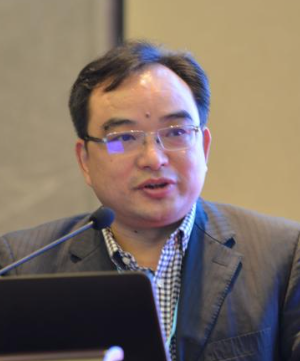 Hongping Zhu (朱宏平)合作论文数School of Civil and Hydraulic Engineering, Huazhong University of Science and Technology17
 Le-mu ZHOU (周乐木)合作论文数9Weiqing Lin合作论文数6
 Shenglan Yang (杨胜兰)合作论文数Union Hospital, Tongji Medical College, Huazhong University of Science and Technology6Luorui Shang合作论文数5
 Qingming Luo (骆清铭)合作论文数School of Biomedical Engineering, Hainan University5
 Pengcheng Li (李鹏程)合作论文数School of Biomedical Engineering, Hainan University5
 Nobuo Fukuwa合作论文数5
 Zixiang Zhang合作论文数CCCC Second Highway Consultants4Jinxiao Li合作论文数4Huan Feng合作论文数4
 Lingyun You (游凌云)合作论文数School of Civil and Hydraulic Engineering, Huazhong University of Science and Technology4Wenjun Luo (罗文君)合作论文数Faculty of Materials Science and Chemistry, China University of Geosciences (Wuhan)4
 Yuhan Liu合作论文数Central South University China, Central South University4
 Xuezhang Wen (文学章)合作论文数College of Civil Engineering, Hunan University4
 Hanbin Ge (葛漢彬)合作论文数Department of Civil Engineering, Meijo University4Guangtao Pan合作论文数3
 Rania Salih合作论文数Sch Civil & Hydraul Engn, Huazhong Univ Sci & Technol3Xuan Deng (邓烜)合作论文数3Masafumi Mori合作论文数3Dongdong Wu合作论文数2Deng Xuan合作论文数2Shuhan Wang合作论文数2Mengqi Zhang合作论文数2Haiyang Gao合作论文数2
 Nadeem Abbas合作论文数Sch Civil Engn, Huazhong Univ Sci & Technol2Yuande Lei (雷远德)合作论文数2Heng He (何亨)合作论文数2HangJun Jiang (蒋航军)合作论文数2
 Feng Shan (单峰)合作论文数School of Energy and Power Engineering, Huazhong University of Science and Technology2
 Kun Ye (叶昆)合作论文数School of Civil and Hydraulic Engineering, Huazhong University of Science and Technology2
 Ruifu Zhang (张瑞甫)合作论文数Department of Disaster Mitigation for Structure, College of Civil Engineering, Tongiji University2
 Hui Luo (罗辉)合作论文数School of Civil and Hydraulic Engineering, Huazhong University of Science and Technology2Gang Xiong (熊刚)合作论文数2
 Weihua Luo (骆卫华)合作论文数College of Life Science and Technology, Huazhong University of Science and Technology2
 Yinquan Yu (郁银泉)合作论文数China Institute of Building Standard Design & Research2
 Yaru Wang (王亚茹)合作论文数Institute of Animal Science, Chinese Academy of Agricultural Sciences2
 Siyang Qin合作论文数1Na Liu合作论文数1Jie-Ying Wu合作论文数1Xixi Liu合作论文数1Tian-Wei Song合作论文数1Meihui Tao合作论文数1Minfeng Zhou合作论文数1Lei Xi合作论文数1Chao Jiang合作论文数1
 Qiang Ma合作论文数1Jieling Jiang (江洁玲)合作论文数1Yan Jin合作论文数1




