The paper addresses the global impact of cancer, proposing a novel algorithm based on the advection-diffusion equation for accurate cancer identification. The diffusion term minimizes noise and enhances image quality, while the advection term emphasizes cancerous features for improved visualization. The source term enhances the visibility and analysis of cancerous regions. Experimental results demonstrate superior algorithm performance in accuracy, precision, and F1 score. A comparison of cancerous and non-cancerous images indicates that the increment of entropy in the cancerous image is similar to 5.97% compared to that of a non-cancerous image similar to 5.49%. A standard deviation comparison shows a reduction by similar to 1.979% for cancerous and similar to 1.273% for non-cancerous images. Future studies should consider the source term as dynamic in order to allow adjustments over time for cases where more than two images are used to track cancer progress in line with some treatment procedures.
Face -attribute synthesis is a typical application of neural network technology. However, most current methods suffer from the problem of uncontrollable attribute intensity. In this study, we proposed a novel intensity -controllable generation network (ICGNet) based on covering learning for face attribute synthesis. Specifically, it includes an encoder module based on the principle of homology continuity between homologous samples to map different facial images onto the face feature space, which constructs sufficient and effective representation vectors by extracting the input information from different condition spaces. It then models the relationships between attribute instances and representational vectors in space to ensure accurate synthesis of the target attribute and complete preservation of the irrelevant region. Finally, the progressive changes in the facial attributes by applying different intensity constraints to the representation vectors. ICGNet achieves intensity -controllable face editing compared to other methods by extracting sufficient and effective representation features, exploring and transferring attribute relationships, and maintaining identity information. The source code is available at https:// github .com /kllaodong /-ICGNet. center dot We designed a new encoder module to map face images of different condition spaces into face feature space to obtain sufficient and effective face feature representation. center dot Based on feature extraction, we proposed a novel Intensity -Controllable Generation Network (ICGNet), which can realize face attribute synthesis with continuous intensity control while maintaining identity and semantic information. center dot The quantitative and qualitative results showed that the performance of ICGNet is superior to current advanced models.
Motivated by the adverse impact of light attenuation and scattering, which leads to color distortion and low contrast in underwater images, our study primarily focuses on enhancement techniques for these images using localized transmission feature analysis and global atmospheric light feature extraction. To this end, we propose a novel approach, named TANet, drawing upon the dynamics of transmission and atmospheric light. TANet integrates two primary components: a spatial domain-based Transmission-Driven Refinement module (TDR) and a frequency domain-based Atmospheric Light Removal Fourier Module (ALRF). The TDR module employs a Gated Multipurpose Unit with dual branches, selectively regulating input features. This allows for a refined merging of feature vectors that subsequently interact, enabling cross-channel feature integration. Capitalizing on the correlation between transmission and image quality, TDR facilitates the detailed enhancement of underwater images by depicting the perceived transmission across distinct image sections. Given that atmospheric light exhibits different attenuation rates under water due to varying wavelengths, and considering that atmospheric light is globally constant, thereby influencing underwater image capture, we developed the ALRF module. This caters to the processing of global information within the frequency domain, efficiently negating atmospheric light’s impact on underwater images and enhancing their quality and visibility. Our TANet’s superior performance is affirmed by extensive experimental results, demonstrating its effectiveness in underwater image enhancement.
With the growing exploration of marine resources, underwater image enhancement has gained significant attention. Recent advances in convolutional neural networks (CNN) have greatly impacted underwater image enhancement techniques. However, conventional CNN-based methods typically employ a single network structure, which may compromise robustness in challenging conditions. Additionally, commonly used UNet networks generally force fusion from low to high resolution for each layer, leading to inaccurate contextual information encoding. To address these issues, we propose a novel network called Cascaded Network with Multi-level Sub-networks (CNMS), which encompasses the following key components: (a) a cascade mechanism based on local modules and global networks for extracting feature representations with richer semantics and enhanced spatial precision, (b) information exchange between different resolution streams, and (c) a triple attention module for extracting attention-based features. CNMS selectively cascades multiple sub-networks through triple attention modules to extract distinct features from underwater images, bolstering the network's robustness and improving generalization capabilities. Within the sub-network, we introduce a Multi-level Sub-network (MSN) that spans multiple resolution streams, combining contextual information from various scales while preserving the original underwater images' high-resolution spatial details. Comprehensive experiments on multiple underwater datasets demonstrate that CNMS outperforms state-of-the-art methods in image enhancement tasks.
Brain tumour classification is essential for determining the type and grade and deciding on therapy appropriately. Several diagnostic methods are used in the therapeutic therapy to identify brain tumours. MRI, on the other hand, offers superior picture clarity, which is why specialists depend on it. Furthermore, detecting cancer through the manual division of brain tumours is a time-consuming, exhausting, and difficult job. The hand-designed outlines for planned brain tumour growth methods are present in the majority of the instances. Segmentation is a highly reliable and precise method for assessing therapy prognosis, planning, and outcomes. Artificial Intelligence (AI), Machine Learning (ML), and Deep Learning (DL) advancements have enabled us to investigate the illness with high precision in a short period of time. Such technologies have produced some remarkable results, particularly in the last twenty years. Such breakthroughs provide doctors with the ability to evaluate the human anatomy using high-resolution sections. The most recent approaches can improve diagnostic precision when examining patients using non-invasive means. This work introduces a brain tumour detection method. The model grows using ResNet50, feature extraction, and augmentation. CNN's pre-trained datasets are used to fine-tune transfer learning. The proposed design utilised elements of the ResNet50 model, removing the final layer and adding four additional layers to meet work conditions. This study uses the improved ResNet50 model to present a novel deep-learning approach based on a transfer learning technique for evaluating brain cancer categorisation accuracy. Performance metrics were used to evaluate the effectiveness of the proposed model, and the results were compared to those obtained using state-of-the-art methods.
Human gait recognition (HGR) is the process of identifying a subject (human) based on their walking pattern. Each subject is a unique walking pattern and cannot be simulated by other subjects. But, gait recognition is not easy and makes the system difficult if any object is carried by a subject, such as a bag or coat. This article proposes an automated architecture based on deep features optimization for HGR. To our knowledge, it is the first architecture in which features are fused using multiset canonical correlation analysis (MCCA). In the proposed method, original video frames are processed for all 11 selected angles of the CASIA B dataset and utilized to train two fine-tuned deep learning models such as Squeezenet and Efficientnet. Deep transfer learning was used to train both fine-tuned models on selected angles, yielding two new targeted models that were later used for feature engineering. Features are extracted from the deep layer of both fine-tuned models and fused into one vector using MCCA. An improved manta ray foraging optimization algorithm is also proposed to select the best features from the fused feature matrix and classified using a narrow neural network classifier. The experimental process was conducted on all 11 angles of the large multi-view gait dataset (CASIA B) dataset and obtained improved accuracy than the state-of-the-art techniques. Moreover, a detailed confidence interval based analysis also shows the effectiveness of the proposed architecture for HGR.
Session-based recommendation is misleading by popularity bias and always favors short-head items with more popularity. This paper studies a new causal-based framework CauTailReS to increase the diversity of session recommendations. We first propose a new causal graph and then use the do-calculus in order to understand how popularity influences the process of making recommendations from the user's point of view. Popularity only misleads users temporarily, rather than in a long term and globally. Second, we believe that user clicks on popular products demonstrate their high quality and reputation. CauTailReS only eliminates ‘bad’ biases and retains ‘good’ effects through interest and consistent causal embedding mechanisms. To determine how similar various users are on various target items, CauTailReS also employs a re-ranking technique known as ‘conformity-aware re-ranking’. To discover interactions based on what actual users want, CauTailReS also employs counterfactual reasoning. Extensive comparative experiments on four real world datasets have shown CauTailReS can well capture the true interests and consistency of users. As compared to the current state-of-the-art, CauTailReS enhances long-tail performance (APLT is increased by 8.14%) and recommendation accuracy (MRR is increased by 2.75%). This proves that introducing causal embeddings helps to reasonably enhance the diversity of recommendations.
A novel free space optics (FSO) communication system based on integration of two different multiplexing techniques i.e., orbital angular momentum (OAM) multiplexing and optical code division multiple access (OCDMA), are proposed in this paper for enhancing the transmission capacity. Four distinct OAM beams are used; each transporting 10 Gbps information of three different OCDMA channels. These channels are assigned with diagonal permutation shift (DPS) code. Various atmospheric conditions are considered in evaluating the performance of our suggested design in FSO communication system. These weather conditions are snowy and dusty in addition to the average intensity rainfall rates in Saudi Arabia cities (Riyadh and Jeddah) and Indian cities (Hyderabad, Pune, Chennai, and Mumbai). Received optical power (ROP), Quality (Q) factor, maximum FSO link range, and eye diagrams are used for evaluating the performance. The simulation results show successful transmission of 4 OAM × 3 OCDMA channels × 10 Gbps = 120 Gbps overall capacity with good ROP, Q-factor, and BER values. The maximum FSO link range achieved is 600 m under wet snow (WS), 140 m under dry snow (DS), and 400, 132, and 52 m, respectively, under low dust (LD), medium dust (MD), and heavy dust (HD) storms. Consequently, this proposed FSO transmission model is suggested to be used as high-speed connectivity for end users in adverse weather conditions.
Melanoma is known worldwide as a malignant tumor and the fastest-growing skin cancer type. It is a very life-threatening disease with a high mortality rate. Automatic melanoma detection improves the early detection of the disease and the survival rate. In accordance with this purpose, we presented a multi-task learning approach based on melanoma recognition with dermoscopy images. Firstly, an effective pre-processing approach based on max pooling, contrast, and shape filters is used to eliminate hair details and to perform image enhancement operations. Next, the lesion region was segmented with a VGGNet model-based FCN Layer architecture using enhanced images. Later, a cropping process was performed for the detected lesions. Then, the cropped images were converted to the input size of the classifier model using the very deep super-resolution neural network approach, and the decrease in image resolution was minimized. Finally, a deep learning network approach based on pre-trained convolutional neural networks was developed for melanoma classification. We used the International Skin Imaging Collaboration, a publicly available dermoscopic skin lesion dataset in experimental studies. While the performance measures of accuracy, specificity, precision, and sensitivity, obtained for segmentation of the lesion region, were produced at rates of 96.99%, 92.53%, 97.65%, and 98.41%, respectively, the performance measures achieved rates for classification of 97.73%, 99.83%, 99.83%, and 95.67%, respectively.
In recent years, many distributed algorithms towards big data quantile regression have been proposed. However, they all rely on the data are stored in random manner. This is seldom in practice, and the violation of this assumption can seriously degrade their performance. Moreover, the non-smooth quantile loss brings inconvenience in both computation and theory. To solve these issues, we first propose a convex and smooth quantile loss, which converges to the quantile loss uniformly. Then a novel pilot sample surrogate smooth quantile loss is constructed, which can realize communication-efficient distributed quantile regression, and overcomes the non-randomly distributed nature of big data. In theory, the estimation consistency and asymptotic normality of the resulting distributed estimator are established. The theoretical results guarantee that the new method is adaptive to the situation where the data are stored in any arbitrary way, and can work well just as all the data were pooled on a single machine. Numerical experiments on both synthetic and real data verify the good performance of the new method.
Cardinality estimation, which involves estimating the result size of queries, is a critical aspect of query processing and optimization. Deep Neural Networks (DNNs) are data hungry, and being trained directly for cardinality estimation of activity trajectory similarity queries usually leads to poor performance. To address this problem, we propose two enhancements to improve accuracy and reduce the training data size: query slice and data slice. Query slice divides a query trajectory into three slices based on similarity dimensions (i.e., spatial, temporal, and textual). Data slice organizes similar trajectories into data slices. Furthermore, we design a global-local model to determine which local models should be used for a given query. We also extend above model to support similarity joins. Experimental results show that our method efficiently learns to estimate the cardinality, achieving superior accuracy and efficiency compared to state-of-the-art methods.
Rooftop units (RTUs) were commonly employed in small commercial buildings that represent that can frequently do not take the higher level maintenance that chillers receive. Fault detection and diagnosis (FDD) tools can be employed for RTU methods to ensure essential faults are addressed promptly. In this aspect, this article presents an Optimal Deep Belief Network based Fault Detection and Classification on Packaged Rooftop Units (ODBNFDC-PRTU) model. The ODBNFDC-PRTU technique considers fault diagnosis as a multi-class classification problem and is handled using DL models. For fault diagnosis in RTUs, the ODBNFDC-PRTU model exploits the deep belief network (DBN) classification model, which identifies seven distinct types of faults. At the same time, the chicken swarm optimization (CSO) algorithm-based hyperparameter tuning technique is utilized for resolving the trial and error hyperparameter selection process, showing the novelty of the work. To illustrate the enhanced performance of the ODBNFDC-PRTU algorithm, a comprehensive set of simulations are applied. The comparison study described the improvement of the ODBNFDC-PRTU method over other recent FDD algorithms with maximum accuracy of 99.30% and TPR of 93.09%.
Underwater imaging poses significant challenges as water alters the behavior of light in comparison to air or vacuum. Therefore, it is crucial to effectively utilize the unique characteristics of unclear edges in hazy underwater images to achieve high-performance results in real-time applications. In this paper, we exploit such features as edges and visual perception in underwater haze images. To achieve this, we estimate the true transmission of the image by enhancing the visibility of discontinuous edges using the reverse gamma correction based on the Generalized Autoregressive Conditional Heteroscedasticity (GARCH) model. The parameters of the GARCH model are defined by the local and global pixel dynamics in adjacent neighborhoods, which improves the color orientation of the image while preserving image details. Additionally, we perform deseasoning to separate pixels while maintaining the natural contours of interactions between them. By considering the volatility of the RGB color channels, we predict the variance of the pixels based on the difference of the deseasoned pixels, which improves pixel intensity and allows for scene depth estimation. While estimating gamma correction and global ambient light, we deseasonalize image pixels based on their colors, enhancing the color of the final dehazed images. Using the greedy algorithm with a Convolutional Neural Network (CNN), our proposed method outperforms commonly used state-of-the-art methods.
Fruit classification utilizing a deep convolutional neural network (CNN) is the most promising application in personal computer vision (CV). Profound learning-related characterization made it possible to recognize fruits from pictures. But, due to the similarity and complexity, fruit recognition becomes an issue for the stacked fruits on a weighing scale. Recently, Machine Learning (ML) methods have been used in fruit farming and agriculture and brought great convenience to human life. An automated system related to ML could perform the fruit classifier and sorting tasks previously managed by human experts. CNN’s (convolutional neural networks) have attained incredible outcomes in image classifiers in several domains. Considering the success of transfer learning and CNNs in other image classifier issues, this study introduces an Artificial Humming Bird Optimization with Siamese Convolutional Neural Network based Fruit Classification (AMO-SCNNFC) model. In the presented AMO-SCNNFC technique, image preprocessing is performed to enhance the contrast level of the image. In addition, spiral optimization (SPO) with the VGG-16 model is utilized to derive feature vectors. For fruit classification, AHO with end to end SCNN (ESCNN) model is applied to identify different classes of fruits. The performance validation of the AMO-SCNNFC technique is tested using a dataset comprising diverse classes of fruit images. Extensive comparison studies reported improving the AMO-SCNNFC technique over other approaches with higher accuracy of 99.88%.
Accurate 3D contrast-free myocardial infarction (MI) delineation has the potential to eliminate the need for toxic injections, thereby significantly advances diagnosis and treatment of MI. In this study, we propose a 4D dual-stream spatiotemporal feature learning framework (4D-DSS) that enables learning of 4D (3D + T) representation of the heart to accurately map the 3D MI regions, thereby directly delineating of 3D MI without contrast agent. This framework creatively introduces a dual-stream 3D spatiotemporal point cloud architecture enables to learn the myocardial 4D representation in both local and global aspects, and improve the comprehension and precision of the representation. Specifically, the framework utilizes the local spatiotemporal variation of individual point clouds to characterize minute distortions in myocardial regions and the global spatiotemporal variation of point cloud sequences to represent the overall myocardial motion between frames, thereby enables comprehensive learning of 3D myocardial motion and leverages these features to classify myocardial tissue into MI regions and normal regions. 4D-DSS significantly improved performance (with a precision increase of at least 4%) compared to four advanced methods. The results support the impact of our 4D-DSS framework on the development and implementation of 3D contrast-free myocardial infarction region delineation technology.
Image hazing is the degradation of photographic quality due to light attenuation by mist or suspended particles. This paper presents solutions to two shortcomings of existing haze-removal techniques. One shortcoming is that pixels often get zeroed out in the dehazing process, which suppresses edges and features. The other is that the assumption of homogeneity of features and properties in input images during dehazing reduces the resolution of features and textures. A solution that considers how feature and edge visibility, which are primarily disrupted by noise, is provided. This noise is responsible for the lack of distinction between local and global pixel neighborhoods. An attenuation coefficient that helps to minimize pixel distortion is proposed. This coefficient is sensitive to local relative pixel intensity and prevents the pixels from being zeroed out in the context of certain local or global neighborhoods. The proposed technique is implemented via the existing dual-stream network based on a CNN with the block-greedy algorithm. The qualitative and quantitative evaluation based on 117 images shows 75% improvement in haze density ζ, 90% increase in edge visibility e, and 150% improvement in the peak-signal-to-noise ratio (PNR), and 95% increase in structural similarity index measure (SSIM) compared to the original hazed image. These show a remarkable improvement compared to the existing state-of-the-art methods. The shortcoming is a need for color improvement, which can be studied further in future studies.
Electrocardiogram (ECG) is an effective non-invasive tool that can detect arrhythmias. Recently, deep learning (DL) has been widely used in ECG classification algorithms. However, differences between subjects lead to data shifts, hindering the further extension of DL algorithms. To solve this problem, we propose a novel multi-level unsupervised domain adaptation framework (MLUDAF) to diagnose arrhythmias. During feature extraction, we use the atrous spatial pyramid pooling residual (ASPP-R) module to extract spatio-temporal features of the samples. Then the graph convolutional network (GCN) module is used to extract the data structure features. During domain adaptation, we design three alignment mechanisms: domain alignment, semantic alignment, and structure alignment. The three alignment strategies are integrated into a unified deep network to guide the feature extractor to extract domain sharing and distinguishable semantic representations, which can reduce the differences between the source and target domains. Experimental results based on the MIT-BIH database show that the proposed method achieves an overall accuracy of 96.8% for arrhythmia detection. Compared to other methods, the proposed method achieves competitive performance. Cross-domain experiments between databases also demonstrate its strong generalizability. Therefore, the proposed method is promising for application in medical diagnosis systems.
Manual diagnosis of crops diseases is not an easy process; thus, a computerized method is widely used. From a couple of years, advancements in the domain of machine learning, such as deep learning, have shown substantial success. However, they still faced some challenges such as similarity in disease symptoms and irrelevant features extraction. In this article, we proposed a new deep learning architecture with optimization algorithm for cucumber and potato leaf diseases recognition. The proposed architecture consists of five steps. In the first step, data augmentation is performed to increase the numbers of training samples. In the second step, pre-trained DarkNet19 deep model is opted and fine-tuned that later utilized for the training of fine-tuned model through transfer learning. Deep features are extracted from the global pooling layer in the next step that is refined using Improved Cuckoo search algorithm. The best selected features are finally classified using machine learning classifiers such as SVM, and named a few more for final classification results. The proposed architecture is tested using publicly available datasets-Cucumber National Dataset and Plant Village. The proposed architecture achieved an accuracy of 100.0%, 92.9%, and 99.2%, respectively. A comparison with recent techniques is also performed, revealing that the proposed method achieved improved accuracy while consuming less computational time.
Solving individual differences between subjects is critical for the promotion of electrocardiogram (ECG) classification algorithms in the intelligent health monitoring industry. Popular inter-subject-based solutions usually require the manual labeling of heartbeats and frequent updating of the model for new subjects. To track these problems, we propose a hypergraph and cross-attention-based unsupervised domain adaptation (HGCA-UDA) framework for the myocardial infarction localization. Specifically, we first build a hypergraph-based dual-channel network, that can simultaneously learn specific feature representations from an ECG lead and disease category levels for samples from different domains. We then design a cross-attention module to align cross-domain locally similar samples. Subsequently, a domain alignment strategy based on the Wasserstein distance is proposed to align the global edge feature distribution. Finally, a pseudo-label generation scheme is proposed to further align fine-grained category information. We conduct extensive experiments on two public benchmark datasets (the Physikalisch-Technische Bundesanstalt (PTB) and PTB_XL database), and the results show that the proposed HGCR-UDA (with unlabeled patients) achieves comparable results compared with state-of-the-art inter-patient-based methods (with labeled patients) and has excellent applications prospects in the field of intelligent health monitoring.
 Kemal Polat合作论文数Department of Electrical and Electronics Engineering, Abant Izzet Baysal University40
 Ammar Armghan合作论文数Jouf Univ, Coll Engn, Dept Elect Engn, Sakaka 72388, Saudi Arabia37
 Alhudhaif, A.合作论文数Dept. of Comput. Sci., George Washington Univ.;c;Dept. of Comput. Sci., George Washington Univ.35
 Sara A. Althubiti合作论文数Dept Comp Sci, Majmaah Univ24
 Farman Ali合作论文数15
 Muhammad Attique Khan合作论文数Department of Computer Science, College of Computer Engineering and Science, Prince Mohammad Bin Fahd University10
 Norah Alnaim合作论文数Comp Sci Dept, Imam Abdulrahman Bin Faisal Univ8
 Majed Alhaisoni合作论文数University of Essex8
 Usman Tariq合作论文数College of Computer Engineering & Sciences, Prince Sattam Bin Abdulaziz University;College of Business Administration In Alkharj, Prince Sattam Bin Abdulaziz University7
 Meshari Alsharari合作论文数College of Engineering, Jouf University6
 Laxmi Lydia合作论文数Computer Science and Engineering, Vignan’s Institute of Information Technology (Autonomous), India6
 Khaled Aliqab合作论文数College of Engineering, Jouf University6
 Weishi Zhang (张维石)合作论文数School of Information Dalian Maritime University6Jingchun Zhou合作论文数College of Information Science and Technology, Dalian Maritime University5
 Fazal Muhammad合作论文数5
 Muhammad Salman Qamar合作论文数Dept Elect Engn, Int Islamic Univ5
 Prayag Tiwari合作论文数School of Information Technology, Halmstad University5
 Majid K Nour合作论文数King Abdulaziz Univ, Fac Engn, Dept Elect & Comp Engn, Jeddah 21589, Saudi Arabia5
 Romany F. Mansour合作论文数5
 Seifedine Kadry合作论文数Noroff;Lebanese American University;FIBAA Qualitätssicherung5
 Dehuan Zhang合作论文数Dalian Maritime University4
 Arvind Dhaka合作论文数Computer Science and Engineering Department, National Institute of Technology, Hamirpur, India4
 Gyanendra Prasad Joshi合作论文数Sejong Univ, Dept Comp Sci & Engn, Seoul 05006, South Korea4
 Deepika Koundal合作论文数A.I. Virtanen Institute for Molecular Sciences, Faculty of Health Sciences, University of Eastern Finland;School of Computer Science, University of Petroleum and Energy Studies;Ho Chi Minh City Open University4
 Junaid Tariq合作论文数Dept. of Comput. Sci., COMSATS Inst. of Inf. Technol.;c;Dept. of Comput. Sci., COMSATS Inst. of Inf. Technol.4
 Amita Nandal合作论文数Dept. of ECE, Nat. Inst. of Technol.;c4
 Murthy, T.S.N.合作论文数4
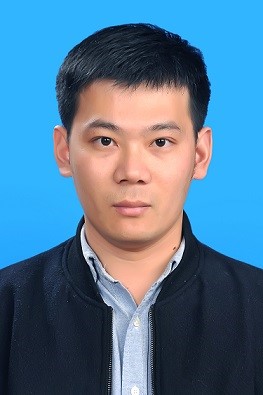 Mingwei Lin (林铭炜)合作论文数福建师范大学4
 Santosh K C合作论文数INRIA Nancy Grand Est4
 Yunyoung Nam合作论文数Department of Computer Science and Engineering, Soonchunhyang University4
 Tariq Hussain合作论文数3Shuaiying Yuan合作论文数3Zifan Lin合作论文数3Ziyang He合作论文数3
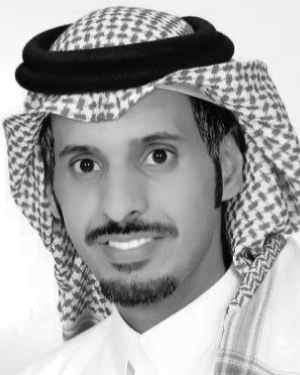 Abdullah Alqahtani合作论文数Coll Comp Engn & Sci, Prince Sattam bin Abdulaziz Univ3
 Shanshan Tu (涂山山)合作论文数Faculty of Information Technology, Beijing University of Technology3
 Asar Ali合作论文数Dept Elect Engn, Qurtuba Univ Sci & Informat Technol3
 S. Shitharth合作论文数Kebri Dehar Univ, Dept Comp Sci & Engn, Kebri Dehar 001, Ethiopia3
 Mehtab Singh合作论文数Department of Electronics and Communication, Chandigarh University3
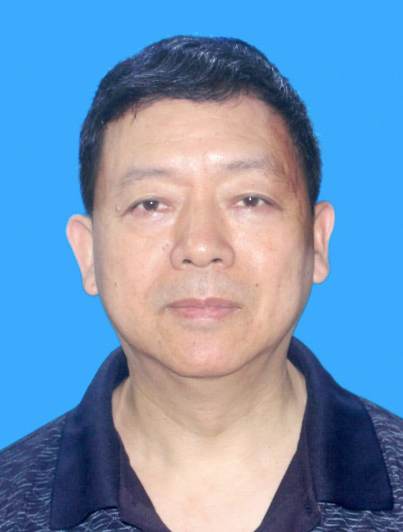 Zhiyong Yuan (袁志勇)合作论文数School of Computer Science, Wuhan University3
 Babar Shah合作论文数3
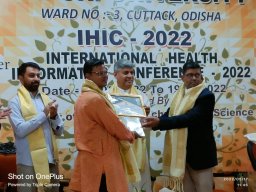 Mohanty Sachi Nandan合作论文数1 Indian Institute of Technology3
 Jianhui Zhao (赵俭辉)合作论文数School of Computer Science, Wuhan University3
 Ezzatollah Salari合作论文数3
 Amir Ijaz合作论文数Armed Forces Institute of Pathology3
 Musheer Ahmad合作论文数Faculty of Engineering and Technology, Department of Computer Engineering, Jamia Millia Islamia, New Delhi-110025, India3
 Muhammad Shoaib合作论文数2
 Asad Ullah合作论文数2
 K. Vijaya Kumar合作论文数2




