The development of Type I photosensitizers (PSs) is of great importance due to the inherent hypoxic intolerance of photodynamic therapy (PDT) in the hypoxic microenvironment. Compared to Type II PSs, Type I PSs are less reported due to the absence of a general molecular design strategy. Herein, we report that the combination of typical Type II PS and natural substrate carvacrol (CA) can significantly facilitate the Type I pathway to efficiently generate superoxide radical (O2–•). Detailed mechanism study suggests that CA is activated into thymoquinone (TQ) by local singlet oxygen generated from the PS upon light irradiation. With TQ as an efficient electron transfer mediator, it promotes the conversion of O2 to O2–• by PS via electron transfer-based Type I pathway. Notably, three classical Type II PSs are employed to demonstrate the universality of the proposed approach. The Type I PDT against S. aureus has been demonstrated under hypoxic conditions in vitro. Furthermore, this coupled photodynamic agent exhibits significant bactericidal activity with an antibacterial rate of 99.6% for the bacterial-infection female mice in the in vivo experiments. Here, we show a simple, effective, and universal method to endow traditional Type II PSs with hypoxic tolerance.
BACKGROUND:Delayed gastric emptying (DGE) is a common complication following laparoscopic pancreaticoduodenectomy (LPD), although it remains incompletely understood, and only few studies have investigated the clinical benefits of hepatic branch of the vagus nerve (HBVN) preservation on DGE after LPD until now. We intended to evaluate the effect of preservation of the HBVN during LPD on the incidence of DGE.METHODS:A total of 274 consecutive LPDs performed at a single center between July 2014 and December 2019 with available videos were retrospectively reviewed. DGE was defined according to the International Study Group of Pancreatic Surgery (ISGPS) criteria, and HBVN condition during the LPD procedure was evaluated through a video review. Risk factors associated with DGE were assessed by performing univariate and multivariate logistic regression analyses. Postoperative outcomes between the HBVN-preserved and HBVN-injury groups were compared before and after propensity score matching (PSM).RESULTS:One hundred fifty-six (56.93%) patients underwent LPD with HBVN-preserved and 118 (43.07%) with HBVN injury. DGE occurred in 33.2% of patients (n = 91) with grades B and C occurring at 13.9% (n = 38) and 7.7% (n = 21), respectively. Longer operative time, more EIBL, HBVN injury, POPF (grades B and C), postoperative hemorrhage, intra-abdominal infection, and Clavien-Dindo ≥III were identified as risk factors for DGE in the univariate analysis. Then, in the multivariate analysis, HBVN injury and intra-abdominal infection were found to be independent risk factors affecting the incidence of DGE (any grade) or clinically relevant DGE (grades B and C). Furthermore, the prevalence of DGE was significantly higher in the HBVN-injury group than in the HBVN-preserved group before and after PSM analysis (46.61% vs. 23.08%, P<0.001; 42.59% vs. 23.15%, P=0.013).CONCLUSIONS:HBVN preservation during LPD might be associated with a reduced incidence of DGE as a framework for prospective quality improvement.
Background: No extensive multicenter studies exist comparing short- and long-term outcomes of minimally invasive surgery (MIS) and open surgery (OS) for perihilar cholangiocarcinoma (PHC). To compare the perioperative and oncological outcomes of MIS and OS for PHC at multiple centers in China. Methods: The data of PHC patients who underwent MIS and OS from January 2013 to January 2019 across 11 centers in China were abstracted from medical records. A comparative analysis was performed before and after propensity score matching (PSM) in MIS and OS groups, and within study subgroups. Cox proportional hazards models were performed to identify significant prognostic factors, which were used to develop a prognostic scoring system to predict overall survival of the MIS- and OS-treated groups. Findings: Overall, 783 patients, 256 treated with MIS and 389 with OS treatment were included. PSM showed that 123 patients were comparable for each of the main groups. Reduced digestive reconstruction time, reduced hepaticojejunostomy and biliary plasty requirement, lower Clavien-Dindo stage, shorter length of stay, and lower TNM stages were observed in the MIS group compared with the OS group. No significant differences were observed for the most common postoperative complications or death. Overall survival was significantly higher in the MIS group than in the OS group before PSM but not after PSM. Multivariate analyses demonstrated that sex, body mass index, CA19-9, and TNM stage were independent predictive factors of survival. A prognostic scoring system could stratify patients (score≥ 5 points) potentially benefiting from MIS compared to OS treatment. Interpretation: Compared with OS, MIS is feasible and safe for PHC and may present even more advantages for specific subgroups of PHC patients. Funding Statement: National Natural Science Foundation of China, Hubei Natural Science Foundation, Tongji Hospital Clinical Research Flagship Program, Tongji Hospital Science Fund for Distinguished Young Scholars.Declaration of Interests: The authors declare no competing interests.Ethics Approval Statement: The study was approved by the institutional review board at each participating hospital, and the need for informed consent was waived due to the retrospective nature of the study.
Dysregulation of regulatory B cells (Bregs), a type of immunosuppressive lymphocyte, are associated with development of autoimmune diseases and cancers. Bregs produce immune tolerance-inducing cell surface molecules and tolerogenic cytokines (interleukin [IL]-10 and transforming growth factor-beta). We previously showed that levels of the inflammatory cytokine IL-18 were increased in patients with pancreatic cancer. In the present study study, we found that pancreatic cancer cell-derived IL-18 increases Breg-induced immunosuppression. IL-18 also promoted B-cell proliferation and IL-10 expression in vivo and in vitro. In addition, IL-18 upregulated membrane PD-1 in B cells and inhibited the antibody-dependent cellular cytotoxicity of Tc cells and natural killer cells. Finally, the combination of a natural IL-18 inhibitor (IL-18BP) and a PD-1/PD-L1 inhibitor suppressed tumor growth and metastasis in a murine pancreatic cancer model. Our results show that IL-18 and PD-1/PD-L1 could be therapeutic targets in pancreatic cancer.
 Renyi Qin (秦仁义)合作论文数Tongji Hospital, Tongji Medical College, Huazhong University of Science & Technology3
 Shutao Pan合作论文数2
 Tingting Qin (覃婷婷)合作论文数School of Mathematics and Statistics, Huazhong University of Science and Technology2
 Min Wang (王敏)合作论文数Tongji Hospital affiliated to Tongji Medical College of Huazhong University of Science & Technology2Yu Xie合作论文数1Zhongqiang Xing合作论文数1Guangsheng Yu合作论文数1Gangshan Liu合作论文数1
 Bowen Li合作论文数1Xiuhui Shi合作论文数1He Li合作论文数1Jiahao Zhuang合作论文数College of Design and Engineering, National University of Singapore1Jian Xu合作论文数1Min Wu (吴敏)合作论文数1
 Jianwu Tian (田健吾)合作论文数College of Life Sciences, Nankai University1Kok Chan Chong合作论文数Dept Chem & Biomol Engn, Natl Univ Singapore1Dandan Wang合作论文数1Ruizhi He合作论文数1Wenxing Zhao合作论文数1Xianhe Zhang合作论文数Dept Mat Sci & Engn, Southern Univ Sci & Technol SUSTech1Taoyuan Yin合作论文数1Simiao Xu合作论文数1Yue Shao合作论文数1Yuhui Liu合作论文数1Xuemin Chen合作论文数1Chao Dang合作论文数1Min Zhou合作论文数1Xiaodong Xu合作论文数1
 Shitai Liu合作论文数Sch Mat Sci & Engn, Beihang Univ1SiWei Zhu (朱斯维)合作论文数1XingPei Lu (卢兴培)合作论文数1HongQin Ma (马红钦)合作论文数1WeiBo Chen (陈卫波)合作论文数1JingDong Li (李敬东)合作论文数1Jianhua Liu (刘健华)合作论文数Clinical Medical College of Acupuncture Moxibustion and Rehabilitation, Guangzhou University of Chinese Medicine1
 Wang Min合作论文数Department of Pathology and Vascular Biology, Yale School of Medicine, Yale University1
 Hang Zhang (张航)合作论文数School of Chemistry & Chemical Engineering, Shaanxi Normal University1
 Ming Shen (申明)合作论文数College of Animal Science & Technology, Nanjing Agricultural University1
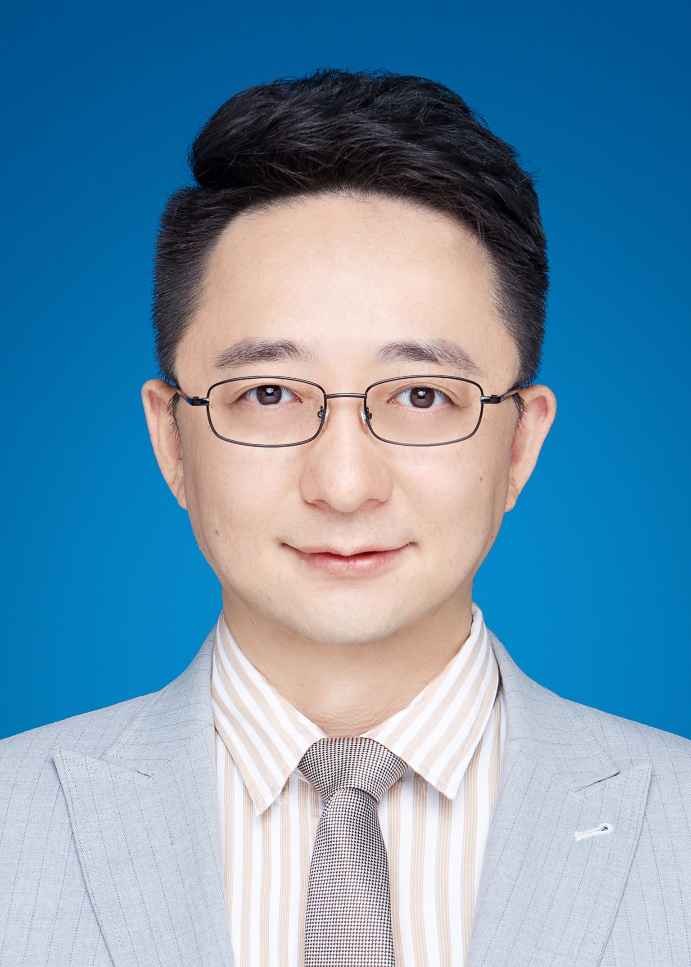 Xu Li (李旭)合作论文数School of Life Sciences, Division of Life Sciences and Medicine, University of Science and Technology of China1
 Xinmin Yin合作论文数1Zhang Yuhua合作论文数1
 Guobin Qi合作论文数1Dou Chang-Wei合作论文数1
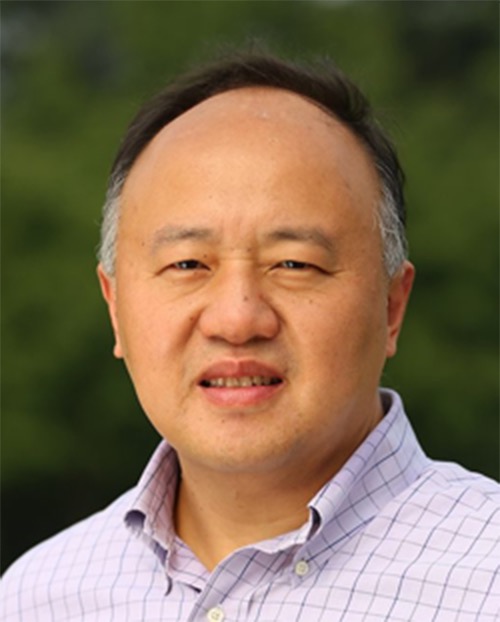 Jun S. Liu (刘军)合作论文数Department of Statistics and Data Science, Tsinghua University;Department of Statistics, Harvard University1
 Dewei Li (李德卫)合作论文数Cancer Hospital, Chongqing University1
 Duo Mao合作论文数1Xin Wang合作论文数1
 Yan Zhao (赵燕)合作论文数Department of Neuroscience, School of Life Sciences, Southern University of Science and Technology1




