6549 Background: During an international fludarabine (Flu) shortage, our center adopted cladribine (Cla) as a substitute for Flu with cyclophosphamide (Cy) for lymphodepletion (LD) prior to CAR-T therapy in patients with relapsed/refractory (R/R) B-cell acute lymphoblastic leukemia (B-ALL). We evaluated clinical outcomes and toxicity with Cla/Cy LD. Methods: We conducted a retrospective, single-center analysis of R/R B-ALL patients who received CD19-directed CAR-T therapy between January 2018 and April 2025. The Cla/Cy regimen substituted Flu 30 mg/m² with Cla 5 mg/m²/day on days −5 to −3. ALL-HT risk was calculated (Nair et al, 2025). CRS and ICANS were graded per ASTCT; cytopenias per CTCAE v5.0. Early (<30 days) and late (31–100 days) infections were assessed. Overall survival (OS), Event free survival (EFS, event=progression or death) and Minimal residual disease (MRD) status by clonoSEQ assay at Day 30 bone marrow biopsy were assessed. Results: We analyzed 53 patients (brexu-cel n=49; tisa-cel n=4). 28 received Flu/Cy and 25 received Cla/Cy. Baseline characteristics are outlined in Table 1. Three patients died before day 30 and two before day 100. Ten patients underwent allo-SCT within 6 months of CAR-T. Rates of grade ≥3 CRS (4% vs 12%, p=0.29) and ICANS (40% vs 24%, p=0.25) did not differ. MRD negativity at day 30 was comparable (Cla/Cy 81.8% vs Flu/Cy 75.0%, p=0.71). Early infection rates were similar; however, late infections were more frequent with Flu/Cy (48% vs 17.4%, p=0.034), with a persistent trend after ALL-HT adjustment (adjusted OR 3.54, p=0.073). Grade ≥3 thrombocytopenia (35.7% vs 8.0%, p=0.022) and neutropenia (25.0% vs 4.0%, p=0.05) at day 90 were higher with Flu/Cy, with similar trends after adjustment (adjusted OR 4.71, p = 0.082 and adjusted OR 7.88, p = 0.067, respectively). Neutrophil recovery (ANC >1000) time was comparable (median 17 vs 18 days, p=0.10). With a median follow-up of 14.6(Flu/Cy) and 13.1 months(Cla/Cy), EFS (6.8 vs 18.1 months, p=0.45) and OS (33.9 months vs not reached, p=0.25) were similar. Conclusions: Cla/Cy demonstrated comparable efficacy to Flu/Cy with lower toxicity, including fewer late infections and severe cytopenias. These findings suggest Cla/Cy may represent a safer alternative lymphodepletion strategy. Prospective studies are warranted to validate these observations. Baseline characteristics of study cohort. Characteristic Flu/Cy (n=28) Clad/Cy (n=25) p-value Age, median (IQR) 38.0 (30.2–58.5) 47.0 (26.0–64.0) 0.77 Male sex, n (%) 18 (64.3) 13 (52.0) 0.53 White race, n (%) 25 (89.3) 20 (80.0) 0.35 KPS ≥80, n (%) 24 (85.7) 21 (84.0) 1.00 Marrow blasts pre-LD, median (IQR) 2.0 (1.0–3.5) 1.5 (0.5–11.0) 0.67 Ph+ ALL, n (%) 11 (39.3) 12 (48.0) 0.78 Prior allo-HSCT, n (%) 6 (21.4) 7 (28.0) 0.56 Prior lines of therapy, median (IQR) 2 (2–3) 3 (2–3) 0.96 High-risk ALL-HT, n (%) 12 (42.9) 3 (12.0) 0.016
Background CD19 CAR T-cell therapy is frequently complicated by cytokine release syndrome (CRS), immune effector cell-associated neurotoxicity syndrome (ICANS), and hematotoxicity (ICAHT) which contribute to infections and non-relapse mortality (NRM). Herein, we characterize cytokines and inflammatory markers associated with severe CRS, ICANS, ICAHT and infections in r/r adult B-ALL post CAR T. Methods We retrospectively analyzed 20 adults with r/r B-ALL treated with commercial CD 19 CAR T (16 Brexu-cel; 4 Tisa-cel) between 01/2018 – 04/2025. Cytokines and inflammatory markers were measured at three predefined timepoints. Toxicities were graded as per ASTCT criteria for CRS and ICANS; EHA/EBMT for T- and N-ICAHT and CTCAE v 5.0 for infections. Early events were defined as Day 0-30 and late as Day 31-100 post CAR T (Fig 1 and 2). Associations between log-transformed biomarker levels with severe Gr ≥2 versus non-severe Gr <2 toxicities were tested by logistic regression test. Results Baseline disease characteristics are summarized in Table 1. Most patients were young with 29 years as median age at apheresis (range: 21–71, 25% were ≥50 yrs), heavily pre-treated with 3 median prior lines of therapy (range: 1-10, 40% with ≥3) and received cladribine/cyclophosphamide lymphodepletion (65%).CRS occurred in 95% (Gr ≥2: 45%) with1 Gr 5 event, median onset at Day 5 (range: 0–13) and median duration 4 days (range: 1–12). ICANS in 70% (Gr ≥2 in 50%); median onset at Day 7 and median duration 2 days (range: 1–9). Treatment included steroids (55%), tocilizumab (60%) and anakinra (20%). Early T- ICAHT occurred in 55 % (Gr ≥2: 50%) and N-ICAHT in 80% (Gr ≥2: 40%). Treatment included G-CSF (30%) and platelet transfusion (25%). At Day 30, 7 pts were censored (Fig 1). Late T- ICAHT occurred in 38% and N-ICAHT in 54% (all ≥ Gr 2). Treatment included G-CSF (46%), platelet transfusion (31%) and IVIG (46%). Early infections occurred in 45 % (Gr ≥2: 40% 25% bacterial) with 2 Gr 5 events while late infections were observed in 31% (23% bacterial) (all ≥Gr 2) with 1 Gr 5 event.Severe CRS was associated with high baseline CRP and low albumin; elevated Day 0 and peak IL-6 and CRP; and increased peak LDH, IFN-γ, CXCL10, IL-18, TNF-α and low albumin (all p ≤0.05). Severe ICANS correlated with peak IL-6, LDH, IFN-γ, CXCL10 and low albumin (all p ≤0.05) and trended with baseline and Day 0 IL-6; Day 0 and peak GM-CSF; peak TNF-α. Severe early T-ICAHT, N-ICAHT and early infections trended with high IL-6, high ferritin and low albumin across the three time points. (p∼0.05), while peak IFN-γ and CXCL10 trended with early infections (Fig 3). Conclusions In this pilot analysis, baseline and peri-infusion biomarkers—particularly IL-6, CRP, albumin, CXCL10, and IFN-γ—were associated with severe early ICAHT, early infections, CRS, and ICANS, suggesting shared underlying pro-inflammatory milieu in r/r adult B-ALL CAR T recipients.
Background CD19 CAR T cells therapy induces high remission in r/r B-ALL but is limited by immune-effector cell–associated hematotoxicity (ICAHT) and infectious complications. While the ALL-Hematotox (ALL-HT) score predicts post-CAR-T neutropenia (Nair et al., Blood 2025, real-world data are limited. We aimed to describe the incidence, timing, and predictors of cytopenias and infections following commercial CD19 CAR T therapy in r/r B-ALL. Methods We retrospectively examined 53 B-ALL patients treated with brexu-cel or tisa-cel (2018–2025). Cytopenia were graded per CTCAE v5.0 at baseline and Days 7/14/30/90. Infections were classified as early (<30 d) or late (31–100 d) and grade ≥3 if requiring IV antibiotics or hospitalization. CRS/ICANS were graded per ASTCT. ALL-HT score was calculated using baseline labs; patients with score >4 was considered high risk . Univariate logistic regression evaluated associations of patient and tumor characteristics with cytopenias and infections. Results Patient and disease characteristics are summarized in Table 1. 46 (87%). Among 53 patients (median age 38 years; 58% male), 46 (87%) reached Day 100 follow-up. Most patients (93%) received brexu-cel. Marrow blast burden at baseline was >50% in 14%. Prior therapies included blinatumomab (57%), inotuzumab (30%), and alloHSCT (23%). 72% were classified as low risk by ALL-HT score. CRS occurred in 92% and ICANS in 55%.The prevalence of cytopenias and infections are summarized in Table 2. High-risk ALL-HT scores were significantly associated with Day 30 neutropenia (p=0.011) and thrombocytopenia (p<0.001). Flu/Cy lymphodepletion correlated with both Day 30 thrombocytopenia (p=0.008) and Day 90 neutropenia (p=0.029).By Day 100, 51% developed at least one infection; 29.8% had ≥G3. Early infections (n=16) were 80% bacterial and 75% ≥G3; late infections (n=17) were 72% bacterial and 41% ≥G3. Infection-related deaths occurred early (n=2) and late (n=1). High-risk ALL-HT scores were associated with early (p=0.004) and late (p=0.029) infections. Additional risk factors for early infections included bridging therapy administration (p=0.012), day 30 IgG<400 mg/dL (p=0.006). Severe late infections were associated with day 90 IgG<400mg/dL (p=0.032), Flu/Cy (p=0.015), and high pre-LD blasts (p=0.020). Conclusion Prolonged cytopenias and infectious complications are frequent after CD19-directed CAR T-cell therapy for r/r B-ALL; nearly one-third experience severe infections with early and late mortality. The ALL-HT score effectively stratifies hematologic and infectious risk. Hypogammaglobulinemia was strongly associated with severe infections, highlighting the need for prospective studies evaluating prophylactic IVIG. Compared to Flu/Cy, cladribine-based lymphodepletion may confer a more favorable cytopenia/infection profile and merits further investigation.
Background: Translocation t(11;14) defines a biologically distinct subset of multiple myeloma (MM) enriched for BCL2 dependency. Treatment with venetoclax, selective BCL2 inhibitor, has shown varied responses in clinical trials and retrospective cohorts. Efficacy of venetoclax-based combination therapies and optimal timing of treatment in t(11;14) MM patients remain incompletely characterized. Methods: We have compared the overall survival of t(11;14) MM patients who received Venetoclax (N = 97) at any moment in time, to those who never did (N =284), in the largest retrospective cohort (N = 381) reported to date. We used longitudinal fluorescence in situ hybridization (FISH) to assess cytogenetic evolution and genomic complexity. We performed transcriptomic profiling of CD138 enriched tumors using RNA sequencing in a subset of samples and gene expression signatures (UAMS/HALLMARKS) were used to define molecular subtypes. Ex vivo drug sensitivity assays integrated with paired RNA sequencing were used to identify subtype specific therapeutic vulnerabilities and rational venetoclax based combination strategies. Results: Venetoclax exposure was associated with an improvement of median overall survival by nearly four years compared to non VEN exposed patients (p = 0.0003). Longitudinal cytogenetic analysis demonstrated stability of the primary t(11;14) translocation over time, while secondary abnormalities tend to accumulate, including those harboring high-risk secondary cytogenetic abnormalities such as del13q, amp/gain1q21, del17p, and del1p, resulting in increasing genomic complexity with disease progression. Transcriptomic analyses identified selective enrichment of CD1/CD2 signature (associated with t(11;14) NDMM) by single sample gene set enrichment analysis as a marker of prolonged progression free survival. However, patients with more than five prior lines of therapy were enriched for transcriptionally complex biology characterized by CD1/CD2 with either proliferative/hypermetabolic or inflammatory transcriptional programming which were associated with inferior outcomes with VEN based treatment. Ex vivo drug sensitivity profiling revealed subtype specific vulnerabilities, identifying daratumumab, lenalidomide, ixazomib, and panobinostat as rational partners for venetoclax depending on transcriptional context. Conclusion: Venetoclax-based therapy significantly improved overall survival in t(11;14) MM. Clinical benefit, defined by improved progression free survival, was greatest when venetoclax was administered earlier, preceding the emergence of transcriptomic reprogramming that reduces BCL2 dependency. These findings support transcriptomic biomarker guided, subtype specific venetoclax based treatment strategies to optimize outcomes in patients with t(11;14) MM.
Background: HPV infection is implicated in approximately half of global penile squamous cell carcinoma (PSCC) cases. Previous studies on HPV DNA and p16INK4a status in PSCC have yielded inconclusive prognostic findings. This meta-analysis aims to elucidate the prognostic role of HPV in PSCC by pooling data on disease-free survival (DFS), disease-specific survival (DSS), and overall survival (OS). Methods: We systematically searched Medline and Embase up to January 2023 for relevant human studies. Data from eligible publications reporting HPV DNA or p16INK4a status, along with and DFS, DSS, or OS outcomes, were extracted. A random-effects meta-analysis model was used to synthesize data, with study weights based on size and significance. The study protocol was registered with PROSPERO (CRD42019131355). Results: Out of 544 studies screened, 34 publications were included, comprising a pooled sample size of 3,944 patients. p16INK4a-positive status was associated with improved OS (hazard ratio [HR], 0.54; 95% CI, 0.39-0.75; I 2=31%), DFS (HR, 0.52; 95% CI, 0.29-0.94; I 2=20%), and DSS (HR, 0.34; 95% CI, 0.23-0.50; I 2=18%). HPV DNA positivity was significantly associated with improved DFS (HR, 0.63; 95% CI, 0.46-0.87; I 2=13%) and DSS (HR, 0.46; 95% CI, 0.29-0.75; I 2=47%) but not OS (HR, 0.92; 95% CI, 0.74-1.11; I 2=0%). Conclusions: This meta-analysis, comprising the largest number of patients with PSCC to date, shows a notable correlation between p16INK4a immunohistochemistry positivity and survival outcomes. These findings support the understanding that penile cancer cases not associated with HPV tend to behave more aggressively. We support p16INK4a immunohistochemistry testing as part of the initial diagnostic evaluation of patients with PSCC.
Introduction: The chromosomal translocation t(11;14)(q13;q32) is found in nearly 20% of multiple myeloma (MM) patients. MIDAS trial (NCT04934475) reported only 24% MRD-negativity rates in t(11;14) MM compared to 59% in non-t(11;14) MM patients treated with a novel four-drug regimen, which suggests further evaluation of treatment options for this genetic subtype. Recent phase 3 clinical trials BELLINI (NCT02755597) and CANOVA (NCT03539744) have reported varied response to venetoclax, VEN - a novel BCL2 inhibitor, in patients with t(11;14) and high-BCL2 expressing tumors, which emphasizes the need to understand t(11;14) biology better. We present a retrospective study on the largest cohort of t(11;14) MM patients spanning pre-malignant (monoclonal gammopathy of undetermined significance - MGUS and smoldering MM – SMM), NDMM, ERMM, and late relapsed refractory MM (LRMM) offering unique insights into the evolution of t(11;14) biology and it's impact on response to VEN. Evolution of t(11;14) Biology by FISH: Fluorescence in situ hybridization (FISH) analyses of tumor samples from 381 MM patients revealed that 100% of MGUS samples have t(11;14) only (simple biology – no amp/gain1q21, del1p, del13q, or del17p), which reduces to 43.8%, 41.8%, and 36.4% in SMM, NDMM, and ERMM respectively, to 10.3% in LRMM samples, where the remaining samples have complex t(11;14) biology characterized by t(11;14) and one or more of other cytogenetic abnormalities. A Kaplan-Meier comparison of time since MM diagnosis for simple (median probability at 1.48 years) and complex (median probability at 3.13 years) events shows a statistically significant difference (log-rank test, p=0.002). In 70 t(11;14) MM patients with sequential FISH biopsies, a Kaplan-Meier comparison of time to loss of complexity (median probability at 1.65 years) and gain of complexity (median probability at 2.79 years) events revealed a statistically significant difference (Wilcoxon test, p=0.029). Evolution of t(11;14) Biology by RNAseq: RNAseq of CD138-enriched cells followed by estimation of single-sample gene set enrichment analysis (ssGSEA) scores of UAMS subgroups (Zhan et. al., Blood, 2006; CD1/CD2 – CCND1/CCND3, MF – MAF, PR – proliferation, LB – low bone disease), which showed that all t(11;14) MM patients had statistically significant, positive ssGSEA scores for CD1 and CD2. However, a subgroup of patients was also enriched for MF, PR, or LB leading to CD1/CD2 exclusive (simple) and CD1/CD2+MF/PR/LB (complex) groups. The CD1/CD2 simple biology was found in 75% SMM, 63.6% NDMM, 51.5% ERMM, and 37.9% LRMM t(11;14) patients. A statistically significant (paired t-test, p=0.0257) lowering of CD1 and CD2 ssGSEA enrichment scores were observed over time in 43 t(11;14) MM patients with sequential RNAseq biopsies. VEN Treatment in t(11;14) MM: Overall survival (OS) comparison of t(11;14) MM patients who received VEN (n=97, 11.9 years OS at median probability) at any point in time versus those who didn't (n=284, 8 years OS at median probability) shows a statistically significant difference (log-rank test, p=0.0003). In 97 (out of 381) t(11;14) MM patients who received VEN-based therapy, a Kaplan-Meier comparison of PFS revealed an improvement by nearly one year at median probability for the simple t(11;14) group (by FISH), albeit non-significantly (log-rank test, p = 0.1). Furthermore, a non-significant difference (unpaired t-test, p=0.74) in BCL2 expression between t(11;14) simple and complex tumors using 200 samples with paired RNAseq and FISH was noted, which suggests that a genetic simplicity of t(11;14) biology may confer limited benefit with VEN treatment. However, in 25 t(11;14) MM patients (out of 97 treated with VEN), who had RNAseq data available shortly before treatment; we note a statistically significant (log-rank test, p=0.02) difference in PFS between CD1/CD2 simple (PFS 2.69 years at median probability) and complex (PFS 0.69 years at median probability) groups, which suggests that functional simplicity in t(11;14) biology captured via RNAseq is a robust biomarker for sensitivity to VEN. Conclusions: Evolution of t(11;14) biology in MM is characterized by an early, genetically and functionally simple state, which acquires complexity with time. Treatment with VEN for t(11;14) MM patients confers a significant benefit in OS, where treating patients early on, prior to the onset of CD1/CD2 functional complexity confers a significant benefit in PFS as well.
PURPOSE:Radical cystectomy and trimodality therapy (TMT) are efficacious treatments for muscle invasive bladder cancer. Novel methods for post-treatment surveillance are needed to detect recurrence. This study assesses the value of plasma circulating tumor DNA (ctDNA) for detection of post-TMT recurrence. MATERIALS AND METHODS:We performed a retrospective ctDNA analysis in 32 patients with at least one post-TMT ctDNA measurement before any disease recurrence. Patients were stratified as post-TMT ctDNA (+) or ctDNA (-) and assessed for metastasis-free survival and recurrence-free survival (RFS) using Kaplan-Meier and Cox regression methods. RESULTS:At a median follow-up of 181 days (range: 24-522) after the first post-TMT ctDNA measurement, 4 patients (12.5%) were ctDNA (+) and 28 patients (87.5%) were ctDNA (-); 3 of 4 ctDNA (+) patients developed radiographic evidence of metastasis. All 28 ctDNA (-) patients were without metastasis. ctDNA positivity correctly identified all metastatic progression with 100% sensitivity and 93% specificity at 6-month post-TMT ctDNA surveillance. Furthermore, ctDNA-based detection preceded clinical detection of metastasis with a median lead time of 138 days. ctDNA (+) status was associated with worse metastasis-free survival (P < .0001) and RFS (P < .0001). In univariable analysis, ctDNA (+) status was the only variable significantly associated with worse RFS (HR 3.53, 95% CI: 1.11-11.53, P = .03). CONCLUSIONS:Plasma ctDNA is a potential biomarker for early detection of metastatic progression after TMT. Our hypothesis-generating findings provide a basis for larger studies to evaluate the utility of ctDNA-guided post-TMT surveillance.
BACKGROUND:Idecabtagene vicleucel (ide-cel) is a BCMA-directed CAR-T associated with high response rates in relapsed/refractory multiple myeloma (RRMM), yet responses are not durable and most patients experience toxicities. Fludarabine (Flu) is a key component of lymphodepletion but exhibits significant pharmacokinetic (PK) variability. OBJECTIVE:Given Flu exposure (AUC) predicts outcomes after CD19-directed CAR-T, we hypothesized it would predict outcomes after ide-cel. Our objective was to determine the association between fludarabine AUC and clinical outcomes after standard-of-care (SOC) ide-cel. STUDY DESIGN:RRMM patients receiving ide-cel from 10 US Multiple Myeloma Immunotherapy Consortium centers were retrospectively analyzed. A population PK approach using cumulative Flu dose and PK covariates, eGFR and body weight (BW), was used to predict Flu AUC and Cmax and these were tested in univariable and multivariable analysis. RESULTS:285 patients were analyzed, and the median predicted Flu AUC was 19.01 (11.23-41.47) mg * h/L. We observed an association between Flu AUC and Day 90 ORR (OR 2.11; 95% CI 0.99-4.68; P = .057). Flu AUC was significantly associated with grade ≥1 CRS (P = .013), and grade ≥1 ICANS (P = .032), which was consistent with the observed increase in tocilizumab and corticosteroid use in these patients. Flu AUC was also associated with day 60 grade 3/4 thrombocytopenia (P = .03). A non-statistical but clinically significant increase in the odds of occurrence of day 90 grade 3/4 neutropenia (P = .058) and infection (P = .017) was also observed. CONCLUSION:Predicted Flu exposure is an independent predictor of CAR-T toxicities in this real-world ide-cel-treated population. Validation of these findings with prospective therapeutic drug monitoring is needed to gain further insight into how personalized Flu dosing can mitigate these toxicities after ide-cel.
Background CD19-directed chimeric antigen receptor (CAR) T-cell therapies have transformed the treatment landscape for relapsed or refractory (r/r) B-cell acute lymphoblastic leukemia (B-ALL), resulting in the regulatory approval of three commercial products. While these therapies offer high rates of remission, immune effector cell–associated hematotoxicity (ICAHT) has emerged as a significant complication with prolonged cytopenias predisposing patients to infectious morbidity and mortality. The recently developed ALL-Hematotox (ALL-HT) score predicts prolonged neutropenia post-CAR T (Nair et al., Blood 2025), but real-world data on the incidence, risk factors, and clinical impact of cytopenias and infections in this setting remain limited. Methods We performed a retrospective analysis of 53 patients with B-ALL who received CD19-directed CAR T-cell therapy (brexu-cel or tisa-cel) between January 2018 and April 2025. Cytopenias (hemoglobin, platelets, ANC) were graded per CTCAE v5.0 at baseline (Day –7 to 0), Day 7, 14, 30, and 90. Infections were classified as early (<30 days) or late (31–100 days), stratified by grade, type (bacterial, viral, fungal), and outcome. Severe infection was defined as one requiring IV antibiotics and/or hospitalization, corresponding to CTCAE grade ≥3. Supportive interventions (IVIG, G-CSF, platelet/pRBC transfusions) were recorded. CRS and ICANS were graded per ASTCT criteria. ALL-HT score was retrospectively calculated; patients with score >4 was considered high risk. Associations between clinical variables and cytopenias or infections were evaluated using univariate logistic regression. Results Among 53 patients (median age 38 years [range 21–79]; 58% male), 46 (87%) reached Day 100 follow-up. Most patients (93%) received brexu-cel and underwent lymphodepletion with fludarabine/cyclophosphamide (Flu/Cy, 53%) or cladribine/cyclophosphamide (Cla/Cy 47%). Marrow blast burden at baseline was ≤5% in 72% of patients, 6–50% in 14%, and >50% in 14%. Prior therapies included blinatumomab (57%), inotuzumab (30%), and alloHSCT (23%). Bridging therapy was administered in 85% of patients. 38 patients were classified as low risk by the ALL-HT score, while 15 were high-risk. CRS occurred in 92% of patients (≥Grade 3 in 11%) and ICANS in 55% (≥Grade 3 in 35%). Tocilizumab, steroids, and anakinra were administered in 64%, 58%, and 12%, respectively. At Day 30, Grade ≥3 anemia, thrombocytopenia, and neutropenia were present in 8.2%, 27%, and 24% of patients, respectively; At Day 90, these declined to 2.6%, 18%, and 21%. IVIG was administered to 45%, G-CSF to 43%, and transfusions occurred in 20% (pRBC) and 9% (platelet) within 7 days, and in 24% and 19%, respectively, between Days 8–100. High-risk ALL-HT scores were significantly associated with Day 30 neutropenia (p=0.011) and thrombocytopenia (p<0.001). Flu/Cy lymphodepletion correlated with both Day 30 thrombocytopenia (p=0.008) and Day 90 neutropenia (p=0.029). Overall, 51% patients developed at least one infection by day 100; 29.8% experienced Grade ≥3 infections. Early infections occurred in 16 patients, 80% of which were bacterial, and 75% were Grade ≥3. Late infections occurred in 17 patients, 72% bacterial, and 41% were Grade ≥3. Infection-related mortality occurred in both early (n=2) and late (n=1) periods. High-risk ALL-HT scores were associated with both early (p=0.004) and late (p=0.029) infections. Additional risk factors for early infections included administration of bridging therapy (p=0.012), day 30 hypogammaglobulinemia (<400 mg/dL; p=0.006), and poor baseline performance status (p=0.033). Severe late infections were associated with day 90 hypogammaglobulinemia (p=0.032), Flu/Cy (p=0.015), and high pre-lymphodepletion blast burden (p=0.020). Conclusion Prolonged cytopenias and infectious complications are frequent and clinically impactful following CD19-directed CAR T-cell therapy for r/r B-ALL, with severe infections occurring in one-third of patients and contributing to early and late mortality. The ALL-HT score effectively stratifies hematologic and infectious risk in this cohort of patients treated with commercial CAR T. Hypogammaglobulinemia was strongly associated with severe infections, highlighting the need for prospective studies evaluating prophylactic IVIG. Compared to Flu/Cy, cladribine-based lymphodepletion may confer a more favorable cytopenia and infection profile and warrants further investigation.
Summary: Background: Standardized, high-quality PRO data reporting is crucial for patient centered care in the field of oncology, especially in clinical trials that establish standard of care. This study evaluated PRO endpoint design, conduct and reporting methods in FDA approved drugs for GU malignancies. Methods: A systematic review of the FDA archives identified GU cancer drug approvals from Feb 2007 to July 2022. ClinicalTrials.gov and PubMed were used to retrieve relevant data. PRO data was screened, and analytic tools, interpretation methods in the published papers and study protocols were reviewed. Compliance with PRO reporting standards were assessed using PRO Endpoint Analysis Score (PROEAS), a 24-point scoring scale from Setting International Standards in Analyzing Patient-Reported Outcomes and Quality of Life Endpoints Data Consortium (SISAQOL). Findings: We assessed 40 trial protocols with 27,011 participants, resulting in 14 renal cell cancer (RCC), 16 prostate cancer (PC), and 10 urothelial cancer (UC) approvals. PRO data was published for 27 trials, with 23 PRO publications (85%) focusing solely on PRO data, while 4 (15%) included PRO data in the original paper. Median time between primary clinical and secondary paper with PRO data was 10.5 months (range: 9–25 months). PROs were not planned as primary endpoints for any study but 14 (52%) reported them as secondary, 10 (37%) as exploratory outcomes, and 3 (11%) lacked any clarity on PRO data as endpoint. Mean PROEAS score of all GU cancers was 11.10 (range: 6–15), RCC (11.86, range: 6–15), UC (11.50, range: 9–14), and PC (10.56, range: 6–15). None met all the SISAQOL recommendations. Interpretation: Low overall PROEAS score and delays in PRO data publication in GU cancer drug trials conducted in the past decade emphasize the need for improvement in quality of design and conduct of PRO endpoint in future trials and accelerated publication of PRO endpoints, using standardized analysis, and prespecified hypothesis driven endpoint. These improvements are essential for facilitating interpretation and application of PRO study findings to define patient care. Funding: None.
Background: VEN is an oral BCL-2 inhibitor with demonstrated activity in t(11;14) MM. Here, we report the impact of VEN-based therapy in a large cohort of t(11;14)-positive MM in terms of efficacy and safety. We also investigate molecular- and treatment-related factors impacting response to VEN. Methods: We retrospectively analyzed all t(11;14)-positive MM patients diagnosed at Moffitt Cancer Center between 9/2000-7/2023. The primary endpoint was OS measured from the time of MM diagnosis compared between VEN-treated patients and those who did not receive VEN. Secondary endpoints were ≥VGPR rate, treatment- and disease-specific determinants of ≥VGPR, time to next treatment on VEN, and key toxicities. Infections were defined radiographically, microbiologically, or by strong clinical suspicion. Kaplan-Meier estimates and Cox regression were employed to analyze time-to-event data. We also analyzed the expression of genes postulated to impact VEN sensitivity and how these impacted response rates. Z-normalized (925 patient cohort) log2(FPKM) from RNAseq of CD138+ cells of 24 t(11;14)-positive MM patients were used to estimate BCL2/MCL1 ratio to determine the association with ≥VGPR using logistic regression. Results: We identified 381 t(11;14)-positive MM patients (median age 65 [range, 33-86], 62% men, 83% white, 10% black). VEN regimens (+anti-CD38 [51%], +proteasome inhibitor [35%], +other [14%]) were utilized in 97 (25%) patients, on median in the 5th line (IQR, 4-6). VEN and non-VEN groups were balanced in terms of median age (63 vs 65 years, p=.22), male sex (63% vs 62%, p=.9), white race (82% vs 83%, p=.81) and the presence of high-risk cytogenetic abnormalities (21% vs 13%, p=.1). VEN treated patients were more likely to be diagnosed before 2015 (41% vs 30%, p=.04), to be penta-exposed (26% vs 9%, p<.01) and to have received autologous stem cell transplant (65% vs 49%, p<.01) or CAR T/bispecific antibodies (48% vs 4%, p<.01). Median OS was superior for VEN-treated patients both in the overall population (142 [95% CI 112-202] vs 97 [95% CI 80-116] months, Log-Rank p<.01) and in Daratumumab-exposed patients (202 [95% CI 128-NE] vs NE [95% CI 72-NE], p=.08). In multivariable Cox regression accounting for age, sex, race, 1q abnormalities, anti-CD38 antibody exposure, penta-exposed status and receipt of CAR T/bispecifics, VEN-based therapy was associated with a lower risk of death of any cause (aHR = 0.54; 95% CI 0.3-0.97). VEN-based treatments resulted in ≥VGPR in 38/95 (40%) and in CR in 20/95 (21%). Median time to next treatment on VEN regimens was 8.5 months (IQR, 4-19; range, 0-83 months). For patients with FISH within 3 months of VEN initiation (N=38), the t(11;14) burden did not predict ≥VGPR (OR 0.98 per 1%-change, p=.99). As a VEN partner, anti-CD38 antibodies appeared to increase the odds of ≥VGPR (OR 3.98, p=.05) compared to proteasome inhibitor partners (OR 1.59, p=.5) or other VEN combinations (reference). VEN regimens resulted in adverse events in 34% with 26% representing cytopenias. Non-hematologic toxicities required interruption of VEN in 14%. VEN was permanently discontinued in 8% due to toxicity. Infections occurred in 18/97 (19%) of VEN patients; 7/18 required admission for IV antibiotics and 1/18 died of pneumonia while on VEN. IgG levels were <500 in 25% of VEN patients and infections were more common below this threshold (46% vs 10%, p<.01); however, IVIG use was low (4/97). RNAseq analysis revealed that increases in the BCL2/MCL1 gene expression ratio was associated with greater odds of ≥VGPR (OR 3 per 1-unit change, p<.01). Conclusions: VEN-based regimens (especially in combination with anti-CD38 antibodies) are effective in t(11;14)-positive MM. We report reasonable and potentially durable response rates, as well as an association with a survival benefit for VEN. The toxicity profile was similar to that observed in reported trials with infection the main concern especially in the setting of hypogammaglobulinemia. Gene expression analysis may be helpful in predicting response to VEN beyond t(11;14) status alone and we will present expanded transcriptomic data analysis in this cohort at the meeting. Future efforts to prospectively investigate the best VEN combination and IVIG to mitigate the risk of infection are warranted.
Background Multiple myeloma (MM) is a hematologic cancer characterized by an uncontrolled neoplastic proliferation of clonal plasma cells resulting in complications and death. Despite the discovery of novel agents, it remains an incurable disease. Elranatamab (Elra) is a humanized B-cell maturation antigen (BCMA)-CD3 bispecific antibody that was FDA approved in 2023 for the treatment of RRMM. We evaluated the outcomes of 34 patients (pts) treated with SOC Elra. Methods This retrospective analysis at Moffitt Cancer Center evaluated pts with RRMM that were treated with Elra between September 2023 and July 1, 2024. Cytokine release syndrome (CRS) and immune effector cell-associated neurotoxicity syndrome (ICANS) were graded per ASTCT consensus criteria, while responses were graded based on the IMWG response criteria. Results Median age at the time of treatment was 69 years (52-81), and 6 (17.6%) out of the 34 pts evaluated had an ECOG performance status >2. Seventeen pts (50%) had high-risk cytogenetics by IMWG criteria (defined as del17, t(4;14), t(14;16)) at the time of initiation of Elra. Twenty-eight (82.3%) pts had a gain 1q identified. Median prior lines of therapy was 7 (4-14). As expected, this population was very heavily pretreated; thirty-three pts were triple-class refractory (97%), and twenty-four were penta-class refractory (70.6%). Twenty-six pts (76.5%) had previously received another anti-BCMA targeted therapy (BCMA-TT). Responses to prior BCMA-TT were as follows: 2 progression of disease (PD), 1 stable disease (SD), 4 partial response (PR), 1 very good partial response (VGPR), 18 complete response or better (≥CR). Seventeen of twenty-two pts tested for BCMA expression were positive by IHC. Of those that receive prior BCMA-TT, twenty (76.9%) had no other line of therapy (LOT) in between. Four pts (15.4%) had 1 LOT between prior BCMA-TT and Elra, and two pts (8.3%) had 2 LOT. At a median follow up of 3.3 months, overall response rate (ORR) was 52.9%, with 5 pts achieving a PR, 2 a VGPR, and 11 a ≥CR. While 12 (35.3%) pts did not show any response to Elra, 3 (8.8%) had SD and 1 (2.9%) showed a minimal response (MR). Among the 12 pts that had progression of disease after Elra, 3 (25%) were naïve to BCMA directed therapies. All non-responders had previously benefited from other prior BCMA-TT. Nine (75%) of the non-responders had BCMA expression by IHC at the time of Elra administration. Eleven (32.4%) pts had CRS. All CRS events were grade 1 (90.9) or grade 2 (9.1%) only. Five (14.7%), patients received Tocilizumab as part of the management for CRS. ICANS was seen in 5 pts (14.7%); 4 were ≤grade2, and only 1 grade 3. Infections were seen in eleven (32.4%) pts, and seven (63.6%) of those were severe requiring hospitalization. Six infectious cases were identified as bacterial, while 4 were viral. Four (11.8%) pts had severe neutropenia requiring granulocyte colony stimulating factor (GCSF). At the time of initiation of Elra seventeen (50%) pts had hypogammaglobulinemia, as defined by an IgG<400. After exposure to Elra, 9 pts (57%) developed new onset hypogammaglobulinemia. Thirteen (38.2%) pts receive intravenous immunoglobulin (IVIG). Ten pts died; 8 due to progressive myeloma, and 2 due to infection. Conclusions Patients treated with SOC Elra had a favorable ORR (52.9%) while maintaining an acceptable safety profile despite a larger proportion of them having high risk features relative to trial patients, including poor performance status, high-risk cytogenetics, and prior BCMA-directed therapies. Results will be updated with continued follow up. *AFG, DKH, OC are co-first authors
Background Talquetamab (Talq) is a GPRC5D bispecific antibody approved for triple class exposed patients (pts) with relapsed and refractory multiple myeloma (RRMM), after 4 prior lines of therapy (LOT). MonumenTAL-1, a phase I/II study, demonstrated an ORR of 71.7% at a dose of 0.8mg/kg subcutaneous every 2 weeks (Q2W) after step-up doses. Here, we present a single center, real-world experience (RWE) supporting the safety and efficacy of Talq in RRMM pts. Methods This retrospective analysis at Moffitt Cancer Center evaluated pts with RRMM that were treated with Talq at a dose of 0.8mg/kg subcutaneous Q2W after step-up doses between September 2023 and July 1, 2024. CRS and ICANS were graded per ASTCT consensus criteria, while responses were graded based on the IMWG response criteria. Results A total of 54 pts was treated with Talq in our institution; 39 pts with intent to treat until disease progression or intolerable adverse events, and 15 pts with intent to bridge to CAR-T with only 1 cycle of therapy. Median age was 66 years (range 39-89), 44.4% (n=24) were male, and 24.1% (n=13) had an ECOG PS ≥2. 70.4% (n=38) had high risk cytogenetics (defined as del17, t(4;14), t(14;16), and gain 1q). Pts were heavily pretreated with a median of 7 (4-11) prior lines of therapy. 85.2% (n = 46) were triple-class refractory, and 38.9% (n=21) were penta-class refractory. 64.8% (n=35) received prior B-cell maturation antigen targeted therapies (BCMA-TT). 66.7% (n=36) of pts did not meet inclusion criteria for the MonumenTAL-1 study, including 44.4% (n = 16) for cytopenia, 27.8% (n=10) for renal dysfunction, and 30.6% (n=11) for ECOG ≥2. With a median follow up of 5.04 (0.3-11.6) months, progression free survival (PFS) and overall survival (OS) have not been reached. Overall response rate was 75.9% (n=41) with 18 pts (33.3%) achieving a complete response or better (≥CR). Ten pts (18.5%) achieved minimal residual disease (MRD) negativity by next generation sequencing (NGS). Overall Response Rate (ORR) was 76.9% (n=30/39) among pts receiving Talq as primary treatment, with 18 pts (46.2%) achieving a complete response (CR) or better. ORR was 73.3% (n=11/15) in pts receiving Talq as bridging with 3 pts (18.8%) achieving a very good partial response (VGPR) and 50% (n=8) achieving a partial response (PR). CRS occurred in 59.3% (n=32) of pts, (16 pts with grade 1, 15 pts with grade 2, and only 1 pt with grade 4), with 35.2% (n=19) requiring Tocilizumab. Median time to onset of CRS was 4.4 (1-20) days after the first dose. Of the 15 pts receiving Talq as a bridge to CAR-T 11 (73.3%) had CRS. 14.8% (n=8) pts had ICANS, (4 pts with grade 1, 3 pts with grade 2, and 1 pt with grade 3). Infections were seen in 16 (29.6%) pts. Dysgeusia, weight loss, skin-related changes, and nail-related were seen in 74.1% (n=40), 44.2% (n=24), 59.3% (n=32), 38.9% (n=21) of pts respectively. Pts bridged with Talq had more dysgeusia than those primary treated, but weight loss was comparable. Conclusions This single center real world safety and efficacy analysis was comparable to that reported in the MonumenTAL-1 study. Pts receiving Talq as a bridge to CART seem to have higher grades of CRS and dysgeusia, while responses were not as deep as those that were primarily treated with Talq. The difference in depth of response can be explained by the shorter course of therapy for those who receive talq for bridging as opposed to primary therapy. In addition, those patients had a higher tumor burden, and this can explain possibly the higher rate of CRS. Longer follow up, larger numbers, and further biological characterization are needed to properly understand the role of Talq as bridging therapy for CART. *AFG, AG, DKH are co-first authors
PURPOSE Patients with advanced renal cell carcinoma (RCC) face significant challenges, stemming both from the complexities of the disease itself and the adverse effects of treatments. This study evaluated the feasibility and acceptability of a mobile health (mHealth) application tailored for education and symptom management of patients with advanced RCC receiving combined immune checkpoint inhibitor and tyrosine kinase inhibitor (ICI-TKI) therapy. METHODS The primary end points were acceptability and feasibility. Acceptability was defined as the proportion of patients approached who consented to participate, setting a benchmark of at least 50% for this metric. Feasibility was gauged by the completion rate of the intervention among the participants; it required at least 50% of participants to fully complete the intervention and at least 70% to finish half of the administered questionnaires. The secondary end points included knowledge assessment and patient-reported outcomes (PROs). PROs were evaluated using validated instruments. To discern the changes between pre- and post-educational module quiz scores, we used the Wilcoxon signed-rank test. Time-course data of PROs were visualized using line plots and then compared using paired t-tests. RESULTS From November 2022 to July 2023, 20 of 22 (90%) patients approached for the study consented and enrolled. Of the enrolled patients, 60% completed all questionnaires and knowledge assessments at every time point and 75% completed at least half of the surveys and questionnaires. Significant pre/post differences were noted in two of six quizzes in the knowledge assessment. This study population did not experience a significant change in PRO scores after starting therapy. CONCLUSION The mHealth application designed for education and symptom management in patients with advanced RCC undergoing combination ICI-TKI has proven to be both acceptable and feasible, meeting previous research benchmarks.
Introduction: This study investigated the efficacy and safety of neoadjuvant chemotherapy for locally advance penile squamous cell carcinoma for which current evidence is lacking. Methods: Included patients had locally advanced penile squamous cell carcinoma with clinical lymph node metastasis treated with at least 1 dose of neoadjuvant chemotherapy prior to planned consolidative lymphadenectomy. Objective response rates were assessed using Response Evaluation Criteria in Solid Tumors v1.1. The primary and secondary outcomes were overall survival and progression-free survival, estimated by the Kaplan-Meier method. Treatment-related adverse events were graded per the Common Terminology Criteria for Adverse Events v5.0. Results: A total of 209 patients received neoadjuvant chemotherapy for locally advanced and clinically node-positive penile squamous cell carcinoma. The study population consisted of 7% of patients with stage II disease, 48% with stage III, and 45% with stage IV. Grade 2 treatment-related adverse events occurred in 35 (17%) patients, and no treatment-related mortality was observed. Of the patients, 201 (97%) completed planned consolidative lymphadenectomy. During follow-up, 106 (52.7%) patients expired, with a median overall survival of 37.0 months (95% confidence interval [CI] = 23.8 to 50.1 months) and median progression-free survival of 26.0 months (95% CI = 11.7 to 40.2 months). Objective response rate was 57.2%, with 87 (43.2%) having partial response and 28 (13.9%) having a complete response. Patients with objective response to neoadjuvant chemotherapy had a longer median overall survival (73.0 vs 17.0 months, P < .01) compared with those who did not. The lymph node pathologic complete response rate was 24.8% in the cohort. Conclusion: Neoadjuvant chemotherapy with lymphadenectomy for locally advanced penile squamous cell carcinoma is well tolerated and active to reduce the disease burden and improve long-term survival outcomes.
The treatment of metastatic castration-sensitive prostate cancer (mCSPC) has seen remarkable breakthroughs over the last few years. Diagnostic and therapeutic advances have given rise to debates about risk stratification and optimal first-line treatment selection, as well as to concerns about potential overtreatment in a disease state with a highly heterogeneous clinical behavior. Here, we use case reports from our practice to review the clinical trials exploring intensified triplet regimens combining androgen deprivation therapy with second-generation androgen receptor signaling inhibitors and docetaxel, and we offer our recommendations on how to best select candidates for these novel combinations. Furthermore, the growing adoption of PET imaging with increasingly sensitive and prostate tissue-specific tracers replacing conventional staging technologies has led to the identification of a subset of low-volume mCSPC with nodal metastases which would otherwise not be considered abnormal by RECIST criteria. We describe our PSA-adapted approach to treatment in this unique population with non-measurable low-volume mCSPC which has not been specifically investigated in any phase III clinical trials. We also discuss ongoing clinical trials evaluating treatment de-escalation strategies. Finally, we review how local treatment modalities directed at the prostate or distant sites of disease in oligometastatic CSPC may benefit patients, and how we incorporate metastasis-directed therapy in the management of mCSPC.
Background: Waldenström macroglobulinemia (WM) is diagnosed clinicopathologically by identifying clonal lymphoplasmacytic proliferation in the bone marrow and excess secretion of monoclonal IgM protein. Driver mutations in the MYD88 and CXCR4 genes are detected in more than 90% and 30-35% of WM patients (pts), respectively. Chemoimmunotherapy (CIT) remains a preferred choice in first line setting for many symptomatic WM pts due to its tolerability and fixed duration. Continuous Bruton tyrosine kinase inhibitors (BTKi) are alternatives for pts ineligible for CIT. MYD88 and CXCR4 mutations both inform sensitivity and resistance to BTKi. We present a retrospective analysis of clinical characteristics and outcomes in a large cohort of pts with MYD88 positive (MYD88+) and MYD88 negative (MYD88-) WM. Methods: We included pts diagnosed with WM at Moffitt Cancer Center between January 2000 and June 2023. Patients with second hematological malignancy, transformation to large cell lymphoma and metastatic solid cancers were excluded. The primary objective was to determine the median overall survival (mOS) of pts stratified by MYD88 status. Secondary objectives included evaluating clinical presentation and time to next line of treatment (TTNT) in MYD88+ patients, and mOS in CXCR4+ and CXCR4- pts. Results: 338 pts were included in the study. Patient characteristics at diagnosis were median age of 68.6 yrs, male 63.3% and predominantly white race, 97.5%. 89.7% pts were positive for MYD88 mutation among 272 pts (missing n-66) and 23.8% were positive for CXCR4 among 130 pts (missing n- 208). 43.5 % patients with MYD88+ were symptomatic at presentation compared to 67.9% who were MYD88-. Median hemoglobin, platelet count, B2-microglobulin and IgM levels were 11.4 g/dl, 212000/ml, 2.90 and 2202 in MYD88+ and 11.1 g/dl, 257000, 3.20 and 2945 in MYD88- pts respectively. Median bone marrow lymphoplasmacytic infiltration at the time of diagnosis was 45% in MYD88+ pts, compared to 40% MYD88- pts. With a median follow-up of 50 mo, 16.9% (n=57) of pts had died. Of the total 336 pts, 76.8% required treatment, with a median of 2 lines (range 1-15). Among 240 MYD88+ pts, the most common first-line regimen was CIT (Bendamustine/Rituximab, Cyclophosphamide/Rituximab/Prednisone, Fludarabine/Rituximab) in 45.7% pts. Other first line regimens included Immunotherapy (Rituximab, ofatumumab) in 28.3 %, proteasome inhibitors-based regimen in 7.61%, BTK inhibitors in 16.3 %, and others (clinical trials, chemotherapy alone) in 2.17% pts. This was similar in MYD88- negative pts, where 52.4% received CIT and 14.3% received BTKi as first line regimen. Additionally, 33.2 % of pts received BTK inhibitors, regardless of MYD88 status, including later lines of treatment. OS among MYD88+ patients were 234.1 months compared to 224.8 months in MYD88- (p=0.22). Similarly, 8-years OS was 81% (range 74%- 88%) among MYD88+ and 63% (range 41% - 98%) in MYD88- patients. At the 4-year follow-up, among MYD88+ pts who received first-line CIT, OS was 89% (ranging from 81% to 98%). In comparison, among those who received BTKi, OS was 77% (ranging from 60% to 98%). After first line treatment, mTTNT in MYD88+ pts were 90 mo and 30 mo in MYD88- group. Regarding CXCR4 status, 8-year OS was 90% in CXCR4 pts compared to 83% in CXCR4- patients, with p value of 0.76, regardless of whether they required treatment. Conclusion: In this cohort of WM pts, clinicopathological presentation and treatment outcomes were comparable in MYD88+ and MYD88- pts. MYD88- pts showed a trend toward higher risk at diagnosis, shorter periods without treatment after first-line therapy, and reduced overall survival. However, statistical significance cannot be determined because of the differing sample sizes between the two groups. OS for MYD88+ pts who received first line BTKi was also lower compared to those who received CIT. *ST and DK are co-first authors
Penile squamous cell carcinoma (PSCC) is a rare and deadly malignancy. Therapeutic advances have been stifled by a poor understanding of disease biology. Specifically, the immune microenvironment is an underexplored component in PSCC and the activity of immune checkpoint inhibitors observed in a subset of patients suggests immune escape may play an important role in tumorigenesis. Herein, we explored for the first time the immune microenvironment of 57 men with PSCC and how it varies with the presence of human papillomavirus (HPV) infection and across tumor stages using multiplex immunofluorescence of key immune cell markers. We observed an increase in the density of immune effector cells in node-negative tumors and a progressive rise in inhibitory immune players such as type 2 macrophages and upregulation of the PD-L1 checkpoint in men with N1 and N2-3 disease. There were no differences in immune cell densities with HPV status.
9 Background: Penile squamous cell carcinoma (PSCC) is a rare and aggressive malignancy with limited treatment options in the advanced or recurrent settings. Immunotherapy can yield clinical responses in PSCC, but less than 20% of patients benefit. Herein, using multiplex immunofluorescence (MIF), we analyzed the composition of the tumor immune microenvironment as it varies with human papillomavirus (HPV) status and across advancing disease stages with an aim to further our understanding of how immune composition may impact clinical outcome, potential role in disease progression and response to immune therapies. Methods: Formalin-fixed and paraffin-embedded tissue samples from men with PSCC treated at Moffitt cancer center (Tampa, FL) were immunostained for CD3, CD4, CD8, CD68, PD-1, PD-L1, CD163 and CD 206 using OPAL TM 7 kit (AKOYA Biosciences) for MIF. Densities of various cell phenotypes (expressed as cells/mm 2 ) were quantified using an automated quantitative image analysis system (InForm). Immune cell phenotype densities were stratified by HPV status and by tumor stage. We will apply the nearest neighbor cell analysis to identify the spatial orientation of immune cells in the tumor microenvironment. Results: 57 PSCC patients (median age, 60 years [IQR (interquartile range) 31-92]; 60% HPV negative) had MIF analysis. More than half (31/57) had lymph nodes involved (6 N1, 25 N2-3). The immune composition did not differ significantly with HPV status. When investigated by individual clinical stage, we observed an increase in median density of total (CD3+), helper (CD3+CD4+), cytotoxic (CD3+CD8+) and CD3+PD-L1+ T cells from N0 to N1 stage (pN0: CD3+ 44.23, CD3+CD4+ 14.77, CD3+CD8+ 16.15 cells/mm 2 ; pN1: CD3+ 188.36, CD3+CD4+ 71.69, CD3+CD8+ 40.22 cells/mm 2 ) followed by a decrease in N2-N3 stage (CD3+CD4+ 18.45 and CD3+CD8+ 28.22 cells/mm 2 ).The median density of total macrophages increased with stage (pN0: 306.38; pN1: 502.47; pN2-3: 648.27 cells/mm 2 ). While the activated M1 macrophages increased from N0 to N1 and decreased in the more advanced N2-3 stage, M2 macrophages steadily increased across stages and became the dominant type in N2-3. Conclusions: This study describes the interplay of T cells and macrophages across disease stages using MIF. We observed an initial T cell and myeloid immune response in the early locoregional stage, followed by the emergence of immune exhaustion, marked by a decline in the density of cytotoxic T cells, rising PD-L1 expression, and the progressive replacement of anti-tumor M1 macrophages with pro-tumorigenic M2 macrophages across stages. Our findings can inform treatments utilizing immune manipulation. Geospatial analysis exploring the proximity relationships of different immune cell types to each other and to the tumor is ongoing and will be presented at the meeting.
413 Background: Renal Cell Carcinoma (RCC) is a global public health burden with over 400,000 new cases and over 175,000 deaths annually. Immune checkpoint inhibitors (ICI) in combination with vascular endothelial growth factor tyrosine kinase inhibitors (VEGF-TKI) has become an integral part of the management of patients with advanced RCC which requires adaptation of healthcare systems to provide information and optimize the management of drug-related adverse events. This study aims to improve the education on therapy-related symptoms and the quality of life of patients with RCC treated with these drugs. Methods: We created a smartphone application (mHealth) that combines educational data, patient-reported outcomes, and peer-to-peer interactions. We aim to assess the feasibility of expansion of this pilot study. We prospectively enrolled stage IV RCC patients (n=20) undergoing treatment with combination ICI and VEGF-TKI. Therapy-related symptom education, knowledge PRO questionnaires, and peer-to-peer support were provided at baseline and at different time points throughout this study duration (Table 1). Time-course data of PROs were visualized using line plots and then compared with paired t-tests. The study's primary endpoint was to assess acceptability and feasibility of mHealth, defined as acceptable if 50% of patients offered participation agree to be enrolled and feasible if 50% of enrolled patients complete the intervention with 70% of these completing at least 50% of survey instruments. Results: Eighty percent of patients were male, 80% were white, 75% had at least some college education, 70% were married, and the mean age of the cohort was 66 years.A total of 22 patients were approached for the study with an acceptance rate of 90%. Sixty percent of patients completed every questionnaire and knowledge assessment at every timepoint of the intervention and 75% of those completed at least 50% of instruments. PROs data showed no significant difference compared to baseline in global health status, functional scales, and symptom scales across the 24 weeks. We noticed an improvement in the patients' knowledge assessment on symptom management after completion of the mHealth knowledge component. Conclusions: Our pilot study was considered acceptable and feasible, showing preliminary evidence of improvement in patient knowledge with mHealth. Our future direction will be to assess, in a larger randomized study, the efficacy of mHealth in improving the quality of life of patients with advanced RCC treated with ICI and VEGF-TKI. Clinical trial information: NCT05579847 . [Table: see text]
 Ioana Petrescu合作论文数Department of Cardiovascular Medicine, Mayo Clinic College of Medicine23
 Sorin V. Pislaru合作论文数Department of Cardiovascular Medicine, Mayo Clinic16
 Nwabundo Anusim合作论文数Department of Oncology, Dell Medical School, University of Texas at Austin11
 Ishmael Jaiyesimi合作论文数11Rawan Faramand合作论文数Blood and Marrow Transplantation and Cellular Immunotherapy, H. Lee Moffitt Cancer Center and Research Institute10
 Girish B Nair合作论文数10
 Patricia A. Pellikka合作论文数Division of Cardiovascular Ultrasound, Department of Cardiovascular Medicine, Mayo Clinic10Taiga Nishihori合作论文数Department of Radiation Medicine and Neurosurgery;Faculty of Medicine;Hokkaido University;Faculty of Medicine, Hokkaido University10
 Frederick Locke合作论文数Department of Blood and Marrow Transplant and Cellular Immunotherapy, Moffitt Cancer Center10Mahati Paravathaneni合作论文数9
 Philippe Spiess合作论文数Moffitt Cancer Center9
 Jad Chahoud合作论文数Department of Internal Medicine, American University of Beirut Medical Center9Hien Liu合作论文数9
 Cristina Pislaru合作论文数9
 Farhad Khimani合作论文数Department of Blood and Marrow Transplant and Cellular Immunotherapy, H. Lee Moffitt Cancer Center & Research Institute8Nkomo Vuyisile T合作论文数8
 Freeman Ciara合作论文数Department of Haematology, Pathology and Pharmacy Building, Barts and the London NHS Trust8Jain Michael D合作论文数8Doris K. Hansen合作论文数7
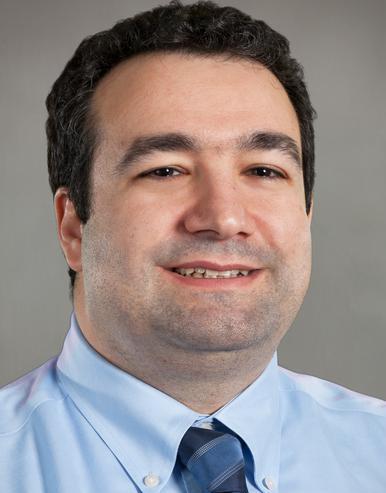 Rachid Baz合作论文数Department of Malignant Hematology, Moffitt Cancer Center;Pentecost Family Myeloma Research Center7
 Melissa Alsina合作论文数Moffitt Cancer Center7Keerthi Gullapalli合作论文数6Juskaran Chadha合作论文数6Brandon Blue合作论文数6
 Gabriel Roman Souza合作论文数Anderson Cancer Center, University of Texas Health San Antonio6
 G. Daniel Grass合作论文数Medical University of South Carolina, Med. Univ. South Carolina6Shah Bijal D合作论文数6Kenneth H. Shain合作论文数6
 Edward Castillo合作论文数Department of Emergency Medicine, School of Medicine, University of California San Diego6Omar Castaneda合作论文数5Ariel Grajales-Cruz合作论文数5Susanna S Gaikazian合作论文数5
 Semaan Adele合作论文数School of Public Health, University of Texas Health Science Center5
 Peter Johnstone合作论文数Department of Radiation Oncology, Moffitt Cancer Center5
 Curtis Pettaway合作论文数5Jose L. Ochoa-Bayona合作论文数5Arfa Mustasam合作论文数4Rebecca M Gonzalez合作论文数4Anish S Konde合作论文数4Reagan Sandstrom合作论文数4Brandon J. Manley合作论文数Department of Genitourinary Oncology, Moffitt Cancer Center4Leidy Isenalumhe合作论文数4Michael Stender合作论文数4
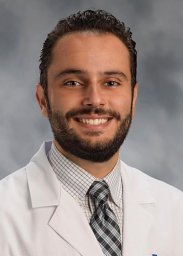 John Khoury合作论文数Dept Hematol & Oncol, Oakland Univ4Hany Elmariah合作论文数4Omar Castaneda Puglianini合作论文数4
 Christina Bachmeier合作论文数4
 Houssein Safa合作论文数Montefiore Medical Center, Albert Einstein College of Medicine4
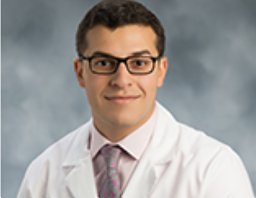 Zaid Imam合作论文数Department of Gastroenterology and Hepatology, William Beaumont Hospital4




