Numerous studies have described the altered expression and the causal role of microRNAs (miRNAs) in human cancer. However, to date, efforts to modulate miRNA levels for therapeutic purposes have been challenging to implement. Here we find that nucleolin (NCL), a major nucleolar protein, posttranscriptionally regulates the expression of a specific subset of miRNAs, including miR-21, miR-221, miR-222, and miR-103, that are causally involved in breast cancer initiation, progression, and drug resistance. We also show that NCL is commonly overexpressed in human breast tumors and that its expression correlates with that of NCL-dependent miRNAs. Finally, inhibition of NCL using guanosine-rich aptamers reduces the levels of NCL-dependent miRNAs and their target genes, thus reducing breast cancer cell aggressiveness both in vitro and in vivo. These findings illuminate a path to novel therapeutic approaches based on NCL-targeting aptamers for the modulation of miRNA expression in the treatment of breast cancer.
7540 Background: Herein, we report CAR T subsets from peripheral blood (PB) mononuclear cell (PBMC) samples from the NCT06048250 Phase 1 trial of mezigdomide (mezi) post idecabtagene vicleucel (ide-cel) in patients with RRMM. Prior studies used PCR for CAR T quantification but have not directly immunoprofiled CAR T. Additionally, we identified a highly activated CAR T cell subpopulation with HLA-DR and CD38 expression. These HLA-DR+/CD38+ T cells correlate with inflammation and disease activity in HLH and viral infections but have not been characterized in CAR T. Methods: Mezi was given orally on 21/28 day cycles after ide-cel infusion until disease progression, intolerance, or 12 cycles, whichever comes first. Immunoprofiling of PBMCs were performed at baseline (within two weeks prior to mezi start day of cycle 1 day 1 [C1D1]), C1D8 (early), and cycle 3 day 1 (C3D1; late) using Cytek Aurora spectral flow cytometry with 29-markers in 6 patients (3 in the DL-1 cohort receiving 0.3 mg and 3 in the DL-2 cohort receiving 0.6 mg). Changes in cell populations were measured as frequencies. The parent population was CD3+ BCMA CAR T+ cell for CAR T subsets, CD8+ T cells for CD8 subsets, CD3+ cells for the remainder of the T cell subsets, CD3- CD19+ cells for the B cell subsets, CD3-CD19-CD33+ for the monocyte subsets, and CD3- CD19-CD56+ for the NK cell subsets. Comparisons between groups were assessed using the Wilcoxon test. Mezi was started between D+60 to D+120 post ide-cel. Herein, we report the early translational data for this cohort. Results: As of 12/29/25, we enrolled 7 patients: 6 patients had evaluable PB immunoprofiling data. Median age was 81 years old (range: 38-85 years) and a median 5 prior lines of therapy (range 4-7). The median time from CAR T to mezi C1D1 was 108 days (range: 48-112). There was a trend towards increased BCMA CAR T cells at C1D8 (P=0.22) and increased BCMA CAR T % was associated with ³ CR (P=0.04). Early increases in HLA-DR+/CD38+ T cells (P=0.03) and HLA-DR+/CD38+ CAR T cells (P=0.02), CD8+ effector memory cells (P=0.03), BTLA+ T cells (P=0.03), CTLA-4+ T cells (P=0.02), monocytes (parent: PBMCs; P=0.04; higher in the DL-2 cohort, P=0.03), and activated B cells (P=0.04) compared to baseline were noted. Early decreases in CD8+ TEMRA (P=0.02), TIGIT+ T cells (P=0.04), monocyte-myeloid-derived suppressor cells (M-MDSCs; P=0.02), total B cells (P<0.05), memory B cells (P<0.05), and naïve B cells (P<0.05) were noted. The DL-2 cohort had higher increases in helper T cells (P=0.007) and CD4:CD8 ratio (P=0.03) at C1D8. Conclusions: Preliminary results show that mezi induced a decrease in suppressive cells, a shift in T- cells from exhausted to activated phenotype, and expansion of highly activated HLA-DR+/CD38+ CAR T cells. Future studies should investigate whether it is correlated with efficacy. FP and MJ contributed equally to this work. Clinical trial information: NCT06048250 .
Abstract Purpose: Given that most patients with multiple myeloma (MM) become refractory to daratumumab (Dara) but retain CD38 expression, we developed a CD38-targeting radioimmunotherapy (RIT) by conjugating the α emitter actinium-225 to Dara using a DOTA chelator (225Ac-Dara). Methods: We conducted a first-in-human trial of 225Ac-Dara co-infused with the imaging agent 111Indium-DOTA-Dara (111In-Dara). Eligible participants had received available therapies with proven clinical benefit and were Dara-refractory (12-week Dara washout). Patients had adequate hematologic and organ function, performance status ECOG ≤2, no prior RIT or radiation ≥25% to marrow, liver, or kidneys. Three radioactivity dose levels (DLs) were 20, 40 and 60 kBq/kg. We used a BOIN design for dose escalation decisions. Patients received an IV dose of unlabeled Dara at 45mg 2-4h prior to RIT. They then received an IV infusion of 111In-Dara for imaging, immediately followed by a single infusion of 225Ac-Dara conjugated to 5mg of Dara. Serial planar (2h, 24h and 144h-168h) and SPECT/CT (24h) imaging were performed. Primary endpoint was toxicity to define MTD/RP2D. Secondary endpoints included ORR and PFS. Exploratory correlatives included tumor uptake, organ dosimetry, and assessment of immune microenvironment. Results: Nine patients were treated. One patient was not evaluable for DLTs and was replaced. One of 6 had a DLT at DL1. Both patients treated at DL2 had DLT. MTD was defined as DL1 (20 kBq/kg). Non-hematologic AEs were grade ≤ 2. All DLTs were hematologic, seen in patients with high disease burden or early progression. One patient with prolonged cytopenias recovered with autologous hematopoietic progenitor cell infusion. All nine patients were evaluable for secondary efficacy endpoints. Eight had best response of stable disease after the single 225Ac-Dara dose; the other had PD. Median PFS was 96d (95% CI: 29-154d). Mass cytometry of marrow plasma cells (CD138⁺CD38⁺) showed high baseline CD38 expression (median MFI ≈ 110), indicating continued target expression despite Dara-refractoriness. PBMC analysis revealed early reductions in CD38⁺ populations, checkpoint modulation, and innate activation with depletion of immunosuppressive subsets. Paired medians at baseline and ∼24 h showed marked declines in CD38⁺ NK cells ( −73%), total NK cells (−57.5%), and CD38⁺ Tregs (−28%). Post-hoc exploratory evaluation revealed an 80% ORR among those receiving bispecific antibody or CAR-T as next line of therapy, with median DOR of 620d (n=5). 111In-Dara imaging showed target specificity, with uptake in marrow and extramedullary disease. Conclusion: 225Ac-Dara in Dara-refractory MM is a novel strategy to circumvent immune exhaustion and repurpose CD38-targeting. Repeated administration of lower doses may improve the therapeutic window and duration. Translational and clinical observations from this trial support possible synergy between 225Ac-Dara and subsequent immunotherapies. We are modeling these hypotheses preclinically to support future study. Citation Format: Scott Ryan Goldsmith, Vikram Adhikarla, Murali Janakiram, Michael Rosenzweig, Savita Dandapani, Sarah Lee, Nitya Nathwani, Azra Borogovac, Myo Htut, Theophilus Tandoh, Alex Pozhitkov, Enrico Caserta, Mariam Murtadha, Ni-Chun Tsai, Arnab Chowdhury, Joycelynne Palmer, Jonathan Keats, James Sanchez, Erasmus Poku, Russell Rockne, Paul Yazaki, Jeffrey Wong, John E. Shively, Flavia Pichiorri, Amrita Krishnan. First-in-human trial of 225Actinium-DOTA-daratumumab, an alpha-emitting radioimmunotherapy, in patients with daratumumab-refractory multiple myeloma [abstract]. In: Proceedings of the American Association for Cancer Research Annual Meeting 2026; Part 2 (Late-Breaking, Clinical Trial, and Invited Abstracts); 2026 Apr 17-22; San Diego, CA. Philadelphia (PA): AACR; Cancer Res 2026;86(8_Suppl):Abstract nr CT133.
We report here on a novel pro-leukemogenic role of FMS-like tyrosine kinase 3-internal tandem duplication (FLT3-ITD) that interferes with microRNAs (miRNAs) biogenesis in acute myeloid leukemia (AML) blasts. We showed that FLT3-ITD interferes with the canonical biogenesis of intron-hosted miRNAs such as miR-126, by phosphorylating SPRED1 protein and inhibiting the "gatekeeper" Exportin 5 (XPO5)/RAN-GTP complex that regulates the nucleus-to-cytoplasm transport of pre-miRNAs for completion of maturation into mature miRNAs. Of note, despite the blockage of "canonical" miRNA biogenesis, miR-155 remains upregulated in FLT3-ITD+ AML blasts, suggesting activation of alternative mechanisms of miRNA biogenesis that circumvent the XPO5/RAN-GTP blockage. MiR-155, a BIC-155 long noncoding (lnc) RNA-hosted oncogenic miRNA, has previously been implicated in FLT3-ITD+ AML blast hyperproliferation. We showed that FLT3-ITD upregulates miR-155 by inhibiting DDX3X, a protein implicated in the splicing of lncRNAs, via p-AKT. Inhibition of DDX3X increases unspliced BIC-155 that is then shuttled by NXF1 from the nucleus to the cytoplasm, where it is processed into mature miR-155 by cytoplasmic DROSHA, thereby bypassing the XPO5/RAN-GTP blockage via "non-canonical" mechanisms of miRNA biogenesis.
Reovirus (RV) is an oncolytic virus with natural tropism for cancer cells. We previously showed that RV administration in multiple myeloma (MM) patients was safe, but disease control associated with viral replication in the cancer cells was not observed. The combination with proteasome inhibitors (PIs) has shown to enhance RV therapeutic activity, but the mechanisms of action have not been fully elucidated. Electron microscopy, q-RT-PCR, single-cell mass cytometry (CyTOF), flow cytometry, plaque assays, immunohistochemistry, and Western blot analysis were used to assess RV infection of both myeloma and immune cells. Immune fluorescence, flow cytometry, and luciferase reporter assays were used to assess NF-κB pathway activation upon RV treatments. Immune profiling changes, both ex vivo and in MM patients, were analyzed by flow cytometry and CyTOF analysis. T-cell receptor (TCR) sequencing was also conducted both in immune competent MM mice and in patients enrolled in a phase 1b trial per a standard 3 + 3 dose escalation schedule. Here we show ex vivo and in vivo that proteasome inhibitors (PIs) potentiate reovirus replication in circulating classical monocytes, increasing viral delivery to myeloma cells. We found that the anti-viral signals in monocytes primarily rely on NF-κB activation and that this effect is impaired by the addition of PIs. Conversely, the addition of PIs to RV therapy supports immune activation and killing of MM, independently of direct PI sensitivity. To validate the importance of PIs in enhancing oncolytic viral therapy independently of their killing activity on cancer cells, we then conducted a phase 1b trial of the reovirus Pelareorep together with the PI carfilzomib in 13 heavily pretreated PI-resistant MM patients. Objective responses, which were associated with active reovirus replication in MM cells, T cell activation, and monocytic expansion, were noted in 70
Introduction: Daratumumab, a CD38-targeted monoclonal antibody, is a highly effective therapy in multiple myeloma. Beyond its anti-myeloma effects, it has broad interactions with other CD38+ immune cell populations leading to complex immunomodulatory effects (Viola, et al. Leukemia 2021). We hypothesized that the efficacy of daratumumab critically relies on direct and indirect interactions with the immune system in addition to the direct effect on CD38+ myeloma cells. To test this hypothesis, we followed multiple myeloma patients receiving maintenance daratumumab following autologous stem cell transplant (ASCT) and profiled immune cell populations in the peripheral blood (PB) using cytometry by time-of-flight (CyTOF), along with pharmacokinetic analysis of daratumumab concentration. From these measurements, we modeled the patient-specific immune state and evaluated the ability of the individual's mathematically defined immune stability to predict clinical response. Methods: Between July 2019 and December 2022, 31 patients were enrolled in a phase 2, multi-center, trial of single-agent daratumumab maintenance post ASCT (NCT03346135). Clinical trial methods and results were previously reported (Borogovac et al., IMS 2023). PB samples were collected from 26 enrolled patients before and after cycle 1 day 1 of infusion, then at the beginning of every other cycle from cycles 2-12. An immunophenotyping analysis was performed on peripheral blood mononuclear cells (PBMCs) using a panel of surface and intracellular antibodies. Complete longitudinal data were available for 19 patients, 5 of whom experienced disease progression while on trial. The panel was designed to delineate major lymphoid and myeloid cell subsets in peripheral blood and to characterize their functional and activation states. Cells were analyzed by CyTOF, with a gating strategy tracking a wide range of immune subpopulations, including specific subsets of PBMCs, T cells (CD4/CD8 status, activation and checkpoint markers), B cells and their precursors, NK and NKT cells, and various monocyte subtypes defined by marker expression and functional state. Within the T cell compartment, markers such as CD3, CD4, and CD8 were used to distinguish helper and cytotoxic T cells, while CD45RA, CD27, CD69, and CCR7 (CD197) identified memory, naïve, and cellular activation status. CD38 status PD-1 (CD279), LAG-3 (CD223), TIGIT, and TIM-3 exhaustion markers were also tracked. Plasma, B, NK, and NKT cell populations were also tracked. For patients with more than two sample timepoints, daratumumab dynamics were estimated using the individual patient's dosing schedule and the pharmacokinetic half-life of the drug. Using the relative proportion of NK, NKT, and B cells; monocytes; CD8+ T cells; and CD4+ T cells over time, we estimated coefficients of a linear system of differential equations for each individual. The eigenvalues of the model coefficient matrix were calculated, and the largest real eigenvalue was used as a measure of the stability of the immune system for each patient. If any eigenvalue involved a real and positive component, the immune system was considered unstable. Results Changes in NK, NKT, B, classical and non-classical monocytes, and CD38+ CD8+ & CD4+ T cell populations were significantly (p<0.05, Pearson) correlated with time on trial. Changes in TIM-3+ monocytes were significantly correlated with progression (p<0.05, Pearson). All 5 patients who progressed on trial demonstrated unstable immune dynamics (Sensitivity = 100%). 5/10 patients with unstable immune dynamics progressed on trial, while 0/9 patients with stable immune dynamics progressed while on trial. Using the largest real eigenvalue (least stable) as a threshold, the area under the Receiver Operator Curve was 0.87 (p<0.01, H0: AUC=0.5) for classification of progressive disease. ConclusionImmune cell population dynamics were followed longitudinally in 19 multiple myeloma patients receiving maintenance daratumumab post-ASCT using CyTOF. Key immune cell populations were associated with time on trial and progression. Patient-specific mathematical modeling was used to determine dynamic immune stability, which was found to predict progression on daratumumab maintenance. These results highlight immune stability modeling as a promising approach for predicting and monitoring clinical status during daratumumab therapy.
Introduction: Daratumumab (Dara) is a highly effective monoclonal antibody targeting CD38, a receptor that is overexpressed on multiple myeloma (MM) cells. Despite its efficacy, resistance to Dara inevitably develops, and outcomes following resistance are generally poor. Notably, approximately 80% of MM patients retain CD38 expression following relapse from Dara-based therapies, suggesting that immune dysregulation plays a pivotal role in resistance mechanisms rather than solely target-mediated changes. To overcome this immunologic resistance, we created a novel, compact, single-chain CD38-CD3 T cell engager (BN-CD38) designed to promote an effective immunological synapse between CD38pos leukemia cells and T cells, leading to T-cell activation and expansion, as well as augmented CD38 expression on the cancer cells through T-cell‒induced IFN-γ expression. Results: To evaluate the mechanism of action and efficacy of BN-CD38, we compared its cytotoxic activity in an MM cell line (MM.1S) to that of a conventional IgG1-derived anti-CD38 T cell engager (CD38-Bis) and a modified version of BN-CD38 containing an Fc domain (BN-CD38-Fc), which increases the synaptic distance between target (T) and effector (E) cells. Control groups also included human IgG and a mutant form of BN-CD38 that does not bind to CD38 (BN-CD38mut). BN-CD38 demonstrated significantly enhanced cytotoxicity in MM.1S with an IC₅₀ of 1.2×10⁻¹³ M at 24 hours (E:T ratio 1:1), representing about 1000-fold greater potency over that of CD38-Bis (IC₅₀ = 1.12×10⁻¹⁰ M) and BN-CD38-Fc (IC₅₀ = 1.66×10⁻¹⁰). This increased activity correlated with dose-dependent T-cell activation and IFN-γ secretion. Specifically, BN-CD38 induced release of IFN-γ levels at a mean of 20 ng/mL, in contrast to approximately 1 ng/mL for other constructs. BN-CD38 also exhibited superior anti-MM activity across multiple MM cell lines (MM.1S, H929, RPMI-8226), compared to effects from the FDA-approved T-cell engagers teclistamab (Tec) (MM.1S IC50 = 3.22×10⁻¹⁰ M) and talquetamab (Talq) (MM.1S IC50 = 1.69×10⁻¹⁰ M). T-cells pre-treated with BN-CD38 retained enhanced cytotoxicity upon rechallenge, outperforming those treated with Tec or Talq. Notably, BN-CD38 upregulated CD38 expression on MM cells via IRF1-IFN-γ–mediated pathways, potentially enhancing its own efficacy relative to engagers targeting other antigens in the MM cell lines we tested (MM.1S, KMS-11, L363, RPMI-8226, and U266). Pharmacokinetic and pharmacodynamic analyses in both immunodeficient NSG mice and immune-competent double transgenic mice (expressing human CD3 and CD38) showed that BN-CD38 has a plasma half-life of ~4 hours and a target-bound half-life of ~16 hours, substantially shorter than the ~14-day half-life reported for conventional IgG1-based engagers. In vivo efficacy was assessed by injecting 5×10⁶ luciferase-labeled CD38⁺ MM.1S cells into NSG mice. On day 9, mice were randomized into three groups and treated weekly with 2.5 mg/kg BN-CD38, IgG, or BN-CD38mut, plus 5×10⁶ human peripheral blood mononuclear cells (PBMCs) in each group. The BN-CD38 group significantly prolonged survival (median = 42 days) compared to the IgG group (median = 28 days, p = 0.005) and the BN-CD38mut group (median = 35 days, p = 0.005). Finally, BN-CD38 demonstrated robust activity in mice xenografted with RPMI-8226 cells, which are resistant to Dara. In this model, mice treated with BN-CD38 + human PBMCs had a significant increase in survival (median = 54 days) compared to mice co-treated with either IgG+PBMCs (median = 31 days, p = 0.02) or Dara+PBMCs (median = 38 days, p = 0.02). It also effectively activated T cells and killed MM cells in autologous settings using patient-derived samples from individuals who had progressed on Dara, CAR-T cells, or T cell engagers. Conclusions: BN-CD38, featuring a novel, compact structure and a short half-life, is an anti-CD38 T cell engager with superior anti-myeloma activity over that of FDA-approved T cell engagers. BN-CD38 exhibited enhanced T cell activation, potent cytotoxicity, and robust IFN-γ secretion even in models resistant to Dara, CAR-T, or other T-cell engager therapies. Despite its short systemic half-life, BN-CD38 achieved durable anti-tumor responses in vivo, supporting its potential as a next-generation immunotherapeutic for MM. Ongoing studies in immune-competent humanized myeloma models aim to further elucidate its therapeutic potential and inform clinical translation.
 Enrico Caserta合作论文数Dept. of Molecular Genetics, The Ohio State University50
 Carlo Maria Croce合作论文数Comprehensive Cancer Center, The Ohio State University35
 Craig C. Hofmeister合作论文数Winship Cancer Institute, Emory University33Amrita Krishnan合作论文数City of Hope Cancer Center33
 Guido Marcucci合作论文数Department of Hematologic Malignancies Translational Science, City of Hope;Division of Leukemia, City of Hope;Gehr Family Center for Leukemia Research, City of Hope32John E Shively合作论文数26
 Vikram Adhikarla合作论文数City Hope Natl Med Ctr, Beckman Res Inst25James F. Sanchez合作论文数25
 Russell Rockne合作论文数City Hope Natl Med Ctr, Beckman Res Inst24
 Michael Rosenzweig合作论文数20
 Xiuli Wang合作论文数20
 Gerard J. Nuovo合作论文数The James Comprehensive Cancer Center, The Ohio State University19Don M. Benson合作论文数18
 Jonathan Keats合作论文数Translational Genomics Research Institute18
 Stefano Volinia合作论文数Dipartimento di Medicina Traslazionale, Universita' degli Studi di Ferrara17
 Arnab Chowdhury合作论文数Div Biostat, Beckman Res Inst16
 Douglas W. Sborov合作论文数Hematology Disease Center, Huntsman Cancer Institute, University of Utah16
 Rami Aqeilan合作论文数Hadassah Medical School, Hebrew University16Bin Zhang合作论文数15
 Maxim Kuznetsov合作论文数P.N.Lebedev Physical Institute, the Russian Academy of Sciences15Ada Dona合作论文数13
 F. Kay Huebner合作论文数Department of Cancer Biology and Genetics, College of Medicine, The Ohio State University13Hansjuerg Alder合作论文数The Ohio State University Medical Center13Alberto Rocci合作论文数13
 sung-suk Suh合作论文数12
 Tiziana Palumbo合作论文数12
 Theophilus Tandoh合作论文数11Le Xuan Truong Nguyen合作论文数City Hope Med Ctr, Hematol Malignancies & Stem Cell Transplantat Ins, Gehr Family Ctr Leukemia Res, Duarte, CA 91010 USA11Mariam Murtadha合作论文数Univ So Calif, Keck Sch Med,Childrens Ctr Canc & Blood Dis, Childrens Hosp Los Angeles,Dept Pediat, Norris Comprehens Canc Ctr,Saban Res Inst, Los Angeles, CA 90033 USA11Nathwani Nitya合作论文数11
 Myo Htut合作论文数11
 Domenico Viola合作论文数Cellular Immunology Laboratory, National Institute for Infectious Diseases 'Lazzaro Spallanzani' IRCCS11
 Steven T. Rosen合作论文数Division of Lymphoma, Department of Hematology & Hematopoietic Cell Transplantation, City of Hope;Beckman Research Institute, City of Hope11
 Ling Li合作论文数Department of Hematologic Malignancies Translational Science, Beckman Research Institute, City of Hope11Hiroshi Okumura合作论文数First Department of Surgery, Kagoshima University School of Medicine11
 Luigi Giusto Spagnoli合作论文数11
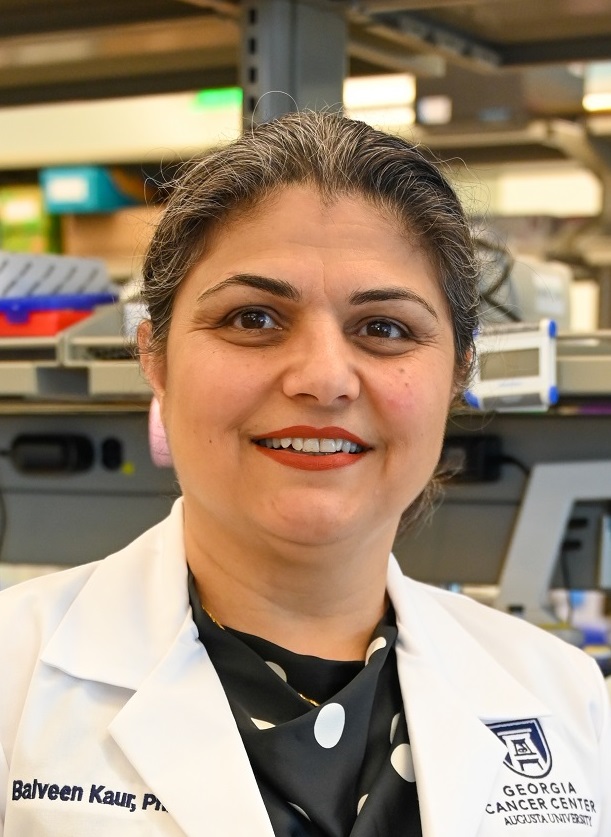 Balveen Kaur合作论文数Department of Pathology, Medical College of Georgia, Augusta University;Georgia Cancer Center, Augusta University;Department of Neurosurgery, The University of Texas Health Science Center at Houston11Lucy Ghoda合作论文数10Ying-Hui Zhu (朱颖慧)合作论文数Collaborat Innovat Ctr Canc Med, Sun Yat Sen Univ10
 Yvonne A Efebera合作论文数OhioHealth10
 Gianpiero Di Leva合作论文数Dept Mol Virol Immunol & Med Genet, Ohio State Univ10
 Joycelynne Palmer合作论文数Division of Biostatistics, Department of Computational and Quantitative Medicine, Beckman Research Institute, City of Hope;Hematologic Malignancies and Stem Cell Transplantation Institute, City of Hope10Miso Park合作论文数9De Luca Luciana合作论文数9
 Murali Janakiram合作论文数Department of Oncology, Montefiore Medical Center9Stiff Andrew合作论文数College of Medicine, The Ohio State University9Old Matthew O合作论文数9
 Michael Caligiuri合作论文数Division of Leukemia, Department of Hematology & Hematopoietic Cell Transplantation, City of Hope National Medical Center9Francesco Trapasso合作论文数Facoltà di Medicina e Chirurgia di Catanzaro, Università degli Studi di Reggio Calabria9




