ABSTRACT:T-cell acute lymphoblastic leukemia (T-ALL) is an aggressive hematological malignancy arising from the neoplastic transformation of immature T cells during their development in the thymus. Deciphering the developmental programs whose dysregulation drives T-ALL pathogenesis is critical for the development of novel targeted therapies, which remain an urgent unmet need for the treatment of this disease. MicroRNAs (miRNAs) have emerged as key posttranscriptional regulators of numerous physiological processes, including cancer. However, the specific role of miRNAs in human T-cell development and T-ALL pathogenesis remains largely unexplored. In this study, we comprehensively evaluated miRNA expression profiles across human T-cell development using microarray analysis and identified a dynamic expression pattern of miR-16-2, which is upregulated during early pre-T-cell proliferative stages up to the resting stage of immature thymocytes immediately preceding T-cell receptor αβ expression and is subsequently downregulated. We also confirmed the coordinated regulation of miR-15b expression, consistent with the reported clustered genomic location of both miRNAs. Notably, functional studies identified the miR-15b/16-2 cluster as a negative regulator of early thymocyte proliferation and demonstrated that overexpression of miR-15b/16-2 in T-ALL cells impaired leukemic growth in vitro and tumor progression in patient-derived xenotransplantation assays. Mechanistically, miR-15b/16-2 represses the expression of the genes encoding BCL-2 and cyclin D3, thereby promoting apoptosis and cell cycle dysregulation in T-ALL cells, characterized by an accumulation of G0-phase cells and a defective transition to the G2/M phase. Overall, these findings support a novel tumor-suppressive function for miR-15b/16-2 in T-ALL and highlight its potential as a promising therapeutic target.
Liposarcoma, a rare malignancy originating from adipose tissue, includes well-differentiated liposarcoma (WDLPS) and dedifferentiated liposarcoma (DDLPS). While WDLPS exhibits indolent behavior, DDLPS is a more aggressive, high-grade subtype, with a nearly 85% local recurrence rate, exceptionally high compared to other tumors, and a 10-year survival rate of only 10%. No reliable biomarkers currently predict prognosis or recurrence. Current treatment relies primarily on radical surgery, often combined with non-specific chemotherapy, yielding poor response rates and severely affecting patients’ quality of life. The aggressiveness of DDLPS and lack of effective systemic therapies highlight an urgent need for novel therapeutic targets and approaches. Mitochondrial dysfunction is increasingly recognized as a key driver in cancer progression. Cancer cells often exploit altered mitochondrial function to support rapid cell proliferation, resist apoptosis, and metastasize. TRAP1 (TNF Receptor-Associated Protein 1), a mitochondrial chaperone of the Hsp90 family, regulates mitochondrial metabolism, oxidative stress, and apoptosis, making it a promising target in various cancers. However, its role in DDLPS remains poorly defined. We propose to investigate TRAP1 as a novel potential target for DDLPS, leading to novel future therapeutic strategies. Our preliminary data demonstrate significantly elevated TRAP1 protein expression in DDLPS compared to WDLPS patient-derived cell lines, suggesting its involvement in DDLPS pathogenesis. To explore its therapeutic potential, we silenced TRAP1 using siRNA and inhibited its activity with MitoQuinone (MitoQ), a mitochondria-targeted antioxidant evaluated in non-cancer clinical trials. TRAP1 silencing significantly reduced DDLPS cell proliferation, as shown by MTS assays, and increased cell death, confirmed by Annexin V/PI staining. Similarly, MitoQ treatment led to significant, dose- and time-dependent cytotoxicity in DDLPS cells, validated using a 3D spheroid model. We are currently elucidating TRAP1’s role in regulating ROS production and mitochondrial function in DDLPS. Silencing TRAP1 disrupts mitochondrial homeostasis, potentially altering ROS balance and oxidative stress. Using MitoQ, we aim to clarify how TRAP1 modulation impacts ROS dynamics, mitochondrial membrane potential (ΔΨm), and ATP levels, potentially inducing energy imbalance and electron leakage. These analyses will deepen our understanding of TRAP1’s role in DDLPS pathogenesis and therapeutic response. Finally, to establish TRAP1’s clinical relevance, we will evaluate its mRNA expression in Normal Adjacent Tissue (NAT), WDLPS, and DDLPS patient samples, correlating levels with recurrence rates and survival outcomes. This research could reveal molecular mechanisms driving DDLPS tumorigenesis, identify TRAP1 as a potential therapeutic target, and validate it as a potential prognostic biomarker, ultimately improving DDLPS treatment strategies. Roma Karna, Marina Capece, Qi Zhang, Sayumi Tahara, Patricia Sarchet, Giovanni Nigita, Paolo Fadda, Sydney Rentsch, Fernanda Costas Casal de Faria, Valerie Grignol, Carlo Croce, Raphael Pollock, Federica Calore. Evaluating TRAP1 as a novel, potential therapeutic target in dedifferentiated liposarcoma [abstract]. In: Proceedings of the American Association for Cancer Research Annual Meeting 2025; Part 2 (Late-Breaking, Clinical Trial, and Invited Abstracts); 2025 Apr 25-30; Chicago, IL. Philadelphia (PA): AACR; Cancer Res 2025;85(8_Suppl_2):Abstract nr LB264.
The landmark discovery of the BCL-2 gene and then its function marked the identification of inhibition of apoptotic cell death as a crucial novel mechanism driving cancer development and launched the quest to discover the molecular control of apoptosis. This work culminated in the generation of specific inhibitors that are now in clinical use, saving and improving tens of thousands of lives annually. Here, some of the original players of this story, describe the sequence of critical discoveries. The t(14;18) chromosomal translocation, frequently observed in follicular lymphoma, allowed the identification and the cloning of a novel oncogene (BCL-2) juxtaposed to the immunoglobulin heavy chain gene locus (IgH). Of note, BCL-2 acted in a distinct manner as compared to then already known oncogenic proteins like ABL and c-MYC. BCL-2 did not promote cell proliferation but inhibited cell death, as originally shown in growth factor dependent haematopoietic progenitor cell lines (e.g., FDC-P1) and in Eμ-Myc/Eμ-Bcl-2 double transgenic mice. Following a rapid expansion of the BCL-2 protein family, the Abbott Laboratories solved the first structure of BCL-XL and subsequently the BCL-XL/BAK peptide complex, opening the way to understanding the structures of other BCL-2 family members and, finally, to the generation of inhibitors of the different pro-survival BCL-2 proteins, thanks to the efforts of Servier/Norvartis, Genentech/WEHI, AbbVie, Amgen, Prelude and Gilead. Although the BCL-2 inhibitor Venetoclax is in clinical use and inhibitors of BCL-XL and MCL-1 are undergoing clinical trials, several questions remain on whether therapeutic windows can be achieved and what other agents should be used in combination with BH3 mimetics to achieve optimal therapeutic impact for cancer therapy. Finally, the control of the expression of BH3-only proteins and pro-survival BCL-2 family members needs to be better understood as this may identify novel targets for cancer therapy. This story is still not concluded!
A hallmark of cancer biology is resistance to apoptosis. BCL-2 is an anti-apoptotic molecule that is being overexpressed in several myeloid diseases, such as acute myeloid leukemia and myelodysplastic syndromes, but also in several lymphoid cancers, such as acute lymphoblastic leukemia, chronic lymphocytic leukemia, non-Hodgkin lymphomas and multiple myeloma. Venetoclax (VEN) is a BCL-2 small molecule inhibitor. Data about its structure, biochemical characteristics and in vitro efficacy against several blood cancer cell lines were first reported in 2013. Shortly after, the first clinical trials reported that single-agent VEN provides no long-term survival benefits. In contrast, when used in combination, VEN led to significantly improved outcomes and eventually to its first US FDA approvals in 2018. As the modern approach to treating hematological malignancies are the chemotherapy-free regimen, in the current manuscript, we provide a comprehensive view on all available therapies that are considered to be chemotherapy-free, with a special emphasis on acute myeloid leukemia (AML), where phase I-III clinical trials have provided the most data.
Elevated miR-155 levels in B cell malignancies, such as CLL and DLBCL, correlate with increased aggressiveness of the disease. We recently reported that, in two different mouse models of miR-155-driven B cell malignancy, miR-155 targets and down-regulates transcripts encoding ICOSL, the ligand for the Inducible T cell costimulator (ICOS), thereby impairing the capacity of T lymphocytes to recognize and eliminate malignant cells. In this report, we extend our previous findings to Human by showing that miR-155 levels negatively correlate with those of both ICOSL and MHC-I in samples from DLBCL patients. We present evidence of miR-155 reducing the levels of ICOSL transcripts in ABC, but not in GCB primary tumors (PTs) and cell lines (CLs). In contrast, there was no evidence of miR-155 targeting MHC-I transcript levels in both types of DLBCLs. Nevertheless, miR-155 and MHC-I levels inversely correlated in DLBCLs samples, suggesting the existence of indirect regulatory effects of miR-155. There was also evidence of dose-dependent effects at low miR-155 levels. Altogether, our findings indicate that the deficiency of both ICOSL and MHC-I activity, driven by high levels of miR-155, may be causative in the failure of the host immune system to recognize and eliminate malignant B cells.
Human papillomavirus (HPV)-related lesions contain types with benign outcomes and those with a risk of progression to cancer. We addressed the role of immune surveillance in 76 cervical biopsies (normal = 23, HPV+ benign = 16, HPV+ precancer = 37) by studying the infiltration of cytotoxic T cells and the expression of the immune modulators PDL1, ICOSL, and miR-155 and compared the data to 101 cervical squamous cell carcinomas. In the normal cervix, ICOSL expression was restricted to the endocervical epithelia whereas neither miR-155 nor PDL1 were detected. MiR-155 was up-regulated in both the benign (88%) and precancerous (92%) HPV squamous intraepithelial lesions (SIL) and colocalized to cells in the upper part of the lesion that is the area with productive viral infection. Both PDL1 (95%) and ICOSL (89%) were only evident in the precancerous SIL and each localized to squamous cells in the basal aspect that lacked replicating virus. In both microinvasive and invasive cervical squamous cell cancer miR-155 expression remained high (83%) as did PDL1 expression (80%) but ICOSL detection was reduced to 17%. Infiltration by CD8+ T cells was intense in the invasive lesions and these cells were mostly inactive as determined by the lack of granzyme B colocalization. It is concluded that miR-155 expression is a marker of HPV infection in both benign and precancerous lesions, whereas the approximately 10% of the latter lesions that progress to cancer gain PDL1 and lose ICOSL expression, which are important factors in avoiding immune surveillance.
Dear Editor, In a recent study published in Proc Natl Acad Sci USA,we demonstrated that the impaired expression of MHC-Ⅰ due to elevated levels of miR-155 contributes to immune evasion in diffuse large B cell lymphoma.1 This research builds on our previous publication,showing that the silencing of ICOSL by miR-155 overexpression,2 combined with the newly identified role of miR-155 in regulating MHC-Ⅰ,are key events in disallowing even large numbers of infiltrating cytotoxic T cells,that we call"frustrated T cells",from eliminating the tumor cells.
INTRODUCTION:Nucleoli are large nuclear sub-compartments where vital processes, such as ribosome assembly, take place. Most nucleolar proteins are essential; thus, their abrogation cannot be achieved through conventional approaches. This technical obstacle has limited our understanding of the biological functions of nucleolar proteins in cell homeostasis and cancer pathogenesis. METHODS:We applied the Auxin Inducible Degron (AID) proteolytic system, paired with CRISPR/Cas9 knock-in gene-editing, to obtain an unprecedented characterization of the biological activities of Nucleolin (NCL), one of the most abundant nucleolar proteins, in Triple Negative Breast Cancer (TNBC) cells. Then, we combined live-cell imaging, RNA-sequencing, and quantitative proteomics, to characterize the impact of NCL acute abrogation on the behavior of TNBC cells. Finally, we used in silico analyses to validate NCL molecular role in TNBC patients. RESULTS:Acute abrogation of endogenous NCL impacted both the transcriptome and the proteome of TNBC cells, particularly affecting critical players involved in ribosome biogenesis and in cell cycle progression. Unexpectedly, NCL depletion limited cancer cell ability to effectively complete cytokinesis, ultimately leading to the accumulation of bi-nucleated cells. In silico analyses confirmed that the levels of regulators of cell cycle progression and chromosome segregation correlated with NCL abundance in TNBC patients. Finally, NCL degradation enhanced the activity of pharmaceutical inhibitors of cellular mitosis, such as the Anaphase Promoting Complex inhibitor APCin. CONCLUSIONS:Our findings indicate a novel role for NCL in supporting the completion of the cell division in TNBC models, and that its abrogation could enhance the therapeutic activity of mitotic-progression inhibitors.
Dear Editor, MicroRNAs(miRNAs)are small non-coding RNAs crucial for post-transcriptional gene regulation,processed from primary miRNA transcripts by Drosha and Dicer.1 Latest advancements in Next Generation Sequencing highlighted the existence of miRNA isoforms(isomiRs)resulting from alternative processing,RNA editing,or post-transcriptional modifications.1 IsomiRs can have distinct target preferences and diagnostic value in diseases like cancer.1 Exonucleases are enzymes cleaving RNA or DNA ends,playing a vital role in miRNA regulation.2 They control miRNA stability and biogenesis.
It has been reported that elevated levels of miR-155 have been reported in patients with Acute Myeloid Leukemia (AML) bearing FLT3 -ITD mutations and is independent of FLT3 -ITD signaling. However, it is unclear how miR-155 is expressed in leukemic stem cells (LCS) and whether miR-155 has any role regulating LSC functions. In this manuscript, we defined the expression of miR-155 in clearly defined LCSs population and showed that miR-155 is regulating self-renewal and quiescence of LSCs.### Competing Interest StatementThe authors have declared no competing interest.
tRNA-derived ncRNAs are a heterogeneous class of non-coding RNAs recently proposed to be active regulators of gene expression and be involved in many diseases, including cancer. Consequently, several online resources on tRNA-derived ncRNAs have been released. Although interesting, such resources present only basic features and do not adequately exploit the wealth of knowledge available about tRNA-derived ncRNAs. Therefore, we introduce tRFUniverse, a novel online resource for the analysis of tRNA-derived ncRNAs in human cancer. tRFUniverse presents an extensive collection of classes of tRNA-derived ncRNAs analyzed across all the TCGA and TARGET tumor cohorts, NCI-60 cell lines, and biological fluids. Moreover, public AGO CLASH/CLIP-Seq data were analyzed to identify the molecular interactions between tRNA-derived ncRNAs and other transcripts. Importantly, tRFUniverse combines in a single resource a comprehensive set of features that we believe may be helpful to investigate the involvement of tRNA-derived ncRNAs in cancer biology.
Elevated levels of miR-155 in solid and liquid malignancies correlate with aggressiveness of the disease. In this manuscript, we show that miR-155 targets transcripts encoding IcosL, the ligand for Inducible T-cell costimulator (Icos), thus impairing the ability of T cells to recognize and eliminate malignant cells. We specifically found that overexpression of miR-155 in B cells of Eµ- miR-155 mice causes loss of IcosL expression as they progress toward malignancy. Similarly, in mice where miR-155 expression is controlled by a Cre-Tet-OFF system, miR-155 induction led to malignant infiltrates lacking IcosL expression. Conversely, turning miR-155 OFF led to tumor regression and emergence of infiltrates composed of IcosL-positive B cells and Icos-positive T cells forming immunological synapses. Therefore, we next engineered malignant cells to express IcosL, in order to determine whether IcosL expression would increase tumor infiltration by cytotoxic T cells and reduce tumor progression. Indeed, overexpressing an IcosL -encoding cDNA in MC38 murine colon cancer cells before injection into syngeneic C57BL6 mice reduced tumor size and increased intratumor CD8+ T cell infiltration, that formed synapses with IcosL-expressing MC38 cells. Our results underscore the fact that by targeting IcosL transcripts, miR-155 impairs the infiltration of tumors by cytotoxic T cells, as well as the importance of IcosL on enhancing the immune response against malignant cells. These findings should lead to the development of more effective anticancer treatments based on maintaining, increasing, or restoring IcosL expression by malignant cells, along with impairing miR-155 activity.
Tumor necrosis factor-related apoptosis-inducing ligand (TRAIL) has chemotherapeutic potential as a regulator of an extrinsic apoptotic ligand, but its effect as a drug is limited by innate and acquired resistance. Recent findings suggest that an intermediate drug tolerance could mediate acquired resistance, which has made the main obstacle for limited utility of TRAIL as an anti-cancer therapeutics. We propose miRNA-dependent epigenetic modification drives the drug tolerant state in TRAIL-induced drug tolerant (TDT). Transcriptomic analysis revealed miR-29 target gene activation in TDT cells, showing oncogenic signature in lung cancer. Also, the restored TRAIL-sensitivity was associated with miR-29ac and 140-5p expressions, which is known as tumor suppressor by suppressing oncogenic protein RSK2 (p90 ribosomal S6 kinase), further confirmed in patient samples. Moreover, we extended this finding into 119 lung cancer cell lines from public data set, suggesting a significant correlation between TRAIL-sensitivity and RSK2 mRNA expression. Finally, we found that increased RSK2 mRNA is responsible for NF-kappa B activation, which we previously showed as a key determinant in both innate and acquired TRAIL-resistance. Our findings support further investigation of miR-29ac and -140-5p inhibition to maintain TRAIL-sensitivity and improve the durability of response to TRAIL in lung cancer.
Nucleoli are large nuclear sub-compartments where vital processes, such as ribosome assembly, take place. Technical obstacles still limit our understanding of the biological functions of nucleolar proteins in cell homeostasis and cancer pathogenesis. Since most nucleolar proteins are essential, their abrogation cannot be achieved through conventional approaches. Additionally, the biological activities of many nucleolar proteins are connected to their physiological concentration. Thus, artificial overexpression might not fully recapitulate their endogenous functions. Proteolysis-based approaches, such as the Auxin Inducible Degron (AID) system paired with CRISPR/Cas9 knock-in gene-editing, have the potential to overcome these limitations, providing unprecedented characterization of the biological activities of endogenous nucleolar proteins. We applied this system to endogenous nucleolin (NCL), one of the most abundant nucleolar proteins, and characterized the impact of its acute depletion on Triple-Negative Breast Cancer (TNBC) cell behavior. Abrogation of endogenous NCL reduced proliferation and caused defective cytokinesis, resulting in bi-nucleated tetraploid cells. Bioinformatic analysis of patient data, and quantitative proteomics using our experimental NCL-depleted model, indicated that NCL levels are correlated with the abundance of proteins involved in chromosomal segregation. In conjunction with its effects on sister chromatid dynamics, NCL abrogation enhanced the anti-proliferative effects of chemical inhibitors of mitotic modulators such as the Anaphase Promoting Complex. In summary, using the AID system in combination with CRISPR/Cas9 for endogenous gene editing, our findings indicate a novel role for NCL in supporting the completion of the cell division in TNBC models, and that its abrogation could enhance the therapeutic activity of mitotic progression inhibitors.
Receptor tyrosine kinases (RTKs), a category of transmembrane receptors, have gained significant clinical attention in oncology due to their central role in cancer pathogenesis. Genetic alterations, including mutations, amplifications, and overexpression of certain RTKs, are critical in creating environments conducive to tumor development. Following their discovery, extensive research has revealed how RTK dysregulation contributes to oncogenesis, with many cancer subtypes showing dependency on aberrant RTK signaling for their proliferation, survival and progression. These findings paved the way for targeted therapies that aim to inhibit crucial biological pathways in cancer. As a result, RTKs have emerged as primary targets in anticancer therapeutic development. Over the past two decades, this has led to the synthesis and clinical validation of numerous small molecule tyrosine kinase inhibitors (TKIs), now effectively utilized in treating various cancer types. In this manuscript we aim to provide a comprehensive understanding of the RTKs in the context of cancer. We explored the various alterations and overexpression of specific receptors across different malignancies, with special attention dedicated to the examination of current RTK inhibitors, highlighting their role as potential targeted therapies. By integrating the latest research findings and clinical evidence, we seek to elucidate the pivotal role of RTKs in cancer biology and the therapeutic efficacy of RTK inhibition with promising treatment outcomes.
Pancreatic ductal adenocarcinoma (PDAC) is a lethal disease, characterized by an intense desmoplastic reaction that compresses blood vessels and limits nutrient supplies. PDAC aggressiveness largely relies on its extraordinary capability to thrive and progress in a challenging tumor microenvironment. Dysregulation of the onco-suppressor miR-15a has been extensively documented in PDAC. Here, we identified the transcription factor Fos-related antigen-2 (Fra-2) as a miR-15a target mediating the adaptive mechanism of PDAC to nutrient deprivation. We report that the IGF1 signaling pathway was enhanced in nutrient deprived PDAC cells and that Fra-2 and IGF1R were significantly overexpressed in miR-15a downmodulated PDAC patients. Mechanistically, we discovered that miR-15a repressed IGF1R expression via Fra-2 targeting. In miR-15a-low context, IGF1R hyperactivated mTOR, modulated the autophagic flux and sustained PDAC growth in nutrient deprivation. In a genetic mouse model, Mir15a KO PDAC showed Fra-2 and Igf1r upregulation and mTOR activation in response to diet restriction. Consistently, nutrient restriction improved the efficacy of IGF1R inhibition in a Fra-2 dependent manner. Overall, our results point to a crucial role of Fra-2 in the cellular stress response due to nutrient restriction typical of pancreatic cancer and support IGF1R as a promising and vulnerable target in miR-15a downmodulated PDAC.
Receptor tyrosine kinases (RTKs) are key cell surface receptors involved in cell communication and signal transduction, with great importance in cell growth, differentiation, survival, and metabolism. Dysregulation of RTKs, such as EGFR, VEGFR, HER2 or ROR, could lead to various diseases, particularly cancers. ROR1 has emerged as a promising target in hematological malignancies. The development of ROR1 targeted therapies is continuously growing leading to remarkable novel therapeutical approaches using mAbs, antibody-drug conjugates, several small molecules or CAR T cells which have shown encouraging preclinical results. In the hematological field, mAbs, small molecules, BiTEs or CAR T cell therapies displayed promising outcomes with the clinical trials data encouraging the use of anti-ROR1 therapies. This paper aims to offer a comprehensive analysis of the current landscape of ROR1-targeted therapies in hematological malignancies marking the innovative approaches with promising preclinical and clinical. Offering a better understanding of structural and functional aspects of ROR1 could lead to new perspectives in targeting a wide spectrum of malignancies.
 George Calin合作论文数Department of Translational Molecular Pathology, Division of Pathology-Lab Medicine Div, The University of Texas MD Anderson Cancer Center;Department of Leukemia, Division of Cancer Medicine, The University of Texas MD Anderson Cancer Center209
 Stefano Volinia合作论文数Dipartimento di Medicina Traslazionale, Universita' degli Studi di Ferrara196
 F. Kay Huebner合作论文数Department of Cancer Biology and Genetics, College of Medicine, The Ohio State University190
 Hansjuerg Alder合作论文数The Ohio State University Medical Center130
 Yuri Pekarsky合作论文数College of Medicine, The Ohio State University112
 Nicola Zanesi合作论文数Department of Experimental Oncology, Istituto Nazionale Tumori103
 Chang Gong Liu合作论文数Department of Experimental Therapeutics, The University of Texas M. D. Anderson Cancer Center99
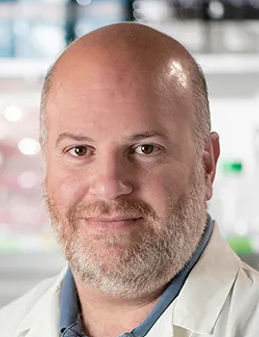 Rami Aqeilan合作论文数Hadassah Medical School, Hebrew University88Ramiro Garzon合作论文数and the Comprehensive Cancer Center, The Ohio State University82Francesco Trapasso合作论文数Facoltà di Medicina e Chirurgia di Catanzaro, Università degli Studi di Reggio Calabria74Massimo Negrini合作论文数70
 Stefan Costinean合作论文数Department of Molecular Virology, Immunology and Medical Genetics, The Ohio State University Medical Center68
 Andrea Vecchione合作论文数Materiali ed Ingegneria Chimica, del Politecnico68
 Gianpiero Di Leva合作论文数Dept Mol Virol Immunol & Med Genet, Ohio State Univ66M. Fabbri合作论文数64
 Thomas Kipps合作论文数Moores Cancer Center, University of California San Diego64
 Gerard J. Nuovo合作论文数The James Comprehensive Cancer Center, The Ohio State University61
 Cristian Taccioli合作论文数Telethon Facility, Università degli Studi di Ferrara60
 Alfredo Fusco合作论文数Facoltà di Medicina e Chirurgia, Università degli Studi di Napoli Federico II59
 Pierluigi Gasparini合作论文数Department of Molecular;Immunology and Medical Genetics;Medical Center, State University;Comprehensive Cancer Center;Comprehensive Cancer Center, State University Medical Center59
 Giovanni Nigita合作论文数Dept Canc Biol & Genet, Ohio State Univ56
 Manuela Ferracin合作论文数University of Ferrara, Università di Ferrara56Matteo Negrini合作论文数DIPARTIMENTO DI MORFOLOGIA, CHIRURGIA E MEDICINA SPERIMENTALE55Veronica Balatti合作论文数Department of Molecular Virology, Immunology and Medical Genetics, The Ohio State University Wexner Medical Center;Department of Molecular Virology, Immunology and Medical Genetics, The Ohio State University Wexner Medical Center53
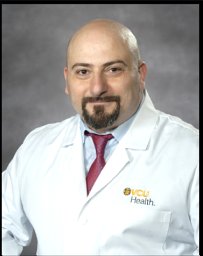 Mario Acunzo合作论文数Information Division, FAO53
 Giulia Romano合作论文数International Centre for Genetic Engineering and Biotechnology52
 Francesca Lovat合作论文数Kimmel Cancer Center, Thomas Jefferson University52
 Dario Palmieri合作论文数Dipartimento di Biologia e Patologia Cellulare e Molecolare, Università di Napoli “Federico II”,51
 Luciano Cascione合作论文数Oncol Res Inst, Univ Svizzera Italiana51Rosa Visone合作论文数Department of Molecular Virology, Immunology and Medical Genetics, Ohio State University49
 Raffaele Baffa合作论文数CARsgen Therapeutics;Department of Urology, Kimmel Cancer Center, Thomas Jefferson University;Department of Microbiology & Immunology, Kimmel Cancer Center, Thomas Jefferson University46
 Hideshi Ishii (石井秀始)合作论文数Institute for Datability Science, Osaka University;Department of Medical Data Science, Graduate School of Medicine, Osaka University44
 Michela Garofalo合作论文数44Teresa Druck合作论文数44
 Matteo Fassan合作论文数Dipartimento di Medicina, University of Padua;Molecular Pathology Diagnostics Unit, Padua University Hospital43
 Angelo Veronese合作论文数Dipartimento di Medicina Sperimentale e Diagnostica, Università di Ferrara43Alexey Palamarchuk合作论文数Thomas Jefferson University42Silvia Sabbioni合作论文数42Eli Canaani合作论文数42
 Giandomenico Russo合作论文数Jefferson Cancer Institute;Jefferson Cancer Center;Jefferson Medical College;Jefferson Cancer Institute, Jefferson Medical College41
 Laura Rassenti合作论文数Cancer Center, University of California, San Diego41Nowell, P. C.合作论文数39
 Guido Marcucci合作论文数Department of Hematologic Malignancies Translational Science, City of Hope;Division of Leukemia, City of Hope;Gehr Family Center for Leukemia Research, City of Hope38
 Flavia Pichiorri合作论文数35
 Gary S Stein合作论文数Department of Biochemistry, Larner College of Medicine, University of Vermont;Department of Surgery, Larner College of Medicine, University of Vermont;University of Vermont Cancer Center35
 John Hagan合作论文数University of Texas Medical School, Univ. Texas Med. Sch.35
 Monica Fedele合作论文数Facoltà di Medicina e Chirurgia di Napoli, Università degli Studi di Napoli “Federico II”,35
 Louise Y Y Fong合作论文数Kimmel Cancer Center, Thomas Jefferson University35
 Alessandro Laganà合作论文数Bioinformatica, Università di Catania35




