Recent advances in RNA-based therapeutics have created a demand for synthetic RNAs that are 100 nucleotides (nts) or longer. In this study, we present the use of 2'-acetal levulinic ester (2'-ALE) phosphoramidites for the synthesis of long RNAs that are at least 215 nts in length. We have developed protocols for rapid (2-4 min) and efficient coupling (>99%) of 2'-ALE monomers and established a rapid, on-column deprotection of RNA strands requiring short alkylamine treatments at room temperature. The results of these studies enabled the successful syntheses of sgRNAs (99 nt), sgRNA tagged with fluorogenic Mango II and Broccoli aptamers (130-170 nt), and 5'-capped minimal mRNAs (200-215 nt), each exhibiting robust functional activity in both cell-free and cellular systems. We also found that the incorporation of 2'-O-methyl-adenosine in the poly(A) tail of synthetic mRNAs markedly enhanced protein expression, highlighting the ALE platform's compatibility for systematic exploration of RNA chemical diversity. Collectively, these results establish 2'-ALE chemistry as a promising platform for the synthesis of long and functionally active RNAs.
SMARCA4 (BRG1) and SMARCA2 (BRM) are the mutually exclusive ATPase subunits of the SWI/SNF chromatin remodeling complexes, often altered in cancers. Concurrent loss of SMARCA4/2 is found in some aggressive cancer types, including small cell carcinoma of the ovary, hypercalcemic type (SCCOHT), a rare and lethal ovarian cancer affecting young women, and a subset of non-small cell lung cancers (NSCLCs), associated with chemotherapy resistance and poor outcome. Through a functional genetic approach, we identified that inhibition of MCL1, an anti-apoptotic protein of the BCL-2 family, is synthetic lethal with SMARCA4/2 loss in these cancer cells. MCL1 suppression by RNAi or a small molecule inhibitor, S63845, selectively induced apoptosis in SMARCA4/2-deficient SCCOHT and NSCLC cells but not in SMARCA4/2-proficient controls. Mechanistically, SMARCA4/2 directly promotes mRNA expression of BCL-xL, encoding another key anti-apoptotic protein of the BCL-2 family; SMARCA4/2 loss therefore results in downregulation of BCL-xL, leading to MCL1 dependency to suppress apoptosis in these cancer cells. Furthermore, single-agent treatment of S63845 resulted in significant suppression of tumor growth in patient-derived xenografts of SMARCA4/2-deficient NSCLC and SCCOHT. Collectively, our work uncovered MCL1 as a synthetic lethal target in SMARCA4/2-deficient cancers that may be exploited therapeutically.
MYC is an oncogenic transcription factor that is over-expressed, amplified, or otherwise dysregulated in over 50% of all cancers. This includes over 10% of diffuse large B-cell lymphomas (DLBCL), where MYC translocations are associated with a poor therapy response and inferior prognosis for the patients. However, because MYC lacks ligand-binding or catalytic domains, it is a highly challenging drug target, and there is a wide interest in novel approaches to inhibit MYC oncogenic functions. MYSM1 is a chromatin-binding deubiquitinase (DUB) that promotes gene expression by catalytically removing the histone H2AK119ub epigenetic mark. In recent work, we demonstrated that MYSM1 acts in cooperation with MYC to sustain the expression of oncogenic transcriptional programs in hematopoietic cells, identifying MYSM1 as a potential therapeutic target for MYC-driven malignancies. We show for the first time that the loss of MYSM1 DUB catalytic activity, without the loss of MYSM1 protein expression, is sufficient to protect against MYC-driven lymphoma in murine models. We characterize the impact of MYSM1 loss-of-function on tumor cell physiology and on antitumor immunity, examining the tumor-intrinsic and the immune cell-mediated mechanisms involved in the protection against the disease. Leveraging human cancer genome databases, we provide first evidence linking MYSM1 loss-of-function to reduced fitness of human lymphoma cell lines in culture and to more favorable clinical outcomes in cancer patients. Overall, our studies support pharmacological inhibition of MYSM1 DUB catalytic function as a novel therapeutic strategy for MYC-driven lymphoma and potentially other cancers. ### Competing Interest Statement The authors have declared no competing interest. The Leukemia & Lymphoma Society of Canada
Tuberous sclerosis complex (TSC) is an inherited multi-system neurocutaneous disorder where patients often present with neurodevelopmental manifestations such as epilepsy and TSC-associated neuropsychiatric disorder (TAND) that includes autism spectrum disorder (ASD). TSC is caused by inactivating mutations in TSC1 or TSC2 tumour suppressor genes, with encoded proteins hamartin (TSC1) and tuberin (TSC2) forming a functional complex inhibiting mechanistic target of rapamycin complex 1 (mTORC1) signalling. This has led to treatment with allosteric mTORC1 inhibitor rapamycin analogues ('rapalogs') for TSC tumours; however, rapalogs are ineffective for treating neurodevelopmental manifestations. mTORC1 signalling controls protein synthesis by regulating formation of the eukryotic initiation factor (eIF) 4F complex, with further modulation by MAP kinase-interacting serine/threonine protein kinases 1 and 2 (MNK1/2) via phosphorylation of the eIF4F subunit eIF4E. While both these pathways modulate translation, comparing their impact on transcriptome-wide mRNA translation, as well as effects of inhibiting these pathways in TSC has not been explored. Employing CRISPR-modified, isogenic neural progenitor cells (NPCs) derived from a female TSC2 patient, we have examined alterations in early neurodevelopmental phenotypes including proliferation and neurite outgrowth, as well as the ability of the bi-steric mTORC1-specific inhibitor RMC-6272 to rescue these phenotypes. Further, we utilized polysome profiling to examine transcriptome-wide changes in mRNA translation upon TSC2 loss and tested effects of treatment with RMC-6272 or the MNK1/2-specific inhibitor eFT-508. Our results reveal that altered early neurodevelopmental phenotypes can be rescued upon treatment with RMC-6272, but not rapamycin. We also discovered dysregulated mRNA translation in TSC2-Null NPCs, which significantly overlaps with the translatome from TSC1-Null NPCs. Interestingly, numerous non-monogenic ASD-, neurodevelopmental disorder (NDD)- and epilepsy-associated genes identified in patients harbouring putative loss-of-function mutations, were translationally suppressed in TSC2-Null NPCs. Importantly, translation of these ASD- and NDD-associated genes was reversed upon inhibition of either mTORC1 or MNK1/2 signalling using RMC-6272 or eFT-508, respectively. This study establishes the importance of mTORC1-eIF4F- and MNK-eIF4E-sensitive mRNA translation in TAND, ASD and other neurodevelopmental disorders laying the groundwork for evaluating drugs in clinical development that target these pathways as a treatment strategy for these disorders.
Tuberous sclerosis complex (TSC) is an inherited neurodevelopmental disorder (NDD) with frequent manifestations of epilepsy and autism spectrum disorder (ASD). TSC is caused by inactivating mutations in TSC1 or TSC2 tumor suppressor genes, with encoded proteins hamartin (TSC1) and tuberin (TSC2) forming a functional complex inhibiting mechanistic target of rapamycin complex 1 (mTORC1) signaling. This has led to treatment with allosteric mTORC1 inhibitor rapamycin analogs ("rapalogs") for TSC tumors; however, rapalogs are ineffective for treating neurodevelopmental manifestations. mTORC1 signaling controls protein synthesis by regulating formation of the eIF4F complex, with further modulation by MNK1/2 kinases via phosphorylation of the eIF4F subunit eIF4E. While both these pathways modulate translation, comparing their impact on transcriptome-wide mRNA translation, as well as effects of inhibiting these pathways in TSC has not been explored. Here, employing CRISPR-modified, isogenic TSC2 patient-derived neural progenitor cells (NPCs), we have examined transcriptome-wide changes in mRNA translation upon TSC2 loss. Our results reveal dysregulated translation in TSC2 -Null NPCs, which significantly overlaps with the translatome from TSC1 -Null NPCs. Interestingly, numerous non-monogenic ASD-, NDD-and epilepsy-associated genes identified in patients harboring putative loss-of-function mutations, were translationally suppressed in TSC2 -Null NPCs. Importantly, translation of these ASD- and NDD-associated genes was reversed upon inhibition of either mTORC1 or MNK1/2 signaling using RMC-6272 or eFT-508, respectively. This study establishes the importance of mTORC1-eIF4F- and MNK-eIF4E-sensitive mRNA translation in TSC, ASD and other neurodevelopmental disorders laying the groundwork for evaluating drugs in clinical development that target these pathways as a treatment strategy for these disorders.
NF2-associated meningiomas are progressive, highly morbid, and nonresponsive to chemotherapies, highlighting the need for improved treatments. We have established aberrant activation of the mechanistic target of rapamycin (mTOR) signaling in
Background:NF2-associated meningiomas are progressive, highly morbid, and nonresponsive to chemotherapies, highlighting the need for improved treatments. We have established aberrant activation of the mechanistic target of rapamycin (mTOR) signaling in NF2-deficient tumors, leading to clinical trials with first- and second-generation mTOR inhibitors. However, results have been mixed, showing stabilized tumor growth without shrinkage offset by adverse side effects. To address these limitations, here we explored the potential of third-generation, bi-steric mTOR complex 1 (mTORC1) inhibitors using the preclinical tool compound RMC-6272. Methods:Employing human NF2-deficient meningioma lines, we compared mTOR inhibitors rapamycin (first-generation), INK128 (second-generation), and RMC-6272 (third-generation) using in vitro dose-response testing, cell-cycle analysis, and immunoblotting. Furthermore, the efficacy of RMC-6272 was assessed in NF2-null 3D-spheroid meningioma models, and its in vivo potential was evaluated in 2 orthotopic meningioma mouse models. Results:Treatment of meningioma cells revealed that, unlike rapamycin, RMC-6272 demonstrated superior growth inhibitory effects, cell-cycle arrest, and complete inhibition of phosphorylated 4E-BP1 (mTORC1 readout). Moreover, RMC-6272 had a longer retention time than INK128 and inhibited the expression of several eIF4E-sensitive targets on the protein level. RMC-6272 treatment of NF2 spheroids showed significant shrinkage in size as well as reduced proliferation. Furthermore, in vivo studies in mice revealed effective blockage of meningioma growth by RMC-6272, compared with vehicle controls. Conclusions:Our study in preclinical models of NF2 supports possible future clinical evaluation of third-generation, investigational mTORC1 inhibitors, such as RMC-5552, as a potential treatment strategy for NF2.
Molecular staples or interfacial inhibitors are small molecules that exert their activity through co-association with macromolecules leading to various effects on target functions. Some molecules inhibit target activity, while others generate gain-of-function complexes. We and others have previously identified two structurally distinct classes of molecular staples, pateamine A and rocaglates. These molecules inhibit eukaryotic initiation factor (eIF) 4A, a critical RNA helicase required for translation initiation, by simultaneously interacting with both RNA and protein components. Structural insights from members of these two families indicate that they wedge themselves between RNA bases during engagement. To extend our understanding of rocaglates, we investigated the RNA-binding properties of silvestrol, a natural rocaglate distinguished by the presence of a unique dioxanyloxy ring. Our study demonstrates that silvestrol expands the RNA-binding repertoire of rocaglates due to this structural characteristic, providing a rationale for improving synthetic molecular staples targeting eIF4A.
In this study, we aimed to address the current limitations of therapies for macro-metastatic triple-negative breast cancer (TNBC) and provide a therapeutic lead that overcomes the high degree of heterogeneity associated with this disease. Specifically, we focused on well-documented but clinically underexploited cancer-fueling perturbations in mRNA translation as a potential therapeutic vulnerability. We therefore developed an orally bioavailable rocaglate-based molecule, MG-002, which hinders ribosome recruitment and scanning via unscheduled and non-productive RNA clamping by the eukaryotic translation initiation factor (eIF) 4A RNA helicase. We demonstrate that MG-002 potently inhibits mRNA translation and primary TNBC tumor growth without causing overt toxicity in mice. Importantly, given that metastatic spread is a major cause of mortality in TNBC, we show that MG-002 attenuates metastasis in pre-clinical models. We report on MG-002, a rocaglate that shows superior properties relative to existing eIF4A inhibitors in pre-clinical models. Our study also paves the way for future clinical trials exploring the potential of MG-002 in TNBC and other oncological indications.
Supplementary Figure 5 from The Antidepressant Sertraline Inhibits Translation Initiation by Curtailing Mammalian Target of Rapamycin Signaling
Supplementary Figure 2 from The Antidepressant Sertraline Inhibits Translation Initiation by Curtailing Mammalian Target of Rapamycin Signaling
Abstract Anorexia-cachexia syndrome (ACS) is a major determinant of cancer-related death that causes progressive body weight loss due to depletion of skeletal muscle mass and body fat. Here, we report the development of a novel preclinical murine model of ACS in which lymphomas harbor elevated Myc and activated mTOR signaling. The ACS phenotype in this model correlated with deregulated expression of a number of cytokines, including elevated levels of interleukin-10 which was under the direct translational control of mTOR. Notably, pharmacologic intervention to impair protein synthesis restored cytokine production to near-normal levels, delayed ACS progression, and extended host survival. Together, our findings suggest a new paradigm to treat ACS by strategies which target protein synthesis to block the production of procachexic factors. Cancer Res; 72(3); 747–56. ©2011 AACR.
Supplementary Figure 4 from The Antidepressant Sertraline Inhibits Translation Initiation by Curtailing Mammalian Target of Rapamycin Signaling
BackgroundTuberous sclerosis complex (TSC) is an inherited neurocutaneous disorder caused by mutations in the TSC1 or TSC2 genes, with patients often exhibiting neurodevelopmental (ND) manifestations termed TSC-associated neuropsychiatric disorders (TAND) including autism spectrum disorder (ASD) and intellectual disability. Hamartin (TSC1) and tuberin (TSC2) proteins form a complex inhibiting mechanistic target of rapamycin complex 1 (mTORC1) signaling. Loss of TSC1 or TSC2 activates mTORC1 that, among several targets, controls protein synthesis by inhibiting translational repressor eIF4E-binding proteins. Using TSC1 patient-derived neural progenitor cells (NPCs), we recently reported early ND phenotypic changes, including increased cell proliferation and altered neurite outgrowth in TSC1-null NPCs, which were unaffected by the mTORC1 inhibitor rapamycin.MethodsHere, we used polysome profiling, which quantifies changes in mRNA abundance and translational efficiencies at a transcriptome-wide level, to compare CRISPR-edited TSC1-null with CRISPR-corrected TSC1-WT NPCs generated from one TSC donor (one clone/genotype). To assess the relevance of identified gene expression alterations, we performed polysome profiling in postmortem brains from ASD donors and age-matched controls. We further compared effects on translation of a subset of transcripts and rescue of early ND phenotypes in NPCs following inhibition of mTORC1 using the allosteric inhibitor rapamycin versus a third-generation bi-steric, mTORC1-selective inhibitor RMC-6272.ResultsPolysome profiling of NPCs revealed numerous TSC1-associated alterations in mRNA translation that were largely recapitulated in human ASD brains. Moreover, although rapamycin treatment partially reversed the TSC1-associated alterations in mRNA translation, most genes related to neural activity/synaptic regulation or ASD were rapamycin-insensitive. In contrast, treatment with RMC-6272 inhibited rapamycin-insensitive translation and reversed TSC1-associated early ND phenotypes including proliferation and neurite outgrowth that were unaffected by rapamycin.ConclusionsOur work reveals ample mRNA translation alterations in TSC1 patient-derived NPCs that recapitulate mRNA translation in ASD brain samples. Further, suppression of TSC1-associated but rapamycin-insensitive translation and ND phenotypes by RMC-6272 unveils potential implications for more efficient targeting of mTORC1 as a superior treatment strategy for TAND.
 Jerry Pelletier合作论文数Department of Biochemistry, School of Biomedical Sciences, McGill University;Rosalind and Morris Goodman Cancer Centre, McGill University78
 Regina Cencic合作论文数Department of Biochemistry, McGill University33
 Mills John R合作论文数15
 Imed Gallouzi合作论文数Department of Biochemistry, Faculty of Medicine and Health Sciences, McGill University13Agenor Aouod Quang合作论文数13Sergio DiMarco合作论文数12Dantong Wang合作论文数12
 Michel Tremblay合作论文数Rosalind and Morris Goodman Cancer Centre, McGill University;Department of Biochemistry, Faculty of Medicine and Health Sciences, McGill University12
 Siegfried Hekimi合作论文数Department of Biology,McGill University12
 Simon Wing合作论文数Department of Biochemistry, Faculty of Medicine and Health Sciences, McGill University11
 Sidong Huang合作论文数Department of Biochemistry, Faculty of Medicine and Health Sciences, McGill University9Chen-Ju Lin合作论文数8
 John A. Porco Jr.合作论文数Department of Chemistry, Boston University7
 Sai Kiran Naineni合作论文数Dept Biochem, McGill Univ6
 Rami Sukarieh合作论文数6
 Ola Segnestam Larsson合作论文数Center for Genomics and Bioinformatics, Karolinska Institutet6
 Stephen Michnick合作论文数Département de Biochimie, Faculté de Médecine, Université de Montréal6Vijaya Ramesh合作论文数5Malina Abba合作论文数5
 Masad J. Damha合作论文数Department of Chemistry, McGill University5Roberta L. Beauchamp合作论文数Department of Ophthalmology, Harvard Medical School5Anastasia Nijnik合作论文数5
 Srirupa Bhattacharyya合作论文数Dept Biosci & Bioengn, Indian Inst Technol Guwahati4
 David Langlais合作论文数Department of Microbiology & Immunology, Faculty of Medicine and Health Sciences, McGill University4
 Martin Schmeing合作论文数Department of Biochemistry, Faculty of Medicine and Health Sciences, McGill University4
 Paquet Marilène合作论文数Dept Pathol & Microbiol, Univ Montreal4Katigbak Alexandra合作论文数4
 William C. Merrick (William Merrick)合作论文数Department of Biochemistry, School of Medicine, Case Western Reserve University4
 Lisa Lindqvist合作论文数Department of Biochemistry, McGill University4Rayelle Itoua Maïga合作论文数3Karina Chan合作论文数3Christian Oertlin合作论文数Karolinska Inst, Sci Life Lab, Dept Oncol Pathol, Stockholm, Sweden3
 HanChen Wang合作论文数McGill University3Krzysztof J Szkop合作论文数Univ London, Inst Struct & Mol Biol, Dept Biol Sci Birkbeck, Malet St, London WC1E 7HX, England3
 Josée Dostie合作论文数Department of Biochemistry, Faculty of Medicine and Health Sciences, McGill University3
 Iok In Christine Chio合作论文数Vagelos College of Physicians and Surgeons, Columbia University3
 Lauren E. Brown合作论文数Department of Chemistry and Center for Chemical Methodology and Library Development (CMLD-BU),, Boston University;Department of Chemistry and Center for Chemical Methodology and Library Development (CMLD-BU),, Boston University3
 Scott W. Lowe合作论文数Howard Hughes Medical Institute;Sloan Kettering Institute, Memorial Sloan Kettering Cancer Center;Geoffrey Beene Cancer Research Center, Memorial Sloan Kettering Cancer Center;Gerstner Sloan Kettering Graduate School of Biomedical Sciences;Graduate School of Medical Sciences, Cornell University3Chu Jennifer合作论文数Department of Biochemistry, McGill University3
 Alan M. Gewirtz合作论文数Department of Medicine, Perelman School of Medicine, University of Pennsylvania3
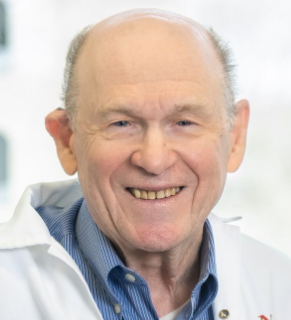 Nahum Sonenberg合作论文数Department of Biochemistry, School of Biomedical Sciences, McGill University;Rosalind and Morris Goodman Cancer Institute, Faculty of Medicine and Health Sciences, McGill University3Jonathan K. Watts合作论文数Departments of Pharmacology and Biochemistry, UT Southwestern Medical Center at Dallas3Samuel M. H. Chen合作论文数3
 Hisashi Miura合作论文数3
 Anna Kalota合作论文数3Jutta Steinberger合作论文数2Samaneh Kamyabiazar合作论文数2Jenna Hutton合作论文数2Marilyn Carrier合作论文数2




