Acetylation of histone H3 at residue K9 (H3K9ac) is a dynamically regulated mark associated with transcriptionally active promoters in eukaryotes. However, our understanding of the relationship between H3K9ac and gene expression remains mostly correlative. In this study, we identify a large suite of growth-related (GR) genes in yeast that undergo a particularly strong down-regulation of both transcription and promoter-associated H3K9ac upon stress, and delineate the roles of transcriptional activators (TAs), repressors, SAGA (Spt-Ada-Gcn5 acetyltransferase) histone acetyltransferase, and RNA-polymerase II in this response. We demonstrate that H3K9 acetylation states are orchestrated by a two-step mechanism driven by the dynamic binding of transcriptional repressors (TRs) and activators, that is independent of transcription. In response to stress, promoter release of TAs at GR genes is a prerequisite for rapid reduction of H3K9ac, whereas binding of TRs is required to establish a hypo-acetylated, strongly repressed state.
ABSTRACTReplication disrupts chromatin organization. Thus, the rapid resetting of nucleosome positioning is essential to maintain faithful gene expression. The initial step of this reconfiguration occurs at Nucleosome-Depleted Regions (NDRs). While studies have elucidated the role of Transcription Factors (TFs) and Chromatin Remodelers (CRs)in vitroor in maintaining NDRsin vivo, none has addressed theirin vivofunction shortly after replication. Through purification of nascent chromatin in yeast, we dissected the choreography of events governing the proper positioning of the −1/+1 nucleosomes flanking promoter NDRs. Our findings reveal that CRs are the primary contributors of −1/+1 repositioning post-replication, with RSC acting upstream of INO80. Surprisingly, while Reb1 and Abf1 TFs are not essential for NDR resetting, they are required for NDR maintenanceviathe promotion of H3 acetylations. Altogether, we propose a two-step model for NDR resetting inS. cerevisiae: first, CRs alone reset promoter NDRs after replication, while a combination of TFs and CRs is required for subsequent maintenance.TeaserRSC acts upstream of INO80 for NDR re-establishment after replication followed by a combined action of CRs and TFs for NDR maintenance.
The ATP-dependent molecular chaperone Cdc48 (in yeast) and its human counterpart p97 (also known as VCP), are essential for a variety of cellular processes, including the removal of DNA-protein crosslinks (DPCs) from the DNA. Growing evidence demonstrates in the last years that Cdc48/p97 is pivotal in targeting ubiquitinated and SUMOylated substrates on chromatin, thereby supporting the DNA damage response. Along with its cofactors, notably Ufd1-Npl4, Cdc48/p97 has emerged as a central player in the unfolding and processing of DPCs. This review introduces the detailed structure, mechanism and cellular functions of Cdc48/p97 with an emphasis on the current knowledge of DNA-protein crosslink repair pathways across several organisms. The review concludes by discussing the potential therapeutic relevance of targeting p97 in DPC repair.
YeastVolume 41, Issue 4 p. 133-134 EDITORIAL Gene transcription in yeasts: From molecules to integrated processes Domenico Libri, Domenico Libri Institut de Génétique Moléculaire de Montpellier, Univ Montpellier, CNRS, Montpellier, FranceSearch for more papers by this authorJane Mellor, Jane Mellor orcid.org/0000-0002-5196-3734 Department of Biochemistry, University of Oxford, Oxford, UKSearch for more papers by this authorFrançoise Stutz, Françoise Stutz Department of Molecular and Cellular Biology, University of Geneva, Geneva, SwitzerlandSearch for more papers by this authorBenoit Palancade, Corresponding Author Benoit Palancade [email protected] Université Paris Cité, CNRS, Institut Jacques Monod, Paris, France Correspondence Benoit Palancade Email: [email protected]Search for more papers by this author Domenico Libri, Domenico Libri Institut de Génétique Moléculaire de Montpellier, Univ Montpellier, CNRS, Montpellier, FranceSearch for more papers by this authorJane Mellor, Jane Mellor orcid.org/0000-0002-5196-3734 Department of Biochemistry, University of Oxford, Oxford, UKSearch for more papers by this authorFrançoise Stutz, Françoise Stutz Department of Molecular and Cellular Biology, University of Geneva, Geneva, SwitzerlandSearch for more papers by this authorBenoit Palancade, Corresponding Author Benoit Palancade [email protected] Université Paris Cité, CNRS, Institut Jacques Monod, Paris, France Correspondence Benoit Palancade Email: [email protected]Search for more papers by this author First published: 08 April 2024 https://doi.org/10.1002/yea.3936Read the full textAboutPDF ToolsRequest permissionExport citationAdd to favoritesTrack citation ShareShare Give accessShare full text accessShare full-text accessPlease review our Terms and Conditions of Use and check box below to share full-text version of article.I have read and accept the Wiley Online Library Terms and Conditions of UseShareable LinkUse the link below to share a full-text version of this article with your friends and colleagues. Learn more.Copy URL Share a linkShare onEmailFacebookTwitterLinkedInRedditWechat No abstract is available for this article. REFERENCES Albihlal, W. S., Chan, W. Y., & van Werven, F. J. (2024). Budding yeast as an ideal model for elucidating the role of N6-methyladenosine in regulating gene expression. Yeast, 41(4), 148–157. https://doi.org/10.1002/yea.3925 10.1002/yea.3925 Google Scholar Annaluru, N., Muller, H., Mitchell, L. A., Ramalingam, S., Stracquadanio, G., Richardson, S. M., Dymond, J. S., Kuang, Z., Scheifele, L. Z., Cooper, E. M., Cai, Y., Zeller, K., Agmon, N., Han, J. S., Hadjithomas, M., Tullman, J., Caravelli, K., Cirelli, K., Guo, Z., … Chandrasegaran, S. (2014). Total synthesis of a functional designer eukaryotic chromosome. Science, 344, 55–58. https://doi.org/10.1126/science.1249252 10.1126/science.1249252 CASPubMedWeb of Science®Google Scholar Brettner, L., Eder, R., Schmidlin, K., & Geiler-Samerotte, K. (2024). An ultra high-throughput, massively multiplexable, single-cell RNA-seq platform in yeasts. Yeast, 41(4), 242–255. https://doi.org/10.1002/yea.3927 10.1002/yea.3927 Google Scholar Cramer, P., Bushnell, D. A., Fu, J., Gnatt, A. L., Maier-Davis, B., Thompson, N. E., Burgess, R. R., Edwards, A. M., David, P. R., & Kornberg, R. D. (2000). Architecture of RNA polymerase II and implications for the transcription mechanism. Science, 288, 640–649. https://doi.org/10.1126/science.288.5466.640 10.1126/science.288.5466.640 CASPubMedWeb of Science®Google Scholar Georis, I., Ronsmans, A., Vierendeels, F., & Dubois, E. (2024). Differing SAGA module requirements for NCR-sensitive gene transcription in yeast. Yeast. 41(4), 207–221. https://doi.org/10.1002/yea.3885 10.1002/yea.3885 Google Scholar Goffeau, A., Barrell, B. G., Bussey, H., Davis, R. W., Dujon, B., Feldmann, H., Galibert, F., Hoheisel, J. D., Jacq, C., Johnston, M., Louis, E. J., Mewes, H. W., Murakami, Y., Philippsen, P., Tettelin, H., & Oliver, S. G. (1996). Life with 6000 genes. Science, 274, 546–567. https://doi.org/10.1126/science.274.5287.546 10.1126/science.274.5287.546 CASPubMedWeb of Science®Google Scholar Kindongo, O., Lieb, G., Skaggs, B., Dusserre, Y., Vincenzetti, V., & Pelet, S. (2024). Implication of polymerase recycling for nascent transcript quantification by live cell imaging. Yeast, 41(4), 279–294. https://doi.org/10.1002/yea.3929 10.1002/yea.3929 Google Scholar Koster, C. C., Kleefeldt, A. A., van den Broek, M., Luttik, M., Daran, J. M., & Daran-Lapujade, P. (2024). Long-read direct RNA sequencing of the mitochondrial transcriptome of Saccharomyces cerevisiae reveals condition-dependent intron abundance. Yeast. 41(4), 256–278. https://doi.org/10.1002/yea.3893 10.1002/yea.3893 Google Scholar Nadal-Ribelles, M., Solé, C., Nadal, E., & Posas, F. (2024). The rise of single-cell transcriptomics in yeast. Yeast, 41(4), 158–170. https://doi.org/10.1002/yea.3934 10.1002/yea.3934 Google Scholar Pangestu, R., Kahar, P., Ogino, C., & Kondo, A. (2024). Comparative responses of flocculating and nonflocculating yeasts to cell density and chemical stress in lactic acid fermentation. Yeast. 41(4), 192–206. https://doi.org/10.1002/yea.3917 10.1002/yea.3917 Google Scholar Peterson, C. L., Dingwall, A., & Scott, M. P. (1994). Five SWI/SNF gene products are components of a large multisubunit complex required for transcriptional enhancement. Proceedings of the National Academy of Sciences of the United States. 91, 2905–2908. https://doi.org/10.1073/pnas.91.8.2905 10.1073/pnas.91.8.2905 Google Scholar Piguet, B., & Houseley, J. (2024). Transcription as source of genetic heterogeneity in budding yeast. Yeast, 41(4), 171–185. https://doi.org/10.1002/yea.3926 10.1002/yea.3926 Google Scholar Shalon, D., Smith, S. J., & Brown, P. O. (1996). A DNA microarray system for analyzing complex DNA samples using two-color fluorescent probe hybridization. Genome Research, 6, 639–645. https://doi.org/10.1101/gr.6.7.639 10.1101/gr.6.7.639 CASPubMedWeb of Science®Google Scholar Struhl, K. (2024). How is polyadenylation restricted to 3′-untranslated regions? Yeart, 41(4), 186–191. https://doi.org/10.1002/yea.3915 10.1002/yea.3915 Google Scholar Wyers, F., Rougemaille, M., Badis, G., Rousselle, J.-C., Dufour, M.-E., Boulay, J., Régnault, B., Devaux, F., Namane, A., Séraphin, B., Libri, D., & Jacquier, A. (2005). Cryptic pol II transcripts are degraded by a nuclear quality control pathway involving a new poly(A) polymerase. Cell, 121, 725–737. https://doi.org/10.1016/j.cell.2005.04.030 10.1016/j.cell.2005.04.030 CASPubMedWeb of Science®Google Scholar Xi, S., Nguyen, T., Murray, S., Lorenz, P., & Mellor, J. (2024). Size fractionated NET-Seq reveals a conserved architecture of transcription units around yeast genes. Yeast, 41(4), 222–241. https://doi.org/10.1002/yea.3931 10.1002/yea.3931 Google Scholar Yague-Sanz, A. (2024). Shaping the chromatin landscape at rRNA and tRNA genes, an emerging new role for RNA polymerase II transcription? Yeast, 41(4), 135–147. https://doi.org/10.1002/yea.3921 10.1002/yea.3921 Google Scholar Volume41, Issue4Special issue: Gene transcription in YeastsApril 2024Pages 133-134 ReferencesRelatedInformation
DNA-protein crosslinks (DPCs) challenge faithful DNA replication and smooth passage of genomic information. Our study unveils the cullin E3 ubiquitin ligase Rtt101 as a DPC repair factor. Genetic analyses demonstrate that Rtt101 is essential for resistance to a wide range of DPC types including topoisomerase 1 crosslinks, in the same pathway as the ubiquitin-dependent aspartic protease Ddi1. Using an in vivo inducible Top1-mimicking DPC system, we reveal the significant impact of Rtt101 ubiquitination on DPC removal across different cell cycle phases. High-throughput methods coupled with next-generation sequencing specifically highlight the association of Rtt101 with replisomes as well as colocalization with DPCs. Our findings establish Rtt101 as a main contributor to DPC repair throughout the yeast cell cycle.
Two related post‐translational modifications, the covalent linkage of Ubiquitin and the Small Ubiquitin‐related MOdifier (SUMO) to lysine residues, play key roles in the regulation of both DNA repair pathway choice and transcription. Whereas ubiquitination is generally associated with proteasome‐mediated protein degradation, the impact of sumoylation has been more mysterious. In the cell nucleus, sumoylation effects are largely mediated by the relocalization of the modified targets, particularly in response to DNA damage. This is governed in part by the concentration of SUMO protease at nuclear pores [Melchior, F et al. (2003) Trends Biochem Sci 28, 612–618; Ptak, C and Wozniak, RW (2017) Adv Exp Med Biol 963, 111–126]. We review here the roles of sumoylation in determining genomic locus positioning relative to the nuclear envelope and to nuclear pores, to facilitate repair and regulate transcription.
ABSTRACTDNA-protein crosslinks (DPCs) pose a serious threat to genome stability. The yeast proteases Wss1, 26S proteasome and Ddi1 are safeguards of genome integrity by acting on a plethora of DNA-bound proteins in different cellular contexts. The AAA ATPase Cdc48/p97 is known to assist Wss1/SPRTN in clearing DNA-bound complexes, however its contribution to DPC proteolysis remains unclear. Here, we show that the Cdc48 adaptor Ubx5 is detrimental in yeast mutants defective in DPC processing. Using an inducible site-specific crosslink, we show that Ubx5 accumulates at persistent DPC lesions in the absence of Wss1, which prevents their efficient removal from the DNA. Abolishing Cdc48 binding or complete loss of Ubx5 suppresses the sensitivity of wss1Δ cells to DPC inducing agents by favoring alternate repair pathways. We provide evidence for cooperation of Ubx5-Cdc48 and Wss1 in the genotoxin-induced degradation of RNAPII, a described candidate substrate of Wss1. We propose that Ubx5-Cdc48 assists Wss1 for proteolysis of a subset of DNA-bound proteins. Together, our findings reveal a central role for Ubx5 in DPC clearance and repair.
Eukaryotic genomes are pervasively transcribed by RNA polymerase II (RNAPII), and transcription of long non-coding RNAs often overlaps with coding gene promoters. This might lead to coding gene repression in a process named Transcription Interference (TI). In Saccharomyces cerevisiae, TI is mainly driven by antisense non-coding transcription and occurs through re-shaping of promoter Nucleosome-Depleted Regions (NDRs). In this study, we developed a genetic screen to identify new players involved in Antisense-Mediated Transcription Interference (AMTI). Among the candidates, we found the HIR histone chaperone complex known to be involved in de novo histone deposition. Using genome-wide approaches, we reveal that HIR-dependent histone deposition represses the promoters of SAGA-dependent genes via antisense non-coding transcription. However, while antisense transcription is enriched at promoters of SAGA-dependent genes, this feature is not sufficient to define the mode of gene regulation. We further show that the balance between HIR-dependent nucleosome incorporation and transcription factor binding at promoters directs transcription into a SAGA- or TFIID-dependent regulation. This study sheds light on a new connection between antisense non-coding transcription and the nature of coding transcription initiation.
Pervasive transcription of eukaryotic genomes generates non-coding transcripts with regulatory potential. We examined the effects of non-coding antisense transcription on the regulation of expression of the yeast PHO5 gene, a paradigmatic case for gene regulation through promoter chromatin remodeling. A negative role for antisense transcription at the PHO5 gene locus was demonstrated by leveraging the level of overlapping antisense transcription through specific mutant backgrounds, expression from a strong promoter in cis , and use of the CRISPRi system. Furthermore, we showed that enhanced elongation of PHO5 antisense leads to a more repressive chromatin conformation at the PHO5 gene promoter, which is more slowly remodeled upon gene induction. The negative effect of antisense transcription on PHO5 gene transcription is mitigated upon inactivation of the histone deacetylase Rpd3, showing that PHO5 antisense RNA acts via histone deacetylation. This regulatory pathway leads to Rpd3-dependent decreased recruitment of the RSC chromatin remodeling complex to the PHO5 gene promoter upon induction of antisense transcription. Overall, the data in this work reveal an additional level in the complex regulatory mechanism of PHO5 gene expression by showing antisense transcription-mediated repression at the level of promoter chromatin structure remodeling.
Endogenous metabolites, environmental agents, and therapeutic drugs promote formation of covalent DNA-protein crosslinks (DPCs). Persistent DPCs compromise genome integrity and are eliminated by multiple repair pathways. Aberrant Top1-DNA crosslinks, or Top1ccs, are processed by Tdp1 and Wss1 functioning in parallel pathways in Saccharomyces cerevisiae. It remains obscure how cells choose between diverse mechanisms of DPC repair. Here, we show that several SUMO biogenesis factors (Ulp1, Siz2, Slx5, and Slx8) control repair of Top1cc or an analogous DPC lesion. Genetic analysis reveals that SUMO promotes Top1cc processing in the absence of Tdp1 but has an inhibitory role if cells additionally lack Wss1. In the tdp1Δ wss1Δ mutant, the E3 SUMO ligase Siz2 stimulates sumoylation in the vicinity of the DPC, but not SUMO conjugation to Top1. This Siz2-dependent sumoylation inhibits alternative DPC repair mechanisms, including Ddi1. Our findings suggest that SUMO tunes available repair pathways to facilitate faithful DPC repair.
Eukaryotic genomes are almost entirely transcribed by RNA polymerase II (RNAPII). Consequently, the transcription of long noncoding RNAs (lncRNAs) often overlaps with coding gene promoters triggering potential gene repression through a poorly characterized mechanism of transcription interference. In this study, we propose a global model of chromatin-based transcription interference in Saccharomyces cerevisiae (S. cerevisiae). By using a noncoding transcription inducible strain, we analyzed the relationship between antisense elongation and coding sense repression, nucleosome occupancy and transcription-associated histone modifications using near-base pair resolution techniques. We show that antisense noncoding transcription leads to the deaceylation of a subpopulation of −1/+1 nucleosomes associated with increased H3K36 trimethylation (H3K36me3). Reduced acetylation results in decreased binding of the RSC chromatin remodeler at −1/+1 nucleosomes and subsequent sliding into the Nucleosome-Depleted Region (NDR) hindering Pre-Initiation Complex (PIC) association. Finally, we extend our model by showing that natural antisense noncoding transcription significantly represses around 20% of S. cerevisiae genes through this chromatin-based transcription interference mechanism. Highlights Induction of antisense noncoding transcription leads to −1/+1 nucleosome sliding that competes with sense transcription PIC deposition. Antisense induction leads to a subpopulation of H3K36me3 nucleosomes differently positioned compared to H3K18ac nucleosomes. RSC chromatin remodeler recruitment to −1/+1 nucleosomes is modulated by histone acetylation levels. 20% of S. cerevisiae genes are significantly repressed by this antisense-dependent chromatin-based transcription interference mechanism.
Naturally occurring or drug-induced DNA-protein crosslinks (DPCs) interfere with key DNA transactions if not repaired in a timely manner. The unique family of DPC-specific proteases Wss1/SPRTN targets DPC protein moieties for degradation, including stabilized topoisomerase-1 cleavage complexes (Top1ccs). Here, we describe that the efficient DPC disassembly requires Ddi1, another conserved predicted protease in Saccharomyces cerevisiae. We found Ddi1 in a genetic screen of the tdp1 wss1 mutant defective in Top1cc processing. Ddi1 is recruited to a persistent Top1cc-like DPC lesion in an S phase-dependent manner to assist in the eviction of crosslinked protein from DNA. Loss of Ddi1 or its putative protease activity hypersensitizes cells to DPC trapping agents independently from Wss1 and 26S proteasome, implying its broader role in DPC repair. Among the potential Ddi1 targets, we found the core component of Pol II and show that its genotoxin-induced degradation is impaired in ddi1. We propose that the Ddi1 protease contributes to DPC proteolysis.
Yra1 is an mRNA export adaptor involved in mRNA biogenesis and export in S. cerevisiae. Yra1 overexpression was recently shown to promote accumulation of DNA:RNA hybrids favoring DNA double strand breaks (DSB), cell senescence and telomere shortening, via an unknown mechanism. Yra1 was also identified at an HO-induced DSB and Yra1 depletion causes defects in DSB repair. Previous work from our laboratory showed that Yra1 ubiquitination by Tom1 is important for mRNA export. Here, we found that Yra1 is also ubiquitinated by the SUMO-targeted ubiquitin ligases Slx5-Slx8 implicated in the interaction of irreparable DSB with nuclear pores. We further show that Yra1 binds an HO-induced irreparable DSB in a process dependent on resection. Importantly, a Yra1 mutant lacking the evolutionarily conserved C-box is not recruited to an HO-induced irreparable DSB and becomes lethal under DSB induction in a HO-cut reparable system. Together, the data provide evidence that Yra1 plays a crucial role in DSB repair via homologous recombination. While Yra1 sumoylation and/or ubiquitination are dispensable, the Yra1 C-box region is essential in this process.
RNA polymerase II (RNAP II) non-coding transcription is now known to cover almost the entire eukaryotic genome, a phenomenon referred to as pervasive transcription. As a consequence, regions previously thought to be non-transcribed are subject to the passage of RNAP II and its associated proteins for histone modification. This is the case for the nucleosome-depleted regions (NDRs), which provide key sites of entry into the chromatin for proteins required for the initiation of coding gene transcription and DNA replication. In this review, recent data on the effects of pervasive transcription through NDRs are summarized and a model is proposed to explain how RNAP II-driven transcription is able to modify the nucleosomes flanking the NDRs, leading to nucleosome repositioning and NDR closure. Even though much of the mechanistic detail underlying these events remains to be elucidated, such a model provides a basis to explain how non-coding transcription through NDRs can regulate the initiation of coding gene expression and DNA replication.
The mRNA export adaptor Yra1 is essential in S. cerevisiae, and conserved from yeast to human (ALY/REF). It is well characterized for its function during transcription elongation, 3 ' processing and mRNA export. Recently, different studies linked Yra1 to genome stability showing that Yra1 overexpression causes DNA Double Strand Breaks through DNA:RNA hybrids stabilization, and that Yra1 depletion affects DSB repair. However, the mechanisms through which Yra1 contributes to genome stability maintenance are not fully understood. Interestingly, our results showed that the Yra1 C-box domain is required for Yra1 recruitment to an HO-induced irreparable DSB following extensive resection, and that it is essential to repair an HO-induced reparable DSB. Furthermore, we defined that the C-box domain of Yra1 plays a crucial role in DSB repair through homologous recombination but not through non-homologous end joining. Future studies aim at deciphering the mechanism by which Yra1 contributes to DSB repair by searching for Yra1 partners important for this process. This review focuses on the functional complexity of the Yra1 protein, not only summarizing its role in mRNA biogenesis but also emphasizing its auto-regulation and implication in genome integrity either through DNA:RNA hybrids stabilization or DNA double strand break repair in S. cerevisiae.
In Eukaryotic organisms, replication initiation follows a temporal program. Among the parameters that regulate this program in Saccharomyces cerevisiae , chromatin structure has been at the center of attention without considering the contribution of transcription. Here, we revisit the replication initiation program in the light of pervasive transcription. We find that noncoding RNA transcription termination in the vicinity of replication origins or ARS (Autonomously Replicating Sequences) maximizes replication initiation by restricting transcriptional readthrough into ARS. Consistently, high natural nascent transcription correlates with low ARS efficiency and late replication timing. High readthrough transcription is also linked to chromatin features such as high levels of H3K36me3 and deacetylated nucleosomes. Moreover, forcing ARS readthrough transcription promotes these histone modifications. Finally, replication initiation defects induced by increased transcriptional readthrough are partially rescued in the absence of H3K36 methylation. Altogether, these observations indicate that natural pervasive transcription into ARS influences replication initiation through chromatin remodeling.
In eukaryotic organisms, replication initiation follows a temporal program. Among the parameters that regulate this program in Saccharomyces cerevisiae, chromatin structure has been at the center of attention without considering the contribution of transcription. Here, we revisit the replication initiation program in the light of widespread genomic noncoding transcription. We find that noncoding RNA transcription termination in the vicinity of autonomously replicating sequences (ARSs) shields replication initiation from transcriptional readthrough. Consistently, high natural nascent transcription correlates with low ARS efficiency and late replication timing. High readthrough transcription is also linked to increased nucleosome occupancy and high levels of H3K36me3. Moreover, forcing ARS readthrough transcription promotes these chromatin features. Finally, replication initiation defects induced by increased transcriptional readthrough are partially rescued in the absence of H3K36 methylation. Altogether, these observations indicate that natural noncoding transcription into ARSs influences replication initiation through chromatin regulation.
 Michael Rosbash合作论文数Department of Biology, Brandeis University;Howard Hughes Medical Institute16
 Soudet Julien合作论文数Institut de Biologie Physico-Chimique, Centre National de la Recherche Scientifique;Sorbonne Universités, UPMC Univ Paris 06;Sorbonne Universités, UPMC Univ Paris 0612
 Catherine Dargemont合作论文数11
 Daniel Zenklusen合作论文数Département de Biochimie et Médecine Moléculaire, Faculté de Médecine, Universite de Montreal8
 Nahid Iglesias合作论文数Department of Cell Biology, University of Geneva8
 Manuele Castelnuovo合作论文数Department of Cell Biology and NCCR "Frontiers in Genetics"Stanford University, University of Geneva;Stanford University, University of Geneva6
 Georges Spohr合作论文数6Jurgi Camblong合作论文数6Audrey Noireterre合作论文数Dept Biol Cellulaire BICEL, Univ Geneva5Guennaëlle Dieppois合作论文数5
 Domenico Libri合作论文数Center, Centre National de la Recherche Scientifique5Ivona Bagdiul合作论文数4Andrea Maffioletti合作论文数4Patrizia Vinciguerra合作论文数4
 Nataliia Serbyn合作论文数Department of Cell Biology, Harvard Medical School4Elisa Guffanti合作论文数4Jatinder Kaur Gill合作论文数3Dario Menéndez合作论文数3
 Valentina Infantino合作论文数3Gwizdek Carole合作论文数3Izaurralde Elisa合作论文数3
 Marvin P. Wickens合作论文数Department of Biochemistry, College of Agricultural and Life Sciences, University of Wisconsin-Madison3
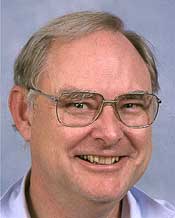 Murray Stewart合作论文数MRC Laboratory of Molecular Biology3
 Megan Neville合作论文数Department of Physiology, Anatomy & Genetics, University of Oxford3
 Evelina Tutucci合作论文数National Institute for Cancer Research (IST),, IRCCS;Department of Oncology Biology and Genetics (DOBiG),, University of Genoa;Department of Cell Biology, Sciences III, 30 Quai E. Ansermet, 1211 Geneva, 4. Switzerland;National Institute for Cancer Research (IST),, University of Genoa3David Neuhaus合作论文数3
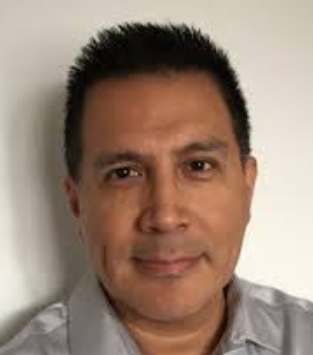 Manuel S. Rodriguez合作论文数Laboratoire de Chimie de Coordination, French National Centre for Scientific Research3
 David Elliott合作论文数2SG CLARKSON合作论文数2Varinia García-Molinero合作论文数2Maria Hobeika合作论文数2Lorane Texari合作论文数2
 Gilles Divita合作论文数2Jurica Ljubas合作论文数2Sandra Clauder-Münster合作论文数2Agnès H. Michel合作论文数2Ana Novačić合作论文数2
 Zhenyu Xu (徐振宇)合作论文数2
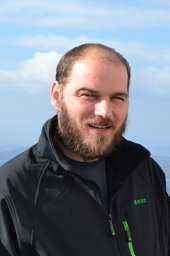 Stuparevic Igor合作论文数Inserm U1085 IRSET, Inserm2Zencir Sevil合作论文数2Kantor J合作论文数2
 Benoit Palancade合作论文数2
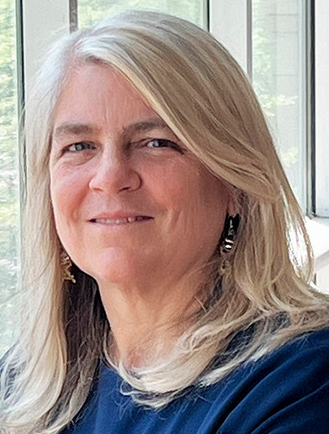 Anita Corbett合作论文数Department of Biology, College of Arts and Sciences, Emory University2
 Yvan Strahm合作论文数Victorian Bioinformatics Consortium;Monash University2Michael F. Trendelenburg合作论文数2Ansgar Hofmann合作论文数2Mickael Cohen合作论文数2
 Benoît Kornmann合作论文数Department of Molecular Biology;University of Geneva;Department of Molecular Biology, University of Geneva2




