The Advanced Placement Computer Science Principles (AP CSP) course was the culmination of an eight-year NSF/College Board pilot project that exceeded all expectations in terms of enrollment in its first two official years. Four NSF-sponsored projects and six other projects have endorsed AP CSP curricula and professional development (PD), a first for an AP course. In this paper, we report on an NSF-sponsored multi-year effort to infuse cooperative learning (CL) structures into AP CSP classrooms to improve class participation and student learning. As we report, CL structures have been beneficial for both new and experienced teachers and across the curricula of the endorsed providers. Since AP CSP was designed to engage all learners, the CL structures used in our PD workshops and the CL resources designed by participating teachers in our project have the potential to positively impact all AP CSP classrooms. Research was conducted on the extent to which use of CL structures impacted student efficacy and student achievement. Three cohorts of AP CSP teachers participated in PD that focused on AP CSP pedagogical content knowledge using CL structures. A cumulative 143 teachers attended one-week PD workshops spanning July 2015, 2016, and 2017. We studied the effect of CL structures on student learning using AP scores as an outcomes measure. Use of CL structures was a statistically significant and positive predictor of student AP scores for participating classes in cohorts 2 and 3. Additionally, the use of pair programming was a significant and positive predictor of AP scores.
Many new curricula and tools have been developed recently to promote the exciting opportunities available in computer science. However, curriculum and supporting tools alone do not drive engagement -- the most interesting and innovative curriculum can still be taught in a disengaged manner, leading to lost opportunities for broadening the appeal and interest in computing across a diverse student population. The learning science literature on Cooperative Learning (CL) has been shown to increase class participation and student learning, while also promoting diversity in a manner that supports the differentiated instruction needed to engage students who have mixed abilities. This workshop will demonstrate how the best practices of CL can be applied in early CS courses (e.g., CS Principles, AP CS A, or CS1). Workshop participants will first be introduced to the CL structures that have been used in many different disciplines across multiple age/grade levels. These structures will then be used to demonstrate specific application toward computer science concepts. The workshop itself will be taught in a cooperative learning style so that participants can understand the dynamics and structure of a CL classroom. This workshop is for two categories of educations: 1) K-12 teachers who have experience with either AP CS A or CS Principles, or 2) university faculty who teach CS1 or other early courses.
Computer Science Principles will become an Advanced Placement course in AY 2016-2017, with the launch of the first APCSP exam in May of 2017, with through-course assessments/performance tasks being completed by students starting at the beginning of that academic year. In this BOF we will hear from participants about their questions and concerns in anticipation of the launch of the course and exam. The BOF will be part of launching a community of practice for teachers and educators who are not part of a formal NSF project, Project Lead the Way, or Code.org whose participants may have a community of practice.
Copyright is held by the author/owner(s). SIGCSE’06, March 1–5, 2006, Houston, Texas, USA. ACM 1-59593-259-3/06/0003. SUMMARY SIGCSE 2004 marked the official announcement of the ACM Java Task Force, which is working to develop a stable collection of pedagogical resources that will make it easier to teach Java to first-year computing students. The Task Force published a draft report in February 2005 and presented the highlights of that report at SIGCSE 2005. Based on the feedback we received at SIGCSE and in the comment period that extended over the next two months, the Task Force redesigned some features of the library packages and extended their capabilities in areas that seemed to be of particular importance to the community. The final report of the Task Force will be published in the fall of 2005. The purpose of the special session is to highlight the features of the Java packages described in the report and show how those packages can be used to enhance introductory computer science education. The work of the Java Task Force has been supported by funding from the ACM Education Board, the SIGCSE Special Projects Fund, and the National Science Foundation (NSF Award DUE-0411905).
SIGCSE 2004 marked the official announcement of the ACM Java Task Force, which is working to develop a stable collection of pedagogical resources that will make it easier to teach Java to first-year computing students. The Java Task Force has received funding from the ACM Education Board, the SIGCSE Special Projects Fund, and the National Science Foundation (NSF Award DUE-0411905). This session offers an update on the work of the Java Task Force over the past year and provides an opportunity for community feedback prior to the publication of the final report in June 2005.
 Owen Astrachan合作论文数Computer Science Department, Duke University3
 Robb Cutler合作论文数2
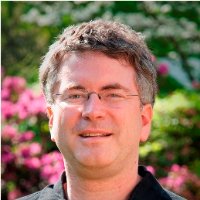 Jeff Gray合作论文数Department of Computer Science, University of Alabama2
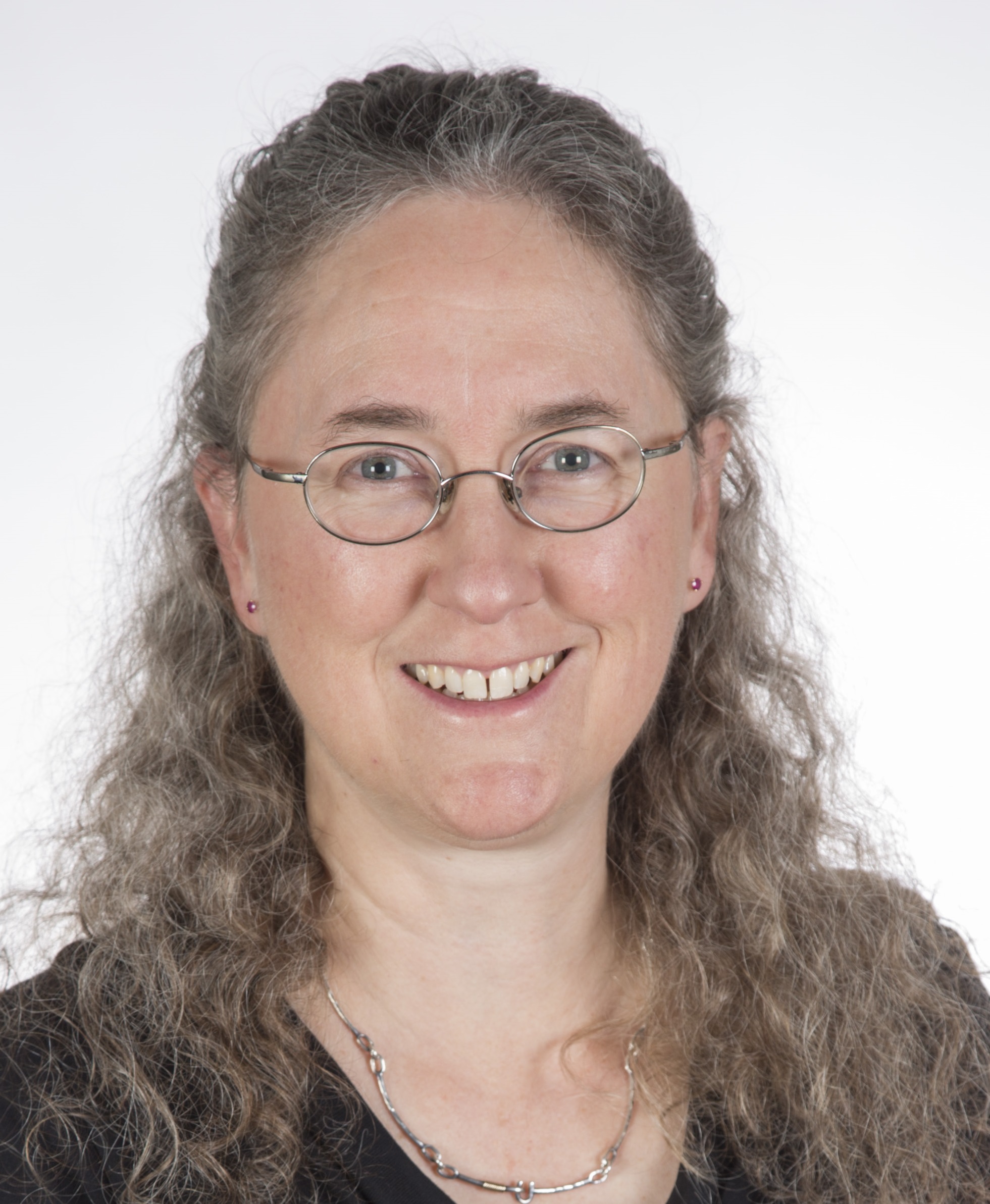 Susan H. Rodger合作论文数Computer Science Department, Duke University2
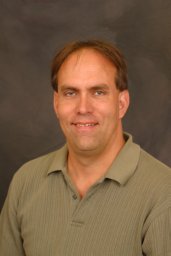 Scott Grissom合作论文数Grand Valley State University2
 Ian Utting合作论文数School of Computing, University of Kent2
 Kim Bruce合作论文数 Pomona College in Claremont;Computer Science 2James H. Cross Ii合作论文数Computer Science and Software Engineering2Frank Yellin合作论文数2Richard Kick合作论文数2
 Eric Roberts合作论文数Department of Computer Science, School of Computer & Information Sciences, Willamette University2Karl J. Klee合作论文数2
 Kathy Haynie合作论文数1Chinma Uche合作论文数1Steve Kass合作论文数Institute for Applied Remote Sensing, EURAC1Lien Diaz合作论文数1
 Shannon Bradshaw合作论文数Department of Computer Science;Intelligent Information Laboratory1Cay Horstmann合作论文数1
 Amy Briggs合作论文数Department of Computer Science
Middlebury College1Chris Van Wyk合作论文数1
Amy Briggs合作论文数Department of Computer Science
Middlebury College1Chris Van Wyk合作论文数1 Siobhan M. Cooney合作论文数University of Wisconsin-Madison;University of Wisconsin-Extension;University of Wisconsin-Madison, University of Wisconsin-Extension1




