Objective: Dynamic kinematic computed tomography (DKCT) allows for dynamic assessment of the patellofemoral joint and has been used to evaluate and treat patients with recurrent patellar instability. While medial patellofemoral ligament reconstruction (MPFLR) and tibial tubercle osteotomy (TTO) are the most common surgical options for treating these patients, there is an increasing interest in trochleoplasty. The clinical finding of a 'jumping J-sign' is often cited as an indication for trochleoplasty. To date, descriptions of the jumping J-sign have been qualitative. We are not aware of any quantitative descriptions in the literature. The goals of this study were to: 1) identify objective measurable criteria that define the jumping J-sign maltracking pattern, and 2) characterize the patellofemoral pathoanatomy that predisposes to a jumping J-sign. Methods: Patients with recurrent patellar instability underwent DKCT testing of both knees. All knees were divided into three groups based on maximum bisect offset (BO), which was quantified in terms of quadrants of patellar lateralization relative to the deepest part of the trochlear groove. Group 1: No J-sign (BO < 1.00), Group 2: Positive J-sign (BO > 1.00, excluding patients with a Jumping J-sign), and Group 3: Jumping J-sign (determined by clinical exam by the senior author). BO, tibial tubercle-trochlear groove (TT-TG) distance, and Caton-Deschamps index (CDI) were measured on DKCT at 10° intervals during active knee flexion/extension. Knee flexion degree intervals on DKCT were grouped as: 5° (-5° to 5°), 15° (6° to 15°), 25° (16° to 25°), 35° (26° to 35°), and 45° (36° to 45°). MRI was used to measure patellar width, lateral trochlear inclination (LTI), trochlear bump height, and trochlear length. Statistical analyses included multivariable logistic regression to determine predictors of a jumping J-sign and outcomes between groups. Results: Eighty-four knees in 42 patients with patellar instability were included. Thirty knees (35.7%) were included in the No J-Sign group, 35 (41.6%) in the Positive J-Sign group, and 19 (22.6%) in the Jumping J-Sign group. The Jumping J-sign group had a significantly greater mean percent decline in BO from 5° to 15° of flexion compared to the Positive J-sign and No J-sign groups (46.5%, range = 38.9-56.7%, vs 23.4%, range = 19.5-26.8% vs 18.9%, range = 10.9-27.0%, p<0.001). From 5° to 15° of flexion, the Jumping J-sign group had a minimum percent decline in BO of 39%, while the maximum BO percent decline in the Positive J-sign group was 27%. From 25° to 45° of flexion, there was no significant difference in BO between the Jumping J-sign and Positive J-sign groups. Multivariable analysis demonstrated an increased trochlear bump height (OR 2.01, p=0.0014), decreased LTI (OR 0.83, p=0.022), and increased TT-TG (OR 1.47, p=0.008) in the Jumping J-sign group compared to the Positive J-sign group. Conclusions: Results of DKCT testing demonstrate that patients with a jumping J-sign exhibit a distinct measurable medial shift resulting in a minimum 39% drop in BO during the first 15 degrees of knee flexion. Our findings also confirm that a jumping J-sign could be accurately identified in a qualitative fashion during clinical exam. Furthermore, a jumping J-sign was associated with specific anatomic findings including a greater trochlear bump height, smaller LTI, and increased TT-TG distance. These findings suggest that trochlear morphology plays a critical role in the pathophysiology of the jumping J-sign, and may help refine indications for trochleoplasty in patients with recurrent patellar instability.
PURPOSE:To systematically review sex-specific differences in (1) patient-reported outcome measures (PROMs) at a minimum 24-month follow-up, (2) postoperative complication risk, and (3) return-to-sport (RTS) rates after the open Latarjet procedure. METHODS:Searches of PubMed, Cochrane, Embase, and Scopus were performed in September 2024 using the Boolean search: (Male OR Female) AND Latarjet. Articles were included if sex-specific analyses evaluating differences in PROMs, postoperative complication risk, and/or RTS after the open Latarjet procedure were performed. RESULTS:Nine studies met inclusion criteria and included 2576 patients who underwent the open Latarjet procedure for traumatic or atraumatic anterior shoulder instability. Of the patients, 83% were male (vs 17% female), with average age ranging from 26 to 30 years. Three studies, ranging from mean 24- to 50.5-month follow-up, found no significant postoperative differences in PROM scores between male and female patients. One study at a mean 75-month follow-up, female patients had 2.8 greater odds of clinical failure compared with male patients, based on PROM thresholds. Studies reported significantly greater odds of 30-day emergency department visits [odds ratio: 1.79; P = .029] and pulmonary embolism [2.33; P < .01] in female patients compared with male patients. RTS rates ranged from 38% to 67% for female and 50% to 63% for male patients, with no studies finding a significant sex-specific difference in RTS rate. CONCLUSIONS:While sex may not influence functional outcomes at a minimum 24-month follow-up and RTS rate after the open Latarjet procedure, female patients may have significantly greater risk for postoperative complications and emergency department visits. One study found that female patients had significantly greater long-term clinical failure compared with male patients, based on PROM measure thresholds. LEVEL OF EVIDENCE:Level IV, systematic review of Level III and IV studies.
This study analyzed the efficacy and patterns of social media use among the Board of Specialty orthopaedic societies. Twitter (now called X), Facebook, and Instagram profiles were identified. Twitter was most commonly utilized, and therefore the focus. Twitonomy, a social media analytics tool, was used to analyze data. Most societies (11 of 15) increased number of tweets from 2018 to 2020. AAOS had the oldest and most followed account. Although J. Robert Gladden Orthopaedic Society (JRGOS) and Ruth Jackson Orthopaedic Society (RJOS) had the least tweets, they had the greatest increase from 2018 to 2020. RJOS had the greatest percentage of tweets that were liked and retweeted. Tweets about patient advocacy and society initiatives had the most engagement, while societies focused on diversity in orthopaedics had the fastest growth. These findings may help societies develop content that yields higher engagement from stakeholders. (Journal of Surgical Orthopaedic Advances 35(1):049 - 054, 2026).
Mentorship and faculty advocacy have long been recognized as key drivers of succeeding in the orthopaedic surgery residency match. However, some attendings, particularly those who may be unfamiliar with current trends, often lack clear guidance on how to advocate effectively for students during the orthopaedic surgery residency application process. Orthopaedics is unique in that it is highly competitive, with increasingly limited positions, a strong emphasis on away rotations, and recent implementation of preference signaling. The purpose of this review article was to (1) examine the evolution of advocacy in orthopaedic surgery during the residency application process and (2) discuss safe, effective, and ethical strategies that attendings can use to advocate for medical students applying into orthopaedic surgery.
BACKGROUND:Out-of-pocket (OOP) costs can be substantial financial burdens for patients and may even cause patients to delay or forgo necessary medical procedures. Although overall healthcare costs are rising in the United States, recent trends in patient OOP costs for foot and ankle orthopaedic surgical procedures have not been reported. Fully understanding patient OOP costs for common orthopaedic surgical procedures, such as those performed on the foot and ankle, might help patients and professionals make informed decisions regarding treatment options and demonstrate to policymakers the growing unaffordability of these procedures. QUESTIONS/PURPOSES:(1) How do OOP costs for common outpatient foot and ankle surgical procedures for commercially insured patients compare between elective and trauma surgical procedures? (2) How do these OOP costs compare between patients enrolled in various insurance plan types? (3) How do these OOP costs compare between surgical procedures performed in hospital-based outpatient departments and ambulatory surgical centers (ASCs)? (4) How have these OOP costs changed over time? METHODS:This was a retrospective, comparative study drawn from a large, longitudinally maintained database. Data on adult patients who underwent elective or trauma outpatient foot or ankle surgical procedures between 2010 and 2020 were extracted using the MarketScan Database, which contains well-delineated cost variables for all patient claims, which are particularly advantageous for assessing OOP costs. Of the 1,031,279 patient encounters initially identified, 41% (427,879) met the inclusion criteria. Demographic, procedural, and financial data were recorded. The median patient age was 50 years (IQR 39 to 57); 65% were women, and more than half of patients were enrolled in preferred provider organization insurance plans. Approximately 75% of surgical procedures were classified as elective (rather than trauma), and 69% of procedures were performed in hospital-based outpatient departments (rather than ASCs). The primary outcome was OOP costs incurred by the patient, which were defined as the sum of the deductible, coinsurance, and copayment paid for each episode of care. Monetary data were adjusted to 2020 USD. A general linear regression, the Kruskal-Wallis test, and the Wilcoxon-Mann-Whitney test were used for analysis, as appropriate. Alpha was set at 0.05. RESULTS:For foot and ankle indications, trauma surgical procedures generated higher median OOP costs than elective procedures (USD 942 [IQR USD 150 to 2052] versus USD 568 [IQR USD 51 to 1426], difference of medians USD 374; p < 0.001). Of the insurance plans studied, high-deductible health plans had the highest median OOP costs. OOP costs were lower for procedures performed in ASCs than in hospital-based outpatient departments (USD 645 [IQR USD 114 to 1447] versus USD 681 [IQR USD 64 to 1683], difference of medians USD 36; p < 0.001). This trend was driven by higher coinsurance for hospital-based outpatient departments than for ASCs (USD 391 [IQR USD 0 to 1136] versus USD 337 [IQR USD 0 to 797], difference of medians USD 54; p < 0.001). The median OOP costs for common outpatient foot and ankle surgical procedures increased by 102%, from USD 450 in 2010 to USD 907 in 2020. CONCLUSION:Rapidly increasing OOP costs of common foot and ankle orthopaedic surgical procedures warrant a thorough investigation of potential cost-saving strategies and initiatives to enhance healthcare affordability for patients. In particular, measures should be taken to reduce underuse of necessary care for patients enrolled in high-deductible health plans, such as shorter-term deductible timespans and placing additional regulations on the implementation of these plans. Moreover, policymakers and physicians could consider finding ways to increase the proportion of procedures performed at ASCs for procedure types that have been shown to be equally safe and effective as in hospital-based outpatient departments. Future studies should extend this analysis to publicly insured patients and further investigate the health and financial effects of high-deductible health plans and ASCs, respectively. LEVEL OF EVIDENCE:Level III, economic and decision analysis.
Background:In professional basketball, Jones fractures are among the most common cause of lower extremity stress injury. Despite its prevalence, there is a paucity of research on the impact of Jones fractures on athletic performance in the National Basketball Association (NBA). Purpose:To determine the impact of Jones fractures on return to play and performance among NBA players when compared with preinjury values and healthy matched controls. Study Design:Cohort study; Level of evidence, 3. Methods:NBA injury reports were analyzed to identify 18 players who sustained a Jones fracture between 2011 and 2022. Reports were verified through public press releases, social media accounts, and player profiles. A publicly available database was used to collect player data including position, age, and years of NBA experience. Performance and advanced statistics were collected for seasons pre- and postinjury. Players were 1:1 matched with healthy controls based on age, player position, and career performance. Univariate and multivariable regression analyses were performed to compare advanced and per-game performance statistics between injured and healthy control players. Results:NBA players who sustained a Jones fracture had a mean age of 23.9 ± 2.31 years at the time of injury. The mean NBA experience was 3.00 ± 2.35 years and mean preinjury minutes played per game was 19.64 ± 11.24. All players (18/18) were able to return to NBA-level competition the year following the injury. There was no change in player efficiency rating (PER), value added, and estimated wins added metrics when comparing pre- and postinjury performances among injured players. Injured players missed more games (P < .001) postinjury compared with the matched controls. Multivariate analysis revealed that for players with a height of <2 m, every additional centimeter of height significantly decreased postinjury PER by 1.08 (95% CI, 0.35-1.80; P < .01). Conclusion:Despite its severity, most NBA players who sustain Jones fractures can return to preinjury performance and level of competition. There was no statistically significant decline in advanced statistics in the following season after injury, with a significant decrease in games played when comparing injured players with their healthy controls.
Background Previous studies have shown that increased 5-item modified frailty index (mFI-5) scores are associated with poor surgical outcomes. This study seeks to determine whether the comorbidities comprising the mFI-5 were correlated with poor outcomes following revision total shoulder arthroplasty (TSA).Methods Utilizing the National Surgical Quality Improvement Program database, a mFI-5 score was calculated for all patients 50 years and older who underwent revision TSA between 2013 and 2019. Pearson's Chi-squared tests and multivariable regression analysis were used to evaluate the association of the mFI score with various postoperative complications.Results Patients with a mFI-5 score of 2+ had significantly increased risk of readmission (OR 2.58), bleeding requiring transfusion (OR 3.66), extended length of stay (OR 2.43), and discharge to a non-home destination (OR 3.22) compared to patients with a mFI-5 score of 0. Relative to patients with a score of 1, those with a mFI-5 score of 2+ had an increased risk of postoperative transfusion (OR 2.46), extended length of stay (OR 2.16), and discharge to a non-home location (OR 2.84).Discussion The mFI-5 is a valuable tool that can stratify patients based on risk for postoperative complications following revision TSA.
Category: Trauma; Other Introduction/Purpose: Increase in opioid use has been associated with a higher incidence of compartment syndrome. To our knowledge, there is no long-term or large database study that analyzes this unique patient population. We sought to compare the clinical outcomes of opioid-related compartment syndrome (ORCS) and non-opioid related compartment syndrome (NORCS), and assess risk factors for amputation in ORCS. Methods: Data on 154 patients (132 NORCS and 22 ORCS patients) from January 1, 2016 to December 31, 2021 who presented with compartment syndrome was collected through a multicenter billing database. We analyzed demographic and clinical findings, including cause of compartment syndrome, time until initial evaluation, length of hospital stay, number of surgeries, rate of amputation, and peak creatinine kinase (CK) and lactate levels. Bivariate statistics were used to assess the data. Results: The most common cause of compartment syndrome was trauma (62%) in the lower leg (79%). Twenty-one ORCS patients (96%) had a delayed presentation after immobilization in dependent position for >=8 hours. ORCS patients had significantly higher mean peak CK and lactate levels (p<0.001), length of hospital stay (p<0.001), and number of operations (p=0.03) compared to NORCS. All parameters, except for mean peak CK and lactate, were significantly greater among ORCS patients with subsequent amputation, compared to ORCS patients without amputation. ORCS patients with amputation had a significantly greater mean peak CK and lactate levels compared to ORCS without amputation (p=0.04). Conclusion: ORCS patients with subsequent amputation are associated with a longer and more complicated clinical course compared to ORCS and NORCS patients. As opioid use continues to rise, physicians should be aware of the unique challenges associated with ORCS patients.
Patients who sustain fragility fractures prior to total shoulder arthroplasty have significantly higher risk for bone health-related complications within 8 years of procedure. Identification of these high-risk patients with an emphasis on preoperative, intraoperative, and postoperative bone health optimization may help minimize these preventable complications. As the population ages, more patients with osteoporosis are undergoing total shoulder arthroplasty (TSA), including those who have sustained a prior fragility fracture. Sustaining a fragility fracture before TSA has been associated with increased risk of short-term revision rates, periprosthetic fracture (PPF), and secondary fragility fractures but long-term implant survivorship in this patient population is unknown. Therefore, the purpose of this study was to characterize the association of prior fragility fractures with 8-year risks of revision TSA, periprosthetic fracture, and secondary fragility fracture. Patients aged 50 years and older who underwent TSA were identified in a large national database. Patients were stratified based on whether they sustained a fragility fracture within 3 years prior to TSA. Patients who had a prior fragility fracture (7631) were matched 1:1 to patients who did not based on age, gender, Charlson Comorbidity Index (CCI), smoking, obesity, diabetes mellitus, and alcohol use. Kaplan–Meier and Cox Proportional Hazards analyses were used to observe the cumulative incidences of all-cause revision, periprosthetic fracture, and secondary fragility fracture within 8 years of index surgery. The 8-year cumulative incidence of revision TSA (5.7
INTRODUCTION:The 2022 to 2023 orthopaedic residency cycle implemented a preference signaling program (PSP), allowing applicants to send "signals" to up to 30 programs to demonstrate their genuine interest. With the conclusion of the 2022 to 2023 cycle, the primary purpose of this study was to analyze program director (PD) perceptions of the PSP after the match cycle and provide a retrospective evaluation of the effects of the PSP on the orthopaedic resident selection process. METHODS:A 21-question survey was distributed to 98 PDs (32.7% response rate). Contact information was obtained from a national database. RESULTS:Most respondents (96.9%) participated in the American Orthopaedic Association's PSP. The majority (93.7%) view preference signaling as a positive change. Most PDs (56.2%) reported a decreased number in applications received compared with previous years. Receiving a preference signal was ranked among the most important factors in resident selection, and most PDs agreed that preference signaling should be used to screen applicants (84.4%) and differentiate similar applicants (96.8%). Moreover, 65.6% of PDs indicated that they would not rank or invite applicants to interview without a signal or completion of a formal away rotation. PDs report that in the 2022 to 2023 cycle, 98.5% of applicants who matched at their program had sent a preference signal. DISCUSSION:Preference signaling was one of the most important factors assessed during its inaugural application cycle and is anticipated to remain a key tool for screening and differentiating candidates. Applicants should strategically select signal recipients to enhance their success in the match.
Background: There is limited literature on the outcomes in patients with osteogenesis imperfecta (OI) undergoing growth-friendly instrumentation (GFI). The purpose of this study was to report the outcomes of GFI in patients with early-onset scoliosis (EOS) and OI. We hypothesized that similar trunk elongation could be obtained in OI patients, but with higher complication rates. Methods: A multicenter database was studied for patients with EOS and OI etiology who had GFI from 2005 to 2020, with a minimum 2-year follow-up. Demographic, radiographic, clinical, and patient-reported outcomes data were collected and compared with an idiopathic EOS cohort matched 2:1 for age, follow-up duration, and curve magnitude. Results: Fifteen OI patients underwent GFI at a mean age of 7.3±3.0 years, with an average follow-up of 7.3±3.9 years. OI patients had a mean preoperative coronal curve of 78.1±14.5 and achieved 35% correction after index surgery. There were no differences in major coronal curves and coronal percent correction between the OI and idiopathic groups at all time points. T1-S1 length (cm) was lower for the OI group at baseline (23.3±4.6 vs. 27.7±7.0; P =0.028) but both groups had similar growth (mm) per month (1.0±0.6 vs. 1.2±1.1; P =0.491). OI patients had a significantly increased risk of proximal anchor failure, which occurred in 8 OI patients (53%) versus 6 idiopathic patients (20%) ( P =0.039). OI patients who underwent preoperative halo-traction (N=4) had greater T1-S1 length gain (11.8±3.2 vs. 7.3±2.8; P =0.022) and greater percent major coronal curve correction (45±11 vs. 23±17; P =0.042) at final follow-up versus patients with no halo-traction (N=11). Staged foundation fusion was performed in 2 cases. Conclusion: Compared with matched idiopathic EOS patients, OI patients undergoing GFI achieved similar radiographic outcomes but sustained greater rates of anchor failures, likely due to weakened bone. Preoperative halo-traction was a useful adjunct and may improve final correction. Staged foundation fusion is an idea to consider for difficult cases. Level of Evidence: Therapeutic—III
STUDY DESIGN:Systematic Review.OBJECTIVES:To synthesize previous studies evaluating racial disparities in spine surgery.METHODS:We queried PubMed, Embase, Cochrane Library, and Web of Science for literature on racial disparities in spine surgery. Our review was constructed in accordance with Preferred Reporting Items and Meta-analyses guidelines and protocol. The main outcome measures were the occurrence of racial disparities in postoperative outcomes, mortality, surgical management, readmissions, and length of stay.RESULTS:A total of 1753 publications were assessed. Twenty-two articles met inclusion criteria. Seventeen studies compared Whites (Ws) and African Americans (AAs) groups; 14 studies reported adverse outcomes for AAs. When compared with Ws, AA patients had higher odds of postoperative complications including mortality, cerebrospinal fluid leak, nervous system complications, bleeding, infection, in-hospital complications, adverse discharge disposition, and delay in diagnosis. Further, AAs were found to have increased odds of readmission and longer length of stay. Finally, AAs were found to have higher odds of nonoperative treatment for spinal cord injury, were more likely to undergo posterior approach in the treatment of cervical spondylotic myelopathy, and were less likely to receive cervical disk arthroplasty compared with Ws for similar indications.CONCLUSIONS:This systematic review of spine literature found that when compared with W patients, AA patients had worse health outcomes. Further investigation of root causes of these racial disparities in spine surgery is warranted.
Category: Other Introduction/Purpose: The purpose of this study is to characterize out-of-pocket (OOP) cost trends in both elective and trauma foot and ankle surgeries for commercially insured patients. Secondarily, we sought to compare the OOP costs of these surgeries between hospital-based outpatient departments (HOPDs) and ambulatory surgical centers (ASCs), as well as insurance plan types. Methods: Adult patients who underwent elective or trauma foot and/or ankle surgeries between 2010 and 2020 were identified using the MarketScan Database. Demographic, procedural, and financial data were recorded. The primary outcome was OOP costs, which were defined as the sum of the deductible, coinsurance, and copayment for each episode of care. Monetary data were adjusted to 2020 dollars. General linear regression, Kruskal-Wallis test, and Wilcoxon-Mann-Whitney test were used for analysis, as appropriate. Alpha was set at 0.05. Results: A total of 966,095 patients (806,707 elective and 159,388 trauma) underwent common outpatient foot and ankle surgeries between 2010 and 2020. Trauma surgeries generated significantly higher mean OOP costs than elective procedures ($1438.79 versus 1058.53, P< 0.001). OOP costs were significantly lower for procedures performed in ASCs compared to HOPDs ($1071.09 vs $1126.96, P< 0.001). This trend was driven by significantly higher coinsurance for HOPDs ($727.98) versus ASCs ($622.95) (P < 0.001). Of the insurance plans studied, high deductible health plans had the highest average OOP costs. Average OOP costs for common outpatient foot and ankle surgeries increased by 55.2% from $875.11 in 2010 to $1357.86 in 2020. Conclusion: OOP costs for foot and ankle surgeries have increased significantly since 2010. Average OOP costs from surgeries performed in ASCs were less than in HOPDs. Patients enrolled in HDHPs tended to incur the greatest average OOP costs. As direct costs for patients increase over time, it is critical to be aware of this financial burden and work towards improving access to necessary care.
Background: Pediatric olecranon fractures can be treated with several methods of fixation. Though postoperative outcomes of various fixation techniques, including cannulated intramedullary screws, have been described in adults, functional and radiographic outcomes of screw fixation in pediatric patients are unclear. In this study, we assessed clinical, radiographic, functional, and patient-reported outcomes of pediatric olecranon fractures treated with compression screw fixation. Methods: We retrospectively identified 37 patients aged 16 years or younger with a total of 40 olecranon fractures treated with screw fixation at our level-1 trauma center between April 2005 and April 2022. From medical records, we extracted data on demographic characteristics, time to radiographic union, range of elbow motion at final follow-up, and complications during the follow-up period. Patient-reported outcomes were evaluated using the Quick Disabilities of the Arm, Shoulder, and Hand and Patient-Reported Outcomes Measurement Information System Pediatric Upper Extremity Short Form 8a measures. Results: There were no malunions or nonunions at the final mean follow-up of 140 days (range, 26 to 614 d). Four patients had implant failure (11%), of whom 3 experienced fracture union with no loss of fixation or need for revision surgery. One patient underwent a revision for fracture malreduction. Screw prominence was documented in 1 patient. Instrumentation was removed at our institution for 33 of 40 fractures. Mean time to radiographic union was 53 days (range, 20 to 168 d). Postoperative range of motion at the most recent follow-up visit showed a mean extension deficit of 6 degrees (range, 0–30 degrees) and mean flexion of 134 degrees (range, 60–150 degrees). At the final follow-up, the mean (±SD) Quick Disabilities of the Arm, Shoulder, and Hand score was 4.2±8.0, and the mean Patient-Reported Outcomes Measurement Information System score was 37±1.5, indicating good function and patient satisfaction. Conclusions: All 37 patients in our series had excellent radiographic, functional, and patient-reported outcomes after screw fixation. We observed no cases of nonunion or malunion, growth disturbance, or refracture. These results suggest that screw fixation is a safe and effective option for pediatric olecranon fractures. Level of Evidence: Level IV, case series.
Professional societies can provide orthopaedic surgeons opportunities to build strong fellowship among colleagues within a specialty, to gain leadership positions and responsibilities, and to contribute to the latest research and practice management guidelines. However, early-career surgeons often receive little to no guidance about how membership can benefit them in the long term. The primary purpose of this review article was to provide an overview of orthopaedic professional societies, why early-career orthopaedic surgeons should consider membership, and how they can get involved. Topics discussed in this article include the missions of various societies, value in career advancement both in academic and private practice settings, benefits to patient care, and tips for budding surgeons on how to rise up the ranks within a given professional society. We also provide a comprehensive list of leadership development, fellowship, mentorship, and research opportunities that are designed for orthopaedic surgeons within their first 10 years of practice.
Case: We present a 12-year-old boy with partial delamination of the patellar tendon in the coronal plane and bipolar avulsion fracture of the tibial tubercle and patella after a planting injury while skateboarding. Pediatric patellar tendon rupture with associated bipolar avulsion fractures is rare. Furthermore, to the best of our knowledge, a delamination injury pattern of the patellar tendon has not been described. Conclusion: This type of extensor mechanism injury has not been reported in the literature. Repair with Krackow sutures and suture-bone tunnel technique, with consideration of the proximal tibial physis, is a safe and effective way to fix this unique pathology.
INTRODUCTION:Sacral-alar-iliac (SAI) screws are utilized to achieve pelvic fixation in spine deformity patients. The primary purpose of this study is to investigate the long-term outcomes of pediatric patients with scoliosis treated with posterior spinal fusion and SAI fixation at 10-year clinical and radiographic follow-up.METHODS:We reviewed the clinical and radiographic records of patients aged 18 years or below treated for scoliosis with posterior spinal fusion using SAI fixation. Pelvic obliquity and the major coronal curve were determined at the preoperative visit and 6-week, 1-year, 5-year, and 10-year postoperative visits. SAI screw-specific data collected included screw dimensions, rate of screw revision, pain at the SAI screw sites, presence of lucency >2 mm around the screw, screw loosening or breaking, and deep surgical site infections.RESULTS:Ninety-seven of 151 patients (75%) were included. The average age at index surgery was 13.5±3.1 years, and the most common diagnosis was cerebral palsy (67%). The mean duration of follow-up was 11±3 years. The mean pelvic obliquity measured 20±8.0 degrees preoperatively, and 8.7±4.0 degrees at the 10-year follow-up. There were no significant difference in pelvic obliquity when comparing the 10-year follow-up visit with the 6-week postoperative follow-up. Average screw dimensions were 8.4×68.8 mm. By the 10-year follow-up, 4 patients (4%) had at least 1 SAI screw-related complication. Of these patients, 2 (2%) had pain at 1 SAI screw, 4 (4%) had lucency around the screw, and 3 (3%) had broken or loose screws. Two (2%) required SAI screw revision because of late deep wound infection, and underwent exchange with a longer screw. There were no intrapelvic protrusions, vascular, or neurological complications.CONCLUSIONS:SAI screws are a safe and effective method for pelvic fixation in children with spinal deformity. The outcomes at ≥10 years are satisfactory, with low rates of long-term complications and excellent postoperative correction and subsequent maintenance of coronal curvature and pelvic obliquity over time.LEVEL OF EVIDENCE:Level IV.
The United States Medical Licensing Examination (USMLE) Step 1 examination will transition from graded to pass/fail scoring starting no earlier than January 2022. Orthopedic surgery residency programs will need to adapt to these changes. The goal of this study was to investigate the perceptions of orthopedic surgery residency program directors on the change of Step 1 from a graded to a pass/fail examination. We also investigated how the change would affect the other factors that are typically considered in the selection of orthopedic surgery residents. A survey was distributed to 161 directors of allopathic orthopedic surgery programs. Contact information was obtained from a national database. Of those contacted, 75 (46.6%) program directors responded. Most (85.3%) did not support the pass/fail change. Most believe that greater importance will be placed on the Step 2 Clinical Knowledge examination (96.0%), audition elective with their department (84.0%), personal knowledge of the applicant (78.7%), grades (74.7%), letters of recommendation from recognizable orthopedic surgeons (74.7%), and Alpha Omega Alpha status (69.3%). Most also believe that this change will advantage allopathic students who attend highly regarded schools (58.7%). Most of the program directors support a graded preclinical curriculum (69.3%) and caps on the number of orthopedic surgery residency applications (70.7%). Although most orthopedic surgery program directors disagree with the change to a pass/fail Step 1 examination, residency programs will need to reevaluate how they screen applicants for an interview once the scored Step 1 is no longer available. With this change, other factors, such as Step 2 score, audition rotations, and grades in clerkships, will be emphasized more heavily. [Orthopedics. 2022;45(1):e30-e34.].
Study Design: Systematic Review. Objectives: To synthesize previous studies evaluating racial disparities in spine surgery. Methods: We queried PubMed, Embase, Cochrane Library, and Web of Science for literature on racial disparities in spine surgery. Our review was constructed in accordance with Preferred Reporting Items and Meta-analyses guidelines and protocol. The main outcome measures were the occurrence of racial disparities in postoperative outcomes, mortality, surgical management, readmissions, and length of stay. Results: A total of 1753 publications were assessed. Twenty-two articles met inclusion criteria. Seventeen studies compared Whites (Ws) and African Americans (AAs) groups; 14 studies reported adverse outcomes for AAs. When compared with Ws, AA patients had higher odds of postoperative complications including mortality, cerebrospinal fluid leak, nervous system complications, bleeding, infection, in-hospital complications, adverse discharge disposition, and delay in diagnosis. Further, AAs were found to have increased odds of readmission and longer length of stay. Finally, AAs were found to have higher odds of nonoperative treatment for spinal cord injury, were more likely to undergo posterior approach in the treatment of cervical spondylotic myelopathy, and were less likely to receive cervical disk arthroplasty compared with Ws for similar indications. Conclusions: This systematic review of spine literature found that when compared with W patients, AA patients had worse health outcomes. Further investigation of root causes of these racial disparities in spine surgery is warranted.
 William L. Hennrikus合作论文数11Krishna V Suresh合作论文数10Amiethab Aiyer合作论文数9
 Alyssa Scott合作论文数6Paul J. Juliano合作论文数6
 David Cui合作论文数5Paul D Sponseller合作论文数5Alia Chisty合作论文数4
 Adam Margalit合作论文数4Arjun Gupta合作论文数4Dawn M. Laporte合作论文数4
 Kevin Mo合作论文数3
 Ijezie Ikwuezunma合作论文数3Carlos D Ortiz-Babilonia合作论文数3Nicole Legro合作论文数3
 Amy L. Xu合作论文数3Henry Boateng合作论文数3Kim Hyunggun合作论文数3Lee R Jay合作论文数3
 Eileen Hennrikus合作论文数Milton S. Hershey Medical Center, Pennsylvania State University College of Medicine3
 Chul Ho Jang合作论文数2T Peter Li合作论文数2
 Ashish Vankara合作论文数2Arman Uppal合作论文数2Ishaan Sethi合作论文数2Chang Hyun Choi合作论文数2Amit Jain (Jain A)合作论文数2
 Jonathon Lentz合作论文数Dept Orthopaed Surg, Johns Hopkins Univ2
 Daniel Badin合作论文数Department of Orthopaedic Surgery, Johns Hopkins University2Seongho Jeong合作论文数2Amy Zhao合作论文数2
 Jacob D Mikula合作论文数Johns Hopkins Dept Orthopaed Surg2
 Tyler Gonzalez合作论文数Department of Orthopaedics, Prisma Health/University of South Carolina School of Medicine2Petfield Joseph L合作论文数2
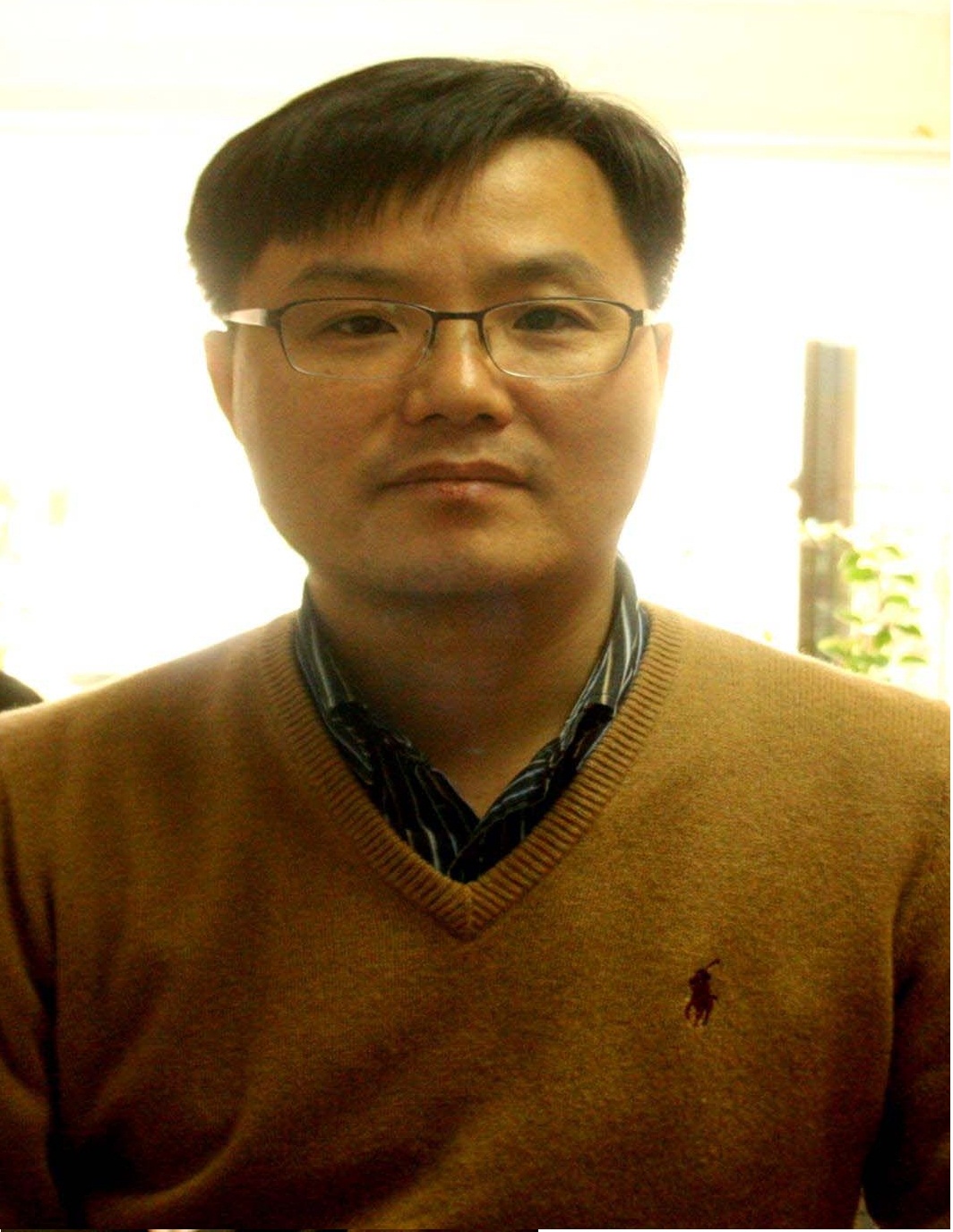 Geun Hyung Kim合作论文数Department of Biomechatronic Engineering, College of Biotechnology and Bioengineering, Sungkyunkwan University2
 Addisu Mesfin合作论文数Department of Neurosurgery, University of Rochester Medical Center2Choi Ahnryul合作论文数College of Biotechnology and Bioengineering, Sungkyunkwan University2
 Kevin Wang合作论文数Center for Neurotrauma, Multiomics & Biomarkers, Morehouse School of Medicine;Neuroscience Institute, Morehouse School of Medicine;Gryphon Bio;Owl Therapeutics2
 Seung Woo Suh合作论文数Department of Orthopedics, College of Medicine, Korea University2JaeHwan Lee合作论文数2Won-Kyo Jung合作论文数1
 Brigitte F. Schmidt合作论文数1Mari L Groves合作论文数1Rachel B. Sotsky合作论文数1Niyathi Prasad合作论文数1Alice J. Hughes合作论文数1
 Zachary Zimmer合作论文数1Cory M Hale合作论文数1Umasuthan Srikumaran合作论文数1




