INTRODUCTION:Emergency department (ED) overcrowding prolongs dwell time; age-related mortality effects remain uncertain. This study evaluated ED dwell time and mortality across pediatric, adult, and older adult trauma populations. METHODS:This retrospective cohort study used the National Trauma Data Bank (2018-2022). Dwell time from ED arrival to ED discharge was described continuously and categorically (0 to 1, 1 to 3, 3 to 8, 8 to 24, >24 h). The exposures of interest were ED dwell time and age. The primary outcome was ED or hospital mortality. Associations between ED dwell time, age, and mortality were evaluated using mixed-effects logistic regression and Cox proportional hazards models. RESULTS:Among 3,701,017 trauma encounters, median ED dwell time was longest among older adults (3.1 h) followed by adults (2.6 h) and pediatric patients (2.4 h). Among patients who died after hospital admission, ED dwell time in older adults (2.1 h) was approximately twice that of adults (1.0 h) and pediatrics (0.8 h). In the mixed-effects model, each additional year of age was associated with a 3.6% increase in mortality odds (adjusted odds ratio [aOR]: 1.036, 95% confidence interval [CI]: 1.03-1.04). In the Cox model, each additional year of age was associated with a 1.3% increase in mortality hazard (hazard ratio [HR]: 1.013, 95% CI: 1.012-1.014). CONCLUSION:Older adults experienced longer ED dwell times and higher adjusted mortality risk. ED dwell time likely reflects both system-level factors, such as operational throughput and patient-level factors, including injury presentation and physiologic vulnerability. These findings support age-informed triage and early risk stratification.
Because of the steep learning curve, advanced practice provider (APP) attrition within acute care surgery (ACS) is high, resulting in low morale and a substantial financial burden on institutions. We created a comprehensive, 1-year ACS APP fellowship to provide training for new APPs to reduce attrition and improve morale. The fellowship consisted of weekly lectures and simulation sessions, structured rotations on ACS and subspecialty services, and assigned mentoring on each service to fellows. To date, 3 ACS APP fellow classes have graduated the program with 80% accepting full-time positions. APP fellowships provide specialized training while eliminating financial burdens preventing adequate training for new providers. (c) 2025 Elsevier Inc. All rights are reserved, including those for text and data mining, AI training, and similar technologies.
Urban Emergency Medical Services benefit from an increased number of higher-level personnel (Advanced Emergency Medical Technicians and Paramedics) responding to all calls that are trained to obtain intravenous access. Current Advanced Trauma Life Support guidelines require all trauma patients to receive intravenous access, and as such it is essential for EMS clinicians to be conversant with situations which may require fluid resuscitation. These situations are especially common in rural or austere environments as long transport times require EMS clinicians to maintain adequate hemodynamics until arrival at a trauma center for definitive care. Historically, crystalloid solutions have been the mainstay of fluid resuscitation with Normal Saline or Lactated Ringer’s solution being preferred. Despite the recent shift in best practices from aggressive fluid resuscitation to delayed or significantly scaled back fluid resuscitation in most settings of trauma, it is essential for EMS clinicians to understand when fluid resuscitation is indicated, or, more importantly, contraindicated. EMS clinicians must be comfortable with the various fluids available to them in the field. This review provides an overview of the most common crystalloid fluids and blood component therapies which may be used for resuscitation in the prehospital setting.
Obstetrical care in the United States is in crisis. As timely access to obstetric care becomes increasingly less common in the United States, the role of an emergency medical services clinician in the care of a pregnant trauma patient has become increasingly important, particularly in rural or austere environments with extended times to arrival at a trauma center with capacity to provide definitive obstetrical care. In this review, we provide considerations for the primary management of pregnant trauma patients in a prehospital setting by reviewing the essentials of immediate care by organ system, with particular emphasis on airway support and medication considerations in pregnancy.
Introduction Damage Control Surgery (DCS) is a surgical technique used to manage critically ill and injured patients. This study examines the most recent 10-y outcomes related to DCS, with the secondary goal of scrutinizing the outcomes after DCS across surgical theaters. Methods Studies published between 2012 and 2021 that described adult patients undergoing Abdominal DCS after traumatic injury were included. Outcomes were reported as medians-of-means and interquartile range. Results Fifty-two studies met inclusion criteria (9932 patients), all 52 were included in the Military versus Civilian comparison which includes 46 Civilian (9244 patients) and 6 Military (688 patients) studies. Forty-three studies were included in the United States (US) and non-US comparison, with 10 non-US (2092 patients), and 33 US (6572 patients) studies. Overall, study quality was low, the majority having a high or unclear risk of bias. Across all studies, the median 24-h mortality was 14% (5.1-21.2) and 30-d mortality was 17.9% (9.4-28.3). Between subgroups, the Military cohort had a 30-d mortality 9-fold lower than the Civilian cohort (2.1% versus 18.9%), and the non-US cohort had more than 3 times the 24-h mortality (23.8% versus 7.5%) and double the 30-d mortality (37.2% versus 14.6%) of the US cohort. Conclusions Striking disparities are seen within current literature as it relates to outcomes after DCS between Military and Civilian and US and non-US populations. Trauma surgeons both within the US and internationally may benefit from looking to their Military counterparts for guidance to better care patients requiring DCS.
INTRODUCTION:Hollow viscus injuries (HVIs) are difficult to diagnose, and delay to diagnosis negatively impacts outcome. We sought to determine the incidence of HVI, mortality, and the time to primary HVI procedure in older adult (≥65 y) trauma patients compared to adult patients (15-64 y). METHODS:This retrospective cohort study included patients age ≥15 in a motor vehicle collision included in years 2021-2023 of the Trauma Quality Improvement Program database. Adjusted odds of HVI were classified based on relevant International Classification of Diseases-10th Revision diagnosis codes. A multivariable logistic regression model controlling for injury severity and other relevant covariates was calibrated to determine odds of mortality between cohorts. The effect of time to primary HVI procedure on mortality was compared using a multivariable cox proportional hazards model adjusted for the same covariates to identify risk of death over time. RESULTS:A total of 783,952 patients were involved in a motor vehicle collision during the study period resulting in 12,156 HVI (10,781 adult and 1375 older adult). Adjusted odds of HVI were 48% lower in older adult patients. In the 2953 patients undergoing an HVI operation, the likelihood of mortality was eight times higher in older adult patients compared to adults, with older adult patients taking nearly double the time to the operating room. Additionally, delays from admission to HVI operation of greater than 1 h were associated with higher probabilities of death for older adult patients, and by 48 h their probability of death was 13 percentage points higher (16.20% for older adults versus 3.28% for adults). CONCLUSIONS:Older adult patients decompensate more rapidly than their younger counterparts, making prompt diagnosis and surgical intervention essential to obtaining the best outcomes. Future research should focus on how to optimize timely HVI diagnosis and intervention in older adult patients to minimize the disparity in outcomes between age groups.
ABSTRACT Since the beginning of time, man has been intrigued with the question of when a person is considered dead. Traditionally, death has been considered the cessation of all cardiorespiratory function. At the end of the last century a new definition was introduced into the lexicon surrounding death in addition to cessation of cardiac and respiratory function: Brain Death/Death by Neurologic Criteria (BD/DNC). There are medical, legal, ethical, and even theological controversies that surround this diagnosis. In addition, there is no small amount of confusion among medical practitioners regarding the diagnosis of BD/DNC. For families enduring the devastating development of BD/DNC in their loved one, it is the duty of the principal caregiver to provide a transparent presentation of the clinical situation and clear definitive explanation of what constitutes BD/DNC. In this report, we present a historical outline of the development of BD/DNC as a clinical entity, specifically how one goes about making a determination of BD/DNC, what steps are taken once a diagnosis of BD/DNC is made, a brief discussion of some of the ethical/moral issues surrounding this diagnosis, and finally the caregiver approach to the family of a patient who had been declared with BD/DNC. It is our humble hope that with a greater understanding of the myriad of complicated issues surrounding the diagnosis of BD/DNC that the bedside caregiver can provide needed closure for both the patient and the family enduring this critical time in their life.
Introduction Tranexamic acid (TXA) is a potent antifibrinolytic drug that inhibits the activation of plasmin by plasminogen. While not a new medication, TXA has quickly gained traction across a variety of surgical subspecialties to prevent and treat bleeding. Knowledge on the use of this drug is essential for the modern surgeon to continue to provide excellent care to their patients. Methods A comprehensive review of the PubMed database was conducted of articles published within the last 10 y (2014-2024) relating to TXA and its use in various surgical subspecialties. Seminal studies regarding the use of TXA older than 10 y were included from the author's archives. Results Indications for TXA are not limited to trauma alone, and TXA is utilized across a variety of surgical subspecialties from neurosurgery to hepatic surgery to control hemorrhage. Overall, TXA is well tolerated with common dose-dependent adverse effects, including headache, nasal symptoms, dizziness, nausea, diarrhea, and fatigue. More severe adverse events are rare and easily mitigated by not exceeding a dose of 50 mg/kg. Conclusions The administration of TXA as an adjunct to treat trauma saves lives. The ability of TXA to induce seizures is dose dependent with identifiable risk factors, making this serious adverse effect predictable. As for the potential for TXA to cause thrombotic events, uncertainty remains. If this association is proven to be real, the risk will likely be small, since the use of TXA is still advantageous in most situations because of its efficacy for a more common concern, bleeding.
Introduction Optimal venous thromboembolism (VTE) enoxaparin prophylaxis dosing remains elusive. Weight-based (WB) dosing safely increases anti-factor Xa levels without the need for routine monitoring but it is unclear if it leads to lower VTE risk. We hypothesized that WB dosing would decrease VTE risk compared with standard fixed dosing (SFD).Methods Patients from the prospective, observational CLOTT-1 registry receiving prophylactic enoxaparin (n=5539) were categorized as WB (0.45–0.55 mg/kg two times per day) or SFD (30 mg two times per day, 40 mg once a day). Multivariate logistic regression was used to generate a predicted probability of VTE for WB and SFD patients.Results Of 4360 patients analyzed, 1065 (24.4%) were WB and 3295 (75.6%) were SFD. WB patients were younger, female, more severely injured, and underwent major operation or major venous repair at a higher rate than individuals in the SFD group. Obesity was more common among the SFD group. Unadjusted VTE rates were comparable (WB 3.1% vs. SFD 3.9%; p=0.221). Early prophylaxis was associated with lower VTE rate (1.4% vs. 5.0%; p=0.001) and deep vein thrombosis (0.9% vs. 4.4%; p<0.001), but not pulmonary embolism (0.7% vs. 1.4%; p=0.259). After adjustment, VTE incidence did not differ by dosing strategy (adjusted OR (aOR) 0.75, 95% CI 0.38 to 1.48); however, early administration was associated with a significant reduction in VTE (aOR 0.47, 95% CI 0.30 to 0.74).Conclusion In young trauma patients, WB prophylaxis is not associated with reduced VTE rate when compared with SFD. The timing of the initiation of chemoprophylaxis may be more important than the dosing strategy. Further studies need to evaluate these findings across a wider age and comorbidity spectrum.Level of evidence Level IV, therapeutic/care management.
Shock is a life-threatening circulatory failure that results in inadequate tissue perfusion and oxygenation. Vasopressors and inotropes are vasoactive medications that are vital in increasing systemic vascular resistance and cardiac contractility, respectively, in patients presenting with shock. To be well versed in using these agents is an important skill to have in the critical care setting where patients can frequently exhibit symptoms of shock. In this review, we will discuss the pathophysiological mechanisms of shock and evaluate the current evidence behind the management of shock with an emphasis on vasopressors and inotropes.
ABSTRACT:Postpartum hemorrhage is the leading cause of preventable maternal illness and death globally and carries a disproportionately high burden of mortality in low- to middle-income countries. Tranexamic acid, an antifibrinolytic drug, has been widely adopted to control bleeding in trauma and other surgical conditions. Within the last decade, the World Health Organization updated their guidelines for the treatment of postpartum hemorrhage to include the use of tranexamic acid in all cases of postpartum hemorrhage. However, despite these guidelines and the proven utility of tranexamic acid to treat postpartum hemorrhage, widespread adoption of tranexamic acid into global standards of care across professional organizations has not been achieved. It is important for healthcare providers to understand the etiologies of postpartum hemorrhage, the mechanism of action and adverse effect profile of tranexamic acid, and the available literature regarding the use of tranexamic acid to prevent and treat postpartum hemorrhage to provide the best care for the pregnant patient.
Background: Increasing trauma center admission volume is said to decrease mortality. Evidence supporting this position is dependent upon patient groups and the time period studied, and gaps remain. We evaluated the effect of annual volume of critically injured patients on hospital mortality, comparing two time periods. The effect of critically injured patient volume on risk-adjusted mortality was hypothesized to decrease over time. Methods: This was a retrospective cohort study comparing data from an early group (2007-2011) and late group (2017-2021) of the National Trauma Data Bank. Critically injured adults (ISS > 15) admitted to the intensive care unit (ICU) or operating room from the emergency department at Level I and II trauma centers were included. The outcome of interest was risk-adjusted mortality across quintiles of patient admission volume, modeled using mixed-effects generalized linear models. Results: In total, 802,824 patients were included, 321,209 and 481,615 in the early and late groups, respectively. In the early group, increased patient volume was associated with a decreased risk-adjusted odds of mortality. This association was not seen in the late group. The overall odds of mortality in the late group demonstrated decreased mortality over time (OR 0.84, p < 0.001). Conclusions: The annual volume of critically injured patients was associated with decreased odds of hospital mortality during 2007-2011, though this effect was no longer present in the 2017-2021 sample. The continued dissemination of the best practices is warranted to decrease mortality, regardless of the admission volume of critically injured patients.
ABSTRACT When pregnant patients are involved in traumatic incidents, the trauma clinician encounters two patients—both the mother and the unborn child. Advanced trauma life support dictates that the first priority is the life of the mother; however, there are rare situations where to provide the greatest chance of survival for both the mother and baby, an emergency cesarean section (perimortem cesarean delivery [PMCD]) must be performed. The decision to perform this procedure must occur quickly, and the reality is that a board-certified obstetrician is rarely present, particularly in rural areas. In this review, we provide a rationale for why trauma clinicians should be conversant with PMCDs, present the specific time limitations for performing a PMCD, and discuss the technique to perform a successful PMCD that makes it distinctly different from an elective cesarean delivery. Finally, we will discuss some things that a trauma program can do proactively in an obstetrical resource-poor area of the country to prepare for the rare instances where these procedures are necessary.
BACKGROUND: There are 3 pillars upon which the foundation of a teaching program in health care is founded: research, education, and clinical care. However, in a busy academic trauma practice, the unfortunate reality is that research is often a low priority in the frenzy of mandates for clinical productivity. OBJECTIVE: The purpose of this report is to advise hospitals on how to create a modest trauma research program that supports research interests without significantly impacting the overall clinical productivity of the department. METHODS: Relevant literature related to the development of an academic trauma research department was reviewed. Relevant articles were then compared to this manuscript to assess the novelty of the topic. RESULTS: There are 4 essential components of a trauma research program: (1) a zealot, (2) institutional commitment and support, (3) a statistician, and (4) registry data access. CONCLUSION: The creation of a trauma research program may seem like a herculean effort, but this work is necessary for institutions hoping to achieve status as a Level I/II trauma center. Following the steps outlined in this report, trauma providers can create a robust research program at their institution without sacrificing clinical productivity.
•Trauma system development has occurred sporadically in the United States.•Strengths discovered included American College of Surgeons Committee on Trauma leadership and the National Academy of Sciences, Engineering, and Medicine report.•Weaknesses included outcome disparities, undertriage, rural trauma, and underfunded research.•Opportunities included level IV trauma centers, telemedicine, Rural Trauma Team Development Course, air medical transport, and research.•The following threats were determined: mass casualty incidents, motor vehicle crashes, and underfunded trauma systems.
Rib fractures are present in 15% of all traumas and 60% of patients with chest traumas. Rib fractures are not life-threatening in isolation, but they can be quite painful which leads to splinting and compromise of respiratory function. Splinting limits the ability of a patient to take a deep breath, which leads to atelectasis, atelectasis to poor secretion removal, and poor secretion removal leads to pneumonia. Pneumonia is the common pathway to respiratory failure in patients with rib fractures. It is noted that in the elderly, each rib fracture increases developing pneumonia by 27% and the risk of dying by 19%. From a public health perspective, rib fractures have long-term implications with only 59% of patients returning to work at 6 months. In this review we will examine the state of art as it currently exists with regard to the management of pain associated with rib fractures. Included in this overview will be a brief review of the anatomy of the thorax and some important physiologic concepts, the latest trends in pharmacologic and noninvasive means of managing rib pain, a special section on epidural anesthesia, some other alternative invasive methods of pain control, and a review of the recent literature on rib plating. Finally, a practical, easy to follow guideline, to manage the patient with pain from rib fractures will be presented.
Injury is both a national and international epidemic that affects people of all age, race, religion, and socioeconomic class. Injury was the fourth leading cause of death in the United States (U.S.) in 2021 and results in an incalculable emotional and financial burden on our society. Despite this, when prevention fails, trauma centers allow communities to prepare to care for the traumatically injured patient. Using lessons learned from the military, trauma care has grown more sophisticated in the last 50 years. In 1966, the first civilian trauma center was established, bringing management of injury into the new age. Now, the American College of Surgeons recognizes 4 levels of trauma centers (I-IV), with select states recognizing Level V trauma centers. The introduction of trauma centers in the U.S. has been proven to reduce morbidity and mortality for the injured patient. However, despite the proven benefits of trauma centers, the U.S. lacks a single, unified, trauma system and instead operates within a "system of systems" creating vast disparities in the level of care that can be received, especially in rural and economically disadvantaged areas. In this review we present the history of trauma system development in the U.S, define the different levels of trauma centers, present evidence that trauma systems and trauma centers improve outcomes, outline the current state of trauma system development in the U.S, and briefly mention some of the current challenges and opportunities in trauma system development in the U.S. today.
 Steven R. Shackford合作论文数Department of Surgery, University of Vermont College of Medicine39
 Turner M. Osler合作论文数University of Rochester Medical Center, The University of Vermont37
 Eric H Bradburn合作论文数35
 Michael A Horst合作论文数29
 Cook Alan合作论文数Division of Trauma, Baylor University Medical Center28Amelia Rogers合作论文数24
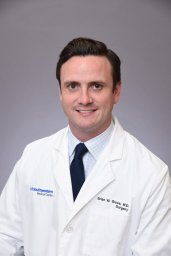 Brian Gross合作论文数Lancaster General Health24
 Rittenhouse Katelyn合作论文数Trauma Services, Lancaster General Health,22
 Madison Morgan合作论文数17Jo Ann Miller合作论文数16Benoit Blondeau合作论文数16Daniel Wu合作论文数16
 Gross Brian合作论文数16Dries David合作论文数16
 Tawnya Vernon合作论文数15John C. Lee合作论文数15Nicholas J Larson合作论文数11Shreya Jammula合作论文数11Edavettal Mathew合作论文数11Tracy Evans合作论文数9Jill A. Rebuck合作论文数9Steven L. Wald合作论文数8HO Kwok-Ming合作论文数Intensive Care Unit, Royal Perth Hospital, School of Population Health, University of Western Australia, Perth, WA Australia8
 Kennith H Sartorelli合作论文数Vermont Children’s Hospital, University of Vermont College of Medicine8Cole D Rinehart合作论文数7Caitlin Lynch合作论文数Trauma Dept, Penn Med Lancaster Gen Hlth7
 Dennis William Vane合作论文数Department of Surgery, College of Medicine, Medical University of South Carolina7Roxanne Chandler合作论文数6Vellucci Ashley合作论文数6Bupp Katherine合作论文数6
 David Hosmer合作论文数Department of Mathematics and Statistics, College of Engineering and Mathematical Sciences, University of Vermont;Department of Biostatistics and Epidemiology, School of Public Health and Health Sciences, University of Massachusetts6Carissa Harnish合作论文数5
 Peter Callas合作论文数5Jenny Chamberlain合作论文数5Krasne Margaret D合作论文数Department of Medicine, Memorial Sloan Kettering Cancer Center5James Alzate合作论文数4William Charash合作论文数4Bruce A Crookes合作论文数4Kellie E Bresz合作论文数4Maria Gillio合作论文数4Sana Nasim合作论文数4Sudhakar Rao合作论文数4Lloyd M. Nyhus合作论文数4David B. Pilcher合作论文数4Michael S. Klein合作论文数4Michael Caputo合作论文数Department of Economics;College of Business Administration;University of Central Florida4
 Chet Morrison合作论文数4
 Laurent G. Glance合作论文数Department of Anesthesiology, University of Rochester School of Medicine4
 Mark Cipolle合作论文数4




