Model predictive control (MPC) is an effective strategy for regulating constrained nonlinear systems, but its real-time implementation becomes challenging for high-order models and under uncertainty due to the need for repeated online optimization. Learning-based surrogates can alleviate this computational burden by approximating MPC policies. However, most existing approaches are trained under nominal conditions and exhibit limited robustness to disturbances, actuator faults, and distribution shifts. This paper proposes a disturbance-conditioned long shortterm memory (LSTM)-MPC control framework that integrates a pre-trained LSTM network, a finite-time disturbance observer, and a Lyapunov-based robust correction mechanism. The LSTM is trained offline using disturbance-informed data to approximate the optimal nonlinear MPC policy, enabling it to learn how control actions vary under different disturbance conditions. During online operation, a disturbance observer reconstructs the combined effects of actuator faults, saturation, and modeling uncertainties in finite time, and these estimates are used to adapt the predictive control policy without repeated optimization. A robust correction term is incorporated to compensate for neural approximation errors and transient estimation inaccuracies, ensuring stable closed-loop performance under bounded disturbances. The framework is evaluated on a nonlinear nanobeam system governed by nonlo cal strain-gradient elasticity, representing sizedependent systems with strong nonlinear dynamics. Numerical results under unseen initial conditions, actuator saturation, and time-varying faults demonstrate that the proposed controller achieves tracking performance comparable to or better than nonlinear MPG while reducing online computation time by approximately three to four times. These results show that explicit disturbance conditioning significantly enhances the robustness and generalization of learning-based MPG surrogates, making the proposed approach well suited for real-time control of nonlinear systems under uncertainty.
This paper introduces a hybrid fault-tolerant control framework for nonlinear upper-limb rehabilitation robots subject to actuator saturation and time-varying uncertainties. The approach combines a deep neural network (DNN)-based state-space model to capture nonlinear rehabilitation dynamics, a finite-time disturbance observer to address unmodeled effects and actuator degradation, and a finite-time sliding-mode controller that enforces actuator limits. Established finite-time Lyapunov tools are used to guarantee convergence in the presence of modeling errors, faults, and input constraints. Simulation studies under ideal, input-constrained, and actuatorfault conditions show substantial improvements in tracking accuracy, up to 58 % faster convergence, and smoother, more energy-efficient control inputs compared to PID and classical SMC baselines. The use of fixedsize matrix-vector computations supports real-time execution on embedded platforms. This framework effectively integrates data-driven modeling with robust finite-time control, providing a practical and reliable solution for human-in-the-loop rehabilitation systems.
Synchronization of chaotic systems is a key challenge in nonlinear dynamics, especially when optimality and stability certification are needed. Although Koopman-based control offers a promising approach for linearizing nonlinear systems in lifted coordinates, its use in chaotic synchronization is fundamentally constrained by a scale-separation issue. With fine temporal discretization, the control influence becomes numerically insignificant relative to the intrinsic nonlinear evolution, leading to the lifted input operator collapsing and controllability being lost. This work addresses the vanishing-input problem using a multi-step control-affine Koopman approach with explicit paired supervision to maintain input identifiability in the lifted space. This method restores controllability and enables discrete-time LQR synthesis, with a clear spectral radius stability certificate for chaotic synchronization. When applied to the Ro & uml;ssler system, the framework achieves rapid convergence (0.09 s) and low synchronization error (ISE = 0.38), outperforming neural, sliding-mode, adaptive, and proportional-integral (PI) synchronization methods under the same constraints. The learned Koopman eigenfunctions also reveal a geometric decomposition of the chaotic attractor into amplitude and phase modes, offering interpretability beyond numerical performance. These findings establish a certifiable, optimal-bydesign framework for chaotic synchronization and clarify the structural requirements for Koopman-based control in strongly nonlinear regimes
Nonlinear vibratory energy harvesters often exhibit multiple coexisting attractors, making their control challenging and energy-intensive. Ensuring an effective transition between these attractors while minimizing control effort is crucial for maximizing power generation and maintaining system stability. This paper introduces a differentiable data-driven control strategy that optimizes energy harvester performance by leveraging a neural network (NN)-based control framework. Unlike traditional fixed-gain or surrogate modeling approaches, the proposed method directly integrates system dynamics and control power consumption into the gain adaptation process, ensuring real-time adaptability. By exploiting the differentiability of neural networks, the controller employs gradient-based optimization to continuously refine control parameters in response to changes in operating conditions. The control framework consists of an offline training phase, where the neural network learns an energy-efficient control strategy through differentiable simulations. During this phase, the neural network is trained using a large dataset of system responses to different control inputs, allowing it to learn the most energy-efficient control strategy. This trained network is then used in the online deployment phase, where the trained controller dynamically adjusts control parameters in real-time. The proposed approach minimizes control energy consumption and efficiently guides the system toward the high-energy attractor, avoiding unnecessary control effort. Our approach significantly outperforms conventional PID-based sliding mode controllers. Simulation results confirm that the differentiable controller considerably enhances energy harvesting efficiency and reduces chattering, ensuring a smooth transition to the high-energy orbit while maintaining robust system stability. The study also highlights the necessity of an adaptive control strategy, stressing the urgency of its implementation for optimal energy extraction.
This paper proposes a novel bi-fidelity control framework for robotic manipulators that integrates a high-fidelity model predictive control (MPC) scheme with a low-fidelity Long Short-Term Memory (LSTM) neural network surrogate. Unlike conventional fixed-schedule approaches, our method employs an event-triggered mechanism that dynamically selects the appropriate controller based on a real-time error metric. This mechanism ensures that the computationally intensive MPC is invoked only when the LSTM approximation deviates beyond acceptable bounds. We rigorously established the near-optimal performance and closed-loop stability of our approach via Lyapunov analysis under mild assumptions, instilling confidence in its reliability. The simulation results on a three-arm manipulator, subject to low-frequency sinusoidal and high-frequency chirp trajectories, demonstrate that the proposed approach achieves up to 80–90% reduction in MPC calls, significantly improving the accuracy of the follow-up and computational efficiency. These findings highlight the potential of integrating learning-based approximations with conventional optimization-based control to achieve reliable and time-efficient performance in complex robotic manipulation tasks.
The liver is one of the organs with the highest incidence rate in the human body, and late-stage liver cancer is basically incurable. Therefore, early diagnosis and lesion location of liver cancer are of important clinical value. This study proposes an enhanced network architecture ELTS-Net based on the 3D U-Net model, to address the limitations of conventional image segmentation methods and the underutilization of image spatial features by the 2D U-Net network structure. ELTS-Net expands upon the original network by incorporating dilated convolutions to increase the receptive field of the convolutional kernel. Additionally, an attention residual module, comprising an attention mechanism and residual connections, replaces the original convolutional module, serving as the primary components of the encoder and decoder. This design enables the network to capture contextual information globally in both channel and spatial dimensions. Furthermore, deep supervision modules are integrated between different levels of the decoder network, providing additional feedback from deeper intermediate layers. This constrains the network weights to the target regions and optimizing segmentation results. Evaluation on the LiTS2017 dataset shows improvements in evaluation metrics for liver and tumor segmentation tasks compared to the baseline 3D U-Net model, achieving 95.2% liver segmentation accuracy and 71.9% tumor segmentation accuracy, with accuracy improvements of 0.9% and 3.1% respectively. The experimental results validate the superior segmentation performance of ELTS-Net compared to other comparison models, offering valuable guidance for clinical diagnosis and treatment.
In this paper, a distributed filter is designed for time-varying systems corrupted by dy-namic bias and packet disorders over sensor networks, where the plant under consider-ation includes stochastic bias which is governed by a dynamical equation. Moreover, the transmission delays are present in all sensor-to-filter communication channels, and such delays are described by using random variables that have known probability distributions. We focus on constructing a distributed yet recursive filter under the corruption of dynamic bias plus packet disorders. By means of the inductive method, upper bounds (on attained error covariances of the distributed filter) are first given and later minimized by properly parameterizing filter gains. Subsequently, a sufficient condition is presented to rigorously ensure the mean-square boundedness with respect to attained filtering errors. Finally, an example is given for effectiveness validation.(c) 2022 Elsevier Inc. All rights reserved.
This paper is concerned with the stability issue of quaternion-valued neural networks with neutral delay, proportional delay and leakage delay. Taking use of the principle of homeomorphism, techniques of matrix inequality and Lyapunov stability theory, a main stability criterion is derived in the form of quaternion-valued linear matrix inequality for ensuring the unique existence and global stability of the equilibrium point for the considered quaternion-valued neural networks. An illustrative example and its simulations are given to show the effectiveness of the theoretical result.
In this paper, an outlier-resistant sequential fusion problem is concerned for cyber-physical systems with quantized measurements under denial-of-service attacks. The multi-sensor measurements are quantized by a bank of logarithmic quantizers before entering into communication networks. The denial-of-service attack is, from the defenders' perspective, regarded to be randomly occurring and such an occurrence is governed by a Bernoulli-distributed sequence of certain probability distribution. To suppress effects from measurement outliers onto innovations, tailored saturation functions are dedicatedly introduced to filter structures at both local and fusion stages, thereby keeping satisfactory fusion performance. By finding solutions to a set of matrix difference equations, upper bounds are initially acquired on estimator error covariances, and associated estimator parameters are subsequently secured via minimizing these acquired bounds. Two examples are finally presented to showcase the applicability of this outlier-resistant sequential fusion algorithm.
In this paper, the fusion estimation problem is investigated for a class of multi-sensor networked systems with unknown-but-bounded noises and mixed time-delays under try-once-discard protocols (TODPs). The measurements of multiple sensor nodes are sent to the remote fusion center through individual network channels, where the TODP is implemented in each channel to schedule the signal transmissions for the purpose of avoiding data collisions. To fuse the information collected from all channels, a sequential estimator is proposed whose estimator parameters are designed such that the estimation error (after each measurement update) is restrained into a zonotope with minimum F-radius at each moment. First, by using the properties of zonotopes, desired zonotopes are obtained that contain the estimation errors, and the F-radii of these zonotopes are subsequently minimized by appropriately designing the estimator parameters. It is shown that, under the proposed zonotopes-based fusion rule, the designed sequential estimator leads to the same estimation accuracy as that of the widely utilized parallel estimator. Finally, an illustrative example is provided to verify the validity of the developed fusion estimation method.
In this work, a sequential switching quadratic particle swarm optimization (SSQPSO) scheme is investigated, where the velocity update mechanism is improved to enhance the convergence performance. Considering the sequential characteristics (related to evolution factors) of the evolution process, a Markov chain with special probability transition matrix is employed to characterize the switching of evolution state. With the help of the mean distance, the concept of population density is first put forward in the dynamic search region enclosed by all particles. Then, taking into account the change of the population density in different generations, two quadratic acceleration terms are introduced into the velocity update model based on the Hadamard product, where four evolution-state-dependent acceleration coefficients are also adopted. The positivity or negativity of the quadratic acceleration terms is retained by resorting to the matrix sign functions. Several widely utilized benchmark functions (including two unimodal and multimodal functions) are employed to evaluate the search capability of the studied SSQPSO scheme. The experimental consequences illustrate that the performance of the developed SSQPSO scheme is superior to that of some popular particle swarm optimization (PSO) schemes. To further demonstrate the effectiveness in practical engineering, the addressed SSQPSO scheme is successfully applied to achieve the fast parameter tuning of the proportional-integral-derivative controller in a spring-mass-damper system.
This article deals with the distributed $H_{\infty }$ -consensus estimation problem for a class of discrete time-varying random parameter systems over binary sensor networks, where the statistical information of the random parameter matrix is characterized by a generalized covariance matrix known a priori. As a binary sensor can only provide one bit of information according to a given threshold, an indicator variable is introduced so as to extract functional information (from the sensor output) that can be employed to estimate the system state. With the introduced indicator variable, a distributed estimator is constructed for each binary sensor with guaranteed $H_{\infty }$ -consensus performance constraint on the estimation error dynamics over a finite horizon. By means of a local performance analysis method, indicator-variable-dependent conditions are established for the existence of the desired distributed estimators whose gains are calculated by solving a set of recursive linear matrix inequalities. Finally, the applicability and effectiveness of the developed distributed estimation scheme are demonstrated through a numerical example.
This paper is concerned with the distributed filtering problem for a class of discrete time-varying stochastic systems over binary sensor networks with the Rayleigh fading channels. Both the system state and measurement are subject to random noises with known statistical information, where the distribution function of measurement noise is employed to extract the functional information for state estimation purposes. The communication between a sensor node and its neighboring ones is implemented over a Rayleigh fading channel. For each binary sensor, a distributed filter is constructed by virtue of the available information from itself and its neighboring nodes, and the overall filtering error dynamics is guaranteed to be exponentially ultimately bounded in the mean square sense. By resorting to a local performance analysis method, sufficient criteria are established for ensuring the existence of the desired distributed filter in terms of a set of recursive linear matrix inequalities. The desired filter parameters are recursively calculated on every node by solving an optimization problem at each time instant with the aim of improving the estimation accuracy. Finally, some comparative results are presented to demonstrate the applicability and effectiveness of the developed distributed filtering scheme.
In this paper, a novel deep learning-based medical imaging analysis framework is developed, which aims to deal with the insufficient feature learning caused by the imperfect property of imaging data. Named as multi-scale efficient network (MEN), the proposed method integrates different attention mechanisms to realize sufficient extraction of both detailed features and semantic information in a progressive learning manner. In particular, a fused-attention block is designed to extract fine-grained details from the input, where the squeeze-excitation (SE) attention mechanism is applied to make the model focus on potential lesion areas. A multi-scale low information loss (MSLIL)-attention block is proposed to compensate for potential global information loss and enhance the semantic correlations among features, where the efficient channel attention (ECA) mechanism is adopted. The proposed MEN is comprehensively evaluated on two COVID-19 diagnostic tasks, and the results show that as compared with some other advanced deep learning models, the proposed method is competitive in accurate COVID-19 recognition, which yields the best accuracy of 98.68% and 98.85%, respectively, and exhibits satisfactory generalization ability as well.
As an effective vehicle, uncertainty theory is applicable for handling subjective indeterminacy. Based on uncertainty theory, the Hurwicz model of the zero-sum uncertain differential game with jump is formulated, in which the dynamic system is portrayed by an uncertain differential equation satisfying both the canonical Liu process and V-jump uncertain process. An equilibrium equation for solving the saddle-point of the above game is proposed. In addition, the game with a linear dynamic system and the quadratic objective function is further analysed. At last, a resource extraction problem using our theoretical results is described.
In this paper, a magnetic resonance imaging (MRI) oriented novel attention-based glioma grading network (AGGN) is proposed. By applying the dual-domain attention mechanism, both channel and spatial information can be considered to assign weights, which benefits highlighting the key modalities and locations in the feature maps. Multi-branch convolution and pooling operations are applied in a multi-scale feature extraction module to separately obtain shallow and deep features on each modality, and a multi-modal information fusion module is adopted to sufficiently merge low-level detailed and high-level semantic features, which promotes the synergistic interaction among different modality information. The proposed AGGN is comprehensively evaluated through extensive experiments, and the results have demonstrated the effectiveness and superiority of the proposed AGGN in comparison to other advanced models, which also presents high generalization ability and strong robustness. In addition, even without the manually labeled tumor masks, AGGN can present considerable performance as other state-of-the-art algorithms, which alleviates the excessive reliance on supervised information in the end-to-end learning paradigm.
In this paper, a novel dual-pathway-fusion-based sequence-to-sequence learning model (DPF-S2S) is proposed for text recognition in the wild, which mainly focuses on enriching the spatial information and extracting high-dimensional representation features to assist decoding. In particular, a double alignment module is developed to solve the problem of text misalignment, where both position and vision information are well considered. Moreover, a global fusion module is deployed to enrich 2D information in the aligned attention maps, which benefits accurate recognition from complicated scenes with arbitrary text shapes and poor imaging conditions. Benchmark evaluations on seven datasets have demonstrated the superiority of proposed DPF-S2S model in comparison to other state-of-the-art text recognition methods, which presents great competitiveness on identifying texts in both regular and irregular scenes. In addition, extensive ablation studies have been carried out, which validate the effectiveness of applied strategies in proposed DPF-S2S.
In this paper, a novel attention augmented Wasserstein generative adversarial network (AA-WGAN) is proposed for fundus retinal vessel segmentation, where a U-shaped network with attention augmented convolution and squeeze-excitation module is designed to serve as the generator. In particular, the complex vascular structures make some tiny vessels hard to segment, while the proposed AA-WGAN can effectively handle such imperfect data property, which is competent in capturing the dependency among pixels in the whole image to highlight the regions of interests via the applied attention augmented convolution. By applying the squeeze-excitation module, the generator is able to pay attention to the important channels of the feature maps, and the useless information can be suppressed as well. In addition, gradient penalty method is adopted in the WGAN backbone to alleviate the phenomenon of generating large amounts of repeated images due to excessive concentration on accuracy. The proposed model is comprehensively evaluated on three datasets DRIVE, STARE, and CHASE_DB1, and the results show that the proposed AA-WGAN is a competitive vessel segmentation model as compared with several other advanced models, which obtains the accuracy of 96.51%, 97.19% and 96.94% on each dataset, respectively. The effectiveness of the applied important components is validated by ablation study, which also endows the proposed AA-WGAN with considerable generalization ability.
In this paper, the issue of input-to-state exponential stability (ISES) for stochastic complex-valued neural networks with neutral delay (SCVNNs) and discrete delay is considered. Without separating the SCVNNs into two real-valued systems, two criteria expressed through linear matrix inequality (LMI) to pledge ISES of the considered SCVNNs are derived based on Itô formula in complex-valued field, Lyapunov–Krasovskii functional approach as well as some relevant inequality skills. Two examples are furnished to verify the raised results.
In this paper, a general framework of user-based collaborative filtering (CF) is developed with a new p-moment-based similarity measure. The p-moment-based statistics (PMS) of individual rating data are employed to analyze the user rating habit, thereby facilitating the performance improvement of the CF algorithm. On the basis of the PMS, a new yet comprehensive similarity measure is proposed to quantify the distance between two users with focus on both the users’ preferences on items and their rating habits. Compared with the traditional ones, our proposed similarity measure is more general with clearer application insights in complicated situations. Furthermore, the weights of different statistics are regarded as adjustable parameters that are determined by utilizing the particle swarm optimization technique so as to achieve good prediction performance. Based on the proposed similarity measure with optimized weights, the neighborhood set consisting of similar users is formed and then the user-based rating prediction is eventually provided. The developed CF algorithm has advantages of high prediction accuracy and wide application potential. Moreover, this CF algorithm is applied on a real-world disease (Friedreich’s ataxia) assessment system in order to assist diagnosis for patients with uncertain/missing information. Experimental results demonstrate the validity and efficiency of the proposed algorithm.
 Zidong Wang合作论文数Department of Computer Science, Brunel University London;Centre for Intelligent Data Analysis, School of Information Systems, Computing and Mathematics, Brunel University London145
 Yurong Liu (刘玉荣)合作论文数School of Mathematical Science, Yangzhou University89
 Ahmed Eid Salem Alsaedi合作论文数Department of Mathematics, Faculty of Science, King Abdulaziz University52
 Jinde Cao (曹进德)合作论文数Department of System Science, School of Mathematics, Southeast University47
 Tasawar Hayat合作论文数Department of Mathematics, Quaid-i-Azam University37
 Bo Shen (沈波)合作论文数College of Information Science and Technology, Donghua University25
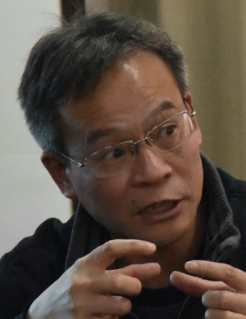 Qiankun Song (宋乾坤)合作论文数School of Mathematics and Statistics, Chongqing Jiaotong University;School of Science, Chongqing Jiaotong University21
 Hongli Dong (董宏丽)合作论文数Northeast Petroleum University19
 Fawaz E. Alsaadi合作论文数King Abdulaziz Univ, Fac Comp & IT, Dept Informat Technol, Jeddah 21589, Saudi Arabia18
 Guoliang Wei (魏国亮)合作论文数College of Science, University of Shanghai for Science and Technology18
 Derui Ding (丁德锐)合作论文数School of Optical-Electrical and Computer Engineering, University of Shanghai for Science and Technology17
 Nianyin Zeng (曾念寅)合作论文数Department of Instrumental and Electrical Engineering, School of Aerospace Engineering, Xiamen University;Intelligent System and Computing Lab, Xiamen University17
 Jianquan Lu (卢剑权)合作论文数System Science Department, School of Mathematics, Southeast University17
 Jaafar Elmirghani合作论文数Department of Engineering, Faculty of Natural, Mathematical & Engineering Sciences, King's College London;Neom17
 Guiwu Wei (卫贵武)合作论文数School of Business, Sichuan Normal University16
 Zhenjiang Zhao合作论文数16
 Yang Liu (刘洋)合作论文数School of Mathematical Sciences, Zhejiang Normal University14
 Hongjian Liu (刘宏建)合作论文数School of Mathematics and Physics, Anhui Polytechnic University13
 Yuhua Cheng (程玉华)合作论文数School of Automation Engineering, University of Electronic Science and Technology of China13
 Yuxuan Shen合作论文数Heilongjiang Prov Key Lab Networking & Intelligen, Northeast Petr Univ11
 Weibo Liu合作论文数Brunel Univ London, Dept Comp Sci, Uxbridge UB8 3PH, Middx, England11
 Yuqiang Luo合作论文数Shanghai Key Lab of Modern Optical System, University of Shanghai for Science and Technology11
 Hang Geng (耿航)合作论文数School of Automation Engineering, University of Electronic Science and Technology of China11
 Xiaohui Liu合作论文数Department of Computer Science, College of Engineering, Design and Physical Sciences, Brunel University London11
 Xinsong Yang (杨鑫松)合作论文数College of Electronics and Information Engineering, Sichuan University10
 Lifeng Ma (马立丰)合作论文数School of Automation, Nanjing University of Science and Technology10
 Haitao Li (李海涛)合作论文数School of Instrumentation and Optoelectronic Engineering, Beihang University10
 Tingwen Huang (黄廷文)合作论文数Faculty of Computer Science and Control Engineering, Shenzhen University of Advanced Technology9
 Jianlong Qiu (邱建龙)合作论文数School of Automation and Electrical Engineering, Linyi University8
 Abdullah M. Dobaie合作论文数8
 Dong Wang (王东)合作论文数School of Control Science and Engineering, Dalian University of Technology8
 Jinling Liang (梁金玲)合作论文数Department of System Science, School of Mathematics, Southeast University8
 Lei Zou (邹磊)合作论文数College of Information Science and Technology, Donghua University8
 Huijun Gao (高会军)合作论文数School of Astronautics, Harbin Institute of Technology8
 Sunjie Zhang合作论文数8
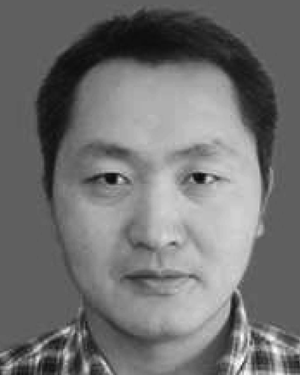 Yonggang Chen合作论文数8
 Viet-Thanh Pham合作论文数7
 Peishu Wu合作论文数7Mao Lu合作论文数Sichuan Normal Univ, Sch Business, Chengdu 610101, Sichuan, Peoples R China7
 Weiwei Zhang合作论文数Anqing Normal Univ, Sch Math & Computat Sci, Anqing 246011, Peoples R China7
 Jun Hu (胡军)合作论文数Harbin University of Science and Technology7
 Zhen Wang (王震)合作论文数College of Mathematics and Systems Science, Shandong University of Science and Technology;College of Computer Science and Engineering, Shandong University of Science and Technology7
 Wenbing Zhang (张文兵)合作论文数College of Mathematical Science, Yangzhou University7
 Dan Liu合作论文数7
 Jungang Lou (楼俊钢)合作论文数湖州师范学院信息工程学院7
 K.R. Rajagopal合作论文数6
 R. Samidurai合作论文数Department of Mathematics, Thiruvalluvar University6Yuanyuan Li (李媛媛)合作论文数Jiangsu Province Key Lab of Pulp and Paper Science and Technology,Nanjing Forestry University,Nanjing ,China6
 Li Sheng (盛立)合作论文数College of Control Science and Engineering, China University of Petroleum6




