Introduction and Objective: Type 2 diabetes (T2D) is a common cause of end-stage kidney disease (ESKD). Diabetes management in this population is challenging. This study aimed to describe national trends in the use of antidiabetic medications among patients with T2D and ESKD. Methods: We conducted a retrospective analysis of the USRDS database (2013-2017), including adults (≥18 years) with T2D on dialysis for ≥3 months. Descriptive statistics were used, and hypoglycemia rates (1,000 person-years) were calculated across treatment subgroups, with p < 0.05 considered significant. Results: Among 244,279 patients included (mean age 64.8 ± 11.9 years; 47.9% female), prescriptions for human insulin declined (10.4% to 6.7%), while for insulin analogues increased (18.3% to 23.3%) from 2013 to 2017. Use of DPP-4 inhibitors (DPP-4i) and GLP-1 (GLP-1a) agonists increased from 7.7% to 11.7% and from 0.5% to 1.5%, respectively. Sulfonylurea use decreased from 24.0% to 19.7% (Figure 1.). Rates of severe hypoglycemia among users of sulfonylureas and glinides were 75.39 and 51.82 per 1,000 person-years, respectively. Conclusion: We found improvements in prescribing patterns, including decreased utilization of human insulin and sulfonylureas. However, use of antidiabetic agents with lower hypoglycemic risk (DPP-4i and GLP-1a) was low, while hypoglycemia remains common among patients with T2D and ESKD. Disclosure J. Martins de Oliveira: None. D. Soliman: None. A.J. Macias: None. R. McCoy: None. S. Inselman: None. J. Munoz Mendoza: None. G. Umpierrez: Research Support; Current; Abbott, Dexcom, Inc., Bayer AG. Advisory Panel; Ended; Sanofi-Aventis U.S., Dexcom, Inc. Other - Education grant; Current; Lilly Diabetes, Abbott Diabetes. Advisory Panel; Current; Glycare, Glucotrack. Research Support; Current; Corcept Therapeutics. R.J. Galindo: Consultant; Ended; Abbott, Boehringer Ingelheim International GmbH, Dexcom, Inc., Eli Lilly and Company, Gan & Lee Pharmaceuticals, Novo Nordisk, Medtronic. Research Support; Current; Roche Pharmaceuticals, Boehringer Ingelheim International GmbH, Novo Nordisk.
Introduction and Objective: Excess cortisol can contribute to type 2 diabetes (T2D) and cardiometabolic diseases, especially when they are difficult to control despite standard of care treatment. The CATALYST study (NCT05772169) found that 24% of 1057 US individuals with difficult-to-control T2D had endogenous hypercortisolism (HC), and the prevalence was 37% in those taking ≥3 antihypertensives. The MOMENTUM study (NCT06829537) found that 27% of individuals with resistant hypertension (rHTN) had HC. We assessed HC prevalence and differences in characteristics in MOMENTUM participants with rHTN and hemoglobin A1c (HbA1c) ≥7.5%. Methods: We screened adults ≥18 years with rHTN (systolic blood pressure [SBP] ≥130 mmHg on ≥3 antihypertensive classes [including a diuretic] or on ≥4 classes regardless of SBP) with a 1-mg overnight dexamethasone suppression test (DST; HC=post-DST cortisol >1.8 μg/dL with dexamethasone ≥140 ng/dL). Key exclusion criteria were conditions that could interfere with the DST or lead to an incorrect rHTN diagnosis. Clinical characteristics were summarized using descriptive statistics. Results: Of participants, 17% (181/1086) had rHTN and HbA1c ≥7.5%. HC prevalence differed across HbA1c groups (P<0.05; X2 test) and was highest in the HbA1c ≥7.5% group (33%). In this group, individuals with HC vs without HC, respectively, were older (aged ≥65 years, 56% vs 44%), and had more use of insulin (58% vs 49%), metformin (56% vs 50%), SGLT2 inhibitors (37% vs 32%), GLP-1 RAs (including tirzepatide; 41% vs 34%), and lipid-modifying agents (76% vs 72%) and less use of sulfonylureas (14% vs 21%). Atrial fibrillation was more frequent (15% vs 5%), but coronary artery disease was similar (14% vs 15%). Conclusion: About one-third of MOMENTUM participants with rHTN and HbA1c ≥7.5% had HC, consistent with CATALYST results. HC was associated with a higher burden of T2D medications and atrial fibrillation vs no HC. These findings support the need for HC screening in rHTN and T2D. Disclosure G. Umpierrez: Research Support; Current; Abbott, Dexcom, Inc., Bayer AG. Advisory Panel; Ended; Sanofi-Aventis U.S., Dexcom, Inc. Other - Education grant; Current; Lilly Diabetes, Abbott Diabetes. Advisory Panel; Current; Glycare, Glucotrack. Research Support; Current; Corcept Therapeutics. V. Aroda: Research Support; Current; Amgen Inc. Research Support; Ended; Applied Therapeutics. Research Support; Current; AstraZeneca. Other - Biomea; institutional consultant and research support; Current; Biomea. Research Support; Current; Boehringer Ingelheim International GmbH, Corcept Therapeutics, Eli Lilly and Company, Fractyl Health, Inc., Novo Nordisk, Pfizer Inc. Consultant; Current; Recordati S.p.A. Research Support; Current; Rhythm Pharmaceuticals, Inc. Consultant; Ended; Servier Laboratories, Mediflix, Inc., Roche Pharmaceuticals, Sanofi. Other - spouse is an employee; Current; Flagship Pioneering. Other - spouse was an employee; Ended; AditumBio, Johnson & Johnson. M. Budoff: Speaker's Bureau; Current; Amgen Inc. Research Support; Current; Lilly. Speaker's Bureau; Current; Novo Nordisk A/S, Lilly. R.S. Busch: Research Support; Current; Eli Lilly and Company, Novo Nordisk, Corcept Therapeutics. Speaker's Bureau; Current; Corcept Therapeutics, Bayer AG, Madrigal Pharmaceuticals, Inc., Ascendis Pharma A/S. Research Support; Current; AstraZeneca. D. Cheung: Research Support; Current; Lilly, Corcept Therapeutics. R.A. DeFronzo: Advisory Panel; Ended; AstraZeneca. Research Support; Current; AstraZeneca. Advisory Panel; Current; Novo Nordisk. Research Support; Current; Eli Lilly and Company. Advisory Panel; Current; Corcept Therapeutics. Speaker's Bureau; Current; Corcept Therapeutics. Consultant; Current; Alnylam Pharmaceuticals, Inc. Advisory Panel; Current; Regeneron Pharmaceuticals Inc., Aardvark. B. Eilerman: Speaker's Bureau; Current; Corcept Therapeutics, Lilly, Novo Nordisk, Abbott, Dexcom, Inc. Advisory Panel; Current; Recordati S.p.A. V. Fonseca: Consultant; Current; Abbott Diabetes. Stock/Shareholder; Current; BRAVO4HEALTH, LLC. Consultant; Ended; Bayer AG. Consultant; Current; Eli Lilly and Company, Corcept Therapeutics, Regeneron Pharmaceuticals Inc., Boehringer Ingelheim International GmbH. Stock/Shareholder; Current; Vertex Pharmaceuticals Incorporated. S. Gupta: None. Y. Handelsman: Consultant; Current; Amgen Inc. Advisory Panel; Current; AstraZeneca. Research Support; Current; AstraZeneca. Advisory Panel; Ended; Bayer AG. Advisory Panel; Current; Corcept Therapeutics. Research Support; Current; Corcept Therapeutics. Advisory Panel; Ended; Boehringer Ingelheim International GmbH. Research Support; Current; Ionis Pharmaceuticals. Advisory Panel; Current; Merck Sharp & Dohme Corp. Research Support; Current; Merck Sharp & Dohme Corp. M. Kipnes: None. J.Y. Park: None. A. Philis-Tsimikas: Research Support; Current; Dexcom, Inc., Lilly, Novo Nordisk. Advisory Panel; Current; Novo Nordisk, Gan & Lee Pharmaceuticals. Research Support; Current; Sanofi-Aventis U.S. L. Sloan: Speaker's Bureau; Current; Abbott, AstraZeneca. Advisory Panel; Current; Corcept Therapeutics. Speaker's Bureau; Current; Corcept Therapeutics, Boehringer Ingelheim International GmbH, Bayer AG, Eli Lilly and Company, Lilly. Advisory Panel; Current; Idorsia Pharmaceuticals Ltd. Speaker's Bureau; Current; Madrigal Pharmaceuticals, Inc. Advisory Panel; Current; Novo Nordisk. Advisory Panel; Ended; Xeris Pharmaceuticals, Inc. Speaker's Bureau; Ended; Xeris Pharmaceuticals, Inc. Y. Tian: Employee; Current; Corcept Therapeutics. Employee; Ended; Gilead Sciences, Inc. T.K. Schlafly: Employee; Current; Corcept Therapeutics. Stock/Shareholder; Current; Corcept Therapeutics. D.F. Einhorn: Employee; Current; Corcept Therapeutics. J.B. Buse: Consultant; Current; Aardvark Therapeutics, Altimmune, Alveus Therapeutics, Amgen Inc., Antag Therapeutics, Aqua Medical, AstraZeneca, Boehringer Ingelheim International GmbH. Other - Consultant and clinical trial support; Current; Corcept Therapeutics. Consultant; Ended; Dexcom, Inc. Consultant; Current; Eli Lilly and Company. Consultant; Ended; embecta. Consultant; Current; General Medicines Inc. Other - Consultant and clinical trial support; Current; GentiBio. Consultant; Ended; Insulet Corporation. Consultant; Current; Kayothera. Other - Consultant and stock options; Current; Metsera. Other - Expert witness; Ended; Medtronic. Other - Consultant and investigator; Current; Novo Nordisk. Consultant; Current; Recordati S.p.A, Sparrow Pharmaceuticals. Consultant; Ended; Tandem Diabetes Care, Inc. Consultant; Current; Vertex Pharmaceuticals Incorporated, vTv Therapeutics, Zealand Pharma A/S. Funding This study is funded by Corcept Therapeutics Incorporated
Introduction and Objective: Dialysis patients with diabetes have higher all-cause mortality than those without diabetes. We examined how mortality risk varies across short- and long-term dialysis duration in patients with and without diabetes. Methods: We conducted a retrospective cohort study of patients with and without diabetes undergoing dialysis at an academic dialysis program from 1/2010 to 12/2023. Cox proportional hazards models were used to assess the association between dialysis duration and all-cause mortality. Results: Among 1496 patients without diabetes and 1479 with diabetes, mortality was 26.1% and 37.1%, respectively, after a median dialysis duration of 729 and 962 days. In patients without diabetes, hazard ratios for mortality showed a nonlinear pattern across dialysis duration, with higher risk in the early period, followed by relative attenuation over time. Patients with diabetes had substantially elevated mortality during the initial years, which was maintained across dialysis duration compared with patients without diabetes (Fig). Conclusion: Diabetes is a major modifier of both short- and long-term survival on dialysis. We report a time-dependent (“J-shaped”) all-cause mortality pattern in patients without diabetes. In contrast, patients with diabetes have a higher linear mortality risk during the initial years that persists across dialysis duration compared to patients without diabetes. Disclosure P. Kim: None. J. Navarrete: None. V.S. Diaz-Sarmiento: None. S.L. Kantipudi: None. K. Petty Jr: None. G. Umpierrez: Research Support; Current; Abbott, Dexcom, Inc., Bayer AG. Advisory Panel; Ended; Sanofi-Aventis U.S., Dexcom, Inc. Other - Education grant; Current; Lilly Diabetes, Abbott Diabetes. Advisory Panel; Current; Glycare, Glucotrack. Research Support; Current; Corcept Therapeutics.
Introduction and Objective: Intravenous (IV) insulin infusion is the standard of care for glucose management during labor and delivery in women with type 1 diabetes. Limited real-world data are available on the safety and effectiveness of automated insulin delivery (AID) during labor and the post-partum period. Methods: This retrospective cohort study compared glycemic outcomes between patients who used an AID and those who received IV insulin infusion or multiple daily injections (MDI) during labor and delivery. We calculated mean glucose level, time in range (TIR, 65-140 mg/dl before delivery, 70-180 mg/dl post-partum), and time hypoglycemic (<54 mg/dl). Results: Among 58 patients, 35 remained on AID and 23 were treated with IV insulin or MDI during labor and delivery; 19 were managed with insulin infusion and four remained on MDI. There was no difference in mean glucose or time in hypoglycemia between groups during the intrapartum or postpartum period. There was no difference in TIR intrapartum, but TIR 48 hours post-partum was higher in those managed with AID (Table). Conclusion: This study demonstrates that continuing AID systems during labor and in the immediate postpartum period is as safe and efficacious as switching to IV insulin infusion and MDI treatment, suggesting that it should be standard practice to allow women the option of continuing AID during labor and delivery. Disclosure E.L. Huppert: None. Y. Chen: None. L. Peng: None. N. Zork: None. G. Umpierrez: Research Support; Current; Abbott, Dexcom, Inc., Bayer AG. Advisory Panel; Ended; Sanofi-Aventis U.S., Dexcom, Inc. Other - Education grant; Current; Lilly Diabetes, Abbott Diabetes. Advisory Panel; Current; Glycare, Glucotrack. Research Support; Current; Corcept Therapeutics. M.M. Bogun: Consultant; Current; AstraZeneca, Lilly. Research Support; Ended; Dexcom, Inc.
Introduction and Objective: Patients with type 2 diabetes (T2D) have an increased risk of bone fractures. Real-world evidence on the effects of GLP-1RAs on fragility fractures remains limited Methods: We conducted a new-user, active-comparator cohort study emulating an intention-to-treat target trial using COSMOS electronic health record (EHR) data. We included adults with T2D who newly initiated a GLP-1RA or a sulfonylurea from 01/01/2018 to 12/01/2025. Patients were matched 1:1 using propensity score matching. Fragility fractures were identified using diagnosis codes. Cox proportional hazards models with inverse probability of treatment weighting were applied to the matched cohort. Subgroup analyses were conducted among patients aged ≥65 years and those with treatment duration exceeding one year Results: The weighted study cohort included 387,102 patients initiating GLP-1 RAs (N=193,551) or sulfonylureas (N=193,551). The median follow-up was 2.75 years. GLP-1 RAs were associated with a significantly lower risk of fragility fracture than SUs (HR 0.86; 95% CI, 0.83-0.89). This association was similar among patients with at least one year of treatment (HR 0.88; 95% CI, 0.85-0.92) and aged ≥65 years (HR 0.90; 95% CI, 0.86-0.94) Conclusion: In this large real-world study, GLP-RAs were associated with a lower risk of fragility fractures than sulfonylureas among patients with T2D Disclosure T. Idrees: Research Support; Current; AbbVie Inc. Y. Shao: None. J. Lee: None. J. Zaino: None. K. Petty: None. G. Umpierrez: Research Support; Current; Abbott, Dexcom, Inc., Bayer AG. Advisory Panel; Ended; Sanofi-Aventis U.S., Dexcom, Inc. Other - Education grant; Current; Lilly Diabetes, Abbott Diabetes. Advisory Panel; Current; Glycare, Glucotrack. Research Support; Current; Corcept Therapeutics. H. Shao: None. Funding Supported by the Building Interdisciplinary Research Careers in Women’s Health of the National Institutes of Health under Award Number: K12AR084234. The content is solely the responsibility of the authors and does not necessarily represent the official views of the National Institutes of Health.
Introduction and Objective: CGM is increasingly used in hospitals for diabetes management, with Time in Range (TIR) serving as a key glycemic metric. Accurate prediction of TIR and identification of important predictors can inform individualized treatment decisions. However, insufficient CGM sampling due to short hospital stays leads to missing data, introducing bias into TIR prediction. Methods: We developed an inpatient TIR prediction tool using a novel random-forest (RF) procedure that mitigates biases arising from missing data, based on data from 233 participants in two prospective inpatient CGM studies (CGM duration: 4.0±2.8 days). Candidate predictors included demographics, clinical and socioeconomic characteristics, and baseline or rolling-window glucose summaries. Prediction errors were assessed using shuffle validation. Results: The new statistical learning tool achieved superior accuracy and lower prediction errors than routine methods that ignore missing data. Results indicated a strong predictive role of baseline or preceding-day TIR. Traditional glycemic factors (age, HbA1c, BMI, diabetes duration) also showed persistent prognostic power for TIR. Conclusion: The strong performance of the new TIR prediction tool indicates the promise of integrating real-time CGM analytics into clinical practice to improve personalized glycemic management in the hospital. Disclosure Q. Yu: None. G. Umpierrez: Research Support; Current; Abbott, Dexcom, Inc., Bayer AG. Advisory Panel; Ended; Sanofi-Aventis U.S., Dexcom, Inc. Other - Education grant; Current; Lilly Diabetes, Abbott Diabetes. Advisory Panel; Current; Glycare, Glucotrack. Research Support; Current; Corcept Therapeutics. G. Davis: Research Support; Current; Insulet Corporation, Sequel Med Tech. X. Dong: None. L. Peng: None. Funding National Institutes of Health (R01DK136023)
Introduction and Objective: Type 1 diabetes in adults is frequently misclassified as type 2, delaying appropriate insulin treatment and leading to worse outcomes. We developed a probability-based tool that combines pre-laboratory clinical characteristics and laboratory results to estimate the likelihood of type 1 vs. type 2 diabetes among adults with new-onset diabetes across four geographic regions. Methods: We convened an expert panel to design a web-based tool using demographic, anthropometric, and laboratory data. We used the published University of Exeter type 1/type 2 diabetes clinical features model for Western Europe and estimated analogous region-specific logistic regression models for Northern Europe (Scania ANDIS), Eastern Europe (Ukraine Exomes), and South Asia (Mohan Clinics). Pre-laboratory type 1 diabetes probability was modelled using log(age at onset), log(BMI), male sex, and parental history. Likelihood ratios for islet autoantibodies (glutamic acid decarboxylase autoantibodies, insulinoma-associated protein-2 autoantibodies, zinc transporter 8 autoantibodies, insulin autoantibodies) were derived from a systematic review and regional datasets. Fasting C-peptide measured at or near diagnosis was modelled with gamma distributions for type 1 and type 2 diabetes to provide continuous likelihood ratios. Results: Across 139,518 adults with new-onset diabetes, the proportion with type 1 diabetes ranged from 2.8% in South Asia to 13.2% in Western Europe. We implemented demographic, anthropometric, and laboratory data in a prototype web-based calculator that generates a pre-laboratory probability and subsequently updates it with autoantibody and C-peptide results. Conclusion: This is the first region-adapted calculator for estimating the probability of type 1 vs. type 2 diabetes in adults with new-onset diabetes. With continued validation in new datasets, this tool has the potential to improve diagnostic accuracy in diabetes and enable earlier appropriate treatment for adults with new-onset diabetes. Disclosure L.K. Billings: Advisory Panel; Current; Novo Nordisk, Lilly, Sanofi, Amgen Inc., Bayer AG. S. Misra: Other - Speaker honorarium for a single presentation at a conferences; Ended; A. Menarini Diagnostics, Lilly Diabetes. Advisory Panel; Ended; Insulet Corporation. Other - Speaker honoararium for a single presentation at a conferences; Ended; Sanofi. M.A. Kohn: None. O. Asplund: None. E. Ahlqvist: Research Support; Current; AstraZeneca. Other - Honorarium for lecture; Ended; AstraZeneca. V. Mohan: None. T.K. Oleksyk: None. M.E. Al-Sofiani: Speaker's Bureau; Ended; Medtronic, Dexcom, Inc. Research Support; Current; Dexcom, Inc. Research Support; Ended; Medtronic. Speaker's Bureau; Ended; Insulet Corporation, Abbott Diabetes, Sanofi. J.M. Brix: Advisory Panel; Current; Abbott Diabetes, Boehringer Ingelheim International GmbH. Speaker's Bureau; Current; AstraZeneca. Speaker's Bureau; Ended; Dexcom, Inc. Speaker's Bureau; Current; Bayer AG. Advisory Panel; Current; Eli Lilly and Company, Merck Sharp & Dohme Corp. Speaker's Bureau; Ended; Medtronic. Advisory Panel; Current; Novo Nordisk. L. DiMeglio: Research Support; Ended; Dompé, Lilly. Stock/Shareholder; Ended; Lilly. Research Support; Current; MannKind Corporation. Research Support; Ended; Provention Bio, Inc. Research Support; Current; Sanofi. Research Support; Ended; Zealand Pharma A/S. Consultant; Current; Tandem Diabetes Care, Inc. Other - DSMB member; Current; Merck & Co., Inc., Lilly. K.L. Fantasia: Stock/Shareholder; Current; Eli Lilly and Company. D. Kerr: Stock/Shareholder; Current; Glooko, Inc. Research Support; Current; Abbott Diabetes. R. Ma: Research Support; Current; AstraZeneca. Speaker's Bureau; Ended; AstraZeneca. Research Support; Current; Boehringer Ingelheim International GmbH. Advisory Panel; Ended; Boehringer Ingelheim International GmbH. Research Support; Ended; Roche Diagnostics. Speaker's Bureau; Current; Roche Diagnostics. Speaker's Bureau; Ended; Eli Lilly and Company. Research Support; Ended; Novo Nordisk. Stock/Shareholder; Current; GemVCare Ltd. J.K. Mader: Research Support; Current; A. Menarini Diagnostics. Advisory Panel; Current; Abbott Diabetes. Speaker's Bureau; Current; Abbott Diabetes. Advisory Panel; Current; Becton, Dickinson and Company. Speaker's Bureau; Current; Becton, Dickinson and Company. Advisory Panel; Current; Insulet Corporation, Eli Lilly and Company. Speaker's Bureau; Current; Eli Lilly and Company. Advisory Panel; Current; Sanofi. Speaker's Bureau; Current; Sanofi. Advisory Panel; Current; Novo Nordisk A/S. Speaker's Bureau; Current; Novo Nordisk A/S. Advisory Panel; Current; Roche Diagnostics. Speaker's Bureau; Current; Roche Diagnostics. Advisory Panel; Current; Medtronic, Tandem Diabetes Care, Inc., Omnipod. Stock/Shareholder; Current; decide Clinical Software GmbH. Advisory Panel; Current; Dexcom, Inc. Speaker's Bureau; Current; Dexcom, Inc., Sinocare, Buzud. Advisory Panel; Current; Biomea Fusion, Pharmasens. Stock/Shareholder; Current; elyte Diagnostics. Other - CMO (unpaid); Current; elyte Diagnostics. Speaker's Bureau; Current; A. Menarini Diagnostics. Board Member; Current; OMNIA by AI APS. Advisory Panel; Current; Triple Jump. N. Mathioudakis: None. C. Mathieu: Advisory Panel; Current; Abbott Diagnostics, Dexcom, Inc. Board Member; Current; European Association for the Study of Diabetes. Advisory Panel; Current; Novo Nordisk, Eli Lilly and Company, Sanofi, Vertex Pharmaceuticals Incorporated, Medtronic. C. Mendez: None. Z. Quandt: Advisory Panel; Ended; Sanofi. M.J. Redondo: Advisory Panel; Current; Sanofi. Other - Data Safety Monitoring committee; Current; Lilly. E.D. Schleicher: None. V. Shah: Advisory Panel; Current; Abbott Diabetes, Dexcom, Inc. Advisory Panel; Ended; Medtronic. Advisory Panel; Current; Novo Nordisk, Eli Lilly and Company. Consultant; Current; Insulet Corporation, T1D Exchange. Advisory Panel; Current; Sanofi, Tandem Diabetes Care, Inc. Consultant; Ended; DreaMed Diabetes, Ltd. N. Thomas: Advisory Panel; Current; Sanofi. Other - Travel support; Ended; Sanofi. G. Umpierrez: Research Support; Current; Abbott, Dexcom, Inc., Bayer AG. Advisory Panel; Ended; Sanofi-Aventis U.S., Dexcom, Inc. Other - Education grant; Current; Lilly Diabetes, Abbott Diabetes. Advisory Panel; Current; Glycare, Glucotrack. Research Support; Current; Corcept Therapeutics. W. Wolfsberger: None. M. Shao: None. A.F. Scheideman: None. A.M. Zhou: None. A. Ayers: Consultant; Ended; Liom Health AG. D. Klonoff: Advisory Panel; Current; Afon Technology, Atropos Health, Embecta, Glooko, Inc., Glucotrack, Lifecare, Inc. Advisory Panel; Ended; Novo Nordisk. Advisory Panel; Current; Sanofi, Synchneuro, Thirdwayv Inc.
Introduction and Objective: We conducted a pragmatic RCT comparing rt-CGM to FST among adults with type 2 diabetes post-hospitalization for DFU. Methods: Ninety-two adults were randomized to rt-CGM (n=45) or FST (n=47). Participants and providers in the rt-CGM arm used CGM for glucose monitoring. Those in the FST arm used only FST for glucose monitoring. We report change in HbA1c between hospital admission and 12-weeks post-discharge, in addition to the 12-week glucose monitoring survey (GMS) score. The GMS is a survey that includes measures of change in patient-reported glucose monitoring satisfaction as a 3-point scale (1) “Worse”, (2) “No Change”, or (3) “Better” during the study period. Results: Participants were mostly male (67%) with a mean age of 53.79 ± 9.96 years old (Table). The median diabetes duration was 15 years and the mean baseline HbA1c was 10.9%. Participants in the rt-CGM arm had a greater mean 12-week HbA1c decrease than those in FST (rt-CGM -2.66 ± 1.77 vs -1.86 ± 1.93 FST, p=.05). Participants in the rt-CGM arm reported a higher 12-week GMS score (rt-CGM -2.39± 0.35 vs -2.15 ± 0.41 FST, p=.02) Conclusion: Compared to FST, rt-CGM improved 12-week post-hospital discharge HbA1c and patient reported glucose monitoring satisfaction scores among people with DFUs. Healing and CGM based glycemic metrics analyses are ongoing. Disclosure J. Flores: None. E. Watson: None. N.Y. Chaudhry: None. N. Soleimanmanesh: None. L. Peng: None. G. Umpierrez: Research Support; Current; Abbott, Dexcom, Inc., Bayer AG. Advisory Panel; Ended; Sanofi-Aventis U.S., Dexcom, Inc. Other - Education grant; Current; Lilly Diabetes, Abbott Diabetes. Advisory Panel; Current; Glycare, Glucotrack. Research Support; Current; Corcept Therapeutics. M. Schechter: None. M. Fayfman: Research Support; Current; Dexcom, Inc., Abbott Diabetes. Funding National Institutes of Health 1R03DK137007-01, Emory Medical Care Foundation Programmatic Support
Introduction and Objective: The Glycemia Risk Index (GRI) is a composite metric that describes the quality of glycemia of a fourteen-day continuous glucose monitor tracing. It incorporates both percent time in range (TIR), time out of range weighted according to clinical significance, and glycemic variability (GV). By design, the GRI might be a more sensitive metric for clinical improvement than TIR. Methods: We performed a literature review on Google Scholar and PubMed using the search string (“glycemia risk index” OR “GRI”) AND (“time in range” OR “TIR”) for studies published from 2022 until September 2, 2025. We sought clinical trials and observational population studies that evaluated a therapeutic or behavioral intervention and reported both the GRI and TIR before and after the intervention. We compared individual delta TIRs and delta GRIs for each study as well as the population mean TIR and mean GRI for the 34 studies. We calculated correlation coefficients of TIR with coefficient of variation (CV) and GRI with CV. Results: We investigated 34 studies meeting our search criteria. In every study the magnitude of changes in GRI was larger than the magnitude of changes in TIR. For the group of studies, the mean delta TIR was 12.4% (+/- 8.1% Standard Deviation) and the mean delta GRI was 16.4 percentile (+/- 12.5 percentile) p<0.002. The unweighted correlation coefficient was higher between GRI and CV than between TIR and CV, both pre-intervention (p=0.460) and post-intervention (p=0.159). Conclusion: In our literature review of retrospective studies, the magnitude of changes in GRI were larger than those of the changes in TIR. We conclude that in interventions where the TIR improves, then GRI also improves. This is a reason to test the correlation of the GRI with risk stratification of outcomes in prospective interventions. The GRI shows promise as a metric for predicting favorable outcomes to therapy. Disclosure M. Shao: None. A.F. Scheideman: None. A. Ayers: Consultant; Ended; Liom Health AG. V. Shah: Advisory Panel; Current; Abbott Diabetes, Dexcom, Inc. Advisory Panel; Ended; Medtronic. Advisory Panel; Current; Novo Nordisk, Eli Lilly and Company. Consultant; Current; Insulet Corporation, T1D Exchange. Advisory Panel; Current; Sanofi, Tandem Diabetes Care, Inc. Consultant; Ended; DreaMed Diabetes, Ltd. G. Umpierrez: Research Support; Current; Abbott, Dexcom, Inc., Bayer AG. Advisory Panel; Ended; Sanofi-Aventis U.S., Dexcom, Inc. Other - Education grant; Current; Lilly Diabetes, Abbott Diabetes. Advisory Panel; Current; Glycare, Glucotrack. Research Support; Current; Corcept Therapeutics. B. Kovatchev: Research Support; Current; Dexcom, Inc. Other - Patent royalties handled by the UVA Licensing and Ventures Group; Current; Dexcom, Inc. Research Support; Current; Tandem Diabetes Care, Inc. Other - Patent royalties handled by the UVA Licensing and Ventures Group; Current; Tandem Diabetes Care, Inc. Research Support; Ended; Novo Nordisk. Other - Patent royalties handled by the UVA Licensing and Ventures Group; Ended; Novo Nordisk, Sanofi. D. Klonoff: Advisory Panel; Current; Afon Technology, Atropos Health, Embecta, Glooko, Inc., Glucotrack, Lifecare, Inc. Advisory Panel; Ended; Novo Nordisk. Advisory Panel; Current; Sanofi, Synchneuro, Thirdwayv Inc.
Obesity is a well-established risk factor for diabetes; however, its association with prediabetes remains controversial. Here, we aimed to assess the association between obesity and prediabetes risk. A systematic literature review was conducted using PubMed, Web of Science, Embase, Scopus, and Ovid through 3 May 2025, using keyword searches. We included cohort studies that assessed the association between anthropometric indices, specifically body mass index (BMI), waist circumference (WC), and prediabetes risk, operationalised as the development of prediabetes during the longitudinal investigation. We performed multiple meta-analyses assessing BMI and WC as continuous and categorical variables, including dose-response relationships with prediabetes risk. Of the 8434 records retrieved from the primary search, 28 were included in the meta-analysis. Considering BMI as both a continuous and a categorical variable indicated significant associations with prediabetes risk (risk ratio [RR]: 1.10 (95% CI: 1.03, 1.17) and RR: 1.52 (95% CI: 1.19, 1.94), respectively). The dose-response analysis confirmed a linear association between a 1-unit increase in BMI and a 4.6% increase in the risk of prediabetes. However, there was no significant association between WC and prediabetes risk either as a continuous or categorical variable. This study supports the use of BMI as a risk marker for prediabetes, whereas WC showed no significant association. While substantial heterogeneity and limited WC data warrant caution, the findings underscore the value of monitoring general obesity for early risk stratification and to prevent glycemic deterioration.
Introduction and Objective: Diabetes mellitus (DM) is a common cause of end-stage kidney disease (ESKD). Few studies have compared characteristics of patients with type 1 (T1D) and type 2 diabetes (T2D) undergoing dialysis, particularly with respect to hypoglycemia. Methods: We conducted a retrospective analysis of United States Renal Data System (USRDS) data (2013-2017) including adults (≥18 years) with DM on dialysis for ≥3 months. Descriptive statistics were used, and crude and adjusted severe hypoglycemia (requiring hospitalization or ED visits) rates per 1,000 person-years were calculated across demographic, clinical, and treatment subgroups (p < 0.05 was considered significant). Results: Among 273,569 individuals included, up to 29,290 (10.7%) have T1D and 244,279 (89.3%) had T2D. Patient characteristics are summarized in Table 1. Those with T1D were younger and had fewer cardiovascular and pulmonary comorbidities. Severe hypoglycemia was consistently more frequent in T1D than T2D across comparable insulin regimens: 101.73 vs 83.22 for human basal/human bolus regimens; 113.22 vs 79.29 for human basal/analog bolus; 168.29 vs 100.41 for analog basal/human bolus; and 172.08 vs 97.04 for analog basal/analog bolus regimens. Conclusion: Compared with T2D, patients with T1D on dialysis are younger, have fewer comorbidities, and experience higher rates of severe hypoglycemia regardless of the type of insulin. Disclosure J. Martins de Oliveira: None. D. Soliman: None. A.J. Macias: None. F. Vendrame: None. S. Inselman: None. R. McCoy: None. G. Umpierrez: Research Support; Current; Abbott, Dexcom, Inc., Bayer AG. Advisory Panel; Ended; Sanofi-Aventis U.S., Dexcom, Inc. Other - Education grant; Current; Lilly Diabetes, Abbott Diabetes. Advisory Panel; Current; Glycare, Glucotrack. Research Support; Current; Corcept Therapeutics. R.J. Galindo: Consultant; Ended; Abbott, Boehringer Ingelheim International GmbH, Dexcom, Inc., Eli Lilly and Company, Gan & Lee Pharmaceuticals, Novo Nordisk, Medtronic. Research Support; Current; Roche Pharmaceuticals, Boehringer Ingelheim International GmbH, Novo Nordisk.
Peripheral artery disease (PAD) is a disabling condition in patients with type 2 diabetes mellitus (T2DM), yet lower-extremity outcomes are rarely prespecified in trials of GLP-1-based therapies. We compared individual GLP-1-based regimens for PAD-related vascular and limb events. We searched PubMed, Embase, Scopus, Web of Science, the Cochrane Central Register of Controlled Trials (CENTRAL), ProQuest, medRxiv, ClinicalTrials.gov, and the WHO ICTRP from inception through June 3, 2025, and updated the search on July 16, 2026. Randomized controlled trials (RCTs) in adults with T2DM were eligible. Events from trial reports and registries were harmonized using MedDRA v26.0. Bayesian random-effects network meta-analyses were the primary analyses, frequentist models assessed robustness, and confidence was evaluated with CINeMA. Treatment effects were reported as risk ratios (RRs) with 95
BACKGROUND:The glycemic ratio (GR), defined as the ratio of mean intensive care unit (ICU) blood glucose (BG) to estimated preadmission BG (EPBG), may provide superior prognostic insight compared with the single admission snapshot represented by the stress hyperglycemia ratio (SHR, the ratio of ICU admission BG to EPAG). METHODS:This retrospective study included 4148 patients treated in a university-affiliated medical-surgical ICU from 2019 to 2023 who had >4 ICU BG measurements and a glycated hemoglobin (HbA1c) measured at admission. We compared SHR and GR prognostic ability for mortality, analyzed across prespecified GR and SHR bands, and calculated observed:expected mortality ratios (OEMRs). RESULTS:We observed a more sharply defined J-shaped relationship between GR and mortality compared with that generated by SHR. Mortality in the reference band of 0.8 to <1.0 for GR and SHR mortality was 7.5% vs 10.9%, respectively (P = .0087), and for the strata ≥1.4, mortality was 25.6% vs 20.5% (P = .0376). Compared with the reference band, GR < 0.8 and GR > 1.0 had higher OEMR (P < .0001 for each), but the OEMR for SHR <0.8 and >1.0 compared with the reference band was not significantly different. CONCLUSIONS:Glycemic ratio was superior to SHR as a predictor of mortality. This study demonstrates that a mean ICU BG level representing 80% to 100% of the patient's EPBG was associated with the lowest mortality rate in a heterogeneous cohort of critically ill patients. These results may inform current BG management strategies and should be considered when designing future interventional trials in the critically ill.
PURPOSE:To investigate whether glucagon-like peptide-1 receptor agonist (GLP-1 RA) agents differ with respect to the risk of developing sight-threatening diabetic retinopathy complications in patients with type 2 diabetes at moderate cardiovascular risk. DESIGN:Retrospective observational study under the target trial emulation framework involving adult (≥21 years) enrollees in United States commercial, Medicare Advantage, and Medicare fee-for-service plans from January 1, 2014 to December 31, 2022. The study population included adults with type 2 diabetes, moderate cardiovascular disease risk, no baseline advanced diabetic retinopathy, and minimum 1 year enrollment before GLP-1 RA treatment. METHODS:Because of differences in GLP-1 RA agent use over time, we performed both a 3-way comparison of patients initiating liraglutide, dulaglutide, or exenatide from January 1, 2015, to December 31, 2021, and a 2-way comparison of patients initiating semaglutide or dulaglutide between January 1, 2019, and December 31, 2021. We assessed differences in complications using inverse propensity score weighted Cox proportional hazards models. MAIN OUTCOME MEASURES:Treatment for diabetic macular edema (DME) or proliferative diabetic retinopathy (PDR). RESULTS:When comparing patients who initiated treatment with exenatide (n = 14 076, median follow-up 969 days; interquartile range [IQR] 578-1444) to those starting dulaglutide (n = 54 787, median follow-up 948 days; IQR 551-1457) or liraglutide (n = 25 562, median follow-up 1007 days; IQR 575-1494), no differences were found in the hazard (hazard ratio [HR]) of composite treatment for DME or PDR: exenatide versus dulaglutide (HR 0.90; 95% confidence interval (CI): 0.73-1.12), liraglutide versus dulaglutide (HR: 0.97; 95% CI: 0.79-1.19), or liraglutide versus exenatide (HR: 1.08; 95% CI: 0.83-1.38), nor were differences found in any comparisons for treatment of DME (HR: 0.93 [95% CI: 0.74-1.18]; HR 0.99 [95% CI: 0.79-1.24]; HR: 1.06 [95% CI: 0.80-1.40]) or PDR individually (HR: 1.16 [95% CI: 0.81-1.67]; HR: 1.05 [95% CI: 0.73-1.51]; HR: 0.91 [95% CI: 0.58-1.40). Likewise, when comparing patients initiating semaglutide (n = 30 911, median follow-up 625 days [IQR: 455-850]) versus dulaglutide (n = 32 844, median follow-up 639 days [IQR: 459-878]), the hazards for treatment of DME or PDR (HR: 0.88; 95% CI: 0.70-1.11), DME (HR: 0.89; 95% CI: 0.69-1.14), and PDR (HR: 0.70; 95% CI: 0.45-1.09) all found no difference between drugs. CONCLUSIONS:Despite the differences in systemic efficacy among the examined GLP-1 RAs, we identified no difference in the risk of sight-threatening diabetic retinopathy after initiation of different GLP-1 RA agents among adults with type 2 diabetes at moderate cardiovascular risk. FINANCIAL DISCLOSURE(S):Proprietary or commercial disclosure may be found in the Footnotes and Disclosures at the end of this article.
Context:Delayed gastric emptying caused by glucagon-like peptide-1 receptor agonists (GLP-1RAs) has raised concerns about increased aspiration risk during surgical and endoscopic procedures. In June 2023, the American Society of Anesthesiologists (ASA) recommended discontinuing GLP-1RAs one day (daily users) or one week (weekly users) before elective surgery or endoscopic esophagogastroduodenoscopy (EGD). In October 2024, the ASA reversed the initial recommendation and advised most patients to continue taking GLP-1RAs before elective surgery. Objective:We conducted a systematic review of the evidence for or against the original recommendation. Methods:We searched PubMed for retrospective cohort studies published between June 2023 and March 2025 investigating the association between GLP-1RA use and the risk of aspiration/pneumonia in patients undergoing elective surgery or endoscopic procedures. We calculated a summary risk ratio for studies that could be combined. Results:We identified 3 studies of elective surgery and 4 of EGD using large databases to identify an increased risk of aspiration/pneumonia associated with GLP-1RA use. The 3 elective surgery studies had a combined risk ratio of 1.00 [0.76, 1.30]. The 4 EGD studies had a combined risk ratio of 1.10 [0.95, 1.27]. In one study, a parallel analysis of the aspiration/pneumonia risk associated with opioid medications found a risk ratio of 2.68 [1.89, 3.81], indicating that the methodology could detect an increased risk of aspiration/pneumonia from a motility inhibitor. Conclusion:Although GLP-1RAs cause delayed gastric emptying, retrospective cohort studies using large real-world evidence databases have not consistently identified a GLP-1RA-associated risk of aspiration/pneumonia for elective surgical and endoscopic procedures.
Introduction and Objective: Concerns have been raised about potentially harmful cancer-related effects of certain medications used to manage type 2 diabetes (T2D). However, there is limited evidence from head-to-head comparisons between commonly used second-line T2D medications with respect to incident cancer risk. Methods: In a retrospective target trial emulation, we compared glucagon-like peptide-1 receptor agonists (GLP-1RA), sodium-glucose cotransporter 2 inhibitors (SGLT2i), dipeptidyl peptidase-4 inhibitors (DPP4i), and sulfonylureas with respect to incident cancer risk among adults with T2D and moderate CVD risk. We used de-identified administrative claims from the OptumLabs Data Warehouse and the Medicare fee-for-service 100% sample to identify adults ≥21 years with T2D between 2014-2021 with an estimated 1-5% annualized risk of a major adverse cardiovascular event who initiated these drugs. We then compared rates of any incident cancer (excluding non-melanoma skin cancer) and each cancer type using propensity score inverse probability of treatment weighted Cox proportional hazards models. Results: We identified 40,956 patients starting GLP-1RA (mean age 65.1 ± 8.3 years, 51.1% male), 52,050 starting SGLT2i (mean age 65.1 ± 8.4 years, 50.6% male), 74,314 starting DPP4i (mean age 65.44 ± 8.5 years, 50.9% male), and 187,960 starting sulfonylurea (mean age 65.4 ± 8.5 years, 51.0% male). Treatment with GLP-1RA was associated with a 12% higher risk of incident cancer compared to SGLT2i (HR 1.12, 95% CI 1.04-1.22), 12% higher risk compared to DPP4i (HR 1.12, 95% CI 1.05-1.20), and 15% higher risk compared to sulfonylurea (HR 1.15, 95% CI 1.08-1.22). This increase in risk was driven primarily by higher incidence of melanoma, male reproductive, and female breast cancers. Conclusion: This increased risk of some cancers observed with GLP-1RA warrants further investigation and cautious use among individuals at risk for these malignancies. S. Sklepinski: None. J. Herrin: None. K. Swarna: None. J.J. Neumiller: Advisory Panel; Proteomics International. R.J. Galindo: Consultant; Abbott, AstraZeneca. Advisory Panel; Bayer Pharmaceuticals, Inc, Boehringer-Ingelheim. Consultant; Dexcom, Inc., Eli Lilly and Company, Medtronic. Research Support; National Institute of Diabetes and Digestive and Kidney Diseases. Consultant; Novo Nordisk. Research Support; Novo Nordisk, Boehringer, Dexcom. G. Umpierrez: Research Support; Abbott, Dexcom, Inc., Bayer Pharmaceuticals, Inc, Corcept Therapeutics. Advisory Panel; Dexcom, Inc., GlyCare Health. J. Ross: Research Support; Janssen Pharmaceuticals, Inc. Y. Deng: None. E. Polley: None. M. Mickelson: None. R.G. McCoy: Consultant; Wolters Kluwer Health, Yale New Haven Health System. Research Support; American Diabetes Association. Other Relationship; American Diabetes Association. PCORI Award (PCS-1409-24099)
CONTEXT:Glucose tolerance during an oral glucose tolerance test (OGTT) is affected by variations in glucose effectiveness (GE) and glucose absorption and thus affects minimal model calculations of insulin sensitivity (SI). The widely used OGTT SI by Dalla Man et al does not account for variances in GE and glucose absorption. OBJECTIVE:To develop a novel model that concurrently assesses SI, GE, and glucose absorption. METHODS:In this cross-sectional study conducted at an academic medical center, 17 subjects without abnormalities on OGTT (controls) and 88 subjects with diabetes underwent a 75-gram 120-minute 6-timepoint OGTT. The SI from the Dalla Man model was validated with the novel model SI using Bland-Altman limits of agreement methodology. Comparisons of SI, GE, and gastrointestinal glucose half-life (GIGt1/2), a surrogate measure for glucose absorption, were made between subjects with diabetes and controls. RESULTS:In controls and diabetes, the novel model SI was higher than the current OGTT model. The SI from both controls (ƿ=0.90, P < .001) and diabetes (ƿ=0.77, P < .001) has high agreement between models. GE was higher in diabetes (median: 0.021 1/min, interquartile range [IQR]: 0.020-0.022) compared to controls (median: 0.016 1/min, IQR: 0.015-0.017), P = .02. GIGt1/2 was shorter in diabetes (median: 48.404 min, IQR: 54.424-39.426) than in controls (median: 55.086 min, IQR: 61.368-48.502) without statistical difference. CONCLUSION:Our novel model SI has a good correlation with SI from the widely used Dalla Man's model while concurrently calculating GE and GIGt1/2. Thus, besides estimating SI, our novel model can quantify differences in insulin-independent glucose disposal mechanisms important for diabetes pathophysiology.
 Pasquel Francisco J合作论文数Department ofMedicine, Emory University School ofMedicine157
 Limin Peng合作论文数154
 Rodolfo Galindo合作论文数130Dawn Smiley合作论文数126
 Priyathama Vellanki合作论文数Department of Medicine, School of Medicine, Emory University114Maya Fayfman合作论文数85Georgia M Davis合作论文数57Cardona Saumeth合作论文数48Alexandra L Migdal合作论文数45Christopher Newton合作论文数40Maria A. Urrutia合作论文数36J Sonya Haw合作论文数36Isabel Anzola合作论文数34
 Irl Hirsch合作论文数Diabetes Institute, School of Medicine, University of Washington Medicine;Division of Metabolism, Endocrinology and Nutrition, University of Washington Medicine34
 Rozalina McCoy合作论文数Department of Internal Medicine, Mayo Clinic32Sol Jacobs合作论文数28
 Thaer Idrees合作论文数26
 Abbas E Kitabchi合作论文数26
 Vivian A. Fonseca合作论文数School of Medicine, Tulane University25
 Moazzami Bobak合作论文数25Farnoosh Farrokhi合作论文数25Bonnie Albury合作论文数24Gosmanov Aidar R合作论文数24
 David Klonoff合作论文数Dorothy L. and James E. Frank Diabetes Research Institute, Mills-Peninsula Medical Center, Sutter Health;Department of Medicine, School of Medicine, University of California, San Francisco23
 Silvio Inzucchi合作论文数Yale School of Medicine, Yale University23
 Yehuda Handelsman合作论文数Metabolic Institute of America22
 Daniel Einhorn合作论文数Nexus BioPharma Inc.;UC San Diego;Sharp Diabetes Treatment and Research Center21
 Zohyra E Zabala合作论文数20Jeph Herrin合作论文数Cardiovascular Medicine, Internal Medicine, Yale School of Medicine, Yale University20
 Julio Rosenstock合作论文数Velocity Clinical Research;University of Texas Southwestern Medical Center20
 Peter Rossing合作论文数Department of Clinical Medicine, University of Copenhagen;Steno Diabetes Center20
 Elias Spanakis合作论文数Laboratory of Molecular Genetics of Complex & Monogenic Disorders, Penn State Milton S. Hershey Medical Center20
 Heqiong Wang合作论文数Dept Biostat, Emory Univ18McGill J B合作论文数18
 Mohammed Ali合作论文数Hubert Department of Global Health, Rollins School of Public Health, Emory University18
 Mikhail Kosiborod合作论文数Department of Cardiology, Saint Luke's Health System;"Saint Luke's" Mid America Heart Institute, University of Missouri - Kansas City17
 Charles Gillespie合作论文数Psychiatry and Behavioral Sciences, Emory University School of Medicine17Boris Kovatchev合作论文数16
 Darin E Olson合作论文数Atlanta Veterans Affairs Medical Center16
 Joshua J Neumiller合作论文数Department of Pharmacotherapy, Washington State University College of Pharmacy16Kavya Sindhu Swarna合作论文数15
 Hui Shao合作论文数School of Electronic and Information Engineering, Anhui Jianzhu University, Hefei, China15
 Kabayam Venkat Narayan合作论文数Hubert Department of Global Health, Rollins School of Public Health, Emory University;Department of Medicine, School of Medicine, Emory University;Georgia Center for Diabetes Translation Research15
 Polley Eric C合作论文数Biometric Research Branch, National Cancer Institute15Gonzalo Robalino合作论文数15
 Darko Stefanovski合作论文数School of Veterinary Medicine, University of Pennsylvania14
 Vasiliki Michopoulos合作论文数Division of Infectious Diseases, Department of Medicine, Emory University School of Medicine;Department of Psychiatry and Behavioral Sciences, Emory University School of Medicine;Yerkes National Primate Research Center14
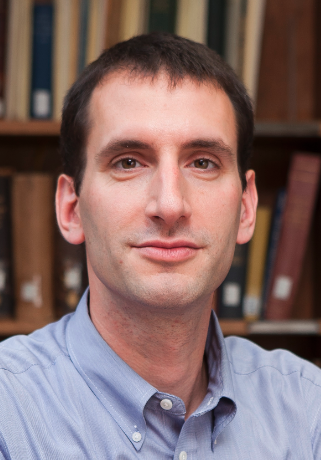 Joseph Ross合作论文数Section of General Internal Medicine, Yale School of Medicine, Yale University;Department of Health Policy and Management, Yale School of Public Health, Yale University14
 Ralph DeFronzo合作论文数Division of Diabetes, Long School of Medicine, University of Texas Health Science Center at San Antonio;Department of Medicine, Long School of Medicine, University of Texas Health Science Center at San Antonio14




